

News
Kenanga expects CPO to trade around RM4,000 a tonne in 2026
Kenanga expects CPO to trade around RM4,000 a tonne in 2026
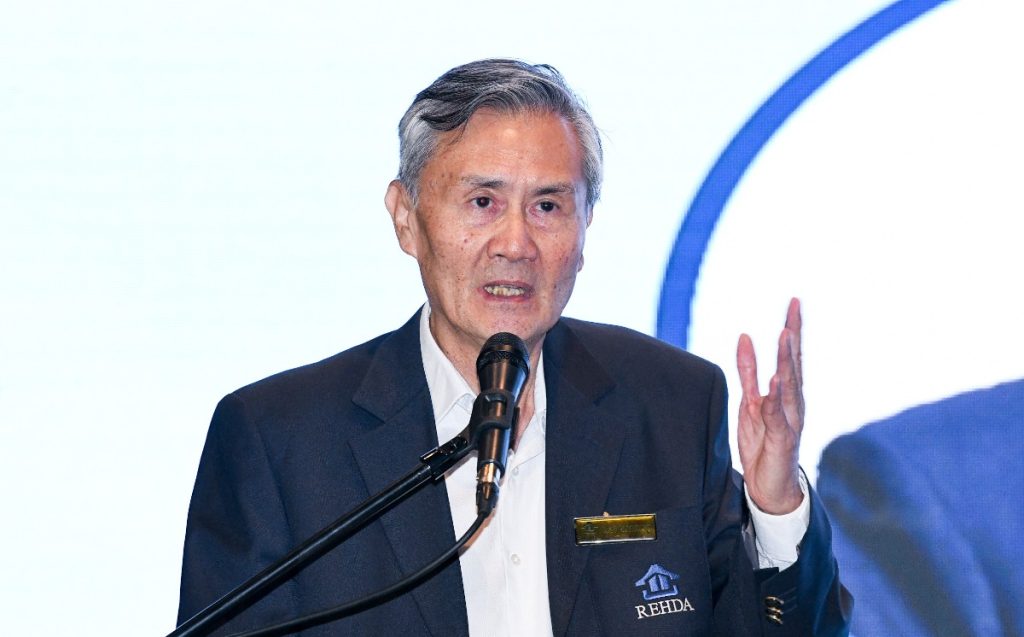
Globetronics Names Ta Shun Dher As New Chairman
Globetronics Technology Bhd has appointed Ta Shun Dher as its new non-executive chairman, effective Wednesday, Jan 14. Concurrently, the company redesignated former executive chairman Liaw Way Gian as an executive director. Shun Dher, 38, is the son of the late Tan Sri Ta Kin Yan, founder of the Waz Lian Group and Majestic Gen Sdn Bhd. Together with his elder brother Ta Wee Dher, he has helped lead Majestic Gen, a property developer known for its lifestyle-focused and architecturally innovative projects. Before joining Globetronics, Shun Dher oversaw rapid regional expansion at IT Sea Holdings Sdn Bhd, establishing over 20 new operations across Southeast Asia in five years. IT Sea Holdings operates across various consumer sectors, including food and beverage (Bape Café), fashion retail (Aape products), and distribution of IT games and toys, with a 70% stake in Aape Singapore and an associate interest in Thailand’s Infinite 23 Co Ltd. He holds a 4.36% stake in Globetronics, equivalent to 30.8 million shares. Separately, Globetronics announced that Francis Leong Seng Wui, who joined the board following the company’s RM45 million investment in the now Greentronics Technology Bhd in July 2025, has resigned to pursue personal interests. Leong’s departure follows previous resignations from Hong Seng Consolidated Bhd and Revenue Group Bhd in late 2025. With the exit of the Ng Kweng Chong family, Globetronics’ largest shareholders are now Ooi Keng Thye (10.89%) and APB Resources Bhd (9.91%). As of Sept 30, 2025, Globetronics reported cash holdings of RM32.59 million, down from RM114.82 million a year earlier, following a series of investments. The company remains debt-free, with RM83.06 million in other investments and RM50.67 million in associates. Since the July 2025 Mpire investment, Globetronics’ share price has continued to slide, worsened by previous auditor resignations and institutional sell-offs in September 2024. The stock closed at 28.5 sen on Wednesday, its lowest level since April 2009, giving the company a market value of RM201.26 million.
HSBC Mulls Selling Its Singapore Insurance Unit
HSBC is considering options for its Singapore insurance unit, including a potential sale, as part of the bank’s ongoing global restructuring under CEO Georges Elhedery. People familiar with the matter said HSBC, together with a financial adviser, is reviewing its insurance arm, HSBC Life (Singapore) Pte Ltd, which could be valued at over US$1 billion (around RM4 billion) in a transaction. Several insurers and investment firms have reportedly expressed early interest, though no final decisions have been made. HSBC declined to comment but reaffirmed Singapore’s importance as a key wealth and wholesale hub, emphasizing its strategic focus on investment and growth in the market. HSBC Life (Singapore) offers a range of products, including life and critical illness coverage, savings plans, personal accident, and health insurance. The bank has grown the business both organically and through acquisitions, including its US$529 million purchase of AXA Insurance Pte Ltd in 2022. The potential sale follows a wave of insurance deals in Southeast Asia, such as Chubb’s acquisition of Liberty Mutual’s units in Thailand and Vietnam, and Sumitomo Life Insurance’s purchase of Singapore Life Holdings Pte Ltd in 2024. Other regional players like FWD Group have also been active. This move would be in line with HSBC’s broader divestment strategy in recent years. The bank has sold several European and North American operations, including its UK life insurance business to Chesnara plc, its German custody and private banking units, and its French life insurance operations. Under Elhedery, HSBC is undergoing its most significant overhaul in over a decade, reorganizing into four divisions and exiting non-core businesses. The bank recently secured minority shareholder approval to complete its US$14 billion takeover of Hang Seng Bank Ltd, further strengthening its position in Asia.

Ex-Army Chief Zamrose Steps Down From Boustead Heavy Industries Board
Boustead Heavy Industries Corporation Bhd (BHIC) has announced that General (Retired) Tan Sri Zamrose Mohd Zain has stepped down from his role as a director of the company, effective Jan 12, 2026. Zamrose, aged 64, resigned from his position as a non-independent, non-executive director to focus on other personal and professional interests, according to a filing submitted to Bursa Malaysia on Tuesday. In addition to stepping down from the board, Zamrose also resigned from his role as chairman of the company’s Risk Committee on the same date. BHIC noted that the search for a replacement for the chairman of the Risk and Sustainability Committee is currently underway. BHIC, a leading shipbuilding and heavy industries company, expressed its appreciation for Zamrose’s contributions during his tenure, highlighting his experience and leadership in guiding the company’s risk management and governance initiatives. The company added that it remains committed to strengthening its board and committees to support its strategic and operational objectives. Zamrose, a former Chief of the Malaysian Army, brings decades of leadership and strategic experience to corporate governance, and his departure marks a notable transition for the company’s board as it continues to focus on operational excellence and sustainability.
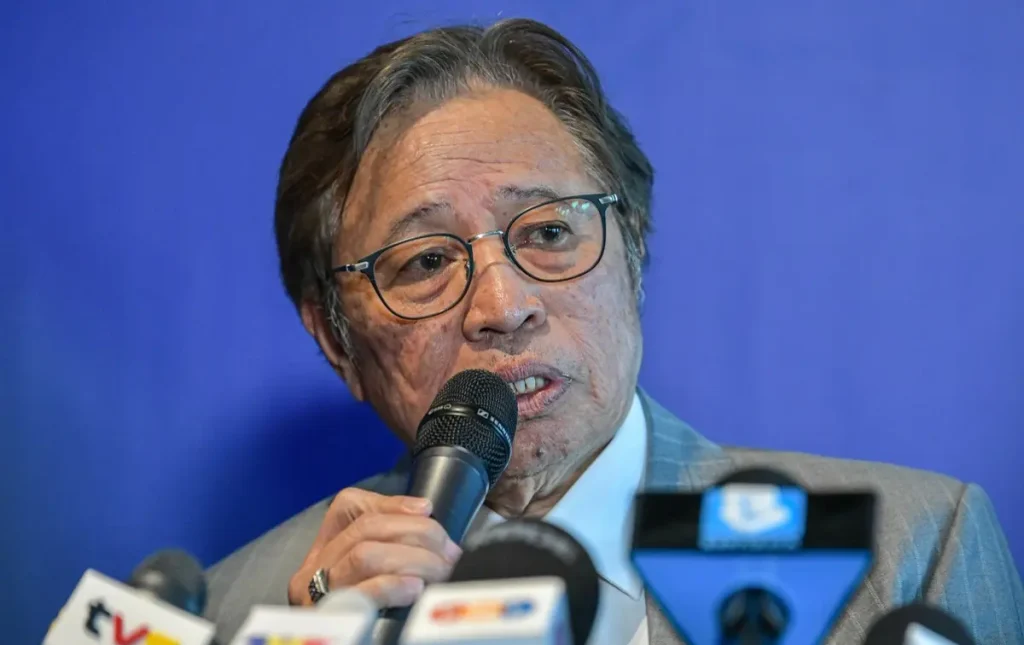
Abang Johari: Sarawak Plans Carbon Levy For Oil, Gas, And Energy Industries
Sarawak Premier Tan Sri Abang Johari Tun Openg has announced that the state will implement a carbon levy targeting facilities in the oil, gas, and energy sectors this year, as part of its ongoing efforts to address climate change and promote sustainable development. The levy is expected to generate funds that will be directed into a dedicated Climate Change Fund, which will support a range of environmental and sustainability initiatives. Sarawak Premier Tan Sri Abang Johari Tun Openg. “The proceeds from this levy will be channelled towards renewable energy deployment, improving energy efficiency, forest conservation, grid modernisation, and initiatives aimed at enhancing climate resilience,” Abang Johari said during his 2026 Sarawak Premier’s Address on Tuesday. The ceremony also marked the ninth anniversary of his tenure as Sarawak’s Premier. He emphasised that 2026 represents a pivotal year for the state, describing it as a period where careful planning must now translate into concrete action. “Over the past few years, Sarawak has established the strategies, institutions, and financing mechanisms required to ensure sustainable, long-term development. This year, those foundations must deliver visible, measurable outcomes. Projects that are ready for implementation must proceed decisively,” he said. Abang Johari also highlighted the need to address bureaucratic bottlenecks that could hinder progress. He stressed that overlapping processes, unclear authorities, and excessive risk aversion must be resolved quickly to ensure projects move forward efficiently. “The carbon levy is part of a broader effort to align Sarawak’s development with global climate goals while also supporting the state’s energy transition. By creating a dedicated fund, we can invest strategically in clean energy, sustainable infrastructure, and environmental preservation, ensuring Sarawak remains competitive while protecting its natural resources for future generations,” he added. This initiative signals Sarawak’s commitment to becoming a leader in sustainability and climate-conscious development, particularly in the energy-intensive sectors of oil, gas, and power generation, where the state has significant economic activity. The levy will serve as both a regulatory mechanism and a financial tool to drive investments in green technology and infrastructure across Sarawak.

MCMC To Pursue Legal Action Against X Over User Safety Lapses
The Malaysian Communications and Multimedia Commission (MCMC), together with the Communications Ministry, is moving to take legal action against X Corp (formerly Twitter) and xAI LLC over alleged failures to safeguard users in Malaysia linked to the use of the Grok artificial intelligence tool. In a statement issued on Tuesday, MCMC said it has appointed solicitors and that legal proceedings are expected to begin in the near future. The regulator said it has identified instances where Grok was allegedly misused to generate and spread harmful content, including obscene, sexually explicit, indecent and grossly offensive material, as well as non-consensual manipulated images. “Content that is believed to involve women and minors is a matter of serious concern. Such conduct breaches Malaysian laws and runs contrary to the safety commitments publicly stated by the entities,” MCMC said. The commission added that notices were issued to X Corp and xAI LLC on Jan 3 and Jan 8, instructing them to remove the offending content. However, it said no corrective action had been taken to date. MCMC stressed that both companies could still be held liable even if the content was generated by users, noting that they maintain control over Grok’s design, deployment, moderation systems and risk-mitigation measures. “Liability cannot be avoided where systemic safeguards have failed,” the regulator said, adding that the companies’ failure to enforce their own policies and internal controls may have enabled unlawful online activities in Malaysia. MCMC reiterated its commitment to enforcing Malaysian laws and protecting the public interest, warning that all digital platforms operating in or impacting Malaysia must fully comply with local legal and regulatory requirements.
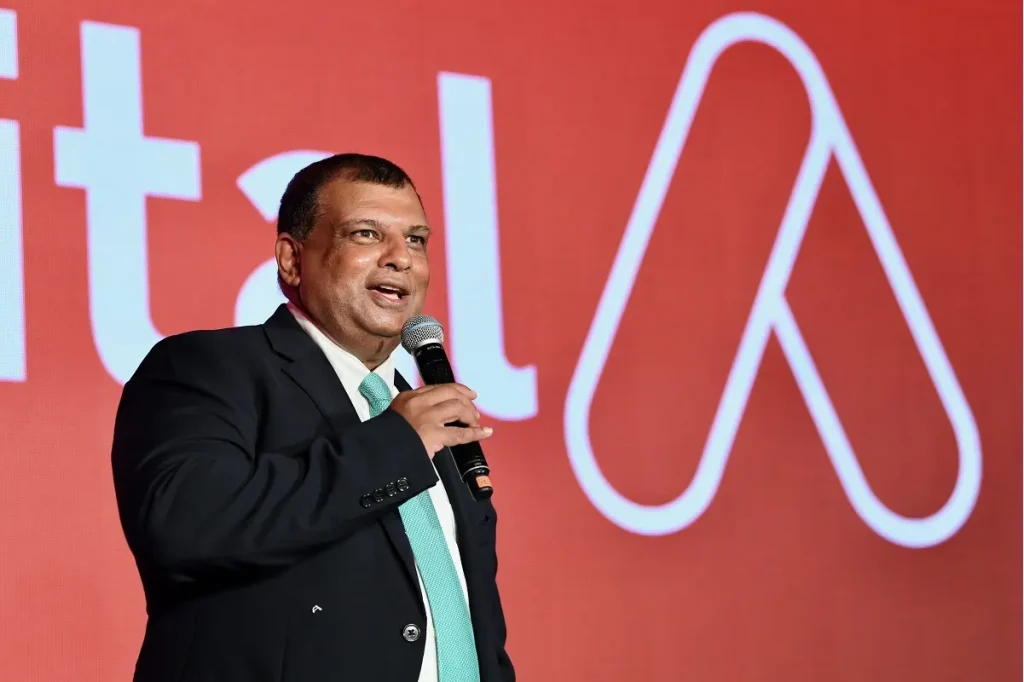
AirAsia X To Rebrand As AirAsia Starting Jan 19
AirAsia X Bhd is set to be renamed AirAsia starting January 19, marking a significant milestone in the airline’s ongoing restructuring and consolidation process, according to its founder Tan Sri Tony Fernandes. The move comes as AirAsia finalises steps to unify all its aviation operations under a single brand and corporate entity. Capital A chief executive officer Tan Sri Tony Fernandes. In a LinkedIn post on Tuesday, Fernandes highlighted that the consolidation will result in “one airline group and one brand,” streamlining both the long-haul and short-haul operations under the AirAsia name. AirAsia X, which currently operates the group’s long-haul flights, is in the final stages of completing its RM6.8 billion acquisition of short-haul aviation businesses from its sister company, Capital A Bhd. The restructuring will also allow Capital A to shed its financially distressed PN17 status, which has been in place since the pandemic, and refocus as a holding company for AirAsia’s non-aviation businesses. Fernandes noted that the reorganisation of the airline operations is a key step in strengthening the group’s financial and operational structure, allowing AirAsia to operate more efficiently and cohesively. Fernandes further revealed that AirAsia is in the process of finalising new aircraft orders. The refreshed fleet is expected to reduce operational costs and improve margins, with the founder aiming for a 30% margin on earnings before taxes, depreciation, and amortisation (EBITDA). He also expressed confidence that the move will enhance shareholder value, targeting a significant increase in the company’s stock price in the near term. With the integration of long-haul and short-haul operations under a single brand, the rebranded AirAsia is poised to strengthen its market position as one of Southeast Asia’s leading low-cost carriers, offering a more seamless travel experience for passengers while boosting operational efficiency and profitability.
Selangor Dredging Acquires Petaling Jaya Land For RM63 Million
Selangor Dredging Bhd (SDB) has announced the acquisition of a 1.214-hectare freehold commercial land parcel in Petaling Jaya, Selangor, from Hectare Square Sdn Bhd for a total consideration of RM63 million. In a filing with Bursa Malaysia, SDB said the purchase forms part of its ongoing strategy to expand and replenish its land bank with properties that have strong development potential. The group highlighted that the newly acquired land offers promising opportunities for future development and aligns with its long-term growth objectives. “SDB intends to explore the development of the site into high-rise serviced apartments, featuring spacious layouts and ample open spaces designed to provide family-friendly amenities,” the company said. At this stage, the company noted that the total development costs, project timeline, and expected profits have not yet been determined, as detailed planning and design work are still underway. Once finalised, SDB expects the development to contribute significantly to the company’s property portfolio and enhance the value of its land bank. The company also clarified that while the acquisition is not anticipated to have any immediate material impact on its consolidated earnings for the financial year ending March 31, 2025, it is expected to provide positive contributions to the group’s earnings in the medium to long term. This latest acquisition underscores SDB’s commitment to strategically identifying and securing prime properties in key urban locations, which will support the group’s expansion plans and strengthen its presence in the Selangor property market.
KTMB Names Azlan Shah As New CEO
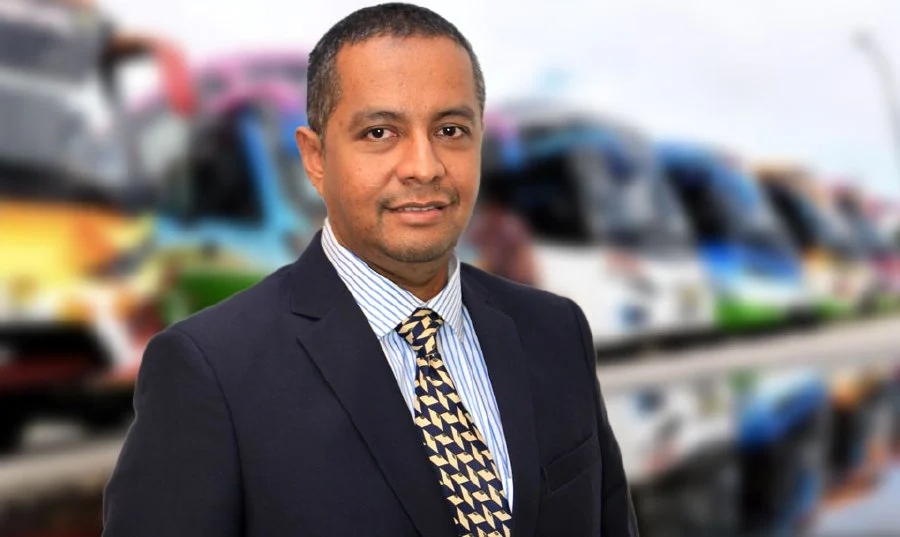
Keretapi Tanah Melayu Berhad (KTMB) has appointed Datuk Azlan Shah Al Bakri as its new group chief executive officer, effective Monday, Jan 12. Azlan succeeds Datuk Mohd Rani Hisham Samsudin, who previously led KTMB in two stints, the latest starting in December 2020. The appointment was announced on Sunday and confirms a report by The Edge Malaysia in June 2025 regarding leadership changes at the national rail operator. Datuk Azlan Shah Al Bakri. KTMB chairman Datuk Ahmad Redza Abdullah said Azlan was selected for his proven leadership and extensive experience in public transportation. “We are confident he will guide KTMB towards greater success through strong governance, operational excellence, and enhanced customer experience,” he stated. Azlan brings six years of experience as director-general of the Land Public Transport Agency (Apad) under the Ministry of Transport, where he oversaw regulatory matters, service planning, and coordination of nationwide public transport initiatives, particularly in the rail sector. Before his tenure at Apad, he gained experience in corporate and financial sectors, focusing on operations, risk management, and internal controls. He holds a degree in accounting from the University of Portsmouth, UK, and an MBA in finance from the International Islamic University Malaysia (IIUM). Commenting on his new role, Azlan expressed his commitment to advancing KTMB’s capabilities as the country’s national rail operator. “I am honoured by the trust placed in me and will work to enhance safety, service reliability, and operational efficiency for all rail users,” he said. This leadership change is expected to strengthen KTMB’s strategic direction and position it for continued growth and improvement in Malaysia’s rail sector.
