News

News

Tencent, Apple Settle On 15% Fee For WeChat Mini-App Purchases

Tencent Holdings Ltd has reached an agreement with Apple Inc that will allow the iPhone maker to manage payments and take a 15% commission on spending within WeChat’s mini apps and mini games — effectively ending a long-running dispute in the world’s largest smartphone market. The deal comes under a new Apple programme launched on Thursday, which will be available to all mini-app developers. To join, developers must comply with certain Apple software requirements, including features that support parental controls. Although the 15% fee is significantly lower than Apple’s usual 30% cut, it provides Apple with a new revenue stream and eases pressure on Tencent, which runs WeChat — an all-in-one platform used daily by over a billion people in China. Previously, Apple had pushed Tencent to block workarounds used by developers to direct users to external payment channels, bypassing Apple’s in-app purchase system. “We have a very good relationship with Apple and have collaborated in many areas,” Tencent president Martin Lau said during a post-earnings call on Thursday. “We’ve been discussing ways to make the mini-game ecosystem more vibrant. There may be an official announcement in due time.” The partnership marks a significant move toward smoothing Apple’s operations in China — a key market where it faces stiff competition from domestic giants like Xiaomi and Huawei. It could also pave the way for similar arrangements for digital purchases across Chinese app platforms, which operate differently from Apple’s ecosystem. Apple’s concession comes after long negotiations, amid increasing scrutiny of the company’s policies by Chinese authorities this year. While Apple tightly controls its app ecosystem globally, its leverage in China is relatively limited, where Tencent and other major players such as ByteDance dominate online content and impose their own fee structures. With the 15% share, Apple gains ground in the fast-growing mini-game segment. These games — operated entirely within WeChat — brought in 32.3 billion yuan (US$4.5 billion or RM18.75 billion) in social network revenue for Tencent in the September quarter. Tencent previously disclosed in August last year that it was in talks with Apple to establish “economically sustainable” and fair terms that would allow Apple to take a share of mini-app and mini-game transactions. Mini games have been expanding rapidly in popularity, and until now, Apple earned nothing from purchases made in these ecosystems. Globally, Apple has gradually eased its once-standard 30% commission in certain regions and cases, allowing exceptions for subscriptions and alternative payment options — part of broader changes to its longstanding app-store policies.

News

Citaglobal Secures RM628mil Contract For Selangor Water And Flood Project

Citaglobal Bhd has secured a RM628 million contract from Jabatan Bekalan Air Malaysia (JBA) for a raw water and flood mitigation project in Selangor. The contract value is nearly double the group’s current market capitalisation of RM349 million and will boost its total order book to around RM1.7 billion, up from RM1.1 billion as of June 2025. In a filing to Bursa Malaysia on Thursday, Citaglobal said its wholly-owned subsidiary, Citaglobal Land Sdn Bhd (CLSB), has formally accepted the contract, under which it will serve as the project contractor. The contract follows a tender issued by JBA in March 2025 for the Dual-Function Pond for Raw Water Source and Flood Mitigation Package A Project, with CLSB submitting its bid in July 2025. The 48-month design-and-build project includes the construction of a weir and raw water pumping station at Sungai Klang, laying raw water pipelines to Sungai Air Hitam, and upgrading 10 existing ponds into detention and sedimentation systems. It also involves building a side spillway and stilling basin near the Sungai Air Hitam–Sungai Klang confluence, along with associated mechanical, electrical, instrumentation, control system, and infrastructure works. The project is expected to positively impact Citaglobal’s earnings, earnings per share, and net assets during the contract period. Designed as a dual-function facility, the pond will serve both flood mitigation and raw water supply purposes, enhancing Selangor’s water security and increasing the state’s reserve margin to over 15%. At the noon break on Thursday, Citaglobal’s share price remained steady at 82 sen, maintaining a market capitalisation of RM349 million.

News

Pop Mart Shares Fall After Bernstein Flags Possible Weak Results

Shares of Pop Mart International Group Ltd. fell in Hong Kong after analysts at Bernstein warned that the Labubu-maker’s fourth-quarter results could fall short of expectations. The stock dropped as much as 3.7%, making it the second-worst performer on the Hang Seng China Enterprises Index on Wednesday, while the broader index was up 0.6% at mid-day. “Multiple independent data sources point to broad-based demand deterioration in both China and overseas markets during October, with weakness intensifying from peak levels in June,” Bernstein analysts, including Melinda Hu, said in a note dated Nov. 11. They added, “The convergence of weakening transaction data, social media engagement, and search interest across independent sources signals fundamental demand deceleration that cannot simply be dismissed as noise or channel shifts.” The warning adds to growing concerns over the Beijing-based firm’s long-term sales outlook, particularly regarding the sustainability of the strong demand seen for its Labubu plush toys, despite the company reporting third-quarter sales growth of up to 250% year-on-year. Profit-taking and doubts about future growth have also triggered a reversal in the rally that previously made Pop Mart one of the hottest stocks in China’s consumer sector. The stock has fallen nearly 40% since hitting a record high in late August, erasing roughly $20 billion in market value. Bernstein remains the sole brokerage rating the stock as underperform among more than 40 firms covering Pop Mart. The analysts maintained their price target of HK$225, noting that the extent and consistency of declines across multiple metrics in October suggest the fourth-quarter results may disappoint.

News

PETRONAS Enters Guyana For The First Time

Petroliam Nasional Bhd (PETRONAS), via its wholly-owned unit PETRONAS Energy Guyana Sdn Bhd (PEGSB), has signed a Petroleum Agreement (PA) for Block S4 in the shallow offshore waters of Guyana. The agreement was executed with the government of the Cooperative Republic of Guyana and consortium partners TotalEnergies EP Guyana Shallow SAS (TotalEnergies) and QatarEnergy, marking PETRONAS’ first entry into Guyana and expanding its presence in the Americas. The PA follows the consortium’s successful bid in the 2022 Guyana Licensing Round and represents a key milestone in PETRONAS’ expansion in the Guyana-Suriname Basin, a region recognised as a promising frontier for oil exploration. Block S4 spans roughly 1,787 sq km and is strategically situated along favourable hydrocarbon migration pathways. Under the agreement, PETRONAS holds a 25% stake, QatarEnergy 35%, and TotalEnergies 40%, with TotalEnergies acting as the operator. The signing ceremony in Georgetown was attended by PETRONAS’ Harris Saifi B Hakimi, Guyana Petroleum Minister Vickram Bharrat, TotalEnergies’ Daniel Larranaga, and QatarEnergy’s Ali Al-Mana. PETRONAS vice-president of exploration Faisal Bakar said, “Our entry into the Guyana-Suriname Basin marks a significant step in PETRONAS’ international growth. Through a disciplined expansion strategy, we aim to unlock the basin’s proven potential and deliver lasting value to our stakeholders. Our partnership with TotalEnergies and QatarEnergy strengthens our commitment to a resilient and progressive upstream sector.” The inclusion of Block S4 reinforces PETRONAS’ footprint in the Americas and its position as a competitive global energy player.

News

Khazanah Unit To Leverage Land Assets For Data Centre Development

Khazanah Nasional Bhd.’s infrastructure arm, UEM Group Bhd., plans to leverage its extensive landbank in Johor to support the rapid expansion of data centres by providing clean energy and industrial land, said managing director Datuk Amran Hafiz Affifudin. Johor — which is jointly developing a new special economic zone with neighbouring Singapore — has drawn RM164.45 billion in data centre investments as of the second quarter. The state is projected to host about 60% of Malaysia’s data centres by 2030. This outlook positions UEM favourably, as its property arm, UEM Sunrise Bhd., holds nearly 4,600 acres in the state. Sunrise is finalising plans for the 40-acre Gerbang Nusajaya Industrial Park, a renewable energy-powered development, Amran said in an interview in Kuala Lumpur on Tuesday. Meanwhile, UEM’s green energy subsidiary, UEM Lestra Bhd., is preparing to begin construction on a 1-gigawatt hybrid solar plant backed by investors including units of I Squared Capital Advisors and Macquarie Group. The first phase, covering 500 megawatts and valued at RM2.5 billion, was announced earlier this year. UEM Group Bhd managing director Datuk Amran Hafiz Affifudin. UEM is also exploring investments in water treatment facilities for industrial parks — a key requirement for meeting the cooling needs of data centres. “This complements our energy supply plans,” Amran said. “Even without data centres, industrial developments alone create substantial demand for water and power.” According to BMI, a Fitch Solutions company, Malaysia ranks among Asia’s top three growth markets, with the ongoing data centre boom expected to drive a significant increase in power demand through 2028. However, the rapid expansion is putting pressure on the nation’s land and grid capacity. “Meeting this demand with clean power is becoming more challenging — yet increasingly vital as renewable-matching commitments are now central to data centre operators’ business strategies,” BMI noted. Green Pivot Traditionally focused on property and infrastructure, UEM is now steering toward green energy and sustainability as part of its long-term growth strategy. Last year, Lestra acquired a majority stake in Nur Power, Malaysia’s only independent power utility, for an undisclosed sum and pledged RM1.5 billion to decarbonise industrial parks nationwide by 2026. Lestra currently supplies biogas power to the Kulim Hi-Tech Park in Kedah — home to global semiconductor and electronics manufacturers including Infineon Technologies AG and AT&S. The park’s 350-megawatt biogas facility is fully subscribed. “We can repower the plant to reach up to 1 gigawatt if regulators permit,” Amran said, adding that Lestra is also open to selling biogas power to other industrial zones via the national grid. Amran said the group expects stronger profitability in 2025, driven by higher contributions from UEM Sunrise and other subsidiaries, with further growth anticipated in 2026 based on the group’s deal pipeline. UEM reported a pre-tax profit of RM923 million last year — nearly tripling from the previous year — with a debt-to-equity ratio just below 40%. “That gives us significant headroom for expansion,” Amran said. The group currently has two listed subsidiaries — UEM Sunrise and UEM Edgenta Bhd., its asset and facility management arm — and is considering future listings of other units “when the timing is right,” he added.

News

MAG Appoints Nasaruddin Bakar As New Group CEO, Succeeding Izham Ismail

Malaysia Aviation Group (MAG) has announced the appointment of Captain Nasaruddin A. Bakar as its new president and group chief executive officer (CEO), effective February 1, 2026. This new role replaces the previous group managing director position. Datuk Captain Izham Ismail, the current group managing director, will retire on January 31, 2026, after an illustrious career of over 40 years with the company. Captain Izham joined Malaysia Airlines in 1979 as a pilot and held multiple key leadership roles before being appointed as group managing director in December 2017 — making him the airline’s longest-serving chief executive. During his tenure, Captain Izham led major financial restructuring and operational improvement initiatives that restored MAG to profitability. The group’s strengthened financial position now enables it to pursue its next phase of growth and sustainability under new leadership. Captain Nasaruddin, who brings over 30 years of experience in flight operations, management, and strategic roles within MAG, currently serves as the chief operating officer of Malaysia Airlines. As president and group CEO, he will lead the execution of MAG’s strategic priorities, focusing on operational excellence, customer experience, and sustainable growth across its airlines and non-airline businesses. His leadership will guide the implementation of the Long-Term Business Plan 3.0 (LTBP3.0) and reinforce MAG’s standing as a leading aviation group. He will be supported by a capable management team across MAG’s three profit centres — Airline Business, Loyalty and Travel Services, and Aviation Services. MAG board member and Khazanah Nasional Bhd managing director Datuk Amirul Feisal Wan Zahir expressed full confidence in Nasaruddin’s leadership to advance the group’s strategic direction and competitiveness. “On behalf of the board and the entire MAG family, we extend our heartfelt appreciation to Captain Izham for his exceptional leadership and dedication. His integrity, passion, and commitment have been instrumental in guiding MAG through key transformation and growth phases,” Amirul Feisal said.

News

Indonesia In talks To Merge Grab And GoTo

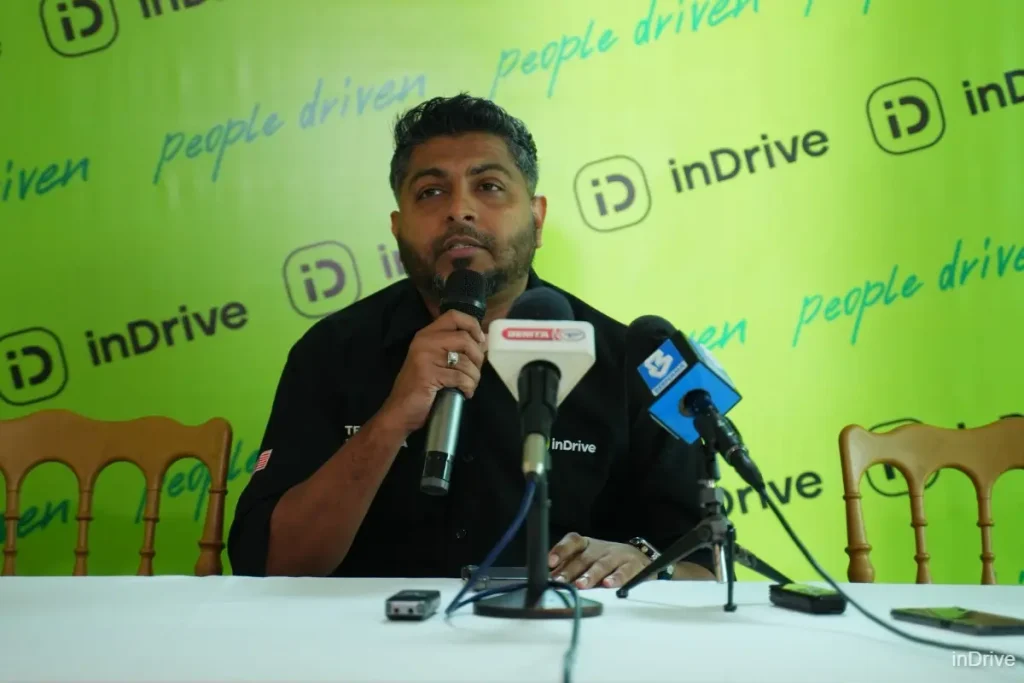
Indonesia is exploring a potential merger or acquisition involving the country’s leading ride-hailing and food delivery companies, Grab and GoTo, according to a statement from the presidential spokesperson on Friday. The discussions highlight the government’s focus on the digital mobility sector, which it views as a strategic industry for job creation and economic growth. GoTo’s Gojek unit alone employs over 3.1 million online riders, while both GoTo and Grab have long been dominant players in Indonesia’s ride-hailing and delivery market. Data from Euromonitor International indicates that a combined Grab-GoTo entity would control more than 91% of the domestic market, underscoring the scale of the proposed consolidation. Government spokesperson Prasetyo Hadi emphasized that a decision on the matter is expected soon. “Online riders are economic heroes, driving the economy,” he said, reflecting the government’s recognition of the sector’s role in supporting livelihoods and economic activity. Reports suggest that Nasdaq-listed Grab has been considering a potential acquisition of GoTo since the second quarter of this year, enlisting advisers to assess the feasibility of the deal. Sources familiar with the discussions have indicated that the acquisition could value GoTo at around US$7 billion (RM29.23 billion). GoTo is currently majority-owned by international investors, with SoftBank Group and Taobao China Holding—a subsidiary of Alibaba Group—holding a combined 73.9% stake, while the remaining shares are held by Indonesian investors, according to the company’s 2024 annual report. Neither Grab nor GoTo has provided an immediate comment on the ongoing discussions. If finalized, the merger or acquisition would represent a major consolidation in Indonesia’s digital transportation sector, potentially reshaping competition and the operational landscape for ride-hailing, delivery, and related digital services in the region. This move comes amid a broader trend in Southeast Asia, where ride-hailing platforms are increasingly exploring strategic partnerships, mergers, or acquisitions to strengthen market positions and achieve operational efficiencies in a rapidly evolving digital economy.

News

Wentel Engineering’s New Plant to Unlock Next Phase of Growth

Wentel Engineering Holdings Bhd is gearing up for its next growth phase with the construction of a new production facility that will double its current manufacturing floor space. The expanded plant is expected to enhance operational efficiency and boost overall production capacity. According to Apex Securities Research, Wentel is currently trading at undemanding valuations, making it an attractive proposition for investors. The new facility is slated to commence operations in the first half of 2026, providing the company with additional room to scale up output and meet increasing market demand. The investment in the new plant reflects Wentel’s long-term strategy to strengthen its position in the engineering and manufacturing sector while supporting sustainable growth and shareholder value.

News

Shin Yang Boosts Capital Expenditure Plans

Shin Yang Group Bhd has announced an increase in its capital expenditure (capex) plans for the upcoming financial year, aiming to strengthen its operational capacity and support long-term growth across its diversified business segments, including timber, construction, and property development. The group said the increased allocation will focus on upgrading existing manufacturing facilities, expanding its production capabilities, and investing in environmentally sustainable technologies. These investments are expected to enhance operational efficiency and meet rising demand in both domestic and international markets. Shin Yang’s management highlighted that the move aligns with the company’s long-term strategic plan to boost competitiveness and market share while ensuring sustainable growth. “The additional capital expenditure reflects our commitment to modernize our operations and reinforce our presence in key sectors,” said the group’s CEO. “We are confident that these investments will position Shin Yang for stronger performance in the years ahead.” The group also noted that the capex increase will be financed through a combination of internal cash reserves and bank borrowings, without materially affecting the company’s gearing or financial stability. Shin Yang shares closed higher following the announcement, reflecting investor optimism about the company’s growth prospects.

News

Perak Attracts RM6 Billion In Investments From 203 Projects By June

Perak has attracted RM6.25 billion worth of investments across 203 projects as of June 2025, potentially creating more than 5,000 job opportunities, said Menteri Besar Datuk Seri Saarani Mohamad. He noted that the investment value represented a 105% increase compared to the same period last year, while job creation surged 224%, reflecting growing investor confidence in the state’s economy. “This clearly demonstrates investors’ confidence in Perak’s strong and stable investment ecosystem — as steadfast as an anchor that holds firm even in turbulent seas,” Saarani said during his address at the Investiture Ceremony in conjunction with the 69th birthday celebration of Sultan Nazrin Shah at Istana Iskandariah, Kuala Kangsar. Also present were Raja Permaisuri Perak Tuanku Zara Salim and other state dignitaries. Saarani highlighted that Perak’s labour force participation rate rose to 67.4% in the second quarter of this year from 65.6% a year earlier, while the unemployment rate dropped to 3.2% from 3.4% in the same period. Under the first rolling plan of the 13th Malaysia Plan, a total of 466 projects valued at RM1.84 billion have been approved, covering infrastructure, education, healthcare, social facilities, and industrial development. Key developments include: The upgrading of the PLUS Expressway from Slim River to South Ipoh The Perak Halal Industrial Park in Manjung The construction of the Tanjung Rambutan Health Clinic “These projects will bring direct benefits to the people’s well-being,” he added. Looking ahead, Perak will benefit from continued federal support in the 2026 Budget, particularly for major initiatives such as the Kerian Integrated Green Industrial Park expansion and the Lumut Maritime Industrial City, both of which aim to strengthen the state’s position as a hub for green and maritime industries. Saarani said the state’s gross domestic product (GDP) grew 4.4% in 2024, up from 2.7% in 2023, with total output increasing to RM86.2 billion from RM82.6 billion. The growth was driven primarily by the services (63.3%) and manufacturing (19.4%) sectors, followed by agriculture (14%), construction (2.6%), and mining (0.6%). “These figures show the resilience of Perak’s economy and the people’s determination to improve their livelihoods,” he said. As of Nov 7, Perak had collected RM1.1 billion in revenue, putting it on track to achieve its RM1.4 billion target and offset a projected RM81.8 million deficit in the 2025 budget. “With continued prudent management, we are confident Perak will record a budget surplus for the fourth consecutive year,” Saarani said.

Scroll to Top

Subscribe
FREE Newsletter