News

News

Citaglobal to Install 5.4 MW Solar Facility at Port of Baku

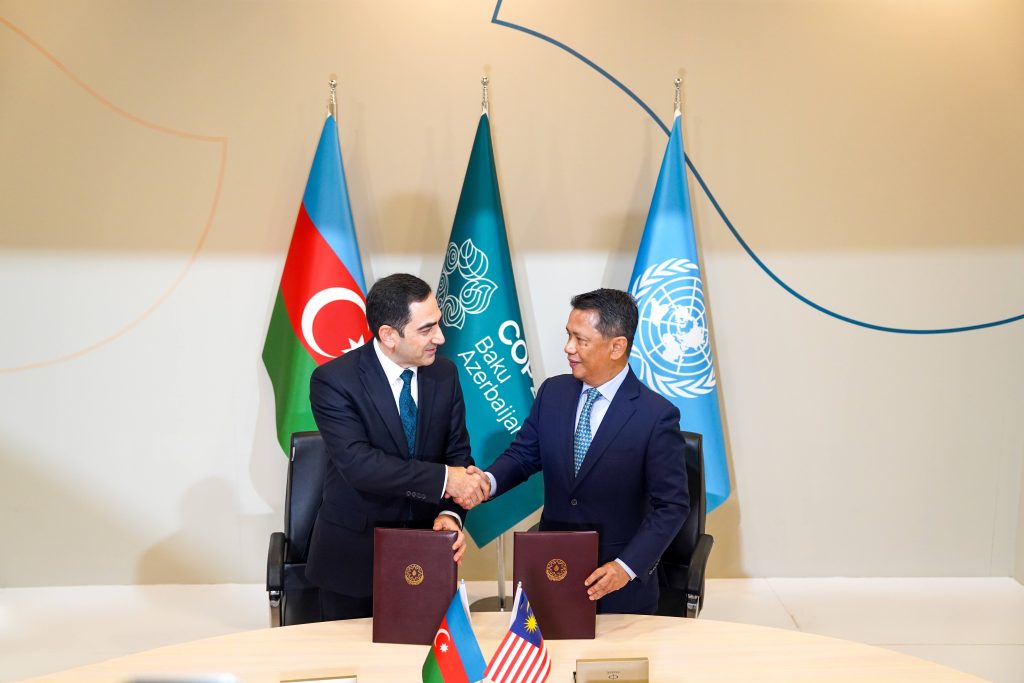
Azerbaijan: In a groundbreaking development for Azerbaijan’s renewable energy sector, Citaglobal Bhd (Citaglobal) has entered into a Framework Agreement with the Port of Baku to establish a 5.4 MW solar photovoltaic (PV) facility, marking the nation’s first-ever commercial renewable energy project that integrates solar power with a cutting-edge Battery Energy Storage System (BESS). This pioneering initiative sets a new precedent for Azerbaijan’s commitment to sustainable energy solutions, paving the way for a greener and more efficient future.   This groundbreaking green energy project will be led by Tiza Green Energy LLC, a joint venture established by Tiza Global Azerbaijan LLC and Citaglobal Renewable Energy Sdn Bhd, a wholly-owned subsidiary of Citaglobal. The agreement was signed in the presence of YBhg Datuk Dr. Ching Thoo a/l Kim, the Secretary General of the Ministry of Natural Resources and Environmental Sustainability of Malaysia, and His Excellency Ambassador Ahmad Kamrizamil Mohd Riza, the Ambassador of Malaysia in Azerbaijan, during COP 29’s Green Energy Day. COP 29’s Green Energy Day is an event dedicated to showcasing cutting-edge energy solutions, advancing global climate goals, and supporting Azerbaijan’s ambitious target of increasing the share of renewable energy in its energy mix to over 60% by 2050.   This strategic partnership embodies the nation’s steadfast commitment to a more sustainable future and serves as a significant milestone in Azerbaijan’s journey towards achieving its renewable energy aspirations.   This trailblazing project is supported by a 21-year Power Purchase Agreement (PPA), guaranteeing a fixed tariff throughout its duration. This agreement provides the Port of Baku with predictable energy costs and shields it from future grid price fluctuations, ensuring a stable and sustainable energy supply for years to come. While the project’s capacity may be modest, it signifies a momentous leap forward in Azerbaijan’s renewable energy journey. By seamlessly integrating solar power, a Battery Energy Storage System (BESS), and connectivity to the distribution grid, this initiative sets a benchmark for sustainable energy solutions.   It presents an adaptable model that can be replicated across the country to bolster energy security and advance sustainability goals, paving the way for a greener, more efficient future for Azerbaijan.   Beyond its groundbreaking nature, this initiative is poised to yield considerable long-term cost savings while drastically reducing greenhouse gas emissions. Upon full implementation, the port’s entire annual electricity consumption will be sourced from green energy, solidifying its commitment to sustainable practices.   The project’s Phase 1 will kick off with rooftop solar PV installations, which will later evolve into more expansive, ground-mounted systems. These subsequent phases will see the deployment of Citaglobal’s innovative MYBESS solution, ensuring the port can harness nearly 100% of the generated solar energy at a competitive rate.   This comprehensive, multi-phase approach demonstrates the port’s dedication to maximising the potential of renewable energy sources and serves as a beacon of innovation for the renewable energy sector.   The incorporation of Citaglobal’s MYBESS technology allows for the storage of excess energy, ensuring its availability during periods when the port’s electricity demand surpasses the supply from solar generating systems. This strategic integration minimises reliance on grid power, optimising energy efficiency, and promoting self-sufficiency.   Spanning an impressive 400 hectares, the Port of Baku is situated just 70 kilometers from Azerbaijan’s capital. As a vital transport and logistics hub for Eurasia and a key component of the Trans-Caspian International Transport Route, the port plays a critical role in connecting economies and facilitating trade.   Currently, the Port of Baku boasts 13 berths, including a Roll-on/Roll-off (Ro-Ro) facility, a ferry terminal, and a general cargo terminal. It is now in the midst of its second stage of construction, which aims to significantly increase annual throughput capacity to 25 million tons, including  500,000 TEU (twenty-foot equivalent unit) containers.   As the Port of Baku undergoes this expansion, it remains committed to sustainable practices. Its ongoing efforts include improving energy efficiencies, implementing effective waste management systems, and participating in local environmental protection projects.   The successful integration of solar power and MYBESS in this landmark initiative serves as a testament to the port’s dedication to driving renewable energy adoption and fostering a greener future.   “This agreement marks a major milestone in advancing Azerbaijan’s renewable energy landscape with an innovative solution that seamlessly integrates solar power and BESS technology,” said Tan Sri Dr Norza Zakaria, President of Tiza Green Energy LLC and Executive Chairman and President of Citaglobal Berhad.   “The solution that we are implementing not only maximises clean energy use on-site but does so at a cost competitive tariff, demonstrating our shared commitment to sustainable, cost-effective energy solutions.”   “As the first Green Port in the Caspian region since 2019, we have implemented significant measures to minimize our environmental impact. Our strategy is to achieve zero emissions by 2035, and I am confident that our partnership with Tiza Green Energy will position us as leaders in sustainable practices, significantly reducing our Scope 2 emissions. The integration of solar and BESS technology brings unprecedented energy management capabilities, reinforcing our commitment to both economic and environmental stewardship,” said Dr. Taleh Ziyadov, Director-General of the Port of Baku.   The Port of Baku’s commitment to climate resilience is evident in its 2035 Climate Action Plan. The plan emphasises reducing emissions, improving efficiency, and mitigating climate risks, demonstrating its dedication to sustainable practices. As host of COP 29, this initiative solidifies Baku’s leadership in addressing climate change and implementing innovative environmental strategies.
News

HCM City Aims to be Regional Logistics Hub

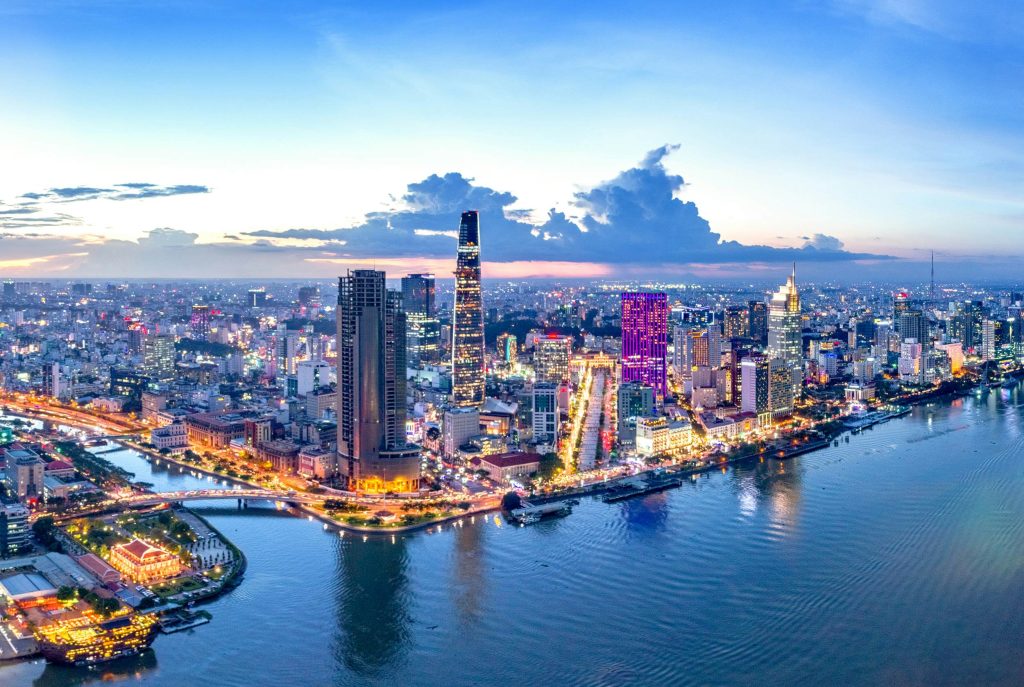
HO CHI MINH CITY: Ho Chi Minh City is set to enhance its logistics sector to become a key logistics hub in South-East Asia by 2030, leveraging global supply chain opportunities. Speaking at the Ho Chi Minh City Logistics conference organised by the Ho Chi Minh City Logistics Association last Friday, Vo Van Hoan, deputy chairman of the People’s Committee, said the city aims to position itself as a key logistics service centre in global supply chains. The city targets to develop logistics into a pioneering and sustainable economic sector, with a goal to become a logistics service hub not only for Asia but also on a global scale by 2045. Logistics is one of Vietnam’s rapidly expanding sectors, boasting an annual growth rate of 16%, he said. The city recently unveiled a plan to enhance its logistics infrastructure by improving port capacity and expanding warehousing. Investment projects will be executed transparently and equitably, with support for private sector involvement through favourable tax policies and streamlined processes. A priority is the transition to green logistics to reduce emissions and promote sustainability, which is vital for competitiveness and growth. Projects incorporating Industry 4.0 technologies, digital transformations and environmental protection will be prioritised. The goal is to develop modern logistics infrastructure and improve connectivity in the southeastern region and the Southern Key Economic Zone. The global logistics sector is currently grappling with challenges such as economic uncertainty, geopolitical tensions, supply chain disruptions and natural disasters, which have adversely affected Vietnam’s logistics industry. Pham Thanh Son, director of Tan Cang Hiep Phuoc Joint Stock Co, said that Vietnam’s logistics industry must leverage more than its current advantages to thrive. Vietnam ranked 43rd in the Logistics Performance Index in 2023. The country’s logistics infrastructure investment has reached 5.7% of gross domestic product (GDP), the highest in South-East Asia, contributing 4%-5% to national GDP and employing over one million people. With around 9,600 registered logistics enterprises, accounting for 36.7% of the national total, opportunities exist in areas like Hiep Phuoc and Nha Be ports. The upcoming Ring Road 3 is expected to enhance transport and reduce logistics costs. However, the country’s public investment in infrastructure has only reached 22% of planned disbursement, leaving unresolved traffic bottlenecks that hinder logistics development. Son recommended improving infrastructure through accelerated road projects, railway connections and developing waterway ports. Vietnamese logistics firms, mostly small to medium-sized, need to optimise operations, embrace digital transformation and invest in new technologies to enhance competitiveness. The sector faces challenges from fragmented policies and limited infrastructure, yet the market, valued at around US$40bil in 2023, is projected to grow by 14%-15% by 2025, driven by free trade agreements and a favourable investment climate. The global logistics market is expected to reach US$21.91 trillion by 2033, growing at 9.35% annually. — Viet Nam News/ANN

News

Malaysia removed from US currency monitoring list

WASHTINGTON: The United States has added South Korea to its “monitoring list” of major trading partners whose currency practices call for closer attention, according to a Treasury Department report released Thursday. The semi-annual report looks into countries with large trade surpluses with respect to the United States that also actively intervene in foreign exchange markets to gain a competitive advantage. It concluded that no major US trading partner manipulated its exchange rate to prevent “effective balance of payments adjustments” or gain unfair competitive advantage in global trade in the four quarters through June 2024. Besides South Korea, other economies on the monitoring list were China, Japan, Taiwan, Singapore, Vietnam, and Germany. Of the group, Japan, South Korea, Taiwan, Vietnam and Germany met two of three criteria to merit enhanced analysis. These were “having a significant bilateral trade surplus with the United States and a material current account surplus.” Singapore was said to have engaged in “persistent, one-sided foreign exchange intervention.” Malaysia, which was previously on the monitoring list, has been removed. In keeping China on the list, the Treasury cited the country’s “failure to publish foreign exchange intervention and broader lack of transparency around key features of its exchange rate mechanism.” The Treasury called China “an outlier among major economies,” adding that Beijing also holds “outsized trade imbalance with the United States.” “Treasury firmly advocates for our major trading partners to adopt policies that support strong, sustainable, and balanced global growth and reduce excessive external imbalances,” said Treasury Secretary Janet Yellen in a statement. – AFP

News

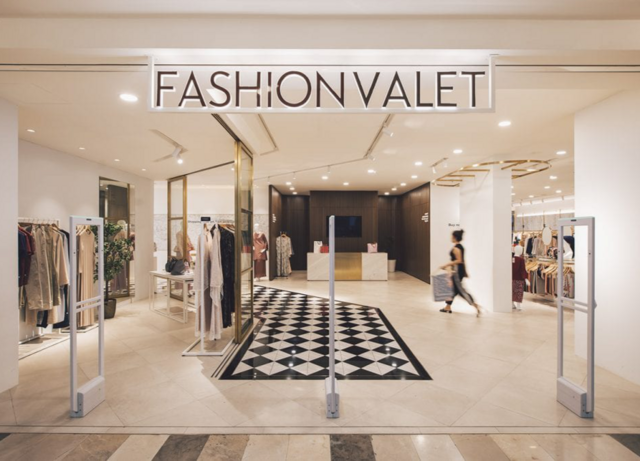
Khazanah Retains Board Seat in FashionValet, Says Amir Hamzah

KUALA LUMPUR: Khazanah Nasional Bhd has a representative on the board of FashionValet Sdn Bhd due to its holding exceeding the threshold that requires board representation, said Datuk Seri Dr Amir Hamzah Azizan. The Finance Minister II added that, on the other hand, Permodalan Nasional Bhd does not have a representative on the board. He was responding to a question from Datuk Mas Ermieyati Samsudin (PN-Masjid Tanah) during the winding-up of the 2025 Budget debate in the Dewan Rakyat. Amir said FashionValet managed to secure investment from Khazanah as it was at the time a promising e-commerce platform. “The digital economy has long been a cornerstone of Malaysia’s development, starting with the establishment of the Multimedia Super Corridor. “This sector includes sub-sectors like e-commerce, digital wallets, and various digital platforms. “In line with the government’s priority on technology sectors, Khazanah invested in FashionValet, which at the time was a promising e-commerce platform for fashion. “Both Khazanah and PNB understand that startup investments inherently carry higher risks than typical investments but align with their mandate to support strategic ventures,” he said. He assured that the government remains diligent in the use of public funds and will continue to enforce strong governance and oversight. “Given that MACC is still investigating this case and Khazanah’s internal audit is ongoing, Khazanah should be given space to complete these processes. “The final findings will be used to improve Khazanah’s governance practices,” he said. Amir said it is also important for Khazanah to continue supporting the local ecosystem and venture capital investments in line with the Madani Economy framework. He said Khazanah has made other significant investments which recorded a significant amount of profit. “It’s also essential to consider investment returns from a broader perspective. “Khazanah has made other early-stage investments that are yielding positive returns, such as its investment in local dairy company Farm Fresh Bhd, part of Khazanah’s venture capital in the agriculture sector. “Through the Farm Fresh investment, Khazanah has achieved a 13-fold return amounting to RM800 million,” he said. Last year, Khazanah and PNB sold their stakes in FashionValet for RM3.1 million, following a combined investment of RM47 million made in 2018. The Finance Ministry confirmed the sale in a written reply to Parliament on Oct 29, in response to a question from Yeo Bee Yin (PH-Puchong) regarding Khazanah and PNB’s total investment in FashionValet, including losses due to devaluation and share disposal.–NST

News

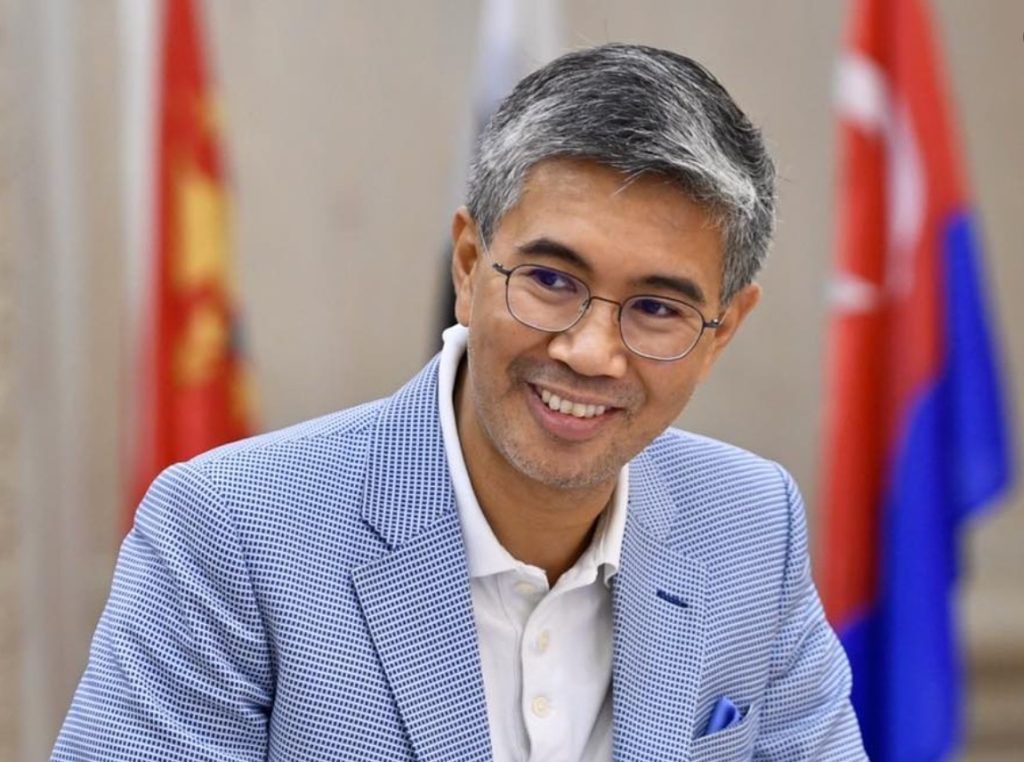
Mida identifies 12 Egyptian companies interested in investing in Malaysia – Tengku Zafrul

CAIRO: The Ministry of Investment, Trade and Industry (MITI) through its agency the Malaysian Investment Development Authority (MIDA) has identified 12 leading Egyptian manufacturing companies interested in exploring investment opportunities in Malaysia. Investment, Trade and Industry Minister Tengku Datuk Seri Zafrul Abdul Aziz said the companies were interested in exploring investments in the pharmaceutical, medical device, aerospace and petrochemical sectors. He said the leading Egyptian manufacturing companies expressed their interest when participating in a roundtable meeting held here in conjunction with Prime Minister Datuk Seri Anwar Ibrahim’s official visit to Egypt which ended today. “This roundtable meeting was attended by around 60 industry and business leaders from 47 leading companies and business associations from Egypt,” he said at a press conference on the final day of the Prime Minister’s visit today. Tengku Zafrul said during the roundtable meeting that a total of 28 high-value industrial companies including in the automotive, chemical, oleochemical, food, palm oil-based products, personal care, renewable energy, logistics and finance and construction sectors were invited. He said all the companies concerned have now imported goods and services from Malaysia worth RM505.2 million. “The roundtable meeting had generated potential exports of RM4.8 billion. This shows great trade opportunities, particularly in the high-value innovation sectors outlined under Malaysia’s New Industrial Master Plan (NIMP) 2030,” he said. Tengku Zafrul added that the companies present at the roundtable conference also expressed interest in acquiring various products and services from Malaysian suppliers including automotive spare parts and components, palm oil, cooking oil and fats, oleochemicals, detergents, special chemicals, solar panels and inverters, building materials, and food and beverage products. – Bernama

News

PERTAMA DIGITAL Set to Launch MyDigital ID

KUALA LUMPUR: Pertama Digital Berhad is proud to announce the completion of its back-end integration work, incorporating MyDigital ID onto its flagship products. Through its subsidiary Dapat Vista (M) Sdn Bhd, Pertama Digital has seamlessly embedded MyDigital ID into eJamin, KOCEK, and MyPay, reaffirming its commitment to supporting the Malaysian government’s digital transformation efforts. This strategic integration paves the way for a more secure, accessible, and efficient digital ecosystem for all Malaysians. With MyDigital ID, users can now enjoy a unified digital experience across Dapat Vista’s products, using a single login credential to access multiple services with enhanced security and ease. The integration of MyDigital ID is part of Pertama Digital‘s broader vision of supporting Malaysia’s shift towards a digital-first nation, ensuring that key services are secure, accessible, and user-friendly for both individuals and businesses.   Revolutionising Access to Digital Services: One Log-In, Endless Possibilities  Each of Dapat Vista’s offers a unique and valuable service to Malaysians, and with MyDigital ID, users will benefit from MyDigital ID’s security and simplicity: eJamin: As Malaysia’s pioneering digital bail payment solution, eJamin has already transformed the bail process, reducing it from hours to mere minutes by allowing users to post bail online quickly and securely. With over one hundred and twenty thousand average annual users, eJamin’s integration with MyDigital ID further enhances this process, adding an extra layer of security and making identity verification even faster. Legal practitioners across Malaysia recognize eJamin as a valuable tool for streamlining bail administration, reducing administrative burdens, and enabling a more efficient legal process. This integration reinforces eJamin’s commitment to seamless transactions, ensuring that bailors can complete their payments swiftly and securely.   KOCEK: Malaysia’s first digital coin conversion service, KOCEK allows Malaysians to convert spare change into a digital wallet that can be used for cashless transactions. Serving more than hundred thousands customers per annum, KOCEK’s integration with MyDigital ID allows quick and secure identity verification, creating a trusted gateway to Malaysia’s digital economy. Small business owners have highlighted Kocek as a modern, convenient cashless option that enhances the flow of daily business transactions, promoting financial inclusivity for underserved communities.   MyPay: MyPay, with an active user base exceeding a million, empowers Malaysians with an all-in-one solution for bill payments, savings, investments, and daily financial management. With MyDigital ID’s SSO and eKYC capabilities, MyPay provides users with secure and verified access to essential services, aligning perfectly with Malaysia’s vision for a digital future.   Supporting a Secure Digital Malaysia Together  The integration with MyDigital ID goes beyond a technological update; it reflects Pertama Digital’s dedication to making digital services more accessible, secure, and practical for every Malaysian. With MyDigital ID’s eKYC feature, user identities can be verified with ease, adding an extra layer of confidence to each interaction. Pertama Digital’s collaboration with the Malaysian government on this initiative helps create a trusted digital environment, empowering citizens while safeguarding their data within a secure, nationally supported framework.   “This integration with MyDigital ID represents an important milestone in our commitment to creating innovative digital solutions that serve the needs of the rakyat,” stated Sabri Ab Rahman, Group Executive Director of Pertama Digital Berhad. “By integrating MyDigital ID into our platforms, we are providing a secure, unified digital identity that streamlines access to essential services for the rakyat.”   “This collaboration with the Malaysian government is raising the bar for digital security and simplifying how Malaysians engage with key services, empowering them to navigate their digital lives with confidence.”   Looking Forward: Pertama Digital’s Vision for the Future Pertama Digital is committed to continuously enhancing its digital solutions to serve the evolving needs of Malaysians. The company has ambitious plans to expand its product offerings, build new partnerships, and enhance the capabilities of its platforms, all while staying true to its mission of promoting digital inclusivity and security. With each innovation, Pertama Digital strengthens its role as a key enabler of Malaysia’s digital transformation.

News

Bank Rakyat appoints Ahmad Shahril Shariff as acting CEO

KUALA LUMPUR: Bank Rakyat has appointed Ahmad Shahril Shariff as acting CEO effective today. It said Shahril, who was deputy CEO (business), will take over from Hanis Osman, who decided to step down to pursue new opportunities after 15 years of service at the Islamic cooperative bank. “Shahril’s appointment is aimed at ensuring leadership continuity and the smooth operations of Bank Rakyat,” the bank said in a statement today. Bank Rakyat said it is also formulating a succession plan for filling the CEO position, which will be announced later. It said Shahril has more than 26 years of experience in the banking and financial industry as well as a wide range of academic qualifications. “He graduated with a Bachelor of Science degree in finance and accounting from the University of Salford, UK, and is a certified member of the Chartered Institute of Islamic Finance,” the bank added.–FMT

News

Malaysia Identifies 7 Key Focus Areas for UNFCCC-COP29 Baku

KUALA LUMPUR: Malaysia is preparing for a prominent presence at COP29, taking place in Baku, Azerbaijan from 11 to 22 November 2024. The delegation will include over 250 members, comprising policymakers, government agencies, GLCs, private businesses, NGOs, and passionate youth representatives. Through the Malaysia Pavilion, Malaysia will highlight its commitment to global climate action and regional sustainability. Pavilion Theme: ‘Shift for Sustainability – Climate Action Now!’ The Pavilion will focus on Malaysia’s strategic vision and whole-of-nation approach to climate action, aligning with COP29’s overarching theme: “Enhance Ambition, Enable Action.” As the incoming ASEAN Chair, Malaysia is ready to take a leading role in advancing both regional and global climate agendas, promoting sustainability, inclusivity, and a nation-focused narrative at COP29. Malaysia’s Role in Green Investment Malaysia seeks to establish itself as a top destination for green investments, fostering supportive policies and collaboration to promote sustainable growth and innovation. Minister of Natural Resources and Environmental Sustainability, Nik Nazmi Nik Ahmad, emphasized Malaysia’s readiness to tackle challenges and push the boundaries in sustainability: “We are eager to unite with the global community to achieve bold sustainability goals and build a resilient climate future for all.” Seven Core Focus Areas for COP29 The Malaysia Pavilion will showcase seven key areas of focus that align with Malaysia’s pathway to achieving net-zero emissions and reinforcing national sustainability: Finance & Economy: Enhancing sustainable finance through climate financing, carbon market opportunities, and green investment leadership in ASEAN. Trade & Industry: Promoting sustainability in trade practices via circular economy strategies, supply chain guidelines, and carbon trading frameworks. Natural Resources: Engaging global partners in biodiversity conservation and promoting community-led ecological stewardship. Energy: Advancing sustainable energy innovations such as carbon capture, hybrid solar, and regional energy grids, supporting Malaysia’s green energy transition. Tech & Innovation: Merging technology and traditional knowledge to promote sustainable practices and climate resilience. Sustainable Development: Advocating for adaptive urban planning and climate-conscious communities, prioritizing social equity. Youth & Adaptation: Empowering youth, women, and indigenous communities to address challenges like food security, floods, and sea-level rise. Malaysia’s Green Economy Success Since 2010, Malaysia’s green economy has attracted over RM10 billion in investments and created 5,579 green jobs through the Green Technology Financial Scheme (GTFS). The nation’s participation at COP29 aims to reinforce its green economy commitment and support the proposed carbon tax set to be introduced in 2026 to drive cleaner technologies and attract sustainable investments. The Malaysia Pavilion at COP29 is spearheaded by the Ministry of Natural Resources and Environmental Sustainability, in collaboration with the Malaysian Green Technology and Climate Change Corporation (MGTC), with support from key national entities, including Tenaga Nasional Berhad, PETRONAS, MPOC, and others. For more information, visit Malaysia Pavilion at COP29.

Prime Minister Pham Minh Chinh's
News

Vietnam and Middle East Ready to Boost Agricultural Trade

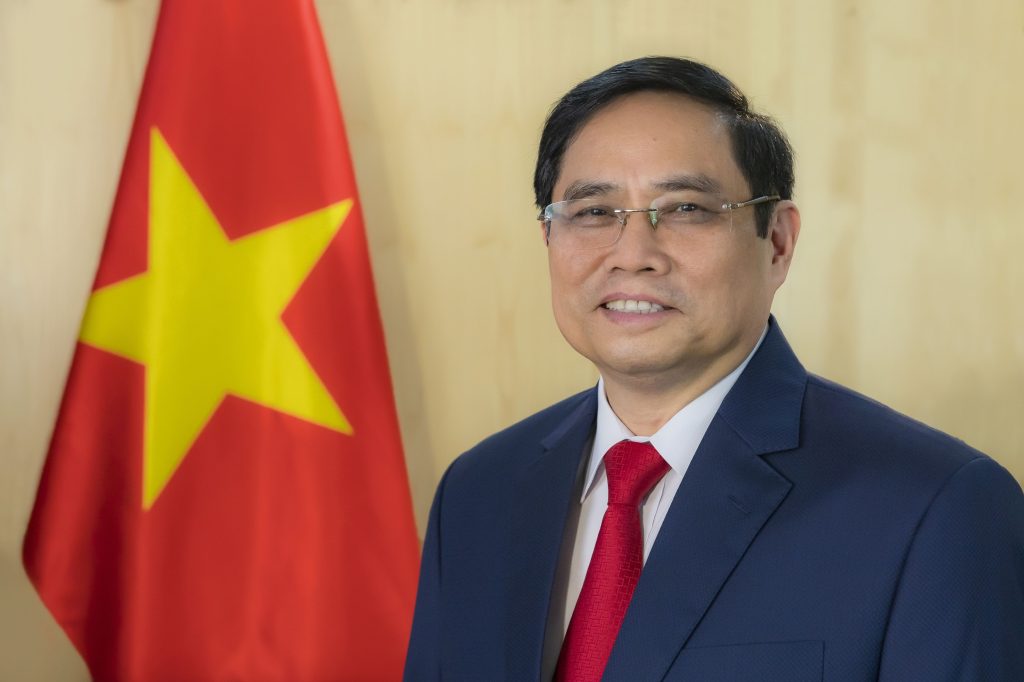
HA NOI: During Prime Minister Pham Minh Chinh’s visits, Viet Nam and the UAE, Saudi Arabia and Qatar, have reached significant economic, trade and investment cooperation agreements. These agreements represent a breakthrough in the pillars of cooperation on food, Halal and emerging fields, including the digital economy, green economy and circular economy. In particular, Viet Nam and the UAE signed a Comprehensive Economic Partnership Agreement (CEPA), with the UAE committing to a gradual tariff reduction on 99 per cent of Vietnamese exports. In return, Viet Nam Nam will gradually remove tariffs on 98.5 per cent of UAE exports. Once effective, the CEPA will create enhanced export opportunities for Vietnamese agricultural products. In Saudi Arabia, Viet Nam’s key agricultural exports saw strong growth in the first nine months of 2024. Fruit and vegetable exports reached US$10.9 million, marking a 51.4 per cent increase, while rice exports hit $22.7 million, up by 43.7 per cent, and pepper exports totalled $12.5 million, a 34 per cent increase. To further expand exports, Viet Nam has requested Saudi Arabia provide market insights, share policies on Halal certification and lift the temporary ban on Vietnamese aquaculture products. In response, Saudi Arabia plans to send a technical team to Viet Nam to assess the actual food safety control system for the aquaculture production chain soon, to have a basis to lift the entire temporary import suspension. The Middle Eastern market also has substantial demand for Halal-certified products, especially in agriculture. Halal-certified products require strict standards, including not using prohibited substances prescribed by Islam in the production process and ensuring that the animals are treated humanely. Viet Nam currently has around 1,000 businesses certified for Halal, providing a strong basis for deeper engagement in the Halal market and contributing to regional food security. The Middle East is a vast market with substantial room for growth in economic, trade and investment cooperation in the agricultural sector. This region encompasses 15 countries covering over 6 million square kilometres, with a population nearing 350 million and a GDP in purchasing power parity (PPP) exceeding $6 trillion. In recent years, Middle Eastern nations have prioritised Viet Nam within their “Look East” policies. This foundation positions the UAE, Saudi Arabia, Qatar and other regional countries alongside Viet Nam to deepen cooperation, harness each other’s strengths, enhance connectivity and support mutual development.

News

EPF records 20% increase in total investment income

PETALING JAYA: The Employees Provident Fund (EPF) reported an investment income of RM57.57bil for the nine months ended Sept 30, 2024 (9M24), marking a 20% increase from RM47.86bil in the same period in 2023. In the third quarter (3Q24), the EPF’s investment income reached RM19.67bil, up RM5bil from RM14.67bil in the same period in 2023. In a statement, EPF chief executive officer Ahmad Zulqarnain Onn said the EPF’s robust performance reflected its investment strategy of maintaining a highly diversified portfolio across major asset classes. “Malaysia’s gross domestic product (GDP) grew by a solid 5.9% year-on-year in the second quarter, while the FBM KLCI closed at 1,648 at the end of 3Q24, returning 13% year-to-date. “Investor sentiment remains positive, bolstered by the performance of Malaysian companies, economic policies and fiscal reforms. “Global markets were generally positive during the quarter, driven by the start of the interest rate easing cycle as the US Federal Reserve reduced interest rates by 50 basis points in September,” Ahmad Zulqarnain said. He noted that the highly anticipated reduction in US interest rates drove market sentiment and gains across multiple sectors, including real estate investment trusts, utilities, and financials – all of which positively impacted the EPF’s investment portfolio. “China’s real GDP growth was recorded at 4.6% year-on-year, slightly down from 4.7% in the previous quarter. “Nonetheless, risks remain in the global outlook such as the trajectory and pace of interest rate reductions, persistent and escalating geopolitical tensions particularly in the Middle East, and potential higher import tariffs into the United States with the election of Donald Trump last week,” he added. The provident fund reported that its equity investments remained a major income contributor in 3Q24, generating RM18.32bil. This increase from RM9.17bil in 3Q23 highlights EPF’s proactive strategy in capitalising on market volatility and benefiting from the positive momentum in equity markets. Fixed income, which plays a crucial role in capital preservation, has been the anchor for the EPF by providing a steady income stream and mitigating the impact of short-term market volatility. This asset class, comprising Malaysian Government Securities and equivalents, as well as loans and bonds, contributed 33% or RM6.51bil, to EPF’s total investment income for 3Q24. Meanwhile, real estate and infrastructure posted a gain of RM0.82bil for the quarter on a constant currency basis. However, as most real estate and infrastructure investments, along with money market instruments, are denominated in currencies other than the ringgit, the recent strengthening of the ringgit against the US dollar in 3Q24 led to a loss of RM3.71bil in real estate and infrastructure, and RM1.45bil in money market instruments, due to foreign exchange translation. It said these positions are temporary, reflecting current currency movements. International money markets are highly sensitive to short-term currency fluctuations, leading to translation losses during periods of currency appreciation. The EPF’s investments in real estate and infrastructure have a longer-term horizon where currency movements have less impact on overall actual returns. As of September 2024, the EPF’s investment assets totalled RM1.22 trillion, with 62.2% and 37.8% allocated to Malaysian and international investments. In 3Q24, international investments contributed RM10.50bil, accounting for 53% of total investment income. Of the total investment income, RM48.02bil was generated for Simpanan Konvensional, and RM9.55bil for Simpanan Syariah. During the first three quarters of 2024, the EPF saw 364,364 new member registrations, bringing total membership to 16.1 million. A total of 8.69 million are active members, representing 50.4% of Malaysia’s 17.24 million labour force. Meanwhile, new employer registration recorded during the period was 55,717, bringing the total number of active employers registered with the EPF to 612,889. Total contributions received increased from RM23.1bil in 3Q23 to RM25.2bil in 3Q24. The EPF said throughout the first half of 2024, i-Saraan recorded total contributions of RM1.61bil from 330,196 members, reflecting a 103% increase from RM789.3mil and a 56% increase from 211,361 members in the corresponding period in 2023. Ahmad Zulqarnain also welcomed the government’s announcement to enhance the i-Saraan programme as announced during the Budget 2025. This enhancement includes an increase in the matching incentive from 15% to 20%, up to a maximum of RM500 per year and a lifetime limit of RM5,000 per individual, set to take effect on Jan 1, 2025.

Scroll to Top

Subscribe
FREE Newsletter