News

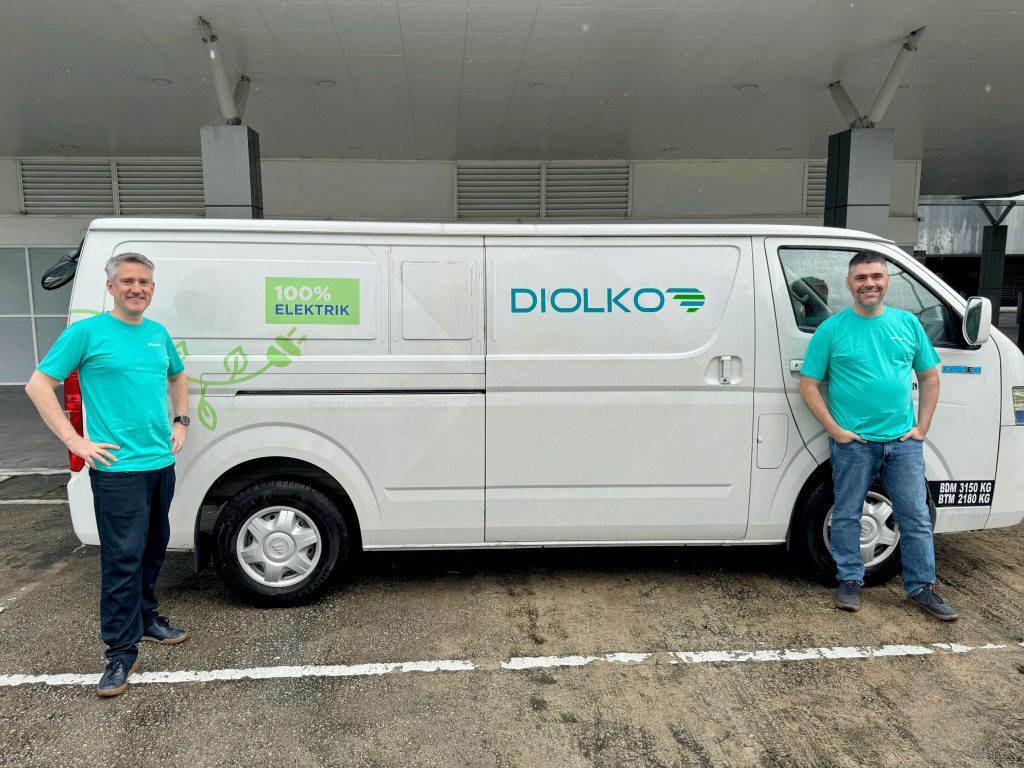
Diolko E-Van
News

iStore iSend Partners with Diolko for Sustainable E-commerce Delivery

KUALA LUMPUR: Diolko, Malaysia’s innovative sustainable last mile delivery provider, has announced a new partnership with leading e-fulfilment company iStore iSend. This aims to significantly reduce the environmental impact of the e-fulfilment company’s last mile deliveries, offering a greener alternative while maintaining the high delivery standards iStore iSend is known for.  With Diolko’s service, iStore iSend is expected to reduce carbon dioxide equivalent (CO2e) emissions from its deliveries by up to 80%. During a recent pilot, data showed that Diolko successfully cut iStore iSend’s carbon emissions by 70%, with greater reductions anticipated as the partnership expands. By utilising Rapid KL’s LRT network, Diolko transports parcels using existing rail capacity to bring packages closer to recipients, thereby reducing road congestion and fuel consumption. From local train stations, e-bike riders and e-van drivers handle the final delivery within a 5-10km radius, minimising the need for long-distance vehicle travel. “We are excited to partner with iStore iSend to offer a sustainable last mile delivery solution,” said Yoann Gueguen, CEO of Diolko. “By utilising the train networks and reducing traffic congestion, we are helping iStore iSend maintain its competitive edge while aligning with their sustainability goals. This partnership represents a major step forward for both companies in contributing to a greener logistics future.” “iStore iSend is committed to reducing our environmental footprint. We have long sought a last mile delivery partner capable of providing sustainable solutions. While we have implemented eco-friendly measures like sustainable packaging, the absence of a suitable last mile partner has been a challenge—until now. Diolko fills this gap with its innovative delivery model, which leverages Malaysia’s train networks to optimise delivery efficiency and minimise environmental impact”, said Joe Khoo, CEO of iStore iSend. Diolko will be managing around 6,000 parcels per month, with the potential to handle up to 40,000 parcels monthly, further supporting iStore iSend’s sustainability targets.  Diolko’s delivery trolleys, specifically designed for safe transport on trains, have been certified by a third-party certification body and approved for use on the LRT network by APAD. This ensures both safety and efficiency as Diolko continues to expand its service offering. Additionally, Diolko provides detailed carbon emissions data on a per-parcel level, enabling its clients to track and report its environmental impact for ESG reporting purposes. Looking ahead, Diolko plans to extend its services beyond the Klang Valley to other major cities in Malaysia and potentially throughout Southeast Asia. The company also aims to expand its network by incorporating other public transportation systems such as the MRT, KTM and KLIA Ekspres, which would further enhance coverage and reduce emissions across a wider area. This partnership not only underscores Diolko’s commitment to sustainability but also sets a new benchmark for eco-friendly logistics in Malaysia. As more companies like iStore iSend prioritise green solutions, Diolko’s innovative approach to last mile delivery stands poised to lead the industry toward a more sustainable future.


News

Potential US gains draw Asia investors

SINGAPORE: Investors across Asia have ramped up bets on potential winners from Donald Trump’s imminent return to the White House, fuelling big jumps in some popular stocks. The Republican candidate’s election victory led to rallies in the shares of South Korean shipbuilders, Indian electronics manufacturers, Australian steel suppliers and even Vietnamese industrial parks. The common thread: a belief that these companies can benefit from tougher restrictions on global trade, which will squeeze supply chains but create opportunities for nimble firms. The share price jumps underscored how some investors in the region are taking a micro approach to investing ahead of Trump’s second term, a contrast to the sweeping macro plays that drove ‘Trump trades’ immediately after the election. “Some emerging markets investors have started looking beyond the top down approach to the Trump trade with specific pockets of opportunity for alpha generation,” said Singapore Aletheia Capital analyst Nirgunan Tiruchelvam, adding that “sector-focused narratives have started forming.” South Korean shipbuilder Hanwha Ocean Co’s shares have surged 30% over the past two days, while its peers HD Hyundai Heavy Industries Co and Samsung Heavy Industries Co also jumped. The buying spree was helped by a phone call between Trump and South Korean President Yoon Suk Yeol, during which the president-elect expressed hopes for close cooperation with the Asian nation. Hanwha Ocean is buying a former Navy shipyard in Philadelphia and recently secured Korea’s first ever contract to overhaul a US naval vessel, both factors that may reassure investors worried about the risk of Trump’s ‘America First’ approach. Shares of Sydney-listed BlueScope Steel Ltd rallied alongside US domestic steelmakers, jumping more than 5% two days a row. The company gets almost half of its revenue from North America, largely through its Ohio-based arm North Star headquartered in Delta, putting it on the right side of possible tariffs that may hurt the Australian economy. Indian electronics manufacturers Dixon Technologies India Ltd, Kaynes Technology India Ltd and Syrma SGS Technology Ltd closed more than 8.5% higher last Wednesday, as local investors reacted to the likelihood of a Trump win. Economists think India will get a boost from a growing “China Plus One” strategy, where global companies try to diversify supply chains away from China without abandoning it entirely. “Tariff and fiscal risks are back on the table,” said Charu Chanana, chief investment strategist at Saxo Markets. “This could work to the advantage of China Plus One beneficiaries, particularly India, with its significant structural strengths in demographics and infrastructure spending.” Companies adopting the “China Plus One” strategy will also invest more in South-East Asia, Maybank Kim Eng Securities analyst Chak Reungsinpinya wrote in a note dated Nov 6. The bets on these stocks were not all one-way. Some of the big gainers fell last Friday, and investors are still wary of the uncertainty that will greet them when Trump returns to the White House. But the moves point to a sense among investors in Asia that, despite the gloom about the impact of trade tensions between the world’s two biggest economies, there are profits on the table for active stock pickers. “Across Asia, industries from defence to electronics are benefiting from the US pivot away from China,” said Billy Leung, an investment strategist at Global X ETFs. “To me this isn’t just trade redirection – its like a sectoral reshuffle.” — Bloomberg

News

Visa Unveils New Products at Singapore Fintech Festival 2024

PHNOM PENH: The way people pay and get paid has changed more in the past five years than in the last 50. Consumers have evolved, adapting to new payment experiences – from the advent of embedded, digital commerce to the rapid growth of different payment methods. Visa is announcing a suite of new products and services that will be available in Asia Pacific. These solutions are set to ­reinvent the card and address the future needs of businesses, merchants and consumers, and the financial institutions that serve them. “The payments landscape is changing rapidly, and it is impacting the interactions between consumers and businesses,” said TR Ramachandran, Head of Products and Solutions, Asia Pacific, Visa. “For Visa, this is an opportunity to deliver innovations that enhance payment experiences across Asia Pacific with greater flexibility, security, and convenience. Visa is committed to meeting the evolving demands of consumers and merchants, ensuring seamless and secure payments.” Visa is showcasing its new products and solutions at Singapore Fintech Festival Hall 2, Booth 2E17. These innovations, which will begin to roll out across Asia Pacific, include: Visa Flexible Credential Visa Flexible Credential allows a single card product to toggle between payment methods. Consumers can easily set parameters or choose whether they use debit, credit, “pay-in-four” with instalments or even pay using rewards points all via the same, single Visa credential. Since debuting the Olive card in Japan with Sumitomo Mitsui Card Company (SMCC)[1] just over a year ago, there are now over three million SMCC cardholders taking advantage of the Visa Flexible Credential. The solution is currently available in Hong Kong, Japan, the Philippines, Singapore, Thailand and Vietnam. Visa’s new wallet payment experience Utilising its network expertise, Visa will connect different types of payments, giving consumers more ways to pay, regardless of form factor, whether online or offline and at point-of-sale terminals. Soon, consumers will be able to use their everyday wallets to scan and pay at any merchant that accepts Visa via scanning enabled QR codes at merchants outside of their domestic markets. Visa is working with QR providers, enabling these QR merchant networks to accept Visa payments. Visa is also working with digital wallet partners across the region, to enable users of these wallets to scan these QR codes and pay seamlessly and securely when they travel abroad. Visa Payment Passkey Built on the latest Fast Identity Online (FIDO) standards, the Visa Payment Passkey enables a consumer to verify and authenticate their identity, and authorise online payments, with a quick scan of their biometrics like their face or fingerprint using authentication tools made available on their devices. When shopping online, Visa passkeys replace the need for passwords or one-time codes, enabling more streamlined and secure transactions. Click to Pay Click to Pay enables consumers to complete online transactions within a few clicks, powering a more seamless and secure checkout experience at scale. Consumers will simply need their registered email, phone number or Visa Payment Passkey to check-out online. Data Tokens Using its tokenisation infrastructure, Visa will now offer Visa data tokens, a new way for people to control their data and receive better shopping experiences, powered by AI. This token can be used by the merchant’s AI models to deliver real-time recommendations. Additionally, Visa ensures that consumers can track and manage shared data through their mobile banking app. Visa Protect for Account-to-Account (A2A) Payments Visa Protect for Account-to-Account Payments (Visa Protect for A2A) is designed to detect and reduce fraud across immediate account-to-account payments, including P2P digital wallets and QR code payments. Built specifically as a fraud prevention solution for real-time payments,[2] this AI-powered service analyses up to 500 unique risk factors in real-time, providing financial institutions with an immediate risk score to stop fraudulent transactions before they happen.

News

China’s exports soar as trade war with West looms

BEIJING: China’s outbound shipments grew at the fastest pace in over two years in October as manufacturers rushed inventory to major export markets in anticipation of further tariffs from the United States and the European Union, with the threat of a broader trade war looming. With Donald Trump being elected as the next US president, his pre-election pledge to impose tariffs on Chinese imports in excess of 60% is likely to spur a shift in stocks to warehouses in China’s biggest export market. Outbound shipments from the world’s second-largest economy grew 12.7% year-on-year last month, customs data showed yesterday, blowing past a forecast 5.2% increase in a Reuters poll of economists and a 2.4% rise in September. Imports fell 2.3%, compared with expectations for a drop of 1.5%. “We can anticipate a lot of front-loading going into the fourth quarter, before the pressure kicks in come 2025,” said Xu Tianchen, senior economist at the Economist Intelligence Unit. “I think it is mainly down to Trump. The threat is becoming more real.” Trade data from South Korea and Taiwan pointed to cooling global demand, while German manufacturers have also reported they are struggling to find buyers overseas, leading analysts to conclude producers are slashing prices to find buyers or simply moving stocks out of China. But exporters also had help from a positive turn in the weather, enabling them to send out delayed orders. Typhoon Bebinca brought Shanghai to a standstill for one day in September, causing severe disruption to one of China’s busiest ports. In the eastern province of Jiangsu a violent tornado killed at least 10 people and several other regions suffered heavy rain and strong winds, disrupting production. — Reuters

Kamal Harris & Donald Trump
News

Taiwan Sees ‘More Pros Than Cons’ If Trump Wins Back Presidency

Top Taiwanese officials yesterday moved to ease concern about the potential fallout of Donald Trump’s return to the White House, making a case that the technology restrictions promised by the former US president against China would outweigh the risks to the island. The prospect of Trump’s victory in this week’s election is a worry for Taipei given the Republican nominee in the past cast doubt over the US commitment to defend it from Beijing. But other policies championed by Trump toward China hold some appeal for Taiwan. National Development Council Minister Paul Liu described the proposed technology curbs as potentially having “more pros than cons” for Taiwan. Such restrictions are likely to prompt more Taiwanese companies to shift production back from China and redirect export orders to local manufacturers, he said. When asked by a lawmaker yesterday about Taiwan’s preparations for the US election results, Liu said that while the island might also face a 10 percent tariff on its goods, “the impact would be limited, as most suppliers in Taiwan are primarily doing contract manufacturing serving the US clients.” A Trump victory could make a bigger difference for Taiwan than a win by US Vice President Kamala Harris, according to Liu, though he said Taiwan is prepared for various outcomes. Responding to lawmaker questioning, Minister of Economic Affairs J.W. Kuo said he expected Harris would likely continue the Democratic Party’s policies on Taiwan. Kuo acknowledged that Trump could introduce measures that might prove harmful for Taiwan’s semiconductor industry. But Taiwan “will have strategies in place to respond, and the impact will not be as severe as some anticipate,” he said. China claims the self-governing democracy is its territory, and has threatened to seize the island by force if needed. US President Joe Biden has repeatedly vowed to defend Taiwan in the event of an “unprecedented attack.” In an interview with CBS News’s “60 Minutes,” Harris hewed closer to the traditional US policy of “strategic ambiguity” while saying it’s important to help Taiwan defend itself. Trump has been less supportive, telling Bloomberg Businessweek earlier this year that Taiwan stole the US’s chip business. He also called for the island to pay more for defense and noted the challenges of defending it from Beijing. “Taiwan is 9,500 miles away,” Trump said. “It’s 68 miles away from China.” In a subsequent interview with Bloomberg editor-in-chief John Micklethwait last month, Trump didn’t answer directly when asked if American troops would defend Taiwan if China invaded.–BLOOMBERG

News

Europe’s leading mobility company, Bolt is launching its ride-hailing service in Klang Valley

KUALA LUMPUR: Europe’s leading mobility company, Bolt is launching its ride hailing service in Klang Valley. The people of Klang Valley can use a new mobility solution to move around the city that’s quick, comfortable and efficient with the launch of Bolt’s ride-hailing service. Bolt allows customers to request rides quickly and conveniently through their smartphones. In addition to providing flexible earning opportunities for residents of Klang Valley, who can register as drivers and take full control of their schedules, Bolt aims to address the growing demand for last-mile transportation solutions. By easing the pressure on the public transport system, Bolt enhances accessibility to shared mobility across the city. Furthermore, by introducing more competition to the market, Bolt provides passengers and drivers with a compelling alternative to existing services, promoting greater choice and improved experiences for all. Moving towards better cities Bolt is on a mission to help people give up privately owned vehicles and start using shared mobility more. This will help tackle issues such as congestion, traffic and air pollution and will resignify the public space by reducing car-centric infrastructure. The long-term goal is to seamlessly integrate the Bolt platform into the urban transport ecosystem of a city. In order to do that, Bolt’s ride-hailing service helps shift people from private cars to shared mobility, improving quality of life by reducing the need for private vehicles and complementing local public transport infrastructure. Market Potential in Malaysia: In Malaysia, the number of users in the ride-hailing market is expected to reach 11.47 million by 2029. Bolt aims to tap into this growing market by providing an affordable, accessible, and low-emission mobility solution for both drivers and riders in Klang Valley and beyond. Afzan Lutfi, General Manager Malaysia at Bolt, said: “Bolt’s mission to build cities for people, not cars, is central to everything we do. In Malaysia, we’re committed to helping reduce traffic congestion and transform public spaces by encouraging the shift from private car ownership to shared mobility. Our approach is to provide affordable, accessible, and low-emission solutions that meet the evolving needs of both drivers and riders in the Klang Valley and beyond. By leading this change, we’re not only supporting the country’s goals for urban mobility but also enhancing quality of life by prioritising people over cars. Bolt’s presence offers a reliable alternative for last-mile connectivity, helping alleviate pressure on public transportation systems and shaping a more liveable future for Malaysian cities.” The company is offering a safe and reliable in-app ecosystem that helps riders and drivers build mutual trust. This is being done through the usage of a number of safety features but also with the help of Bolt’s customer support service.  

News

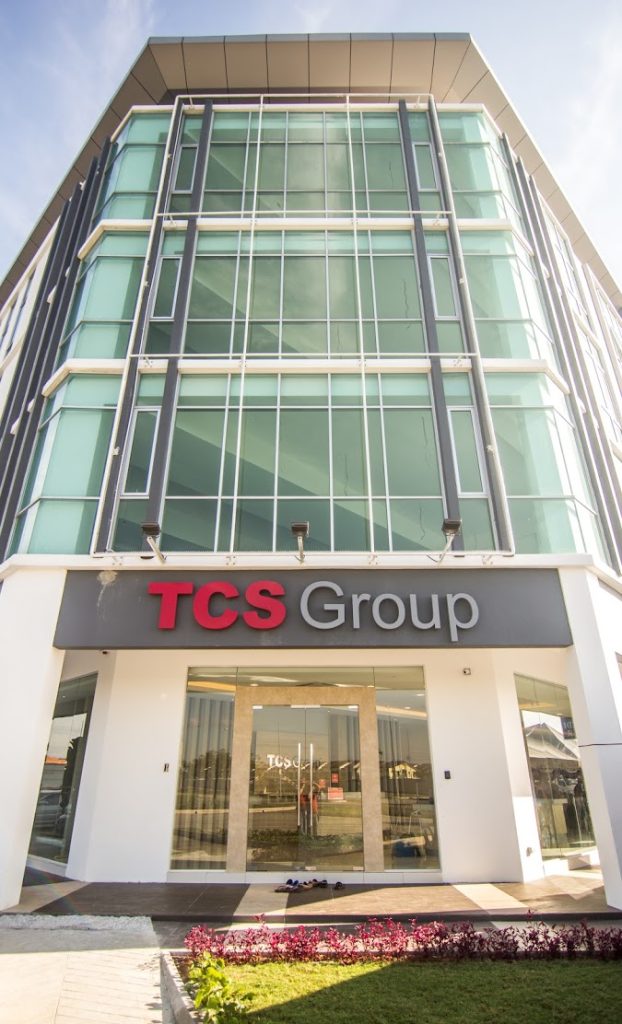
TCS Secures RM86.38 Million Construction Contract with Sime Darby Property at Elmina Business Park

KUALA LUMPUR: TCS Group Holdings Berhad (“TCS” or the “Group”) announced that its wholly-owned subsidiary, TCS Construction Sdn. Bhd. (“TCSCSB”), has been awarded a construction contract worth RM86.38 million by Sime Darby Property Berhad (“Sime Darby Property”). The contract involves the construction and completion of 60 units of 2-storey semi-detached factories at Elmina Business Park in Selangor. Dato’ Ir Tee Chai Seng, Managing Director of TCS, expressed his gratitude, stating, “We are honoured to be entrusted by Sime Darby Property, a valued and returning client, to undertake this project. Their continued confidence in our ability to deliver high-quality projects on time, with a strong focus on workplace safety, is greatly appreciated. We are committed to meeting and exceeding their expectations.” He further added, “This new project supports our growth momentum and provides strong earnings visibility for the next two to three years. On the broader industry front, we are seeing positive market conditions, with stable material costs and an increase in both public and private sector projects. This favorable environment presents sustained growth opportunities for the construction industry, and TCS is well-positioned to capitalize on these trends. We look forward to sharing more positive developments with our stakeholders in the near future.” The contract has a duration of 24 months, set to begin in December 2024, with an expected completion date in December 2026.

News

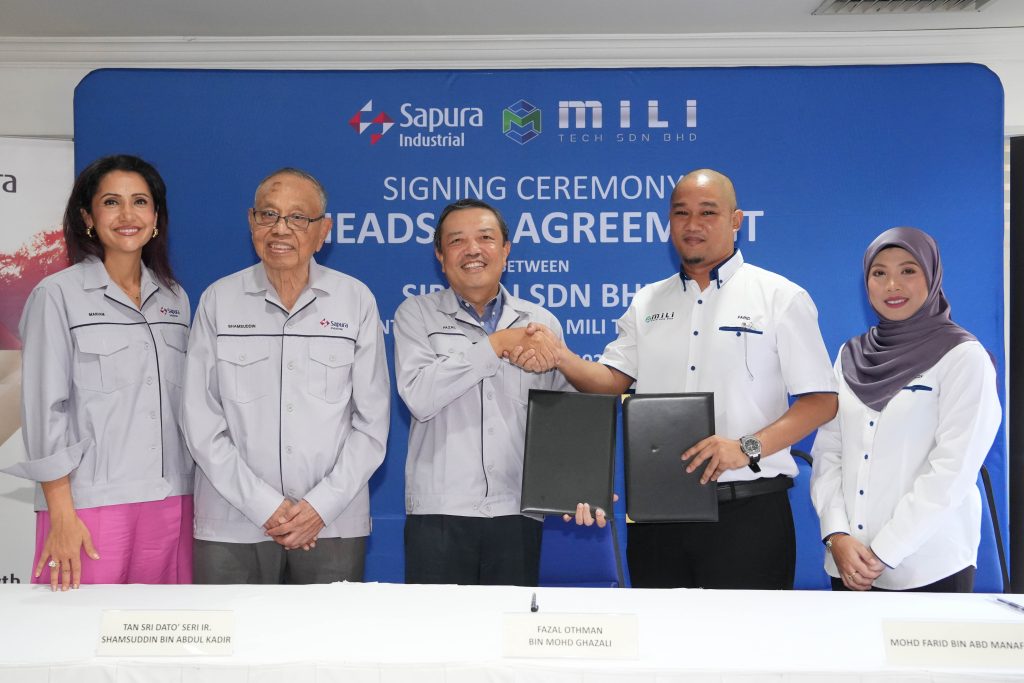
Sapura Industrial Berhad and Mili Tech Sdn Bhd Form Strategic Joint Venture to Accelerate Malaysia’s Electrified Vehicle Growth and Sustainability Goals

BANGI: As Malaysia accelerates its transition towards a sustainable, electrified future, Sapura Industrial Berhad (SIB), through its wholly owned subsidiary SIB Ventures Sdn Bhd, has signed a binding heads of agreement with Mili Tech Sdn Bhd to form a joint venture (JV) under the entity SIB Mili Sdn Bhd. This collaboration follows the successful completion of feasibility studies initiated after the Memorandum of Understanding (MOU) signed on 24 April 2024. The JV is set to become a key player in the electrified vehicle (xEV) sector, focusing on delivering a range of products and services that support the growing demand for sustainable mobility solutions in Malaysia. Key Areas of Focus for SIB Mili Sdn Bhd: After-sales service and maintenance for xEVs. Refurbishment, repurposing, and recycling (3R) of xEV batteries to minimize environmental impact. Training and certification programs aimed at upskilling local talent to meet the increasing demand for xEV expertise. The operations of SIB Mili Sdn Bhd will be based in Kajang, with plans to launch three flagship service centres over the next three years. Supporting Malaysia’s Green Vision This joint venture aligns with Malaysia’s national vision for enhancing electric vehicle (EV) adoption, as outlined in the Low Carbon Mobility Blueprint (2021-2030) and the National Automotive Policy (NAP 2020). These strategic frameworks aim to position Malaysia as a regional hub for next-generation vehicles while promoting sustainability and resource efficiency. Currently, Mili Tech Sdn Bhd operates two EV/Hybrid Service Centres in Kajang, enhancing the JV’s regional presence. Leadership Comments: Fazal Othman Mohd Ghazali, President of Industrial Business at SIB Group, commented: “This joint venture strengthens our commitment to innovation and sustainability, while also building a robust ecosystem for xEVs in Malaysia. Our focus on battery recycling and talent development is crucial for ensuring long-term success in the country’s electrification journey.” Mohd Farid bin Abd Manaf, Chief Executive Director & Founder of Mili Tech, added: “Malaysia is on the brink of a transformative shift in mobility. This partnership comes at a critical moment as the country accelerates the adoption of green technologies. By working together, we will provide innovative services that enhance the xEV landscape and contribute to a circular economy, ensuring that the transition to electric vehicles is both efficient and environmentally responsible.” Fazal Othman Mohd Ghazali further emphasized: “This partnership perfectly complements Malaysia’s growing EV sector. With our comprehensive services—from maintenance to battery recycling—we are well-positioned to support the country’s shift towards greener mobility. Our immediate expansion plans will help lead the way in building a more sustainable future for Malaysia.” Aiding Malaysia’s National EV Goals The partnership between SIB and Mili Tech comes as Malaysia is ramping up efforts to meet the government’s goal of 15% electric vehicle adoption by 2030. This goal is supported by several national initiatives, including: The Low Carbon Mobility Blueprint (2021-2030), aimed at reducing carbon emissions in the transport sector. The National Automotive Policy (NAP 2020), which promotes the development of next-generation vehicles and green technologies. Incentives for EV ownership, such as tax exemptions and subsidies for EV charging infrastructure. Through its services, SIB Mili Sdn Bhd will play a vital role in driving Malaysia’s xEV ecosystem forward, contributing to the nation’s sustainability and efficiency objectives.

News

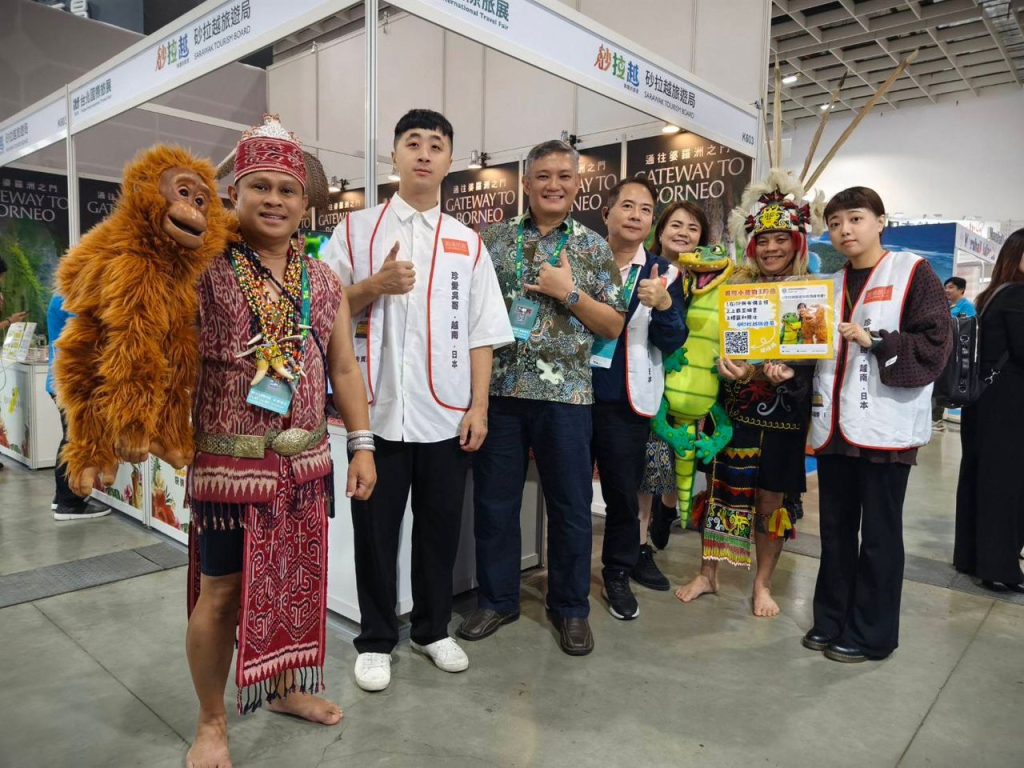
Sarawak Tourism Board Highlights Unique Travel Experiences at Taipei International Travel Fair 2024

KUCHING: The Sarawak Tourism Board (STB), in collaboration with Royal Brunei Taiwan, presented Sarawak’s distinct travel attractions to Taiwanese audiences at the Taipei International Travel Fair (ITF) 2024, held from November 1-4 at Nangang Exhibition Hall 1. With nearly 350,000 attendees, the event highlighted Sarawak’s diverse tourism pillars, aligning with the Taiwanese preference for authentic cultural experiences and nature-focused holidays. Sarawak’s UNESCO World Heritage sites—Mulu and Niah National Parks—stood out as primary attractions, alongside popular wildlife tours and cultural heritage sites, such as the Sarawak Cultural Village and longhouse stays. Taiwanese visitors also showed keen interest in Sarawak’s culinary offerings, including the Sarawak Laksa and Kolo Mee. STB’s booth emphasized Sarawak’s CANFF pillars (Culture, Adventure, Nature, Festivals, and Food), offering a well-rounded representation of its natural and cultural riches. These experiences continue to draw Taiwanese tourists who seek immersive travel options, providing a vibrant introduction to Sarawak’s heritage and landscapes. Three Taiwanese travel companies introduced exclusive Sarawak travel packages, garnering significant interest. Royal Brunei Taiwan further enhanced Sarawak’s appeal by promoting a dual-destination package, allowing Taiwanese tourists to explore both Kuching and Brunei, offering them an enriched travel experience. “We are thrilled with the positive response from Taiwanese travellers at ITF 2024,” remarked Dylan Redas Noel, STB’s Director of Marketing for North Asia and New Markets. “Sarawak’s offerings align seamlessly with Taiwan’s market preferences, and we are confident that the enthusiasm generated will increase Taiwanese visitor arrivals.” Earlier in 2024, a successful B2B session in Taipei and Taichung increased Taiwanese visitor interest, positioning Taiwan as one of Sarawak’s top 10 markets. With Taiwan’s outbound travel rising, STB is committed to enhancing its regional presence and providing Taiwanese travellers unforgettable Sarawak experiences. The Taipei International Travel Fair, showcasing 1,500 booths from 111 countries alongside prominent Taiwanese travel agencies, hotels, airlines, and attractions, remains a premier platform for global travel. STB’s participation highlights its commitment to engaging this growing market and positioning Sarawak as a top holiday destination.

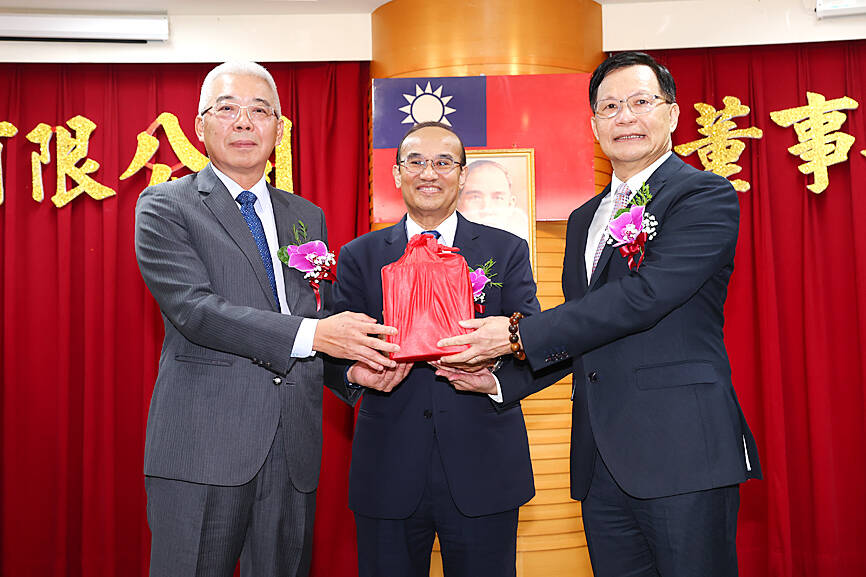
Newly appointed CPC Corp, Taiwan chairman Fang Jeng-zen, left, and president Michael Chang, right, hold the seal of office with Vice Minister of Economic Affairs Lien Ching-chang at an inauguration ceremony in Taipei yesterday.
News

CPC Proposes Four-Year Plan Following Losses

State-owned oil refiner CPC Corp, Taiwan (CPC) has proposed a four-year capital increase plan to improve its financial standing after accumulating losses of NT$62.7 billion (US$1.96 billion) by the end of October—equivalent to about 48% of its NT$130.1 billion paid-in capital. CPC’s new chairman, Fang Jeng-zen, announced the plan during his inauguration ceremony in Taipei, stating that NT$350 billion would be raised over four years, subject to approval by the Ministry of Economic Affairs. CPC, a leading oil supplier and gas importer, plays a strategic role in the government’s energy transition, which aims to increase natural gas usage for power generation and develop alternative energy sources, such as geothermal and hydrogen, to achieve net zero emissions. Photo Caption: Newly appointed CPC chairman Fang Jeng-zen (left) and president Michael Chang (right) hold the official seal alongside Vice Minister of Economic Affairs Lien Ching-chang during the inauguration ceremony in Taipei. (Photo: CNA) The company has reported significant financial strain from absorbing international oil and gas price hikes to shield consumers from higher prices. This policy has resulted in CPC absorbing NT$400 billion from 2021 to 2023, with an additional NT$22.39 billion spent in the first nine months of this year. Fang expressed that CPC would seek government support to more accurately reflect oil and gas costs in retail prices. He also called for subsidies or approval for increased capital to bolster the company’s financial health. To meet growing natural gas demand from Taiwan Power Co (Taipower), industrial users, and households in northern Taiwan, CPC is constructing its third liquefied natural gas (LNG) terminal in Taoyuan’s Guantang Industrial Park. The first phase is expected to be operational by March next year, supplying Taipower’s Datan Power Plant. The full project is slated for completion by 2029. Additionally, CPC is planning a new LNG terminal in Kaohsiung’s Siaogang District, with a second environmental impact assessment review scheduled for later this year. Existing terminals at the Port of Yungan in Kaohsiung and the Port of Taichung will also be expanded to secure gas supply. Last month, the Executive Yuan appointed Fang as chairman, succeeding Lee Shun-chin. Michael Chang, previously vice president, was promoted to president. At the inauguration at CPC’s Taipei headquarters, Vice Minister of Economic Affairs Lien Ching-chang outlined three major priorities for the new leadership: carbon reduction, promoting artificial intelligence, and advancing green energy. The government anticipates that Fang and Chang will lead a corporate transformation at CPC, Lien said.– TAIPEI TIMES

Scroll to Top

Subscribe
FREE Newsletter