News

News

Investors remain bullish on Jakarta property

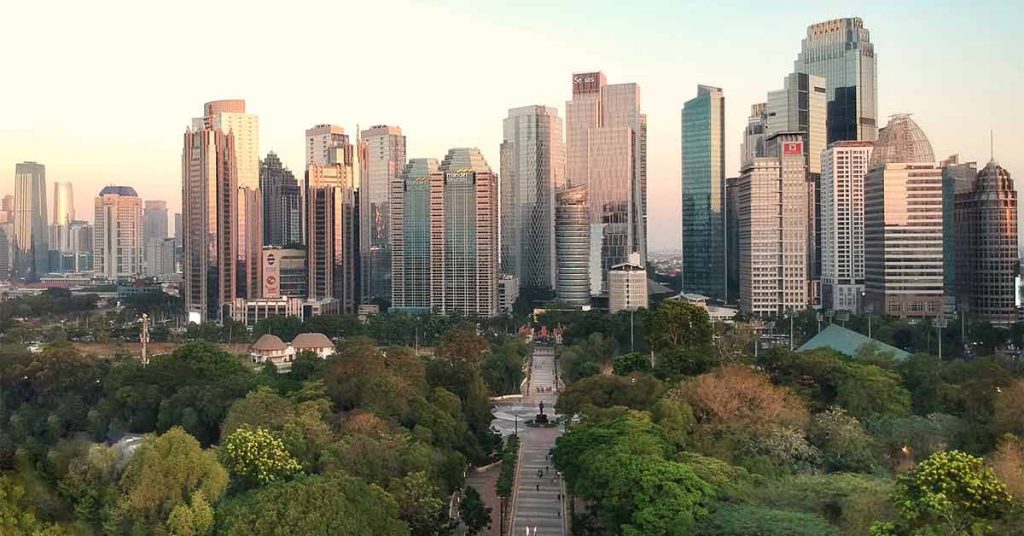
JAKARTA: Investors continue to show strong interest in properties in Jakarta and the surrounding Greater Jakarta metropolitan area despite the construction of the country’s new capital located in East Kalimantan, according to property consultancy Jones Lang LaSalle (JLL) Indonesia. Surabaya in East Java and Bali also emerged as alternative markets attractive for both foreign and local investors, JLL said. “We see strong inquiries for property investment in Indonesia during the second quarter after the election concluded (in February). “Investors remain viewing Greater Jakarta as the strongest location as it’s already an established market,” said JLL Indonesia capital markets senior director Herully Suherman during a quarterly media briefing last week. While the future capital city of Nusantara held promise, Rully noted it is expected to have minimal immediate impact on Jakarta. “Even the state government realises that (the city) is a long-term development,” he added. The real estate market within Jakarta and its periphery area has remained robust as it is mainly driven by commercial considerations rather than external influences, such as Nusantara, he explained. In the second quarter, Rully pointed out that investors focused on six key sectors, namely landed residences, office buildings, hotels, serviced apartments, retail and alternative properties like schools, hospitals, retail, senior living centres and gas stations. Hotels, especially luxury accommodation in Jakarta and Bali, remained in high demand amid the limited supply and the serviced apartments also proved attractive owing to its strong yields. The retail sector witnessed keen interest from international brands, driven by occupancy rates exceeding 90% in mid-to-upper-scale malls. Greater Jakarta was a prime target for these players, Rully noted, but investors remained “picky” with the location chosen and the size of the location chosen. Businesses have long prioritised commercial factors when making investment decisions, with a strong population often cited as a key driver. Jakarta itself is home to a staggering 11 million residents and is projected to swell to over 25 million by 2035 because of robust economic and urban growth, according to Bandung Institute of Technology geologist Heri Andreas. “The density growth would be much greater if it’s combined with Greater Jakarta activity,” Heri told The Jakarta Post. Greater Jakarta is estimated to house a population of 35.4 million people, ranking as the second most populous urban area after Tokyo-Yokohama, Japan, according to Demographia. The population boom, coupled with the megacity’s growing stature as the nation’s prominent business hub, has kept the city an attractive destination for investment. Indonesian Shopping Centre Association chairman Alphonzus Widjaja told The Jakarta Post on July 31 that investors were more interested in building new malls in Jakarta as it shifted its focus to becoming a global city while they were less inclined to build in Nusantara. The small population of the nation’s future capital in East Kalimantan, which is still under construction, means there will be a limited number of customers, Alphonzus said. This prompted the group to request more incentives for local investments “to minimise losses (and prevent) big deficits as the population grows.” Businesses had blamed concerns over the potential market in Nusantara for the private sector’s reluctance to invest in the nation’s new capital. Indonesian Employers Association chairwoman Shinta Kamdani said on June 26 that the future capital city’s small population had become the main obstacle keeping investors from seeing it as a lucrative investment opportunity, adding that the government needed to address this issue. The government envisions the future capital city to be home to two million people by 2040 before increasing to more than four million in 2060. This year, the planned city’s inhabitants are projected to be around 250,000 people this year, according to the Nusantara Authority this February. Cautious approach investors started to adopt a cautious approach in the second half of the year, closely monitoring Jakarta’s market to ensure sustainable returns amid the potential impacts of a United States recession on Indonesia’s economy. Anxiety over a potential slowdown in the United States economy intensified as last week’s market retreat escalated into a global sell-off. “Investors are becoming more detailed in their calculations, considering factors like purchasing power and market growth potential,” Rully said. “They will analyse how many units can be sold and the duration of the sales period. ”This increased scrutiny was evident in the warehousing sector, where decision-making timelines extended to three months compared to the previous one-month timeline,” said JLL Indonesia logistics and industrial head Farazia Basarah. — The Jakarta Post/ANN

ESG, News

SAMENTA to Step Up Efforts to Enhance SMEs’ Understanding of ESG Standards

GEORGE TOWN: The Small and Medium Enterprises Association of Malaysia (SAMENTA) will intensify its efforts to assist small and medium enterprises (SMEs) in the country, in improving their compliance with environmental social and governance (ESG) standards. Its President Datuk William Ng said many SMEs still struggle with meeting these essential standards which are crucial for maintaining competitiveness in the industry. “There are numerous issues requiring SAMENTA’s attention but ESG compliance is a particularly pressing one. We aim to support SMEs in addressing this challenge, by enhancing their understanding and knowledge of ESG requirements,” he said. In addition to ESG compliance, Ng highlighted that a major issue faced by SMEs both in Penang and nationwide is low productivity. Many SMEs still operate below the productivity levels seen in larger companies. Commenting further, he noted that various forms of assistance have been provided to help SMEs increase productivity, including through the SME digitalisation programme. This initiative, in collaboration with the Penang government during the Covid-19 pandemic, supported 1,000 SMEs with donations to implement digital solutions in their businesses. He also mentioned that SAMENTA has over 5,000 members nationwide, while the total number of SMEs in Malaysia is estimated at 1.2 million. — BERNAMA

Investment & Market Trends, News

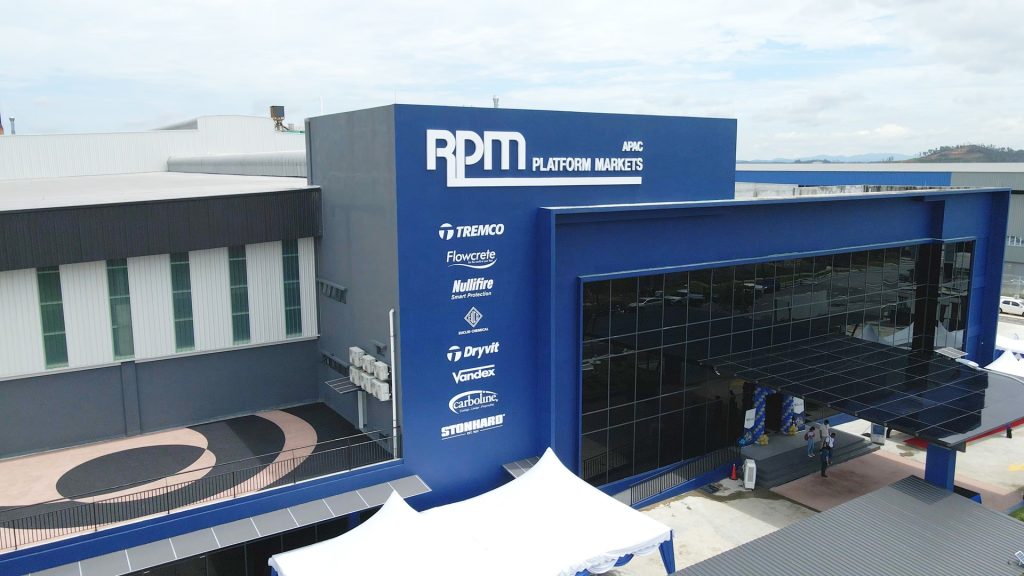
RPM Platform Markets APAC Launches Its Largest Manufacturing Plant in Asia

KUALA LUMPUR: RPM Platform Markets APAC, a group comprised of leading brands of construction chemical and coatings products in the Asia-Pacific region officially opened a state-of-the-art manufacturing plant at the heavy industrial zone of UMW High Value Manufacturing Park, Serendah. The new Serendah plant serves as a regional manufacturing hub underscoring a strategic move to strengthen RPM Platform Markets APAC’s leadership in the Asia-Pacific construction market. Equipped with cutting-edge technology, the plant features automated powder manufacturing systems with robotic palletisers and new equipment for producing speciality coating materials. This investment in technology not only boosts efficiency but also ensures high standards of quality and safety. Speaking at the launch event, RPM Platform Markets APAC Managing Director, Saptak Roy said, “The new plant marks a milestone for RPM Platform Markets APAC. Malaysia’s strategic location, robust infrastructure and business-friendly environment made it the ideal choice for this significant investment. The plant’s location in the UMW High Value Manufacturing Park in Serendah, a designated heavy industrial zone, ensures it meets the operational needs of RPM Platform Markets APAC.” According to Roy, the facility demonstrates a move to strengthen the company’s position as a leading provider of construction and coatings products in the Asia-Pacific region. It reinforces our commitment to enhancing our presence and capabilities. The expansion allows for a substantial increase in production capacity – almost doubling RPM Platform’s liquid production and bringing our powder production to almost 7 times more than what it was capable of previously. The new plant incorporates several eco-friendly features, including a rainwater harvesting system, LED lighting for energy efficiency, bulk tanks for liquid storage to reduce waste, and electric forklifts to minimize carbon emissions. Additionally, the plant uses Flowcrete’s epoxy terrazzo flooring containing recycled glass content and includes a roof garden to promote a healthy working environment. “These sustainable practices demonstrate our dedication to environmental responsibility and creating a safe, eco-friendly workplace for our employees,” said Roy. The facility will produce a wide range of products under several RPM Platform brands, including Tremco, Flowcrete, Nullifire, Euclid Chemical, Vandex, Dryvit, Carboline, Stonhard and more, supporting the diverse needs of the construction industry across the region. The new plant is set to create numerous employment opportunities for the local community in Serendah and surrounding areas. Local talent will find opportunities in various fields such as operations, manufacturing, engineering, R&D, logistics, IT support, and more. RPM Platform Markets APAC group companies are also committed to engaging with local universities by offering internships and collaborating on product development and research initiatives.

News

MISC names Zahid Osman as executive director, president, and CEO

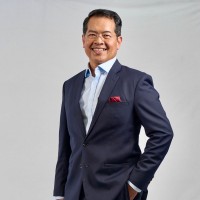
PETALING JAYA: MISC Bhd has appointed Zahid Osman as its executive director, president and group chief executive officer with effect from Aug 16 2024. In a filing with Bursa Malaysia, MISC said Zahid, 52, will succeed Captain Dr Rajalingam Subramaniam (58), who has resigned to pursue other interests. MISC also announced that Rajalingam had resigned as director from wholly-owned unit, Malaysia Marine and Heavy Engineering Holdings Bhd. Rajalingam will serve as the executive director, president and group chief executive officer of MISC until Aug 15, 2024. “Zahid joined MISC in 2017 as the vice president of gas assets and solutions and moved on to a new role as the vice president of corporate planning in 2022. He sits on the boards of several subsidiaries and joint venture companies within the MISC Group. “Zahid currently serves as the chairman of advisory panel for Malaysia Women in Energy.” Prior to MISC, Zahid was with the Shell Group of Companies for over 20 years.

Energy & Technology, News

YYC Enters Into A Strategic Acquisition with MYWave HR Solutions

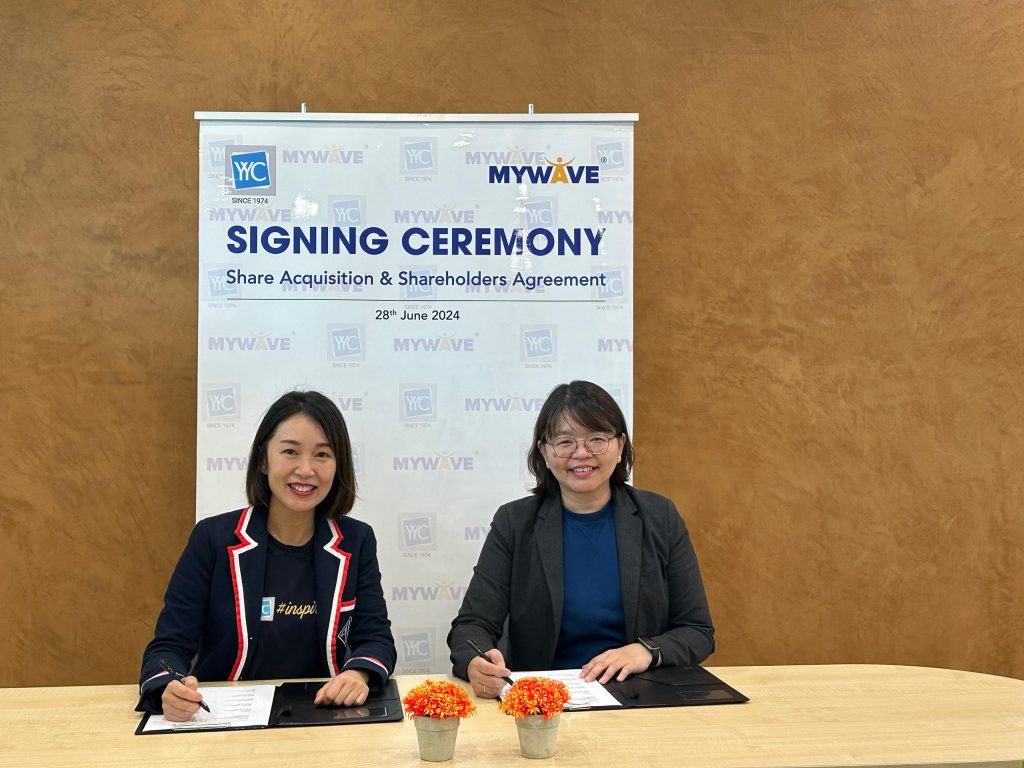
KUALA LUMPUR: Leading financial services provider in Malaysia, YYC announced the acquisition of a significant shareholding in MYWave, a pioneering HR and payroll solutions provider in Malaysia, which is set to significantly enhance YYC’s service offerings, particularly in payroll outsourcing, thereby advancing digitalisation in tax and payroll services. In an era where digital transformation is a necessity, YYC’s investment in MYWave underscores the importance of embracing digital solutions in HR and payroll. The integration of advanced technologies in these domains streamlines operations, enhances accuracy, compliance, and improves employee satisfaction. YYC Group Chief Executive Officer, Yap Shin Siang shared that digitalisation is the cornerstone of modern business efficiency, and the acquisition of MYWave is a strategic move for the organisation. “With our investment in MYWave, we are not just welcoming another valuable partner; we are committing to a future where HR and payroll processes are seamlessly integrated with technology. Our goal is to elevate our clients’ operational capabilities by equipping them with these advanced digital solutions that will drive significant value to the stakeholders,” said Yap. “This acquisition represents a major step towards achieving that vision and reflects both the organisations’ dedication to driving innovation and excellence in business advisory services,” she added. Meanwhile, MYWave Chief Executive Officer, Khoo Siew Ling expressed that MYWave’s extensive offerings, including payroll outsourcing and Cloud HRMS, align effectively with YYC’s mission to simplify business processes for its clients. “Payroll outsourcing enables firms to distribute the cost of hiring an internal payroll department, reducing the financial burden on businesses. Partnering with YYC to enhance HR service technology and tax accounting capabilities is a natural fit for all,” said Khoo. “Together, we seek to empower Malaysian businesses by adopting digital solutions to drive efficiency, transparency, and growth, which we strongly believe is a great move that will benefit our customers, employees and shareholders,” she added.

Investment & Market Trends, News

PM Anwar Expects Higher Service Standards From Civil Servants Following Salary Adjustment

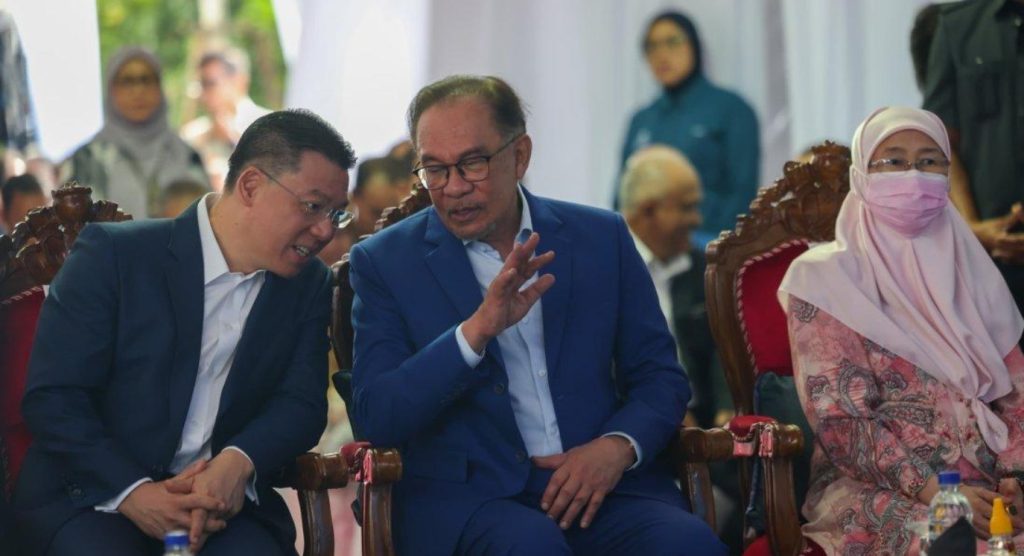
KUALA LUMPUR: Prime Minister Datuk Seri Anwar Ibrahim today urged all civil servants to provide far better service to the people in line with the salary adjustment to be announced by the government. Emphasising this point at the launch of the Malaysia MADANI Civil Servants’ Housing programme in Bandar Sri Permaisuri, Anwar said the method and details of the salary adjustment will be announced, with some details to be revealed this month. “Although there are dissenting voices that never understand gratitude and never accept reality, believe me, I will announce it late, partly in August and fully as I promised in October in the national Budget. And it will be implemented starting 1 December. “What is the scheme for civil servants? It is the highest salary increase in the nation’s history since independence, for two reasons. First, the country is developing but there has been no comprehensive salary review for 12 years and second, to recognise their role,” he said. Also present were Housing and Local Government Minister Nga Kor Ming, Minister in the Prime Minister’s Department (Federal Territories) Dr Zaliha Mustafa, Chief Secretary to the Government Tan Sri Mohd Zuki Ali, Public Service Director-General Datuk Seri Wan Ahmad Abdul Aziz and MP for Bandar Tun Razak Datuk Seri Dr Wan Azizah Wan Ismail. — BERNAMA

News

South Korean companies eager to invest in Sarawak

KUCHING: South Korea-based Lotte Energy Materials Corp is planning for an initial additional investment of RM1.2bil to further expand its elecfoil manufacturing facilities in Samajaya Free Industrial Park here in Sarawak. Lotte Energy is a leading provider of advanced battery material. The Samajaya plant is the group’s first overseas factory to manufacture elecfoil, which is widely used in electric vehicles (EVs) and energy storage items. According to Lotte Energy senior vice-president Park Ingoo, there is a possibility for Lotte Energy to put in an additional re-investment of RM2.5bil for the plant, which was acquired from ILIN Materials Co Ltd about five years ago. He was speaking at a briefing for Sarawak deputy-premier Datuk Amar Awang Tengah Ali Hasan on Lotte Energy’s future expansion plans in Sarawak. Awang Tengah, who is also the state’s International Trade, Industry and Investment Minister, was leading a delegation on a working visit to meet up with existing and potential South Korean investors in Seoul recently. Despite the global economic uncertainties, Lotte Energy plans to expand its manufacturing plant to make Sarawak the key hub to produce cutting-edge battery materials, said the state’s Trade, Industry and Investment Ministry in a statement. “The expansion of the manufacturing facility is expected to generate more than 200 jobs which will foster industrial growth and contribute to the local economy,” Park noted. Meanwhile, another South Korean energy and chemical company, OCI Holdings, has reaffirmed its commitment to Awang Tengah during the meeting with the company’s top executives to expand its manufacturing facilities in Samalaju Industrial Park, Bintulu, with a potential reinvestment of RM3.1bil. OCI specialises in the production of polycrystalline silicon, hydrogen peroxide and other chemical-related materials. In 2017,OCI via subsidiary OCI Malaysia Sdn Bhd (OCIM), acquired full ownership of the polysilicon production facility from Japan’s Tokuyama. To date, OCIM has invested over RM8bil in Sarawak, catering for the solar industry’s polysilicon needs. OCI’s growth plans include diversifying and expanding its chemical materials production in Sarawak. This includes joint ventures with South Korea’s Kumho, one of the world’s largest tire manufacturers and Tokuyama to produce epichlorohydrin and semiconductor-grade polysilicon respectively, with combined investments exceeding RM3.2bil. OCI chairman Lee Woo Hyun has expressed the company’s keen interest in exploring further investments in power development, particularly in renewable energy (RE) via its subsidiary OCI Energy. With a robust global presence, OCI is a major player in RE and energy storage systems. Currently, OCI Energy is the largest independent solar developer in Texas, United States. Awang Tengah, in welcoming Lee’s proposals, highlighted Sarawak government’s commitment to make Sarawak a leader in green energy. “This collaboration in green power development is poised to enhance Sarawak’s energy security while promoting sustainable economic growth and environmental stewardship,” he added. During the working trip, Awang Tengah also met with top executives of KH Shinhwa SnC, which is interested in further exploring collaborative business and investment opportunities with state-owned Sarawak Energy Bhd (SEB). This in particular for the electricity safety enhancement projects, including investment in new technology and solutions for power generation. KH Shinhwa, a solution provider and consultant for smart energy, smart cities and smart farms, is currently collaborating with SEB on a hybrid microgrid solar solution project worth about US$7mil in investment. The outcome of the project is expected to provide alternative sustainable energy solutions and set a new benchmark in RE technology.

Investment & Market Trends, News

Penang, Johor, Selangor, Sarawak, KL Named as M’sia’s Top Exporters in June 2024

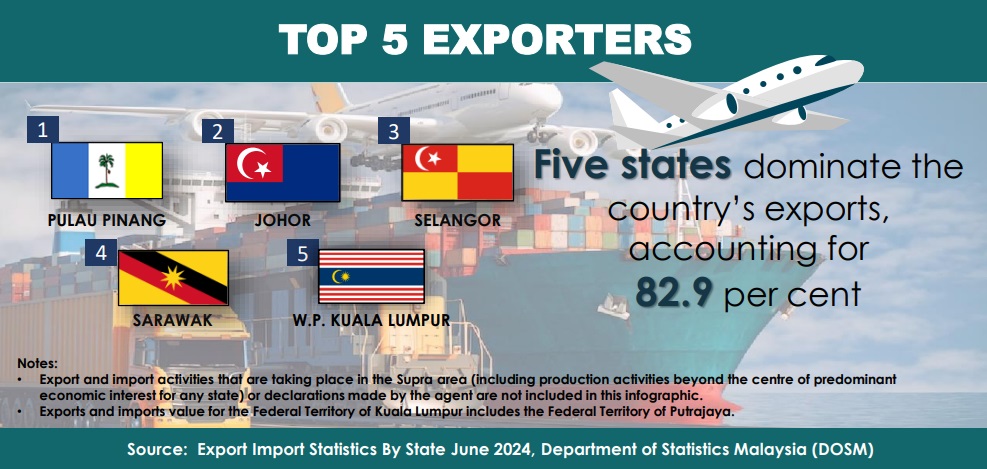
KUALA LUMPUR: Penang, Johor, Selangor, Sarawak and Kuala Lumpur have dominated Malaysia’s exports accounting for 82.9% of the total in June 2024, said Chief Statistician Datuk Seri Dr Mohd Uzir Mahidin. He said exports increased by RM2.1 billion or 1.7% to RM126 billion in June 2024 compared to the same month of the previous year, with Penang remaining as the top exporter with 34.2% share, followed by Johor (20.6%), Selangor (17.3%), Sarawak (6.5%) and Kuala Lumpur (4.2%). The increase in exports was attributed to the higher exports in most states such as Penang (+RM2 billion), Terengganu (+RM1.3 billion), Perak (+RM767 million), Selangor (+RM403.1 million), Sarawak (+RM397.6 million), Kedah (+RM337 million), Kelantan (+RM122.1 million) and Johor (+RM12.2 million). “However, exports decreased in Labuan by RM1.7 billion, Pahang (-RM1.2 billion), Melaka (-RM312 million), Negeri Sembilan (-RM206.7 million), Sabah (-RM71.6 million), Kuala Lumpur (-RM54,4 million) and Perlis (-RM23.6 million),” he said in the Export-Import Statistics by State June 2024 report published by the Department of Statistics Malaysia (DOSM). Meanwhile, he said imports increased RM16.9 billion or 17.8% to RM1.8 billion in June 2024 compared to the same month in 2023 attributed to the higher imports in most states such as Johor (+RM4.6 billion), Penang (+RM41 billion), Selangor (+RM3.3 billion), Kedah (+RM2.3 billion) Kuala Lumpur (+RM1.5 billion), Negeri Sembilan (+RM1.2 billion), Terengganu (+RM101.4 million), Perlis (+RM82.3 million), and Kelantan (+RM36.6 million). “However, imports decreased in Melaka by RM3.5 billion, Sarawak (-RM264.5 million), Perak (-RM249.1 million), Sabah (-RM170.6 million), Labuan (-RM110.5 million), and Pahang (-RM5.2 million), he said. Accordingly, Mohd Uzir said Selangor dominates Malaysia’s imports with a share of 25.5%, followed by Johor (23.3%), Penang (20.9%), Kuala Lumpur 7.6% and Kedah (6.3%). Malaysia’s total trade for June 2024 amounted to RM237.8 billion. — BERNAMA

Energy & Technology, News

2,585 EV Charging Units Installed as of 25 June 2024

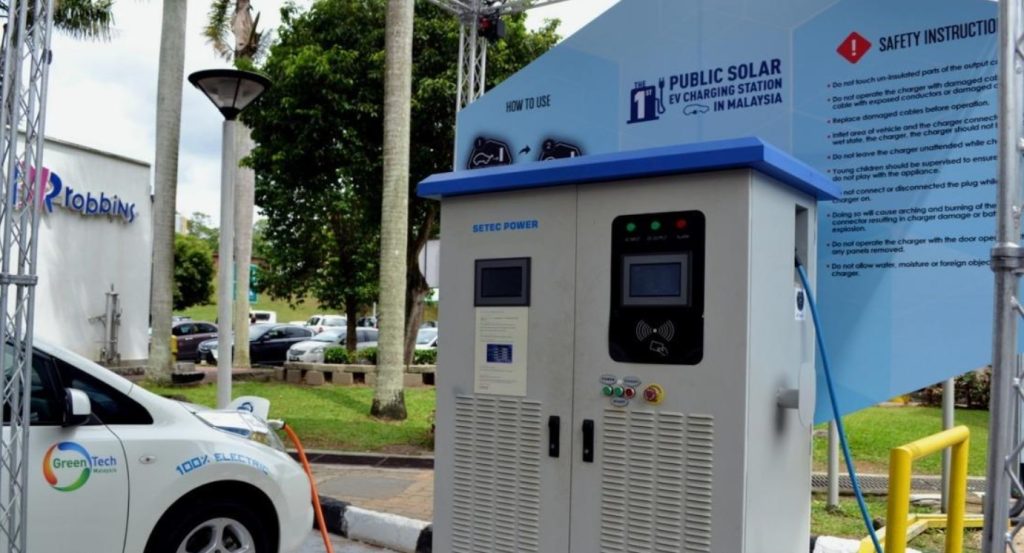
KUALA LUMPUR: A total 2,585 electric vehicle (EV) charging units have been installed nationwide as of 25 June 2024, covering all states and federal territories except Labuan. The Investment, Trade and Industry Ministry (MITI) said this was a 12.5% increase from the first quarter of this year. “Of the total, 610 units are the direct current (DC) type while the balance of 1,975 units are the alternating current (AC) type,” the ministry said. This was in reply to a query from Manndzri Nasib (BN-Tenggara) on how many EV charging stations have been installed in the country and whether the target 10,000 public EV charging points throughout Malaysia by 2025 as outlined in the Low Carbon Mobility Blueprint 2021-2030 can be achieved. According to MITI, Selangor recorded the highest number of EV chargers at 867 followed by Kuala Lumpur (675), Penang (277) and Johor (251). The ministry said the number of chargers is sufficient to support the use of approximately 17,000 registered battery electric vehicles plus about 11,000 registered plug-in hybrid EVs (PHEV) on the road up till now. “Moreover, EV and PHEV users can reduce their dependence on EV chargers open for public use by installing EV charging facilities at their home,” it added. — BERNAMA

Energy & Technology, News

5G-Driven Smart Factories to Contribute RM36.8 Bil to National GDP

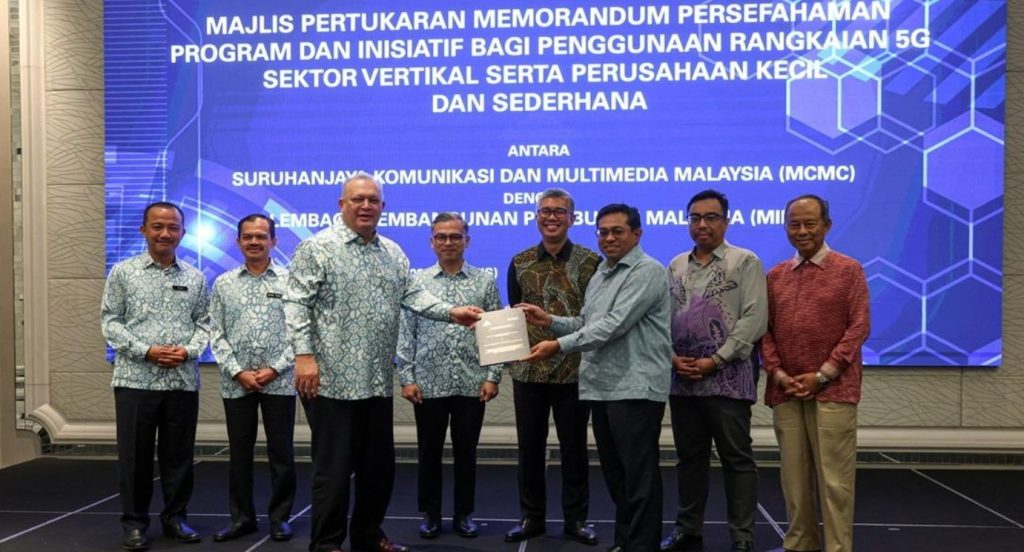
KUALA LUMPUR: The 3,000 smart factories powered by 5G which will be in operation by 2030 are expected to contribute RM36.8 billion to the national gross domestic product (GDP). Investment, Trade and Industry Minister Tengku Datuk Seri Zafrul Abdul Aziz said the ‘tech up for a digitally vibrant nation’ mission outlined in the New Industrial Master Plan 2030 (NIMP 2030) stresses the importance of adopting digital technology to create 3,000 smart factories by 2030. “This will generate more than 150,00 high-skilled jobs in fields such as data analysis, AI and industrial internet of things,” he said during the Memorandum of Understanding (MoU) exchange ceremony between the Malaysian Communications and Multimedia Commission (MCMC) and Malaysian Investment Development Authority (MIDA). The MoU is aimed at strengthening cooperation between the agencies to promote and expedite industrial 5G adoption and usage, especially in the manufacturing and services sectors. Tengku Zafrul said the MCMC-MIDA strategic cooperation is in line with the MADANI Economy aspirations and it marks an important step towards realising the goal of digital economy contributing 25.5% to national GDP by 2025. “For the application of the technology by the industrial and services sectors, 5G technology is a game changer to ensure a higher level of internet speed and reliability,” he added. Tengku Zafrul said that as a critical game changer, 5G technology connectivity for industrial usage is required to have a high-speed internet network, low latency and reliability. “We are committed to create a conducive environment for the usage of 5G technology, especially in industrial areas. “This will not only enhance productivity and efficiency in the manufacturing and services sector but will also attract more foreign and local high-tech companies to invest in Malaysia,” he added. — BERNAMA

Scroll to Top

Subscribe
FREE Newsletter