News

News

Malaysia Airlines Doubles Flights KL-Trivandrum Following Uptick In Demand

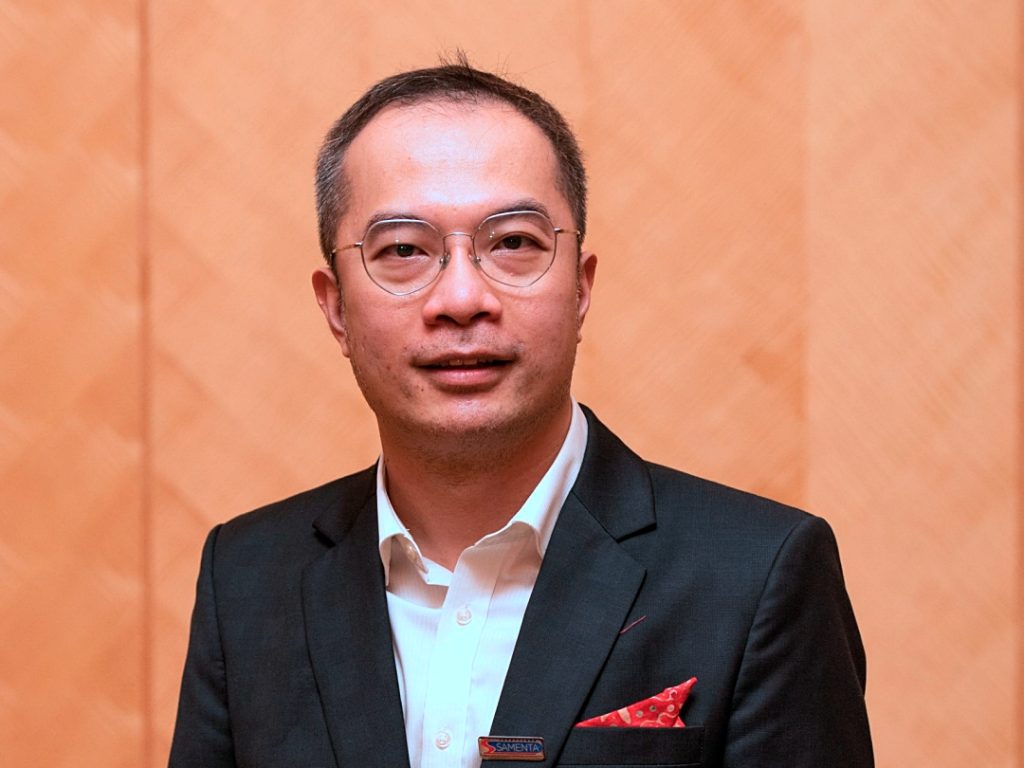
KUALA LUMPUR: National carrier Malaysia Airlines will be doubling the frequencies for its Trivandrum – Kuala Lumpur route following positive load factor performance and increasing demands starting 2 April 2024. This decision follows the recent increase in frequency between Amritsar and Kuala Lumpur from January 15, 2024. The airline commenced its inaugural flight to Trivandrum in November 2023, operating four flights weekly. With the amplification of Malaysia Airlines’ services from Trivandrum, this will bring the airline’s connectivity into India to 71 flights weekly. Currently, the airline offers flights from nine major hubs in India, including New Delhi, Mumbai, Bengaluru, Chennai, Hyderabad, Kochi, Ahmedabad, Amritsar and Trivandrum. Malaysia Aviation Group (MAG) chief commercial officer Dersenish Aresandiran said India remains an integral part of Malaysia Airlines’ global network. “With the introduction of the additional frequencies into Trivandrum, we will be strengthening our connectivity into India with 71 weekly flights from nine key hubs. “Furthermore, we are thrilled to introduce special fares for Indian travellers, providing them enhanced flexibility and travel options to explore the beauty of Malaysia, strengthening our position as the gateway to Asia and beyond. “As we aim to capture the growing demand from India, we are committed to ensuring that customer experience remains our top priority driven by our inimitable Malaysian Hospitality,” he said in a recent statement. Malaysia Airlines is offering special promotional fares for Indian travellers, particularly from Trivandrum and Ahmedabad from now until February 11, 2024, for travel up to May 12, 2024.

News

2024 Could Be A Great Year For Travel, Says Agoda CEO

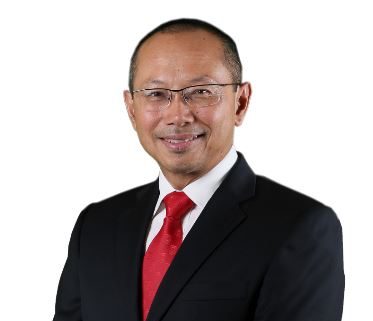
KUALA LUMPUR: While 2023 proved to be a successful year for the travel industry, particularly in Asia, the first month of the year has set a positive tone, suggesting that 2024 could be a great year for travel. In a recent presentation at the ASEAN Tourism Forum 2024 (ATF) in Laos, Agoda chief executive officer Omri Morgenshtern  expressed optimism about the prospects of the travel industry in 2024. He noted significant year-on-year growth, attributing it to Asia’s rapid recovery post-Covid. “Asia was last out, but fast out post-Covid, leading to the highest percentage of year-on-year growth across booking holding brands like Agoda,” Morgenshtern said. He pointed out the success stories of Japan gaining popularity as an international destination and South Korea and India emerging as outbound travel forces. Building on the positive momentum from 2023, Morgenshtern sees even greater potential for 2024. He emphasised the active involvement of markets spearheading tourism campaigns for the year and discussions surrounding how travellers are leveraging innovative technologies amid fewer travel restrictions. Morgenshtern outlined five trends that he predicts will shape the travel industry in 2024, reflecting the evolving landscape of travel and tourism. These are visa-free travels that are gathering pace, more impetus for connected travel bookings, greater assistance from artificial intelligence (AI), a further rise of business-to-business (B2B) loyalty programs and travel fintech making its mark. He said as the industry continues to recover, these trends are expected to play a pivotal role in shaping the way people travel and experience destinations in the coming year. In a bid to revitalise tourism and attract diverse travellers, destinations worldwide are adopting visa easements, sparking optimism for the travel industry in 2024. Notably, Malaysia’s recent removal of restrictions led to a four-fold increase in searches from India and China. Morgenshtern predicts a broader trend of relaxed visa requirements, envisioning visa-free access for Indian travellers to destinations like Thailand, Sri Lanka, and Malaysia. This strategic move aims to enhance global travel accessibility and boost inbound tourism. In simplifying travel planning, providers are integrating flights, hotels, experiences, and activities into a seamless booking experience. Recognising that 3 out of 4 travellers book tours and activities within a week of arrival, there’s a growing demand for convenient pre-booking options. Agoda encourages this trend by offering extra discounts when flights and accommodation are booked together. Morgenshtern envisions a user-friendly, one-stop solution for travel needs, from trip planning to the return journey. As travellers increasingly expect a unified interface, providers are urged to step up and offer a comprehensive ‘one-source’ travel concierge. This shift responds to a higher demand for flexibility and personalised, localised services, enhancing the overall travel experience. “Fueled by more frictionless visa experiences, travel continues to gain pace. “With technology playing an even bigger role in how people choose, book and pay for travel, 2024 promises to be a watershed year. “From fintech and AI innovations to connected booking experiences, Agoda is at the forefront of this incredible, transformative journey,” Morgenshtern said.  

News

Pacific Prime Malaysia Acquires MIT Insurance Brokers

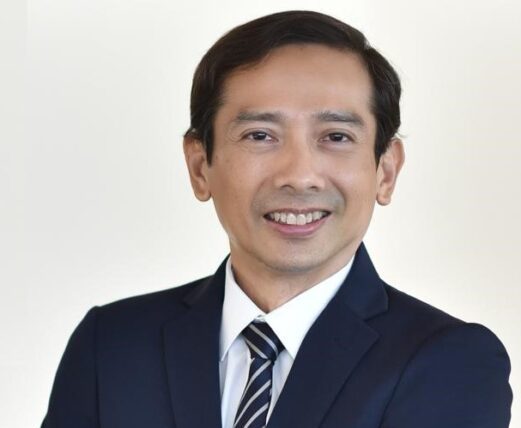
KUALA LUMPUR: Global insurance brokerage Pacific Prime Malaysia recently acquired MIT Insurance Brokers Sdn Bhd, the country’s leading insurance brokerage firm specialising in risk management, insurance, and reinsurance. Pacific Prime’s merger with MIT Insurance simplifies broker unity, where insurance is streamlined, and client-centric in the face of evolving challenges. Among Pacific Prime’s fifteen offices around the globe, MIT Insurance Brokers will operate as part of Pacific Prime Consultants Malaysia, a fully licensed client service point that provides localised products as well as flexible benefits administration and servicing within the region. In the coming weeks, it is anticipated that MIT Insurance Brokers’ staff will continue their journey onboard the Pacific Prime flagship with the shared goal of simplifying insurance. Pacific Prime chief executive officer Neil Raymond said Malaysia is an exciting country for the company to expand its operations. “With the integration of MIT Insurance Brokers, we’ll bring together a team of established and experienced personnel to provide innovative and strategic solutions both within and outside of the region. “This is of utmost importance in light of the numerous global regulatory and technological changes taking place,” he said in a recent statement. MIT Insurance Brokers has been the leading property and casualty, financial lines, and employee benefits solutions since 1973. Previously under the ownership of the largest state development corporation in Malaysia, MIT Insurance Brokers has provided high-profile clients with retail brokerage and risk consulting services, overseeing the methodical execution of their insurance programs and arrangements to fit every unique requirement and risk profile. Pacific Prime Consultants Malaysia chief executive officer Cedric Deschamps said acquiring MIT Insurance Brokers will undoubtedly distinguish Pacific Prime from its competitors. “MIT Insurance Brokers’ current guiding principles—providing the most optimal solutions for their client’s unique requirements—are in perfect alignment with our own. “I am convinced that Pacific Prime’s global footprint, combined with MIT Insurance Brokers’ 50 years of expertise locally, will pave the way for the future—and here in Malaysia, we’re just getting started,” he said. MIT Insurance Brokers has a proven track record of formulating cost-efficient insurance solutions for medical institutions, food manufacturers, plantations, retail businesses, property developers, energy companies and so forth. The company’s versatility has positioned it to be one of the most technically capable and advanced insurance service providers in Malaysia. MIT Insurance Brokers director Shahrizal Shahruddin said this acquisition happens at an opportune time for the company to showcase its track record and capability. “MIT Insurance Brokers has been in the market for over 50 years, and I hope we carry on this momentum. “I look forward to seeing us deliver the best services to our clients in Malaysia, and most importantly, I’m delighted to be a part of Pacific Prime. Here’s to a wonderful year ahead for the insurance industry,” he said.

News

FGV Holdings Launches New Fract750 Refinery Plant At Kuantan Port

KUALA LUMPUR: FGV Holdings Bhd (FGV) recently launched its new Fract750 refinery plant at Kuantan Port, a strategic expansion into premium product offerings, such as high IV Olein (IV60-IV65) and hard stearin. Pahang EXCO of Investment, Industry, Science, Technology & Innovation Datuk Mohamad Nizar Datuk Sri Mohamad Najib said the new refinery not only allows FGV to explore new areas in specialty fat products but also contributes to the development of a specialised industry in Kuantan. “This not only diversifies the local economy but also positions Kuantan as a hub for innovative and premium fat products, potentially attracting further investment and business opportunities,” he said in a recent statement. He said the new facility is also a commitment to local economic growth. “Equipped with modern technology, the new plant will create job opportunities for local youth in Pahang. “The Pahang government welcomes new developments and investments that help to provide avenues for skilling and training in advanced sectors such as the palm oil and specialty fats industry,” he said. The new FRACT750 refinery is the first plant in the east coast region to feature the Desmet iConFract System, which incorporates a 30-bar filter press technology. The technology helps in enhancing efficiency, streamlining premium downstream product production, and enabling precise separation of various fractions during the refining process. FGV group chief executive officer Datuk Nazrul Mansor said the introduction of the new facility will strategically position FGV to serve emerging industries, with anticipated volume production of 150,000 MT per annum. “The inauguration of the new plant represents yet another strategic move for FGV, enhancing cost-efficiency by leveraging high free fatty acid (FFA) feedstock, a by-product of crude palm oil milling and refining to produce palm methyl ester (PME),” he said. FGV’s operations in Pahang stretch across 136,617 hectares of plantation estate, 28 mills, along with crushing, refining, fractionation and distillation plant, in addition to bulking and warehousing facilities, as well as a strategically positioned logistic depot. In 2023, FGV purchased and processed a total of 4.91 million metric tonnes (MT) of fresh fruit bunches (FFB) in Pahang worth RM3.75 billion, in which 66 per cent of FFB came from FELDA smallholders, while the remaining 34 per cent were purchased from independent smallholders. “As the world’s leading producer of crude palm oil (CPO), FGV continues to solidify its position.”With the establishment of this new plant, FGV will be able to produce premium palm olein and explore new markets, thus further strengthening FGV’s position as leader in the global palm oil market,” Nazrul said. Operated by its subsidiary, FGV Refineries Sdn Bhd, this plant plays a vital role in FGV’s business ecosystem, completing the supply chain. FGV remains committed to sustainability and responsible practices, ensuring a balanced and thriving future for both the industry and the communities it serves.

News, Uncategorized

Germany-Based Mosca Doubles Workforce, Moves To Bigger Lcation In Johor

KUALA LUMPUR: Germany-based Mosca GmbH, double its workforce and relocate to a much larger facility in Frontier Park at Desa Cemerlang in Johor. The leader in end-of-line strapping solutions to secure goods in transit has been present in Johor for over 20 years, giving the state a vote of confidence as a manufacturing destination. Malaysian Investment Development Authority (MIDA) chief executive officer Datuk Wira Arham Abdul Rahman said Mosca’s investment in Malaysia is a testament to the confidence in Malaysia’s business environment, strong infrastructure and global connectivity. “We look forward to its continued growth here as we create good job opportunities for Malaysians. “MIDA remains steadfast in its mission to attract more companies, like Mosca, catalysing Malaysia’s ascent as the transformative manufacturing hub of Southeast Asia,” he said in a recent statement. Mosca group chief executive officer Timo  Mosca, who officially sealed the deal with developer WB Land Sdn Bhd said its facility for the final assembly of the automatic strapping machines would move from a 40,000 sq ft plant nearby to the new 103,458 sq ft factory at Frontier Park. “Our current operations have proven time and time again that high-quality assembly is possible in Malaysia. “Hence, we want to go the next step and expand the production of new machines and systems in the new plant,” he said after the ceremony. The Malaysian subsidiary of Mosca signed the agreement with WB Land group managing director Kevin Woon. The event was attended by government officials, including a representative from MIDA. Woon said this relocation was a significant milestone not only for WB Land and the industrial park but also for the industrial landscape in Johor and Malaysia. “This is certainly a great moment for WB Land which also re-affirmed the vibrant and resilient industrial landscape in Malaysia. “We are glad to play a part in attracting global leaders in manufacturing and technology and contribute towards Malaysia’s growing reputation as a competitive and business-friendly destination,” said Woon. He pointed out that the new facility, built on 2.245-acre of land, was designed with an emphasis on eco-friendly practices, including being ready for solar energy, to align with global standards for green manufacturing. Mosca spokesperson said the company has chosen Frontier Park for its well-managed, secure and green environment, which matches its sustainable manufacturing practices.

News

Yayasan Peneraju Shifts Focus From Wealth To Leadership Development

KUALA LUMPUR: Yayasan Peneraju Pendidikan Bumiputera (Yayasan Peneraju), a transformative agency in Bumiputera talent development, is shifting towards value creation following 12 years of wealth creation efforts. Chief executive officer Ibrahim Sani said the organisation is repurposing technical and vocational education and training (TVET) to concentrate more on specialist, technology, and business services sectors. He said the programmes offered were previously based on professions or jobs. However, the agency aims to shift from this old mindset and focus more on value creation. “Yayasan Peneraju’s new approach aims to foster three types of leaders – business, professional, and social. The ultimate goal is to address a more significant issue – the low participation and control of the Bumiputera economy,” he said in a recent statement. According to Ibrahim, the only way to address this problem is by re-skilling and up-skilling Bumiputera talents to meet the needs of both new and old sectors while acknowledging the imperative for agile responses to socio-economic challenges. “Energy transition, energy saving and food security are among the emerging sectors, while finance and business services are the old sectors,” he added. The government established Yayasan Peneraju to strengthen capacity-building towards the sustainability of Bumiputera talents. Its mandate is to improve the quality, quantity, and relevance of Bumiputera talents in line with the efforts to develop Malaysia into a high-income nation through structured academic, TVET, professional, technology, and specialist funding programmes. In a proactive bid to stay at the forefront of industry trends, Yayasan Peneraju is currently undergoing a comprehensive digitisation process. Harnessing the power of automation, artificial intelligence (AI) and analytics, the organisation aims to streamline its operations, ensuring an enriched experience with the involvement of its alumni. The agency will showcase its transformative journey in the upcoming rebranding initiative scheduled for April 18 with the minister of economy Rafizi Ramli, unveiling this rebranding, symbolising a visionary 10-year strategic direction for Yayasan Peneraju, and a dialogue session with Yayasan Peneraju’s beneficiaries.

News

Crude Palm Oil Prices To Remain Resilient At RM3,950 Per Tonne

KUALA LUMPUR: Malaysia’s palm oil stocks declined to a six-month low of 2.02 million tonnes in January this year, a decrease of 11.83 per cent from January 2023. Simultaneously, palm oil production dropped to a nine-month low of 1.40 million tonnes, aligning with the inventory trend. Malaysia Palm Oil Council (MPOC), in a statement, said that while January 2024 production dropped by 9.9 per cent month-on-month (MoM) to 1.40 million tonnes, it still posted a year-on-year increase of 1.59 per cent, marking the highest production level for January since 2019. “This supports the anticipation that the palm oil production trend witnessed in the fourth quarter (Q4) of 2023 will continue into the first quarter (Q1) of 2024,” MPOC noted. In Q4 2023, production increased by 0.16 million tonnes, from 5.11 to 5.27 million tonnes, compared to the same period in 2022. Looking ahead, MPOC noted that February is a shorter month, with only 29 days, coinciding with the Chinese New Year celebration.This means there will be fewer days available for harvesting. Furthermore, palm oil domestic consumption in Malaysia is expected to remain robust in February, especially with the upcoming Ramadan following the Chinese New Year. “As a result, palm oil stocks are forecasted to drop below 2 million tonnes in February,” MPOC noted. The robust performance of palm oil prices in January is predominantly driven by subdued production caused by the monsoon and higher demand ahead of the upcoming Ramadan month, Chinese New Year, and Hari Raya Aidilfitri festival. Further, MPOC noted that in the near term, palm oil has lost its competitiveness due to weak soft oil prices. As of February 13, 2024, palm oil prices in Europe traded at a premium of US$38, US$35, and US$37 over soybean, sunflower, and rapeseed oil, respectively. This unfavourable price spread will likely prompt global traders to fulfil their vegetable oil demand with soft oils, MPOC said. “Therefore, a price recovery is anticipated for soft oils in February and March, while palm oil prices are expected to remain unchanged,” the agency noted. It further said the weak global demand for edible oil has resulted in a significant decline in major vegetable oil prices in January 2024. During the last quarter of 2023, soybean oil exports from Brazil and Argentina declined by 53 per cent and 35 per cent, respectively, compared to the same period the previous year. Simultaneously, soybean exports from the United States also witnessed a 22 per cent decrease during the same quarter. In December 2023, China’s soybean imports dropped by 7 per cent year-on-year (YoY) to 9.82 million tonnes, reflecting a slowdown in demand. The price development of palm oil at the beginning of 2024 reinforces the potential shift in global palm oil supply and demand dynamics towards a deficit growth pattern. “Therefore, palm oil prices are expected to remain resilient, trading above RM3,700 in February. “Given the weak global demand for vegetable oil, the resistance for palm oil prices is expected to be RM3,950,” MPOC noted.

News, Uncategorized

Alpha IVF Inks Underwriting Agreement With AmInvestment Bank For ACE Market IPO

  KUALA LUMPUR: Fertility care specialist Alpha IVF Group Bhd recently signed an underwriting agreement with AmInvestment Bank Bhd (AmInvestment Bank) in conjunction with the upcoming initial public offering (IPO) on the ACE market of Bursa Malaysia. Alpha IVF group managing director Datuk Dr Colin Lee Soon Soo said the signing of the underwriting agreement is a significant milestone in its quest to join the league on the ACE market of Bursa Malaysia. “As we embark on this IPO, we are eager to tap the opportunities that afford us in the capital market. “Part of the IPO proceeds will help us execute our growth strategy of strengthening our operations in Malaysia while also expanding our geographical reach to Indonesia, Cambodia or Laos, and China. “This will lay the foundation for us to become a leading assisted reproductive services (ARS) player in the region. “Against the backdrop of increasing infertility among young couples and delays in setting up families, we are encouraged that our expansion, both domestically and internationally, is ideally positioned to capitalise on these prospects,” he said in a statement. Alpha IVF IPO involves 1.45 billion ordinary shares, with 364.5 million new shares and 1.09 billion offer-for-sale shares. This constitutes about 30.0 per cent of the enlarged share capital. The IPO comprises an institutional offering of 1.23 billion shares, with 607.5 million allocated to Bumiputera investors approved by the Ministry of Investment, Trade, and Industry. Of the total institutional offering, 145.8 million are new shares. The remaining 218.7 million new shares form the retail offering, which AmInvestment Bank will fully underwrite. Out of the total retail offering, 194.4 million shares will be made available to the Malaysian public via balloting, and 24.3 million shares to eligible directors, eligible employees, and eligible persons who have contributed to the success of Alpha IVF. AmInvestment Bank chief executive officer Tracy Chen Wee Keng said Alpha IVF has not only emerged as a renowned fertility centre in Malaysia and Singapore but has also taken a lead in shaping the ARS industry internationally. “Their commitment to excellence is well-reflected in their outstanding clinical pregnancy success rates and unwavering dedication to innovative research and development in IVF techniques, surpassing industry standards and setting new benchmarks for excellence. “We believe the company is poised to take advantage of its next stage of expansion as it extends its presence in the domestic and international ARS markets,” she said. Alpha IVF will be listed on the ACE market in the first quarter of 2024. AmInvestment Bank is the principal adviser, sponsor, lead book-runner, and sole underwriter for the company’s IPO exercise.

News, Property

Sunsuria Plans To Boost Ownership In Ongoing Bangsar Hill Park Development Project

KUALA LUMPUR: Property developer Sunsuria Bhd recently acquired a 33.0 per cent equity interest in Bangsar Hill Park Development Sdn Bhd (BHPD) for RM71.4 million from Suez Capital Sdn Bhd (SCSB) and Dasar Temasek Sdn Bhd (DTSB). BHPD is an existing 51 per cent-owned subsidiary of Sunsuria and upon completion of the acquisition, the company’s shareholding in BHPD will increase from 51.0 per cent to 84.0 per cent. Commenting on the acquisition, Sunsuria’s group chief executive officer Tan Wee Bee said the acquisition augurs well for the company as it would allow it to further consolidate the financial performance of BHPD, ultimately recognising a higher contribution from BHPD to Sunsuria’s profit attributable to the shareholders (PATAMI). Image Source: Suezcap  “Additionally, this strategic initiative is set to strengthen Sunsuria’s presence in the highly sought-after Bangsar area, underscoring our steadfast commitment to expanding our footprint in key markets. “The scarcity of development land in Bangsar, coupled with the area’s high demand for properties, makes the project an attractive development overall. “Furthermore, the project is situated in a highly convenient location, accessible via major highways in the Klang Valley, and is within walking distance to the Bangsar light rail transit (LRT) station,” he said in a recent statement. BHPD is a property development company that owns and develops the Bangsar Hill Park development project. With a total gross development value (GDV) of approximately RM2.9 billion, the project comprises eight blocks of high-rise residential units strategically located along Lorong Maarof, Bangsar. Launched in August 2020, the entire project is scheduled for completion in May 2029. “The confidence is supported by the strong market response to the Project’s initial phases. “The first two high-rise residential blocks, Block D and Block E have demonstrated impressive take-up rates which propelled to the successful launch of Block C, Talisa, and its new show unit and property gallery in KL Gateway Mall recently,” Tan added. RHB Investment Bank Bhd has been appointed as principal adviser while Newfields Advisors Sdn Bhd has been appointed as the financial adviser. “During the financial year ending on September 30, 2023 (FY23), Sunsuria posted a positive financial performance, with notable contributions from BHPD. Recognising the promising potential of this project in its upcoming development phases, Sunsuria aims to enhance its involvement by increasing its stake. “Leveraging Sunsuria’s extensive property experience, we can contribute to this Project, always keeping the community at the forefront of everything we do,” Tan said. The acquisition is expected to be funded through internally generated funds and bank borrowings and is expected to be completed by the first half of 2024.

Investment & Market Trends, News, Uncategorized

Expansion In Broad Money Supply In October As Loan Growth Slows Down

KUALA LUMPUR: Malaysia’s broad money supply (M3) reached a seven-month high in October, growing at 3.7 per cent year-on-year (YoY), primarily driven by increased demand deposits (3.6 per cent) and foreign currency deposits (8.3 per cent). Kenanga Investment Bank Bhd in a report said however, the expansion was partially offset by persistent weaknesses in savings deposits (-3.9 per cent) and other deposits (-2.7 per cent). Month-on-month (MoM) growth was at 0.6 per cent, the highest since August 2022. The research firm noted that the M3 growth was propelled by an expansion in claims in the government sector, with net claims reaching an eight-month high at 12.3 per cent. Conversely, claims in the private sector moderated to a four-month low at 4.8 per cent, attributed to slower loans (4.4 per cent) and securities (7.4 per cent), the firm noted. The contribution of claims on the private sector to overall M3 growth decreased to 4.6 percentage points. Further, the investment bank noted that foreign assets grew at 0.7 per cent, sharply slowing to an eight-month low, mainly due to a more significant contraction in the banking system at 14.6 per cent. Kenanga also noted that loan growth reached a two-year low at 4.0 per cent YoY in October, supported by an expansion in residential property (7.4 per cent) and increased loans for transport vehicles (9.4 per cent). While these contributions expanded to 3.6 percentage points, the overall loan growth was weighed down by weaker growth in working capital (0.3 per cent) and a contraction in other purposes (-1.6 per cent). Credit card growth also slowed (12.1 per cent), reducing its contribution to 0.2 percentage points, the research firm noted. In terms of sectors, the household sector (5.8 per cent) continued to support overall loan growth, contributing 3.4 percentage points. Growth was further aided by expansion in education, health & others (8.2 per cent) and manufacturing (2.1 per cent) sectors, contributing a combined 0.3 percentage points. “However, ongoing weakness in electricity, gas, steam and air conditioning supply (-29.4 per cent) and a contraction in transport and storage (-6.4 per cent) partially capped the growth. “\Month-on-month, loan growth moderated to a three-month low at 0.3 per cent,” Kenanga said in the report. Deposit growth remained unchanged at 4.3 per cent YoY, with MoM growth expanding at a slower pace (0.4 per cent). The expansion in demand deposits (2.0 per cent) and foreign currency deposits (3.6 per cent) supported the overall growth, while fixed deposits expanded at a slower pace (6.1 per cent). However, Kenanga said a sustained fall in savings deposits (-3.9 per cent), other deposits accepted (-1.2 per cent), and a substantial contraction in negotiable instruments of deposits issued (-17.4 per cent) capped the growth upside. Kenanga said the 2023 loan growth forecast remains at 4.0 per cent to 4.5 per cent compared to 5.7 per cent in 2022, with an increasing likelihood of settling around the lower end of the target range. The firm said this aligns with the fourth quarter (Q4) of 2023 gross domestic product (GDP) growth target of 3.7 per cent compared to 3.3 per cent in the second quarter (Q2) of 2023 and the overall 2023 GDP forecast of 3.5 per cent to 4.0 per cent compared to 8.7 per cent in 2022. “The anticipated growth is supported by improvements in consumer and business confidence, steady labour market conditions, increased income levels, and a clear policy direction from the current government. “Additionally, it is believed that the Bank Negara Malaysia (BNM) will maintain its overnight policy rate (OPR) at 3.00 per cent in 2024, considering a stable inflation outlook to support continued growth,” Kenanga said.

Scroll to Top

Subscribe
FREE Newsletter