News

News

Shell Indonesia’s Fuel Supply Dries Up Amid Retail Business Exit

JAKARTA, Shell Indonesia said on Wednesday that several of its gasoline products are currently unavailable at stations nationwide due to limited supply, just months after the company announced plans to exit its fuel retail business in the country. President Director Ingrid Siburian confirmed that Shell Super, Shell V-Power, and Shell V-Power Nitro+ are out of stock at multiple outlets, with no date set for restocking. She added that Shell stations remain open, continuing to sell Shell V-Power Diesel as well as providing lubricant sales and workshop services. “We are working to ensure stable fuel distribution in coordination with the Ministry of Energy and Mineral Resources,” Ingrid said in a statement. Energy Minister Bahlil Lahadalia noted that the government has already raised fuel import quotas for private firms. “All private companies received the same quota as in 2024, with an additional 10 percent,” he said, stressing that national energy security remains safeguarded by Pertamina. The shortages come as Shell advances its planned divestment from Indonesia’s fuel retail sector. On May 23, parent company Shell plc agreed to sell its network of around 200 gas stations—including 160 company-owned outlets—to a joint venture between Citadel Pacific Limited and Indonesia’s Sefas Group. The deal, expected to close next year, will not affect Shell’s other businesses in Indonesia, such as its lubricant operations, a grease production facility under development in Marunda, its Gresik fuel terminal, and its 300-million-liter-per-year blending plant. The Shell brand will continue under licensing agreements, with the company supplying fuel to business partners and consumers. The divestment is part of Shell’s global strategy to streamline its downstream portfolio and focus on higher-return assets.


News

Ranju Alex Named CEO Of Accor South Asia To Lead Regional Expansion

Ranju Alex has been appointed Chief Executive Officer for South Asia at Accor, bringing with her over three decades of hospitality leadership experience. She most recently served as Regional Vice President for South Asia at Marriott International, where she oversaw 170 hotels. Alex began her career with The Oberoi Group in 1993 before moving to Marriott, where she held several senior roles over the years. Her industry achievements have also been recognized with the prestigious Bharat Gaurav award. “We are delighted to welcome Ranju to the Accor and InterGlobe family. She brings extensive experience, proven leadership skills, and a strong professional network. We are confident she will help us build a leading hospitality platform in South Asia,” said Gaurav Bhushan, Chairman of the proposed Accor–InterGlobe joint venture. Commenting on her new role, Alex said: “I am excited to join Accor, which has one of the most diverse and dynamic portfolios of brands in the region. It is an honor to take on this role and drive the Group’s vision in South Asia.” Her appointment comes as Accor deepens its collaboration with InterGlobe, announced earlier this year. The joint venture, subject to regulatory approvals, will consolidate their hospitality businesses into a single structure and accelerate the Group’s expansion in the region.

News

Retail Summit Asia 2025 Puts Customer Experience At The Core

Kuala Lumpur, Retail Summit Asia 2025 returns for its second year on September 25, rallying over 500 retailers to explore practical ways SMEs can turn customer experience into loyalty and growth. The one day summit at M Hotel, Petaling Jaya, puts customer experience, AI collaboration and unified commerce at the forefront, giving SMEs the edge for next year. Organized by EasyStore, the gathering brings together retailers, business owners, marketers, and ecosystem partners to tackle practical strategies that can be applied immediately. The summit aims to prepare Malaysian retailers to meet rising customer expectations and succeed in an increasingly competitive market. As shoppers demand more personalised, seamless interactions both online and offline, retailers must evolve to keep pace. The summit offers actionable insights into creating unified commerce frameworks that blend physical and digital retail channels for maximum impact. “SMEs are the backbone of Malaysian retail, and they deserve practical strategies they can act on immediately. The summit with customer experience as the core agenda is designed to provide business owners with insights they can use to close the year strong and get ahead in 2026,” said Frost Chen, CEO of EasyStore. The program features success stories such as Jobbie’s journey, Bookcafe’s mission, as well as a fireside chat on “The Jellycat Effect” will explore how collectibles inspire lifelong loyalty, while panels will dive into turning customer experience into powerful marketing, empowering customers as co-creators, and retail technologies that truly work for SMEs. This year’s focus is on practical, actionable strategies retailers can apply immediately – from increasing customer retention through loyalty programs and driving repeat purchases with memberships and smart CX touchpoints. Speakers from brands such as Claire Organics, NOSE, Oriental Kopi, Fortesys, GoFluence, and BrandGeeks will share their approaches to building strong communities, scalable infrastructure, and seamless experiences across ecommerce and offline retail. Whether expanding regionally or building local brand trust, this summit is all about driving retail growth. In addition, the event highlights AI collaborations as a powerful way to boost efficiency and innovation. From smarter marketing tools to enhanced inventory management, AI-driven solutions are becoming essential for retailers seeking to scale and differentiate themselves. This event is supported by Fiuu as Marquee Partner, and Alliance Bank, Ninja Van, SUNMI, and TP-Link as Strategic Partners. Together, they form the ecosystem helping Malaysian retailers innovate, grow smarter, and gear up for 2026. The summit’s first event last year was very well received, with 97% of attendees eager to return, showing its real impact. Registration is open now for those ready to gain insights, tools, and connections to elevate their retail businesses. More information is available at https://retail-summit.asia.

News

Bolt’s Malaysian HQ: Real or Mirage?

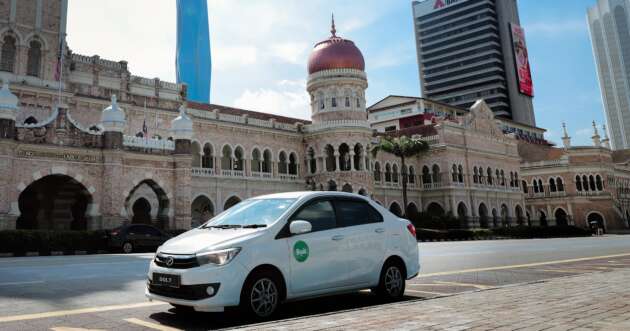
Kuala Lumpur, Malaysia – Controversy is brewing around Bolt Malaysia Sdn Bhd, the company that recently announced the launch of its e-hailing business in the Malaysia. While headlines celebrated another global ride-hailing player entering Malaysia’s competitive mobility scene, questions are now being raised about the legitimacy of its corporate presence here. According to sources, individuals who attempted to visit Bolt Malaysia’s office—listed on its official website as located at the South Tower, Gardens, Mid Valley City—were met with an unexpected response. Upon arrival, the registration desk allegedly informed them that Bolt does not have an office at that location. More worryingly, the same desk staff reportedly said they have had “several” similar encounters, where others—both with and without appointments—had come seeking Bolt Malaysia, only to be told the same: no such office exists here. “We were told straight up that it was a scam, and that this was not the first time people came looking for them,” one visitor told us, speaking on condition of anonymity. The revelation has fueled skepticism about Bolt’s operations, especially given its high-profile announcement just weeks ago. On August 14, 2025, Tech in Asia reported that Bolt had officially launched its business ride-hailing service in Malaysia, positioning itself as a challenger in an already crowded market that includes Grab, AirAsia Ride, and inDrive. The contradiction between its public announcement and the alleged absence of a physical presence at its declared headquarters has sparked questions in the industry: Is Bolt Malaysia a paper company with no real operations on the ground? Why is its official address listed at South Tower if the management there denies its tenancy? Could this be a case of misrepresentation—or a sign of internal disarray in setting up local operations? Bolt, headquartered in Estonia, has been aggressively expanding across markets with its ride-hailing, food delivery, and micro-mobility services. However, its expansion track record has not been without turbulence. In several countries, Bolt has faced regulatory hurdles and pushback from competitors and local authorities. For now, the lack of clarity over Bolt Malaysia’s office raises more questions than answers. While some industry insiders speculate that this could simply be a case of “premature listing” of an intended address not yet finalized, others fear that it signals a deeper problem in how the company is handling its Malaysian rollout. As Malaysia’s e-hailing sector continues to grow—supported by increasing urban demand and post-pandemic mobility recovery—the arrival of new players like Bolt was expected to fuel healthy competition. But with doubts over its local presence, Bolt risks losing credibility before its wheels have even hit the ground. Image source: SME Asia, Hype Malaysia and Malay Mail

News

JB Cocoa’s RM500mil Sukuk Rating Revised To Stable By MARC

KUALA LUMPUR, MARC Ratings has revised the outlook on JB Cocoa Sdn Bhd’s RM500 million Sukuk Wakalah to stable from negative, while affirming its rating at A+IS. The cocoa processor, a wholly owned subsidiary of Singapore-listed JB Foods Ltd, benefits from a corporate guarantee by its parent. MARC’s rating is anchored on JB Foods’ consolidated credit profile, reflecting the group’s close operational and financial integration. The improved outlook reflects JB Foods’ efforts to manage leverage amid elevated cocoa prices, which averaged around US$7,900 per tonne between 2024 and early 2025. Its debt-to-equity ratio eased to 0.99 times as of March 31, 2025, aided by stricter working capital management and reinforced by an RM85.9 million rights issue completed in May. MARC noted that prospects of improved cocoa production in Ivory Coast and Ghana could further ease working capital needs and leverage, though levels remain high. Despite cocoa prices averaging US$7,300 per tonne in July 2025, still far above the 10-year average of US$2,600, expectations of higher supply from the world’s top producers should help stabilise the market. JB Foods has also diversified sourcing to reduce reliance on these two countries. Its Malaysian and Indonesian grinding plants, with a combined capacity of 210,000 tonnes per year, were operating at around 79% and 77% utilisation, respectively, as of end-March 2025. A planned facility in Ivory Coast will add 30,000 tonnes by FY26, though expansion will be paced with demand. For FY25, operating cash flow swung to a positive RM629.9 million from a negative RM200 million in 2023, supported by tighter working capital discipline and stable processing margins. Borrowings declined to RM873.1 million from RM1.2 billion, with liquidity bolstered by RM180 million in unutilised sukuk credit lines and RM930.3 million in additional available facilities. MARC added that while shorter lead times could pose operational challenges, the shift towards smaller, more frequent customer orders should reduce inventory needs and reliance on debt.

News

Fresh Chapter Ahead As FGV Prepares To Leave Bursa Malaysia

KUALA LUMPUR, FGV Holdings Bhd’s upcoming delisting from Bursa Malaysia on Thursday will mark the start of a new phase for the plantation giant as it returns fully under the control of the Federal Land Development Authority (Felda). In a statement, FGV said the move is part of its long-term transformation journey, allowing it to operate with greater flexibility while reinforcing its role as a leading agri-business and Malaysia’s national food company. FGV Holdings Bhd’s delisting from Bursa Malaysia on Thursday is set to mark the beginning of a new chapter for the plantation giant. FGV stressed that its delisting does not signal the end of its growth story since its 2012 listing but rather a strategic step towards delivering stronger and more sustainable value to stakeholders. Current operations, commitments to partners, and community initiatives will continue without disruption. “This is a strategic alignment with Felda that enables us to sharpen our focus on sustainable growth, operational excellence, and long-term value creation. We remain fully committed to advancing with Felda for the benefit of our employees, settlers, and the communities we serve,” said group chief executive officer Fakhrunniam Othman. Once celebrated for staging one of the world’s largest palm oil IPOs in 2012, FGV is now set to be fully delisted at 9am on Aug 28. The exit follows Felda’s acquisition of a 94.97% stake after its takeover offer closed on Aug 15, prompting Bursa Malaysia to suspend FGV’s trading on Aug 22. Felda has also issued a notice to dissenting shareholders, giving them until Jan 15 next year to sell their shares at RM1.30 each. FGV reaffirmed that strong governance, integrity, and transparency will remain central to its future direction. More than 70% of its fresh fruit bunches (FFB) are sourced from Felda settlers and smallholders, with Fakhrunniam describing them as long-term partners in a legacy built on trust and shared responsibility. As it transitions into this new chapter, FGV is also spotlighting the people behind its success. In conjunction with Merdeka and Malaysia Day, it has released Warkah Dari Ladang, a short film honouring plantation workers as the unsung heroes of Malaysia’s agri-business. The film, showcasing the nation’s diversity and unity, will be featured across FGV’s social media channels and official websites.

News

Ivory Properties’ Shares Flat Following CEO’s Resignation

KUALA LUMPUR, Ivory Properties Group Bhd’s share price remained unchanged at half-a-sen in mid-morning trade on Monday, with 10.63 million shares exchanged, following news of the resignation of its group chief executive officer (CEO) and executive director, Datuk Low Eng Hock. In a filing to Bursa Malaysia on Sunday, the Penang-based property developer announced that Low, 62, officially stepped down from the board on Aug 22, 2025, citing personal reasons for his departure. Low, who has been a key figure in Ivory Properties’ leadership and growth strategy, directly owns 84.54 million shares, representing a 17.25 per cent stake in the company, in addition to an indirect interest of 28.23 million shares, or 5.76 per cent. With his resignation, Low will relinquish all executive and board responsibilities, including his role as group CEO. The company has yet to announce a successor. Bursa Malaysia had earlier suspended trading of Ivory Properties’ securities from 9 am to 10 am on Monday, Aug 25, 2025, in line with regulatory requirements following the announcement. Despite the leadership change, Ivory Properties’ stock showed little reaction, suggesting that investors may already have priced in the news or are awaiting clarity on the company’s next steps in its leadership transition.

News

China Evergrande Delisting Marks End Of Troubled Run For Investors

HONG KONG, China Evergrande Group was officially delisted from the Hong Kong stock exchange on Monday, closing one of the most dramatic rises and collapses in China’s property market history. The world’s most indebted developer, burdened with over US$300 billion (RM1.26 trillion) in liabilities, had its shares suspended since Jan 29 after a court ordered the company to be liquidated when it failed to repay debts and restructure. This suspension paved the way for its removal from the exchange. Once a giant in China’s property boom, Evergrande’s 2009 Hong Kong listing was the largest for a Chinese private developer. Its market value soared from US$9 billion at debut to a peak of US$51 billion in 2017. However, by early 2024, it had plunged to just US$282 million. Shares that once traded at HK$31.39 fell to HK$0.163 before trading stopped. “The delisting marks a milestone, symbolising the end of Evergrande’s dramatic rise and fall, as well as the fading of China’s debt-fuelled property growth model,” said Alec Tseung of KT Capital Group. The downfall mirrors the fate of its founder, Hui Ka Yan, who rose from a poor rural background to become one of China’s richest men. Hui was later banned from the securities market for life, fined 47 million yuan, and accused of inflating financial results and fraud. He has since been detained by authorities while liquidators pursue court cases to recover billions in assets. Evergrande’s collapse also highlights wider troubles in China’s property sector, which has been battling a deep liquidity crunch since 2021. Earlier this month, China South City became the first state-backed developer to face a liquidation order, joining several private peers. Although Beijing is trying to revive the sector through stimulus and easing property rules, analysts remain doubtful about a strong rebound, pointing to weak household demand and strained finances among buyers. Evergrande’s liquidation is expected to drag on for a decade, with creditors unlikely to recover much. So far, liquidators have managed to raise about US$255 million from selling offshore assets, a tiny fraction of the US$45 billion in claims. For many investors and homebuyers, the collapse has been devastating. “I chose Evergrande because I thought such a big developer would never fail. I was wrong,” one buyer wrote on social media while waiting for his unfinished home.

News

New E-commerce Law To Distinguish Affiliates From Online Sellers

KUCHING, A new bill to regulate e-commerce will introduce clearer definitions for all parties involved, including online marketing affiliates, to ensure fairer and more comprehensive rules, said Deputy Minister of Domestic Trade and Cost of Living Fuziah Salleh. She said talks with industry players highlighted the need to separate affiliates from sellers, as current laws treat them the same. The e-commerce bill, expected to be tabled in March, will close gaps in existing laws and better protect the rights of all involved, said Fuziah Salleh. “Affiliates don’t own the products — they only promote them. So, consumers shouldn’t hold affiliates accountable like sellers. The new framework will ensure fairness for all,” Fuziah said after a legal review session on e-commerce. The bill, expected to be tabled in the Dewan Rakyat in March, will officially recognise affiliates as a separate category. This move will close gaps in existing laws, strengthen consumer protection, and ensure clearer responsibilities in the e-commerce space. She added that defining each party’s role will boost transparency, accountability, and create a fairer marketplace. E-commerce has also seen a surge in complaints — 14,211 in 2023, 10,486 in 2024, and 4,809 recorded up to July 31 this year. Most involved undelivered goods, misleading ads, counterfeit products, and sellers using fake identities. Fuziah stressed these figures highlight the urgent need for stronger, updated legislation to protect both consumers and businesses.

News

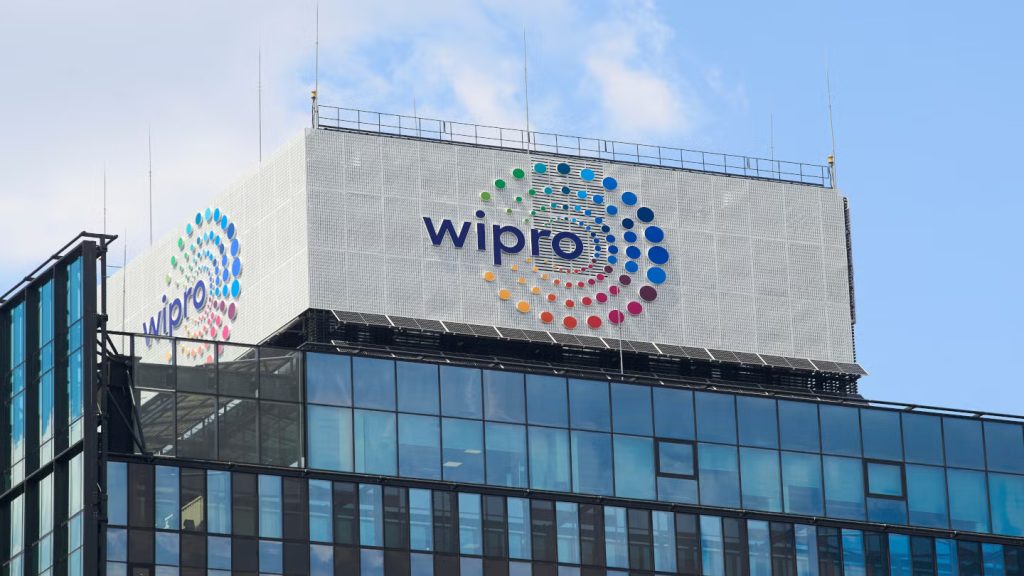
Wipro Shares In Spotlight After $375m Purchase Of HARMAN’s Digital Unit

BENGALURU, Shares of Wipro Ltd came into focus after the Indian IT services giant announced it will acquire the digital engineering business of HARMAN International for $375 million in an all-cash deal. The acquisition, Wipro said, is aimed at strengthening its capabilities in digital engineering, cloud, and connected products, further positioning the company as a strategic partner to global enterprises undergoing large-scale digital transformation. HARMAN, a wholly owned subsidiary of South Korea’s Samsung Electronics Co Ltd, is known for its expertise in automotive technology, consumer audio, and connected services. Its digital engineering division provides product design and development services to clients across industries, including consumer technology, healthcare, and communications. By integrating HARMAN’s digital engineering team, Wipro will gain access to deep domain knowledge, talent, and client relationships, significantly enhancing its ability to compete in high-value digital engineering projects. “This acquisition will bolster Wipro’s capabilities in building intelligent connected experiences and accelerate our growth in the digital engineering space,” the company said in a statement. Analysts noted that the move reflects a broader trend of Indian IT majors deepening their presence in the digital engineering market, which is projected to grow rapidly amid rising demand for cloud-native, AI-driven, and connected product solutions. Wipro’s stock reacted positively in early trade following the announcement, with market participants closely watching how the integration of HARMAN’s digital unit will impact its revenue trajectory in the coming quarters. The deal is expected to close in the second half of 2025, subject to customary closing conditions and regulatory approvals.

Scroll to Top

Subscribe
FREE Newsletter