News

News

Fajarbaru Builder Group Rebrands As FBG Holdings

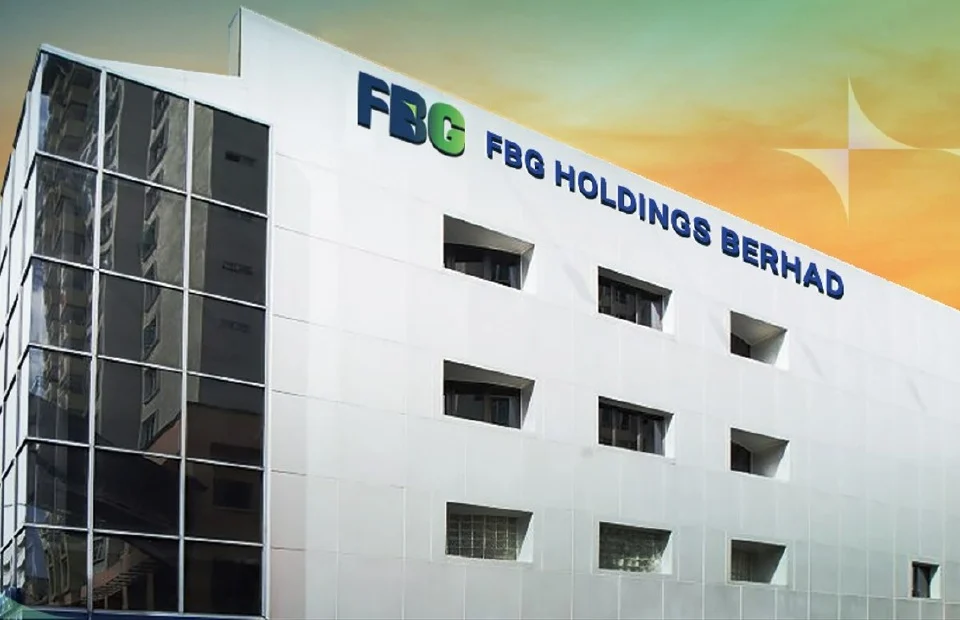
KUALA LUMPUR, Fajarbaru Builder Group Bhd has officially rebranded itself as FBG Holdings Bhd, with the name change taking effect on Friday, Aug 8, 2025, according to an announcement by Bursa Malaysia today. In its statement, the exchange confirmed that the group’s securities will be quoted and traded under the new company name beginning at 9:00 am on the effective date. Alongside the name change, the stock short name will be updated from “Fajar” to “FBG”, marking a new chapter in the company’s corporate identity. Bursa Malaysia also noted that the company’s stock codes will remain unchanged, ensuring a smooth transition for shareholders and market participants. In line with the rebranding, the stock short name for Fajarbaru Builder – Warrants 2021/2026 will also be revised. Effective the same date, it will be updated to FBG-WC. The rebranding reflects the group’s ongoing transformation and potential diversification beyond its traditional construction business, as it aligns with its broader strategic goals and future expansion plans under a unified corporate identity. Investors and stakeholders are advised to take note of the upcoming changes and refer to official Bursa Malaysia channels for any further updates.

News

Mohd Effendi Mat Aris Appointed As CEO Of XOX

PETALING JAYA, XOX Technology Bhd has announced the appointment of Mohd Effendi Mat Aris, 38, as its new Chief Executive Officer, effective immediately. He takes over the role from Azril Aliuddin, who stepped down in May last year to pursue other professional commitments. In a filing with Bursa Malaysia, the company highlighted Mohd Effendi’s extensive experience spanning more than two decades across the public sector, private enterprises, and non-governmental organisations. His diverse background is expected to bring a fresh strategic perspective to the group as it continues to expand its footprint in the technology and digital services space. Prior to joining XOX, Mohd Effendi served as the Deputy Head of the Intelligence Section at the National Anti-Financial Crime Centre (NFCC), operating under the Prime Minister’s Department. In this capacity, he was responsible for coordinating intelligence efforts and inter-agency enforcement operations aligned with Malaysia’s anti-money laundering and counter-financing of terrorism (AML/CFT) initiatives. His leadership at NFCC was marked by significant contributions to the development of Malaysia’s financial crime intelligence network and collaborative frameworks between enforcement bodies. In addition to his new role at XOX, Mohd Effendi was recently appointed as an Independent Non-Executive Director of Heitech Padu Bhd on July 25, further underscoring his growing presence in Malaysia’s corporate sector. XOX said it looks forward to leveraging Mohd Effendi’s expertise and leadership to drive innovation, improve operational efficiency, and explore new growth opportunities for the group.

News

KPK Evaluates Funding Needs For Rubber Replanting Efforts In Ranau

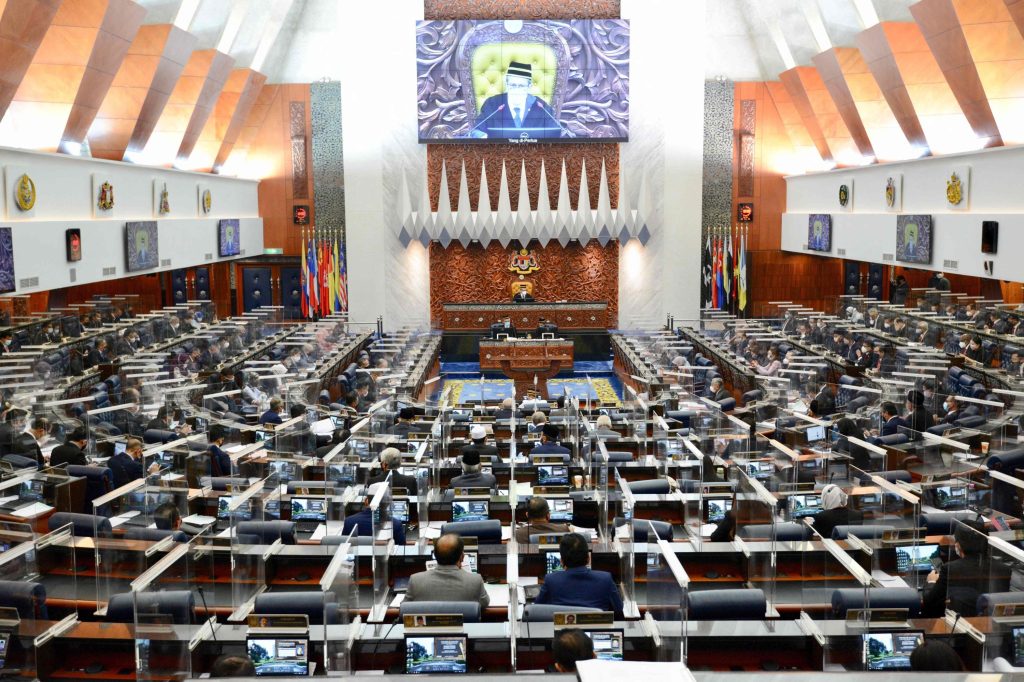
KUALA LUMPUR, The Ministry of Plantation and Commodities (KPK), through the Malaysian Rubber Board, is currently reviewing the need to increase budget allocations for the development of new rubber planting areas—particularly in hardcore poverty regions such as Ranau. In a written parliamentary response published on the Dewan Rakyat portal today, the ministry stated that several proactive initiatives are already underway. These include identifying suitable land, providing agricultural input support and high-quality rubber seedlings, implementing group-based rubber cultivation programmes, and offering technical training and guidance to participating smallholders. KPK reaffirmed its commitment to assisting small-scale farmers, especially those in the Ranau district. “From 2021 to 2024, with the Sabah Rubber Industry Board serving as the implementing agency, a total of 19 planting blocks were established in Ranau, involving 324 participants and covering 1,011.36 hectares. These efforts were supported by a total allocation of RM19.21 million,” the ministry noted. The reply was in response to a query from Datuk Jonathan Yasin (GRS–Ranau), who raised concerns about the need for additional funding to help smallholders in the district expand cultivation of cocoa, oil palm, and rubber as a strategy to combat extreme poverty. Regarding the palm oil sector, KPK said the proposal to offer financial assistance for land development and provide targeted subsidies for smallholders is still under review. As for cocoa, the ministry recognised Ranau as a high-potential cultivation area and one of Malaysia’s key cocoa-producing districts. Among the initiatives currently being implemented by the Malaysian Cocoa Board are the new cocoa planting programme—under which applications for over 500 hectares have been received to date—various ongoing development activities, and the Cocoa Cluster Complex in Ranau, which is expected to be completed this year. KPK expressed confidence that these integrated efforts would contribute to gradually reducing the rate of extreme poverty in Ranau and other targeted rural areas.

News

Green Doesn’t Have To Be Gold: 10 ESG Facts Every Malaysian Business Should Know

ESG is often dismissed as something only large corporations can afford. But in Malaysia, where over 97% of all businesses are SMEs, that logic no longer holds, and in fact, may be holding them back. From family businesses to homegrown startups, or even regional brands, sustainability is becoming a business necessity, not a luxury. The Institute of Chartered Accountants in England and Wales (ICAEW) plays a large part in translating this transition into tangible business terms. By quantifying savings and projecting returns, the organisation helps businesses future-proof operations — not through hype, but through hard numbers. ICAEW supports this shift by equipping businesses and finance professionals with the tools, training, and data-driven insights needed to quantify sustainability risks, measure returns, and embed ESG into long-term strategy. For Malaysian businesses, sustainability is not the cost — it is the payoff.   Here are 10 data-backed insights, each paired with a clear business rationale, showing how ESG drives results at any scale.   1.    ESG reporting rules will soon impact SMEs across the supply chain Bursa Malaysia now requires large, listed companies to adopt ESG disclosures, starting from financial year 2025. While most listed companies are not SMEs, this mandate will cascade through procurement chains, prompting thousands of SMEs to align with ESG standards if they wish to remain competitive vendors. Companies that act early will be better positioned to retain key contracts, access green capital, and maintain investor trust.   2.    More SMEs are embracing ESG as a growth strategy A growing number of Malaysian SMEs are embracing ESG not just for compliance, but as a growth driver. For those already taking action, the commercial returns are starting to show. According to a recent study, 60% of SMEs have adopted ESG practices, up from just 28% two years ago. Among these adopters, 38% reported revenue growth exceeding 50%, driven by improved market access and customer demand.   3.    But few have embedded it into core operations While awareness is rising, many Malaysian SMEs have yet to embed ESG into their core operations. A study found that only 19% of SMEs have adopted environmentally friendly production processes, and just 12% are involved in structured social responsibility programmes. This gap shows the opportunity for early movers to lead the transition.   4.    Solar isn’t just green, it’s cost-efficient One key area where ESG delivers fast returns is energy. Malaysian businesses now benefit from incentives like 100% investment tax allowance, soft loans under the Green Technology Financing Scheme, and the Net Energy Metering (NEM) programme. Local companies have cut electricity costs by nearly half, with some saving up to 75% after switching to rooftop solar.   5.    Sustainability drives customer loyalty and willingness to pay Consumers are increasingly voting with their wallets. Businesses that can demonstrate environmental responsibility are more likely to attract and retain customers as well as command a price premium. According to the Malaysian Green Technology and Climate Change Corporation, 78% of Malaysian consumers consider a product’s environmental impact before making a purchase.   And the business case doesn’t stop there. Beyond regulatory pressure, revenue growth, and energy savings, ESG also opens doors to financing, talent retention, and long-term resilience. The following insights show how sustainability strategies are delivering measurable returns across different parts of the business.   6.    Banks are unlocking ESG access through green finance Banks are increasing sustainable lending, making ESG investments more accessible for Malaysian businesses. CIMB Group had mobilised RM86.2 billion in sustainable finance. Maybank reported RM83.2 billion in sustainable financing as of mid-2024, surpassing its RM80 billion goal set for 2025. RHB Bank disbursed RM23.8 billion and raised its target to RM50 billion by 2026.   7.    ESG is becoming a driver of talent attraction and retention Employees now expect more than pay—they want purpose and meaning from their work. A global IBM study found that over 70% of employees say they’d be more likely to apply for or accept a job with a company they consider environmentally or socially responsible, and around 35% of those who switched jobs last year did so to work for such companies.   8.    ESG readiness protects export competitiveness International buyers are raising the bar on climate standards. With the EU’s Carbon Border Adjustment Mechanism (CBAM) phasing in from 2026, Malaysian exporters will need to track and report their carbon footprint to avoid penalties. ESG compliance is becoming essential for protecting access to international markets. According to the Securities Commission, 75 percent of Malaysia’s exports to the EU could be affected, even though the EU accounts for just over 8 percent of total exports.   9.    Greening supply chains saves millions in disruption  Climate risks, labour shortages and tightening ESG standards are creating vulnerabilities across global supply chains. Companies that adopt sustainable procurement practices and build resilience into their supply chain operations are better able to avoid revenue loss and delivery delays. Malaysia’s economy is losing an estimated RM8.7 billion each year to supply chain disruptions. ESG-aligned businesses can mitigate these risks while maintaining competitiveness and customer trust.   10.  ESG signals long-term business strength to investors Investors are prioritising companies with credible sustainability credentials, viewing them as more resilient, compliant, and better positioned for long-term growth. ESG performance is increasingly seen as a proxy for risk management and future-readiness. For SMEs seeking funding, this shift is especially relevant, ESG alignment isn’t just a moral imperative, it’s a competitive edge in attracting capital. In Malaysia, Sustainable and Responsible Investment (SRI) fund assets grew from RM7.05 billion in 2022 to RM7.7 billion in 2023, reflecting growing investor appetite for businesses that take ESG seriously. While this isn’t exponential growth, it marks a consistent upward trend in capital flowing into sustainability-focused investments — a signal SMEs can’t afford to ignore.

News

Arshad Appointed CEO Of MARC Ratings

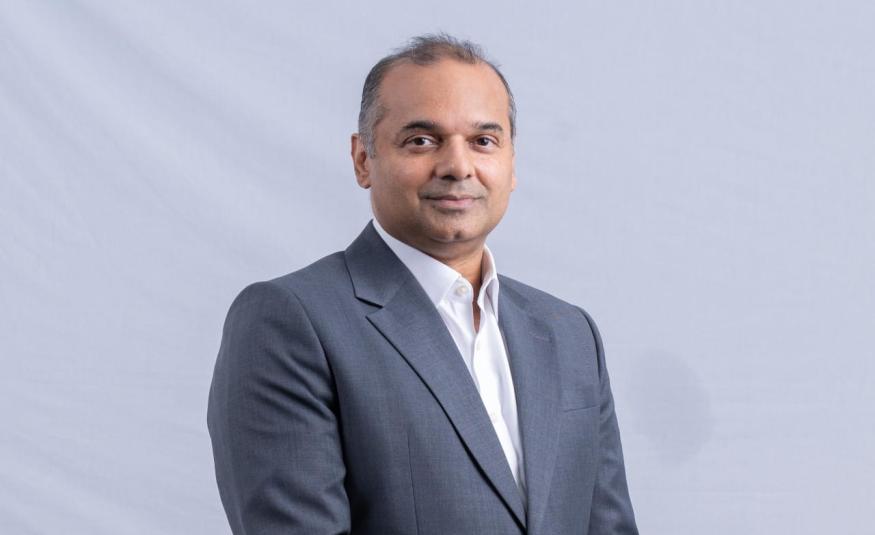
KUALA LUMPUR, Malaysian Rating Corporation Bhd (MARC) has announced new leadership changes across its group, effective August 1, 2025, aimed at ensuring leadership continuity and sharpening strategic focus. Group CEO Arshad Mohamed Ismail has been appointed Chief Executive Officer of MARC Ratings Bhd, the group’s credit ratings division, following the retirement of Rajan Paramesran on July 31 after 17 years of service. “We are grateful to Rajan for his outstanding contributions and for establishing MARC Ratings as a trusted name in the capital markets,” said Arshad. “I’m committed to building on this strong foundation with our leadership team to deliver continued value and uphold analytical excellence.” To further bolster its ratings operations, MARC has also appointed Deputy Chief Rating Officer Taufiq Kamal to the Rating Committee. He will support Chief Rating Officer Hafiza Abdul Rashid in enhancing analytical quality, governance, and operational performance. These appointments underscore MARC’s ongoing commitment to quality, transparency, and leadership in Malaysia’s capital market landscape.

News

Maybank Partners With Microsoft To Drive Digital Transformation

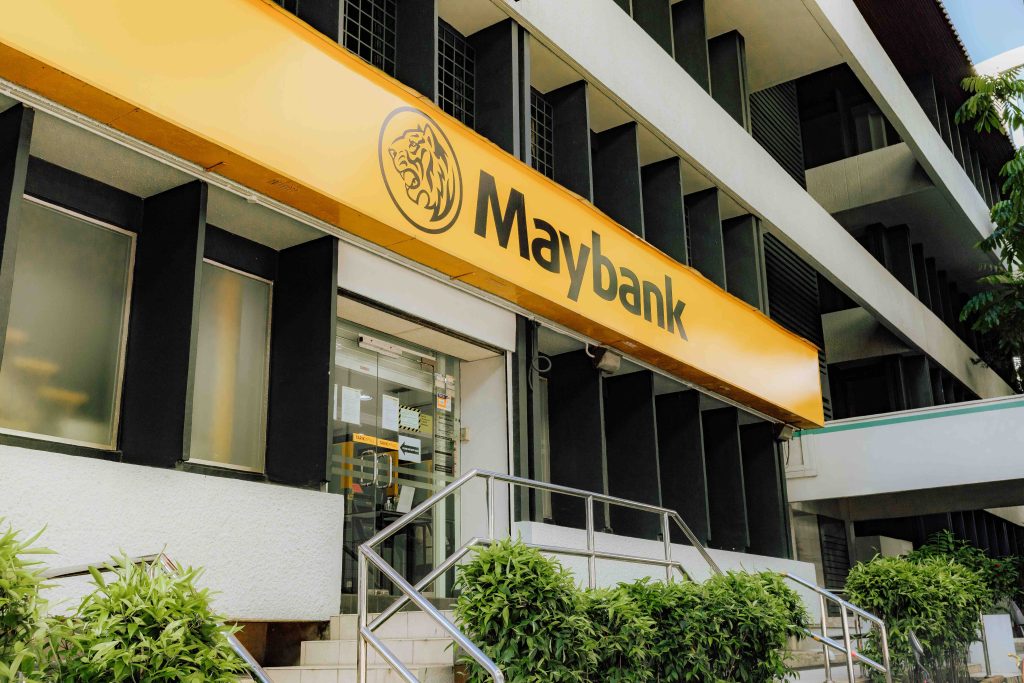
KUALA LUMPUR, Malayan Banking Bhd (Maybank) has entered into a five-year strategic partnership with Microsoft worth RM1.0 billion to accelerate its digital transformation journey. In a statement released Tuesday, Maybank said the collaboration will leverage Microsoft’s cloud, artificial intelligence (AI), security tools, and collaboration technologies to enhance customer experience, boost operational agility, and embed a culture of continuous innovation. As part of the initiative, Maybank will upgrade its systems to Microsoft 365 and adopt Microsoft Azure as a key cloud platform for several core systems, functions, and data workloads. “This transition will provide Maybank with a secure, resilient, and scalable infrastructure — enabling real-time data insights, quicker rollout of new services, and improved operational efficiency,” the statement noted. To further boost productivity, Maybank will also deploy Microsoft 365 Copilot across its 44,000-strong workforce, offering employees access to powerful AI-driven tools. Beyond tech implementation, the partnership underscores a major investment in Maybank’s talent. Both organisations will explore setting up a joint centre of excellence focused on cloud and AI innovation, with plans to cultivate in-house capabilities in these strategic areas.

News

Pekat Secures RM31 Million Contract From TNB

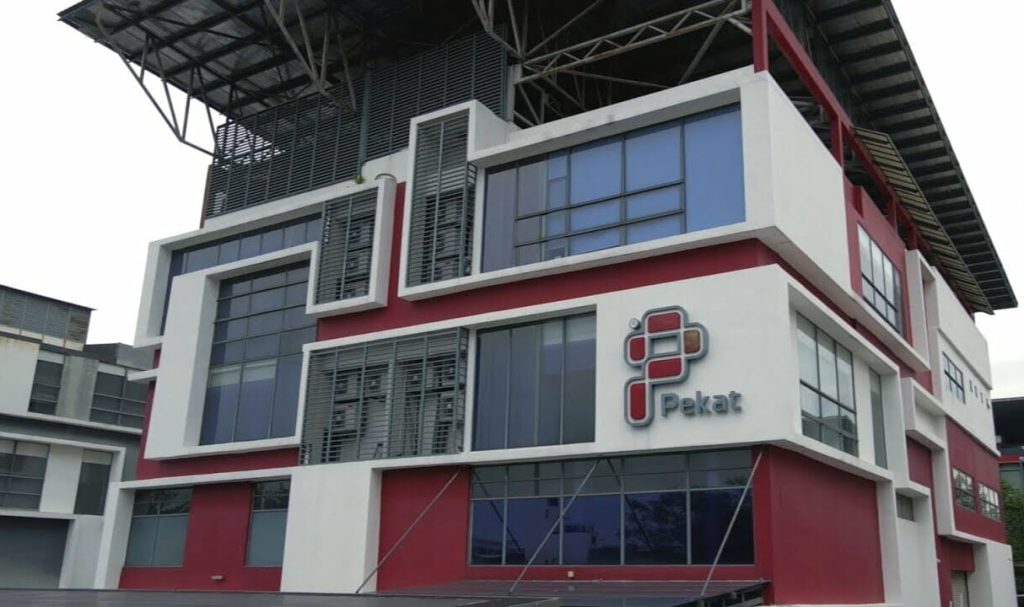
PETALING JAYA: Pekat Group Bhd’s 60%-owned indirect subsidiary, EPE Switchgear (M) Sdn Bhd, has secured a RM31.32 million contract from Tenaga Nasional Bhd (TNB) for the maintenance and repair of switchgear systems. In a filing with Bursa Malaysia, Pekat said EPE Switchgear will carry out maintenance, servicing, and repairs for air-insulated and gas-insulated switchgears, including the supply and installation of spare parts, in accordance with TNB’s specifications. The contract takes effect from Aug 1, 2025, as stated in the Letter of Award, and will run for two years with an option to extend for an additional year. Pekat noted that the duration of each individual service will be based on purchase orders issued by TNB.

News

Firefly To Relocate Jet Operations From Subang To KLIA Starting Aug 19

KUALA LUMPUR, Malaysia Aviation Group (MAG) announced that its regional airline, Firefly, will relocate its jet operations from Sultan Abdul Aziz Shah Airport (Subang Airport) to Kuala Lumpur International Airport (KLIA) Terminal 1, starting August 19, 2025. In a statement, MAG said Firefly will continue its turboprop services from Subang, maintaining connectivity to major domestic and regional routes. Jet services will launch from KLIA on August 19 with the inaugural flight to Tawau, followed by Kuching and Kota Kinabalu on August 21, Singapore on August 22, Johor Bahru on August 23, Kota Bharu and Terengganu on August 30, and Sibu on September 3. The airline will also increase flights from KLIA to Penang from the current two per week to six weekly flights beginning August 23, with plans to raise that to 10 weekly by November. Passengers affected by the shift will be contacted directly and offered alternative arrangements or full refunds in accordance with the Malaysian Aviation Consumer Protection Code 2016. MAG said the relocation supports its long-term network optimisation strategy aimed at boosting operational efficiency and ensuring the sustainability of Firefly’s jet services. MAG Group Managing Director Datuk Captain Izham Ismail noted that KLIA provides a better platform for Firefly to expand its jet operations, improve passenger connectivity, and leverage shared group resources in engineering, ground handling, and catering. “Subang Airport will remain a vital hub for Firefly’s turboprop network, offering crucial connections across Malaysia and the region,” he added. The move also aligns with MAG’s broader goal of strengthening KLIA as the country’s primary aviation hub.

News

Sabah Electricity Appoints Saadiah Aziz As New Chairperson

KOTA KINABALU, Sabah Electricity Sdn Bhd (SESB) has named Saadiah Aziz as its new chairperson, effective July 31, 2025. She succeeds Datuk Seri Wilfred Madius Tangau. Saadiah, 49, brings over 24 years of experience in project management, stakeholder engagement, and capital markets. She previously served as Senior Vice President at Khazanah Nasional Berhad, where she played a key role in the Government Linked Companies Transformation Programme (2005–2015) and various national initiatives. Her earlier career included roles at the Labuan Offshore Financial Services Authority and Malaysian Rating Corporation Berhad. Saadiah holds Master’s degrees in Strategic Project Management (University College London) and Financial Management (Glasgow Caledonian University), a Bachelor’s in Accounting, and has completed an executive programme at London Business School. SESB’s board and management welcomed her appointment, with CEO Datuk Mohd Yaakob Jaafar expressing confidence in her leadership to steer the company into its next chapter.

News

Construction Demand Could Hit $53 Billion In 2025, Boosted By Housing, Changi T5, And MBS Expansion

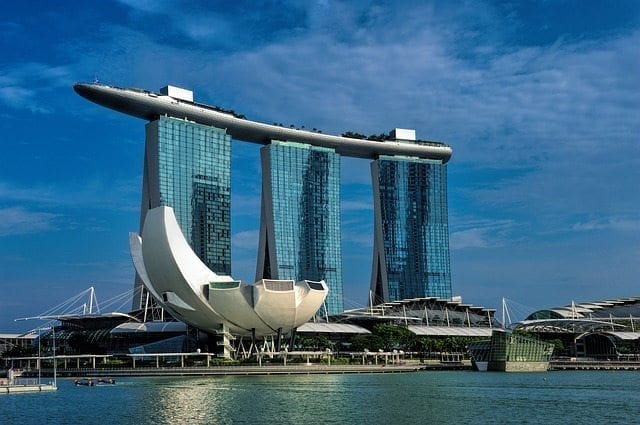
SINGAPORE, Singapore’s construction sector is poised for a strong performance in 2025, with total demand projected to hit between S$32 billion and S$53 billion, fuelled by a surge in public housing developments and major infrastructure projects such as Changi Airport Terminal 5 and the Marina Bay Sands (MBS) expansion. The Building and Construction Authority (BCA) shared the forecast in its latest industry outlook, citing resilient public sector demand and a steady pipeline of private residential and commercial developments. According to the BCA, the public sector will remain a key driver, expected to contribute between S$18 billion and S$23 billion, or roughly 45% of total demand. Key government-led projects include new Build-To-Order (BTO) flats, public healthcare facilities, and transport infrastructure such as rail upgrades and road works. Meanwhile, the private sector is forecast to generate between S$14 billion and S$30 billion in demand, with major contributions from the planned expansion of Marina Bay Sands, the resumption of delayed commercial and hospitality developments, and upcoming data centre projects. The private residential segment is also expected to remain active, buoyed by steady homebuyer demand and land sales. One of the most anticipated catalysts is Changi Airport Terminal 5, which recently resumed construction after a pandemic-induced pause. The multi-billion-dollar project is expected to significantly boost construction activity and create thousands of jobs over the next few years. The Marina Bay Sands expansion, including a new hotel tower and state-of-the-art entertainment facilities, is also set to inject fresh momentum into the construction landscape, with works targeted to commence in 2025. Despite global economic uncertainties, Singapore’s construction industry has shown resilience. Total construction demand for 2024 is on track to hit the S$35 billion to S$38 billion range, supported by strong public housing numbers and continued investment in critical infrastructure. The BCA noted that while inflationary pressures and manpower constraints remain challenges, ongoing efforts to digitalise the sector, improve productivity, and attract local talent will help ensure sustainable growth. Industry players welcomed the positive outlook, calling it a sign of recovery and confidence in Singapore’s long-term development plans. “The upcoming pipeline offers opportunities not just for builders, but also for engineers, architects, and technology providers,” said a spokesperson from the Singapore Contractors Association. “The focus on innovation and green construction will further enhance the sector’s competitiveness.” The BCA will continue to monitor market conditions and work closely with stakeholders to manage costs, manpower needs, and environmental sustainability as the sector moves toward a more robust and digital future.

Scroll to Top

Subscribe
FREE Newsletter