News

News

Sime UMW Allocates Up To RM375mil For FY26 Spending

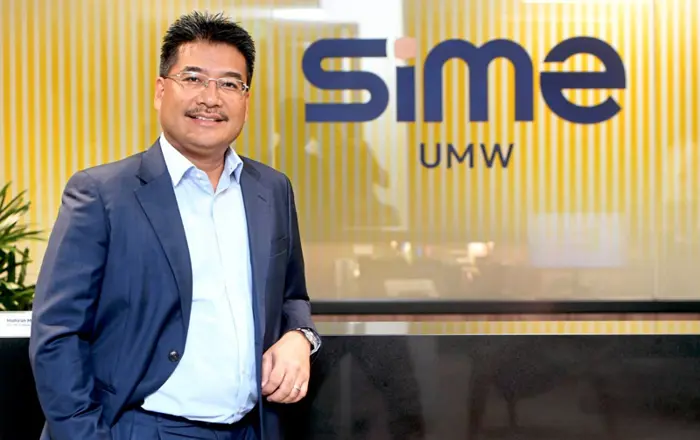
PETALING JAYA, Sime Darby Bhd’s subsidiary Sime UMW, formerly known as UMW Holdings Bhd, plans to increase its capital expenditure (capex) to RM375mil for the financial year ending June 30, 2026 (FY26), up from about RM300mil in FY25. Although the group has a diversified portfolio spanning automotive, equipment, manufacturing, engineering and aerospace, around 85% of Sime UMW’s earnings are derived from its automotive division. Sime UMW managing director Datuk Mustamir Mohamad. Sime UMW holds a 38% stake in Perusahaan Otomobil Kedua Sdn Bhd (Perodua), alongside Daihatsu Motor Co Ltd (25%), MBM Resources Bhd (20%), Permodalan Nasional Bhd (10%) and Mitsui & Co Ltd (7%). Daihatsu is wholly owned by Toyota Motor Corp. The group also owns 51% of UMW Toyota Motor Sdn Bhd, which manufactures and sells Toyota vehicles in Malaysia, with the remaining 49% held by Toyota and its affiliate. According to managing director Datuk Mustamir Mohamad, most of the additional capex will be channelled into launching new Toyota models and facelifts. Perodua’s development pipeline includes a B-segment sport utility vehicle, similar to Thailand’s Yaris Cross, targeted for 2026, and a full model change for the Myvi in 2027. Perodua’s first electric vehicle (EV) is set to debut by year-end with an estimated price of around RM80,000. Mustamir noted that battery costs remain high at about 50% of total vehicle cost, and the company is working with an overseas engineering partner (separate from Daihatsu) to address this. Further details will be revealed in October. Initial EV production is projected at 6,000 units annually. On the government’s planned rationalisation of the RON95 fuel subsidy, Mustamir said the move is unlikely to affect Perodua significantly as about 85% of its customers fall within the B40 and M40 income groups, who will remain eligible for subsidies. He added that some T15 consumers may shift to smaller cars for fuel savings, which could benefit Perodua, while others may opt for Toyota’s hybrid offerings. Currently, incentives for fully imported (CBU) EVs are scheduled to end by late 2025. While Perodua exports CBU units to markets including Brunei, Sri Lanka and Indonesia, export volumes are less than 1% of domestic sales due to persistent local demand. The company’s order backlog has eased from over 100,000 units to around 80,000, but Perodua continues to prioritise Malaysian buyers. The Malaysian Automotive Association forecasts total industry volume (TIV) to normalise to about 780,000 units in 2025 from a record 817,000 units in 2024. However, Mustamir expects 2025 sales to be closer to 800,000 units, with sustained demand of between 800,000 and 850,000 units in subsequent years. On exports, Mustamir said margins are thinner due to higher logistics and set-up costs, as well as local content requirements for completely knocked down (CKD) units. Nonetheless, Perodua has long-term plans to expand its overseas presence. Sime completed its RM5.84bil acquisition of Sime UMW in 2024, after buying a 61.2% stake from Permodalan Nasional Bhd for RM3.57bil in 2023, followed by a mandatory general offer for the remaining 38.8% at approximately RM2.27bil.

News

Sources: Singapore’s Carro Eyes US IPO at Valuation Exceeding $3 Billion

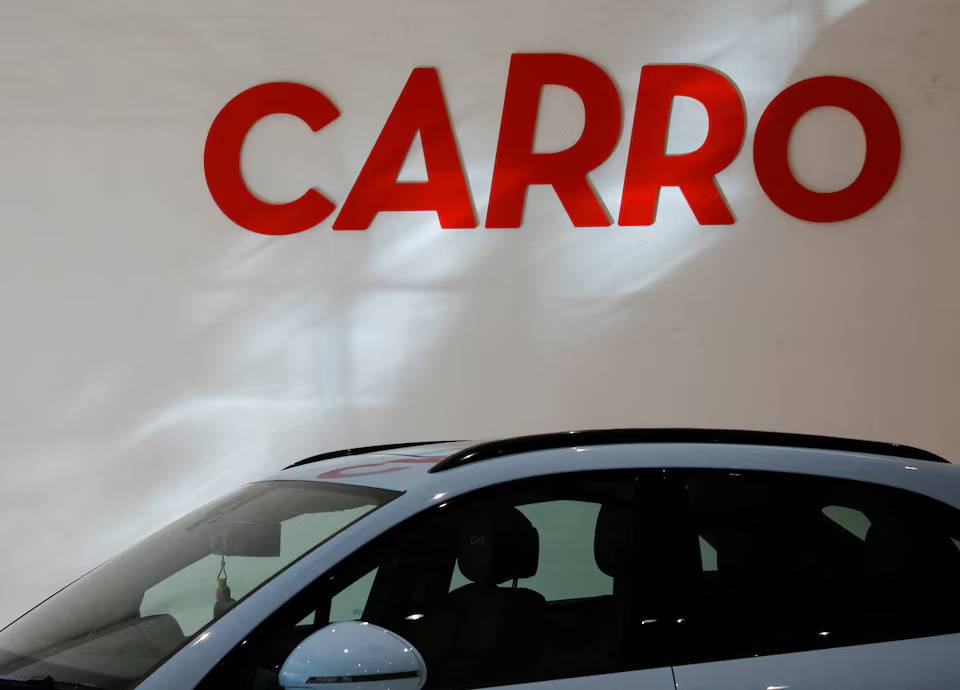
SINGAPORE, Carro, Southeast Asia’s largest online used-car marketplace, is reportedly gearing up for a U.S. initial public offering (IPO) as early as 2026, aiming to raise up to US$500 million and secure a valuation exceeding US$3 billion, according to sources familiar with the matter. If realised, the listing would mark the biggest U.S. IPO by a Southeast Asian company since SEA Ltd’s US$989.3 million debut in 2017, and the third-largest high-tech IPO from the region in the American market, based on LSEG data. It would also be the first major automotive technology and AI-driven commerce startup from Singapore to go public in the U.S. Carro is on track to achieve US$100 million in annual earnings before interest, taxes, depreciation, and amortisation (EBITDA) by its fiscal year ending March 2026, one source said. The IPO size, however, remains subject to change depending on market conditions. Founded in 2015, Carro runs a digital platform that connects consumers and dealers for vehicle sales, while also offering insurance, financing, and after-sales services. Beyond its home base in Singapore, the company operates in Malaysia, Indonesia, Thailand, Japan, Taiwan, and Hong Kong. With a workforce of over 4,500 across the Asia-Pacific, Carro has secured more than US$1 billion in debt and equity funding from investors such as Temasek, SoftBank, and several sovereign wealth funds. A successful debut could set the stage for other Southeast Asian unicorns — including Carsome, Traveloka, and Xendit — to explore similar moves. Globally, the trend is mirrored by a growing number of Chinese companies pursuing U.S. listings, lured by the potential for higher valuations despite ongoing geopolitical tensions.

News

Favelle Favco Secures RM77.6mil Worth Of New Crane Orders

KUALA LUMPUR, Crane manufacturer Favelle Favco Bhd announced that its subsidiaries have secured six new purchase orders for the supply of tower and offshore cranes, with a combined value of RM77.6 million. According to the company’s filing with Bursa Malaysia on Friday, four of the contracts involve offshore cranes to be delivered by Favelle Favco Cranes (M) Sdn Bhd to Malaysia Marine and Heavy Engineering Sdn Bhd, Offshore Oil Engineering Co Ltd, PVD Trading and Technical Services Joint Stock Company, and Abu Adel Engineering and Mechanical Services. The remaining two orders are for tower cranes, to be supplied by Shanghai Favco Engineering Machinery Manufacturing Co Ltd to Favco Heavy Industry (Changshu) Co Ltd, and by Favelle Favco Cranes (USA) Inc to Leavitt Cranes. Delivery timelines vary, with two contracts scheduled for completion by end-2025 and the first quarter of 2026, while the other four are expected to be fulfilled by the third quarter of 2026. These latest orders push Favelle Favco’s outstanding order book to RM797 million, up from RM528 million in February this year. The company has been on a steady winning streak, having secured five orders worth RM43.9 million in May, following RM147.1 million in contracts won in March. Favelle Favco’s share price remained unchanged at RM1.58 on Friday, giving the group a market capitalisation of RM374.73 million. However, the counter has declined by 8% year-to-date.

News

Vestland Wins RM56.38 Million Contract For Kelantan Palace Project

PETALING JAYA, Vestland Bhd has announced that its wholly owned subsidiary, Vestland Resources Sdn Bhd, has secured a subcontract worth RM56.38 million from Euro Saga Sdn Bhd to carry out construction-related works for the Kelantan Palace in Kota Bharu, Kelantan. According to its filing with Bursa Malaysia, the scope of works under the subcontract will officially commence on 8 August 2025 and is scheduled for completion within 24 months, with the targeted handover date set for 7 August 2027. Vestland noted that the project is expected to contribute positively to the group’s earnings and net assets throughout the contract period, provided there are no significant delays or unforeseen interruptions. The company also emphasised that the contract win reflects its strong track record and capabilities in delivering high-quality construction projects within strict timelines. “The award of this subcontract not only strengthens our project portfolio but also reinforces our position as a trusted construction partner for high-profile and specialised developments,” Vestland said in the statement. The Kelantan Palace project is anticipated to be one of the key highlights in the company’s ongoing expansion strategy, enabling it to tap into more niche and premium construction segments in the future.

News

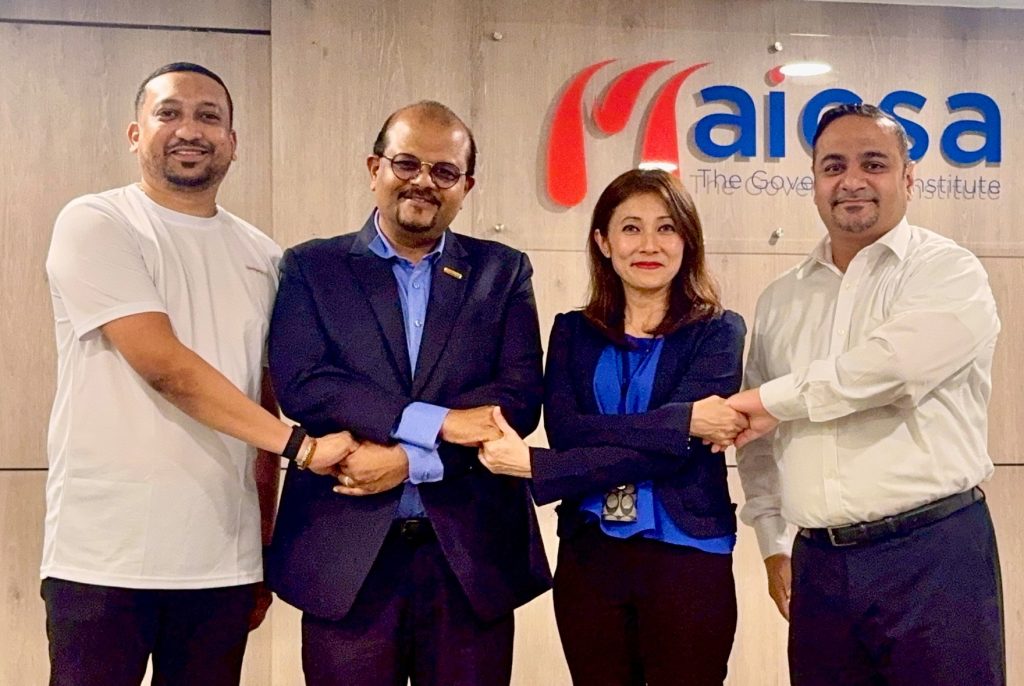
Visionary CEO Justin Anthony Accelerates MAICSA’s Strategic Shift Through CommercePay

The Malaysian Institute of Chartered Secretaries and Administrators (MAICSA) has taken a major leap in its digital transformation journey by implementing CommercePay, a secure and versatile digital payment gateway developed by Commerce.Asia. The move aims to streamline financial transactions and enhance the experience for its professional community of over 4,200 members. Calling the initiative a “milestone”, MAICSA CEO Justin Joseph Anthony said the adoption reflects the Institute’s ongoing commitment to innovation and service excellence. “With CommercePay now powering our payment system, members can enjoy faster, more reliable and more flexible transactions — whether renewing memberships, registering for exams, signing up for events or making purchases — all with greater ease and confidence,” Justin said in a statement to BusinessToday Malaysia. The shift comes as MAICSA faced increasing challenges with its previous manual payment process, which required lengthy verification and reconciliation, particularly during peak periods, causing delays and adding administrative burden. CommercePay addresses these issues with features such as real-time tracking, instant confirmations, automated reconciliation, and multiple payment options — including FPX, credit/debit cards, and e-wallets — ensuring secure and seamless transactions. “From a governance standpoint, it’s essential that stakeholders trust that all interactions, including payments, are conducted with transparency and integrity,” Justin added. “CommercePay allows us to uphold that trust while improving operational efficiency.” Since implementation, the platform has already delivered tangible results — reducing manual workloads for administrative and finance teams, improving data accuracy, and speeding up transaction processing. Members now benefit from a smoother, more responsive payment experience. CommercePay General Manager Patricia Silvanus said the partnership demonstrates how fintech can help even long-established institutions modernise and thrive. “CommercePay was built for professional, service-oriented organisations like MAICSA,” she said. “Its scalability, strong security and seamless integration allow organisations to grow without compromising compliance or stability. We’re proud to support MAICSA in leading governance excellence through innovation.” The collaboration forms part of MAICSA’s broader digital transformation strategy to integrate technology across all touchpoints — from member engagement to education delivery and operations — ensuring the Institute remains at the forefront of governance advocacy and professional development. Founded in 1959, MAICSA is a recognised leader in corporate governance, company secretarial practice, and compliance. Under Justin’s leadership, the Institute has accelerated its digital initiatives while staying true to its values of integrity, accountability and service to the profession. CommercePay, which is gaining strong traction among Malaysian SMEs, professional bodies, and digital-first businesses, continues to expand its reach, empowering organisations to enhance efficiency, transparency, and value in the digital economy.

News

Classita Names Former Public Service Director-General As Executive Director

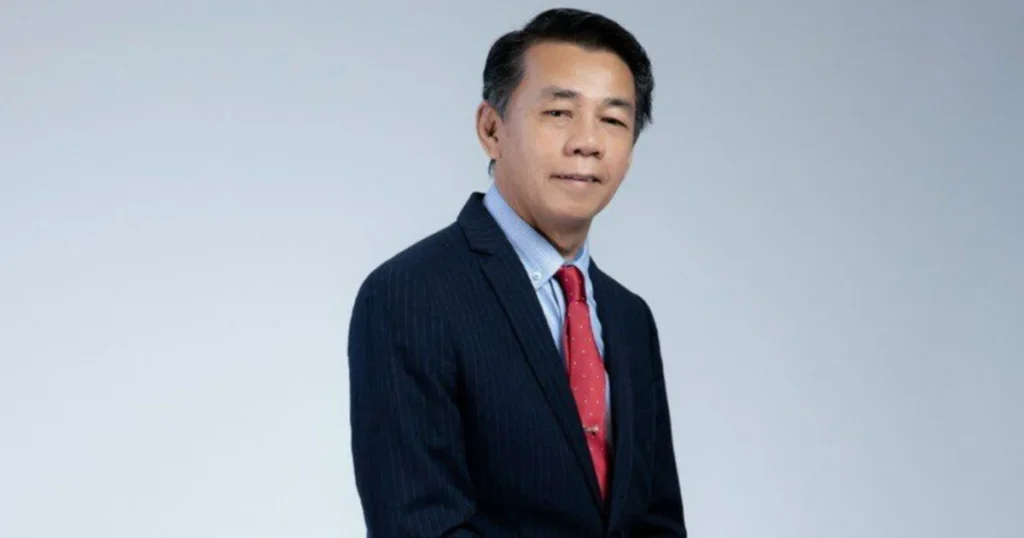
Classita Holdings Bhd has announced the appointment of Tan Sri Dato’ Seri Mohd Khairul Adib bin Abd Rahman, 63, as a Non-Independent, Non-Executive Director, effective 8 August. With an extensive background in public administration, Tan Sri Mohd Khairul Adib previously served as Director-General of the Public Service Department from October 2019 to January 2022. He was appointed Deputy Secretary-General of the Ministry of Transport (MOT) in August 2017 and later promoted to Secretary-General in January 2019. Throughout his career, he has held senior positions in various ministries and agencies, including the Ministry of Entrepreneur Development, Ministry of Science, Technology and the Environment (MOSTE), and the Ministry of Education (MOE). He has also served in Malaysia’s diplomatic missions in Japan and the United Kingdom. His boardroom experience spans multiple government-linked entities such as the Employees Provident Fund, Inland Revenue Board, Malaysia Airports Holdings Bhd, Prasarana Malaysia Bhd, MyHSR Corporation Sdn Bhd, and the Malaysian Aviation Commission. Currently, Tan Sri Mohd Khairul Adib is the Executive Deputy Chairman of NexG Bhd and a board member of Westports Holdings Bhd. He holds a Master’s degree in Public Policy from Saitama University, Japan, a Bachelor of Science (Hons) from Universiti Kebangsaan Malaysia, and a Postgraduate Diploma in Public Management from the National Institute of Public Administration (INTAN). According to the company’s filing, he has no family ties with any director or major shareholder, no conflict of interest with Classita Holdings, and holds a deemed interest in 402,057,900 ordinary shares and 414,312,800 warrants C.

News

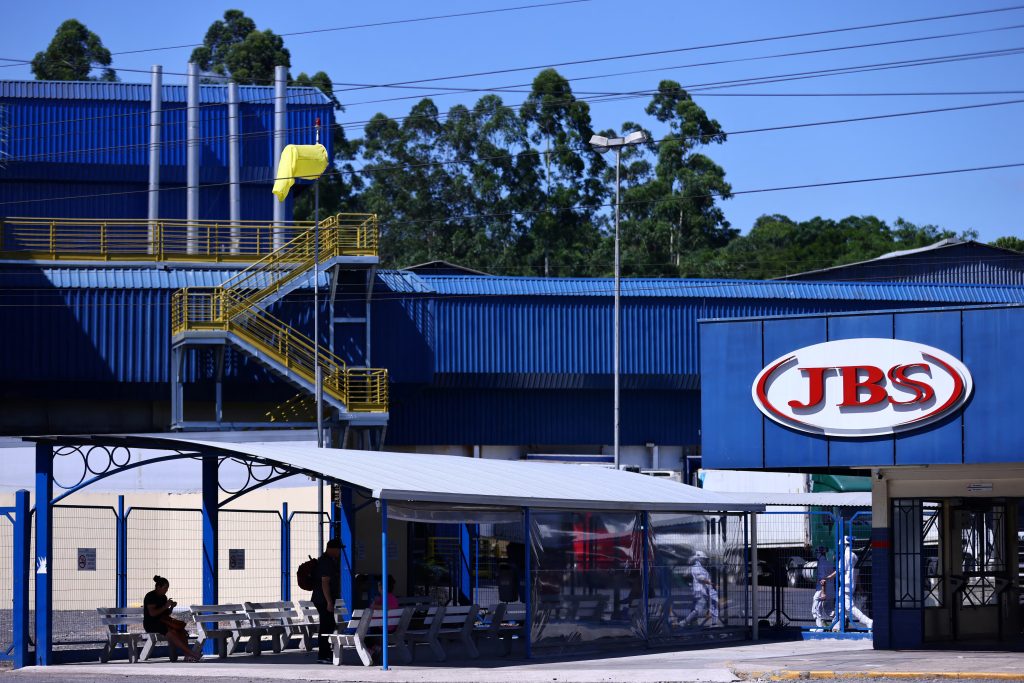
Brazilian Meat Processing Giant JBS To Establish Two New Facilities In Vietnam

Brazilian meat giant JBS S.A. is moving forward with plans to invest in two export-oriented food processing plants in Vietnam, following an announcement made in March. The investment was confirmed during a meeting in Hanoi between Vietnam Customs deputy director Au Anh Tuan and JBS investment director Fabio Maia de Oliveira. The first facility will be built in the northern port city of Hai Phong, followed by a second in Ho Chi Minh City. The initiative aligns with remarks by Brazilian President Luiz Inácio Lula da Silva during his March visit to Vietnam, when he disclosed that a Brazilian company would invest US\$100 million in beef processing in the country. Reuters later identified the investor as JBS, one of the world’s largest meat producers. During the meeting, the JBS executive sought details on customs procedures for importing meat, offal, and by-products from Brazil to Vietnam for processing, with plans to re-export to China and other markets. Tuan assured that Vietnam Customs would provide maximum procedural support, while emphasising the need for compliance with veterinary inspections and sector-specific regulations. He also encouraged JBS to take advantage of Vietnam’s 17 free trade agreements to benefit from preferential tariffs. Founded in Brazil, JBS operates more than 250 facilities worldwide, employs over 280,000 people, and serves customers in more than 180 countries. The investment is expected to bolster Vietnam’s role as a manufacturing and distribution hub for JBS in Asia, while creating substantial job opportunities for the local workforce.

News

KPDN Proposes New Legislation To Oversee Digital Trade

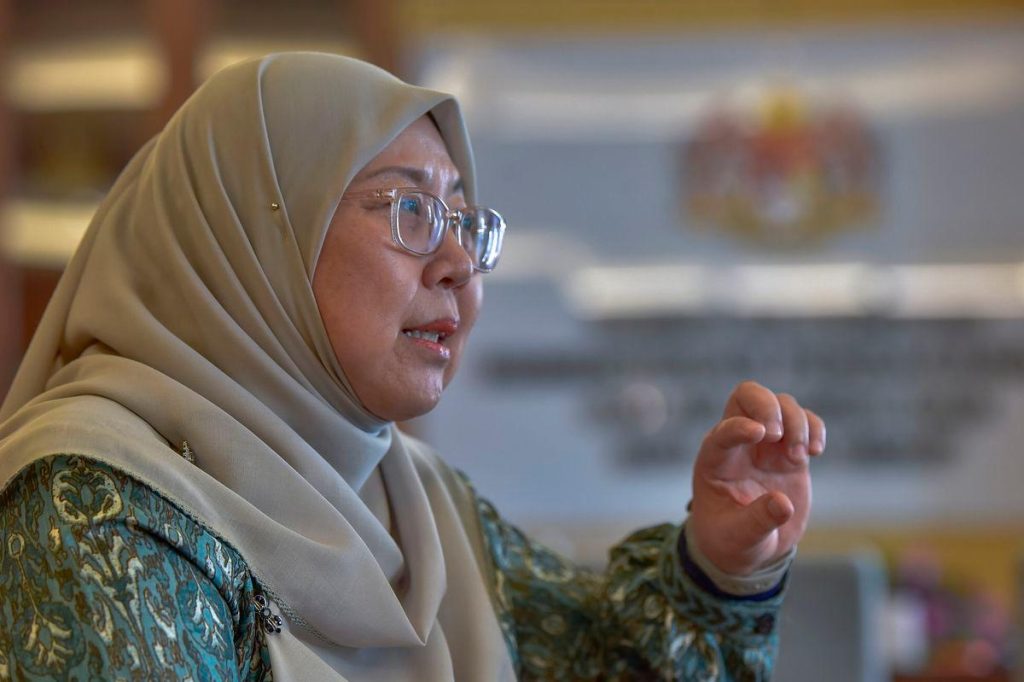
KOTA KINABALU, The Ministry of Domestic Trade and Cost of Living (KPDN) is moving forward with plans to introduce a dedicated law to regulate e-commerce, aiming to create a safer, more transparent, and better-organised digital trade environment nationwide. Deputy Minister Datuk Dr Fuziah Salleh said the proposed legislation will focus on three main pillars: clearly defining industry responsibilities, enhancing enforcement mechanisms, and strengthening protections for both consumers and small businesses. “KPDN is committed to ensuring that Malaysia’s e-commerce ecosystem remains innovative while upholding safety, transparency, and ethical business practices,” she said, calling for cooperation from all stakeholders to achieve these objectives. Her remarks came after chairing the second E-Commerce Legislative Review Engagement Session, which brought together representatives from industry, digital platforms, merchant associations, consumer advocacy groups, legal experts, academics, and government agencies. The engagement was part of the ministry’s effort to update regulations to match the fast-evolving nature of online commerce. Fuziah noted that while e-commerce has become a key driver in Malaysia’s digital economy, rapid growth has also brought risks such as fraud, unsafe products, and cross-border enforcement challenges. Findings from the E-Commerce Legal Review Study have recommended a new legal framework to improve governance, boost consumer trust, and ensure greater industry accountability. KPDN expects to finalise the draft law soon, with the goal of strengthening Malaysia’s position as a trusted and competitive player in the global digital marketplace.

News

Kakao Dismisses Rumours Of Kakao Entertainment Sale

Kakao has officially denied rumours that it is looking to sell its entertainment arm, Kakao Entertainment, following months of market speculation. In a regulatory filing on Thursday, the South Korean internet giant clarified that while it had reviewed potential changes to Kakao Entertainment’s shareholder structure, the review has since been halted. “We reviewed potential adjustments to Kakao Entertainment’s shareholder structure but have decided to discontinue the review,” the company said. “Moving forward, we will continue to explore various strategic options aimed at strengthening Kakao Entertainment’s global footprint and enhancing its overall business competitiveness.” This marks Kakao’s first formal statement addressing widespread speculation that it had informed shareholders — including Saudi Arabia’s sovereign wealth fund, the Public Investment Fund (PIF) — of its intention to sell management control of Kakao Entertainment. Kakao Entertainment, a subsidiary of Kakao, operates across multiple segments, including web content production, music distribution, and talent management. The company plays a significant role in Kakao’s efforts to expand into global entertainment markets, and Kakao’s latest statement signals its commitment to retaining and growing the business rather than divesting it.

News

South Korea’s Lotteria Enters Malaysian Market Through Partnership With Serai Group

KUALA LUMPUR, South Korea’s Lotte Corp, through its subsidiary Lotte GRS, is set to bring its popular burger chain Lotteria to Malaysia in partnership with Serai Group Sdn Bhd. The move is part of Lotte’s plan to grow its K-burger presence across Southeast Asia and beyond. The partnership, formalised at the Lotte World Tower in Seoul, marks a major step in Serai Group’s expansion within Malaysia’s food and beverage industry. Under the deal, Serai Group will open 30 Lotteria outlets nationwide over the next five years, starting with the first branch by the end of 2025. The agreement does not allow sub-franchising or operations outside Malaysia. Founded in 1979, Lotteria is among South Korea’s most popular quick-service restaurant brands, with a strong presence in Vietnam, Myanmar, Laos and Mongolia. Its Malaysian debut will focus on adapting the menu to local tastes while maintaining its signature quality. Serai Group, known for brands such as Serai, Jibby & Co and Jibby Chow, sees the venture as more than just launching a new franchise.“This is a chance to offer Malaysians a unique fast-food experience that combines global favourites with local flavours,” said Serai Group managing director Datuk Mohd Najib Abdul Hamid. Lotte GRS chief executive officer Woo-Chul Cha said the company is committed to ensuring Lotteria’s successful localisation and long-term growth in Malaysia.

Scroll to Top

Subscribe
FREE Newsletter