News

News

China Galaxy, CICC Plan Over US$1bil Investment Funds In Southeast Asia

SINGAPORE, Chinese state-backed investment banks China International Capital Corp (CICC) and China Galaxy Securities are planning to roll out investment funds worth over US$1 billion in Southeast Asia, marking a strategic shift towards international markets amid ongoing US-China trade tensions. Traditionally focused on domestic investments, both institutions are now aligning with Beijing’s broader push to boost outbound investment and strengthen economic ties across the region. Carol Fong, chief executive of CGS International, a unit of China Galaxy Securities. According to sources familiar with the matter, subsidiaries of CICC and China Galaxy aim to launch the funds over the next 12 to 18 months. “As the tariff war continues and Chinese companies adopt a ‘China plus N’ strategy, they’re increasingly looking for local expertise in Southeast Asia,” said Carol Fong, CEO of CGS International, a unit under China Galaxy Securities. This regional knowledge, she added, will support Chinese firms in areas like supply chain expansion and distribution. The ‘China plus N’ strategy involves diversifying supply chains and operations beyond China to mitigate geopolitical risks. CGS International is preparing to launch a private equity fund of up to US$1 billion in 2026 to drive capital flows between China and Southeast Asia. The fund will focus on high-growth industries such as healthcare, artificial intelligence, advanced manufacturing, renewable energy, and consumer sectors. The move also reflects China’s broader efforts to enhance regional integration in response to US trade measures introduced since 2018. Despite a partial tariff pause agreed in May, Southeast Asia—home to over 650 million people—continues to attract growing interest from Chinese companies seeking expansion. “Southeast Asia’s size and growth potential offer major opportunities for Chinese firms,” said Fong. In addition, CICC Capital, the private equity arm of CICC, is partnering with Malaysia Digital Economy Corporation (MDEC) to launch a US$100 million fund targeting Malaysia’s gaming industry, a digital ministry official told Reuters. Separately, CGS International is collaborating with Fullgoal Asset Management Hong Kong and Bursa Malaysia to facilitate the listing of foreign-underlying ETFs in Malaysia, especially those offering China market exposure. The first listings are expected in 12 to 18 months, pending regulatory approval. China remains Southeast Asia’s largest trading partner, with bilateral trade growing 12% year-on-year to reach US$982 billion in 2024, according to Chinese customs data. Earlier this week, Malaysia’s digital ministry confirmed RM2.97 billion (US$702 million) in investments from major Chinese tech firms. These funds will support AI development, next-gen digital infrastructure, and the creation of 6,800 skilled digital jobs.

News

CAB Cakaran To Acquire Cargill Malaysia’s Feed Business For RM231 Million

KUALA LUMPUR, CAB Cakaran Corp Bhd (KL:CAB), a poultry producer, plans to acquire animal feed manufacturer Cargill Feed Sdn Bhd (CFSB) for RM231 million in cash. The acquisition will allow CAB Cakaran to produce its own animal feed, supporting more than 100 broiler and breeder farms across Peninsular Malaysia and strengthening its integrated poultry operations. CAB Cakaran Corp Bhd is set to acquire the animal feed business of Cargill Malaysia for RM231 million, marking a major move to expand its vertically integrated poultry operations. The proposed acquisition will be carried out through CAB Cakaran’s 51%-owned subsidiary, CAB Nutrition Sdn Bhd, which will purchase 100% equity interest in Cargill Feed and Nutrition (Malaysia) Sdn Bhd. In a filing with Bursa Malaysia, the company said the acquisition includes two feed mills — in Pulau Indah, Selangor, and in Butterworth, Penang — along with machinery, equipment, customer contracts, and intellectual property rights. CAB said the acquisition will allow the group to strengthen its position across the poultry value chain, enhance production capacity, and improve cost efficiency through economies of scale. The deal is expected to be completed by the first quarter of 2026, subject to regulatory approvals and conditions.

News

Shahril Ridza Appointed As Chairman Of Standard Chartered Malaysia

KUALA LUMPUR, Standard Chartered Bank Malaysia Bhd (SCBMB) and Standard Chartered Saadiq Bhd (Saadiq) have appointed Tan Sri Shahril Ridza Ridzuan as their new chairman, effective Aug 2, 2025. He will take over from Datuk Yvonne Chia, who is stepping down on Aug 1 after completing her nine-year tenure. Shahril currently chairs several prominent organisations including Axiata Group Bhd, Iskandar Waterfront Holdings Sdn Bhd, Ekuiti Nasional Bhd, Battersea Project Holding Company Ltd, and Paradigm REIT Management Sdn Bhd. He is also a board member of CGS International Securities Malaysia Sdn Bhd and Kuala Lumpur Kepong Bhd. Previously, he served as managing director of Khazanah Nasional Bhd and as CEO of the Employees Provident Fund (EPF). “We are pleased to welcome Shahril as our new chairman. His strong leadership, integrity, and vision will be instrumental in guiding both SCBMB and Saadiq forward,” said Standard Chartered Malaysia CEO Mak Joon Nien in a statement.

News

ASEAN Construction’s $375K Wake-Up Call — The True Cost of (Non) Compliance

In the ASEAN construction sector, compliance is no longer just a buzzword – it’s a foundational requirement of doing business. ASEAN Sectoral Mutual Recognition Arrangement for Building and Construction Materials and the global push towards Net Zero 2050 means companies are facing intensifying pressure to demonstrate a compliant culture, with strict adherence to regulations. Yet despite the looming threats of debilitating fines and operational disruptions, many still view compliance as an arduous task that shackles productivity. Avtandil Mekudishvili, Regional Lead at PlanRadar ASEAN However widespread this perspective might be, it’s one that is dangerously short-sighted. If you think compliance is expensive and burdensome, then try non-compliance. Or rather, don’t; the potential costs, aggravation and damages of non-compliance are increasingly incapacitating to businesses that fall foul of the regulations. Already this year, between February and April 2025, Singapore’s Ministry of Manpower (MOM) conducted inspections at approximately 550 worksites, uncovering over 1,330 safety violations. These led to 13 Stop Work Orders and fines totaling more than S$375,000. Now the consequences extend far beyond straightforward financial penalties, encompassing severe reputational damage and even possible criminal charges. It’s time for the construction industry to wake up to the challenges, but also to see the benefits that a culture shift can bring, concerning compliance. The four pitfalls of (non)compliance Without wishing to be unduly alarmist, yet still being level-headed; let’s look at the four critical areas where non-compliance can wreak havoc on construction firms:  Health & Safety Act violations – In recent years, penalties have gone stratospheric. Effective June 2024, Malaysia’s Occupational Safety and Health Act has significantly increased penalties for safety breaches. Employers now face fines up to RM500,000 (~US$106,000) and/or imprisonment for up to two years for non-compliance. A stark reminder of the serious consequences of cutting corners where worker safety is at stake. Building Regulations failures – As of Q1 2024, Vietnam had nearly 430 green-certified building projects, with expectations to rise to 582 by 2030. The government is actively promoting green building development to achieve a 9%-27% reduction in greenhouse gas emissions by 2030 and net-zero emissions by 2050. Environmental breaches – There are no longer any upper limits to the potential penalties that can be imposed. Beyond immediate fines, companies face increased insurance premiums, reputational damage and lost business opportunities. In Indonesia, fines of up to IDR3 billion (~US$190,000) could be imposed or up to 5% of the investment value for companies operating without both an Environmental Approval and a Business License. Fire safety non-compliance – Perhaps the most sobering risks stem from fire safety infractions. In Singapore, The Workplace Safety and Health (WSH) Act amendments in 2024 increased maximum fines from S$20,000 to S$50,000 for breaches leading to serious harm. Additionally, mandatory video surveillance systems are now required at construction sites with contracts of S$5 million and above. While the human cost and reputational damage associated with fire safety failures remain incalculable. Bridging the compliance gap with digital solutions Despite these risks, compliance gaps continue throughout the industry. The root cause? A persistent reluctance to adopt digital technologies and data-driven solutions. This hesitancy creates an entirely unnecessary and potentially dangerous vulnerability in a heavily regulated landscape. The good news is that there are digital solutions, when integrated in conjunction with well thought out compliance strategy, that can help: Adopting a culture of safety advocacy Forward-thinking companies are changing the game by using digital platforms to empower their workforce from being passive rule-followers to becoming active safety promoters. This cultural shift not only reduces the likelihood of accidents and violations; it also strengthens the case for lowering regulatory barriers. According to recent data from the PlanRadar Global Housebuilders’ Survey, which surveyed 669 housebuilders across 17 countries, nearly 75% of respondents desire fewer regulatory obstacles to boost housing stock7; however, without a consistently safe and compliant workforce, these obstacles are likely to persist. By adopting digital tools to track safety efforts, companies can demonstrate a measurable commitment to compliance, supporting their push for regulatory reform. Channelling the power of data According to FMI Corp, the construction industry generates an enormous amount of data, approximately 2.5 quintillion bytes daily. Yet, nearly 95.5% of this data remains unused.8 By implementing robust data analytics practices, companies can proactively identify risks, monitor compliance in real-time, and predict potential problems – before they escalate into costly violations. Benefits of data-driven compliance Data-driven solutions enable construction firms to take a fundamentally different approach to compliance. Rather than reacting to violations after they occur, companies can prevent fines through early risk identification. Instead of treating safety as separate from operations, predictive analytics creates an integrated approach that enhances safety and efficiency. The streamlined processes of digital compliance solutions remove redundant paperwork, creating robust documentation that satisfies the strictest regulatory requirements. Integration of compliance across the project lifecycle Compliance should not be a one-off checklist but embedded throughout a construction project. Digital solutions enable continuous tracking and verification of regulatory requirements, from planning through to completion. They also promote collaboration among teams and enable transparency around readiness and reporting. Reframing compliance as best practice It’s time to shift our perspective on compliance from being a hurried afterthought or being viewed as ‘a necessary evil’ – to being part of an aspiration for excellence. Safety regulations exist not just to protect individuals but also to safeguard businesses. As technology evolves, so should our attitudes toward compliance. By embracing effective digital solutions, we can start to make a true culture shift and alter compliance from a box-ticking action into a sound cornerstone of our industry, paving the way for a future where compliance is synonymous with best practice and flawless service.


News

UEM Sunrise Successfully Issues RM500 Million In Islamic Medium-Term Notes

KUALA LUMPUR, UEM Sunrise Bhd has completed the issuance of RM500 million worth of Islamic medium-term notes (IMTNs) under its existing sukuk programme. In a filing with Bursa Malaysia, the company said the IMTN programme, along with its Islamic commercial papers programme, has a combined limit of up to RM4 billion. Both are structured based on the Shariah principle of murabahah via a tawarruq arrangement. The RM500 million was issued in two tranches — RM200 million with a 10-year maturity due on July 30, 2035, and RM300 million with a 12-year maturity due on July 30, 2037. Proceeds from the issuance will be used for Shariah-compliant general corporate purposes across UEM Sunrise and its subsidiaries. These include land and company acquisitions, investments, project and infrastructure development, capital expenditures, and refinancing of existing Islamic financing or loan facilities.

News

BNM Fines Three Banks For Compliance Lapses

KUALA LUMPUR, Bank Negara Malaysia (BNM) has imposed a total of RM3.445 million in administrative monetary penalties (AMPs) on Bank Islam Malaysia Bhd (BIMB) for breaches of the Islamic Financial Services Act 2013 (IFSA) and related regulatory requirements. In a statement today, the central bank said the penalties relate to non-compliance with its Risk Management in Technology Policy Document (RMiT PD) and the Anti-Money Laundering, Countering the Financing of Terrorism, and Targeted Financial Sanctions Policy Document (AML/CFT and TFS for FIs PD). BIMB paid: RM1.70 million on May 29, 2025, for breaches in sanctions screening compliance, and RM1.745 million on June 30, 2025, for prolonged service disruptions. Separately, BNM imposed a RM2.85 million penalty on Bank Kerjasama Rakyat Malaysia Bhd (BKRM) for non-compliance with the Development Financial Institutions Act 2002 (DFIA) and the RMiT PD. BKRM paid the full amount on June 26, 2025. Bank Simpanan Nasional (BSN) was also fined RM995,000 for similar breaches under the DFIA and the RMiT PD. BSN settled the penalty on June 25, 2025.

News

Piyush Gupta Named Keppel’s Deputy Chairman And Independent Director

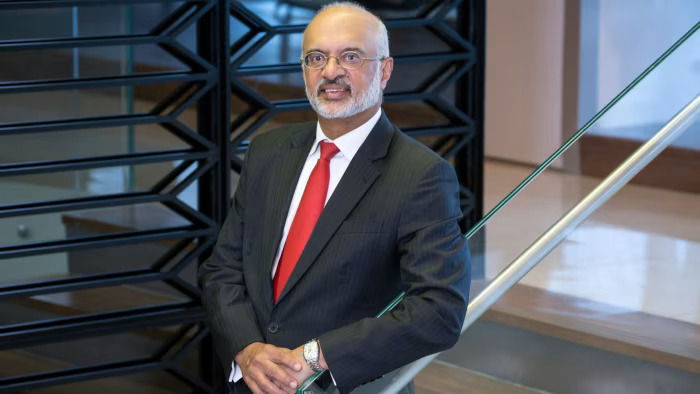
SINGAPORE, Keppel Corporation has appointed former DBS CEO Piyush Gupta as its deputy chairman and non-executive independent director, effective July 1. In addition to his board role, Gupta will also join three key committees: the nominating committee, remuneration committee, and the board sustainability and safety committee. Gupta stepped down as CEO of DBS in March after a 15-year tenure. He currently serves in multiple leadership roles, including chairman of the Singapore Management University’s board of trustees, chairman of Mandai Park Holdings, and board member of the National Research Foundation and the Ministry of Trade and Industry’s Future Economy Advisory Panel. In a statement issued on May 29, Keppel chairman Danny Teoh praised Gupta’s leadership at DBS and expressed confidence in his ability to support Keppel’s transformation into a global asset manager with strong operational capabilities. With Gupta’s appointment, Keppel’s board will consist of nine directors, including seven independent directors. Gupta said: “Keppel is an iconic Singapore institution with a rich legacy. It is now at a pivotal point as it evolves into a global asset manager with strong operating strengths.” Keppel’s shares closed at S$6.85, up S$0.06 (0.9%) on Thursday, ahead of the announcement.

News

Regulatory Breaches Cost Three Banks Over RM7 Million In Fines

PETALING JAYA, Bank Negara Malaysia (BNM) has imposed more than RM7 million in administrative penalties on three banks for breaching regulatory requirements, primarily involving prolonged system downtime and failures in sanctions screening compliance. In separate statements issued today, the central bank revealed that Bank Islam was fined a total of RM3.45 million, Bank Rakyat was penalised RM2.85 million, and Bank Simpanan Nasional (BSN) received a RM995,000 fine. The penalties were issued for violations of the Development Financial Institutions Act 2002, the Islamic Financial Services Act 2013, and BNM’s policies on technology risk management, anti-money laundering, financial sanctions, and counter-terrorism financing. Bank Islam Bank Islam was hit with two separate penalties: RM1.75 million for extended service disruptions between June 2023 and December 2024, caused by delayed system recovery that impacted its digital banking services. RM1.7 million for shortcomings in sanctions screening processes, including delays in screening non-customer beneficial owners and the bank’s customer base, which led to late identification of matches with sanctioned entities. The bank also failed to report its findings in a timely manner. BNM cited weak internal controls, insufficient training, and poor oversight as contributing factors. However, Bank Islam has since taken corrective measures, including upgrading its IT systems and enhancing sanctions screening procedures. Bank Rakyat Bank Rakyat was fined RM2.85 million for failing to meet BNM’s system availability requirements, resulting in multiple outages from June 2023 to December 2024. These disruptions affected key banking services such as e-banking, ATMs, and card systems, exceeding the central bank’s allowable downtime limits due to inadequate response and recovery protocols. BNM confirmed that Bank Rakyat has strengthened its IT infrastructure and improved system recovery measures. Bank Simpanan Nasional (BSN) BSN received a RM995,000 penalty for similar failures. The bank experienced multiple unplanned service outages between June 2023 and October 2024, impacting ATM, online banking, and card services. The disruptions also exceeded the permitted downtime thresholds due to weak recovery capabilities. BSN has since taken steps to upgrade its technology infrastructure, BNM noted. Regulatory Standards and Enforcement BNM reiterated that all financial institutions must ensure that critical systems do not exceed: Four hours of cumulative unplanned downtime over a 12-month rolling period, and 120 minutes of downtime for any single incident. The central bank stressed the importance of technology resilience to ensure continuous access to essential financial services, warning that enforcement action will be taken regardless of institutions’ past performance. The penalties were calculated based on the severity of the breaches, historical compliance track records, and the effectiveness of remedial actions taken. All three banks have since paid their respective fines.

News

Renault Appoints Francois Provost As New CEO

PARIS, Renault has appointed its Chief Procurement Officer, Francois Provost, as Chief Executive Officer, effective July 31, selecting a relatively low-profile internal candidate to navigate the company through intensifying market competition and sluggish demand—factors that led to a profit warning earlier this month. RENAULT – Francois Provost as Chief Executive Officer The leadership change follows the unexpected departure of former CEO Luca de Meo, who resigned last month to take up a position at luxury conglomerate Kering. In a statement, Renault said:“With extensive international experience in both operational and strategic roles, a deep understanding of the industry’s challenges, and a clear strategic vision, Francois Provost possesses the leadership qualities needed to advance and accelerate Renault Group’s development.”

News

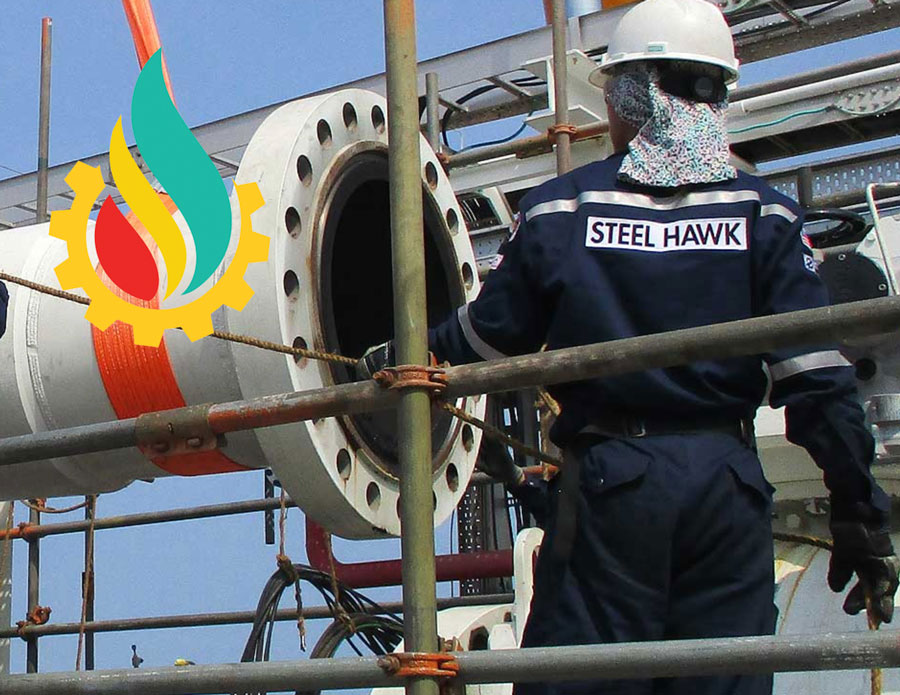
Steel Hawk Secures Two-Year Scaffolding Contract From EPOMS

KUALA LUMPUR, Steel Hawk Bhd, a provider of support services to major oil and gas players, has secured a scaffolding services contract from EPOMS Sdn Bhd for its operational sites. The contract, awarded to its wholly owned subsidiary Steel Hawk Engineering Sdn Bhd (SHESB) on July 25, was disclosed in a filing with Bursa Malaysia on Wednesday. Under the agreement, SHESB will deliver scaffolding services for a duration of two years—from July 25, 2025 to July 24, 2027—with an option to extend for an additional year. Steel Hawk said the contract does not carry a fixed value, as it operates on a call-out basis, with services to be provided as and when required by EPOMS. “The company is engaged by EPOMS to deliver specified services throughout the contract period, subject to demand,” it stated. Despite the flexible arrangement, the contract is anticipated to contribute positively to the group’s financial performance for the financial year ending Dec 31, 2025 (FY2025). This latest award marks Steel Hawk’s fifth contract win in 2025, following four earlier contracts secured from Petronas Carigali Sdn Bhd. As of the time of writing on Wednesday, shares of Steel Hawk were down half a sen or 1.05% at 47 sen, giving the company a market capitalisation of RM230.30 million.

Scroll to Top

Subscribe
FREE Newsletter