News

News

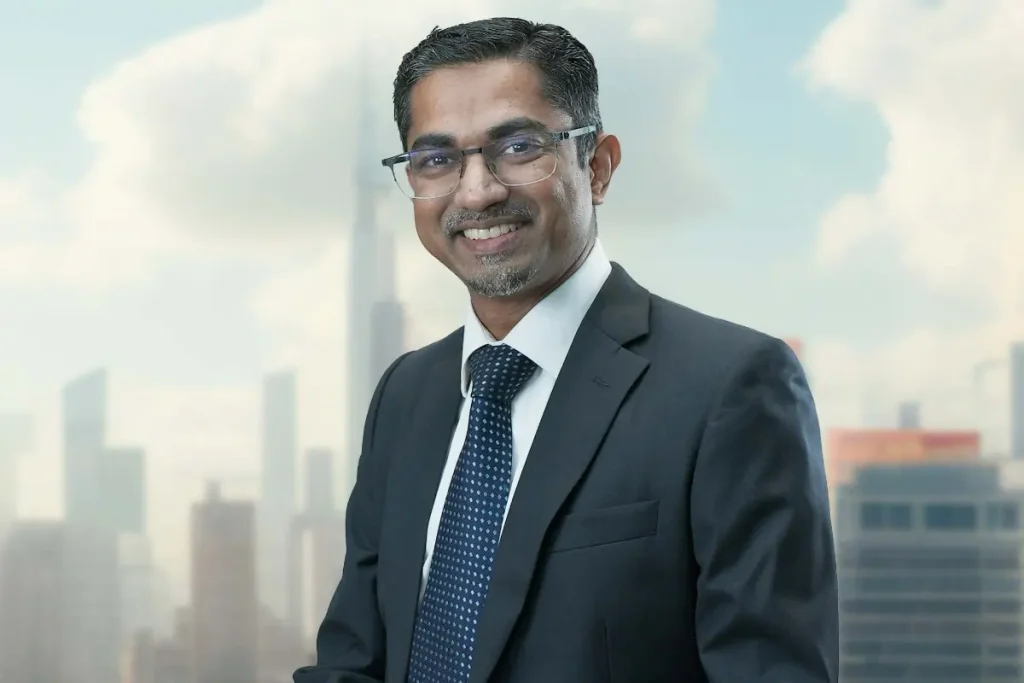
Shahul Hameed appointed MD, CEO of Green Packet

PETALING JAYA, Green Packet Bhd has announced the appointment of Shahul Hameed Shaik Dawood as its new Managing Director and Group Chief Executive Officer, effective immediately. Shahul Hameed Shaik Dawood is also deputy president of the Asean Chamber of Commerce and Industry. Shahul brings over three decades of experience across multiple sectors and is widely recognised for his leadership in driving transformation and building strong public-private collaborations. “Leading Green Packet is more than just a role — it’s an opportunity to align technology with meaningful progress,” Shahul said in a statement. “With the right people, platform, and purpose, we have what it takes to create real impact both in Malaysia and beyond.” He previously served as CEO of the Human Resource Development Corporation (HRD Corp), a position he held for five years before stepping down in April 2025. During his tenure, HRD Corp underwent significant transformation and recorded its highest-ever income in 2024, reaching RM434.2 million, with a pre-tax surplus of RM127 million and RM4 billion in assets under management. Shahul is also the founder of Dawood Holdings Sdn Bhd and has held leadership roles at JobsDB Malaysia and Informatics Malaysia. He currently serves as the deputy president of the ASEAN Chamber of Commerce and Industry.

News

Tokenize Xchange To Leave Singapore Following MAS License Denial

Cryptocurrency exchange Tokenize Xchange will cease its operations in Singapore by the end of September, following the Monetary Authority of Singapore’s (MAS) rejection of its application for a digital payment token license, according to The Business Times. The platform had been operating under a temporary exemption while awaiting regulatory approval. With the license bid now denied, Tokenize will shut down its Singapore entity and lay off all 15 locally based staff. Some may be offered roles in the company’s overseas offices. MAS recently proposed tighter regulations for digital token service providers, raising compliance standards for industry players. In response to the setback, Tokenize will shift its base of operations to Labuan, Malaysia’s offshore financial centre, and is in the process of acquiring a licensed entity regulated by the Labuan Financial Services Authority, with the move expected to be completed by 30 September. The exchange is also exploring expansion into the Middle East, with plans to obtain regulatory approval from Abu Dhabi Global Market (ADGM), a key financial hub in the UAE. Founder and CEO Hong Qi Yu described the transition as an opportunity to strengthen the company’s international presence and consolidate its operations outside of Singapore. The withdrawal comes just over a year after Tokenize raised US$11.5 million in funding and announced plans to expand its Singapore team to 100 people. At the time, the company was positioning itself to better navigate Southeast Asia’s varied regulatory environment. Founded in 2017, Tokenize Xchange offers digital asset trading services to both retail and institutional clients in Malaysia and Vietnam.

News

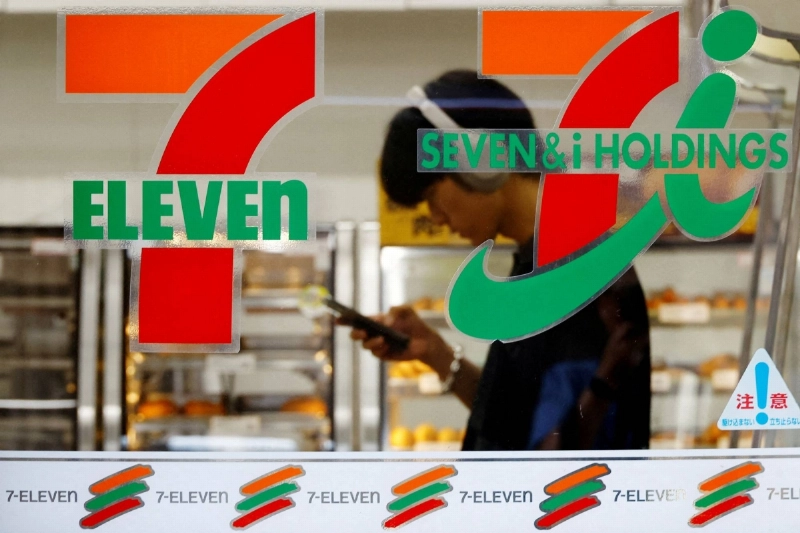
7-Eleven Operator Could Face Another Buyout Bid If Turnaround Stalls

The operator of 7-Eleven stores, Seven & I Holdings Co., may once again become a buyout target if its latest turnaround efforts fall short. This comes after Canadian convenience store giant Alimentation Couche-Tard withdrew its takeover proposal earlier this week, and Seven & I’s shares have fallen over 20% year-to-date. New CEO Stephen Dacus is under growing pressure to prove that his reform strategy can deliver results, particularly in core markets like the U.S. and Japan, where rising costs and soft consumer demand are squeezing margins. 7-Eleven – CEO Stephen Dacus To support its share price, Seven & I has committed to a ¥2 trillion share buyback over five years. However, the stock has continued to slide — down nearly 8% since the buyback was announced in March. Part of the funding was expected to come from a U.S. unit IPO, but Couche-Tard’s departure has cast doubt on that plan. Analysts say further shareholder-friendly moves will be difficult, as the company has already undertaken major restructuring, including the planned sale of underperforming retail businesses by September. These were part of broader reforms triggered by Couche-Tard’s interest. The failed takeover, which would have been Japan’s largest foreign buyout, ended on a bitter note. Couche-Tard accused the company’s founding Ito family and board of stalling discussions, while Seven & I said it was disappointed by the withdrawal and disputed many of the claims. Now, the company’s focus turns to improving performance in its core convenience store segment — something investors have long pushed for. Two years ago, activist fund ValueAct tried but failed to replace former CEO Ryuichi Isaka, urging a stronger focus on the convenience business. Seven & I’s latest earnings show challenges remain. Operating profit rose nearly 10% year-on-year to ¥65.1 billion for the March–May period, but it was still the second-lowest quarterly result in a decade. Domestic same-store sales barely moved, and while the U.S. unit remained profitable through cost cuts, revenue remained soft. Investors will be closely watching Dacus’s upcoming strategy update in August, where he’s expected to outline how he plans to strengthen the core business. The company has a history of reform under investor pressure. Activist interventions in 2016 and 2022 led to major leadership changes and divestments, including the sale of Sogo & Seibu to Fortress Investment Group. Analysts say Couche-Tard’s involvement accelerated the latest changes. Even though the Canadian firm has exited, its unusually detailed breakup letter — which disclosed discussions, termination fees, and alternative deal options — may spark interest from other potential buyers or activists. One possibility is a revival of a management-led buyout. A ¥9 trillion proposal involving the Ito family and Itochu fell through in March due to financing issues. But with the stock price under pressure, the door remains open for insiders to make another move to take the company private.

News

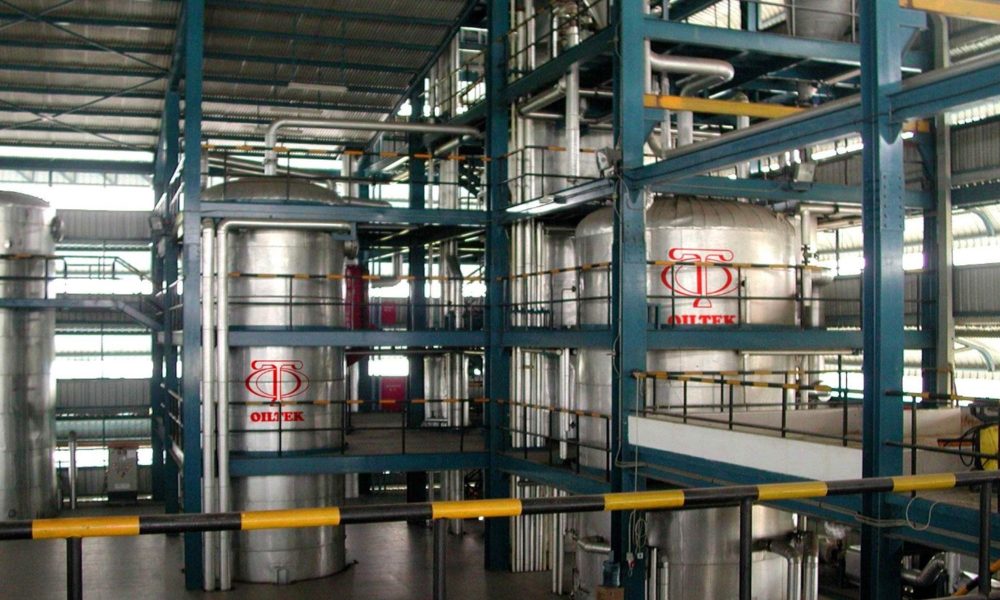
Oiltek International Plans Secondary Listing On Bursa Malaysia

Oiltek International has announced plans for a secondary listing on Bursa Malaysia as part of its strategy to broaden its investor base. The company, one of the top-performing stocks on the Singapore Exchange with a 390% gain over the past year and more than double year-to-date, said the proposed listing aims to improve share liquidity and boost its overall market value through an additional trading platform. According to its July 21 announcement, Oiltek believes the move will also provide greater flexibility for future fundraising initiatives and facilitate access to multiple equity markets. The company has appointed principal financial advisers in both Malaysia and Singapore to begin the necessary preparations. As of 9:25 a.m., Oiltek’s shares rose 0.68% to trade at 74 cents.

News

Hyundai, Kia Break Into UK’s Top Five Car Brands For The First Time

SEOUL, Hyundai Motor Co. and its affiliate Kia Corp. have made their debut in the top five best-selling car brands in the UK, according to June data from the Society of Motor Manufacturers and Traders (SMMT). Hyundai sold 10,109 vehicles in the UK last month, marking a 9.9% year-on-year increase and securing fourth place in the rankings. Despite a 2.6% dip in sales to 10,043 units, Kia still clinched fifth place. The strong performance was largely driven by continued demand for popular SUV models like the Hyundai Tucson and Kia Sportage. With the upcoming launch of its new all-electric flagship SUV, the Ioniq 9, Hyundai is on track to exceed 100,000 vehicle sales in the UK this year.

News

HRD Corp Appoints Ex-Banker Syed Alwi Mohamed Sultan As New CEO

KUALA LUMPUR – The Human Resource Development Corporation (HRD Corp) has named Syed Alwi Mohamed Sultan as its new chief executive officer, effective Monday. Syed Alwi, 51, is a seasoned professional with over 27 years of experience in financial services, banking technology, and management consulting. His previous leadership roles include heading BNP Paribas Malaysia Bhd and Agrobank, as well as holding senior positions at Standard Chartered Saadiq, The Islamic Bank of Asia, and Hong Leong Bank. According to HRD Corp, his appointment follows the resignation of former CEO Datuk Shahul Hameed Dawood in April, with chief strategy officer Rony Ambrose Gobilee having served as acting CEO in the interim. Syed Alwi, an accounting graduate from the International Islamic University Malaysia, also holds an MBA in Islamic Finance and a PhD in finance from Universiti Malaya. He has also led UMPSA Holdings Sdn Bhd, a subsidiary of Universiti Malaysia Pahang Al-Sultan Abdullah, and was involved with MRANTI Corporation, the agency responsible for research and innovation commercialisation in the country. HRD Corp oversees the collection of training levies from around 800,000 employers to fund workforce development and upskilling initiatives.

News

Audit Uncovers Major Issues in RM48.78b Worth of Government Projects Across Seven Ministries

KUALA LUMPUR, Malaysia’s Auditor General has flagged serious irregularities and weaknesses in government projects and programmes worth RM48.78 billion involving seven ministries. In the latest Auditor General’s Report, Datuk Seri Wan Suraya Wan Mohd Radzi outlined 22 recommendations aimed at improving oversight and accountability across the ministries, departments, and government-linked companies involved. She noted that follow-up audits carried out between 2024 and June 2025 have led to the recovery of RM157.73 million through penalties, taxes, fines, liquidated damages, and arrears on rent and leases. The National Audit Department’s powers were recently expanded under amendments to the Audit Act 1957, allowing it to monitor corrective actions taken based on past audit findings. Among the issues identified were: Felcra Bhd’s RM241.76 million lease acquisition of oil palm plantations (2022–2024), which raised concerns over governance. Universiti Kebangsaan Malaysia’s tender processes involving RM58.45 million, which showed procurement irregularities. The Malaysian Army’s contract administration and procurement of armoured vehicles between 2020 and 2023, marked by oversight weaknesses. The Ministry of Domestic Trade and Cost of Living’s subsidised cooking oil programme, which suffered from poor targeting and quota management. The Finance Ministry’s pre-qualification procurement method (2023–2024), which was found to be susceptible to abuse, as unqualified companies were shortlisted despite lacking proper credentials. The report underscores the urgent need for stronger internal controls and better enforcement to prevent mismanagement of public funds.

News

Talent Unlocked: KMP Partners With Edvance To Build A Future-Ready Workforce

Kumpulan Modal Perdana (KMP), a technology-focused venture capital firm under the purview of the Ministry of Science, Technology and Innovation (MOSTI), has entered into a strategic partnership with Edvance, a global social innovation company that builds, operates and invests in companies transforming the future of education, work, and wellbeing.As Malaysia rapidly transitions toward a high-tech, innovation-driven economy, the demand for skilled talent has outpaced supply. This poses a significant challenge to startups and tech-driven companies to keep up with global competition. Recent data reveals that 64% of Malaysian organisations report experiencing moderate to extreme skill shortages. With 97% of employers planning to integrate AI by 2028, the urgency to close the digital skills gap and secure qualified talent has never been greater. From the Left:  Jake Tay: Manager, Edvance, Shawn Yip: Vice President, Edvance, Razin Rozman: CEO, Edvance, Datuk Seri Dr. Mohd Azhar bin Hj Yahaya: Chairman, KMP, Yarham Yunus, CEO, KMP,  Lim Shi Yuan: Assistant Manager Investment, KMP, Lee Hui-Ni: Chief Investment Officer, KMP This collaboration aims to address the rising concern over the shortage of skilled workers in Malaysia, especially in technology and semiconductor. Through its portfolio brands such as TalentLabs and Silicon School, Edvance will provide a comprehensive suite of talent and workforce development solutions to help Malaysian startups amplify human agency and unlock new levels of creativity and productivity in the workplace. By equipping talents and organisations with new skills and capabilities, this partnership marks a national effort in supporting the development of Malaysia’s startup talent ecosystem, starting with companies within KMP’s investment portfolio. “At KMP, we don’t just invest in startups, we invest in the ecosystem,” said Yarham Yunus, Chief Executive Officer of KMP. “This partnership with Edvance addresses a key bottleneck for our startups: talent. By connecting them with skilled, work-ready professionals, we’re not only accelerating their growth potential but also contributing to the national goal of creating a world-class innovation and R&D ecosystem.” Edvance’s Proven Track Record in Workforce Development Through its portfolio companies, Edvance has successfully led and delivered large-scale national workforce development programmes across the region. Partnering with esteemed organisations such as Khazanah Nasional, MDEC, the Ministry of Higher Education (MOHE), and Cyberport Hong Kong, Edvance has built a strong reputation for results-driven initiatives. Leveraging proprietary technology and a robust operating system, Edvance combines innovation with a deep understanding of industry demands. This strategic approach has consistently resulted in high candidate-job matching rates and placement outcomes exceeding 90%, securing roles for talents at global leaders such as Intel, PwC, Deloitte, Experian, Samsung, and more. Through this partnership, Edvance will strengthen its mission of accelerating human capital development by spearheading targeted talent initiatives focusing on technology and semiconductor roles. Delivered via its portfolio brands, TalentLabs and Silicon School, these initiatives include on-the-job training with job-matching support, HRDCorp-funded upskilling programmes, and career fair engagements focused on the tech and startup ecosystem. “We are currently in a phase of unprecedented innovation, where an estimated 70% of the skills required for today’s jobs will change by 2030. To remain competitive in the rapidly shifting global economic landscape, Malaysia must adopt a whole-of-nation approach to developing a future-ready and resilient workforce,” said Razin Rozman, Founder and Group CEO of Edvance. He added “With our proven track record and industry expertise, we will continue to support Malaysians in gaining the skills and confidence they need to thrive in the global economy” The partnership also reflects national ambitions to make Malaysia a global innovation hub, as outlined in frameworks like the National Science, Technology and Innovation Policy (NSTIP 2021–2030) and MySTIE 10-10, both of which highlight the importance of human capital in advancing Malaysia’s position as a global innovation hub. By developing a steady pipeline of skilled digital talent, the partnership strengthens the foundation needed to achieve national targets such as increasing R&D spending to 2.5 per cent of the national GDP by 2025 and commercialising 500 innovative products through platforms like the National Technology & Innovation Sandbox (NTIS). Through this partnership, KMP’s portfolio companies and selected Malaysian startups will benefit from a wide range of strategic opportunities, including: Access to Talent: Tap into a pool of trained and qualified young professionals through the K-Youth Development Programme. Career Fair Participation: Enjoy exclusive discounts to participate in Malaysia’s largest technology career event—the Tech + Digital Career Fair. Talent Acquisition Support: Receive special job listing privileges on TalentLabs, Silicon School, and other Edvance career platforms to source vetted technical talent globally. Employer Branding: Strengthen employer brand visibility through targeted media exposure and talent engagement initiatives. Employee Upskilling: Upskill current employees & build internal capabilities in collaboration with HRDCorp, TalentCorp, and other national skills development bodies. Strategic Advisory: Identify critical skills and knowledge gaps with Edvance’s consulting and advisory services. Executive Education: Equip senior leadership with the knowledge, tools, and expertise needed to lead data-driven, AI-ready organizations through partnerships with world-renowned universities and companies. These initiatives aim to lower the barriers to talent acquisition while simultaneously building a robust and sustainable pipeline of highly-qualified, technical professionals. With this partnership, KMP reinforces its role as more than just a capital provider. Instead, it becomes a catalyst for national progress, creating direct impact through workforce development, ecosystem resilience and laying the foundation for sustainable economic growth through its investments.

News

China’s Guangxi Launches ‘AI Super League’ to Support ASEAN-Focused Start-Ups

China’s Guangxi Zhuang Autonomous Region, a key gateway to Southeast Asia, has launched a major artificial intelligence (AI) initiative — the “AI Super League” — aimed at nurturing emerging talent and start-ups targeting ASEAN markets. Unveiled on Saturday, the “AI for All” competition will run through September, featuring 17 thematic tracks including automotive, tourism, cross-border e-commerce, smart agriculture, and market regulation. The initiative is backed by the Guangxi regional government and simultaneously launched in eight cities: Nanning, Beijing, Shanghai, Hangzhou, Shenzhen, Hong Kong, Bangkok, and Kuala Lumpur. Guangxi, which borders Vietnam, has long played a strategic role in China-ASEAN relations. It has hosted the China-ASEAN Expo for 22 consecutive years, and ASEAN has remained Guangxi’s largest trading partner for 25 straight years. In 2024, bilateral trade between Guangxi and ASEAN hit 398 billion yuan (US$55.4 billion), up 17% year-on-year. Start-up founders speak at the launch ceremony on Saturday. Speaking at the launch event in Cyberport, Hong Kong’s Secretary for Innovation, Technology and Industry, Sun Dong, highlighted the city’s AI strengths. “Hong Kong’s AI ecosystem is thriving, with over 1,000 AI enterprises supported by robust research capabilities. This competition aligns with our goal to advance AI as a core industry, accelerating economic transformation and regional integration with ASEAN.” The ASEAN AI market is expected to grow to US$30 billion by 2030, with the technology projected to contribute 10% to 18% of the bloc’s GDP — particularly benefiting industries like manufacturing, healthcare, and energy, according to a May report by the Economic Research Institute for ASEAN and East Asia. Hong Kong lawmaker Jesse Shang Hailong emphasized the region’s strategic approach: “To succeed in ASEAN, we must ‘go big, start small, and dig deep’ — the demand is there, especially in overlooked sectors. By combining Hong Kong’s global perspective with Guangxi’s local reach, we can unlock immense opportunities.” Cyberport CEO Rocky Cheng noted that over 400 AI companies are currently based in Hong Kong, supported by the city’s largest supercomputing facility. More than 70 start-ups have already entered Southeast Asian markets, and the AI Super League now offers a new platform to deepen ties between Hong Kong, Guangxi, and ASEAN. Chinese tech leaders are also expanding in the region. In April, Malaysia’s MyEG signed an agreement with Guangxi Beitou IT Innovation Technology Group to establish a China-ASEAN AI Lab in Malaysia. Notable participants in the initiative include AI firm DeepSeek, drone manufacturer DJI, Huawei Technologies, and Alibaba Group — the parent company of the South China Morning Post.

News

Food Empire Teams Up With AirAsia to Debut Ready-to-Drink Beverage Line

SINGAPORE – Mainboard-listed Food Empire has announced a partnership with AirAsia to co-develop and launch a new line of ready-to-drink beverages inspired by Southeast Asian flavours. The collaboration, formalised through a memorandum of understanding between Food Empire’s subsidiary Empire International and AirAsia’s Santan Food Services, was revealed on Thursday (July 17). AirAsia CEO Tony Fernandes said the partnership aims to produce beverages that reflect the region’s unique cultural identity and heritage. The first product under this collaboration will be a Vietnamese iced coffee, set to be sold on AirAsia flights and across retail outlets in the region under the Santan brand. Both companies also plan to explore future co-branded and private-label ventures. They noted the product range will be developed with modern consumer trends in mind, including healthier, lower-sugar options that retain authentic flavours.

Scroll to Top

Subscribe
FREE Newsletter