News

News

OCBC Eyes S$5 Billion in Lending for Serial Entrepreneurs by 2028

OCBC Bank is set to scale up its financing for serial entrepreneurs to S$5 billion by 2028, expanding a programme that originated in Singapore in 2019. This move reflects the bank’s ongoing commitment to supporting entrepreneurs with multiple ventures across the region. As reported by The Business Times, OCBC intends to channel an additional S$3.5 billion into key regional markets, building on the S$1.5 billion already disbursed to over 1,800 entrepreneurs managing more than 8,000 businesses in Singapore and Malaysia as of end-2024. Following a successful pilot in Malaysia, the programme was formally launched in the country earlier this month. OCBC also plans to introduce the initiative in Hong Kong by the end of 2025, with Indonesia to follow. The strategy signals a significant expansion of the bank’s regional presence in entrepreneurial banking. OCBC defines serial entrepreneurs as individuals who hold majority ownership in more than one business. The bank’s internal data reveals that one in three businesses in Singapore are founded by serial entrepreneurs, while in Malaysia, nearly half of OCBC’s small business clients fall into this category. Moreover, companies led by these entrepreneurs demonstrate a 30 percent lower non-performing loan rate compared to first-time founders, according to the bank’s analysis. A distinctive feature of the initiative is OCBC’s group-based lending model, which evaluates an entrepreneur’s ventures collectively rather than on an individual business basis. This consolidated approach allows the bank to take into account the entrepreneur’s broader track record when assessing financing eligibility. The model offers flexibility to new businesses under the same entrepreneur that may not yet have a proven profit history. Each participating entrepreneur is assigned a dedicated relationship manager, supported by specialists in cash management, corporate advisory, and wealth planning. This structure enables OCBC to deliver tailored financial solutions, bridging funding gaps that are often underserved by traditional banking models. In Malaysia, the programme has gained significant traction. During the pilot phase, approximately 300 companies secured loans totalling over RM850 million. According to OCBC Malaysia’s head of wholesale banking, around a third of entrepreneurs who were offered principal financing opted into the programme, underscoring robust demand in the market. The Malaysian version of the programme has been tailored to local needs, enabling newer businesses to qualify for funding without the conventional two-year operational track record. Entrepreneurs also benefit from the OCBC Velocity platform, which streamlines financial management across multiple ventures through a unified digital interface. This initiative forms part of OCBC’s broader regional strategy to serve the evolving needs of entrepreneurs leading multiple ventures, reinforcing its role as a long-term financial partner in their growth journeys. -Fintech News

News

RM2.98 Million Penalty Imposed on Three Firms for Bid-Rigging in Government Tenders

The Malaysia Competition Commission (MyCC) has imposed a financial penalty totalling RM2.98 million on three companies found to have engaged in bid-rigging practices involving public maintenance contracts. The firms—Abadi Malaysia Sdn Bhd, Kota Landskap Sdn Bhd and Usia Maintenance Sdn Bhd—were penalised for violating Section 4 of the Competition Act 2010. According to MyCC Chief Executive Officer Iskandar Ismail, the companies were found to have colluded on six tenders issued by Putrajaya Corporation between 2018 and 2021. The combined value of these tenders was close to RM45 million and covered works in building and facility maintenance, landscaping, and civil engineering. The enforcement action followed public complaints regarding potential bid-rigging practices in several government-linked projects. A preliminary assessment identified nine enterprises potentially involved in a cartel arrangement, prompting MyCC to launch a full investigation. “The investigation involved raids on the companies’ premises, collection of documents, statements from 24 individuals, requests for further information and in-depth analysis of all relevant materials,” said Iskandar at a press conference held at MyCC headquarters. On 10 September 2024, a proposed decision was issued to the implicated companies. Representations were received on 11 November 2024 and 13 March 2025. After evaluating these responses, MyCC delivered its final decision on 13 July 2025. Abadi Malaysia was identified as the coordinator of the cartel, facilitating collusion via WhatsApp, email communication and meetings. The probe uncovered that tender documents for all six projects were prepared collaboratively at a single location, with coordination led by one of Abadi Malaysia’s directors. “During enforcement actions, MyCC discovered tender-related documents belonging to all three companies at the premises of Kota Landskap, highlighting a centralised effort in the preparation process,” said Iskandar. Evidence revealed that Usia Maintenance and Abadi Malaysia each secured one of the six tenders. However, both were found culpable in relation to all six tenders due to the presence of collusive behaviour across the board. Similarly, Kota Landskap was found to have engaged in coordinated conduct throughout the tendering process. The investigation further revealed that the directors of the companies involved had familial and personal relationships, although no officials from Putrajaya Corporation were implicated in the misconduct. MyCC currently has 14 active cases under review, with ongoing investigations involving over 500 companies and tenders valued at approximately RM2.3 billion. -Bernama

News

Selangor Achieves Record GDP of RM432.1 Billion in 2024

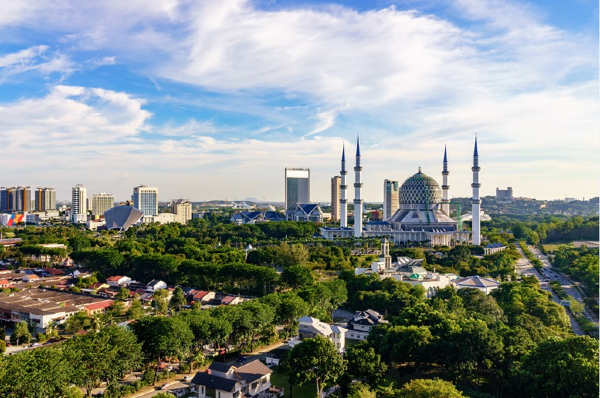
Selangor recorded its highest-ever gross domestic product (GDP) of RM432.1 billion in 2024, solidifying its position as the top-performing state economy in Malaysia. This marks a notable increase from the RM406.1 billion registered in 2023, with the state remaining the only one to surpass the RM400 billion threshold for two consecutive years. According to Invest Selangor, the state’s contribution to Malaysia’s overall GDP rose to 26.2% last year, compared to 25.9% in 2023, reflecting its growing role as a key economic engine within the nation. Selangor’s GDP growth outpaced the national average, posting a year-on-year expansion of 6.3%, ahead of Malaysia’s overall growth rate of 5.1%. The services sector emerged as the primary driver of this performance, contributing RM263.9 billion, or 61.1% of the state’s total GDP. This sector also registered a 6.3% increase compared to the previous year. The manufacturing sector ranked as the second-largest contributor, accounting for 29.1% of the state’s GDP. Key subsectors fuelling this growth included electrical and electronics, vegetable and animal oils and fats, food processing, beverages, and transport equipment. Invest Selangor Chief Executive Officer Hasan Azhari Idris attributed the state’s economic success to strategic, long-term planning and targeted efforts to attract high-quality investments across growth-oriented industries. “At Invest Selangor, we are focussed on facilitating sustainable, innovation-driven investment while enhancing Selangor’s global competitiveness,” Hasan said. -FMT

News

Great Eastern to Resume Trading After Delisting Bid Falls Short

Great Eastern Holdings Ltd is set to resume trading on the Singapore Exchange following the failure of its delisting proposal, which lacked sufficient support from minority shareholders despite backing from majority owner Oversea-Chinese Banking Corporation (OCBC). According to a company filing issued after its Extraordinary General Meeting, approximately 63.5% of minority shareholders voted in favour of the proposal. However, this fell short of the required threshold to proceed with taking the insurer private. As a result, OCBC’s S$900 million (US$704 million) offer has lapsed, the lender confirmed in a separate statement. The outcome marks a significant setback for OCBC, Singapore’s second-largest bank, which has owned a majority stake in Great Eastern since 2004 and has made repeated attempts to acquire full ownership of the 117-year-old insurer. The bank had positioned full ownership as a strategic move to deepen the integration of its banking, wealth management, and insurance operations in order to enhance shareholder returns. OCBC’s most recent offer of S$30.15 per share—an increase of 17.8% from its previous bid—targeted the remaining 6.28% of Great Eastern shares not already held by the bank. Despite the improved terms, the bid still fell short of Great Eastern’s 2024 embedded value of S$38.08 per share, a figure cited by dissenting minority shareholders who had been advocating for a higher valuation. Great Eastern is among the largest insurers in both Singapore and Malaysia, managing more than S$100 billion in assets and serving over 16 million policyholders. Its shares had been suspended from trading since July 2024, following the failure of OCBC’s earlier attempt to reach the compulsory acquisition threshold. To comply with listing requirements, Great Eastern will now proceed with issuing new shares, which will reduce OCBC’s ownership from approximately 94% to around 88%. No timeline has been provided for the resumption of trading. Despite the failed delisting, analysts suggest that the impact on OCBC’s strategic position remains limited. “Whether OCBC owns 94% or 100%, it has a minimal impact on earnings or strategy as they are already in control,” said Jayden Vantarakis, Head of Equity Research for South-East Asia at Macquarie Capital. Over the past decade, Great Eastern has contributed an average of S$700 million annually to OCBC’s net profit, accounting for roughly 15% of the bank’s yearly earnings. Following the announcement, OCBC shares closed 0.8% higher, outperforming the Straits Times Index, which rose 0.4%. -Bloomberg

News

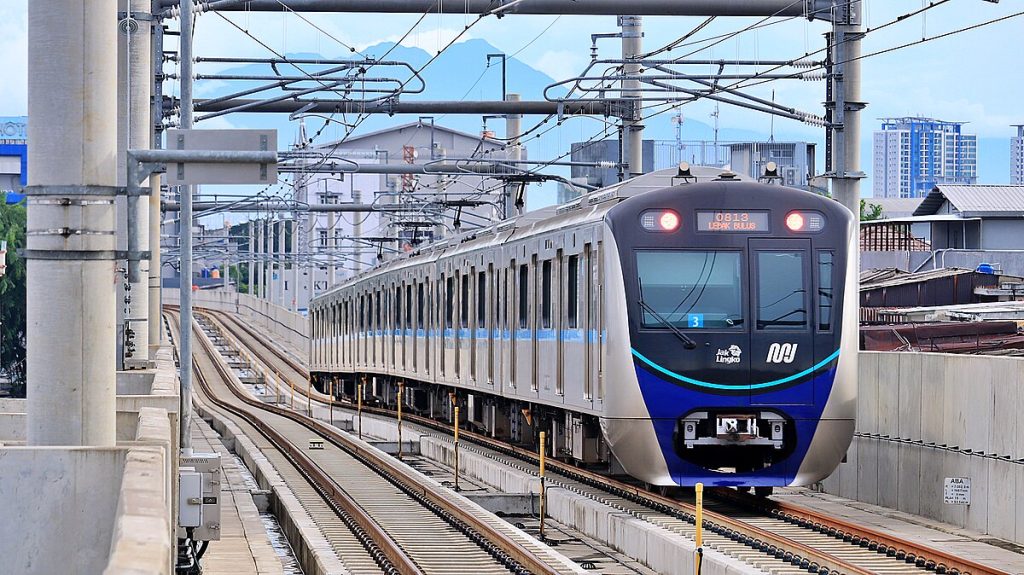
MRT Jakarta to Launch International Tender for US$3.1 Billion East-West Line

PT MRT Jakarta, the city-owned mass rapid transit operator, is set to open an international tender for the first stage of the East-West Line’s initial phase in the fourth quarter of 2025. The move marks a significant step forward in Jakarta’s long-term infrastructure development agenda. The 24.5-kilometre section, stretching from Tomang in West Jakarta to the Medan Satria district in Bekasi, West Java, represents over a quarter of the planned East-West corridor and is expected to require an investment of approximately 50 trillion rupiah (US$3.1 billion). Construction Director Weni Maulina confirmed that MRT Jakarta had entered into a consultancy agreement with the Japan Management Consultant Association (JMCA), which will oversee the tendering process. “God willing, by the fourth quarter, possibly October or November, we’ll announce the tender, and it will be international,” she said during a press forum, as reported by Kumparan. The tender will prioritise Japanese contractors, in line with the project’s financing structure, which includes support from the Japan International Cooperation Agency (JICA) and co-financing from the Asian Development Bank (ADB). Nonetheless, Indonesian companies will have the opportunity to participate via joint operations with selected Japanese firms. “Japan will take the lead but Indonesian firms can enter through joint operations,” Weni added. The signing of contracts is projected for 2026, with construction slated to commence shortly thereafter. Commercial operations are targeted for launch in 2032. Preliminary development activities have already commenced in 2025, including land acquisition and utility relocation. Weni emphasised the importance of completing these preparatory stages ahead of the start of physical works. Subsequent stages of phase one will include a 9.2-kilometre westward extension from Tomang to Kembangan. Phase two will consist of two key sections: a 29.9-kilometre segment from Balaraja in Banten to Kembangan, and a 20-kilometre stretch from Medan Satria to Cikarang in West Java. The complete East-West Line is planned to span 87 kilometres, connecting Balaraja in the west to Cikarang in the east. The route will feature 21 stations, a mix of elevated and underground, supported by a depot facility in Rorotan. Upon completion, the East-West Line is expected to complement the North-South Line, currently running 16 kilometres from Lebak Bulus to Hotel Indonesia and operational since 2019. The North-South corridor is undergoing a northward extension to Kota Tua, North Jakarta, which will expand the total line to 28 kilometres. Japan has reiterated its commitment to supporting the East-West Line’s development, although Tokyo has clarified there are no immediate plans to participate in further MRT expansion across Greater Jakarta. Japanese Ambassador to Indonesia Yasushi Masaki stated in June that the country’s current focus remains on the East-West corridor and completing the North-South extension. Additional funding is anticipated to support urban development around newly built stations. PT MRT Jakarta has also highlighted the necessity of expanding the MRT network to South Tangerang, emphasising its strategic value for enhancing regional connectivity. According to official reports, Jakarta’s MRT system has already prevented an estimated 2.2 trillion rupiah in environmental damage and delivered travel time savings valued at approximately 1.9 trillion rupiah, underscoring the network’s growing role in improving urban mobility across one of Southeast Asia’s most congested cities. -The Jakarta Post

News

MRCB Subsidiary in RM6.25 Billion Joint Venture to Develop Ipoh Sentral

Malaysian Resources Corporation Berhad (MRCB), through its wholly owned subsidiary Country Annexe Sdn Bhd (CASB), has entered into a joint venture with Ipoh Sentral Sdn Bhd (ISSB) for the development of Ipoh Sentral, a mixed-use project in Perak with an estimated gross development value (GDV) of RM6.25 billion. The formal joint-venture development agreement, signed on Friday, follows the earlier execution of a memorandum of agreement on 23 January 2025. The collaboration aligns with MRCB’s corporate strategy, which emphasises sustainable growth, diversification of its property portfolio and the delivery of developments centred around community needs. In a filing with Bursa Malaysia, MRCB stated that the partnership capitalises on the company’s core competencies and industry experience to strengthen financial performance and deliver long-term value for shareholders, stakeholders and local communities. MRCB highlighted the strategic value of the project, citing the rising demand for transit-oriented development (TOD) as a key driver of sustainable revenue growth and investment attractiveness. The proposed TOD will serve as a modern transportation hub designed to integrate various transport modes, reinforcing the group’s position as a leader in mixed-use, infrastructure-led developments. The company added that the Ipoh Sentral project is expected to generate recurring income throughout its development cycle and act as a platform to showcase MRCB’s capabilities in property development, engineering and construction. In addition to expanding its TOD portfolio, the collaboration will also substantially increase MRCB’s landbank, granting access to valuable land parcels and reinforcing its long-term development pipeline. -Bernama

News

BreathDx Targets RM21 Million Capital Raise for Southeast Asia Expansion

BreathDx (M) Sdn Bhd, the Malaysian arm of US-based BreathDx Inc, is seeking to raise RM21 million via the issuance of Islamic redeemable cumulative convertible preference shares (RCCPS-i) to fuel its expansion across Malaysia and the broader Southeast Asian region. The capital raising exercise is being conducted through equity crowdfunding platform AMB Connect. Proceeds will be directed toward scaling the company’s proprietary breath-based diagnostics platform, which integrates artificial intelligence with micro gas chromatography to detect diseases — including cancer — through a patient’s exhaled breath. “Operating out of Malaysia enables us to explore diseases typically under-researched, such as dengue, Zika, and malaria,” said Chief Executive Officer Datuk Rajen Manicka. “It also positions us to tailor diagnostics to regional needs.” According to the company, 57% of the funds raised will be allocated to equipment acquisition, research and development, regulatory compliance, staffing and reimbursements. The remaining proceeds are designated for working capital. RCCPS-i shares are priced at RM1 each, with full utilisation of funds expected within 18 months. To underpin its long-term growth, BreathDx is implementing a three-tiered revenue model: leasing diagnostic machines to point-of-care providers including hospitals and clinics, charging per test, and monetising anonymised clinical data for third-party applications. “Our model is designed to eliminate upfront costs for healthcare providers while generating recurring income from both diagnostics and data commercialisation,” Rajen added. As part of its expansion roadmap, BreathDx is evaluating plans to establish a manufacturing facility in Sama Jaya, Sarawak. This initiative is intended to localise production, reduce dependency on manufacturing in China, and shield the company from tariffs imposed in key export markets such as the United States. Valued at US$332 million by Valuing IP Sdn Bhd, BreathDx is also considering a Nasdaq listing within the next two to three years. The company believes its valuation could increase further upon completion of clinical studies currently underway with Harvard University and the US Veterans Administration, in addition to obtaining approvals from the US Food and Drug Administration and Malaysian regulatory bodies. Market expansion into Europe, India and North Asia, as well as domestic manufacturing, are also expected to contribute to future growth. To date, BreathDx has invested over US$25 million in the research and development of its micro gas chromatography technology and holds 25 international patents. -The Star

News

OCI Tokuyama to Invest RM2 Billion in Sarawak Semiconductor Manufacturing Hub

OCI Tokuyama Semiconductor Materials Sdn Bhd (OTSM), a joint venture equally held by South Korea’s OCI TerraSus and Japan’s Tokuyama Corporation, is set to invest RM2 billion in a state-of-the-art manufacturing facility in Samalaju Industrial Park, Bintulu. The new plant will focus on the production of high-purity semiconductor-grade polysilicon, a key material in advanced chip manufacturing. The project marks a significant milestone in Sarawak’s industrial development, with the groundbreaking ceremony scheduled for this Wednesday, officiated by Sarawak Premier Tan Sri Abang Johari Tun Openg. OTSM’s facility is expected to create 200 skilled employment opportunities for Sarawakians and will operate continuously to meet rising global demand. Chief Executive Officer Steve Choi confirmed that the plant will be developed in a single phase and is targeted for completion in the first quarter of 2027, with full production anticipated by January 2029. Once fully operational, the plant will produce up to 8,000 tonnes of semiconductor-grade polysilicon annually. OTSM has secured a 10-year power purchase agreement with Sarawak Energy Bhd, under which 70 percent of the plant’s electricity needs will be supplied by renewable hydropower, with the balance drawn from gas and coal-based sources. This arrangement underscores OCI and Tokuyama’s commitment to low-carbon industrial development and sustainable manufacturing practices. According to Choi, the semiconductor-grade polysilicon produced at the facility is foundational to modern technologies, ranging from smartphones and electric vehicles to solar energy systems and artificial intelligence applications. He noted that the material will play a critical role in enabling the AI-driven economy, supporting data centres, smart factories and EV technologies. The OTSM plant is strategically positioned to supply major technology players in South Korea, Japan and Taiwan, enhancing regional supply chain resilience. With global demand for semiconductor-grade polysilicon currently at approximately 50,000 tonnes annually, OTSM is set to supply close to one-sixth of that volume, firmly establishing itself as a key player in the global market. The high value of the material is reflected in its pricing, which stands at US$40 per kilogram—double that of solar-grade polysilicon. This investment marks OCI’s third major initiative in Sarawak. The company’s entry into the state began in 2017 with the acquisition of Tokuyama Malaysia’s polysilicon plant, now operated under OCI TerraSus. With an annual capacity of 35,000 tonnes, the facility produces high-purity solar-grade polysilicon used in photovoltaic solar cells. OCI TerraSus has since invested over RM8 billion to expand its operations. OCI’s second major undertaking involves a joint venture with South Korea’s Kumho Petro Chemical Group—OCIKumho—establishing a RM1.7 billion plant to produce epichlorohydrin (ECH), a critical input for epoxy, synthetic glycerin and special rubber. Production at this facility is expected to commence by the end of 2025. The ECH plant will also harness hydropower and utilise bio-glycerin and natural salts in its manufacturing process. Choi emphasised Sarawak’s strategic advantages, citing its proximity to key Asian markets, reliable renewable energy infrastructure, political stability and investor-friendly policies under the Post-Covid Development Strategy 2030. He also praised initiatives such as the Centre for Technology Excellence Sarawak (CENTEXS) and government support in advancing technical capabilities. He noted that OCI TerraSus is actively building an ESG-centric, circular industrial ecosystem in Sarawak that integrates chlor-alkali production with ECH and semiconductor-grade polysilicon manufacturing. This cohesive value chain supports Sarawak’s sustainability goals and positions the state as a model for green industrialisation in the region. Looking ahead, Choi said the OTSM facility would enable further research and development collaboration, promote upstream and downstream investments, and integrate Sarawak more deeply into the regional semiconductor ecosystem. The initiative also aligns with Malaysia’s National Semiconductor Strategy by anchoring high-value materials manufacturing locally and advancing the nation’s position in the global chip supply chain. -The Star

News

Nvidia CEO to Hold Beijing Media Briefing as Tensions Surround China Market Strategy

Nvidia Chief Executive Officer Jensen Huang is scheduled to host a media briefing in Beijing on 16 July, according to a company official. This marks his second visit to China this year following an April trip in which he reaffirmed the strategic importance of the Chinese market to the company. The visit comes amid ongoing geopolitical tensions and regulatory pressure from the United States government, which since 2022 has placed restrictions on the export of Nvidia’s most advanced semiconductor technology to China, citing national security concerns related to potential military applications. Earlier this year, the US further tightened its controls by banning the sale of Nvidia’s H20 artificial intelligence chips to China. The H20 had been the most powerful AI chip that Nvidia was still authorised to sell in the Chinese market. Huang’s upcoming visit has attracted close scrutiny from policymakers in both the United States and China. On Friday, a bipartisan pair of US senators issued a letter to Huang urging him to avoid meetings with organisations linked to military or intelligence operations in the People’s Republic of China. The senators also advised against engaging with any entities listed on the US government’s restricted export list. Despite intensifying competition from domestic rivals such as Huawei and other local graphics processing unit (GPU) manufacturers, Chinese technology firms continue to express strong demand for Nvidia hardware. This is largely due to the company’s proprietary CUDA computing platform, which remains foundational for many AI development frameworks. According to Nvidia’s latest annual report, China contributed US$17 billion in revenue in the fiscal year ending 26 January, representing 13% of total company sales. Huang has repeatedly underscored the significance of the Chinese market in Nvidia’s long-term growth strategy. Nvidia’s position in the global semiconductor landscape has continued to strengthen. Last week, the company’s market capitalisation surpassed US$4 trillion for the first time, reaffirming its role as a leading force in the race to dominate artificial intelligence technology on Wall Street. -Reuters

News

Korean Air Reports 4% Decline in Q2 Cargo Revenue Amid US Tariff Disruption

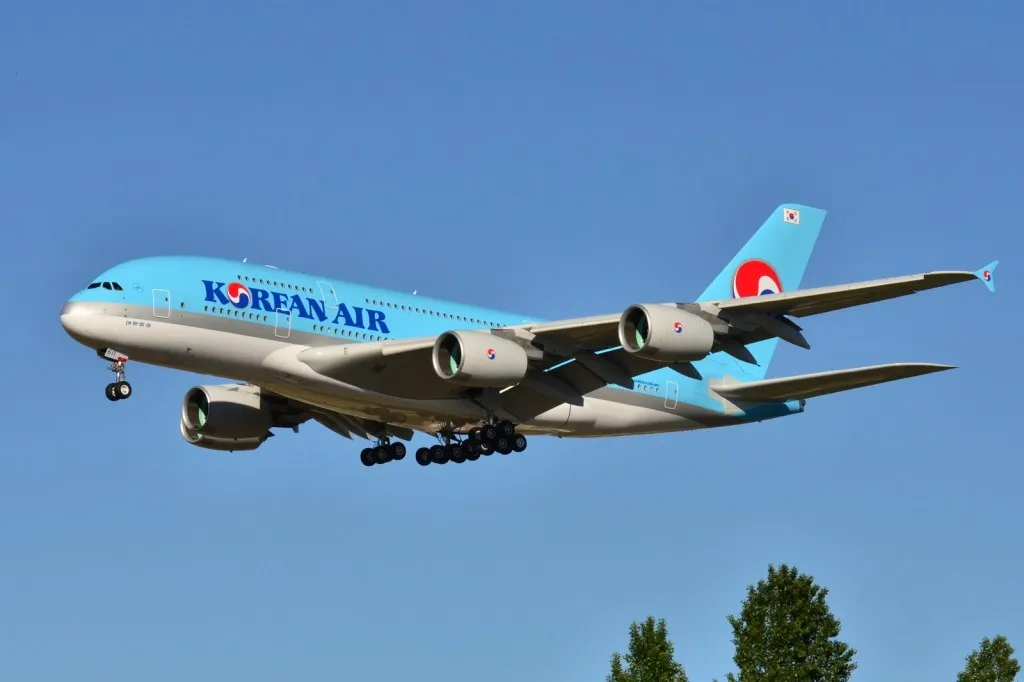
Korean Air has reported a 4 per cent decline in cargo revenue for the second quarter of its financial year, attributing the decrease to continued market volatility, largely influenced by changes in United States tariff policies. The South Korean flag carrier, also one of Asia’s leading air freight operators, noted that its cargo segment had previously enjoyed consistent annual growth driven by a surge in e-commerce shipments from China. In the same quarter last year, cargo revenues had increased by 14 per cent year-on-year, marking a sustained upward trend until this latest reversal. Recent disruptions stem largely from a shift in US trade policy. According to data cited by Reuters, air cargo volumes from Asia to the United States dropped sharply in May following the removal of a tax-free exemption for low-value packages from China. The move significantly impacted cross-border e-commerce shipments, a key revenue stream for Korean Air’s cargo division. In a statement, Korean Air said it responded to the challenging environment by broadening its cargo portfolio and prioritising high-yield shipments. The airline highlighted increased focus on sectors such as semiconductors, batteries, solar cells, and seasonal perishables to cushion the effects of declining e-commerce volumes. Despite the contraction in cargo performance, the company’s total revenue remained steady compared to the same quarter a year earlier, standing at 4 trillion won (approximately US$2.90 billion). However, operating profit declined by 3.5 per cent, with the airline citing rising personnel and depreciation costs as offsetting the benefit of lower fuel prices. Korean Air completed its acquisition of Asiana Airlines last year in a US$1.30 billion deal, positioning it among the largest carriers in Asia by capacity and market share. -Reuters

Scroll to Top

Subscribe
FREE Newsletter