News

News

Shanghai’s West Bund Emerges as New Business Powerhouse Amid Broader Property Downturn

Shanghai’s West Bund, a dynamic 11-kilometre-long waterfront stretch in the southwestern Xuhui district, is defying China’s wider property sector malaise by drawing major multinational corporations and luxury retail brands to its growing commercial hub. Rapid development, strategic planning, and high-profile investment are transforming the zone into the city’s newest central business district (CBD), outpacing many other parts of the capital in terms of occupancy and appeal. Since redevelopment began in 2010, the West Bund has undergone a dramatic transformation into a modern urban district, blending premium office towers, luxury retail outlets, upscale residences, and cultural venues. Central to this revitalisation is Hongkong Land’s flagship Westbund Central project, a landmark mixed-use development that integrates office space, retail, hospitality, and residential units across more than 1 million square metres of gross floor area. The developer acquired the site for 31.1 billion yuan (US$4.3 billion) in 2020. The district has quickly captured the attention of global corporates. BMW and Adidas are among the latest multinationals to establish operations in the area, drawn by its modern infrastructure and seamless work-life environment. The West Bund is also home to the Shanghai Foundation Model Innovation Centre (SMC), a key government-backed artificial intelligence (AI) incubator launched in 2023. The facility has attracted more than 100 AI-focused start-ups, including Intel partner ModelBest, energy solutions provider DaMao AI, and image-generation platform LibLib. President Xi Jinping’s visit to the SMC in April underscored the strategic significance of the area to China’s AI ambitions. During the visit, he emphasised the nation’s strong outlook for AI innovation, citing abundant data resources and a robust industrial framework. The SMC offers technology firms a comprehensive support package that includes computing power, proprietary datasets, legal consulting, and funding sourced from a trio of major investment funds: the 60 billion yuan National AI Industry Fund, the 22.5 billion yuan Shanghai AI Fund-of-Funds, and the 20 billion yuan Xuhui Capital industrial investment fund. Market analysts note that the district’s success reflects deliberate urban planning and strategic sector alignment. “West Bund is well planned as each section has its own theme and industrial goal,” said Jimmy Chu, Senior Director at CBRE’s Eastern China office market division. He added that the location is becoming a rare bright spot in Shanghai’s broader commercial property landscape. The office component of the Westbund Central development, scheduled for delivery later this year, has already recorded strong pre-leasing activity and is expected to achieve full occupancy, despite challenging macroeconomic conditions. As of June, Shanghai’s overall office vacancy rate stood at 22.4 per cent, marginally up from 22.1 per cent at the end of 2024, according to CBRE. Joseph Wang, Head of Tenant Representation for Office Leasing at JLL Shanghai, observed that the West Bund’s positioning goes beyond traditional business districts by promoting lifestyle integration. “The West Bund is more than a CBD since it offers people work-life balance,” he said. “Developments in the area have driven up leasing deals in the city’s office market.” The district has also garnered international attention. Michal Bartek, Vice-Chairman of Slovakia’s National Council, expressed admiration for the innovation on display during a recent visit. “It is really important for my country to cooperate with China in this industry,” he said. “AI offers us great opportunities in industrial development.” Bartek’s remarks came during a diplomatic visit to China ahead of the Global Civilisations Dialogue Ministerial Meeting in Beijing, part of a wider effort to deepen global engagement in China’s technology and innovation ecosystem. Investor sentiment remains strong, with many viewing the district as a showcase for Shanghai’s modernisation and economic opening. “The Shanghai government has singled out the West Bund as a showcase of the city’s modernisation and opening up,” said Yin Ran, an angel investor based in the city. “The success of the riverfront area will attract more companies and investors in the coming two to three years and other central business districts will feel the pressure as they may lose tenants to the West Bund.” As other business districts contend with rising vacancy and weaker demand, the West Bund’s upward trajectory could offer a model for urban renewal and sector-specific economic clustering in China’s next chapter of development. -SCMP
News

BRC Asia Secures S$570 Million Contract for Changi Airport Terminal 5 Substructure

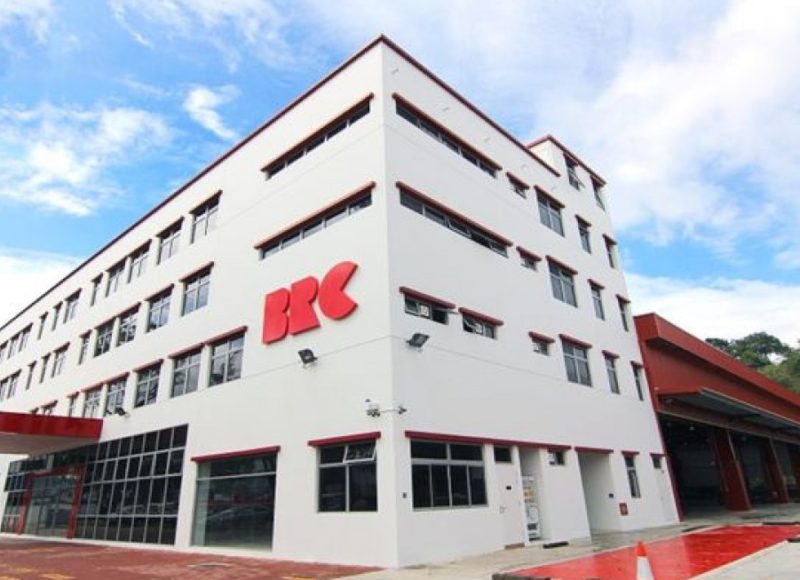
BRC Asia has secured a landmark contract valued at approximately S$570 million to supply steel reinforcement for the substructure of Changi Airport’s highly anticipated Terminal 5 development. The award was granted by the joint venture between the Singapore branch of China Communications Construction Company (CCCC) and Obayashi Singapore. This collaboration marks a significant step in the realisation of one of Singapore’s largest infrastructure projects to date. With the addition of this substantial contract, BRC Asia’s total orderbook has reached S$2 billion as of 14 July. The company noted that the latest win underscores its pivotal contribution to Singapore’s infrastructure sector and further cements its position as a trusted partner in complex, large-scale developments. Chief Executive Officer and Executive Director Seah Kiin Peng stated, “We are honoured to partner with CCCC and Obayashi on this transformative project. Changi Airport Terminal 5 is not just an infrastructure milestone for Singapore but a testament to our nation’s vision for sustainable growth.” He added, “BRC Asia is committed to delivering innovative, reliable solutions that meet the highest standards of quality and safety, ensuring Terminal 5’s substructure lays a robust foundation for future generations.” The Changi Terminal 5 project is poised to play a key role in meeting long-term aviation demand and strengthening Singapore’s position as a leading global air hub. -The Edge

Investment & Market Trends, News

Temasek Deepens Focus on India with Targeted High-Value Investments

Temasek Holdings Pte is refining its investment strategy in India, signalling a shift towards larger, more concentrated bets as it seeks to optimise returns on its expanding US$50 billion (RM212.7 billion) local portfolio. The Singapore-based sovereign wealth fund, a long-term investor in India, is adjusting its approach in response to improving market conditions and greater ease in exiting positions. “The market is getting bigger and bigger, so we need to concentrate,” said Ravi Lambah, head of India operations and strategic initiatives at Temasek. The fund, which has been investing in India for over two decades, recorded a US$13 billion or 35 percent increase in its Indian portfolio this year, driven by capital appreciation and fresh investments. India’s predictable regulatory environment, robust economic growth and strong stock market performance have attracted billions in capital from sovereign wealth and pension funds globally. With the country now the world’s most populous nation and home to a US$5 trillion stock market, international investors have increasingly realised substantial returns. Temasek, which holds a major stake in Bharti Airtel through its affiliate Singapore Telecommunications, is now zeroing in on a few focused themes in a market it considers a top performer over the past decade. Lambah highlighted areas such as consumption, financial services, healthcare, sustainability, transportation and industrials as key investment opportunities. He noted that India’s market now has the scale and liquidity to accommodate billion-dollar equity purchases without major price disruptions. In a move aligned with its long-term outlook, Temasek is also seeking deeper collaborations with India’s family-run enterprises. “When we partner with families, they have longevity of capital,” said Lambah. As Temasek’s funds do not operate on a fixed life cycle, this alignment of investment horizons presents a strategic fit. Recent activity reflects this approach. In March, Temasek acquired a minority stake in Haldiram Snacks Food Pvt Ltd. Its portfolio company Manipal Hospitals also expanded with the acquisition of Sahyadri Hospitals in Western India. Additionally, Temasek-backed Dr Agarwal’s Health Care, a prominent eye care chain, made its market debut in January. Retail participation has surged in India’s equity markets, with inflows into mutual funds reaching a record 272.7 billion rupees last month through systematic investment plans. A strong and liquid market landscape enhances Temasek’s confidence in timely and efficient exits. “When we want to exit, the market will give us opportunity,” Lambah affirmed. -Bloomberg

Investment & Market Trends, News

Corporate Japan Faces Sharper Shareholder Scrutiny Amid Record Activism

Corporate Japan is experiencing a marked shift in investor dynamics, as a record number of shareholder proposals passed at annual general meetings this year. The trend signals growing assertiveness among investors and a waning tolerance for underperformance or complacent governance. According to Mitsubishi UFJ Trust & Banking Corp., seven companies saw shareholder proposals adopted at their AGMs, the highest number since the bank began collecting data nearly 30 years ago. These resolutions included board nominations and governance reforms, highlighting a departure from the historically passive stance of Japan’s shareholder base. The uptick in successful proposals reflects a broader wave of activism sweeping through Japanese boardrooms. Investors, particularly activists, have inundated companies with unprecedented volumes of resolutions, ranging from calls for real estate divestment to strategic realignment and capital returns via share buybacks. While overall shareholder support still leans towards incumbent management, the shift in voting patterns points to a gradual erosion of deference. This development coincides with increasing pressure from the Tokyo Stock Exchange and activist funds to improve capital efficiency and deliver higher shareholder returns. “Shareholder pressure is likely to increase given there is still much room left for improvement,” said Naoki Fujiwara, senior fund manager at Shinkin Asset Management. “The acceptance of activists’ proposals is a significant change from the past.” Alongside the rise in approved shareholder resolutions, there has also been a marked increase in the rejection of management-sponsored motions. According to Sumitomo Mitsui Trust Bank Ltd., 30 company proposals—primarily board director nominations—were voted down this year, a sharp rise from just six the year before. One of the most striking examples occurred at Tokyo Cosmos Electric Co., where all five board nominees put forward by the company were rejected. Shareholders replaced the entire board, including the chief executive officer, with individuals proposed by top investors. Similarly, at Taiyo Holdings Co., the CEO was voted out, reinforcing a trend of growing scrutiny towards executive performance. Data compiled by Goldman Sachs Group Inc. shows a decline in CEO confidence ratings, with the percentage of executives enjoying approval ratings above 80% falling by 1.1 percentage point year-on-year. As traditional cross-shareholding arrangements unwind, the resulting void is being filled by more vocal and independent shareholders, including global asset managers and hedge funds. Still, not every effort by activist investors has been successful. At Fuji Media Holdings Inc., shareholders rejected all 12 director candidates nominated by Dalton Investments. The broadcaster, already under public pressure due to a scandal, retained its management in the face of external challenges. Despite mixed results, the tone of shareholder engagement has undeniably evolved. Hisashi Arakawa, director and head of equities at abrdn Japan Ltd., observed that many firms are increasingly initiating dialogue ahead of AGMs. “We’ve seen companies pro-actively engage with us ahead of shareholder meetings,” he noted. “Whether these proposals pass is a separate matter.” This rising momentum of shareholder empowerment underscores a maturing market in Japan, where investor influence is no longer confined to the sidelines but is now reshaping corporate governance from within. -Bloomberg

News

Ramssol Divests 40% Stake in Rider Gate for RM25 Million

Ramssol Group Berhad has formalised a share sale agreement with Sagtec Global Ltd for the disposal of its 40% equity interest in Rider Gate Sdn Bhd. The transaction is valued at RM25 million and will be settled through the issuance of Sagtec consideration shares equivalent to the disposal sum. Rider Gate, currently a wholly-owned subsidiary of Ramssol, is engaged in mobile applications, electronic commerce, and integrated information systems. The divestment marks a strategic step for Ramssol, aimed at enhancing Rider Gate’s commercial scalability. According to Ramssol, the partial sale will enable the group to capitalise on Sagtec’s capital strength and operational expertise to fast-track the commercialisation of Rider Gate’s platforms and services. The company stated that the proposed disposal aligns with Sagtec’s broader growth ambitions, allowing it to invest in a fully operational platform capable of immediate market monetisation. Furthermore, Sagtec’s core competencies in software development are said to complement Rider Gate’s technology demands. Ramssol added that Sagtec’s experienced team is adept at delivering tailored solutions, often initiated through comprehensive development blueprints such as white papers. -The Star

Energy & Technology, News

Malaysia Mandates Strategic Trade Permit for US-Origin AI Chip Exports

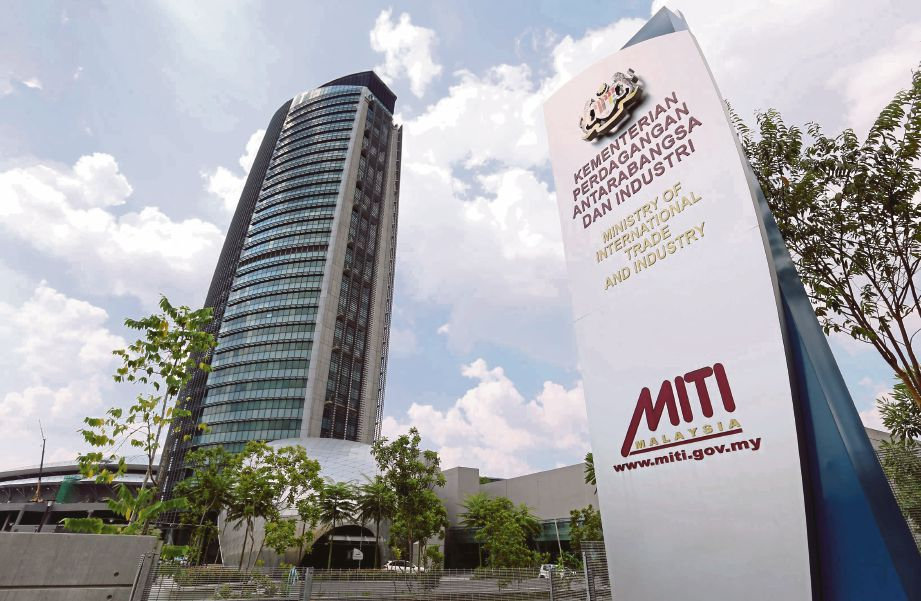
The Ministry of Investment, Trade and Industry (Miti) has announced the immediate enforcement of a Strategic Trade Permit requirement for all exports, transshipments and transits involving high-performance artificial intelligence (AI) chips of United States origin. The move, aimed at addressing regulatory blind spots, forms part of a broader commitment to uphold Malaysia’s international obligations. In a formal statement, Miti confirmed that the measure is instituted under Section 12 of the Strategic Trade Act 2010 (STA 2010), known as the Catch-All Control provision. This provision compels exporters to notify authorities a minimum of 30 days in advance should they intend to export, transship or transit any item not listed under the Strategic Items List (SIL), where there is knowledge or reasonable suspicion that the item could be misused or linked to restricted activities. “This initiative serves to close regulatory gaps while Malaysia undertakes further review on the inclusion of high-performance AI chips of US origin into the SIL of the STA 2010,” said the ministry. Miti reinforced Malaysia’s zero-tolerance policy toward the circumvention of export controls or participation in illicit trade. It emphasised that individuals or entities found in breach of the STA 2010 will be subject to strict legal action. The ministry underscored that Malaysia remains committed to facilitating investment and trade aligned with international standards and multilateral commitments. It also cautioned that all operating entities must adhere to international obligations to avoid potential secondary sanctions that could impact their commercial interests. “Malaysia will not tolerate any misuse of its jurisdiction for the purposes of illegal trade,” Miti affirmed, reiterating its resolve to ensure a secure, transparent, and rules-based trading environment. Stephen Innes, Managing Director of SPI Asset Management, commented that while the new directive does not directly disrupt Malaysia’s growing AI and data centre ecosystem — which continues to be underpinned by infrastructure expansion, strategic cloud partnerships and local talent — it signals an era of enhanced compliance oversight. “If you want to play in the AI sandbox, you now need to watch your sourcing, disclosure and compliance trail more carefully,” Innes told Bernama. He added that although multinational tech firms may absorb the regulatory shift with relative ease, smaller local enterprises and startups could face headwinds without strong legal frameworks in place. Malaysia’s established role in chip testing and packaging may, however, buffer the broader industry from serious operational disruption. “This law forces the industry to mature quickly in terms of compliance infrastructure. The upside is that it may accelerate Malaysia’s push toward more transparent, globally integrated standards,” he said. Echoing a similar sentiment, economist Professor Geoffrey Williams observed that the regulatory update represents a more cooperative stance compared to previous trade negotiations. “This will deliver a much better chance of lowering the 25% reciprocal tariffs and is better than taking a belligerent stance. It is a closer win-win engagement,” Williams said. He noted that the United States has voiced concern over potential rerouting of AI chips to China via third-party countries within ASEAN, in contravention of US export restrictions. Malaysia’s move, therefore, signifies a key step in the direction of harmonised regional controls. “Getting better coordinated regulation across ASEAN is a positive response to address US concerns, and Malaysia is playing a key role in this,” Williams added, noting that the measure is unlikely to affect the country’s legitimate data centre and AI operations, aside from clamping down on illicit activity. -The Star

News

Malaysia’s Wholesale and Retail Sales Reach RM154.3 Billion in May-DOSM

Malaysia’s wholesale and retail trade sector recorded a total sales value of RM154.3 billion in May 2025, representing a 4.4 per cent year-on-year increase, according to the Department of Statistics Malaysia (DOSM). In an official statement, Chief Statistician Datuk Seri Dr Mohd Uzir Mahidin attributed the growth to robust performances in the retail and wholesale trade sub-sectors. The retail trade segment posted RM67.1 billion in sales, marking a 4.9 per cent or RM3.1 billion increase compared to the same period last year. Similarly, wholesale trade rose to RM68.2 billion, up 4.7 per cent or RM3.1 billion year-on-year, underscoring consistent business activity along the supply chain. Online retail sales also registered growth, with the corresponding index rising 2.2 per cent year-on-year. However, on a seasonally adjusted basis, the index recorded a 3.4 per cent month-on-month decline. In terms of volume index, the sector recorded a 4.1 per cent year-on-year increase. This was led by a 5.8 per cent rise in the wholesale trade volume index, followed by a 3.7 per cent increase in the retail trade index. Digital payment trends further reinforced the sector’s expansion. Malaysia saw a significant uptick in e-money transactions, which surged by 70.2 per cent to RM21.5 billion in May 2025. Real-time retail payments reached RM289.4 billion, indicating rising demand for immediate payment capabilities. Financial process exchange (FPX) transactions also experienced notable growth, increasing by 21.1 per cent to RM39.2 billion, reflecting expanded use of online banking services. Credit card payments remained stable at RM18.7 billion, while debit card usage grew eight per cent to RM14.1 billion. Datuk Seri Dr Mohd Uzir noted that these figures highlight the ongoing transition towards digital payment systems, aligned with evolving consumer behaviour and the broader digital transformation of Malaysia’s financial ecosystem. -Bernama

News

Maybank Extends US$150 Million Sustainability-Linked Loan to AT&S Malaysia

Malayan Banking Bhd (Maybank) has extended a sustainability-linked loan (SLL) valued at US$150 million to Austria Technologie & Systemtechnik Malaysia Sdn Bhd (AT&S), marking a significant milestone in sustainable finance for the region. In an official statement, Maybank confirmed that the facility represents the first SLL issued by a Malaysian and Southeast Asian commercial bank to AT&S. It is also the inaugural SLL extended by a domestic financial institution to a multinational corporation operating within Malaysia’s semiconductor industry. The loan will support the development of AT&S’s first high-end integrated circuit substrate manufacturing facility located in the Kulim Hi-Tech Park, Kedah. The project will incorporate advanced equipment and closed-loop recycling systems, in line with AT&S’s rigorous sustainable energy framework. Embedded in the SLL are environmental performance targets, including a commitment by AT&S to reduce its annual greenhouse gas emissions by 31% by 31 March 2028, benchmarked against its financial year 2022 levels. Maybank stated that this financing aligns with its broader strategy to mobilise sustainable finance and contribute to regional decarbonisation efforts, particularly in high-growth sectors such as semiconductors. -Bernama

News

Zetrix AI Fined and Reprimanded by Bursa Malaysia for Disclosure Failures

Zetrix AI Bhd, previously known as MyEG Services Bhd, has received a public reprimand from Bursa Malaysia Securities for multiple breaches of the Main Market Listing Requirements. The action also includes financial penalties imposed on seven members of its board. In an official statement, Bursa Malaysia cited the company’s failure to ensure that several public announcements were factual, accurate, and free from false or misleading information. Furthermore, the company did not adhere to a specific directive issued by the exchange. The directive in question required Zetrix AI to provide an immediate clarification on an earlier announcement made on 7 July 2023. Bursa Malaysia had instructed the company on 15 August 2023 to respond, with a deadline set for 16 August 2023. Zetrix AI failed to comply within the stipulated timeframe. As a result, seven directors have each been fined RM150,000. The individuals include Managing Director Wong Thean Soon, Executive Chairman Datuk Norraesah Mohamad, and directors Datuk Mohd Jimmy Wong Abdullah, Wong Kok Chau, Datuk Seri Mohd Mokhtar Mohd Shariff, Datuk Mohd Jeffrey Joakim, and Mohaini Mohd Yusof. Bursa Malaysia’s enforcement action underscores its commitment to maintaining high standards of corporate disclosure and governance within the capital markets. -The Star

News

Solid Automotive Acquires SG for RM6 Million

Solid Automotive Bhd has completed the acquisition of SG, a well-established motor vehicle spare parts trading company, for RM6 million in a strategic move to broaden its footprint in the automotive aftermarket sector. According to its filing with Bursa Malaysia, Solid Automotive acquired the entire issued share capital of SG, comprising 500,000 shares, from its existing shareholders Ng Tian Seow, Leong Foo Weng, and Hong Kok Liang. The acquisition marks a significant step forward for Solid Automotive as it seeks to diversify its revenue streams and enhance profitability within the passenger car segment of the general automotive aftermarket. SG has built a strong reputation in the trading of genuine automotive parts, representing well-known marques such as Perodua, Proton and Nissan. The company’s customer base includes a robust network of over 300 clients, primarily comprising spare parts retailers. Solid Automotive said the acquisition would allow it to leverage SG’s established distribution channels and further consolidate its position in the sector. -The Star

Scroll to Top

Subscribe
FREE Newsletter