News

News

PN17 Construction Firm Zelan Names Faizal Yusof as CEO

Zelan Bhd, a PN17 company, has appointed Faizal Yusof as its new chief executive officer. The 46-year-old industry veteran brings over 23 years of experience spanning engineering, construction, and infrastructure to the helm of the construction engineering firm. In a filing with Bursa Malaysia, Zelan’s board expressed confidence that Faizal’s leadership, strategic insight and deep sector expertise will play a pivotal role in steering the company’s turnaround and supporting its ongoing PN17 regularisation plans. Faizal succeeds Mohd Ariff Abd Samat, who resigned in November last year after just three months as CEO to pursue other opportunities. Since then, Shareena Shahril had been serving as acting CEO. Zelan was classified under Practice Note 17 (PN17) in May 2023 after its external auditor, Nexia SSY PLT, issued a disclaimer of opinion on the company’s audited financial statements for the year ended 31 December 2022. -The Star

News

Solarvest Names Daniel Ruppert as Chief Investment Officer

Solarvest Holdings Bhd has announced the appointment of Daniel Bernd Ruppert as its chief investment officer (CIO), effective immediately. In a filing with Bursa Malaysia, the group said Ruppert, 50, has already played an active role in shaping Solarvest’s investment strategies and has  represented the company at numerous official functions. With his formal appointment, Ruppert will now take on full responsibilities as a member of the senior management team. He will oversee the group’s investment strategy, including asset management, acquisitions and divestments, risk oversight and strategic capital deployment. Solarvest highlighted Ruppert’s extensive experience, noting he brings over 15 years in investment banking and business management to the role. The company said his expertise is expected to enhance the group’s growth trajectory and strengthen its position in the renewable energy sector. -The Star

News

BASF Petronas Settles Electricity Dispute for RM52 Million

BASF Petronas Chemicals Sdn Bhd has agreed to pay RM52 million to Petronas Gas Bhd, marking the full and final settlement of a long-standing dispute concerning electricity supply arrangements between the two companies. According to a filing by Petronas Gas with Bursa Malaysia, the settlement was concluded in the ordinary course of business and negotiated on an arm’s length basis. The company emphasised that the resolution is fair, reasonable, and conducted on normal commercial terms, while safeguarding the interests of minority shareholders. Petronas Gas stated that the agreement reflects ongoing commercial collaboration with BASF Petronas and allows both parties to avoid an extended dispute resolution process. The settlement helps mitigate potential uncertainties in revenue recognition and financial expectations. The dispute stems from a sale and purchase of electricity agreement entered into on 21 December 1998, along with supplementary agreements. Between 2018 and 2019, disagreements emerged regarding certain provisions of the electricity agreement, ultimately leading to the negotiated resolution announced. The RM52 million payment draws a line under the matter, reinforcing the commitment of both parties to maintain stable and commercially sound business relationships. -Bernama

ESG, News

Malakoff and Evergreen Earth Sign MoU to Advance Green Energy in Sarawak

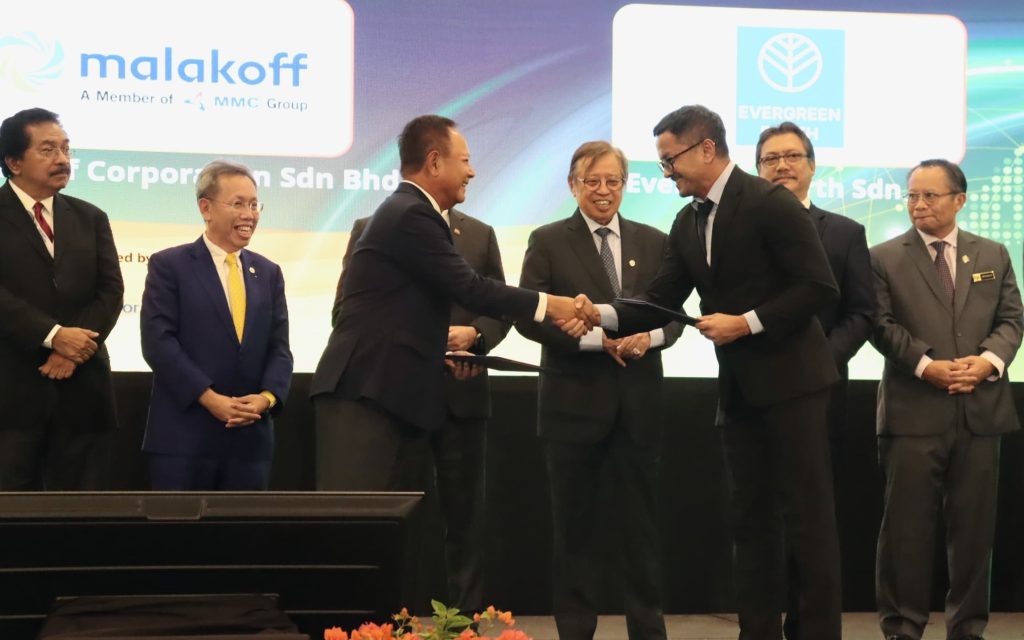
Malakoff Corporation Berhad, one of Malaysia’s leading independent power producers, has formalised a memorandum of understanding (MoU) with Evergreen Earth Sdn Bhd (EESB), a real estate and construction group, to develop green power projects across Sarawak. The MoU exchange took place during the International Energy Week (IEW) 2025 at the Borneo Convention Centre Kuching, witnessed by Sarawak Premier Tan Sri Abang Johari Tun Openg and Deputy Prime Minister Datuk Seri Fadillah Yusof, who also serves as Minister of Energy Transition and Water Transformation. The agreement was signed by Malakoff’s Head of Business Development, Shaja Ibrahim, and EESB Director, Datuk Mohamad Danel Abong. In a joint statement, Malakoff and EESB confirmed that the collaboration will include feasibility studies, site assessments, project development strategies and local partnership models focused on solar photovoltaic (PV) and other renewable energy (RE) ventures. The initiative will also involve the sharing of technical expertise, regulatory insights and market intelligence, alongside coordinated engagement with relevant authorities to obtain necessary approvals and enable grid integration. These efforts are aligned with Sarawak’s Post COVID-19 Development Strategy 2030 and Malaysia’s National Energy Transition Roadmap (NETR), underscoring both parties’ commitment to advancing the nation’s sustainability and clean energy objectives. Malakoff’s Managing Director and Chief Executive Officer, Anwar Syahrin Abdul Ajib, highlighted the significance of the partnership in supporting Malaysia’s clean energy transition. He stated that the projects will play a critical role in reducing Sarawak’s dependence on fossil fuels while contributing to a diversified renewable energy portfolio. “By supporting Sarawak’s efforts to reduce reliance on fossil fuels and diversify its renewable energy mix, we are contributing to the development of a more sustainable and future-ready energy ecosystem,” he said. Anwar added that the green power initiatives are expected to deliver strong socio-economic benefits, including job creation, local talent upskilling and improvements in rural infrastructure. This collaboration builds on Malakoff’s growing renewable energy footprint, which currently encompasses a total generating capacity of 198 megawatts (MW) from solar, waste-to-energy and small hydropower assets. As of June 2025, the company’s rooftop solar capacity stood at 63.6 MW, while its RE portfolio produced 67.0 gigawatt-hours (GWh) of clean electricity in 2024. -Bernama

News

PNB Weighs Strategic Divestment of RM3 Billion Toll Road Unit Prolintas

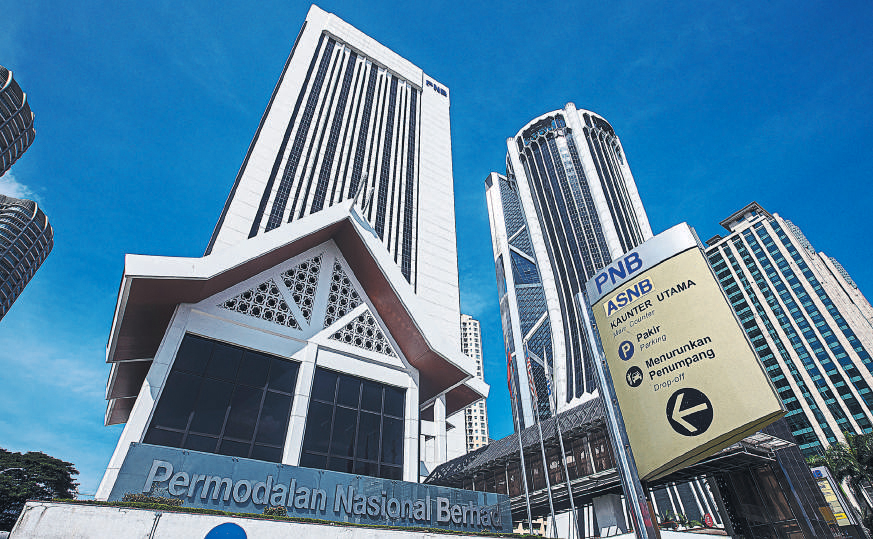
Permodalan Nasional Berhad (PNB), Malaysia’s state-owned asset manager, is reportedly evaluating the potential sale of its toll road subsidiary, Projek Lintasan Kota Holdings Sdn Bhd (Prolintas), in a transaction that could be valued at approximately RM3 billion, according to individuals familiar with the matter. Sources, who requested anonymity due to the private nature of the discussions, indicated that PNB is working with a financial adviser on the potential divestment. The firm has reportedly initiated contact with prospective investors, including established industry participants and private equity firms, to assess preliminary interest. While deliberations are still ongoing, the sources noted that PNB has not ruled out the option of retaining Prolintas should market conditions or strategic priorities change. In a statement provided via e-mail, PNB said that as a long-term investor focused on delivering sustainable returns, it routinely reviews its investment portfolio to identify opportunities that enhance value. This includes considering potential divestments and strategic repositioning. The institution added that all investment decisions are made through a rigorous governance framework aligned with its core objectives. PNB reiterated its policy of not commenting on speculation or rumours. It affirmed that any significant developments would be disclosed through the appropriate regulatory channels. The potential sale comes amid a broader slowdown in deal-making activity involving Malaysian companies. Mergers and acquisitions volume has declined by approximately 46% year-on-year, reaching US$4.2 billion to date, according to data compiled by Bloomberg. Founded in 1995, Prolintas is wholly owned by PNB and operates several expressways and urban highways, primarily within the Klang Valley. The company has also adopted artificial intelligence and machine-learning technologies to enhance safety and operational efficiency. Prolintas holds a 51% stake in Prolintas Infra Business Trust Bhd, a publicly listed entity on Bursa Malaysia. The trust, which owns a portion of the group’s highway assets, has a current market capitalisation of RM1.1 billion. -Bloomberg

News

Philip Yeo to Retire from CDL Board After 16-Year Tenure

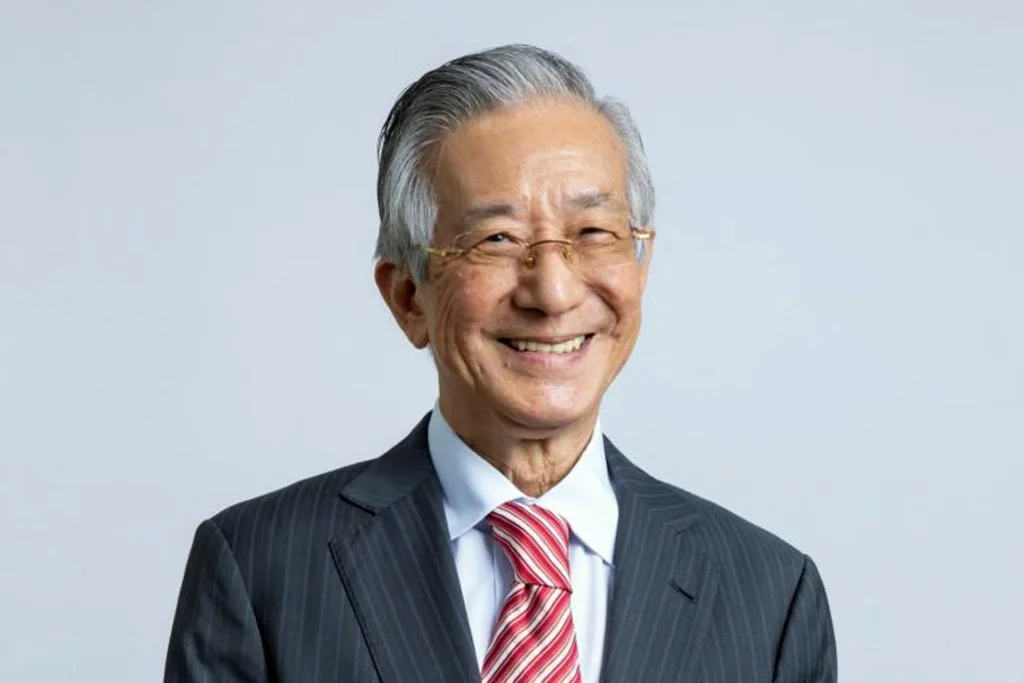
City Developments Limited (CDL) announced on Tuesday, 15 July, that Mr Philip Yeo will be stepping down as a director of the company effective 31 July. Mr Yeo, 78, has served on CDL’s board for 16 years as a non-independent, non-executive director. According to the company’s filing with the Singapore Exchange, Mr Yeo’s retirement comes without any unresolved differences in opinion on material matters between him and the board. His notice of retirement follows a turbulent period at CDL, marked by an internal dispute earlier this year between Executive Chairman Kwek Leng Beng and his son, Group CEO Sherman Kwek. The conflict reached a head in February when the elder Mr Kwek accused his son of attempting a boardroom coup and initiated legal action over alleged governance lapses. This came after Sherman Kwek had moved to appoint new independent directors without full board consent. Mr Yeo had aligned himself with Mr Kwek Sr during the controversy, publicly criticising the younger Mr Kwek and taking issue with his handling of the matter. He also expressed disapproval after Sherman Kwek identified Dr Catherine Wu, an associate of Mr Kwek Sr, as a central figure in the disagreement. Although the lawsuit was withdrawn within two weeks of its filing—with all board members reportedly agreeing to reconcile in the interest of the company and its stakeholders—the aftermath of the episode continued to reverberate within the boardroom. At CDL’s annual general meeting in April, Mr Yeo voiced strong dissatisfaction over the way certain board members had proceeded with director appointments earlier in the year, describing the actions as “totally improper”, according to Bloomberg. City Developments shares closed down 0.2 per cent at S$5.57 (US$4.33) ahead of the announcement. -CNA

News

Geely to Take Zeekr Private at $6.83 Billion Valuation in Strategic Streamlining

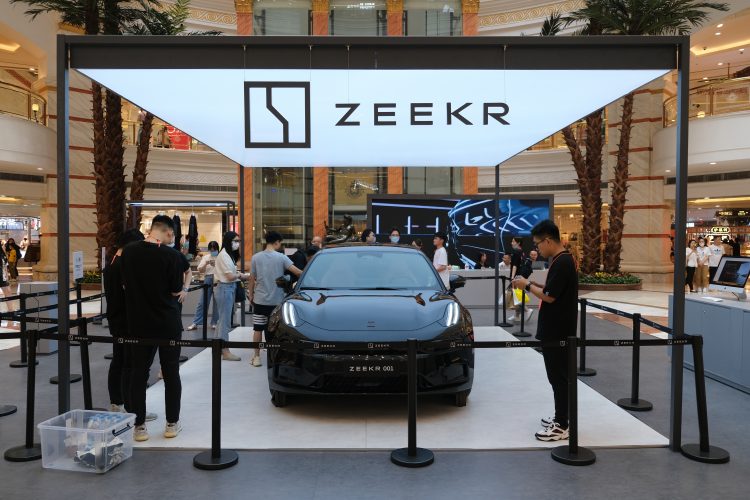
Chinese automotive giant Geely has announced plans to privatise its premium electric vehicle subsidiary Zeekr, in a transaction valuing the unit at approximately US$6.83 billion. The move is part of Geely’s broader corporate strategy to streamline its operations and enhance competitiveness in an increasingly saturated EV market. According to statements released on Tuesday, Geely will acquire the remaining shares of Zeekr it does not already own for US$2.687 per share, equivalent to US$26.87 per American depositary share. This offer represents an 18.9% premium on Zeekr’s last traded price on 6 May. The deal is anticipated to complete in the fourth quarter of this year. Geely currently holds a 62.8% stake in Zeekr. The company initially proposed a US$2.2 billion buyout in May, which has since been increased to approximately US$2.4 billion. Zeekr made its debut on the U.S. stock market in May 2024, achieving a valuation of US$6.8 billion and becoming the first major Chinese firm to list in the United States since 2021. Founded in 2021, Zeekr serves as Geely’s flagship premium EV brand, designed to showcase its proprietary technologies in electric vehicle architecture and battery systems. The planned buyout reflects a shift in Geely Holding’s strategic direction. The group, once known for its ambitious global acquisition spree, is now prioritising operational efficiency and cost control. The pivot comes in response to mounting margin pressures and an intensifying price war in China’s domestic EV market. As part of its corporate restructuring, Geely has realigned its operations into two core divisions: Geely Auto, targeting the mass-market segment, and Zeekr Group, which will continue to focus on premium offerings. In March, Geely further consolidated its internal technology development efforts by merging three separate business units working on digital cockpit systems into a unified 2,000-strong engineering team, with the aim of driving both efficiency and innovation across its product lines. -Reuters

News

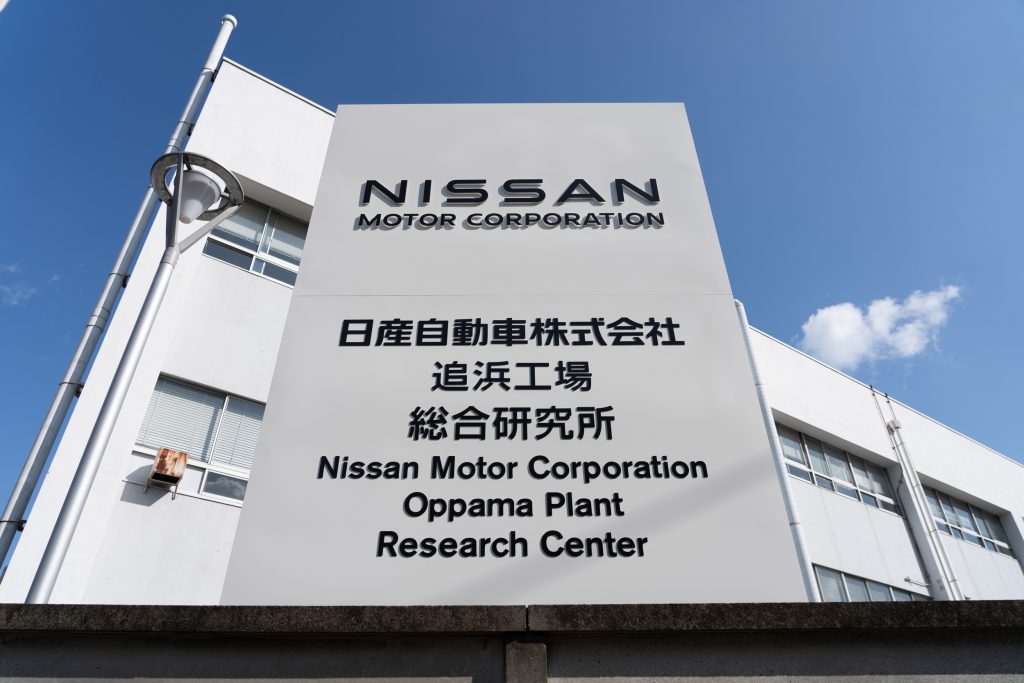
Nissan to Cease Operations at Oppama Plant

Nissan Motor Co Ltd has confirmed it will end vehicle production at its Oppama facility by the close of its 2027 fiscal year, in a strategic move to streamline operations under its global restructuring plan. The Japanese automaker, which reported a net loss of ¥671 billion last year, stated the production activities currently carried out at the Oppama plant, located just outside Yokohama, will be transferred to an existing facility on the southern island of Kyushu. The announcement is part of a broader effort by Nissan to consolidate its manufacturing footprint, with plans to reduce the number of its vehicle production plants from 17 to 10 by fiscal year 2027. Oppama, one of six domestic plants operated by Nissan, employed approximately 3,900 staff as of October last year. The site, which has been operational since 1961, played a pivotal role in the brand’s history and was notably the first to produce the Nissan LEAF—widely recognised as the world’s first mass-market electric vehicle. The decision to halt production at Oppama reflects the company’s response to mounting financial pressure and increased competition, particularly from rapidly expanding Chinese electric vehicle manufacturers. Nissan’s business challenges have been compounded by the collapse of merger discussions with Honda Motor Co Ltd earlier this year. The proposed deal, which would have seen Nissan become a subsidiary of Honda, was abandoned in February. Once viewed as a potential pillar of stability, the abandoned merger was part of Nissan’s wider turnaround strategy, which also included a significant reduction in its global workforce by 15 per cent. The company has faced several reputational and operational setbacks in recent years. The 2018 arrest and subsequent escape of former chairman Carlos Ghosn continues to cast a long shadow, while credit ratings agencies have since downgraded Nissan’s status to “junk”. Moody’s, in particular, cited “weak profitability” and an “ageing model portfolio” as key concerns. In a further blow, Nissan scrapped a recently approved US$1 billion battery plant project in southern Japan earlier this year, citing adverse business conditions. The firm is also considered among the most vulnerable Japanese automakers to the 25 per cent tariff on Japanese vehicle imports imposed by US President Donald Trump. Industry analysts note that Nissan’s customer base in the United States tends to be more price-sensitive than those of its competitors, amplifying the potential impact of such trade policies. As Nissan continues to battle financial headwinds and shifting market dynamics, the closure of the Oppama plant marks a significant chapter in its transformation strategy, signalling both a nod to its storied past and a pragmatic step toward its future ambitions. -AFP

News

Tesla Launches Mumbai Showroom with Model Y

Tesla has officially entered the Indian automotive market with the opening of its first showroom in Mumbai, showcasing its premium electric SUV, the Model Y. The move marks a significant step in the company’s long-anticipated expansion into the world’s third-largest car market. The company is offering the Model Y rear-wheel drive at ₹6 million (approximately US$70,000), while the long-range rear-wheel drive variant is priced at ₹6.8 million (around US$79,000). These prices are considerably higher than in other key markets: in the United States, the Model Y starts at US$44,990; in China, at 263,500 yuan (US$36,700); and in Germany, at €45,970 (US$53,700). Tesla’s Mumbai showroom, located within a gated office complex in the city’s financial district, was tightly secured during its unveiling. The Model Y, partially covered in black and grey drapes, was visible through the showroom’s glass façade, as police guarded the venue. Access to the premises was restricted, with minimal public presence and limited visibility into the space. Elon Musk’s interest in the Indian market has been longstanding, driven by the country’s growing base of affluent consumers who have shown increasing demand for luxury goods, from real estate to high-end jewellery and automobiles. However, the Indian electric vehicle (EV) market remains in its early stages, with EVs accounting for just 4% of total car sales. The Indian government aims to increase this share to 30% by 2030, offering incentives such as tax concessions for foreign automakers willing to commit to local manufacturing. These incentives, however, have thus far done little to sway Musk toward substantial domestic production commitments. Tesla’s entry arrives at a time when competition in India’s premium EV segment is intensifying, with established German brands such as BMW and Mercedes-Benz already present. Meanwhile, local players such as Tata Motors and Mahindra continue to dominate the mass-market EV segment. The launch of Tesla’s Mumbai showroom also coincides with Vietnamese EV manufacturer VinFast’s pre-booking campaign for its VF7 and VF6 electric SUVs in India, signalling a broader push into one of the most promising, albeit infrastructure-challenged, automotive markets globally. -Reuters

News

Alibaba Hits 80 Million Deliveries in a Day Amid Escalating Price War with Meituan and JD.com

Alibaba Group Holding has matched its single-day delivery record of 80 million orders, as competition intensifies across China’s instant commerce sector. The figure, achieved on Saturday and reported on Monday, reflects the company’s aggressive campaign to gain market share from key rivals Meituan and JD.com. The deliveries were fulfilled under Alibaba’s new instant commerce division, Taobao Shangou, which also reported a 15 per cent week-on-week increase in daily active users. While the company did not disclose a precise total, the growth places estimated usage at around 230 million users. Saturday’s surge came amid an industry-wide promotional push, with platforms including Meituan, Taobao, Ele.me and JD.com offering substantial cash subsidies to consumers across the country. The result was a dramatic shift in shopping behaviour, with many brick-and-mortar retailers suspending in-store service due to overwhelming online demand. Meituan distributed coupons offering milk tea at no cost, while Taobao hosted flash sales with vouchers valued at 188 yuan (approximately £22), usable for deeply discounted food and beverage items. Additional surprise coupons further incentivised purchases. Meituan’s efforts culminated in a record 150 million instant retail orders on the same day. JD.com, which has taken an increasingly assertive stance since its entry into the food delivery space in February, announced the nightly distribution of 100,000 servings of crayfish, priced at 16.18 yuan, between 6pm and 2am. These subsidies have resonated strongly with consumers. One 22-year-old engineer, Huang Yuxiang, described purchasing a cup of Luckin Coffee for 0 yuan via Taobao, with only a 2 yuan delivery charge. He noted that Taobao’s discounts were significantly larger than those offered by competitors, which spurred a noticeable rise in customer activity and merchant workload. Retailers across the country reported surging order volumes. Liu Hang, owner of a Chen Duoduo Milk Tea franchise in Daizhou, Sichuan province, received more than 300 orders over the weekend—up from just a few dozen. A peer in Chengdu, the provincial capital, saw daily orders spike to between 700 and 800. In more extreme cases, top-performing outlets reportedly handled in excess of 3,000 orders per day, with staff experiencing considerable strain. The competitive landscape in China’s food delivery sector has undergone a major transformation in recent months. Meituan, the market leader, held a commanding 65 per cent share in 2024, according to Bocom International. Alibaba-owned Ele.me trailed with 33 per cent, while all other players, including JD.com, accounted for the remaining 2 per cent combined. With rival firms intensifying their promotional activity and customer acquisition strategies, the sector appears set for further disruption. As Alibaba’s delivery figures demonstrate, consumer appetite remains strong—and the battle for market dominance is far from over. -SCMP

Scroll to Top

Subscribe
FREE Newsletter