News

News

CARSOME Secures US$15 Million Asset-Backed Financing from HSBC Malaysia

HSBC Malaysia has provided its first asset-based lending (ABL) facility to CARSOME Certified Sdn Bhd, extending US$15 million in funding to support the purchase of refurbished vehicles for retail sale. CARSOME Certified, a key operating arm of the CARSOME group, manages Southeast Asia’s largest vehicle refurbishment facility located in Klang. The facility reconditions up to 2,000 cars monthly and is a cornerstone of the group’s mission to redefine used car ownership across the region. The financing is designed to accelerate the expansion of CARSOME Certified’s operations in Malaysia. Structured around asset values such as receivables and inventory, the ABL facility offers a loan-to-value ratio that adjusts regularly based on business performance and asset growth. Eric Cheng, Co-founder, Chairman and Group Chief Executive Officer of CARSOME, expressed confidence in the partnership. “The used car ecosystem is a robust one with multiple touchpoints in the ownership journey, including buying, selling, media, refurbishment, and financing. As Southeast Asia’s largest integrated car e-commerce platform, we are delighted to collaborate with HSBC Malaysia. There is a growing preference for affordable alternatives, and this funding will enable us to scale our CARSOME Certified business, ultimately making vehicle ownership more accessible for Malaysians,” Cheng added. Christina Cheah, Head of Global Corporates and International Mid-Markets at HSBC Malaysia, highlighted the tailored nature of the financing solution. “Our facility provides CARSOME Certified with flexible funding and enhanced liquidity to expand, giving Malaysians a wider selection of affordable refurbished cars. The ABL financing is tied to cash flow generating assets, with drawdowns linked to performance metrics and real-time monitoring of CARSOME’s vehicle fleet,” she said. This move underscores CARSOME’s growing influence in Southeast Asia’s automotive market and HSBC Malaysia’s commitment to supporting innovative financing solutions for high-growth businesses. -Fintech News

News

ST Engineering to Record $80 Million One-Off Gain From SPTel Divestment

Singapore Technologies Engineering and Singapore Power have agreed to sell their broadband joint venture SPTel to private equity firm Seraya Partners for an enterprise value of $290 million. Established in 1997 by Singapore Power, SPTel saw ST Engineering acquire a 51 per cent stake in May 2017. Seraya Partners, which manages assets worth US$1.8 billion according to its website, focuses on infrastructure investments across Asia. In a joint statement issued on 17 July, ST Engineering and SP said the transaction would allow SPTel to expand under new ownership with a primary mandate to invest in and grow digital infrastructure platforms. “With this strategic alignment, SPTel will be better placed to scale and provide a more diverse network in Singapore,” the companies stated. ST Engineering expects to book a one-off gain of approximately $80 million from the divestment, based on SPTel’s carrying value of around $65 million. The group confirmed the deal would not have a material impact on its net tangible assets or earnings for the current financial year. The agreed price represents an implied EV/revenue multiple of 4.1 times and EV/EBITDA multiple of 21.4 times, based on SPTel’s revenue and EBITDA for the year ended December 2024. Additionally, the sellers could receive an earn-out payment of up to $15 million if certain return thresholds for the buyer are met. SPTel recorded revenue of $72 million and a net loss of $4 million for the year ended December 2024. The proposed transaction is anticipated to close in the fourth quarter of 2025, subject to customary regulatory approvals. This divestment follows ST Engineering’s recent announcement to sell its US-based construction machinery unit, Leeboy, for US$290 million. On 16 July, ST Engineering shares closed at $8.34, rising 0.12 per cent. The stock remains the top-performing component of the Straits Times Index so far this year, registering a gain of nearly 80 per cent. -The Edge

News

Shangri-La Asia Chairman Kuok Hui Kwong to Take Helm as CEO in August

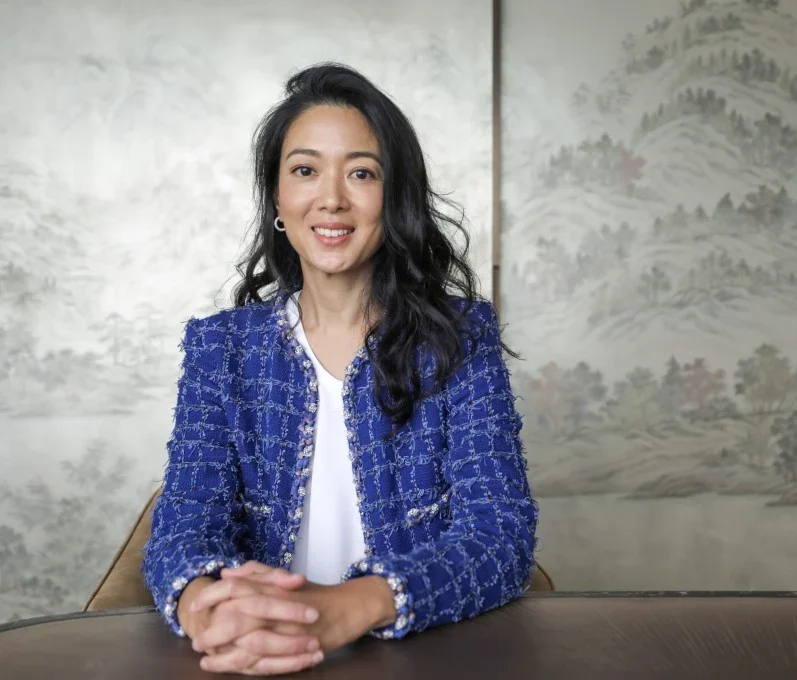
Kuok Hui Kwong, chairman and executive director of Shangri-La Asia, will assume the role of chief executive officer effective 1 August. The appointment consolidates leadership within the group as it navigates a challenging operating environment. Kuok, 47, was appointed as an executive director in June 2016 and elevated to chairman six months later. The company stated the dual role under Kuok’s leadership is expected to strengthen strategic cohesion and operational execution, ensuring a unified vision across all levels of management. Daughter of Malaysian tycoon Robert Kuok, she is entitled under her current contract to a monthly base salary of HK$576,000, in addition to a discretionary bonus and pension benefits. Kuok holds direct and indirect interests in 95,570,245 shares, listed on both the Hong Kong and Singapore exchanges. For the financial year ended December 2024, Shangri-La Asia reported revenue of US$2.185 billion, marking a 2 per cent year-on-year increase. However, net earnings declined 12.3 per cent to US$161.4 million as a result of elevated operating and financing costs. As at 31 December 2024, the company’s net asset value per share stood at HK$11.32, with an adjusted NAV per share of HK$23.56. Kuok succeeds former CEO Lim Beng Chee, who stepped down in December 2022 but continues to serve as a non-executive director on the board. Lim previously held the role of CEO at CapitaMalls Asia. Shares of Shangri-La Asia listed on the Singapore Exchange last traded at HK$4.72, reflecting a 9.92 per cent decline year to date. -The Edge

News

Uber Partners Baidu to Expand Global Robotaxi Network

Uber has announced a strategic partnership with China’s Baidu to introduce Baidu’s Apollo Go autonomous vehicles on its platform in several international markets outside the United States and mainland China. The companies confirmed on Tuesday that the initial deployment is set to begin later this year, with rollouts planned across Asia and the Middle East. Baidu’s Apollo Go currently operates a fleet of more than 1,000 fully driverless vehicles in 15 cities worldwide, including Dubai and Abu Dhabi. The service has already completed over 11 million rides as of May, underscoring its growing global presence. This collaboration marks another significant step in Uber’s ongoing push to strengthen its position in the competitive robotaxi sector. The ride-hailing giant has formed a series of alliances in recent months as it seeks to outpace rivals such as Lyft in the race to commercialise autonomous vehicle technology. -Reuters

News

Indonesia Enforces Income Tax Collection by eCommerce Platforms

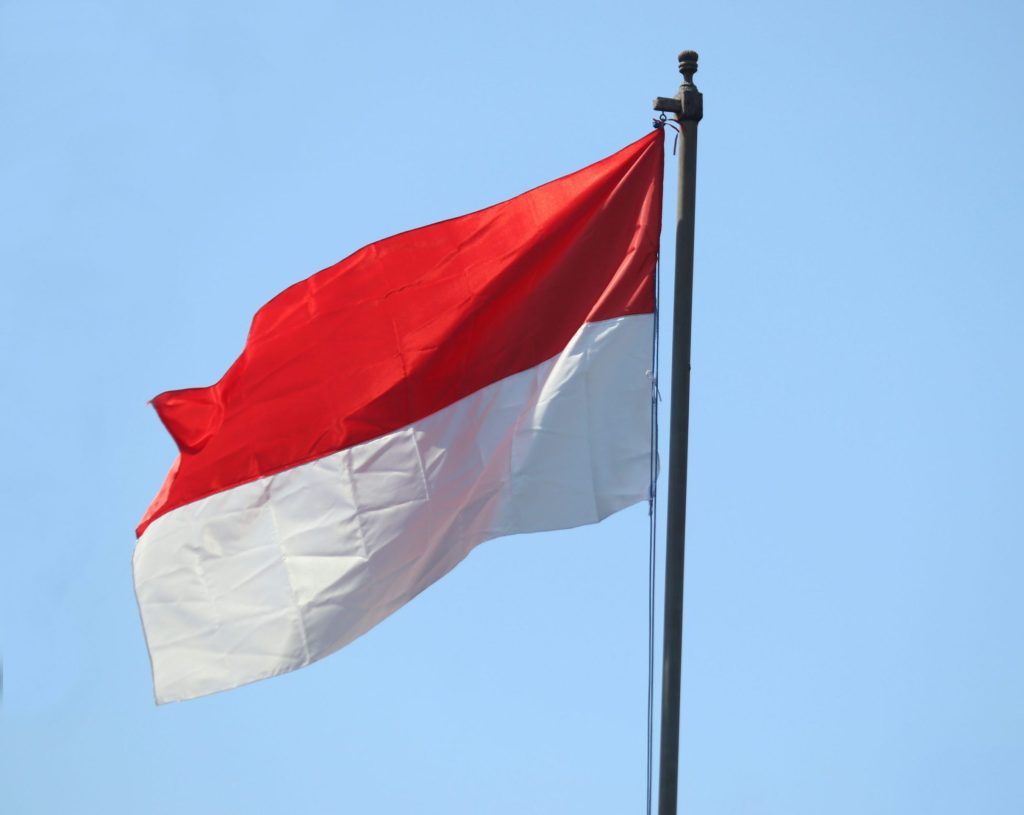
Indonesia’s Ministry of Finance has introduced a regulation requiring eCommerce platforms to collect income tax from sellers, as part of efforts to enhance tax compliance among online merchants. Effective from 14 July, the new directive mandates online marketplaces operating in the country to withhold and remit a 0.5 per cent income tax on sellers with annual earnings exceeding 500 million rupiah. Prominent platforms affected by the regulation include TikTok Shop and Tokopedia, both under China’s ByteDance, Shopee owned by Singapore’s Sea Ltd, Lazada of Alibaba Group, and Blibli operated by Global Digital Niaga, a subsidiary of Indonesia’s Djarum Group. The regulation exempts specific categories of sellers such as courier services, mobile credit vendors and jewellery traders. Under the framework, online merchants are obliged to submit their sales invoice details to their respective eCommerce platforms, which will relay the information to Indonesia’s Tax Directorate General. Although the rule took immediate effect, eCommerce operators have been granted a one-month grace period to achieve full compliance. Rosmauli, spokesperson for the Tax Directorate General, noted that the regulation was implemented in response to a significant surge in online marketplace transactions across Indonesia. This trend, she highlighted, was accelerated by the Covid-19 pandemic and further supported by widespread smartphone adoption, rising Internet penetration and innovations in financial technology that have simplified online transactions. “Therefore, regulation that simplifies tax administration is necessary, particularly for businesses transacting via electronic systems,” Rosmauli said on Monday, as reported by Antara. She emphasised that the initiative also seeks to establish a level playing field between digital and traditional businesses. Similar measures have already been adopted in countries such as Mexico, India, the Philippines and Turkiye. -The Jakarta Post

News

Haloje Delivery Expands Into Singapore After Strengthening Indonesian Presence

Malaysia-based delivery platform Haloje Delivery is set to enter the Singapore market next month, building on its recent expansion into Indonesia as part of a broader strategy to reinforce its Southeast Asian footprint. Operated by Techzilla Global Solution Sdn Bhd, the platform is positioning itself to capitalise on Singapore’s reputation as a logistics and digital hub, which founder and director Jalluddin Abu Hassan described as a strategic choice for its next phase of growth. “Singapore is a mature and competitive market, which makes it ideal for testing and refining our service offerings. We will tailor our services to local needs, focusing on efficiency, punctuality, and technology integration,” Jalluddin told Bernama. Haloje Delivery is also targeting niche cross-border delivery services between Johor Bahru and Singapore, aiming to address a segment that remains underserved by larger platforms. In Indonesia, the company’s subsidiary PT Haloje Delivery Indonesia signed a memorandum of understanding earlier this month with Persatuan Ummat Islam, an organisation with more than 20 million members, to support the development of the digital economy within local communities. Having launched in late 2024 in Bekasi, West Java, approximately 20 kilometres east of central Jakarta, Haloje Delivery currently offers a range of services including food delivery, courier services, medicine delivery, groceries, and mobile prepaid credit top-ups. “Our approach in Indonesia is highly community-based, working closely with local organisations and entrepreneurs to ensure alignment with on-the-ground needs,” Jalluddin said. The company’s regional expansion efforts are supported by the Malaysia Digital X-Port Grant Programme under the Malaysia Digital Economy Corporation (MDEC), which is designed to help Malaysian technology companies scale globally. While operations in Malaysia have already achieved profitability, Jalluddin emphasised that the company is continuing to reinvest in technology, marketing, and talent to drive growth. He revealed that RM800,000 has been invested in Indonesia and RM200,000 in Singapore to date, with active efforts underway to secure additional funding from investors and strategic partners. “We are seeking partners who can offer not just capital, but also strategic value to accelerate our growth across ASEAN,” he said. Established in 2018, Haloje Delivery has been downloaded over 1.6 million times, initially focusing on rural and suburban areas in Malaysia before expanding into urban markets. The platform now holds Malaysia Digital Status and is a key partner in MDEC’s eRezeki programme, a national initiative aimed at empowering lower-income groups by enabling them to earn additional income through digital work. Jalluddin underscored Haloje Delivery’s ambition to become the leading community-based delivery platform in ASEAN, describing Indonesia and Singapore as critical markets due to their high growth potential and advanced digital readiness. -Bernama

News

Amanah Saham Sarawak Declares Final Dividend of Three Sen Per Unit

Amanah Saham Sarawak (Assar) has announced a final dividend of three sen per unit for the financial year ended 30 June 2025, bringing its total dividend distribution for the year to RM28.76 million. Sarawak Premier Abang Johari Openg said the final dividend will result in a payout of RM14.52 million, benefiting approximately 57,870 investors, according to The Borneo Post. This follows an interim dividend of the same amount distributed in January. The cumulative total dividend distribution since the fund’s restructuring has reached RM42.33 million, which Abang Johari described as a testament to prudent and forward-looking investment management. He emphasised that the fund has remained stable and resilient despite heightened global market volatility triggered by trade tensions following former US president Donald Trump’s reciprocal tariffs and ongoing conflict in the Middle East. “While the net asset value also experienced fluctuations in line with the market, volatility was well managed thanks to prudent and disciplined asset allocation strategies,” he said. Assar chief executive officer Norlia Madon reported a gross income of RM38.39 million for the 2025 financial year. The total included RM16.35 million from interest on fixed-income securities, RM13.96 million in capital gains from equity disposals, RM5.15 million in equity dividends, and RM2.93 million from money market instruments and capital gains on fixed-income securities. After deducting RM5.70 million in expenses, the fund recorded a net income of RM32.69 million. -FMT

News

CelcomDigi Retail Transformation Boosts Productivity Over 20 Percent Post Merger

CelcomDigi Bhd has reported a productivity increase exceeding 20 percent across its reimagined retail outlets, following an extensive revamp designed to offer a more immersive and digitally enhanced customer experience. This milestone comes in the wake of the merger between Celcom’s Blue Cube outlets and Digi stores, which have since been consolidated under a unified retail strategy and upgraded to reflect the group’s evolving vision. Chief Executive Officer Datuk Idham Nawawi highlighted that the refreshed outlets demonstrate CelcomDigi’s commitment to providing personalised experiences aligned with modern digital lifestyles. “These stores are pivotal touchpoints in CelcomDigi’s broader retail transformation strategy, following the merger between Celcom and Digi two years ago. We currently operate 61 self-owned outlets,” he said during an exclusive media walkthrough. The tour, held at The Gardens Mall, showcased the first CelcomDigi Life flagship store introduced since the merger. The second flagship outlet is located at Sunway Pyramid. “This transformation is not solely about numbers. It represents a physical manifestation of a fully integrated digital lifestyle ecosystem, encompassing health, entertainment and smart living,” Idham explained. The flagship outlet also brings several firsts to CelcomDigi’s service offerings, including a pioneering “retail-in-retail” model established through strategic collaborations with Samsung, Disney and Marvel. These partnerships are central to delivering the next generation of retail experiences. “CelcomDigi Life stores are not merely about selling devices. They are designed to enable and enrich every aspect of our customers’ digital lifestyles. We currently operate over 10,000 retail touchpoints nationwide and plan to expand further to serve wider geographies,” Idham added. -Bernama

Investment & Market Trends, News

PNB Ranked Malaysia’s Top Sovereign Investor and Climbs to 17th Globally

Permodalan Nasional Bhd (PNB) has been named Malaysia’s leading sovereign investor and ranked 17th globally in the 2025 Governance, Sustainability and Resilience (GSR) Scoreboard released by United States-based research firm Global SWF. The GSR Scoreboard is widely regarded as a benchmark for best practices among state-owned investors worldwide, assessing over 200 sovereign wealth funds (SWF) and public pension funds on governance standards, sustainability commitments and institutional resilience. In its statement today, PNB reported an overall score of 84 per cent, achieving a perfect 10 out of 10 in the sustainability category. This accolade reflects recognition for its climate targets, environmental, social and governance (ESG) integration, and transparency in reporting. “This ranking highlights the significant progress PNB has made in strengthening governance, embedding sustainability throughout its investment processes and enhancing long-term institutional resilience,” the fund said. PNB Deputy President and Group Chief Executive Datuk Rick Ramli noted the achievement underscores the organisation’s efforts to embed responsible and sustainable practices across its operations and investment activities. “It is also a strong encouragement for us to continue driving long-term value creation for our unit holders and the broader Malaysian economy, consistent with PNB’s purpose of uplifting the financial lives of Malaysians across generations,” he said. PNB reported notable progress towards its climate goals, including a 98 per cent reduction in Scope 1 and 2 emissions from its 2022 baseline, supporting its ambition to achieve net zero operations by 2025. At the portfolio level, the fund aims to reach a net-zero investment portfolio by 2050 and has already channelled RM5.5 billion into green and transition assets, representing 55 per cent of its RM10 billion target by 2030. Since 2023, PNB has implemented a living wage policy for its employees and is actively encouraging its investee companies to adopt similar practices under the government’s GEARuP initiative. -Bernama

News

Gamuda JV to Drive RM5 Billion Water Infrastructure Project in Perak

Gamuda Bhd and Perbadanan Kemajuan Negeri Perak (PKNPk) have been appointed by the Perak state government to jointly develop and operate water treatment and distribution infrastructure in Kerian, Northern Perak. The project is part of the Northern Perak Water Supply Scheme (NPWSS), a strategic initiative with an estimated development value of RM5 billion. Launched by the Perak state and federal governments, the scheme is designed to address persistent water shortages affecting irrigation, domestic and industrial needs in the region. Under the appointment terms, the Gamuda-PKNPk joint venture will undertake the development and operation of the infrastructure on a minimum 40-year concession basis. The joint venture will supply treated water to the upcoming Kerian Integrated Green Industrial Park, while surplus treated water will be channelled to the neighbouring state of Penang. The NPWSS includes the transfer of 1,500 million litres per day (MLD) of raw water from Sungai Perak to the Bukit Merah Dam, with 500 MLD allocated for immediate irrigation needs in Northern Perak. The remaining water will be treated for domestic and industrial use across the state. The privatisation agreement is expected to be finalised within 90 days of the appointment to ensure the timely implementation of the scheme, which is targeted for completion by 2030. The project remains subject to approvals from the relevant regulatory authorities. Gamuda Engineering Sdn Bhd executive director Faris Mohd Yusof said the appointment represents a significant milestone in Northern Perak’s long-term water security strategy. “We are pleased to have been entrusted with the opportunity to jointly develop a key component of the NPWSS scheme for our home state of Perak. We are committed to ensuring the critical delivery of water for the state with a focus on local workforce and community development,” he said. Faris highlighted the group’s expertise in water-related infrastructure, referencing past projects such as the Skim Bekalan Air Fasa 3 Sungai Selangor and the Smart Tunnel. He added that Gamuda’s experience in water treatment plants, distribution networks and tunnelling positions the group strongly to deliver the essential infrastructure. Gamuda has also played a role in other major water infrastructure developments, including the RM4 billion Sungai Perak Raw Water Transfer Scheme, slated to begin construction in 2026, and the RM1.97 billion Sungai Rasau Water Supply Scheme Stage 1, which is currently underway and expected to complete by mid-2025. Additionally, the group holds a 75 per cent stake in the Ulu Padas hydroelectric project in Sabah, valued between RM3 billion and RM4 billion, with commercial operations scheduled for 2030. -The Star

Scroll to Top

Subscribe
FREE Newsletter