News

News

G7 Agrees to Exempt US Multinationals from 15% Global Minimum Tax

The Group of Seven (G7) nations announced on Saturday that they have reached a significant agreement to exempt United States multinational corporations from the global minimum tax regime applied by other countries. This marks a notable diplomatic success for the administration of President Donald Trump, which has lobbied extensively for such a carve-out. According to a statement issued by Canada, which currently holds the G7’s rotating presidency, the accord introduces a “side-by-side” mechanism. Under this framework, US multinational enterprises will be taxed solely within the United States on both domestic and overseas earnings. This dual-track approach is positioned as a stabilising force in the global tax landscape. The agreement, the G7 noted, was facilitated in part by proposed revisions to the US international tax system contained in President Trump’s flagship legislative package — a comprehensive domestic bill still under consideration in Congress. These pending tax changes were key to shaping the compromise. “The side-by-side system could provide greater stability and certainty in the international tax system moving forward,” the statement said, emphasising a long-term vision of reduced friction in cross-border tax administration. The development is the latest evolution in global tax reform efforts that have gained traction since 2021, when nearly 140 countries reached a landmark accord under the aegis of the Organisation for Economic Co-operation and Development (OECD). That initiative, which drew heavy criticism from President Trump at the time, was built on two foundational “pillars”. The second of these mandates a minimum global corporate tax rate of 15%. Although the G7 has expressed unanimous support for the exemption of US firms, the final decision rests with the OECD, which must formally endorse any deviation from the global framework. In its communiqué, the G7 stated its commitment to “expeditiously reaching a solution that is acceptable and implementable to all.” On Thursday, US Treasury Secretary Scott Bessent foreshadowed the announcement, citing progress toward a “joint understanding among G7 countries that defends American interests.” He also made an appeal to US legislators to eliminate Section 899 from the Trump administration’s legislative agenda. Section 899, informally labelled a “revenge tax”, would permit Washington to impose additional levies on foreign-owned corporations and investors originating from jurisdictions perceived to enforce discriminatory taxation on American businesses. The clause has provoked apprehension among global investors, who argue that it could deter foreign direct investment into the US. The agreement reached by the G7 signals an important pivot in global tax diplomacy and underscores the influence of US domestic policy debates on international fiscal architecture. -AFP

News

PayNet Collaborates with Alipay+ and Weixin Pay to Enhance Tourist Spending in Malaysia

Payments Network Malaysia (PayNet) has announced a strategic partnership with Alipay+ and Weixin Pay to stimulate inbound tourist expenditure, particularly from Chinese and regional travellers, by enhancing access to digital payment services across Malaysia. This collaboration will activate three summer campaigns integrated with the DuitNow QR ecosystem, Malaysia’s national interoperable QR code standard, which currently connects to over 2.5 million merchants. Visitors can transact directly using their existing mobile wallets without the need to download additional applications. Participating merchants include a broad spectrum of businesses, ranging from retail outlets and dining establishments to tourism service providers. The initiative seeks to improve the convenience of cross-border payments while driving the adoption of digital solutions among micro, small and medium-sized enterprises (MSMEs) nationwide. Alipay+ currently facilitates the use of 15 international e-wallets in Malaysia, including Alipay for users from China. PayNet reports that DuitNow QR transactions made through Alipay+ during the December 2024 travel period generated six times more revenue for local merchants compared to the same period in the previous year. Running from 26 June to 14 July, the first of the summer campaigns features a lucky draw for AlipayCN and Alipay+ users transacting via DuitNow QR, with prizes including an all-expenses-paid trip for two to watch the Arsenal–Tottenham Hotspur match in Hong Kong. A second initiative, “Eat, Play & Save”, operates from 15 June to 30 September, offering discounts at selected food and tourism-related merchants. From 15 July to 15 September, Weixin Pay users will be able to collect digital badges through DuitNow QR purchases, which can be redeemed for discount vouchers. Additionally, Weixin Pay customers will benefit from preferential foreign exchange rates when using DuitNow QR in Malaysia. PayNet projects that participating businesses could see up to a 20% uplift in sales as a result of the campaigns. “This is what smart tourism looks like: seamless for travellers, transformative for our MSMEs. By enabling tourists to use their home wallets via DuitNow QR, we are opening up more than 2.5 million Malaysian businesses, many of them small and family-run, to global spending power. It’s a digital solution with real-world economic impact,” said Gary Yeoh, Chief Marketing Officer at PayNet. The organisation is targeting a more than 130% year-on-year increase in DuitNow QR transactions through Alipay+ and Weixin Pay in 2025. Payments Network Malaysia (PayNet) has announced a strategic partnership with Alipay+ and Weixin Pay to stimulate inbound tourist expenditure, particularly from Chinese and regional travellers, by enhancing access to digital payment services across Malaysia. This collaboration will activate three summer campaigns integrated with the DuitNow QR ecosystem, Malaysia’s national interoperable QR code standard, which currently connects to over 2.5 million merchants. Visitors can transact directly using their existing mobile wallets without the need to download additional applications. Participating merchants include a broad spectrum of businesses, ranging from retail outlets and dining establishments to tourism service providers. The initiative seeks to improve the convenience of cross-border payments while driving the adoption of digital solutions among micro, small and medium-sized enterprises (MSMEs) nationwide. Alipay+ currently facilitates the use of 15 international e-wallets in Malaysia, including Alipay for users from China. PayNet reports that DuitNow QR transactions made through Alipay+ during the December 2024 travel period generated six times more revenue for local merchants compared to the same period in the previous year. Running from 26 June to 14 July, the first of the summer campaigns features a lucky draw for AlipayCN and Alipay+ users transacting via DuitNow QR, with prizes including an all-expenses-paid trip for two to watch the Arsenal–Tottenham Hotspur match in Hong Kong. A second initiative, “Eat, Play & Save”, operates from 15 June to 30 September, offering discounts at selected food and tourism-related merchants. From 15 July to 15 September, Weixin Pay users will be able to collect digital badges through DuitNow QR purchases, which can be redeemed for discount vouchers. Additionally, Weixin Pay customers will benefit from preferential foreign exchange rates when using DuitNow QR in Malaysia. PayNet projects that participating businesses could see up to a 20% uplift in sales as a result of the campaigns. “This is what smart tourism looks like: seamless for travellers, transformative for our MSMEs. By enabling tourists to use their home wallets via DuitNow QR, we are opening up more than 2.5 million Malaysian businesses, many of them small and family-run, to global spending power. It’s a digital solution with real-world economic impact,” said Gary Yeoh, Chief Marketing Officer at PayNet. The organisation is targeting a more than 130% year-on-year increase in DuitNow QR transactions through Alipay+ and Weixin Pay in 2025. -Fintech News

News

CIMB Group Names Datuk Syed Zaid Albar as Incoming Group Chairman

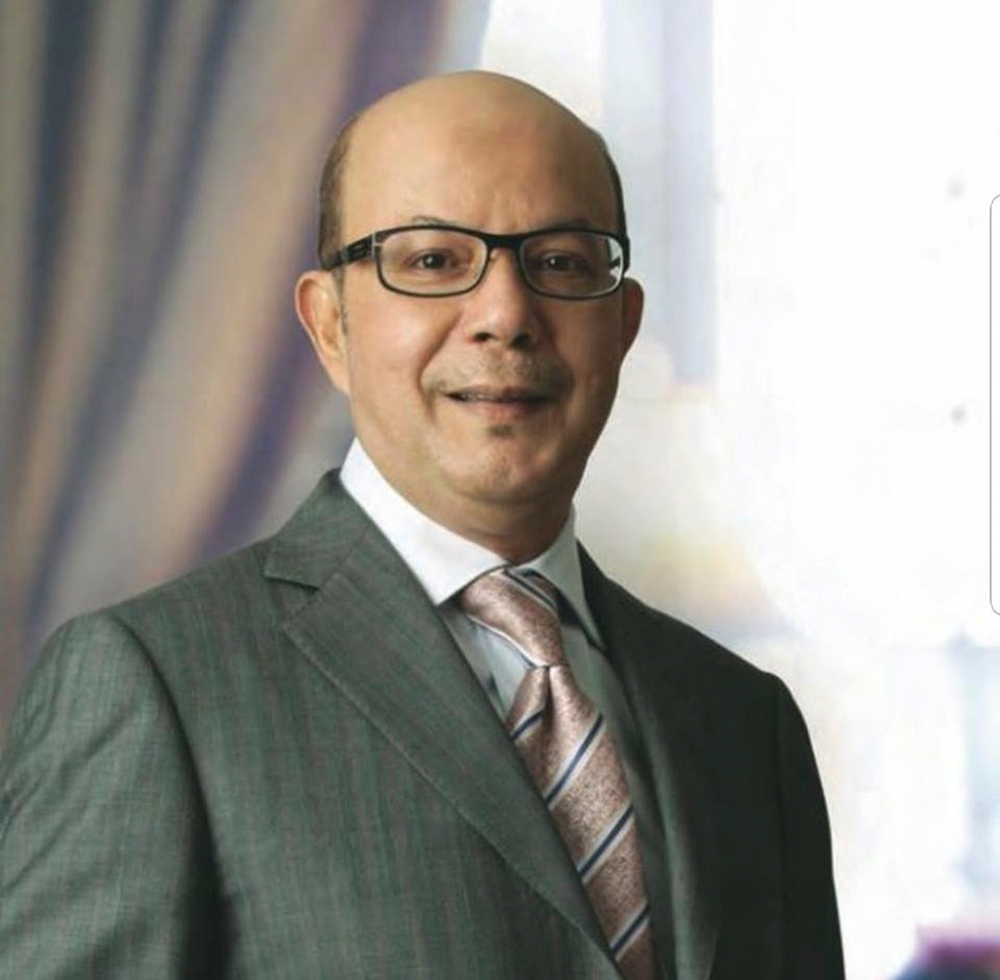
CIMB Group Holdings Berhad has announced the appointment of Datuk Syed Zaid Albar as its next Group Chairman, with effect from 20 July 2025. This appointment follows the scheduled retirement of Tan Sri Mohd Nasir Ahmad, who will step down from the Board on 19 July 2025. In preparation for this leadership transition, Datuk Syed Zaid will join the Board as an Independent Non-Executive Director on 18 June 2025. Tan Sri Mohd Nasir, speaking on behalf of the CIMB Group Board of Directors, expressed confidence in his successor, stating that Datuk Syed Zaid’s extensive expertise in law, financial services, and regulatory oversight would bring a valuable perspective to the Group’s strategic direction. He noted that Datuk Syed Zaid’s leadership is expected to provide critical guidance in driving the Forward30 strategic plan as the Group enters its next phase of growth and transformation. Datuk Syed Zaid brings with him four decades of legal experience, having made a distinguished impact on Malaysia’s capital markets, particularly in debt and equity financing, including Islamic finance. A founding partner of Albar & Partners, he has been consistently recognised for his role in significant capital market transactions and legal advisory excellence. In 2018, he stepped away from legal practice to assume the position of Executive Chairman of the Securities Commission Malaysia (SC), where he served until mid-2022. During his tenure, Datuk Syed Zaid was instrumental in enhancing regulatory frameworks and governance across Malaysia’s capital markets. He represented the SC on key domestic and international platforms, including the Bank Negara Malaysia Financial Stability Committee and the Board of Trustees of the Financial Reporting Foundation. Internationally, he served as a board member of the International Organisation of Securities Commissions (IOSCO), its Asia Pacific Regional Committee, and the ASEAN Capital Markets Forum, fostering regional capital market integration and development. He returned to Albar & Partners in 2023 as a senior partner, focusing on advisory work and professional development. His prior board experience includes directorships at several publicly listed companies, such as Yinson Holdings Berhad, Cycle & Carriage Bintang Berhad, Malaysian Pacific Industries Berhad and Malaysia Building Society Berhad, underscoring his commitment to corporate governance and leadership. Welcoming the appointment, CIMB Group Chief Executive Officer Novan Amirudin expressed optimism about Datuk Syed Zaid’s stewardship. He highlighted the alignment between the incoming Chairman’s leadership and the Group’s ambition under its Forward30 strategy, which seeks to reimagine banking and embed CIMB into the daily lives of its customers across ASEAN. The Group also paid tribute to outgoing Chairman Tan Sri Mohd Nasir Ahmad for his decade of service on the Board, including his leadership as Chairman since 2018. His tenure has seen CIMB’s evolution into one of ASEAN’s leading banking groups. As at 31 December 2024, CIMB reported total assets of RM755.1 billion, with a market capitalisation of RM75.2 billion as of 31 March 2025.

News

INV New Material Opens RM3.2 Billion Smart Battery Separator Facility in Penang

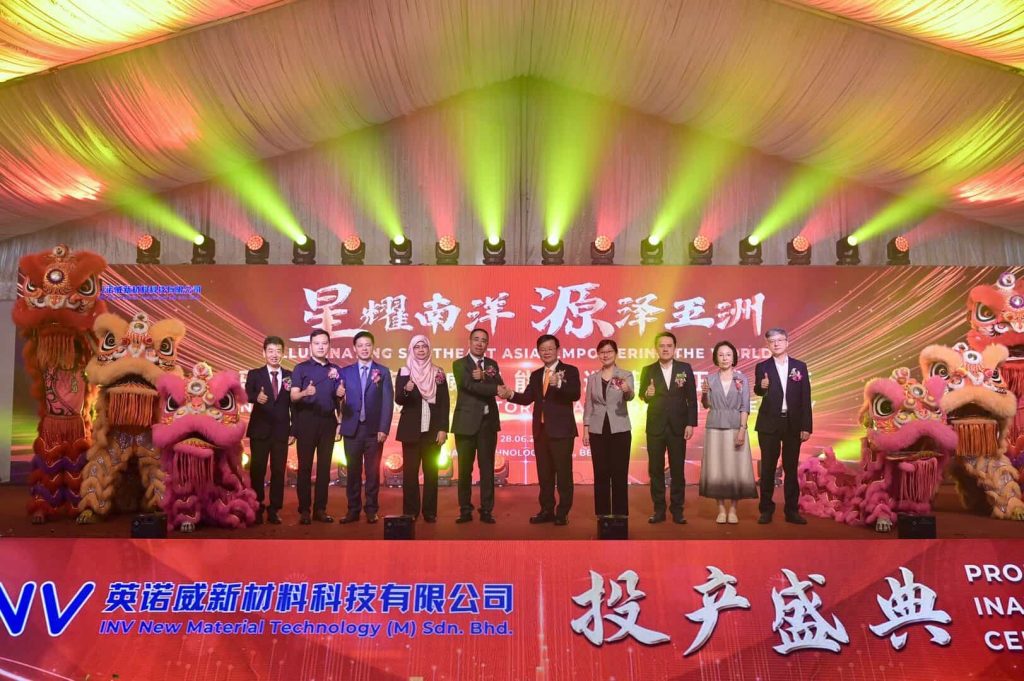
INV New Material Technology (M) Sdn Bhd, a subsidiary of China-based Shenzhen Senior Technology Material Co Ltd, has officially commenced operations at its RM3.2 billion manufacturing facility in Penang, signalling a significant enhancement to Malaysia’s position in the global lithium-ion battery supply chain. Situated within the Penang Technology Park @ Bertam, the 26.7-hectare site is set to become the world’s largest production base for wet-process and coated battery separators. The milestone was marked by an opening ceremony officiated by Penang Chief Minister Chow Kon Yeow, with senior company leadership including INV’s Chief Executive Officer Liu Rui and Shenzhen Senior Technology Material Co Ltd Chairman Datuk Chen Xiu Feng in attendance. Datuk Chen emphasised that Penang’s well-established industrial base and Malaysia’s competitive manufacturing landscape made the region an ideal destination for this strategic investment. He highlighted the country’s central location in Southeast Asia as a distinct advantage for international trade and regional connectivity. “With Malaysia as our pivot, we will provide localised, zero-distance service to international clients beyond Greater China. This is the essence of our vision for Illuminating Southeast Asia – positioning Penang as a hub connecting ASEAN to the world in lithium battery innovation,” he stated. The new smart factory is underpinned by state-of-the-art technologies, prioritising sustainability and innovation throughout its operations. In addition to job creation and economic stimulation, the company has committed to community development initiatives and collaboration with local universities to support research in advanced battery materials. The facility represents a major advancement in Malaysia’s green technology landscape and reinforces the nation’s attractiveness as a regional hub for next-generation manufacturing and clean energy innovation. According to Chen, total investment in the site will reach RM6.4 billion, with Phase 2 of the development currently underway and projected for completion by 2027. Once fully operational by June 2027, the facility is expected to produce two billion square metres of high-performance battery separators annually, securing an estimated 15 per cent share of the global market. Chief Minister Chow praised INV’s rapid progress and strategic contributions to the state’s green economy. He noted that INV, incorporated in August 2023, is a critical extension of Shenzhen Senior Technology Material Co Ltd’s global leadership in lithium-ion battery separator R&D. “With applications spanning electric vehicles, energy storage, aerospace and electronics, INV’s presence here adds depth and value to Penang’s growing green technology and energy ecosystem,” Chow said. He further noted that the facility is anticipated to generate 1,200 skilled jobs, contributing meaningfully to local talent development and aligning with Penang’s vision of promoting high-value industries.

News

Russia–ASEAN Nuclear Energy Partnership Set to Unlock US$62 Billion in GDP Value

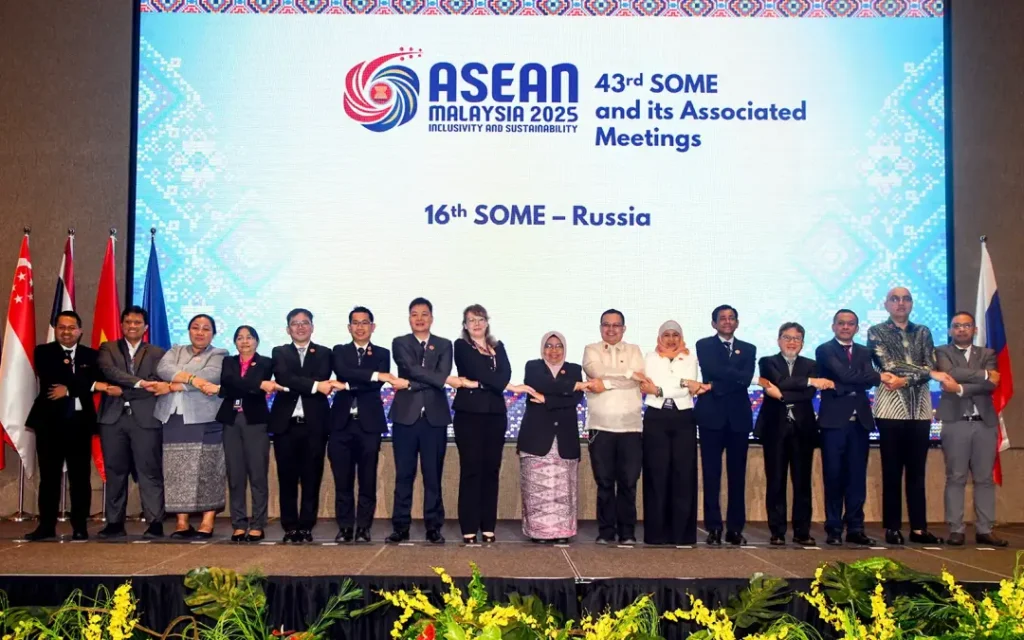
Ongoing collaboration between Russia and ASEAN nations in the energy sector is positioned to catalyse the development of a regional nuclear energy market, delivering extensive economic and strategic benefits, according to industry analysts. Elena Burova, Senior Research Fellow at the Institute of China and Contemporary Asia, identified nuclear energy as one of the most dynamically evolving sectors in the global energy landscape. She highlighted that nuclear energy projects are not only capital-intensive but also deliver significant multiplier effects across national economies. “A large-scale nuclear power plant in ASEAN could contribute as much as US$62 billion to regional GDP, create over 20,000 jobs during construction, and sustain 7,000 permanent roles in operations and related industries,” Burova said. The remarks followed the 43rd ASEAN Senior Officials’ Meeting on Energy, convened earlier this month in Kuching, Sarawak. During the event, ASEAN and Russia launched the ASEAN–Russia Capacity Building on Energy Statistics project and renewed their energy cooperation framework for the period 2026–2028. Elena Vikulova, Deputy Head of Russia’s Directorate of International Cooperation, underscored the potential for deeper engagement between ASEAN and Russia, given the region’s accelerating energy requirements. Malaysia has also made notable strides in exploring nuclear energy. Deputy Prime Minister Fadillah Yusof confirmed in April that the International Energy Agency would support Malaysia in developing policies related to nuclear energy exploration. Yusof is currently on a working visit to Russia until 28 June, with nuclear cooperation high on the agenda. His visit follows Prime Minister Anwar Ibrahim’s earlier trip to Moscow, where nuclear energy emerged as a key area of bilateral interest. The zero-emission and reliable nature of nuclear energy has gained increasing traction among ASEAN nations as they seek to advance their energy transition objectives. In a related development, Bloomberg reported that Vietnam is seeking urgent negotiations with Russia to formalise an investment cooperation agreement concerning the Ninh Thuan 1 nuclear power project, targeted for discussion in August. The initiative was previously shelved in 2016 due to high costs and safety concerns but is being revisited to enhance energy security and support the country’s economic growth trajectory. Burova noted that Russia, through its state-owned nuclear entity Rosatom, possesses significant expertise in nuclear development. Since its inception in 2007, Rosatom has constructed over 110 nuclear reactor units and is currently responsible for 22 out of 24 reactor builds under export contracts. “Rosatom brings a competitive advantage by supporting local job creation across ASEAN economies,” Burova added. “This includes the localisation of manufacturing and engineering for heavy and specialised equipment, as well as sourcing local labour, construction materials and other site-specific resources.” As energy demands in Southeast Asia continue to climb, nuclear energy cooperation with Russia could become a cornerstone of regional energy policy, bolstering long-term sustainability, employment and industrial capability. -FMT

News

MITI Drives ASEAN Youth Entrepreneurship with Digital Economy Pact and NIMP 2030

The Ministry of Investment, Trade and Industry (MITI) is intensifying efforts to empower young entrepreneurs in Malaysia and across ASEAN, in tandem with the country’s current role as ASEAN chair, said Minister of Investment, Trade and Industry, Tengku Datuk Seri Zafrul Abdul Aziz. Speaking at the closing keynote of the Nusantara Youth Forum 2025 in Putrajaya, Tengku Zafrul underscored MITI’s commitment to regional youth entrepreneurship through pivotal initiatives such as the ASEAN SME Academy and the Digital Economy Framework Agreement (DEFA). DEFA, described as the world’s first regional digital economy treaty, is expected to expand ASEAN’s digital economy to over US$2 trillion by 2030 while creating millions of jobs. “These are not just statistics; they are doorways to your future,” Tengku Zafrul emphasised, noting the transformative potential these initiatives hold for aspiring entrepreneurs across the region. He also highlighted how Malaysia’s long-term economic strategy is aligned with regional goals. “Through the New Industrial Master Plan 2030 (NIMP 2030), Malaysia is transforming our industrial landscape by focusing on high value-added sectors, advanced manufacturing, and future-oriented skills,” he said. NIMP 2030 aims to generate quality employment and maintain the global competitiveness of Malaysia’s key industries, particularly in the electrical and electronics sectors as well as green technology. “NIMP’s core mission is to ensure our industries remain globally competitive, resilient, and sustainable,” Tengku Zafrul added. The minister further stated that national frameworks such as NIMP not only advance Malaysia’s own development but also reinforce broader ASEAN efforts. “They complement regional initiatives like DEFA and the ASEAN SME Academy, creating a seamless ecosystem that supports youth – from upskilling and financing to market access – so you can truly take your ideas from the region to the world,” he explained. Tengku Zafrul also addressed the vital role of arts and culture in economic and social development, pointing out that the creative sector is often undervalued. “The truth is, culture and creativity are economic engines, identity builders, and bridges between nations,” he said. He noted that ASEAN’s creative industries, including music and film, are rapidly gaining global recognition. In closing, the minister stressed the significance of youth-led entrepreneurship as a catalyst for economic growth and societal progress. “Today, the most exciting businesses in Malaysia, and indeed throughout ASEAN, are being founded, led, and grown by youths. Whether you are developing tech solutions, running sustainable farms, designing innovative products, or launching platforms for social impact, you show the world what is possible when ambition is united with purpose,” he said. -Bernama

Investment & Market Trends, News

Google to Invest RM9.4 Billion in Malaysia, Creating Over 26,000 Jobs

Google’s landmark RM9.4 billion investment in Malaysia is set to generate 26,500 jobs and contribute RM15.04 billion in long-term economic impact, according to Investment, Trade and Industry Minister Tengku Datuk Seri Zafrul Abdul Aziz. The investment will see the establishment of Google’s first data centre and Google Cloud Region in the country, representing a significant strategic milestone in Malaysia’s digital transformation agenda. Tengku Zafrul described the move as a “multi-faceted strategic boost” to the nation’s aspirations in the digital economy. The minister, currently on a working visit to Washington, United States, confirmed in a social media statement that discussions with Google focused on advancing Malaysia’s capabilities in artificial intelligence and cloud computing, enhancing cybersecurity, and developing digital skills within the local workforce. He reaffirmed the government’s commitment to ensuring a conducive environment for high-quality, forward-looking investments, underscoring strong support for digital infrastructure and innovation. According to national news agency Bernama, the discussions aimed to explore how Google’s technological leadership can further stimulate growth across Malaysia’s digital ecosystem. Malaysia’s position as a premier destination for data centre investment in Southeast Asia continues to strengthen. In May, Malaysia Digital Economy Corporation (MDEC) chief executive officer Anuar Fariz Fadzil stated that the country is increasingly viewed as a key regional hub by global technology players. He attributed this to stable governance, a well-articulated digital strategy, and strong institutional collaboration. Investor confidence, Anuar noted, is further bolstered by reliable power infrastructure, low exposure to natural disasters, effective public-private partnerships and a clear commitment to sustainability. -NST

News

HDB Financial Draws Strongest Investor Demand for Indian IPOs in Four Years

HDB Financial Services Ltd’s US$1.5 billion (approximately RM6.34 billion) initial public offering has emerged as the most actively subscribed major Indian listing in at least four years, driven by robust demand from both foreign and domestic institutional investors. The non-banking financial arm of HDFC Bank Ltd, India’s leading private sector lender, attracted bids exceeding two billion shares by Friday afternoon in Mumbai, significantly surpassing the 130.4 million shares on offer, according to data published by the Bombay Stock Exchange. Participation was led by global institutional investors, domestic mutual funds and financial institutions. High net-worth individuals—those placing bids exceeding one million rupees (RM49,000)—also demonstrated significant interest. Meanwhile, the retail portion earmarked for small investors was fully subscribed. With demand for the issue exceeding available shares by over 15 times, HDB Financial’s listing represents the most substantial oversubscription since food delivery platform Eternal Ltd’s US$1.4 billion IPO, which drew more than 29 times coverage, exchange records show. This offering comes at a time of renewed confidence in Indian equity markets, as the NSE Nifty 50 Index edges to within 5% of its record high from September. The strong reception signals resurging appetite for large-scale public issues and could set the tone for several high-profile deals anticipated later this year, including prospective listings from Tata Capital Ltd and LG Electronics Inc’s India unit. India has re-emerged as one of the most dynamic global markets for equity fundraising in 2024. Following a period of subdued activity, IPOs, block trades and institutional placements have gained renewed momentum. HDB Financial secured 33.7 billion rupees through its anchor book allocation, with key institutional participants including Life Insurance Corporation of India—the country’s largest insurer—and a range of domestic mutual funds. Notably, global asset managers such as Morgan Stanley and Allianz SE were also among the cornerstone investors. -Bloomberg

News

CarUX Acquires Japan’s Pioneer in $1.1 Billion Deal to Expand Automotive Tech Portfolio

CarUX, a smart cockpit solutions provider and subsidiary of Taiwan’s leading display manufacturer Innolux Corporation, has announced the acquisition of Japan’s Pioneer Corporation in a landmark transaction valued at 163.6 billion yen (approximately $1.1 billion). The agreement, signed with global investment firm EQT, will see CarUX assume full ownership of Pioneer, a former heavyweight in Japan’s consumer electronics sector. The move is aimed at enhancing CarUX’s footprint in the Asia-Pacific region while significantly expanding its global product portfolio. Pioneer, renowned for its innovation in automotive sound systems and Human Machine Interface (HMI) software, brings decades of experience and a well-established network of automotive partnerships, including with industry giant Toyota. According to CarUX and Innolux Chairman Jim Hung, the acquisition will unlock strategic synergies by integrating CarUX’s display and touch technology expertise with Pioneer’s established audio and software capabilities. “The acquisition brings strategic synergies for both CarUX and Pioneer,” said Hung, underlining the alignment of the two companies’ technological and operational strengths. The deal arrives at a time when CarUX is preparing for a public listing in the United States, announced earlier this year. The enhanced product offering and broader market access provided by the acquisition are expected to support the company’s growth ambitions on the global stage. Pioneer’s President and CEO Shiro Yahara welcomed the acquisition, stating that the collaboration would enable both companies to “create the future of mobility experiences”. Hung also revealed at a press briefing that Pioneer reported revenue of 240 billion yen in the fiscal year ending March 2024, and maintains a robust financial structure — a factor that was key in finalising the acquisition. Once a trailblazer in consumer electronics, Pioneer made headlines in 1997 for launching the world’s first plasma television. However, amid increasing global competition, the company saw its consumer electronics influence wane. Pioneer was previously acquired in 2018 by Baring Private Equity Asia for $900 million, resulting in its delisting from the Tokyo Stock Exchange. Baring was subsequently acquired by Swedish investment firm EQT AB in 2022. This strategic acquisition marks a significant milestone for CarUX, reflecting its ambitions to lead innovation in next-generation automotive cockpit solutions. -Reuters

Investment & Market Trends, News

NTT Files for S$1.36 Billion Data Centre REIT IPO on Singapore Exchange

Nippon Telegraph and Telephone Corporation (NTT) has submitted a preliminary prospectus for the initial public offering (IPO) of its data centre real estate investment trust, NTT DC REIT, on the Singapore Exchange (SGX), according to a filing published on the Monetary Authority of Singapore’s website. The move marks a significant development in NTT’s strategy to capitalise on growing investor interest in digital infrastructure. While the preliminary filing did not specify the expected IPO size or launch date, sources cited by Reuters earlier indicated the deal could raise up to US$1 billion (approximately S$1.36 billion), positioning it as the largest listing in Singapore in recent years. The last comparable IPO was the US$977 million (S$1.33 billion) listing of Digital Core REIT in 2021, based on LSEG data. NTT DC REIT’s initial portfolio comprises six data centre assets spanning the United States, Austria, and Singapore. The total appraised value of these assets stands at approximately US$1.6 billion (S$2.17 billion), the preliminary prospectus revealed. The REIT’s sponsor is NTT Ltd, the global IT services subsidiary of the Japanese telecommunications group. The offering has attracted strong institutional interest, with cornerstone investors including Singapore’s sovereign wealth fund GIC, AM Squared Ltd, and Viridian Asset Management Ltd. These investors commit to subscribing to shares ahead of the IPO’s public launch, offering early validation of the REIT’s market appeal. NTT declined to comment when approached for further details. The listing comes amid renewed momentum in Singapore’s equities market. In February, the city-state introduced a suite of initiatives aimed at revitalising IPO activity, including a 20% corporate tax rebate for companies undertaking primary listings on SGX. Market activity has responded positively. IPO proceeds on SGX rose more than five-fold in the first half of 2025, reaching US$331.6 million compared to US$59.3 million in the same period last year, according to LSEG data. Separately, Hong Kong-listed China Medical System announced earlier this week that it had applied for a secondary listing on SGX, signalling growing regional interest in Singapore’s capital markets. -Reuters

Scroll to Top

Subscribe
FREE Newsletter