News

News

ONGC Signs Strategic Deal with Mitsui O.S.K. for Ethane Carrier Construction

India’s Oil and Natural Gas Corporation (ONGC) has announced the signing of an agreement with Japan’s Mitsui O.S.K. Lines, the country’s second-largest shipping company, to construct and operate two Very Large Ethane Carriers (VLECs). The collaboration aims to facilitate the transportation of imported ethane to ONGC Petro additions Ltd (OPaL), a wholly owned subsidiary of ONGC. OPaL operates a dual-feed cracker facility, and the imported ethane will serve as a critical feedstock. ONGC has outlined plans to source 800,000 tonnes of ethane annually beginning May 2028, according to a Reuters report earlier this year. The agreement remains subject to final approval by ONGC’s board of directors, the company noted in a formal communication to stock exchanges. -Reuters

News

UOB Collaborates with FMM and SMF to Accelerate Cross-Border Manufacturing Growth

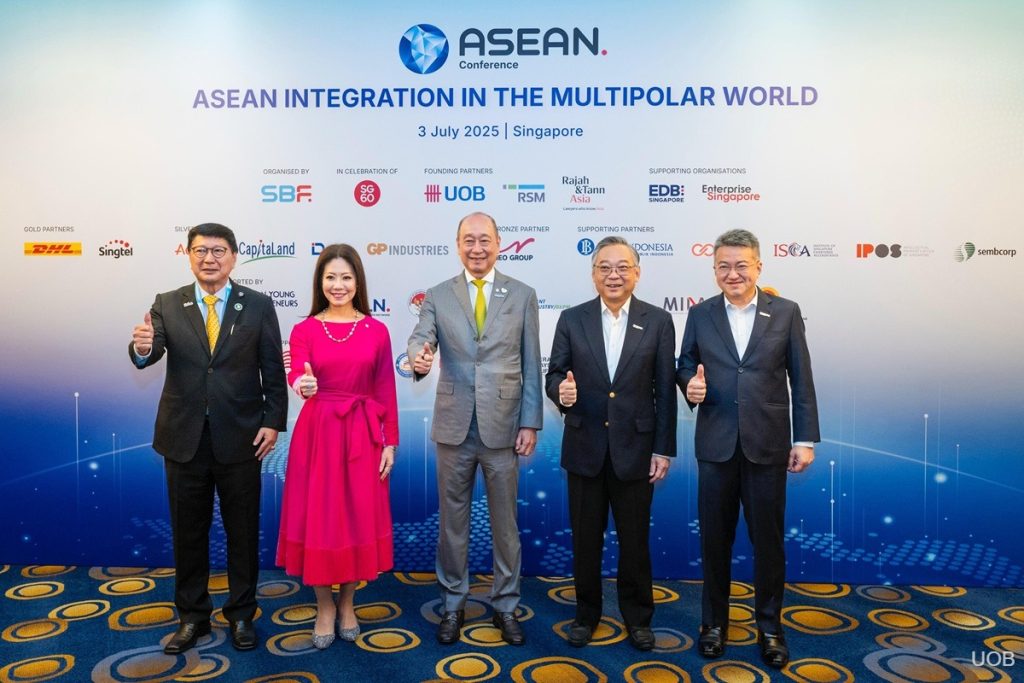
United Overseas Bank (Malaysia) Bhd (UOB Malaysia) has entered into a strategic partnership with the Federation of Malaysian Manufacturers (FMM) and the Singapore Manufacturing Federation (SMF) to strengthen cross-border trade and investment between Malaysia and Singapore. The tripartite memorandum of understanding (MoU) was signed at the ASEAN Conference in Singapore, with the objective of enhancing the Malaysia–Singapore manufacturing corridor. This collaboration leverages UOB’s regional expertise and extensive network to support businesses, particularly small and medium-sized enterprises (SMEs), in scaling their operations, accessing new markets and achieving sustainable growth. The initiative is closely aligned with the momentum created by the Johor–Singapore Special Economic Zone (JS-SEZ), a bilateral government initiative aimed at fostering greater economic integration. In a statement, UOB highlighted its early involvement in the JS-SEZ, having launched key initiatives such as the Green Lane in collaboration with Invest Johor. The bank also established dedicated SEZ Desks and introduced expedited account opening services to facilitate business onboarding. Since 2024, UOB has committed RM11.5 billion in financing to support commercial activities in Johor and is currently facilitating RM10 billion in foreign direct investment (FDI) flows into the zone. Ng Wei Wei, Chief Executive Officer of UOB Malaysia, expressed confidence in the partnership’s potential. “Through this MoU, we look forward to working with FMM and SMF to help their members seize cross-border opportunities and contribute to ASEAN’s industrial growth,” she said. The MoU outlines two primary objectives: to promote bilateral business expansion between Malaysia and Singapore and to enhance joint trade and investment initiatives aimed at reinforcing the regional manufacturing ecosystem. UOB’s role includes providing tailored advisory services, market entry strategies and in-market support to members of both manufacturing bodies. FMM President Tan Sri Soh Thian Lai said the collaboration sets the foundation for new cross-border success stories under the JS-SEZ. He reaffirmed FMM’s commitment to supporting its members in harnessing the potential of this bilateral framework to deepen regional business ties. Lennon Tan, President of the SMF, noted that ASEAN’s global competitiveness depends on the ability of its manufacturers to innovate, scale and connect efficiently. “This tripartite partnership will open clearer paths to capital, talent and technology, enabling sustainable growth and ensuring that the Malaysia–Singapore manufacturing corridor remains competitive and future-ready,” he added. -The Edge

News

Bank Rakyat Affirms Due Process in Termination of Former YBR CEO

Bank Rakyat has clarified that the termination of Syaiful Rizal Abdul Ghani, former Chief Executive Officer of Yayasan Bank Rakyat (YBR), was executed in full compliance with established procedures and applicable legal frameworks. In an official statement, the bank underscored that all decisions relating to the foundation’s management were undertaken through proper governance channels and in accordance with the authority vested under current regulations. “Bank Rakyat prioritises corporate governance, integrity, transparency and accountability across all levels of its operations, including in its capacity as the founding body of YBR,” the statement read. The bank also appealed to the public to refrain from engaging in speculation or disseminating inaccurate information that may contribute to public confusion. It called on all parties to respect the legal process currently underway. The clarification follows a report by Malaysiakini that Syaiful has initiated legal proceedings against YBR, seeking in excess of RM36 million in compensation. The suit, filed on 5 June at the Kuala Lumpur High Court, includes a demand for a declaration that the termination of his contract — along with those of four other senior officers — was unlawful. According to the filing, Syaiful and the other plaintiffs contend that their dismissals were abrupt, without valid justification, and contravened governance protocols. Syaiful further asserted that while his appointment was made by the YBR board of trustees, his termination was carried out by an executive committee that had only recently been established. He claimed this body lacked the legal authority to assume the powers of the board. The additional plaintiffs in the suit are Mukhti Abd Rahman (former Head of Operations), Ghazali Zainal Abidin (Head of Secretariat), Khairul Na’im Aripan @ Arifin (Head of Corporate Administration), and Johary Abdul Jalil (Human Resources and Administration Manager). -FMT

News

Duopharma Biotech Targets Full Utilisation of Expanded Capacity Within Three Years

Duopharma Biotech Bhd is set to leverage increased manufacturing capacity following the commissioning of its new K3 facility in Klang, with analysts projecting full utilisation within the next three years. The new facility has boosted Duopharma’s overall manufacturing capacity by approximately 50%. TA Research reported that management has successfully relocated 90% of production from the legacy K1 plant, originally constructed in the 1980s, to the newly operational K3 site. Current utilisation levels at K3 have already surpassed expectations, primarily supported by the influx of new contracts. The facility is expected to play a central role in meeting growing demand for Duopharma’s pharmaceutical products. In addition to the K3 development, Duopharma is also advancing plans to expand its small volume injectables line at the K2 plant. The company has further outlined its intention to develop a new biological manufacturing facility at the upcoming K5 site in the coming years, signalling a strategic shift towards higher-value product segments. This phased expansion underscores Duopharma’s long-term commitment to increasing its production capabilities and strengthening its position within the pharmaceutical industry. -The Star

News

Tenaga Nasional Faces RM5.05 Billion Tax Hit After Losing Federal Court Appeal

Tenaga Nasional Bhd is facing a substantial tax liability of RM5.05 billion after the Federal Court ruled it is not entitled to claim the reinvestment allowance (RIA), a tax incentive designated for manufacturing entities. The court’s decision, which overturns previous rulings in favour of the utility company, aligns with the position taken by the Inland Revenue Board (IRB). According to Tenaga’s 2024 annual report, the apex court determined that the company, as a utility provider, does not qualify as a manufacturer and should have pursued the investment tax allowance (ITA) under Schedule 7B of the Income Tax Act, rather than RIA under Schedule 7A. The case centred on a RM1.25 billion tax assessment for 2018. Tenaga has indicated that it will now seek to claim ITA under the appropriate provision. However, the company cautioned that the ruling could have material implications for its financial performance and net assets in the 2025 financial year. The tax dispute dates back to 2015, with the IRB having issued RM9.25 billion in additional tax assessments covering the financial years from 2013 to 2021. Following the waiver of RM2.44 billion in penalties through prior settlements, Tenaga’s potential outstanding liability was reduced to RM6.81 billion. A payment of RM1.76 billion was made in December 2020, leaving a remaining exposure of RM5.05 billion. Despite the legal challenges, Tenaga continued to claim the RIA for the years 2022 and 2023 and had intended to do so for 2024, in accordance with prevailing tax legislation. The court’s decision weighed heavily on investor sentiment. Tenaga’s share price declined by as much as 74 sen on Thursday, closing at RM14.02 — its lowest level since early June — and erasing more than RM3 billion in market capitalisation. Trading activity surged to more than four times the 20-day average. Analysts have highlighted the potential risks of significant provisions and broader implications for other pending cases. Nevertheless, sentiment around the stock remains broadly favourable, with 19 “buy” recommendations, four “hold” ratings, and no “sell” calls, according to Bloomberg. Year-to-date, the stock is down approximately 6%, with a 12-month target price of RM16.28, implying a potential upside of 16%. CIMB Securities noted that if Tenaga is required to fully absorb the RM5.05 billion tax charge, its target price could be revised downwards by 87 sen, or 5.5%. However, should Tenaga successfully claim ITA moving forward, the impact on core earnings could be mitigated. While the tax charge may offset the forecasted FY2025 net profit of RM3.78 billion, it is expected to be a non-recurring event. Tenaga delivered strong results in FY2024, posting a 69.3% year-on-year increase in net profit to RM4.69 billion, the highest since FY2018. This performance was underpinned by foreign exchange gains and higher electricity sales. Annual revenue rose 6.9% to RM56.74 billion. For the first quarter of FY2025, Tenaga reported a net profit of RM1.1 billion, representing a 48% increase compared to the same period last year, despite being partially impacted by elevated tax expenses. Quarterly revenue rose 17.6% year-on-year to RM16 billion. As of the end of March, Tenaga reported RM16.8 billion in cash and RM7.05 billion in receivables, deposits and prepayments. -The Edge

News

High Court Declares Fashion Designer Jovian Mandagie Bankrupt Over RM5.28 Million Debt

The High Court (Insolvency Division) has officially declared fashion designer Datuk Jovian Mandagie bankrupt after he failed to settle a RM5.28 million debt owed to engineering and construction firm Cekap Air Sdn Bhd. The ruling was delivered by Senior Assistant Registrar Muhammad Faisal Zulkifli following the approval of a creditor’s petition filed on 20 November 2023. The petition alleged that Jovian, a former son-in-law of ex-prime minister Datuk Seri Ismail Sabri Yaakob, had committed an act of bankruptcy by not complying with a bankruptcy notice issued on 21 May 2023. The total outstanding amount of RM5,284,340.66, inclusive of interest as of 21 May 2023, stems from a summary judgment issued by the High Court on 2 April 2023. The ruling compelled Jovian to repay the loan, which the court found to be enforceable under civil procedures. Legal counsel for Cekap Air, Siti Nur Athirazatti Rohizad, confirmed that the bankruptcy notice was filed after Jovian defaulted on the terms set by the summary judgment. Upon receiving leave to proceed with the notice, the company moved forward with the creditor’s petition, which the court allowed on 3 July 2025. Despite attempts to contest the proceedings, Jovian’s applications to set aside and stay both the bankruptcy notice and the creditor’s petition were dismissed by the court. The loan in question, originally amounting to RM5 million, was the result of a verbal agreement between Jovian and Cekap Air director Yong Zhen Wei, according to court documents. The funds were transferred on 25 February 2022 to a law firm acting on Jovian’s behalf, which subsequently confirmed receipt as instructed. Cekap Air initiated legal action against Jovian on 16 May 2023, citing failure to repay the friendly loan. The High Court’s earlier summary judgment on 2 April 2023 concluded in favour of Cekap Air. Jovian has filed an appeal against the summary judgment in the main suit, which is scheduled to be heard on 15 September 2025. -NST

News

Hong Kong Retail Sales Climb 2.4% in May, Marking First Annual Growth in Over a Year

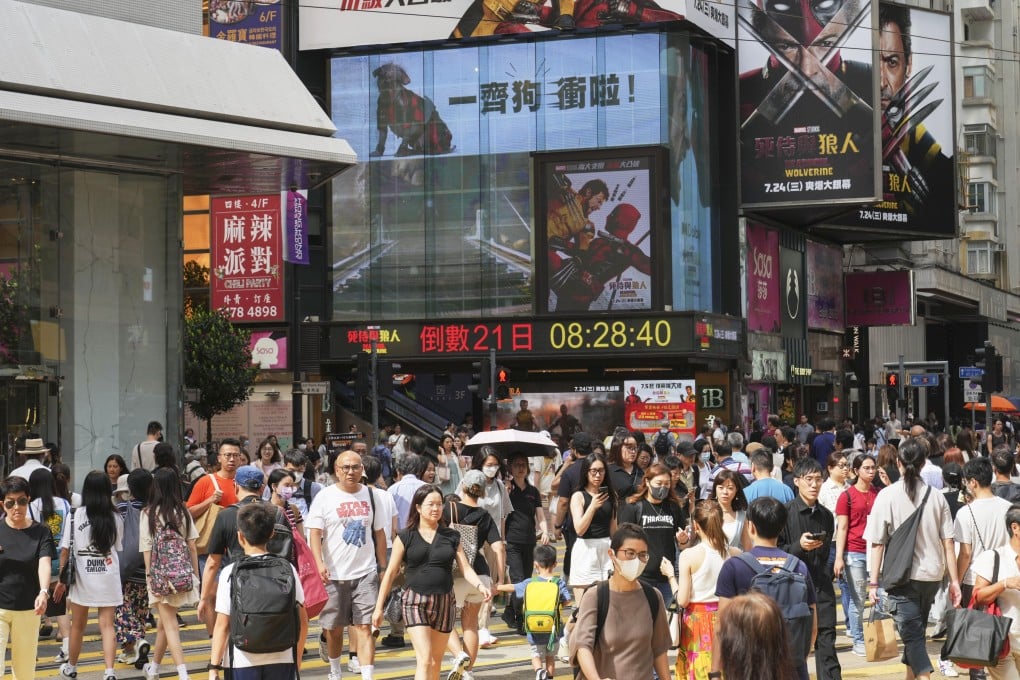
Hong Kong’s retail sector recorded its first annual increase in more than a year, with retail sales by value rising by 2.4 per cent in May, according to official government figures released on Wednesday. The total sales value reached HK$31.3 billion (approximately US$3.99 billion), marking a notable rebound following a 2.3 per cent year-on-year decline in April. In volume terms, retail sales rose 1.9 per cent year-on-year in May, reversing a revised 3.3 per cent contraction in the previous month. The return to positive territory suggests a gradual recovery in consumer sentiment and spending activity, though analysts note that broader economic conditions and tourism flows will remain key factors influencing the pace of retail recovery in the months ahead. -Reuters

News

HD Hyundai Consolidates Construction Affiliates to Accelerate Global Growth

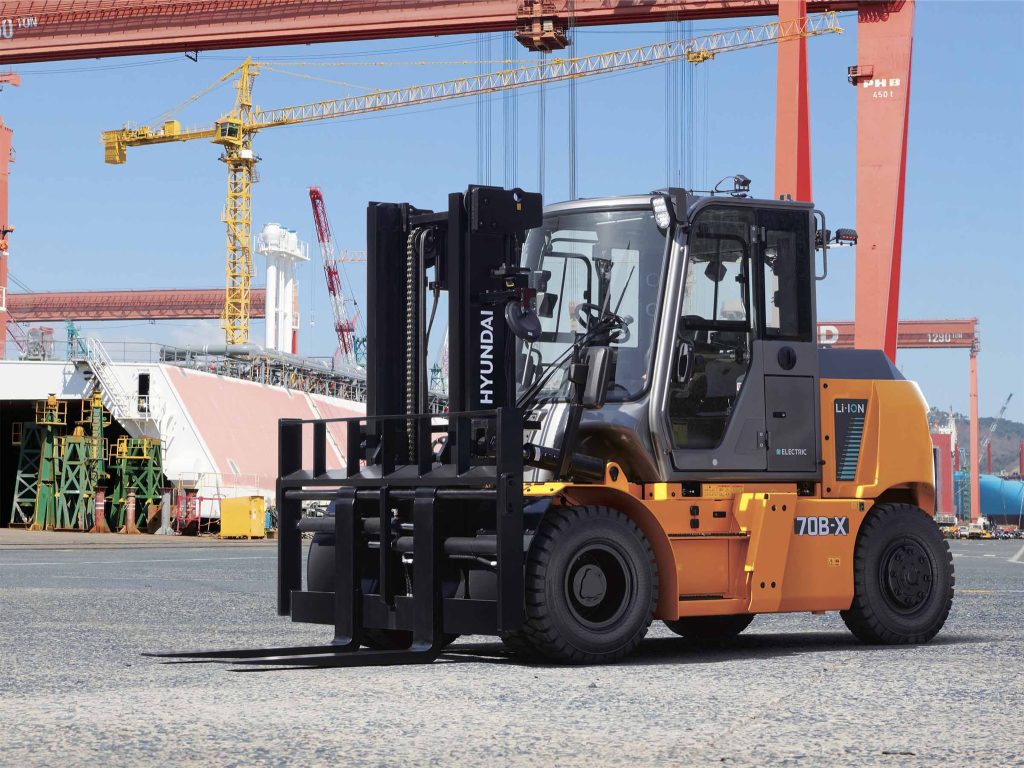
HD Hyundai XiteSolution has announced the merger of its two construction subsidiaries, HD Hyundai Construction Equipment and HD Hyundai Infracore, as part of a strategic initiative to reinforce competitiveness amid evolving industry dynamics. The consolidated entity, provisionally named HD Construction Equipment, is expected to launch on 1 January, following necessary regulatory procedures. The boards of directors of both companies have formally approved the merger in separate meetings, with a temporary shareholders’ meeting scheduled for 16 September and a subsequent review by authorities. HD Hyundai Construction Equipment will serve as the surviving corporation in the transaction. This move reflects HD Hyundai XiteSolution’s strategic response to intensifying global market competition and persistent economic uncertainty. The company emphasised the importance of the merger in securing technological leadership and cost efficiency, essential for long-term sustainability in the construction equipment sector. Currently, the combined annual revenue of the two affiliates stands at approximately ₩8 trillion. The newly merged entity aims to achieve ₩14.8 trillion in annual revenue by 2030. HD Construction Equipment will manage and grow the two flagship brands, Hyundai and Develon, pursuing balanced expansion across core segments including construction machinery manufacturing, engine systems, and aftermarket services. The company will implement a unified decision-making framework to optimise its regional product portfolio and production capabilities. It also plans to expand its presence in the compact equipment segment to offer a full spectrum of construction solutions, further strengthening its market position. Future growth will be underpinned by investments in automation, smart machinery, and integrated solutions enabled through consolidated research and development. This will support HD Construction Equipment’s ambition to lead innovation in construction technologies. As part of the merger agreement, shareholders of HD Hyundai Infracore will receive newly issued shares of HD Hyundai Construction Equipment. Under the approved merger ratio, each common share of HD Hyundai Infracore will be exchanged for 0.16 shares of the surviving company. “This merger will drive sustainable growth for the construction equipment division of HD Hyundai, helping us strengthen our position in the global market and serving as a significant entity in advancing South Korea’s construction equipment industry,” said Cho Young-cheul, Chief Executive Officer of HD Hyundai XiteSolution. -The Korea Herald

News

MMC Port Edges Closer to Malaysia’s Largest IPO in Over a Decade

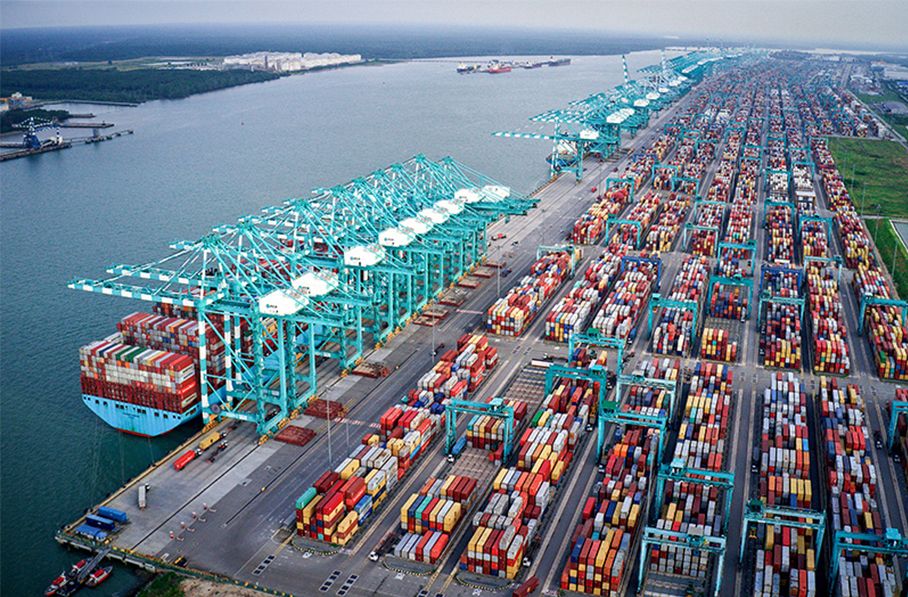
MMC Port Holdings has taken a significant step toward executing what could become Malaysia’s largest initial public offering (IPO) in 13 years, following the submission of its draft prospectus to the Securities Commission Malaysia, as reflected on the regulator’s website on Wednesday. The listing, which will see MMC Corp—the parent company and sole shareholder—divest up to 30 per cent of its stake in MMC Port, could potentially raise more than RM6 billion (approximately US$1.43 billion), according to earlier reporting by Reuters. If realised, this would mark the country’s most substantial IPO since IHH Healthcare’s US$2.1 billion listing in 2012. Details outlined in the draft prospectus reveal that the IPO comprises up to 4.27 billion shares, including 3.99 billion allocated for institutional investors and 286.1 million for retail participation. However, the document does not specify an expected launch date or a final valuation. The proposed offering will not generate proceeds for MMC Port itself. The company, however, has indicated a strong capital position and does not anticipate the need for fresh equity funding. “Our board is of the view that our company presently does not require additional equity funding for our business,” the company stated in the prospectus. Despite a 9.2 per cent decline in net profit—falling from RM701.13 million in 2023 to RM636.56 million in 2024—MMC Port’s revenue climbed nearly 10 per cent year-on-year, reaching RM4.36 billion. The company has yet to issue an official comment regarding the filing. -Reuters

News

Laos Strengthens Call for Enhanced Domestic Resource Mobilisation at Global Finance Forum

The Laos government has issued a renewed call for greater international cooperation to enhance domestic resource mobilisation, positioning it as a critical pillar for achieving sustainable development and reducing dependency on foreign assistance. At the 4th International Conference on Financing for Development, held in Seville, Spain from 30 June to 3 July, Deputy Prime Minister Saleumxay Kommasith outlined Laos’ ongoing reforms aimed at improving public financial management. Addressing a high-level roundtable on domestic resource mobilisation and allocation, he emphasised the importance of robust national revenue systems—particularly for least developed countries like Laos. Saleumxay stated that Laos is undertaking comprehensive reforms of its public finance system. These include expanding the use of digital technologies to improve tax collection, investing in human capital, and tightening budget oversight. The government has set a strategic objective to raise tax revenue to 20 percent of gross domestic product (GDP) by 2030. Recent performance data, shared during the National Assembly’s ordinary session, shows early momentum: in the first half of the year, tax collection increased by 4.3 percent, accounting for 11.7 percent of GDP. He also used the forum to urge development partners and international institutions to step up financial and technical assistance to countries like Laos. Specific appeals included enhanced support for capacity building, particularly in human resources, and stronger international cooperation on tax matters. In the general debate session, Saleumxay addressed the conference on behalf of both Laos and the Association of Southeast Asian Nations (ASEAN). He reaffirmed ASEAN’s collective commitment to building resilient, future-ready economies grounded in inclusivity and sustainability. He further highlighted the bloc’s support for multilateral trade frameworks under World Trade Organization (WTO) rules, as well as its focus on advancing industrial development and energy integration within the region. The deputy prime minister underscored Laos’ national priority of graduating from Least Developed Country (LDC) status. He said the government is aligning domestic development strategies with international frameworks, particularly the 2030 Agenda for Sustainable Development, and called for continued global support to sustain long-term progress. The Seville meeting convened representatives from 179 countries. It marked the fourth edition of the conference, following earlier gatherings in Mexico (2002), Qatar (2008), and Ethiopia (2015). The opening ceremony on 30 June featured an address by His Majesty King Felipe VI of Spain. Subsequent sessions were co-chaired by Spanish Prime Minister Pedro Sanchez and United Nations Secretary-General António Guterres. A key outcome of the conference was the adoption of the Seville Commitment, a forward-looking document that sets shared objectives to close financing gaps, combat inequality, and accelerate progress on the Sustainable Development Goals (SDGs). This commitment will now guide future global cooperation on financing for development. -ANN

Scroll to Top

Subscribe
FREE Newsletter