News

News

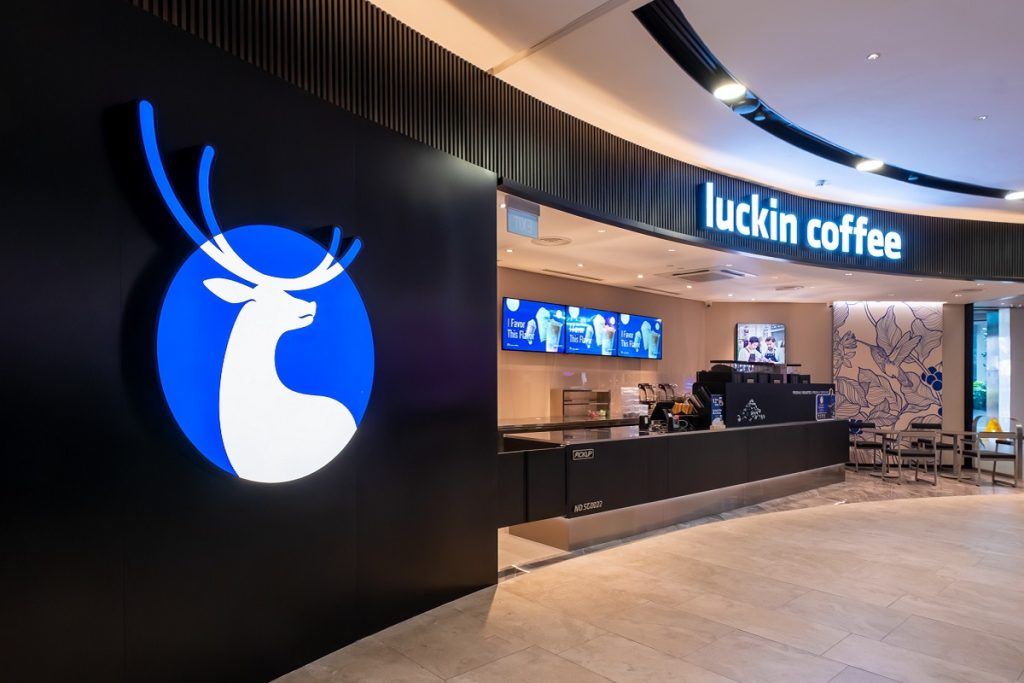
Luckin Coffee Enters US Market with Dual New York Launch

Luckin Coffee Inc, the Chinese coffee chain that overtook Starbucks in its home market, has officially launched its first United States locations in New York City. The openings, which took place on Monday, mark a bold step in the company’s global expansion strategy as it intensifies competition with Starbucks Corp, particularly as the latter faces weakening domestic sales. The two New York outlets signal Luckin’s intent to broaden its international footprint beyond Asia. Its inaugural US store, located at 800 6th Avenue, drew considerable footfall on launch day, with customers taking advantage of a US$1.99 drink promotion available via the company’s mobile app. In the run-up to its New York debut, Luckin built anticipation by hosting a pop-up event offering product tastings and giveaways. Its US-facing Instagram account has already garnered over 2,000 followers, underscoring the brand’s efforts to cultivate a local customer base through targeted digital engagement. The brand’s re-emergence on the global stage comes after a turbulent period. Following a high-profile accounting scandal, Luckin was delisted from the Nasdaq in 2020. However, under new leadership and an aggressive store rollout strategy, it rebounded to become China’s largest coffee chain by store count in 2023, surpassing Starbucks. Luckin currently operates more than 24,000 locations globally. Meanwhile, Starbucks has struggled to regain momentum in the post-pandemic Chinese market, where price-sensitive consumers have increasingly turned to domestic alternatives like Luckin. In response, the Seattle-based giant has ramped up hiring efforts in the US to speed up service and bolster in-store performance, though the brand declined to comment on Luckin’s US entry. Luckin’s digital ecosystem mirrors that of Starbucks, featuring mobile ordering, in-store pickup, and a loyalty programme offering discount incentives and the chance to win a year of free coffee. -Bloomberg
News

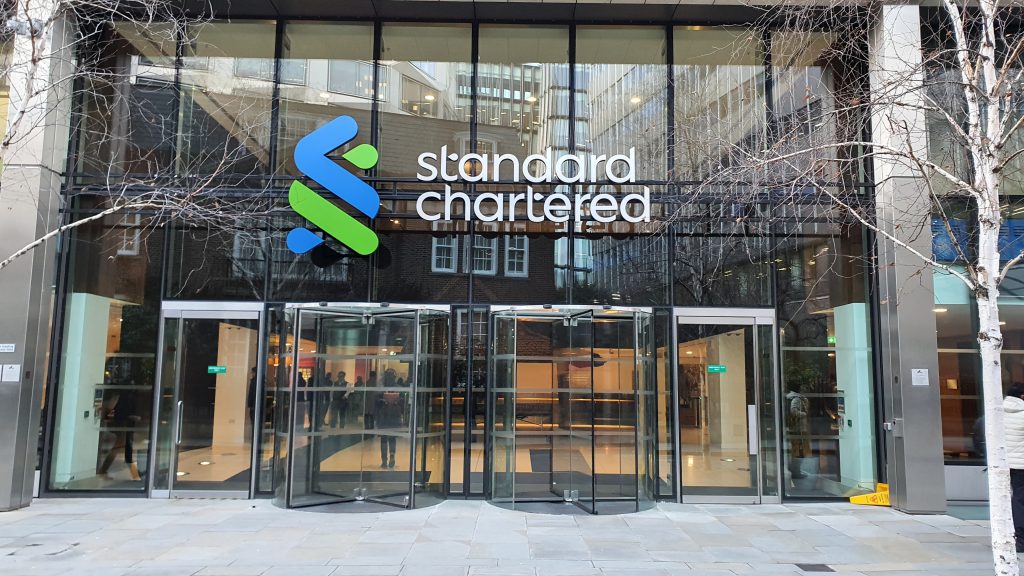
Standard Chartered Confronts US$2.7 Billion Lawsuit Over 1MDB Allegations

Standard Chartered Plc is facing a US$2.7 billion lawsuit filed by liquidators in Singapore, who allege the bank facilitated the laundering of misappropriated funds linked to Malaysia’s scandal-hit sovereign wealth fund, 1Malaysia Development Berhad (1MDB). Legal proceedings have been initiated in Singapore, according to a statement released on Tuesday. The Financial Times first reported the development, noting that Standard Chartered had not yet received the claim documents at the time of publication. The claimants assert that between 2009 and 2013, Standard Chartered permitted over 100 intrabank transfers which allegedly aided in concealing the flow of illicit funds. The transfers, according to the plaintiffs, resulted in losses exceeding US$2.7 billion and involved S$20 million in public funds. In response to the allegations, Standard Chartered issued a statement to the Financial Times, emphatically denying any wrongdoing. The bank stated it “emphatically rejects any claims” brought forward by the 1MDB-linked entities. It also noted that the liquidators had previously acknowledged these companies were “shell companies with no legitimate business,” as reported by the FT. The 1MDB affair has had wide-reaching consequences, previously implicating Goldman Sachs Group Inc and contributing to the imprisonment of former Malaysian Prime Minister Najib Razak. In 2016, Singapore’s financial authorities imposed a S$5.2 million penalty on Standard Chartered for breaches of anti-money laundering regulations related to the 1MDB scandal. Several other financial institutions were also sanctioned in connection with the matter. -Bloomberg

News

Citigroup Names Akira Kiyota and Taiji Nagasaka as Co-Heads of Japan Investment Banking

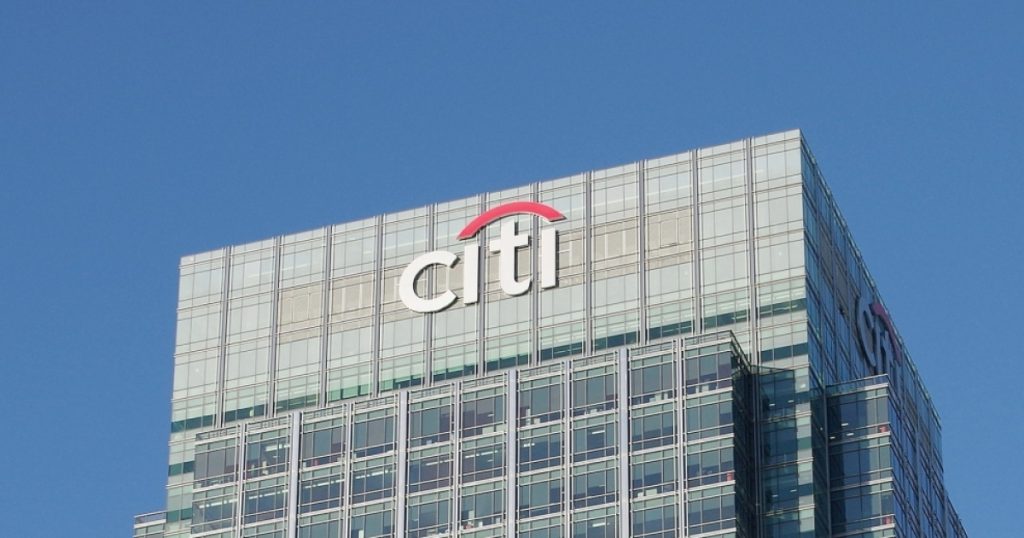
Citigroup Inc has announced the appointment of Akira Kiyota, a seasoned investment banker formerly with Nomura Holdings Inc, and Taiji Nagasaka, a long-standing insider, as co-heads of investment banking for Japan. The appointments will take effect from 1 October. The dual leadership move highlights the US bank’s strategic intent to deepen its footprint in Japan, as international financial institutions seek to capitalise on a resurgence in mergers and acquisitions and a more favourable interest rate environment that is fuelling corporate deal-making. Kiyota brings over 20 years of experience from Nomura, Japan’s largest investment bank and brokerage, where he most recently served as senior managing director and global head of mergers and acquisitions. His appointment reflects Citigroup’s aim to strengthen its M&A advisory capabilities in a market showing significant momentum. Nagasaka, who currently serves as Citigroup’s Japan head of investment banking products and equity capital markets, will step into the co-head role alongside Kiyota, reinforcing the firm’s commitment to developing internal talent for leadership roles in key growth markets. In conjunction with these changes, Masuo Fukuda will take on an expanded mandate as vice chair for Japan and Asia North investment banking. He will retain his existing responsibilities as vice chair of Citi Japan. The appointments come amid renewed corporate activity in Japan. According to consultancy Bain & Company, Japan accounted for 30 per cent of all private equity deal value in the Asia-Pacific region last year, making it the region’s largest market for such transactions. Historically, Japan represented just 5 to 10 per cent of the region’s private equity deal value, underscoring the scale of the shift. This hiring strategy by Citigroup aligns with broader moves among global investment banks to boost senior presence in Tokyo, positioning themselves to capture new business opportunities in the world’s fourth-largest economy. -Reuters

News

Amazon Welcomes Canada’s Withdrawal of C$5.9 Billion Digital Services Tax

Amazon has commended the Canadian government’s decision to withdraw its proposed digital services tax, describing the move as a positive outcome for both the company’s customers and broader trade relations. The tax, introduced last year, was set to generate an estimated C$5.9 billion (US$4.2 billion) over a five-year period by targeting large US-based technology companies such as Amazon. With a payment deadline looming, tensions escalated between Ottawa and Washington, prompting the Canadian government to abandon the legislation on Sunday in a bid to revive trade negotiations. The decision was welcomed by Amazon, which has long opposed digital services taxes imposed by foreign jurisdictions. “Amazon applauds Canada’s decision to rescind the Canada Digital Services Tax Act,” a company spokesperson told AFP. “Digital services taxes are discriminatory, stifle innovation, and harm consumers, and we appreciate the US government’s work to address DSTs around the world.” The United States had previously criticised the tax under the Trump administration, which had suspended trade discussions with Canada in response. The Canadian government’s reversal is seen as a conciliatory gesture to ease bilateral tensions and resume progress on cross-border economic issues. Canada had been one of several major economies considering or implementing digital services taxes. Other countries, including Austria, Brazil, the United Kingdom, France, India, Italy, Spain and Turkey, have introduced similar levies aimed at ensuring that multinational technology firms pay tax in the markets where they operate, rather than relying on complex structures to minimise their liabilities. -AFP

News

Lianson Fleet to Sell Offshore Vessel for RM32 Million

Lianson Fleet Group Bhd, formerly trading as Icon Offshore Bhd, has announced the proposed disposal of one of its offshore support vessels for RM32.02 million in cash. The buyer is Huashun Shipping (Liberia) Inc, a wholly owned subsidiary of Shenzhen Huawei Offshore Shipping Transport Co Ltd. The divestment is part of LFG’s broader fleet rejuvenation strategy aimed at modernising its assets to meet evolving requirements in the oil and gas sector. This move also complements the group’s recent rebranding efforts and long-term strategic shift from being a traditional offshore support vessel (OSV) operator towards a more diversified portfolio across multiple vessel classes. “This also aligns with LFG’s rebranding and long-term strategy to diversify from being a pure-play offshore support vessel (OSV) player into other vessel asset classes, supporting our pivot towards new markets and strengthening our long-term growth and operational flexibility,” the company stated in a filing with Bursa Malaysia. The asset in question is a Malaysian-flagged DP-2 anchor handling and supply tug (AHTS), built in 2010. With a deadweight tonnage of 2,524 tonnes and a static bollard pull capacity of 108 tonnes, the vessel was acquired in March 2011 for RM65.82 million. As of end-May 2025, its net carrying value stood at RM22.57 million. The vessel was last independently valued at US$5.70 million in December 2024. The disposal is expected to be completed by the end of August 2025. LFG anticipates an estimated gain of RM8.15 million from the sale, net of associated costs. Proceeds from the sale will be allocated for general corporate purposes and to support the group’s future growth and strategic initiatives. Shares in LFG closed at 88.5 sen on Tuesday, up one sen or 1.1%, giving the group a market capitalisation of RM756.6 million. Despite the gain, the stock has declined 11.5% year-to-date. -The Edge

News

Genting Completes Divestment of Meizhou Wan Phase I Coal-Fired Power Plant

Genting Berhad has announced the formal transfer of its 49%-owned indirect joint-venture asset, the 2x393MW subcritical coal-fired Meizhou Wan Power Plant (Phase I), to Fujian Investment & Development Group Co Ltd. The handover was finalised on 30 June 2025 through SDIC Genting Meizhou Wan Electric Power Company Ltd (SDICG MZW). The plant, which has been operational since 1 January 2004, was managed under a 21.5-year build-operate-transfer (BOT) power purchase agreement. The conclusion of this agreement marks a significant step in Genting’s broader strategy to transition away from coal-fired power generation, aligning with the group’s long-term focus on developing a more sustainable and cleaner energy portfolio. Despite the divestment of Phase I, SDICG MZW will retain full ownership and operation of the 2×1,000MW ultra-supercritical Meizhou Wan Phase II plant. Operational since 2017, Phase II employs advanced generation technologies and continues to meet all prevailing environmental regulatory requirements. Genting reaffirmed its commitment to cease future coal-based developments but emphasised its intention to manage its existing coal-fired assets responsibly through to the end of their operational life. “This prudent and balanced approach allows the company to manage its legacy assets responsibly,” Genting stated. In alignment with its strategic shift, Genting’s power division remains actively engaged in identifying high-value investment opportunities across the renewable and clean energy sectors, supporting the global transition towards decarbonised energy systems. This direction is underscored by its recent collaboration with SDIC Power Holdings Co Ltd on the 120MWp Dongwucha aquaculture-complementary solar power plant project in China. The project reflects the group’s evolving energy strategy and ongoing commitment to sustainability. Genting Berhad’s shares ended slightly higher at RM3.08 on the day of the announcement. -The Star

News

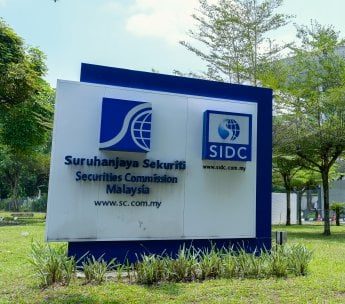
Securities Commission Malaysia Proposes Overhaul of Digital Asset Exchange Framework

The Securities Commission Malaysia (SC) has released a consultation paper outlining proposed enhancements to the regulatory framework governing Digital Asset Exchanges (DAX), in response to continued growth in the domestic digital asset market. Since the introduction of the DAX regulatory framework in 2019, Malaysia’s digital asset ecosystem has experienced significant development, culminating in a record annual trading value of RM13.9 billion in 2024. This figure marks a 2.6-fold increase compared to the previous year, signalling a sharp rise in both retail and institutional participation. Recognising the expanding role of DAXs in facilitating responsible access to digital asset investments within a regulated environment, the SC is seeking public feedback on a series of revisions aimed at fortifying market integrity and investor protection while enabling greater agility for exchange operators. Key proposals include the introduction of streamlined listing requirements for digital assets, enhanced safeguards for client assets, and more robust financial and operational standards for DAX operators. In a move intended to foster innovation and reduce regulatory friction, the SC is also considering the removal of its direct approval requirement for certain asset listings, provided minimum criteria are met. This approach is expected to shorten time-to-market while increasing the accountability of licensed operators. The regulator has also observed rising interest from capital market intermediaries and institutional investors engaging in the sector either through direct exposure or fund-based strategies, underscoring the need for a more sophisticated and resilient regulatory infrastructure. Feedback is invited from a broad spectrum of stakeholders, including digital asset issuers, DAX operators, financial institutions, market participants, industry associations, and legal and compliance professionals. Submissions must be made by 11 August 2025. The full consultation paper is available on the SC’s official website. -Fintech News

News

Prasarana Announces Leadership Transition with New Chairman and Acting Group CEO

Prasarana Malaysia Berhad (Prasarana) has announced significant changes to its senior leadership, appointing Tan Sri Nasir Ahmad as its new Group Chairman effective 1 August. He succeeds Tan Sri Jamaludin Ibrahim, who retired on 30 April following the conclusion of his tenure. Tan Sri Nasir brings a wealth of experience to the role, having previously served as Chief Executive Officer of Perbadanan Usahawan Nasional Berhad (PUNB) until June 2011. He later assumed the position of Group Chairman at CIMB Group Holdings Berhad in 2018, further cementing his credentials in strategic leadership within the Malaysian corporate sector. In tandem with this appointment, Prasarana has confirmed that its current Group Chief Operating Officer (Operations), Encik Amir Hamdan, will be stepping in as Acting President and Group Chief Executive Officer effective 15 July. He will succeed Datuk Azharuddin Mat Sah, whose term officially concludes on 14 July. Encik Amir joined Prasarana in 2019 as Deputy Chief Financial Officer before being appointed Chief Executive Officer of Rapid Rail Sdn Bhd in 2022. Under his leadership, Rapid Rail implemented a series of initiatives aimed at enhancing operational efficiency and service reliability. His academic background includes a Bachelor of Commerce from Lincoln University, New Zealand, and a Master’s in Islamic Finance Practice from INCEIF University. He is also a certified member of the Association of Chartered Certified Accountants (ACCA). Prasarana has expressed its sincere appreciation to Tan Sri Jamaludin and Datuk Azharuddin for their leadership and service to the organisation. During their tenure, Prasarana achieved several key milestones, including a record high of 1.5 million daily rail and bus passengers as of 31 December 2024. The company also successfully reduced rail service disruptions from 255 incidents in 2022 to just 71 in 2024, and introduced innovative solutions such as the Rapid On-Demand (ROD) van service to improve commuter connectivity. -FMT

News

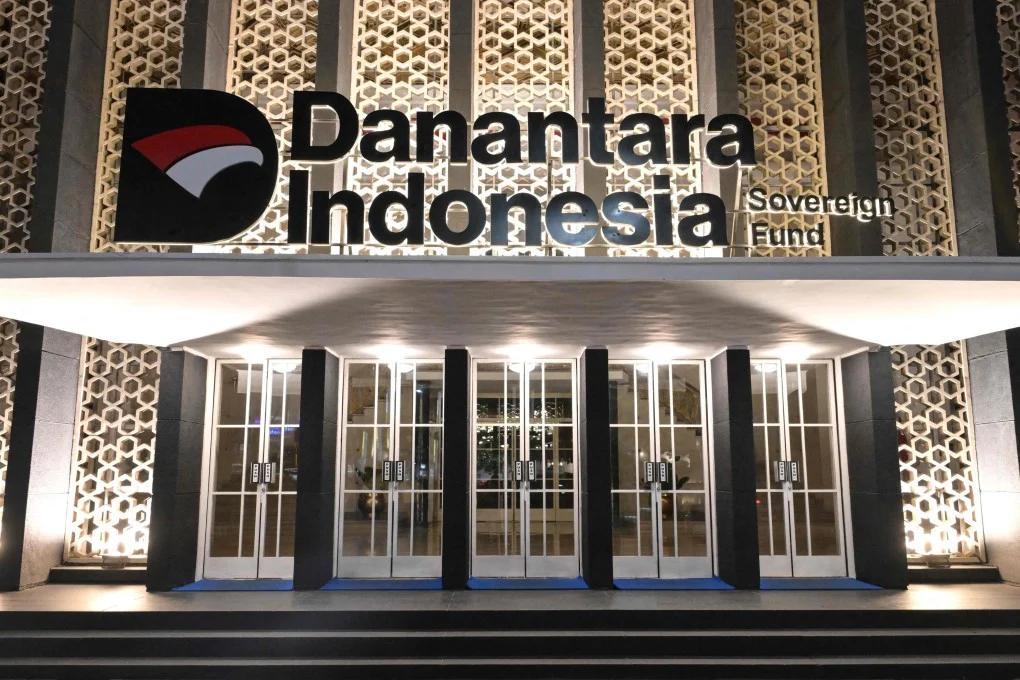
Danantara Eyes Record-Breaking US$10 Billion Loan in Southeast Asia

Indonesia’s sovereign wealth fund, Danantara, is seeking to raise as much as US$10 billion (RM42.16 billion) through a multicurrency loan in what may become the largest such transaction in Southeast Asia to date, according to individuals familiar with the matter. Formally known as Daya Anagata Nusantara, the fund has circulated a request for proposals to both regional and international banks for a facility with a proposed tenor of approximately three to five years. Sources, who requested anonymity due to the confidential nature of the discussions, indicated that the loan will be unsecured and will not be backed by any government guarantees or letters of support. Banks have been asked to submit both underwritten and uncommitted proposals. The intended use of proceeds is for general corporate purposes. Danantara, which operates under the direct authority of President Prabowo Subianto, plays a central role in his administration’s strategic plan to drive economic growth to 8% over the course of his presidency. The fund oversees a substantial portfolio of state-owned enterprises, including major banks, oil and gas company PT Pertamina, and the government’s mining interests. Executive sources have projected the fund could eventually control more than US$1 trillion in assets. Despite its ambitious scope, details about the fund’s operational framework remain limited. This opacity is not unexpected given the fund’s early stage, though it complicates assessments of both risk and potential, said Nicolas Painvin, global head of international public finance at Fitch Ratings, in a May interview with Bloomberg News. Earlier in June, Danantara’s managing director Arief Budiman outlined plans to invest across eight strategic sectors, including renewable energy, digital infrastructure, and healthcare. The proposed borrowing would surpass Indonesia’s previous largest loan — a €3 billion (RM14.88 billion) sovereign facility raised in September 2023 — and exceed Southeast Asia’s current largest loan, a US$9.75 billion bridge facility supporting a Singapore consortium’s acquisition of Fraser & Neave in 2012, according to Bloomberg-compiled data. The International Financing Review (IFR) was first to report on Danantara’s funding initiative. -Bloomberg

News

Sony-Honda Electric Vehicle Venture Posts ¥52 Billion Loss Ahead of Afeela Launch

Sony Honda Mobility Inc, the electric vehicle joint venture between Sony Group Corporation and Honda Motor Company, has reported an operating loss of ¥52 billion (approximately US$362 million or RM1.5 billion) for the fiscal year ended March. This figure more than doubles the previous year’s loss of ¥20.5 billion, highlighting the mounting costs associated with bringing their inaugural EV, the Afeela, to market. The loss was disclosed in the company’s annual financial report released on Monday. The venture, which was formally launched in 2022, aims to penetrate the premium electric vehicle segment by leveraging Honda’s automotive engineering and manufacturing strengths in tandem with Sony’s expertise in imaging sensors and digital entertainment technologies. Despite the lack of revenue—attributable to the fact that no vehicles have yet been sold—both parent companies remain financially robust. Combined, Sony and Honda reported operating profits exceeding ¥2.6 trillion in the latest fiscal year, underscoring their capacity to absorb early-stage losses incurred by the venture. The Afeela, positioned as a high-end EV, is expected to hit the market later this year with a starting price of US$89,900. However, analysts caution that profitability may remain elusive, particularly in a market segment with inherently limited volumes and elevated R&D expenditure. “Although Sony Honda Mobility seems to be setting higher prices to recover costs, they may not be able to fully offset expenses,” said Tatsuo Yoshida, Senior Analyst at Bloomberg Intelligence. He noted the significant outlays required for prototype development and innovation, which are common challenges in new vehicle production. Sony Honda Mobility has yet to issue a public comment on the financial results. -Bloomberg

Scroll to Top

Subscribe
FREE Newsletter