News

News

Starbucks Eyes Strategic Shake-Up in China Amid Intensifying Market Competition

Starbucks Corporation is reportedly evaluating strategic options for its China operations, including the possibility of forging local partnerships or a partial divestment, as the company seeks to revitalise growth in its second-largest global market. Speaking to Chinese media outlet Jiemian News on Tuesday, the Seattle-based coffee chain affirmed its continued commitment to the Chinese market, stating it is “evaluating the best ways to capture future growth opportunities”. Starbucks added that its priority remains focused on reinvigorating business momentum and sustaining long-term success in the region. The remarks followed reports that several major investment firms — including Hillhouse Capital, Carlyle Group and CITIC Capital — recently participated in a reverse management roadshow related to Starbucks China. While the final structure of any potential deal remains undetermined, the business unit is estimated to be valued between $5 billion and $6 billion. Starbucks’ current global market capitalisation stands at $104.93 billion. In recent years, Starbucks has witnessed a steady erosion of its market dominance in China’s on-premises coffee segment. Local coffee chains have gained considerable ground, while freshly made tea beverages have surged in popularity, particularly among younger consumers. According to data from Euromonitor International, Starbucks’ share of the specialist coffee and tea shop market in China has declined sharply, from a peak of 41 percent in 2017 to just 14 percent in 2024. Notably, the overall market expanded from $8.33 billion in 2019 to $21.8 billion in 2024. Starbucks’ fiscal second-quarter results showed flat comparable store sales in China. A 4 percent increase in transaction volume was offset by a corresponding 4 percent drop in average ticket size. Nevertheless, the company remains optimistic about its long-term outlook in China. In April, Starbucks Chairman and CEO Brian Niccol pointed to early signs of recovery driven by new product strategies, including the introduction of sugar-free offerings and more competitive price points. He also confirmed that Starbucks was open to exploring strategic partnerships to support its future in the market. In a bid to strengthen its position, Starbucks earlier this month cut prices on a range of non-coffee beverages. Items such as Frappuccinos, iced shaken teas and tea lattes saw average reductions of 5 yuan (£0.55), with some drinks now priced as low as 23 yuan (£2.55), and further discounts available during promotional campaigns. The pricing strategy forms part of Starbucks’ “all-day beverage” initiative, which aims to align coffee consumption with morning routines and tea-based drinks with afternoon preferences. The company currently operates more than 7,700 stores across China but is facing intensifying competition from fast-growing domestic players. Luckin Coffee now leads the field with over 24,000 outlets, while newer entrant Cotti Coffee has expanded rapidly to approximately 14,000 stores. Additionally, the rise of freshly made tea brands continues to fragment the beverage landscape, adding further pressure on Starbucks’ traditional dominance. Industry comparisons have been drawn to McDonald’s China, which has thrived under localised ownership following CITIC Group and CITIC Capital’s acquisition of a controlling stake in 2017. McDonald’s China has since more than doubled its footprint to over 6,820 locations as of 2024 and plans to open nearly 1,000 of its 2,200 new stores globally in China next year. Independent food and beverage analyst Zhu Danpeng commented that CITIC could serve as an ideal strategic partner for Starbucks. “If we consider overall business synergy and success rate of operations, selling to CITIC would be the best choice,” Zhu stated. “With McDonald’s China already under its umbrella, CITIC has more resources, deeper experience and a stronger grasp of the Chinese consumer market. A Starbucks-CITIC tie-up would unlock clear strategic advantages.” -China Daily

Energy & Technology, News

Seoul Accelerates AI Strategy with Appointment of Industry Leader to Cabinet Post

In a decisive move underscoring South Korea’s commitment to artificial intelligence, President Lee Jae-myung on Monday nominated Dr Bae Kyung-hoon, a leading AI authority and head of LG AI Research, as Minister of Science and ICT. The appointment is widely seen as a strategic pivot to fast-track the country’s ambition to become one of the world’s foremost AI powers. The nomination of Dr Bae follows closely on the 15 June appointment of Ha Jung-woo, head of Naver’s AI Innovation Centre, to the newly established position of Senior Secretary for AI and Future Planning. This senior Blue House role is designed to steer AI-related investment and national policy coordination. Presidential Chief of Staff Kang Hoon-sik confirmed the decision reflects a high-level commitment to bolstering South Korea’s global AI competitiveness. “We expect Bae to strengthen AI competitiveness alongside Ha Jung-woo,” he stated. President Lee has pledged a monumental investment of over ₩100 trillion (approximately USD 73.5 billion) through public-private partnerships aimed at accelerating the country’s AI ecosystem. The enlistment of top executives from major conglomerates such as LG and Naver signals a profound integration of private-sector expertise into national policy. Dr Hwang Yong-sik, professor at Sejong University College of Business and Economics, affirmed the strategic significance of these appointments. “There is growing recognition that relying solely on the public sector for AI development has its limitations,” he said. “While the government can provide direction, true progress depends on the deep involvement of the private sector.” Dr Bae brings an extensive background that bridges startups, academia, and corporate R&D. His early career included a role at Samsung Thales, a now-defunct joint venture between Samsung Techwin and French defence company Thales. He later joined SK Telecom’s Future Technology R&D Centre before moving to LG in 2016. At LG, Dr Bae held senior positions across its key technology subsidiaries and, in 2020, became the founding president of LG AI Research. Under his leadership, the organisation launched South Korea’s first hyperscale language model, Exaone, in 2021. It was commercialised in 2023, and an open-source third iteration was released last year. Most recently, in March 2025, his team debuted Exaone Deep, the country’s first interference AI model. Beyond the corporate sphere, Dr Bae has contributed to national policy as a government adviser on AI governance and data privacy. His rare combination of technical depth and leadership experience positions him uniquely in the fast-evolving field. “Only a handful of professionals in South Korea can handle a frontier model from end to end, and Bae is one of them,” noted Dr Choi Byung-ho, professor at Korea University’s Human-inspired AI Research Lab. “We are in a race against time. The pace of AI development demands rapid, expert decision-making. This is not a role for a generalist or a bureaucrat.” Pending confirmation by Parliament, Dr Bae will assume oversight of the Ministry of Science and ICT, with responsibility for the nation’s scientific and digital infrastructure policy at a time when global competition in AI intensifies. -The Korea Herald

Energy & Technology, News

SoftBank Sets Ambitious Goal to Lead in Artificial Super Intelligence

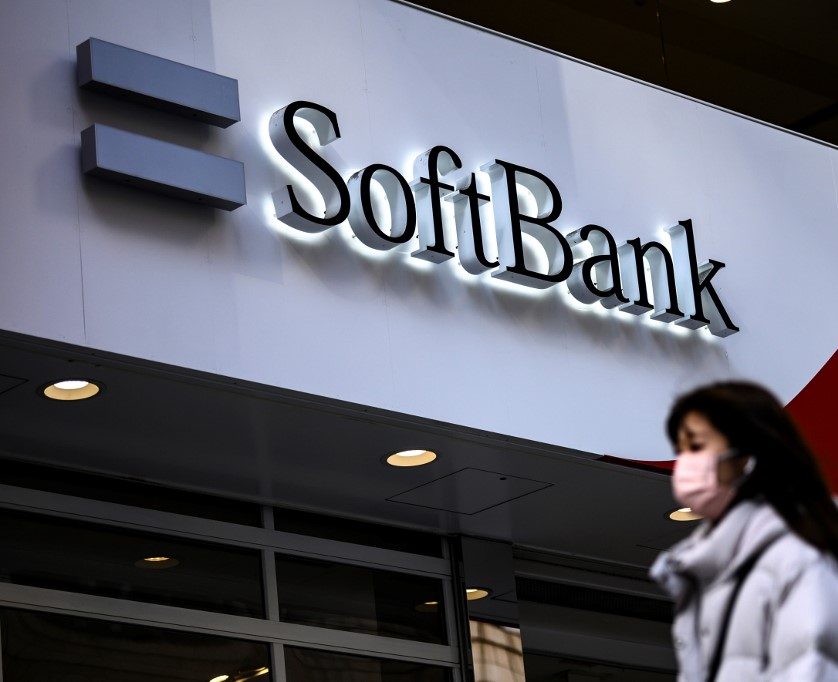
SoftBank Group CEO Masayoshi Son has outlined an ambitious new direction for the Japanese investment giant, revealing his vision for SoftBank to become the world’s leading platform provider for “artificial super intelligence” (ASI) over the next decade. Speaking at the company’s annual shareholder meeting on Friday, Son said: “We want to become the organiser of the industry in the artificial super intelligence era.” He drew comparisons between his goal and the dominance enjoyed by major US technology firms such as Microsoft, Amazon, and Google, describing the ASI sector as one likely to be governed by a “winner takes all” dynamic. Son, a long-time advocate of disruptive technologies, has defined artificial super intelligence as a form of AI capable of surpassing human abilities by a factor of 10,000. His latest strategy signals a bold return to the kind of aggressive investment approach that once defined SoftBank’s rise — from early success with Alibaba to high-profile setbacks like WeWork. This year, SoftBank has already made significant moves in the AI space. The group acquired US semiconductor designer Ampere for $6.5 billion and has underwritten as much as $40 billion in new investment in OpenAI, the company behind ChatGPT. Son confirmed that SoftBank’s total committed investment in OpenAI now stands at $32 billion since its initial funding in autumn 2024. “I’m all in on OpenAI,” he said, also expressing regret over not having invested sooner. He added that he expects OpenAI to pursue a public listing in the future. SoftBank previously held a 5% stake in Nvidia but divested in 2019 — prior to the 2022 AI boom catalysed by ChatGPT’s release. Nvidia has since emerged as the dominant player in AI chipmaking and one of the world’s most valuable companies. The group’s renewed focus on high-growth technology comes after a period of retrenchment. Following the decline in valuations of portfolio companies from 2022, SoftBank had adopted a more cautious stance. However, its fortunes reversed with the $5 billion IPO of chip designer Arm in September 2023. The appreciation in Arm’s share price has significantly strengthened SoftBank’s asset base, allowing it to leverage its holdings for further investment. In June, SoftBank raised an additional $4.8 billion through the sale of a portion of its stake in T-Mobile. Despite the company’s risk-on posture, Son assured shareholders that SoftBank remains committed to disciplined investment, maintaining the financial capacity and strategic user base needed to act decisively during industry inflection points. -Reuters

News

Nike to Slash China Production as US Tariffs Drive $1 Billion Cost Surge

Nike has announced that US tariffs on imports are set to increase its operating costs by approximately $1 billion, prompting the company to accelerate efforts to reduce its dependence on Chinese manufacturing. The sportswear giant outlined strategic measures to offset the impact of rising costs, including supply chain diversification, price adjustments, and a renewed focus on core sportswear innovation. Chief Financial Officer Matthew Friend stated that China currently accounts for around 16% of Nike’s US footwear imports. The company intends to reduce this figure to a high single-digit percentage by the end of May 2026 through expanded production in other regions. “We are partnering with our suppliers and retail partners to mitigate this structural cost increase in order to minimise the overall impact to the consumer,” Friend said during a call with analysts. To help absorb the financial pressure from tariffs, Nike has already implemented price increases across selected product lines. Despite these headwinds, shares of Nike rose 11% in after-hours trading, buoyed by a better-than-expected financial performance. For the fourth quarter, Nike posted a 12% decline in revenue to $11.10 billion. This was less severe than analysts’ forecast of a 14.9% fall to $10.72 billion, according to LSEG data. The company also exceeded profit estimates, reflecting early gains from Chief Executive Elliott Hill’s renewed emphasis on sport-driven marketing and product innovation. Having previously ceded ground in the rapidly expanding running category, Nike has scaled back on legacy sneaker models such as the Air Force 1 and intensified investment in performance footwear, including the Pegasus and Vomero lines. The running division returned to growth in the fourth quarter, signalling early success in the company’s repositioning efforts. Hill, who took over as CEO in October last year, has committed to reinvigorating Nike’s identity as a sports-focused brand. On Thursday, the company staged a high-profile event in Paris, where athlete Faith Kipyegon attempted to run a sub-four-minute mile. Although the attempt fell short, it resulted in a new unofficial record, underscoring Nike’s renewed investment in elite sport and experiential marketing. Nevertheless, challenges remain. Sales in China continue to underperform, with company executives acknowledging that a recovery in the market will take time, given current economic conditions and intensifying local competition. Inventories remained flat year-on-year at $7.5 billion as of 31 May, prompting caution among analysts. “Nike’s inventories are still too high considering the sales declines. It was a tough quarter, but this was widely anticipated,” commented David Swartz, equity analyst at Morningstar Research. Looking ahead, Nike forecasts a mid-single-digit decline in first-quarter revenue, a projection that is slightly more optimistic than market expectations of a 7.3% drop. The company remains focused on navigating macroeconomic volatility while reinforcing its leadership in the global athleticwear sector. -Reuters

News

MIDA and DHL Renew Strategic MoU to Strengthen Malaysia’s Role as Regional Logistics Hub

The Malaysian Investment Development Authority (MIDA) and global logistics leader DHL have renewed their longstanding partnership through a memorandum of understanding (MoU) signed yesterday, reaffirming their joint commitment to strengthening Malaysia’s logistics and supply chain ecosystem. The agreement brings together all four DHL business divisions operating in Malaysia – DHL Express, DHL Supply Chain, DHL Global Forwarding, and DHL eCommerce – in closer collaboration with MIDA. The renewed alliance is designed to further enhance Malaysia’s appeal as a preferred destination for foreign direct investment (FDI), leveraging its strategic location and established logistics infrastructure. Datuk Wira Arham Abdul Rahman, Chief Executive Officer of MIDA, described the partnership as a strategic milestone in Malaysia’s continued evolution into a smart logistics hub for the Asia-Pacific region. “Malaysia’s logistics sector has undergone a remarkable transformation, emerging as a powerhouse of innovation and technological advancement,” he said. “We are witnessing significant developments in digital technology and smart automation, ranging from AI-powered route optimisation and real-time tracking to advanced warehouse robotics and autonomous delivery systems.” Julian Neo, Managing Director of DHL Express Malaysia and Brunei, highlighted Malaysia’s growing relevance amid shifting global supply chain strategies. “As multi-shoring and multi-sourcing gain strategic importance, Malaysia is well positioned to capitalise on these trends due to its regional connectivity and conducive business environment,” he said. “With our extensive network and experience in cross-border trade, DHL Express is proud to support MIDA in attracting global investors through seamless market entry and end-to-end logistics solutions.” DHL reaffirmed its commitment to enhancing Malaysia’s visibility among multinational corporations looking to diversify manufacturing and sourcing operations. It emphasised that its comprehensive logistics and supply chain capabilities, combined with its strong presence in Malaysia, provide foreign investors with a critical advantage in building resilient, efficient supply networks. -Bernama

News

SME Corp and SHRD Launch Strategic Partnership to Promote Innovation Among SMEs

SME Corporation Malaysia (SME Corp) has announced a strategic collaboration with the Selangor Human Resource Development Centre (SHRD), aimed at embedding innovation as a fundamental growth strategy for small and medium enterprises (SMEs) across Malaysia. According to a statement released by SME Corp, the initiative commenced with the first in a series of three innovation seminars under the theme “Future-Ready SMEs: The Power of Innovation.” The seminar engaged over 70 SMEs from diverse sectors, equipping participants with the tools and insights necessary to implement innovation-led strategies designed to improve productivity, enhance competitiveness and strengthen readiness for global market expansion. This initiative forms part of SME Corp’s broader strategic direction under the 13th Malaysia Plan (13MP), which seeks to support the transformation of domestic SMEs from small-scale operations into medium-sized enterprises with stronger international market presence. Chief Executive Officer of SME Corp, Rizal Nainy, emphasised the importance of timing in delivering innovation-focused programmes, stating that such initiatives are essential to building resilience and long-term competitiveness among Malaysian SMEs. “By fostering innovation among SMEs, we aim to amplify their contribution to national productivity and enable sustainable growth amid an increasingly competitive global landscape,” he said. SME Corp confirmed that the subsequent two seminar sessions are scheduled to take place in Kuala Lumpur in July and August. These sessions will be held on an invitation-only basis for selected SMEs. Additional details are available via the agency’s official website at www.smecorp.gov.my. -Bernama

News

Kim Loong Resources Posts 6% Revenue Growth in 1QFY26

Kim Loong Resources Bhd reported a 6% year-on-year increase in revenue to RM411.7 million for the first quarter ended 30 April 2025 (1QFY26), supported by stronger fresh fruit bunch (FFB) production and improved selling prices. However, net profit for the quarter declined 15.3% to RM41.9 million, impacted by a reduced processing margin from milling operations. The company noted that despite this decline, the higher selling price of FFB and improved production volumes helped underpin revenue growth. On a quarter-on-quarter basis, the group’s net profit nearly doubled from RM22.8 million recorded in the fourth quarter ended 31 January 2025, even as revenue fell from RM443.3 million. The improvement in earnings was attributed to higher FFB output during the quarter. Looking ahead, Kim Loong Resources is targeting a 5% to 10% increase in FFB production for the financial year ending 31 January 2026. The company expects this growth to be driven by the favourable age profile of its young, productive palms and the continued progress of its replanting programme. -The Star

News

Malaysia Pavilion at Expo 2025 Osaka Surpasses 1.5 Million Visitors

The Malaysia Pavilion at Expo 2025 Osaka has welcomed more than 1.5 million visitors within the first three months of the event, surpassing initial expectations and reinforcing the nation’s strategic global positioning. According to a statement by the Ministry of Investment, Trade and Industry (MITI), the strong public response was further complemented by the achievement of over 69 per cent of Malaysia’s total trade and investment target of RM13 billion. “This success boosts Malaysia’s momentum in achieving the two main objectives of participating in the World Expo, namely driving strategic economic outcomes and expanding the country’s engagement with the global community,” MITI said. Director of the Malaysia Pavilion, Ellyza Mastura Ahmad Hanipiah, expressed appreciation for the overwhelming response and interest from both the public and global stakeholders. “We hope to continue to create meaningful experiences so that every visitor brings home the smiles and fond memories of Malaysia,” she said. -Bernama

Investment & Market Trends, News

KPJ Healthcare Invests RM406 Million in FY2024 to Accelerate Transformation and Growth

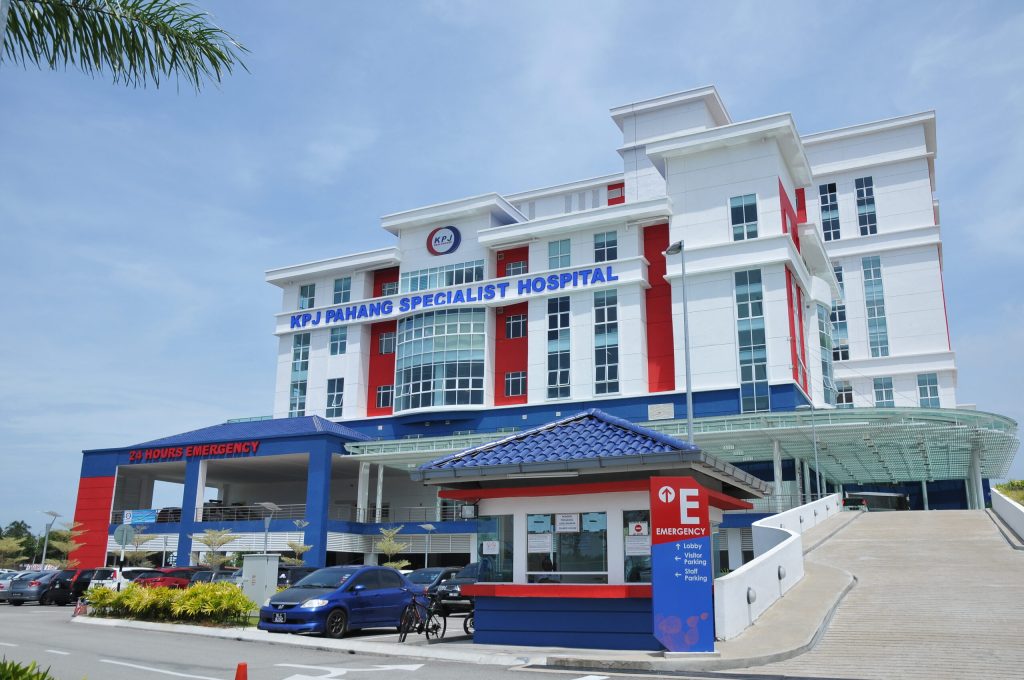
KPJ Healthcare Berhad has announced a capital expenditure of RM406 million for the financial year ended 2024, representing a significant 66% increase compared to the previous year. The announcement was made in conjunction with the company’s 32nd Annual General Meeting, where it highlighted sustained progress under the KPJ Health System transformation strategy and a solid financial performance for FY2024, alongside a steady start to FY2025. In an official statement, the Group emphasised that the investments have supported infrastructure upgrades, the expansion of digital capabilities, and the launch of its 30th facility—KPJ Kuala Selangor Specialist Hospital—which commenced operations in April. These initiatives are aligned with KPJ Healthcare’s strategic vision to develop a future-ready, integrated healthcare network. Chairman Tan Sri Ismail Bakar stated that KPJ Healthcare’s transformation journey under the KPJ Health System remains focused on integrating care, education, and research. He noted that the framework underscores the organisation’s long-term commitment to enhancing health outcomes and delivering sustainable value to stakeholders. President and Managing Director Chin Keat Chyuan reiterated the Group’s focus on building capabilities that will drive future growth, particularly in digitalisation, talent development, and integrated care delivery. He added that KPJ Healthcare is actively expanding its specialist talent pool, strengthening its research infrastructure, and embedding digital solutions across its operations to reinforce its position as a leading regional healthcare provider. Throughout 2024, KPJ Healthcare continued to enhance its digital ecosystem by implementing smart technologies, AI-powered diagnostics, and significant upgrades to the KPJ Cares mobile application. In parallel, the Group maintained its commitment to sustainability, advancing environmental and community health initiatives as part of its broader ESG strategy. Looking ahead, KPJ Healthcare plans to deepen the development of its Centres of Excellence and further strengthen integration across its clinical, research, and educational pillars. The Group also aims to optimise hospital operations under the KPJ Health System framework. As part of its ongoing momentum, KPJ Healthcare will co-host the Malaysia International Healthcare Megatrends 2025 conference alongside the Ministry of Health, scheduled to take place from 25 to 27 November at the Kuala Lumpur Convention Centre. KPJ Healthcare reaffirmed its commitment to expanding its regional presence while ensuring the delivery of accessible, high-quality care throughout Malaysia. The Group currently operates a network of 30 hospitals nationwide, supported by four ambulatory care centres located in Kuala Lumpur, Pahang, Perak, and Selangor. Its medical team comprises over 1,491 consultants, collectively serving more than 3.3 million patients each year. -FMT

News

Banking Industry Confirms Core Consumer Services Unaffected by Service Tax Expansion

Malaysia’s key banking associations have moved to reassure consumers that essential everyday banking services will remain exempt from the expanded service tax on financial services, set to come into force on 1 July. In a joint statement, the Association of Banks in Malaysia (ABM), the Association of Islamic Banking and Financial Institutions Malaysia (AIBIM), and the Malaysian Investment Banking Association (MIBA) confirmed that the revised scope of the tax will be limited to selected corporate, treasury and investment banking services. They emphasised that routine financial services used by individual consumers—including those involving fees or commissions linked to current and savings accounts, e-wallets and credit cards—will not fall within the scope of the expanded tax. Additionally, core services such as cash deposits and withdrawals, payments, local fund transfers, debit card issuance and related annual fees, as well as over-the-counter transactions including bill payments and statement printing, will remain exempt. “These are considered essential banking services and remain out of scope for service tax purposes,” the associations said, reaffirming their commitment to minimising disruption to the public. Interest charges, profit-based fees, penalties and credit card annual fees are also excluded from the revised tax framework, in a move designed to ensure that routine financial interactions for individuals are not impacted. “All banks under ABM, AIBIM and MIBA are committed to transparency. Where the service tax applies, the charges will be clearly indicated and communicated to customers,” the associations added. Customers with questions about how the changes may affect them are encouraged to contact their respective banks directly. The banking industry reiterated its intent to work closely with relevant authorities to ensure a smooth and responsible transition. -FMT

Scroll to Top

Subscribe
FREE Newsletter