News

News

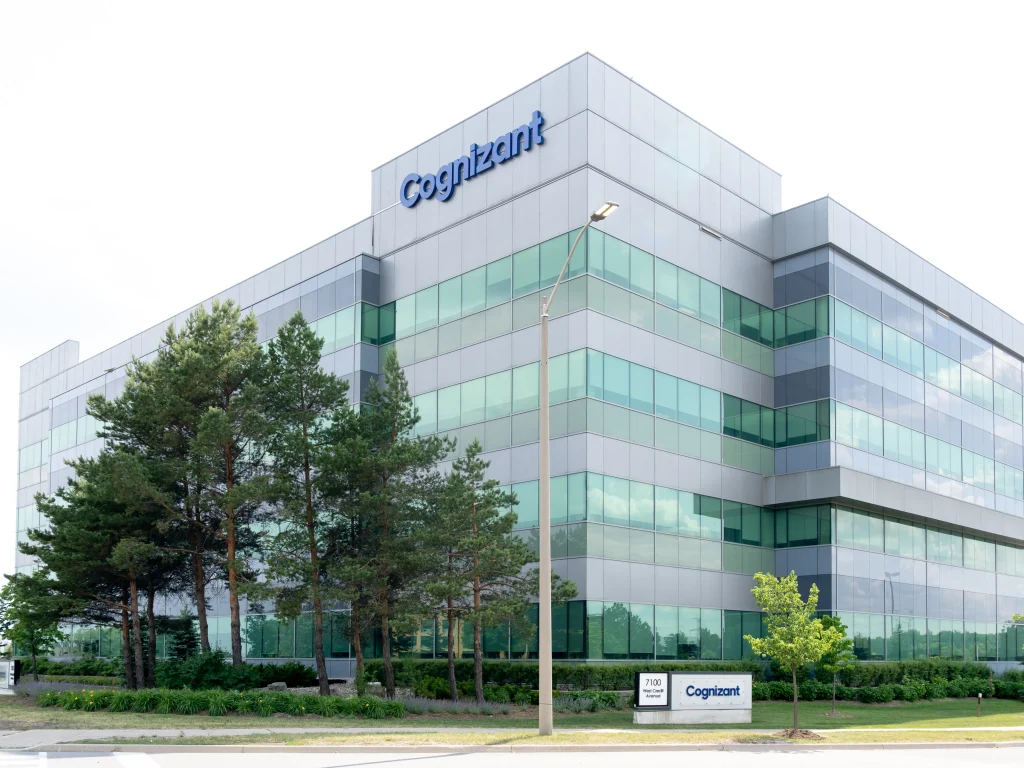
Cognizant Commits $183 Million to New Campus in Visakhapatnam, Targets 8,000 Jobs

Cognizant Technology Solutions is set to invest ₹15.82 billion ($182.76 million) in the development of a new campus in Visakhapatnam, Andhra Pradesh. According to an official statement from the state government released on Friday, the campus is expected to generate approximately 8,000 jobs upon becoming operational in March 2029. The announcement underscores a growing trend among global IT service providers to expand into India’s tier-2 cities. Cognizant’s decision follows Tata Consultancy Services’ recent commitment to establish a ₹13.70 billion campus in the same city, projected to create 12,000 jobs. The initiative aligns with Cognizant’s broader strategy to reduce real estate expenses by shifting focus from major urban centres to emerging hubs. In May 2023, Chief Executive Ravi Kumar S revealed plans to relinquish 11 million square feet of office space globally, predominantly in India’s largest metropolitan areas, while investing in alternative locations like Visakhapatnam. This investment also comes at a time when the global IT sector, valued at $283 billion, continues to respond to economic pressures by streamlining operations. Companies are adopting measures such as asset monetisation and postponing salary adjustments to manage costs amid fluctuating demand. Despite these headwinds, Cognizant has recently reported positive momentum. In the previous quarter, the Teaneck, New Jersey-headquartered firm raised its annual revenue guidance and surpassed expectations, driven by growing interest in AI-enabled IT services. The company now anticipates full-year 2025 revenue in the range of $20.5 billion to $21.0 billion, up from the earlier forecast of $20.30 billion to $20.80 billion. Cognizant has not issued an official comment on the Visakhapatnam development at this time. -Reuters

Energy & Technology, News

JERA and Woodside Ink Seasonal LNG Deal to Secure Winter Energy Supply

Japan’s largest power producer, JERA Co., has entered into a strategic agreement with Australian energy major Woodside Energy to secure liquefied natural gas (LNG) supplies specifically during the winter season, the companies confirmed on Friday. The Heads of Agreement was formalised at the LNG Producer-Consumer Conference held in Tokyo, an event co-hosted by Japan’s Ministry of Economy, Trade and Industry (METI) and the International Energy Agency. Under the terms of the deal, Woodside will deliver approximately 200,000 metric tonnes of LNG per year to JERA between December and February, beginning in fiscal year 2027. The supply arrangement will remain in place for five years. This seasonal supply model diverges from traditional annual term contracts and introduces a more flexible procurement strategy. Yuya Hasegawa, Director at METI, noted during a press conference that the structure of the agreement reflects a growing need for adaptability in response to changing climate conditions. “This arrangement allows JERA to avoid taking unnecessary shipments during milder-than-expected winters, offering a layer of operational efficiency,” Hasegawa stated. He further expressed the ministry’s expectation that other Japanese firms may explore similar supply models with alternative LNG providers, citing potential benefits to Japan’s long-term energy security. “If this type of agreement becomes more common, it could strengthen the country’s ability to maintain stable procurement,” he added. JERA, a joint venture between Tokyo Electric Power Company and Chubu Electric Power Company, remains Japan’s foremost LNG importer and a key player in the global energy landscape.

News

Vanzo Secures Taiwan Market Entry via Exclusive Watsons Distribution Agreement

Vanzo Holdings Bhd has announced that its wholly owned subsidiary, Vanzo Asia Sdn Bhd (VASB), has entered into a distribution agreement with Taiwan-based Xishangxi International Marketing Co Ltd (XIMCL), marking a significant step in its regional expansion strategy. Under the terms of the agreement, XIMCL will serve as the exclusive distributor of VASB’s products across Watsons retail channels in Taiwan, encompassing both physical outlets and e-commerce platforms. The partnership was disclosed in a recent filing with Bursa Malaysia. The agreement also grants VASB the authority to permit XIMCL to expand distribution to additional prominent retail segments, including pharmacies, supermarkets, minimarkets and convenience stores. Effective from 20 June 2025, the two-year agreement will run through to 19 June 2027. VASB’s products are expected to be available across more than 500 Watsons outlets in Taiwan beginning September 2025. Vanzo highlighted that the collaboration provides a direct pathway into Taiwan’s fast-moving consumer goods (FMCG) market via one of the country’s most recognisable health and beauty retail chains. The agreement is anticipated to significantly enhance VASB’s market visibility and retail penetration across Taiwan. -The Star

News

MSM Welcomes Finance Ministry’s Clarification on SST for Raw Sugar Imports

MSM Malaysia Holdings Berhad (MSM), the producer of the national refined sugar brand Gula Prai, has expressed its appreciation to the Ministry of Finance for issuing a timely clarification regarding the implementation of the Sales and Services Tax (SST) on raw sugar imports. In a statement released today, the Ministry confirmed that while a five percent SST will apply to raw sugar—the primary input in refined sugar production—refined sugar manufacturers may apply for a tax exemption, subject to specific conditions. The clarification follows concerns raised by MSM during its Annual General Meeting, where the company highlighted the potential for significant cost pressures arising from the SST’s extension to raw sugar. MSM warned that an increase in input costs could influence the pricing structure of refined sugar, particularly for industrial consumers. MSM acknowledged the Ministry’s swift response and the clarity provided on the exemption mechanism, describing it as critical in the current economic environment. The retail price of sugar in Malaysia has been maintained at RM2.85 per kilogram since 2011, despite a consistent rise in global raw sugar prices over the years. “We are very grateful to the Ministry for its responsive and pragmatic approach in addressing industry concerns. The approval of the exemption application mechanism provides much-needed clarity and flexibility for sugar refiners like MSM. This allows us to proactively manage input costs and reduce immediate pressure on refined sugar prices, while continuing to fulfil our role in the country’s sugar supply chain under the existing retail pricing framework,” said MSM Group Chief Executive Officer, Syed Feizal Syed Mohammad. The group reaffirmed its commitment to collaborating closely with the government and stakeholders to ensure stability in both supply and pricing across the food industry. “While input cost management continues to be a priority, MSM would like to assure customers and partners that our focus on operational efficiency and fair pricing will continue. We are confident that the implementation of this exemption mechanism will have a positive impact in preserving the competitiveness of the country’s food manufacturing sector,” Syed Feizal added. -Berita Harian

News

Poh Huat Sees 92% Profit Drop in Q2 as US Demand Softens, Costs Rise

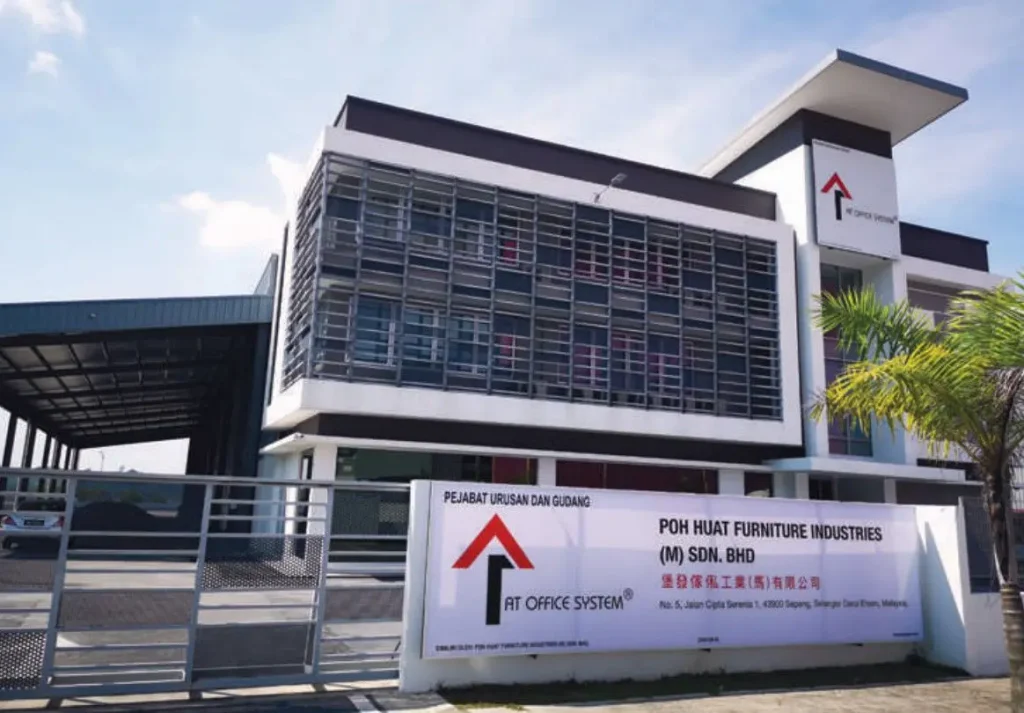
Poh Huat Resources Holdings Bhd has reported a sharp decline in net profit for the second quarter ended 30 April 2025 (2QFY2025), citing softening demand from the United States and elevated input costs as key pressures on its earnings performance. The group posted a net profit of RM575,000 for the quarter, marking a significant 92.05% year-on-year drop from RM7.23 million recorded in the same period last year. This represents Poh Huat’s weakest quarterly result since the fourth quarter of FY2024, during which the company incurred a net loss of RM3.54 million. Revenue for the quarter declined by 9.24% to RM98.33 million, compared with RM108.35 million in 2QFY2024. The group attributed the contraction primarily to reduced orders of office furniture from its Malaysian operations. Management noted that several customers had front-loaded their purchases in the preceding financial period, driven by policy uncertainty following the re-election of Donald Trump as US president. Demand from the group’s Vietnam-based operations remained subdued as well. Shipments of home furniture were impacted by the imposition of new US import tariffs, prompting some American customers to delay their orders in April. Despite the challenging operating environment, Poh Huat declared a second interim dividend of two sen per share, payable on 24 July. This brings total dividends declared year-to-date to four sen per share. The group highlighted escalating raw material and labour costs as further pressure points, compounded by fixed factory overheads and lower capacity utilisation in both its Malaysian and Vietnamese production facilities. Gross profit margins were notably affected as a result. Foreign exchange movements also weighed on the company’s bottom line. Poh Huat recorded a forex loss of RM1.8 million for the quarter, contributing to a reduced net other income of RM700,000, compared with a forex gain of RM2.28 million and net other income of RM5.78 million in 2QFY2024. For the cumulative six-month period of FY2025, net profit declined by 42.65% to RM10.06 million, down from RM17.53 million in the corresponding period a year earlier. Revenue for the half-year stood at RM234.59 million, a slight decrease of 2.05% from RM239.49 million previously. Looking ahead, Poh Huat said it remains vigilant in monitoring developments in US trade policy, acknowledging that the industry continues to operate in a state of flux under the Trump administration. Shares in Poh Huat closed one sen or 0.93% lower at RM1.06 on Friday, valuing the company at RM295 million. The stock has declined 27% over the past twelve months. -The Edge

News

Maxim Global Appeals Court Stay on Kuala Lumpur High-Rise Project

Maxim Global Bhd has lodged an appeal with the Court of Appeal in a bid to overturn a recent High Court decision that imposed a temporary stay on its high-rise residential project in Kuala Lumpur. In a statement filed on Friday, the property developer confirmed the stay relates to the development order granted by Kuala Lumpur City Hall (DBKL) in October 2017. The order permits the construction of five 30-storey residential blocks within the city. The stay was issued by the court pending the outcome of a judicial review initiated by a petitioner opposing DBKL’s approval. The petitioner argues that the development is inconsistent with both the Kuala Lumpur Structure Plan 2020 and the Kuala Lumpur City Plan 2020. Maxim stated that it was only made aware of the legal proceedings in August 2024 and subsequently sought to be included as a respondent in order to protect its commercial interests in the project. The group has now escalated the matter to the Court of Appeal, seeking to vacate the stay. Citing its legal counsel, Maxim expressed confidence in the likelihood of a favourable outcome. The company noted that the financial and operational impact of the stay remains indeterminate at this stage. “Until the status of the matter is clearer, the board is not in a position to determine the financial impact on the group,” it said. Shares in Maxim Global ended Friday’s trading down by half a sen, or 1.32%, at 37.5 sen. The company’s market capitalisation stood at RM275.73 million. -The Edge

News

Ecobuilt CEO Lim Chin Yen Resigns After Four-Month

Ecobuilt Holdings Bhd has announced the resignation of its Chief Executive Officer, Lim Chin Yen, after just four and a half months in the role. The construction group confirmed the departure in a filing with Bursa Malaysia, citing Lim’s intention to dedicate more time to family and personal interests. Lim, 48, officially stepped down on 20 June. He is succeeded by Fong Tuck Yong, 52, who brings over three decades of experience in managing and delivering construction projects. The leadership change comes as Ecobuilt continues to grapple with persistent financial losses. For the financial year ended 31 August 2024 (FY2024), the group reported a loss after tax of RM44.5 million. This compares to losses of RM31.1 million in FY2023 and RM13.6 million in FY2022. The latest annual result reflects a 15-month financial period, following a change in the company’s financial year-end from 31 May to 31 August. For its most recent quarter, the group remained in the red, posting a net loss of RM584,000 for the second quarter ended 28 February 2025 (2QFY2025), on revenue of RM15.48 million. Due to the adjusted financial year, no year-on-year comparative figure was provided. Ecobuilt stated that gross profit from ongoing projects was insufficient to cover operating expenses, which were primarily driven by depreciation and staff-related costs. Shares in Ecobuilt closed at three sen on Friday, up half a sen or 20%, giving the group a market capitalisation of RM13 million. Despite the short-term uptick, the stock has declined 54% over the past 12 months. -The Edge

News, Property

SD Guthrie and Sime Darby Property to Develop Carey Island into Strategic Logistics Hub

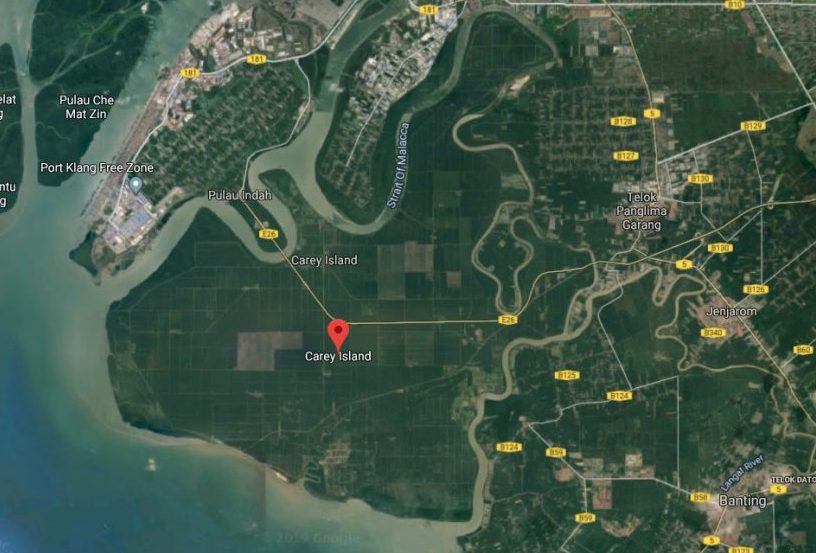
SD Guthrie Berhad has entered into a joint venture agreement with Sime Darby Property Berhad to spearhead the development of up to 2,000 acres on Carey Island, Selangor. The initiative aims to create a high-impact industrial and logistics hub, strategically positioned to capitalise on the island’s connectivity and economic potential. SD Guthrie, which holds ownership of approximately 79% of Carey Island—equivalent to 28,646 acres—announced that the joint development will be formalised via a special purpose vehicle. Permodalan Nasional Berhad (PNB), which is the common shareholder in both SD Guthrie and Sime Darby Property, will appoint the chairman of the venture. The proposed development seeks to position Carey Island as a prominent logistics and industrial destination, complementing its existing integrated palm oil operations and the nearby Westport and Northport in Port Klang. Its proximity to major transportation corridors, including the South Klang Valley Expressway (SKVE) and the North-South Expressway, will significantly enhance the island’s logistical appeal. According to a joint statement, the new port-oriented development is expected to bolster Malaysia’s ambition to emerge as a regional logistics powerhouse, enabling it to compete more effectively with established port locations in Singapore, Thailand, and Vietnam. SD Guthrie highlighted that the project offers scalability for large-scale industrial facilities and aligns with national economic development goals under the Ekonomi Madani Framework. The initiative is set to drive economic activity, create job opportunities and elevate the local economy, all while conserving the island’s ecological and cultural heritage. PNB President and Group Chief Executive, Datuk Abdul Rahman Ahmad, expressed his support for the collaboration, describing it as a strategic alignment with the Government’s GEAR-uP initiatives and national development agenda. He noted that the venture will accelerate domestic investment while advancing sustainable growth in a high-potential area. Carey Island is currently home to two palm oil estates and processing mills operated by SD Guthrie, all of which adhere to globally recognised sustainability standards. The island also houses a kernel crushing plant, biodiesel facility, research and development centres, and a robotics innovation hub. Its palm oil is processed in major refineries in Langat and Port Klang, serving international markets. Additionally, the island is noted for its environmental and cultural significance. It includes 14 heritage buildings registered with Jabatan Warisan Negara, a biodiversity park, and protected mangrove ecosystems, all maintained under SD Guthrie’s stewardship. Datuk Mohamad Helmy Othman Basha, Group Managing Director of SD Guthrie, affirmed the group’s support for the Government’s vision to expand international trade and meet the rising demand for advanced industrial infrastructure. He remarked that Carey Island has been identified as a potential site for a world-class port due to its advantageous location near Pulau Indah and existing connectivity to the Klang Valley via the SKVE. Echoing the sentiment, Datuk Seri Azmir Merican, Group Managing Director and Chief Executive Officer of Sime Darby Property, described the collaboration as a pivotal move towards unlocking Carey Island’s latent potential. He stated that the partnership will enable the creation of a master-planned, future-ready industrial ecosystem aligned with the company’s Purpose to serve people, businesses, economies, and the environment. Further announcements will be made as key developments unfold. -The Star

News

Gadang Secures RM92.5 Million Contract for KL-Karak Highway Expansion

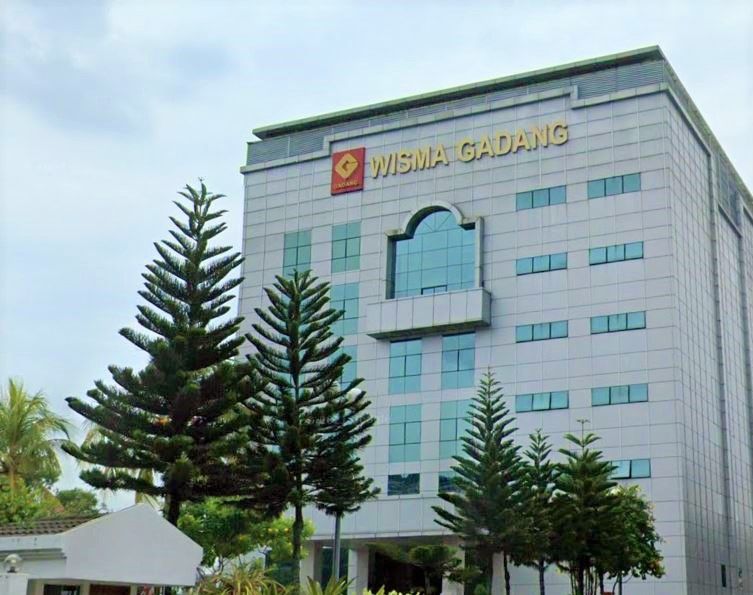
KUALA LUMPUR: Gadang Holdings Bhd has announced that its wholly owned subsidiary, Gadang Engineering (M) Sdn Bhd, has been awarded a contract valued at RM92.5 million to undertake a portion of the Kuala Lumpur–Karak Highway widening project. According to a filing with Bursa Malaysia, the company received a letter of award from AFA Construction and Engineering Sdn Bhd for the execution of earthworks and related works under Package 2A of the highway upgrade. The scope of work covers the stretch between KM39.00 and KM61.50. The project is expected to span 18 months, with completion targeted for the fourth quarter of 2026. Gadang stated that the contract is anticipated to contribute positively to the Group’s earnings over the course of the contract period. -The Star

Energy & Technology, News

TDK Acquires US Smart Glasses Innovator SoftEye in Strategic AI-Driven Expansion

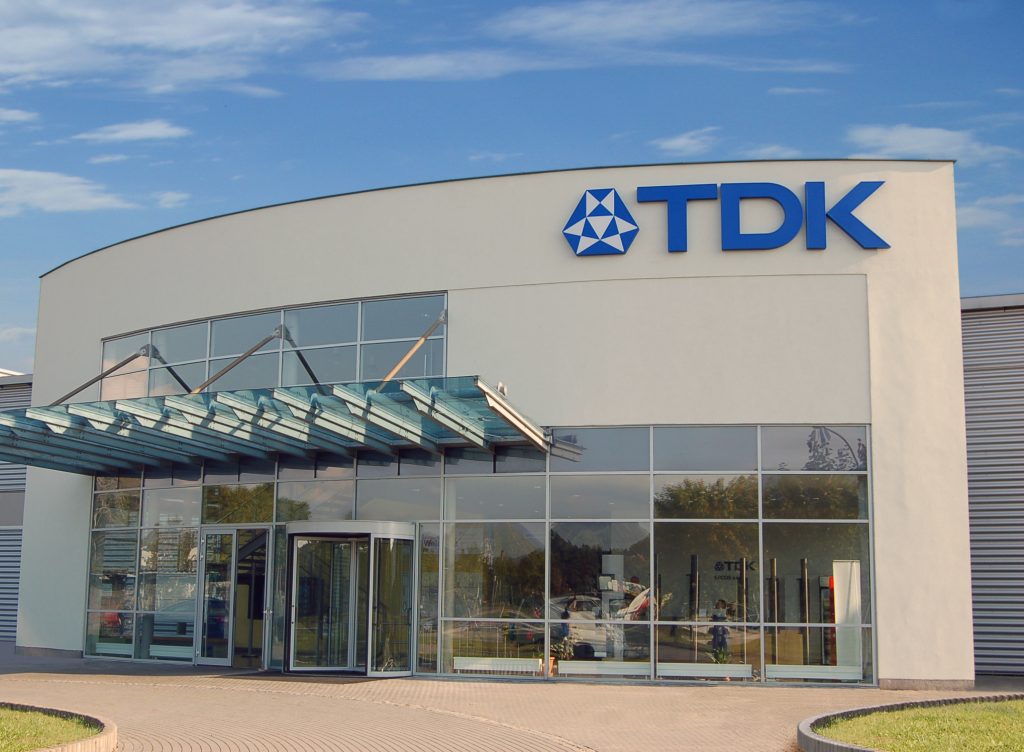
Tokyo: Japanese electronics manufacturer TDK Corporation has announced the acquisition of SoftEye, a US-based company specialising in software and hardware for smart glasses, as part of a broader strategy to capitalise on the growing intersection of artificial intelligence and next-generation wearable technologies. Headquartered in San Diego, California, SoftEye is known for its advanced eye-tracking and object recognition technologies. The company was founded by Te-Won Lee, who brings significant industry pedigree as a former executive at Samsung Electronics and Qualcomm. Although the financial terms of the transaction were not officially disclosed, a source familiar with the matter indicated the deal is valued at under $100 million. The acquisition marks a strategic move by TDK, which, having transitioned from its legacy as a cassette tape maker, has become a prominent supplier of electronic components and battery systems. The company already provides battery technology for smart glasses, aligning this acquisition with its existing capabilities and forward-looking growth plans. As the broader tech industry seeks to diversify hardware portfolios beyond smartphones, interest in smart glasses continues to surge. Meta, the parent company of Facebook, along with Alphabet’s Google and Snap Inc., are actively developing AI-integrated eyewear. Google showcased smart glasses at its recent developer conference, while Snap has announced plans to bring consumer-ready models to market in 2026. Qualcomm, a key player in mobile and wearable chipsets, also unveiled a new processor tailored for smart glasses earlier this month, further underscoring industry momentum. TDK’s acquisition of SoftEye positions the company at the forefront of this accelerating convergence of AI and wearable technology. -Reuters

Scroll to Top

Subscribe
FREE Newsletter