News

News

Kakao Bank Gains Virtual Banking Licence in Thailand

South Korean internet-only lender Kakao Bank has received official approval from the Thai government to operate a virtual bank, marking a significant step in its global expansion strategy and the first re-entry of a Korean bank into the Thai financial market in 25 years. The Ministry of Finance of Thailand has selected a consortium led by Kakao Bank and SCBX, one of Thailand’s leading financial groups, as one of three successful applicants licensed to establish a virtual banking presence in the country. The announcement places Kakao Bank at the forefront of Thailand’s digital banking evolution, which aims to provide comprehensive financial services entirely through online platforms without the need for traditional brick-and-mortar branches. Yoon Ho-young, Chief Executive Officer of Kakao Bank, described the licence as a pivotal milestone in the company’s growth strategy. “This licence is a crucial step in exploring new markets and a valuable opportunity to showcase the excellence of Korea’s digital finance technology,” he stated. The consortium was highly rated for its robust digital banking infrastructure, advanced technological expertise, and strong localisation strategies—factors that aligned closely with the Thai government’s vision for a digitally driven banking future. The virtual banking system in Thailand is scheduled to enter full-scale operations in the second half of 2026, following a one-year preparation period. Kakao Bank’s involvement is expected to serve as a strategic entry point not only for Korean financial institutions but also for broader Korean corporate interests looking to establish a foothold in the Thai market. -Yonhap

News

Foshan Haitian Climbs on Hong Kong Debut Following US$1.3 Billion IPO

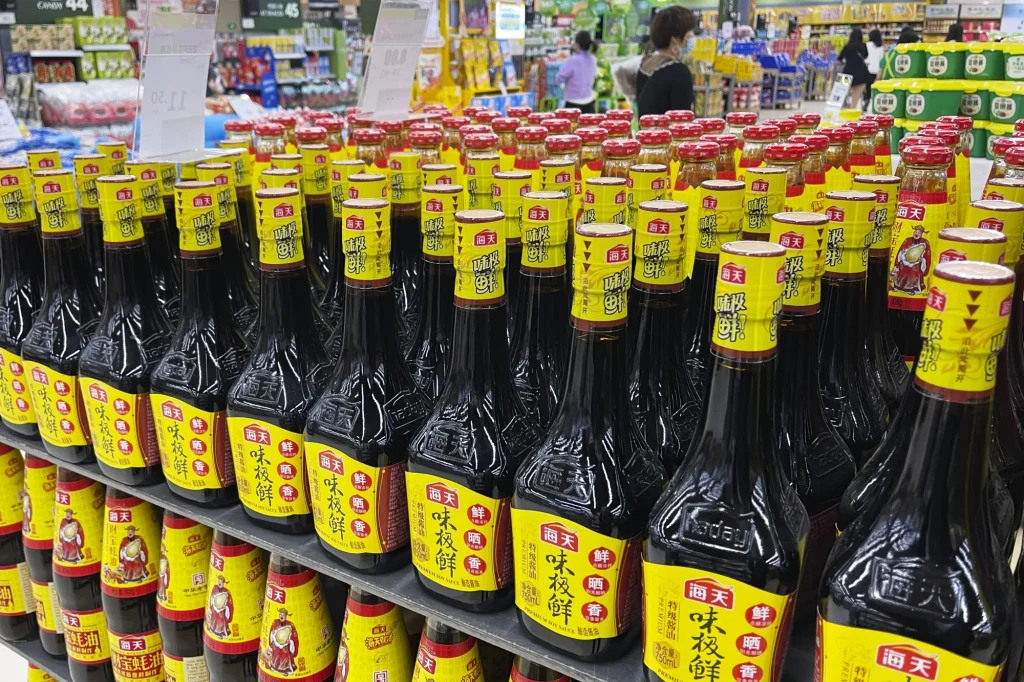
Shares in Foshan Haitian, China’s leading soy sauce manufacturer, made a modestly positive debut on the Hong Kong Stock Exchange on Thursday 19 June, following a US$1.3 billion initial public offering – one of the largest in the territory so far this year. The Guangdong-based company saw its shares rise as much as 4 per cent in early trading, before settling to close at HK$36.50, up 0.55 per cent from its listing price of HK$36.30. The listing price had been set at the upper end of its offer range. The performance was notably resilient in the context of a broader market decline, with the Hang Seng Index falling by 2 per cent on the day. Chairwoman Cheng Xue described the listing as “another important milestone in Haitian’s development history”. Established in 1955 as a small family-run workshop, Foshan Haitian has since grown into China’s largest condiments producer by volume for the past 28 consecutive years. The Hong Kong debut marks its second major market entry, following its Shanghai listing in 2014. The float attracted substantial interest from cornerstone investors, with Hillhouse Capital, Singapore’s sovereign wealth fund GIC, and Royal Bank of Canada’s Global Asset Management among those committing to US$595 million worth of shares. The company also exercised its greenshoe option, signalling robust investor appetite. Proceeds from the offering are earmarked for product development, production expansion, and international market penetration, particularly across Southeast Asia and Europe. The listing comes at a time of renewed momentum for Hong Kong’s capital markets, following years of subdued activity driven by pandemic-related disruptions, domestic economic stagnation in China, and increased geopolitical scrutiny. Recent high-profile listings, including battery giant CATL and pharmaceutical group Jiangsu Hengrui, have revived optimism around the city’s IPO prospects. Edward Au, Deloitte China’s southern region managing partner, noted that Hong Kong is “well-positioned to contend for the top position in the global IPO market in 2025”, though he cautioned that broader macroeconomic and geopolitical uncertainties could still present headwinds. Foshan Haitian’s debut follows Jiangsu Hengrui’s US$1.3 billion raise in May, one of the largest biopharmaceutical IPOs globally this year, and CATL’s US$4.6 billion listing — the biggest to date in 2025. According to Bloomberg data, IPOs and follow-on share sales in Hong Kong have so far generated US$26.5 billion as of mid-June, a substantial increase from US$3.8 billion over the same period last year. The Hong Kong Stock Exchange currently has dozens of pending applications from mainland Chinese firms seeking to list, underscoring the resurgence of confidence in the city’s equity markets. -AFP

News

VinFast Launches First Dealership in California Amid Strategic Pivot

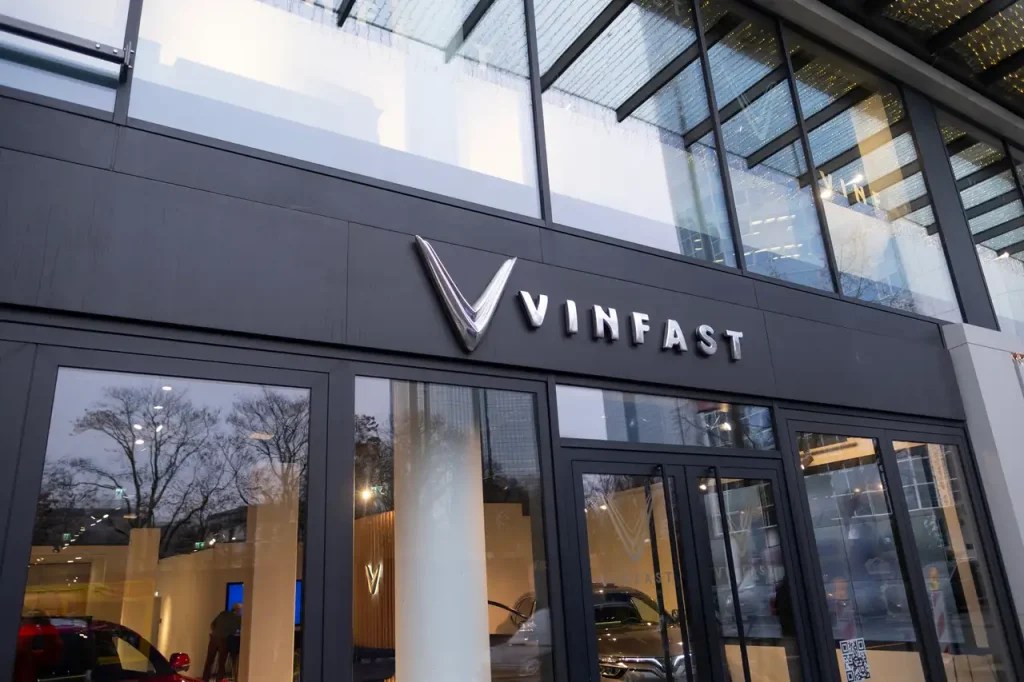
VinFast, the Vietnamese electric vehicle (EV) manufacturer backed by Vingroup, has announced the opening of its first dealership in San Diego, California, with operations set to commence later this month. This move signals a notable strategic shift as the company leans into a dealership model in an effort to bolster sales across the United States. Having initially pursued a direct-to-consumer sales strategy akin to that of Tesla, VinFast has reassessed its approach in light of a series of challenges, including tepid demand, intensifying competition and the implications of recently imposed U.S. tariffs on Chinese and Vietnamese goods. The company’s latest move underscores its renewed commitment to the American market despite these headwinds. VinFast confirmed it is actively seeking and evaluating additional dealership opportunities throughout California, reflecting a broader recalibration of its market entry strategy. Earlier this month, the company’s chair disclosed plans to introduce an electric bus to the U.S. market, further diversifying its product offering in the region. Concurrently, VinFast is in the process of scaling back its U.S. retail footprint by closing selected showrooms, with a renewed focus on expansion in Asian markets, including Indonesia and India. Shares in VinFast edged slightly higher following the announcement. -Reuters

News

HSBC Appoints Christopher Chua as Global Head of Mergers and Acquisitions

HSBC has announced the appointment of Christopher Chua as Global Head of Mergers and Acquisitions, effective immediately. Chua, a seasoned investment banker with more than two decades of experience, will continue to be based in Hong Kong. Previously serving as the bank’s Head of M&A for Asia, Chua takes the helm of the global M&A division following the departure of former global head Kamal Jabre, who left the firm last month to join JPMorgan. The appointment was confirmed by a company spokesperson and detailed in an internal memo reviewed by Reuters. Adam Bagshaw, HSBC’s Global Head of Capital Markets and Advisory, noted in the memo that Chua will lead the M&A franchise across Asia and the Middle East, regions where HSBC maintains a strong competitive edge and delivers significant client value. Chua joined HSBC in 2022 from Credit Suisse to lead its Asia M&A operations and has a proven track record advising multinational corporations on complex cross-border transactions. His promotion marks the latest senior leadership change as HSBC continues to reshape its global investment banking business with an increased focus on Asia and the Middle East. As part of its strategic refocus, the bank has scaled back its M&A and certain equity operations in Europe and the Americas earlier this year. This shift aligns with HSBC’s broader strategy to deepen its footprint in high-growth markets across Asia and the Middle East. In addition, Vikas Seth will chair the bank’s M&A business alongside his current responsibilities as Vice Chair of Corporate and Institutional Banking, where he oversees strategic client engagement. -Reuters

News

LG Energy Solution and Toyota Tsusho Establish US-Based Battery Recycling Joint Venture

LG Energy Solution, South Korea’s foremost battery manufacturer, has announced a strategic agreement with Toyota Tsusho Corporation, a trading affiliate of Japan’s Toyota Group, to establish a battery recycling joint venture in the United States. The new entity, named Green Metals Battery Innovations LLC, will be based in Winston-Salem, North Carolina. The facility will focus on the pre-processing of battery production scrap, dismantling and shredding material to extract black mass—a substance rich in valuable metals including nickel, cobalt, and lithium. Scrap generated during the production of electric vehicle batteries for Toyota Motor Corporation will be supplied by LG Energy Solution. The extracted black mass will subsequently undergo a separate post-processing phase to recover raw materials. These recovered inputs will then be recycled into the production of new battery materials. Construction of the facility is slated to begin later this year, with operations scheduled to commence in 2026. Once operational, the plant will possess an annual processing capacity of 13,500 tonnes of scrap—equivalent to more than 40,000 automotive batteries. LG Energy Solution underscored the strategic significance of the partnership with Toyota Tsusho, citing the latter’s advanced pre-processing technology and proven operational capability. The collaboration is expected to play a pivotal role in reinforcing the company’s battery recycling infrastructure across North America. “This joint venture will not only help secure a stable supply of key battery materials but also enhance the competitiveness of our recycling business in North America,” stated Kang Chang-beom, Chief Strategy Officer at LG Energy Solution. -Yonhap

News

TNG Digital Launches Business Account for MSMEs and Gig Workers in Malaysia

TNG Digital has officially launched its Business Account offering, a fully digital financial solution tailored to the unique needs of micro, small and medium enterprises (MSMEs) and gig economy participants. The launch event was held at the Hilton Petaling Jaya and was officiated by Deputy Minister of Domestic Trade and Cost of Living, YB Senator Dr Hajah Fuziah Binti Salleh, alongside TNG Digital Chief Executive Officer Alan Ni. The TNG Digital Business Account is hosted within the TNG eWallet app and provides a streamlined, paperless onboarding experience, requiring no fees or minimum balance. Account registration can be completed in approximately 30 minutes, significantly reducing administrative friction for business owners. While available to all types of enterprises, the solution has been purpose-built to cater to informal merchants, hawkers, and gig workers—segments traditionally underserved by conventional financial institutions. A key feature of the Business Account is its differentiated wallet size, offering a limit of up to RM60,000 for individual traders and a substantially higher ceiling of RM500,000 for businesses registered with the Companies Commission of Malaysia (SSM). This flexibility is designed to accommodate a wide spectrum of operational needs. Beyond basic financial management, users benefit from real-time settlement capabilities and integrated merchant support tools. These include the Near Me feature to enhance discoverability, as well as marketing incentives such as GOyang-GOyang cashback and voucher campaigns to stimulate customer engagement. The platform also incorporates robust security measures, including a dedicated PIN, a kill switch, and round-the-clock fraud monitoring. Future enhancements to the Business Account are already in the pipeline, with planned additions such as micro-lending, savings products, and protection services. Commenting on the launch, Alan Ni stated that the initiative was developed in response to a clear gap in the market for accessible digital tools that enable micro and small enterprises to thrive in today’s digital economy. He emphasised that the solution enables businesses to receive funds in real time and perform bank transfers without incurring any costs, marking a significant step forward in financial inclusivity and operational efficiency. -Lowyat.Net

News

MNH Holdings Rides Data Centre Wave with RM1.13 Billion Order Book

PETALING JAYA : MN Holdings Bhd (MNH) is poised for strong near-term performance, driven by a robust project pipeline and its deepening involvement in Malaysia’s rapidly expanding data centre (DC) infrastructure sector. According to Hong Leong Investment Bank (HLIB) Research, the company’s outstanding order book stands at RM1.13 billion, with nearly 90% attributed to substation engineering contracts. MNH is actively bidding for a further RM1.85 billion in projects, predominantly in the DC and Tenaga Nasional Bhd (TNB)-related infrastructure space. MNH remains selective in its tender participation, prioritising high-margin projects and those which enhance its operational track record. HLIB noted that job availability remains strong, although competition is constrained by a limited pool of qualified contractors, particularly with growing demand from both TNB and the private sector. The group is also targeting interconnection facility works under the upcoming fifth large-scale solar programme (LSS5). With LSS5, LSS5+ and LSS6 collectively expected to unlock approximately 6 GW of new power infrastructure opportunities in the coming years, capitalised mechanical and electrical players such as MNH are well-positioned to capture a significant share. In a notable development, MNH recently secured a RM39.5 million contract from an unnamed client, referred to as Customer A, for a consumer landing station project in Johor. HLIB Research sees this win as a testament to the group’s execution capabilities, with the potential to secure an additional RM130 million in packages at the same location. As a result, HLIB revised its FY2026 and FY2027 earnings forecasts upwards by 6.8% and 7.5% respectively, while reiterating a “buy” recommendation and raising its target price to RM1.88. Maybank Investment Bank Research (Maybank IB) has also maintained its “buy” call, with a target price of RM1.69, citing the Johor contract with Customer A as a significant growth catalyst. While the contract was within the research house’s expectations, it reinforced MNH’s strengthening position in DC infrastructure, now a key component of both its confirmed and prospective contracts. Maybank IB projects sustained demand in the DC space over the next three years, anticipating RM500 million in annual job wins between FY2025 and FY2027. Further reinforcing investor confidence, Phillip Capital Research highlighted a recent RM40 million substation extension project, which has lifted MNH’s total order book to RM1.1 billion — equivalent to 4.5 times its FY2024 revenue. The project is expected to contribute RM4 million to FY2026 earnings. Phillip Capital also pointed to a prospective RM250 million pipeline from Customer A, noting MNH’s strategic position with first right of refusal. It maintained a “buy” rating with a target price of RM1.72, citing the group’s strong client retention and advantageous exposure to Malaysia’s fast-growing data centre segment. -The Star

News

PMCK Eyes Growth Trajectory with Upcoming ACE Market Debut

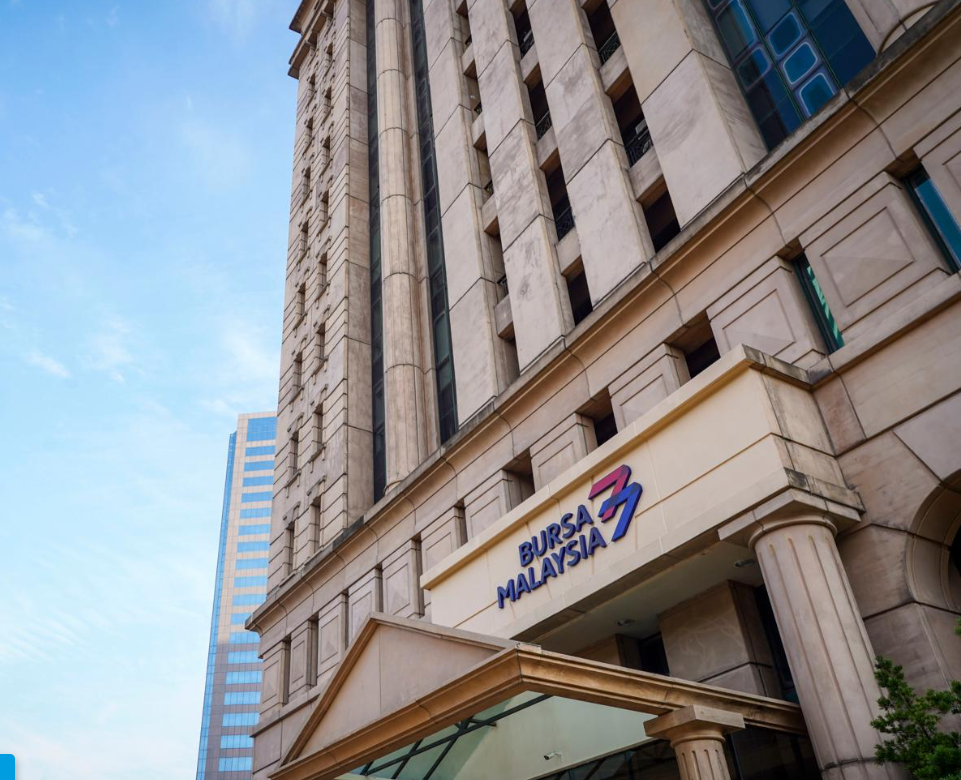
PETALING JAYA : PMCK Bhd, a well-established private healthcare provider operating in northern Malaysia, is preparing to list on the ACE Market of Bursa Malaysia, with ambitions to solidify its regional presence and enhance long-term shareholder value. As part of its post-listing strategy, PMCK has pledged to distribute a minimum of 20% of its net profit as dividends. According to TA Research, dividend payouts are projected to range between 20% and 44% across the financial years 2025 (FY25) to 2027 (FY27), with forward yields estimated at 1.3% to 2.1%. At its initial public offering (IPO) price of RM0.22 per share, PMCK is valued at a trailing price-to-earnings (PE) ratio of 15.9 times based on FY24 earnings per share (EPS). TA Research has set a fair value of RM0.23 per share, derived from a target PE of 16 times FY26 EPS. PMCK currently operates the Putra Medical Centre in Alor Setar, Kedah. With over three decades in the healthcare industry, the centre is supported by 40 consultants across 17 medical specialisations. Through its IPO, the group aims to raise RM60 million, earmarked for expansion efforts focused on strengthening its foothold in northern Malaysia—a region that continues to face limited access to private healthcare services. Kedah, in particular, has one of the lowest private hospital bed densities in the country. A cornerstone of this expansion is the upcoming PMC Kulim facility, a 12-storey private medical centre slated to begin operations in the first quarter of FY28. The development includes a seven-storey adjoining complex featuring a four-storey hotel, a two-storey food court and dedicated parking facilities. PMCK also plans to integrate RYM DX Laboratory Sdn Bhd, its diagnostics subsidiary, into PMC Kulim to meet rising demand for medical testing services. Concurrently, it will upgrade the medical laboratory and radiology facilities at its existing PMC Kedah site to improve service delivery. Despite its long-term growth outlook, PMCK is expected to experience a near-term dip in earnings. TA Research anticipates a 24.8% contraction in net profit to RM11.3 million in FY25, primarily due to a projected 20% decline in patient volume. The reduction is attributed to severe flooding in Alor Setar and its surrounding areas between September and December 2024, which impeded patient access. Consequently, the profit after tax margin is forecast to fall to 12.1%, down from 14.4% in FY24, also weighed by increased administrative costs incurred during continued facility operations amidst the floods. -The Star

News

GAM Holding Appoints Albert Saporta as CEO in Strategic Leadership Shift

GAM Holding AG has announced the appointment of Albert Saporta as its new Group Chief Executive Officer, effective 1 July 2025. The appointment marks a pivotal leadership change at the Zurich-listed asset manager, as the firm continues its strategic transformation. Saporta, a veteran of the investment management industry with over 40 years of experience, succeeds Elmar Zumbuehl, who has led the firm since October 2023. Zumbuehl will remain with GAM until the end of 2025 to ensure a smooth transition. A long-standing figure in global finance, Saporta brings deep expertise to the role. His career began at Paribas in Paris before he moved to Merrill Lynch in London, focusing on Japanese equity sales between 1985 and 1988. He subsequently joined UBS Securities and then IFM, a hedge fund backed by Jacob Rothschild’s St James’s Place and AIG. In 1995, he founded AIM&R, a Geneva-based hedge fund advisory and research firm, which he later sold to ABN Amro Bank in 2006. AIM&R was relaunched in 2011 and continues to serve hedge funds, pension schemes, real estate trading firms, and family offices globally. Saporta has served as GAM’s Global Head of Investments and Products since October 2023, a role in which he has contributed to the firm’s repositioning as a lean and scalable platform following a challenging period. “These leadership changes reflect that GAM has successfully transformed and is now well positioned for growth,” the company stated. GAM has experienced significant restructuring under Zumbuehl’s tenure. Following the collapse of a takeover bid by Liontrust Asset Management in 2023, the firm secured strategic funding support from investor group NewGAMe, including Rock Investment SAS, which committed up to CHF 100 million ($1.09 million) in capital. Zumbuehl subsequently led efforts to streamline GAM’s operations and divest non-core entities. “On behalf of the board of directors, I would like to express our deepest gratitude to Elmar for his dedicated service and the significant achievements he has accomplished during his many years at GAM,” said Antoine Spillmann, Chairman of the Board. “His leadership has been pivotal in steering the company through transformative changes and setting a solid foundation for future sustainable growth.” In tandem with the leadership transition, Tim Rainsford will return to GAM as Group Distribution Officer on 1 October. Rainsford was formerly CEO of Generali Investments Partners and most recently served as Chief Product and Distribution Officer at Generali Asset Management. He will oversee distribution efforts, with Rossen Djounov, Global Head of Client Solutions, remaining a key member of the leadership team and reporting directly to Rainsford.

News

Southeast Asia’s Low-Cost Airlines Ramp Up Expansion Despite Cost Pressures

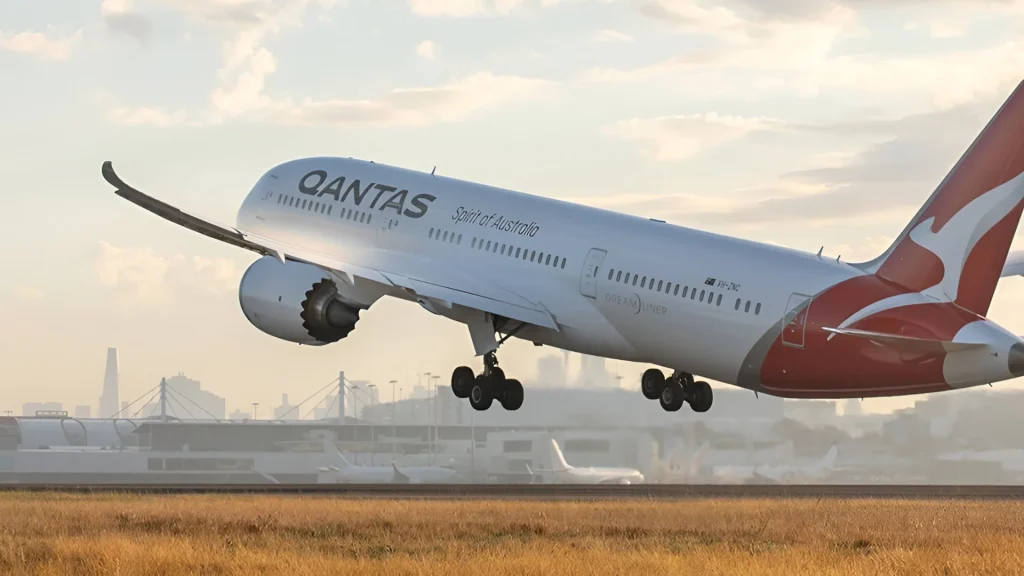
Southeast Asia’s largest low-cost carriers are pressing ahead with aggressive fleet expansion strategies, despite mounting cost pressures and increasingly fierce competition that have already prompted some players to retreat. The latest casualty is Jetstar Asia, Qantas Airways’ Singapore-based subsidiary, which will cease operations by the end of July after nearly two decades, citing unsustainable cost increases. The budget airline model has proliferated across Asia over the past twenty years, underpinned by rising disposable incomes and robust travel demand, particularly from Chinese tourists. Industry forecasts anticipate that air travel demand in Asia will outpace all other regions in the coming decades, further encouraging carriers such as Malaysia’s AirAsia and Vietnam’s VietJet Aviation to expand their already substantial aircraft orderbooks. However, profitability remains a challenge. According to the International Air Transport Association (IATA), Asia-Pacific carriers are forecast to post a net profit margin of just 1.9 per cent in 2024, well below the global average of 3.7 per cent. The region’s rapid post-pandemic capacity recovery has intensified fare competition, especially among price-sensitive leisure travellers. ForwardKeys data shows that international airfares across Asia fell 12.0 per cent year-on-year in 2024. AirAsia, Southeast Asia’s largest low-cost carrier, reported a 9.0 per cent drop in average fares in the first quarter, attributing the decline to increased capacity and the pass-through of savings from lower fuel costs. Yet cost headwinds are escalating. Labour, airport fees, and ground services have all become more expensive, while a global aircraft shortage has driven up leasing and maintenance expenses. Jetstar Asia cited double-digit increases in fuel, airport charges, and security fees at its Singapore hub as key factors behind its decision to exit the market. “The buffer is extremely thin, and with margins this low, any cost increase can affect an airline’s viability,” said Sheldon Hee, Vice-President for Asia-Pacific at IATA. Aviation intelligence provider OAG noted in a recent white paper that Asia-Pacific remains the most competitive global aviation market, where excess capacity has pushed fares to levels that threaten profitability. The report emphasised that aligning supply with demand, and managing cost-revenue dynamics, is now more critical than ever. Two-thirds of international seat capacity within Southeast Asia is now operated by budget carriers—double the global average—according to the CAPA – Centre for Aviation. Analysts suggest Qantas opted to redeploy Jetstar Asia’s fleet to more efficient markets in Australia and New Zealand, rather than continue absorbing losses in a saturated environment. Southeast Asia’s low-cost airline sector was already grappling with profitability pressures before the pandemic, a situation now compounded by structural cost increases. Smaller operators face particular difficulties. Jetstar Asia, with a fleet of 13 aircraft, lagged behind its regional competitors in scale. As of 31 March, Scoot (Singapore Airlines’ budget arm) operated 53 aircraft, AirAsia 225, VietJet 117 including its Thai unit, and Cebu Pacific 99. Each of these airlines has committed to further fleet expansion. VietJet, in a significant move announced this week at the Paris Airshow, signed a provisional agreement to acquire up to 150 additional Airbus narrow-body aircraft. This follows a recent order of 20 Airbus A330neo wide-bodies and builds on its existing commitment to purchase 200 Boeing 737 MAX jets. Meanwhile, AirAsia is pursuing additional fleet growth, with ongoing negotiations to acquire 50 to 70 long-range single-aisle aircraft and 100 regional jets. Chief Executive Tony Fernandes confirmed the group’s intention to use these jets to reach new destinations. “At the end of the day, it is go big or go home,” remarked Subhas Menon, Director-General of the Association of Asia Pacific Airlines, underscoring the prevailing mindset in an increasingly high-stakes environment. -Reuters

Scroll to Top

Subscribe
FREE Newsletter