News

News

UEM Sunrise Ends Data Centre Plans in Gerbang Nusajaya, Eyes Land Sale

UEM Sunrise Bhd has officially shelved its plans to develop a data centre on a 74-acre plot in Gerbang Nusajaya, following the collapse of a partnership with Logos Infrastructure Holdco Pte Ltd. The company is now in early discussions to divest the land as part of its strategy to monetise non-core assets. The development comes after the lapse of an agreement with Logos, which was originally intended to see the construction of a data centre with a capacity of up to 360 megawatts. Hafizuddin Sulaiman, officer in charge and chief financial officer of UEM Sunrise, confirmed via email that changes in Logos’ ownership and strategic direction had led to the termination of the collaboration. In July 2024, ESR Group Ltd, the majority shareholder of Logos, acquired the remaining 13.6% stake from the company’s founders, prompting a realignment of business priorities. “The partnership with Logos has lapsed following a change in Logos’ ownership, which led to a shift in its overall business focus and strategic direction,” Hafizuddin stated. He did not specify when the May 2024 agreement had formally expired. Speculation surrounding the deal’s cancellation first emerged in May 2025, after analysts reported that the agreement had been scrapped, with UEM Sunrise citing an “unfavourable operating environment”. Hafizuddin added that the company has received preliminary expressions of interest for the land and is currently in discussions with several potential buyers. “At this stage, no binding agreements have been formalised. Any material developments will be disclosed in accordance with regulatory requirements,” he said. In the financial year ended 31 December 2024, UEM Sunrise executed several portfolio rationalisation measures. These included the disposal of its remaining 40% interest in Aura Muhibah Sdn Bhd to KLK Land Sdn Bhd for RM386.2 million, as well as the sale of a land parcel in East Ledang to a global data centre operator for RM144.9 million. The company launched six projects in 2024 with a total gross development value (GDV) of RM904.3 million, surpassing its initial RM800 million target, according to its annual report. As at end-December 2024, UEM Sunrise’s remaining landbank amounted to 5,197.9 acres, carrying an estimated GDV of RM90.9 billion. Shares of UEM Sunrise closed 1.46% higher on Tuesday, rising one sen to 69.5 sen, with approximately nine million shares traded. This brought the company’s market capitalisation to RM3.52 billion. -The Edge

News

EPF Health Scheme to Drive Patient Growth at Sunway Hospitals, Says MIDF

Sunway Bhd is poised to benefit from increased patient traffic at its hospitals if the Malaysian government proceeds with the proposed Employees Provident Fund (EPF)-funded health insurance scheme, according to a report by MIDF Research. The research house noted that the scheme, which would allow EPF members to voluntarily utilise funds from Account 2 for health insurance, is anticipated to widen access to faster and higher-quality private healthcare services. The initiative stands to impact approximately 16 million EPF members. MIDF Research stated that the scheme would benefit Sunway Healthcare Group (SHG), a subsidiary of Sunway Bhd, which currently operates five hospitals across Malaysia. The initiative is expected to drive an increase in outpatient numbers and hospital admissions by improving accessibility to private healthcare services. The report added that the potential gains from this scheme are likely to offset the projected mild downside from the introduction of the Diagnosis-Related Group (DRG) payment model. This new system, which affects both public and private hospitals, categorises treatments into standardised fixed-rate bands to control medical cost inflation. Sunway’s healthcare division has been a significant contributor to group earnings, accounting for 14% of its profit before tax (PBT) for the financial year ended 31 December 2024. However, this contribution declined to 10% in the first quarter ended 31 March 2025 due to start-up losses from Sunway Medical Centre (SMC) Damansara and pre-operational expenses at SMC Ipoh. As of now, SHG operates with 1,647 licensed beds and is targeting an expansion to 3,000 beds by 2030 through the development of new facilities. In April 2025, SHG entered into an agreement with Putrajaya Holdings Sdn Bhd to develop a 325-bed hospital in Putrajaya. The group is also exploring the establishment of its first hospital in Seremban as part of a transit-oriented development in the area. MIDF Research views SHG’s expansion strategy as a driver of future earnings growth, alongside increasing contributions from Malaysia’s medical tourism sector, bolstered by the group’s strong industry reputation. On the broader corporate outlook, Sunway Bhd posted a robust performance in FY2024, recording a 51.3% year-on-year increase in earnings to RM1.06 billion, driven by substantial contributions from projects in Singapore. However, the research house anticipates normalised earnings in FY2025, primarily supported by the property investment and construction divisions. MIDF Research has maintained a “neutral” recommendation on Sunway Bhd, with an unchanged target price of RM4.86 per share. -The Star

News

MyNews Holdings Posts 32% Jump in Q2 Earnings

MyNews Holdings Bhd has recorded a strong second-quarter performance, underpinned by its strategic expansion and stable gross profit margins. The convenience store operator reported a 31.6% increase in net profit for the three months ended 30 April 2025, reaching RM2.3 million, equivalent to 0.30 sen per share. This brings its cumulative net profit for the first half of the financial year to RM6.1 million, or 0.82 sen per share. Revenue for the quarter stood at RM202.6 million, marking a 5.1% year-on-year increase. Total revenue for the six-month period rose to RM418.4 million. The company attributes its growth to a sustained commitment to delivering quality food and services across its convenience store network, alongside the strength and visibility of its established brands. MyNews affirmed that business expansion remains a key focus, with a notable increase in new store openings. Concurrently, the group observed a downward trend in active outlet closures, signalling continued operational stability and scalability. -The Star

News

Foodie Media Targets ACE Market Listing Amid Expansion Plans

Foodie Media Bhd, the digital media company behind popular food blog KL Foodie, has submitted a draft prospectus for an initial public offering (IPO) on Bursa Malaysia’s ACE Market. The company, associated with social media personality Lim Pinn Yang, aims to float approximately 28.15% of its enlarged share capital. According to the filing, 15.54% of the equity will be offered via public issue, broken down into 5% for the Malaysian public, 1.69% for eligible persons, and 8.85% via an institutional offering. An additional 12.61% will be allocated to institutional and selected investors through an offer for sale. Post-listing and assuming full exercise of its executive share scheme, Lim, aged 32, is expected to retain a 21.8% direct stake in the company. He will also hold over 15% indirectly through his spouse, Ang Rui Mei. Both Lim and Ang are members of the board, serving as Chief Executive Officer and Chief Operating Officer respectively. Proceeds raised from the IPO are earmarked for strategic initiatives including talent acquisition, the purchase and renovation of a live streaming facility, and investments in both new and upgraded production equipment. A portion of the funds will also be channelled towards the adoption of artificial intelligence-driven software solutions and general working capital requirements. Notably, Bryan Loo Woi Lip, Chief Executive Officer of Loob Bhd—parent company of the popular beverage brand TeaLive—will remain a significant shareholder in Foodie Media, with a post-IPO stake of 8.3%. In a separate development, SBS Nexus Bhd has also unveiled plans to pursue a listing on the ACE Market. A specialist in branding and marketing solutions, SBS’s primary client in 2024 was women’s fashion label Christy Ng. The proposed IPO for SBS will involve a 25% public issue of its enlarged share capital, alongside a 10% offer for sale. Capital raised will be directed toward establishing a new headquarters, expanding business operations, strengthening branding and promotional activities, repaying borrowings, and supplementing working capital. -The Star

News

Malakoff to Gain RM40 Million Annually from Melaka WTE Plant, Says Maybank IB

KUALA LUMPUR : Malakoff Corporation Bhd is poised to realise an estimated RM40 million in annual net profit accretion over a 30-year period once its Melaka waste-to-energy (WTE) facility begins operations, according to Maybank Investment Bank Bhd (Maybank IB). In a research note issued today, Maybank IB stated that the contribution from the Melaka WTE plant is expected to provide a significant long-term uplift to Malakoff’s earnings. The investment bank has maintained its ‘hold’ recommendation on the stock, with an unchanged sum-of-parts (SOP) based target price of RM0.75. “Our earnings forecasts and TP of RM0.75, based on a SOP valuation methodology with each segment assessed using a discounted cash flow approach, remain unchanged pending the official commissioning of the WTE facility,” Maybank IB said. It added that the projected 70 per cent payout ratio implies dividend yields of approximately 5.0 per cent, offering downside support for investors. Malakoff remains actively engaged in identifying new project opportunities, and the upcoming WTE project is seen as a step forward in strengthening its long-term sustainability agenda. The WTE plant will be operated by Malakoff’s wholly-owned subsidiary, Sungai Udang WTE Sdn Bhd, under a public-private partnership concession agreement with the Ministry of Housing and Local Government and the Solid Waste and Public Cleansing Management Corporation. The concession period spans 34 years from the effective date and is scheduled to commence in the second quarter of 2026. Public Investment Bank Bhd (PIVB) has also reiterated its ‘neutral’ rating on Malakoff with a target price of RM0.82. PIVB noted that while the development of the Melaka WTE project is a positive step, no adjustments have been made to its earnings forecasts as the facility’s commissioning is beyond the current projection horizon. PIVB also commented that the project’s guided high single-digit internal rate of return is reasonable in light of the significant upfront capital expenditure involved. -Bernama

News

TNG Digital and Setel Ventures Launch Integrated Fuel Payment Option at PETRONAS Stations

TNG Digital and Setel Ventures have announced a strategic collaboration that now allows TNG eWallet users to pay for fuel at over 1,000 PETRONAS stations nationwide via a seamless in-app integration. The initiative integrates Setel’s pump-and-pay functionality directly into the TNG eWallet through the newly launched ‘PETRONAS via Setel’ mini programme. This feature enables motorists to refuel and make payments without exiting their vehicles or requiring a separate application, streamlining the entire process. To support the nationwide rollout, the first 50,000 eligible fuel transactions completed via the mini programme will be rewarded with RM5 worth of Mesra Rewards points. This offer is available to new users of Setel and Mesra Rewards, as well as existing Mesra members who link their IDs to Setel for the first time. Additionally, users will earn GOrewards points with each qualifying transaction. Setel, PETRONAS’ proprietary mobile platform, provides a suite of services including fuel payments, parking, electric vehicle charging, motor insurance, and road tax renewals, through a single digital platform used across the company’s retail and merchant ecosystem. Abdullah Ayman Awaluddin, Chief Executive Officer of Setel, stated that the partnership underscores the company’s continued efforts to expand its ecosystem through meaningful integrations. “Refuelling is a high-frequency transaction. Embedding Setel within TNG eWallet allows us to meet users where they are and reinforces our vision to deliver seamless and frictionless mobility and retail experiences through digital innovation,” he said. Alan Ni, Chief Executive Officer of TNG Digital, noted the importance of everyday digital convenience. “Fuel payments are a regular routine for many individuals, and this collaboration makes the process faster and more accessible, while creating new touchpoints within PETRONAS’ nationwide network. We actively encourage partnerships that not only enhance convenience for users, but also give our partners the opportunity to reach a wider, digitally engaged audience,” he said.

News

Alibaba Merges Ele.me and Fliggy Into Core E-commerce Unit

Alibaba Group has announced the integration of its food delivery service Ele.me and online travel platform Fliggy into its principal e-commerce division. The move is part of a broader effort to streamline its operations in response to mounting market pressures and evolving consumer trends. The company described the restructuring as a “strategic upgrade” as it accelerates its transformation from a conventional e-commerce entity into a comprehensive, consumer-focused platform. “In the future, the company will increasingly optimise its business models and organisational structures from the user’s perspective to deliver richer, higher-quality consumer experiences,” Alibaba stated. The consolidation comes at a time of economic uncertainty in China, fuelled by a protracted property crisis and ongoing repercussions from shifting United States trade policies. These macroeconomic challenges have tempered consumer spending across the country. Meanwhile, competition within China’s e-commerce sector has intensified significantly. Industry players are locked in a sustained price war while simultaneously expanding into the fast-growing “instant retail” segment, which prioritises delivery speeds of 30 to 60 minutes in an effort to capture increasingly time-sensitive demand. Alibaba’s restructuring reflects a strategic shift in the company’s long-term vision, aimed at leveraging synergies across its consumer-facing platforms to bolster engagement, efficiency, and market competitiveness. -CNA

News

Japanese Megabanks and Global Lenders Scale Back Middle East Operations

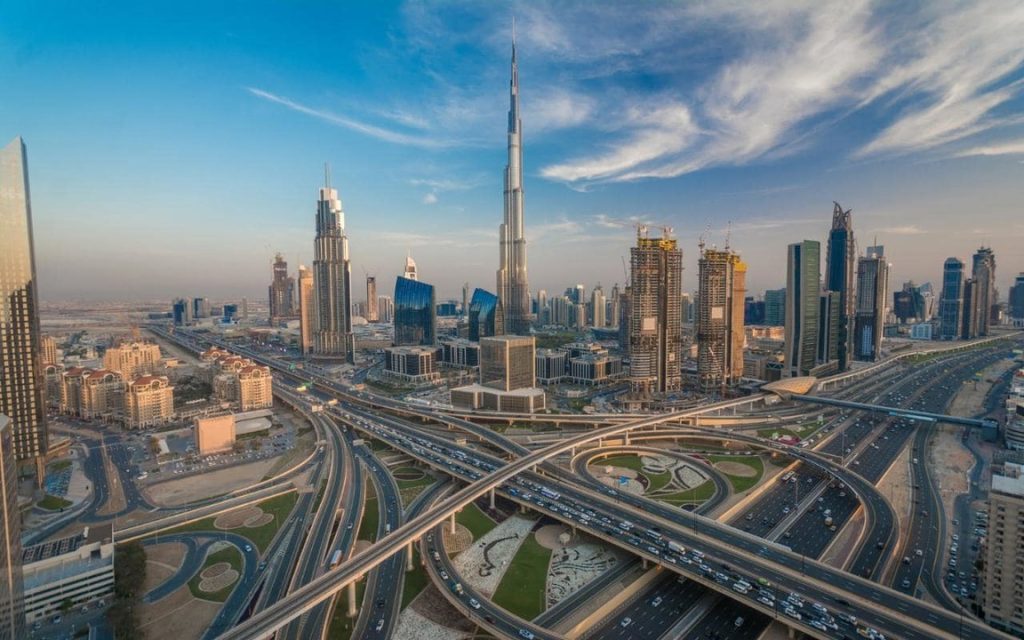
Japanese financial institutions are re-evaluating their operational footprint in the Middle East, while JPMorgan Chase has imposed strict travel limitations for its employees in the region, following a sharp escalation in geopolitical tensions involving Iran. The United States formally entered the conflict over the weekend, launching strikes on three critical Iranian nuclear facilities, in a strategic alignment with Israel’s military objectives to neutralise Tehran’s nuclear capabilities. In retaliation, Iran has pledged a forceful response. Tensions reached new heights on Monday as Israeli forces targeted Evin prison in northern Tehran—widely seen as a powerful symbol of Iran’s regime. Israeli officials described it as the most intense bombing of the Iranian capital to date. The unfolding conflict threatens to undermine years of economic diversification efforts across the Gulf. Governments in the Middle East, including Saudi Arabia and the United Arab Emirates, have aggressively promoted themselves as regional financial centres, offering regulatory reforms and incentives to global banks and asset managers as part of long-term strategies to reduce dependence on hydrocarbons. In response to the deteriorating security landscape, Sumitomo Mitsui Financial Group has initiated the evacuation of staff from countries including Iran and Qatar, citing safety concerns. Mitsubishi UFJ Financial Group has also begun relocating family members of employees from Dubai and Riyadh, and is reviewing the option of discretionary staff withdrawals, according to a company spokesperson. Mizuho Financial Group is assessing a range of contingency measures, including the potential evacuation of personnel, while urging employees to exercise heightened caution. Wall Street banking giant JPMorgan Chase has restricted travel to and from the Middle East to essential trips only. According to a source familiar with the matter, the bank is offering case-by-case support to staff affected by the restrictions. Goldman Sachs, meanwhile, requested that employees in Israel begin working remotely as early as last week, in light of growing instability in the region. Bank of Singapore, a major Asian private lender, has suspended all non-essential travel for staff based at its Dubai International Financial Centre (DIFC) office. “The safety of our staff is our highest priority, and we stand ready to activate our business continuity plans while minimising the disruptions to clients,” said Ang Wee Khoon, Head of Risk Management at the DIFC branch. The decisions underscore how the rising conflict is prompting swift risk mitigation actions from global financial players with a significant presence in the Middle East. -Reuters

News

Hellobike Launches New Robotaxi Venture in Strategic Partnership with Ant Group and CATL

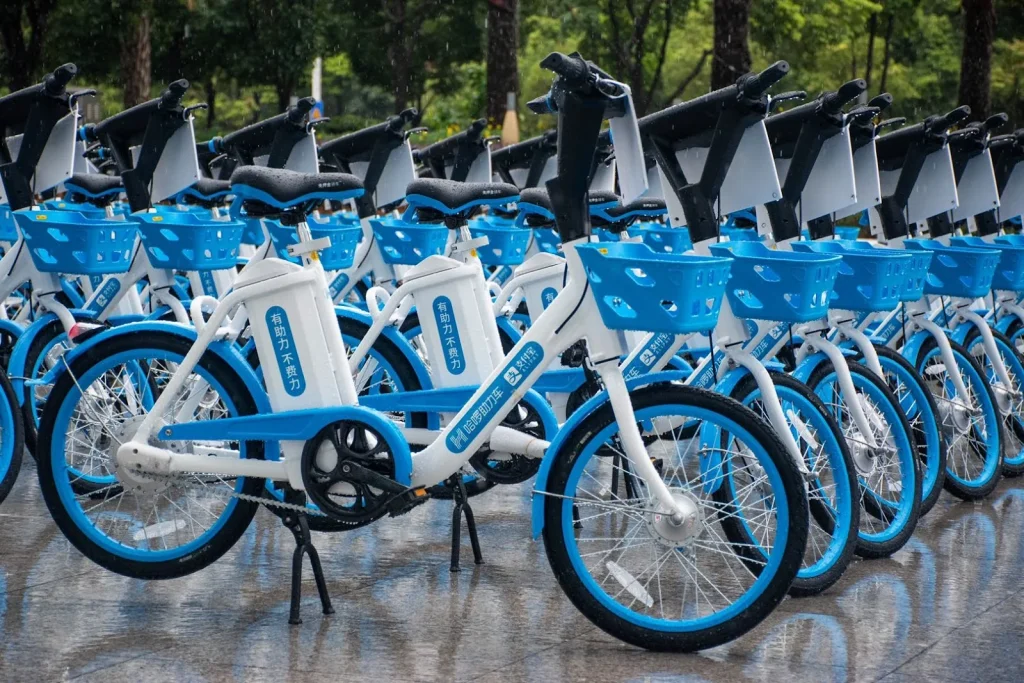
Hellobike, one of China’s leading bike-sharing platforms, has officially announced the establishment of a new robotaxi enterprise in collaboration with Ant Group and CATL, underscoring a strategic expansion into the autonomous mobility sector. According to a corporate statement released on Monday, the three companies have collectively committed over 3 billion yuan (approximately US$417.40 million or RM1.78 billion) as an initial capital investment in the newly formed venture. The company was formally registered in Shanghai on the same day and will concentrate on the development of level 4 autonomous driving technologies, as well as the safety applications and commercialisation of robotaxi services. This marks a significant milestone in China’s push towards advanced driverless transportation solutions, with Hellobike, Ant Group and CATL pooling expertise from mobility services, fintech, and battery technology respectively. The collaboration positions the new firm to play a pivotal role in shaping the next phase of smart urban mobility in China and beyond. -Reuters

News

Ho Chi Minh City Unveils Plan for International Financial Centre

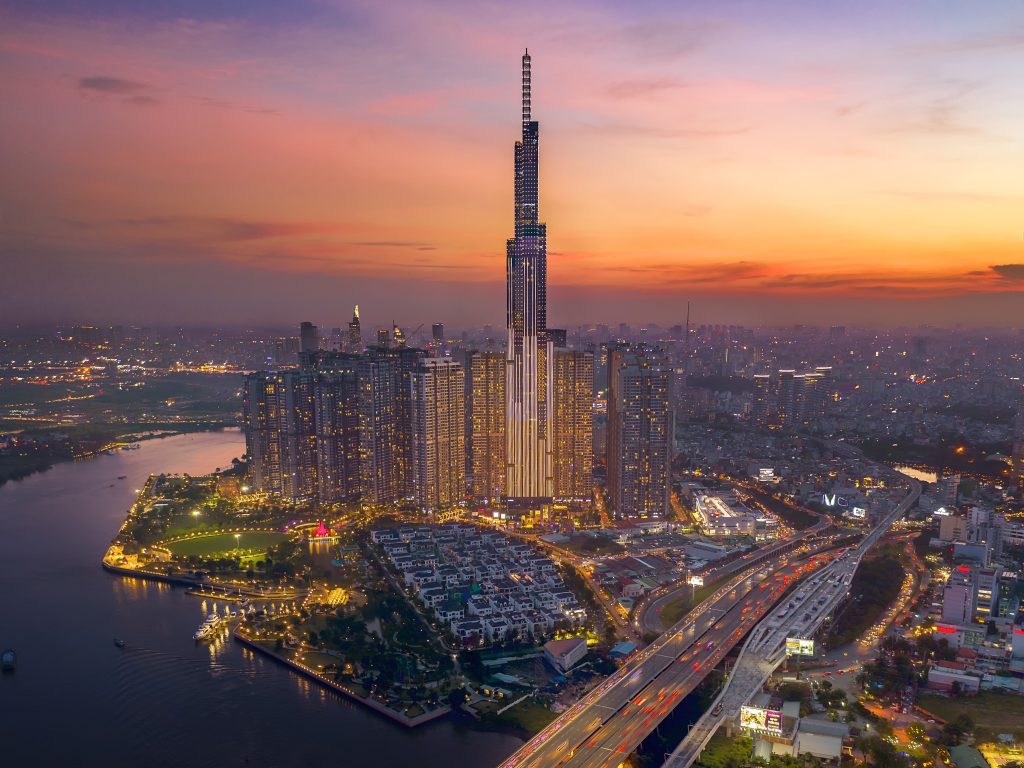
Ho Chi Minh City, Vietnam’s principal economic powerhouse, has announced a strategic plan to mobilise a total of 172 trillion dong (approximately US$6.6 billion) over the next five years to establish an international financial centre (IFC). This development marks a significant step in the city’s ambition to position itself as a global financial hub. The proposed IFC will be located across two key areas — District 1 and the Thu Thiem New Urban Area — encompassing a total area of 783 hectares. The initial phase will focus on the development of a 9.2-hectare core zone in Thu Thiem, situated on the eastern bank of the Saigon River directly opposite District 1. This area will serve as the administrative nucleus, housing key regulatory and governmental institutions. The city is currently seeking an investment of 14 trillion dong for this phase, in addition to a further two trillion dong from state revenue sources. At present, the site remains undeveloped, earmarked for foundational infrastructure including roads, electricity, water supply, telecommunications, and lighting. Thu Thiem, incorporated into the city’s master plan since 1996, spans 930 hectares, of which 770 hectares are designated for urban development and 160 hectares for resettlement. The area is projected to support a population exceeding 200,000. Nguyen Van Duoc, Chairman of the municipal People’s Committee, reaffirmed the city’s preparedness to assume the role of an IFC. “Ho Chi Minh City, as a major economic hub, recorded a gross regional domestic product (GRDP) of US$73.8 billion last year, accounting for 15.5% of Vietnam’s GDP,” he said. “The city also hosts over 50% of the nation’s fintech startups.” A 29-member steering committee, chaired by Party Secretary Nguyen Van Nen, has been established to oversee the centre’s development. While the concept of an IFC has been under consideration for several years, this initiative marks the most concrete progress to date. The draft proposal outlines a multi-faceted financial ecosystem, incorporating banking, money markets, capital markets, and derivatives trading. Special mechanisms and preferential policies are expected to attract financial institutions such as banks, investment funds, and service providers. There will also be dedicated trading platforms for securities, currencies, and commodities, with a focus on aligning fintech developments to international standards. In parallel with Ho Chi Minh City’s initiative, the central government is also planning an IFC in Da Nang, reinforcing a nationwide strategy to integrate Vietnam more deeply into global financial markets. Industry experts emphasise the importance of adopting international best practices, particularly in emerging sectors like fintech. However, they also caution that implementation must be meticulously phased and strategically aligned with each city’s distinct advantages. While IFCs are well-established globally, the concept remains relatively nascent in Vietnam. Nonetheless, successful execution could significantly enhance the country’s financial landscape by drawing foreign capital, expanding investment opportunities, and delivering high-quality financial services to both domestic and international enterprises. -Viet Nam News

Scroll to Top

Subscribe
FREE Newsletter