News

News

MBSB Bank’s “WorksForMe” Makes Banking Rewarding Without the Fine Print

PETALING JAYA: MBSB Bank unveiled “WorksForMe”, a new payroll proposition designed to make saving and building wealth as seamless and rewarding as possible. Customers can enjoy meaningful benefits simply by banking with MBSB Bank, without having to meet complicated conditions. Targeted at Malaysia’s growing base of salaried employees, freelancers, gig workers, and side hustlers, WorksForMe is built for those who make sound financial decisions and want a bank that supports their journey, not complicates it. “Today, people are becoming more financially knowledgeable. They need to be provided with tools that align with their lifestyle and financial goals,” said Soo Bee Teong, Head of Liabilities and Proposition, Group Consumer Banking, MBSB Bank. “With WorksForMe, we have made it easy. You get access to a wide range of rewards, benefits, and flexibility just by crediting your income into your MBSB Bank account. No excessive conditions. No complexity. Just good value.” Perks Made Simple. Rewards Made Easy. Customers under WorksForMe enjoy: Fee-free ATM withdrawals at all MEPS ATMs nationwide. Access your money anytime, anywhere, without extra charges. Enjoy exclusive benefits when you open a new account with MBSB Bank from no initial deposit requirements to attractive profit rates, and even more rewards for joint accounts with your child. Enjoy competitive rates on Personal, Home, and Auto Financing offerings. Unit Trust investments at only 1.0% sales charge through a trusted fund aggregator, giving customers access to high-quality funds with low barriers. By integrating behavioural insights, WorksForMe supports financially literate customers in overcoming the common trap of present bias. It nudges them toward smarter, long-term decisions while giving them control and flexibility. “We believe in making savings and wealth-building frictionless. WorksForMe is how we honour that promise by ensuring that every Ringgit you save, spend, or invest with MBSB Bank adds up to a stronger financial future,” added Usman Ghouse, Group Chief Consumer Banking Officer of MBSB Bank. WorksForMe is now available at all MBSB Bank branches nationwide. For more information, visit www.mbsbbank.com or contact your nearest MBSB Bank branch.

News

Philippine Central Bank Set to Cut Rates as Inflation Slows Sharply

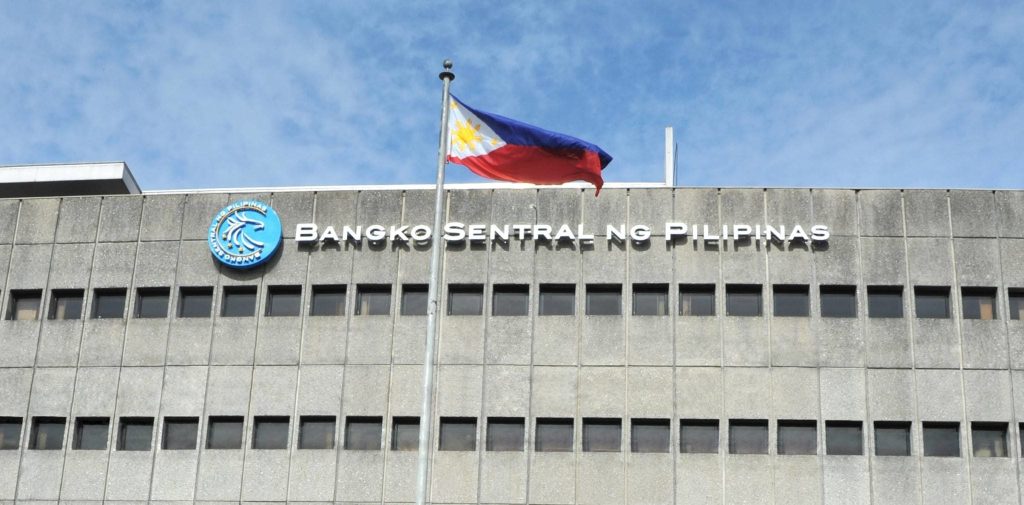
The Bangko Sentral ng Pilipinas (BSP) is poised to lower its key interest rate on 19 June, with a majority of economists anticipating a 25 basis point reduction to 5.25 per cent, according to a Reuters survey conducted between 10 and 17 June. The expected move reflects a shift in sentiment since April, when most analysts forecast the central bank would hold rates steady. This anticipated easing comes as inflation in the Philippines slowed sharply to 1.3 per cent in May—its weakest reading in over five years and notably below the BSP’s 2 to 4 per cent target range. The cooling inflationary environment, coupled with underwhelming first-quarter growth despite increased public spending, has strengthened the case for monetary support. Of the 25 economists polled, 22 expect a 25 basis point cut this week, while three see rates remaining at the current level of 5.50 per cent. Economists suggest the BSP now has policy space to shift its focus toward growth support. “Progress on the inflation front opens the door for the BSP to consider another rate cut,” said Sarah Tan, economist at Moody’s Analytics. “Further, the recent stabilisation of the peso will provide an additional nudge to the decision-making process. Continued monetary easing would play a vital role in supporting the domestic economy amid a complex external environment.” Looking ahead, more than half of the 23 economists who shared longer-term projections anticipate a further cut of 25 basis points to 5.00 per cent by the end of the third quarter. The median forecast suggests a cumulative 50 basis points reduction this year, although views diverge beyond that, with no consensus on the policy stance for end-2025. Governor Eli Remolona had already indicated in April that further cuts were likely, reinforcing expectations for a more accommodative stance. Nonetheless, the policy trajectory may be complicated by external developments, particularly decisions by the US Federal Reserve, which is expected to maintain rates until at least September. “While downside risks to both growth and inflation suggest more cuts are needed, the Federal Reserve’s path will likely play an equally important role in determining the magnitude of rate cuts by the BSP,” said Shreya Sodhani, regional economist at Barclays. “With our US economists now looking for only one cut by the Federal Reserve this year, we think the BSP can ease only twice more while keeping its desired 100 basis point differential between its policy rate and the Fed funds rate.” -Reuters

News

Chow Tai Fook Launches HK$7.85 Billion Convertible Bond to Fund Expansion

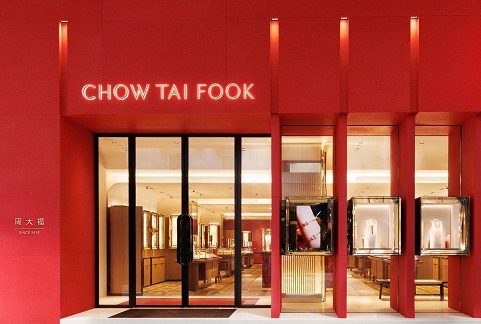
Chow Tai Fook Jewellery Group Ltd, led by Henry Cheng, is launching one of Hong Kong’s largest convertible bond issuances of the year, targeting HK$7.85 billion (approximately US$1 billion). The fundraising initiative arrives amid heightened scrutiny of another arm of the Cheng family’s business empire, New World Development Co, which is contending with a significant liquidity crisis. The proposed convertible bonds, denominated in Hong Kong dollars, are set to mature around the end of June 2030. According to transaction terms reviewed by Bloomberg News, the bonds will offer a coupon ranging from zero to 0.5%, payable on a semi-annual basis. The proceeds are earmarked for Chow Tai Fook’s jewellery operations and general working capital requirements, with no linkage to New World Development’s financial position. New World, one of Hong Kong’s most leveraged major developers, is currently managing liabilities exceeding HK$200 billion. In contrast, Chow Tai Fook has reported stronger-than-expected earnings and has been actively repositioning its brand identity towards premium market segments, aligning more closely with luxury names such as Tiffany & Co and Cartier, and moving away from its traditional image as a gold retailer. UBS Group AG, acting as the sole bookrunner, plans to execute a share placement to support investor hedging activities associated with the bond offering. As part of this arrangement, Chow Tai Fook intends to repurchase up to HK$1.57 billion worth of its own shares. The convertible bonds feature a conversion premium of between 35% and 45% over the clearing price established during the delta placement. Investors may convert the bonds from 30 June 2028 onwards. Additionally, a 90-day lock-up period has been imposed on the company. Prior to the announcement, Chow Tai Fook shares gained 6% to close at HK$13.72 on the Hong Kong Stock Exchange. The broader Asian market has experienced a surge in convertible bond activity this year. Just last week, Singapore-based Grab Holdings Ltd raised US$1.5 billion through a convertible bond deal, exceeding its initial fundraising target. Earlier in the month, Ping An Insurance (Group) Co of China Ltd completed a HK$11.8 billion convertible bond issuance. Both Chow Tai Fook and Ping An opted to denominate their bonds in Hong Kong dollars, even as the local currency approaches the weaker end of its official trading band against the US dollar. The move follows a decline in local interest rates to their lowest point in three years, significantly widening the rate gap with their US counterparts. -Bloomberg

News

Häagen-Dazs and Starbucks Reassess China Operations Amid Local Rivalry

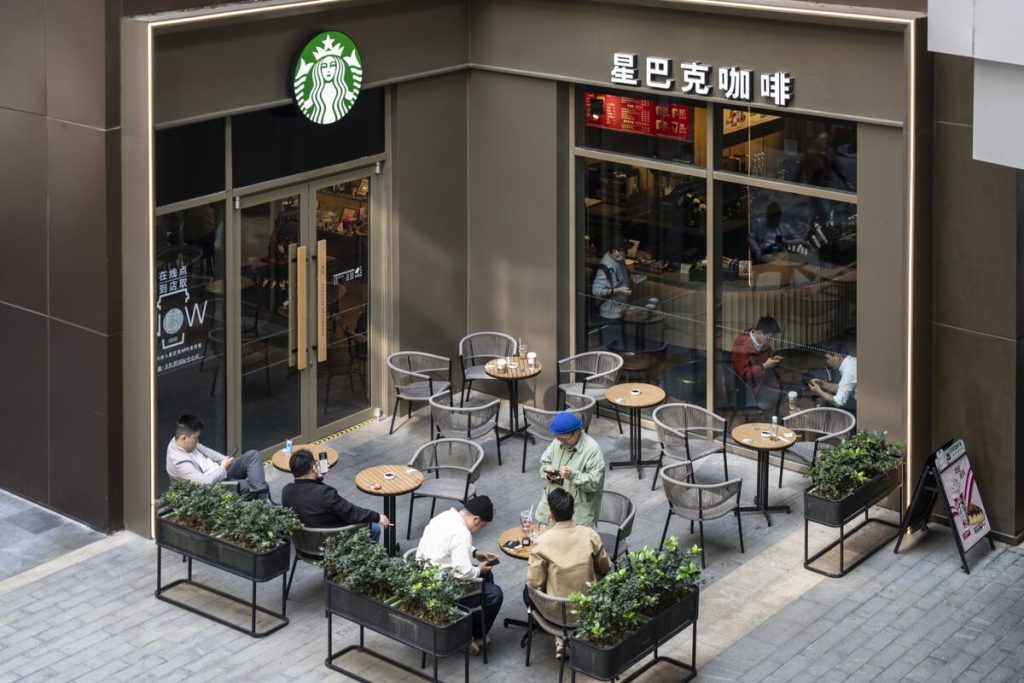
The consumer market in China has shifted markedly since the 1990s, when Western giants such as Häagen-Dazs and Starbucks first entered the country with premium offerings that were unfamiliar to local consumers. At the time, their novelty and aspirational branding allowed for rapid expansion and robust revenue growth. However, with evolving consumer behaviour and intensifying local competition, both companies are now reassessing their long-term strategies in the world’s second-largest economy—including potential business divestments. General Mills, the parent company of Häagen-Dazs, is exploring the sale of its more than 250 retail outlets in China. Starbucks Corporation, which operates over 7,750 locations across the country, is also reportedly testing market interest in its Chinese operations. French sporting goods retailer Decathlon SA has initiated the process of offloading approximately 30% of its local business. These moves reflect mounting pressure from agile Chinese competitors who possess a more intimate understanding of local market nuances. Established international names such as Apple Inc and Nike Inc are increasingly challenged by domestic brands including Huawei Technologies Co, Xiaomi Corp, Anta Sports Products Ltd and Li Ning Co, which have demonstrated a keen ability to adapt to changing consumer demands. China’s economic deceleration following the pandemic has further influenced consumer behaviour, with greater emphasis on value for money and emotional relevance—particularly among younger demographics. “Multinationals face competition from local rivals and shifting demands, especially younger generations prioritising value for money and emotional resonance,” said Chen Jie, Global Head of Mergers and Acquisitions at China International Capital Corp. “To survive and succeed, they must develop localised strategies.” In response, Western consumer brands are tailoring their offerings to align more closely with regional preferences. Häagen-Dazs and Starbucks have launched locally inspired products such as Lunar New Year mooncake ice cream and braised pork-flavoured lattes. In a marked strategic shift, Starbucks has also cut prices on tea-based and Frappuccino beverages in China—a notable departure from its US model, where it is consolidating its menu around core coffee offerings to drive efficiency. The trend extends beyond beverages. McDonald’s Corp has adapted its menu in China to include items like congee and luncheon meat burgers. Yum China Holdings Inc, operator of KFC and Pizza Hut in the region, has integrated Peking duck-style wraps, egg tarts, and durian pizzas into its offerings alongside traditional fast-food staples. Despite having established presences in the country, many multinational companies are now exploring new partnerships as a route to long-term sustainability. “In many cases, these brands have long operating histories in the country, and identifying Chinese partners who can bring skills, technology and capital is another form of localisation,” noted Richard Wong, Head of Asia Pacific M&A at Morgan Stanley. “MNCs continue to view China as a highly important market.” Ongoing economic uncertainty, geopolitical risks and global trade tensions have heightened the need for strategic flexibility. “With this backdrop, some are evaluating strategic options for their assets, including bringing in a minority partner or selling out entirely,” said Weiwen Han, Senior Partner at Bain & Co in Hong Kong. “This trend is particularly clear in sectors such as consumer and retail.” While Beijing has made boosting domestic consumption a key policy priority in pursuit of 5% GDP growth for 2025, recent gains in retail sales—May marked the fastest acceleration since December 2023—have not convinced economists that the momentum is sustainable. “The Chinese market is getting more mature, so there is no more low-hanging fruit with fast growth and development,” said Jean-Christophe Vallat, Managing Director and Head of Industrials and Consumer at BNP Paribas SA. He noted that Chinese consumers remain willing to indulge in small luxuries but are increasingly selective, favouring brands that can meet fast-changing local tastes. Toronto-based Restaurant Brands International Inc, owner of Burger King, is one such example. After acquiring full ownership of Burger King China in February, the company is now working with advisers to identify a new local strategic partner. “There’s a rising number of China operation carve-out deals, which involve introducing local strategic partners through equity restructuring,” added CICC’s Chen. “Such moves could potentially help multinational corporations thrive in China’s market and capture new growth opportunities.” -Bloomberg

News

US Oil Major ConocoPhillips Eyes Expansion in Sabah

United States oil major ConocoPhillips has announced its intention to expand its footprint in Malaysia by targeting new investment opportunities in Sabah, underlining its continued confidence in the country’s energy sector. Chief Executive Officer Ryan Lance confirmed that discussions are underway with national oil company Petroliam Nasional Bhd (Petronas), with a focus on strengthening collaboration through future ventures in the East Malaysian state. “We are going to invest in Sabah going forward, and we are exploring many opportunities with Petronas,” Lance stated following his participation in the “Gas and Liquefied Natural Gas (LNG): Investing for the Long Term” leadership dialogue, held during Energy Asia 2025 in Kuala Lumpur. The session also featured Petronas Gas and Maritime Executive Vice President and CEO Datuk Adif Zulkifli, and was moderated by Dr Atul Arya, Senior Vice President and Chief Energy Strategist at S&P Global. ConocoPhillips’ renewed interest in Sabah comes in the wake of its recent exit from the Salam-Patawali deepwater oil and gas field (Block WL4-00) off the coast of Sarawak. The project, discovered in 2018 as part of a 50:50 joint venture with Petronas, had an estimated value of RM13.7 billion (US$3.13 billion). The company stated that the move was part of a broader “country strategy review”, without providing further details. Despite the divestment, ConocoPhillips maintains a significant presence in Malaysia through five production sharing contracts (PSCs), four of which are situated in Sabah’s offshore blocks: Block G, Block J, the Kebabangan Cluster, and the recently acquired Ubah Cluster in 2024. During the dialogue, Lance reinforced the company’s optimism regarding the long-term viability of the LNG sector. He highlighted an evolving landscape in LNG contracting, pointing to the coexistence of short- and long-term agreements. “Generally, customers want flexibility, shorter-term contracts with some destination flexibility. But it remains to be seen whether the developer, purchaser, or seller of the LNG will offer that kind of flexibility,” he said. “That kind of optionality will be key to accessing arbitrage opportunities across global importing regions.” On the issue of pricing, Lance downplayed concerns that it could hinder market entry in Asia. “There will be ups and downs, as there always are in this business, but overall the outlook remains positive over the long term,” he said, affirming ConocoPhillips’ constructive stance on LNG price trends. -Bernama

News

Berjaya Land Enters Rare Earth Sector with Perlis Mining and Plantation MoU

KUALA LUMPUR: Berjaya Land Bhd (BLand) has formalised a memorandum of understanding (MoU) with Impianan Utara Sdn Bhd to explore rare earth element (REE) mining activities, alongside large-scale agricultural initiatives involving Napier hybrid grass and Blackthorn durian cultivation in Perlis. According to a statement issued by BLand, the collaboration will be carried out in partnership with Menteri Besar Inc (MBI) Perlis, the state’s investment arm. This strategic alliance aligns with BLand’s broader ambitions to diversify into the rare earths sector, with a focus on the exploration and development of rare earth elements and other strategic minerals within the northern state. The company highlighted that Impianan Utara has already secured the necessary approvals at the state level, facilitated through its partnership with MBI Perlis. This approval provides the foundation for the commencement of exploration and potential commercial development in the rare earths segment. In addition to mining activities, the joint venture will oversee the development of a large-scale plantation project. This agricultural initiative will involve the cultivation of Napier hybrid grass, a high-yield fodder crop, as well as the premium Blackthorn durian, a variety prized in both domestic and export markets. BLand stated that the collaboration marks a significant step in expanding its portfolio into strategic resource and agribusiness sectors, supporting state-level development goals in Perlis. -The Star

News

SunCon Expected to Surpass FY25 Job Target with RM8 Billion in New Contracts

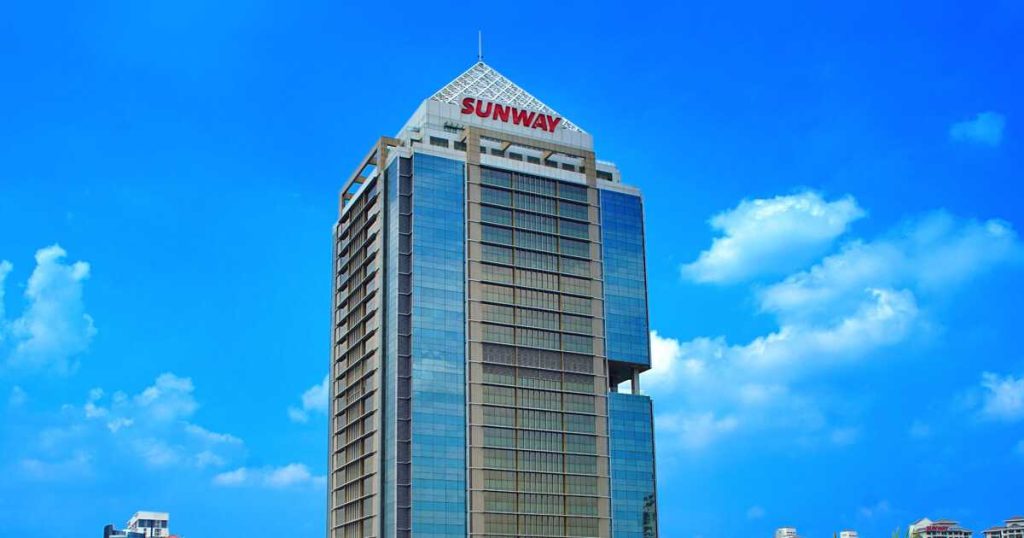
Sunway Construction Group Bhd (SunCon) is on course to exceed its full-year job win target, bolstered by robust momentum in securing high-value data centre projects. Maybank Investment Bank Research (Maybank IB Research) has raised its forecast for SunCon’s new contract wins in FY25 to RM8 billion, significantly above the group’s original target of RM4.5 billion to RM6 billion. To date, SunCon has secured RM3.5 billion in new projects. The group is now eyeing additional data centre contracts valued between RM1 billion and RM1.2 billion, with at least one expected to be confirmed in the third quarter of FY25. Discussions are reportedly underway with multiple clients, including Pearl Computing and three other potential partners, one of which is a Nasdaq-listed company. These developments, according to Maybank IB Research, mark a major pivot toward technology-driven infrastructure demand and place SunCon in a strong position to capitalise on this trend. Data centre-related work now dominates the group’s tender pipeline. Internal projects from parent company Sunway Bhd are also poised to contribute to SunCon’s earnings trajectory. Two major healthcare facilities — Sunway Medical Centre Putrajaya and Sunway Medical Iskandar Puteri — are slated for launch this year. Each hospital will have a capacity of 300 beds and is estimated to contribute approximately RM500 million in contract value, based on a projected capital expenditure of RM1.5 million to RM1.6 million per bed. Over the longer term, SunCon anticipates further internal contract awards, including jobs linked to Sunway’s rapid transit system-oriented developments and the Seremban Sentral project. On the back of these positive catalysts, Maybank IB has revised its earnings estimates for SunCon upwards by 20% to 30% for FY25 through FY27. The research house has reaffirmed its “buy” recommendation on the stock, raising its target price to RM6.72. Affin Hwang Investment Bank Research echoed this positive outlook, projecting a 27% compound annual earnings growth rate from 2025 to 2027, driven predominantly by the group’s data centre order book, which comprises over 80% of its active tenders. The recovery of SunCon’s precast segment is also anticipated to support earnings. This division experienced a 33% drop in revenue in FY24 but is expected to rebound, driven by Singapore’s Housing and Development Board’s plan to launch 500,000 new flats. Nonetheless, the segment’s contribution to total revenue is likely to remain modest at 5% to 6%, given the dominant role of the construction division. Despite the strong growth trajectory, Affin Hwang has downgraded its call on SunCon to “hold” from “buy”, citing valuation concerns. The firm maintained its target price at RM5.90 and noted that the current share price may already reflect much of the positive outlook. -The Star

News

Bina Puri Set for FY25 Turnaround with RM7.8 Million Profit Forecast

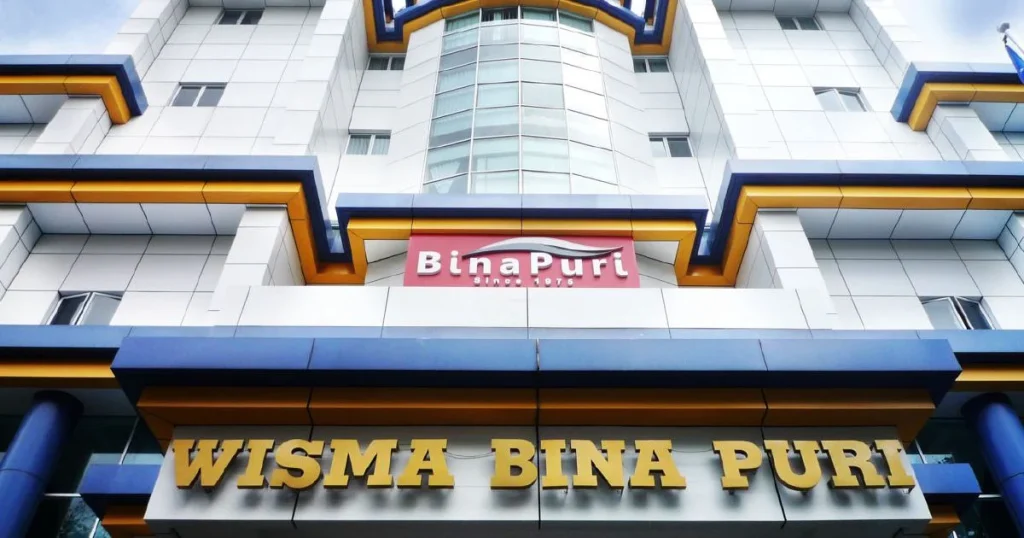
Bina Puri Holdings Bhd is poised to return to profitability in the financial year ending 30 June 2025 (FY25), marking its first core profit since FY2019, according to a recent note by TA Research. The firm is projected to achieve a core net profit of RM7.8 million in FY25, signalling a significant turnaround for the construction and infrastructure group. TA Research further anticipates a robust growth trajectory for Bina Puri, with core earnings expected to rise by 69.2% to RM13.2 million in FY26 and an additional 11.4% increase to RM14.7 million in FY27. These forecasts are underpinned by assumptions of new construction contracts valued between RM300 million and RM500 million spanning FY26 and FY27, along with steady revenue contributions of RM56 million to RM60 million from investment properties over FY25 to FY27. Other business segments—including quarry, power, and durian plantations—are expected to have minimal impact during this period. Insights from a recent engagement with Bina Puri’s new management indicate FY25 will be a pivotal year for the company. TA Research highlighted the importance of management’s ability to complete legacy projects and secure new contracts with sustainable margins, particularly in Sarawak, in order to support long-term earnings growth. Despite the promising outlook, TA Research has advised risk-averse investors to adopt a cautious stance until there is clearer evidence of execution capability from the new leadership. Conversely, for investors with a higher risk appetite, the Kuala Lumpur–Kuala Selangor Expressway (Latar Highway) may serve as a strategic asset. Although the concession turned profitable in 2023, its contribution has not yet been reflected in the company’s income statement. TA Research noted that the highway is expected to deliver stable earnings and strong cash flows, potentially acting as a financial buffer for the group moving forward. -The Star

News

Palm Oil Prices Surpass RM4,000 as Global Biofuel and Crude Oil

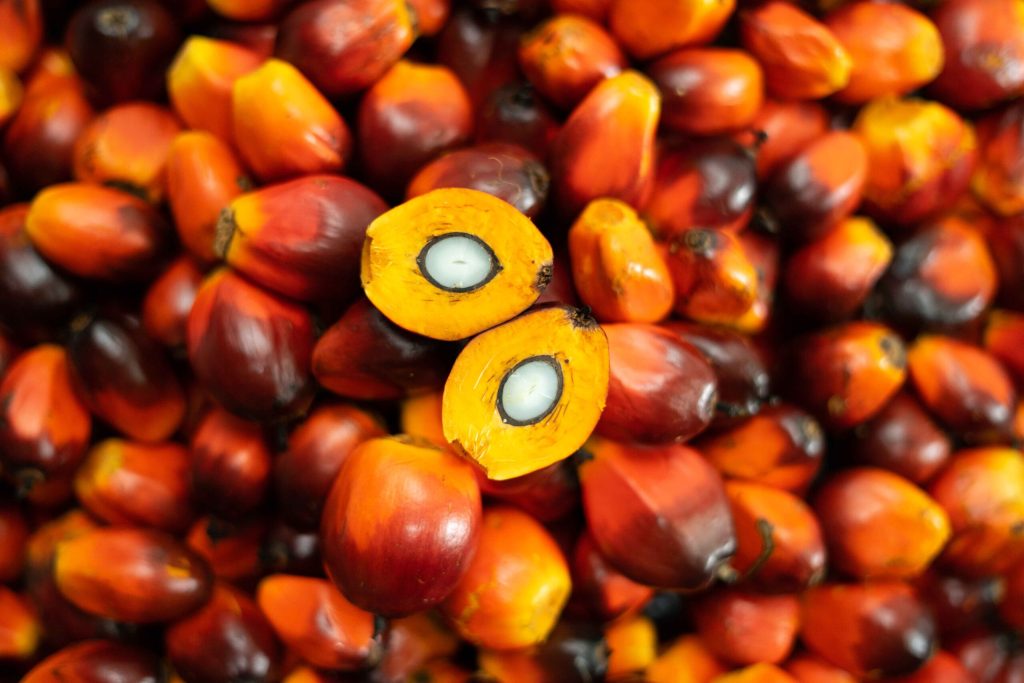
KUALA LUMPUR : Palm oil futures surged past the RM4,000 threshold, driven by a rally in soybean oil and crude oil prices, following a significant policy proposal from the United States aimed at boosting biofuel blending mandates. The US Environmental Protection Agency (EPA) on Friday unveiled a long-anticipated proposal that would require American refiners to blend a record 24.02 billion gallons of biofuels into conventional petrol and diesel in 2026. This figure represents a near 8% increase over the 2025 target and exceeded most market expectations. The proposed mandate is part of broader efforts to stimulate domestic biofuel production while reducing dependency on imports. The news sent soybean oil prices in Chicago soaring more than 6% on Friday, with gains extending into Monday trading. This marked the strongest two-day performance for the commodity in nearly three years. Palm oil followed suit, with futures in Kuala Lumpur climbing as much as 4.1%, mirroring the bullish sentiment in edible oils. Analysts from CIMB Securities, Ivy Ng and Lim Yue Jia, highlighted in a client note that the EPA’s proposal is “supportive of edible oil demand and crude palm oil prices, as the biodiesel mandate will help sustain US consumption of edible oils”. Further fuelling palm oil’s rally is the surge in global crude oil prices, triggered by escalating tensions in the Middle East. Brent crude, the international benchmark, extended Friday’s 7% surge as investors priced in potential supply disruptions from a region responsible for approximately one-third of the world’s crude output. Darren Lim, commodities strategist at Phillip Nova Pte Ltd, noted that any further escalation could significantly impact energy supply chains. “A potential escalation could disrupt oil supplies, pushing energy prices higher and increasing both the cost of palm oil production and demand for biofuels,” he stated. “Biofuels become more competitive when crude prices rise, often prompting shifts in demand away from petroleum-based fuels,” he added. With rising geopolitical risks and strong policy tailwinds in the US, palm oil markets are likely to remain volatile yet supported in the near term. -Bloomberg

Investment & Market Trends, News

Shell Confirms RM9 Billion Investment in Malaysia Over Next Three Years

Shell has committed to investing more than RM9 billion in Malaysia over the next two to three years, marking a substantial reinforcement of the country’s economic prospects and investor confidence. The announcement was made by Prime Minister Datuk Seri Anwar Ibrahim following a courtesy meeting with Shell Chief Executive Officer Wael Sawan. According to the Prime Minister, the investment reflects Shell’s strong endorsement of Malaysia’s economic direction and policy stability. He described the decision as a “resounding vote of confidence” in the government’s governance, leadership clarity and long-term potential. During the meeting, Anwar outlined Malaysia’s strategic vision of positioning itself as a stable, sustainable and attractive destination for international investment. In response, Sawan reaffirmed Shell’s commitment to deepening its presence in the country, expressing optimism in the nation’s economic direction and highlighting that the planned investment would generate high-skilled employment opportunities for Malaysians. “Malaysia will continue to chart a course that is prosperous, resilient and worthy of its people’s highest hopes,” Anwar said. Shell currently operates approximately 950 petrol stations in Malaysia, making it the second-largest player in the domestic fuel retail market after Petroliam Nasional Berhad (Petronas). Beyond its retail operations, Shell is also active in upstream exploration and production, extracting crude oil and natural gas off the coasts of Sabah and Sarawak. Additionally, the company holds joint venture interests in several liquefied natural gas (LNG) projects. The multibillion-ringgit investment comes at a time when Malaysia is intensifying efforts to attract high-impact foreign direct investment to support economic growth, technology transfer and job creation. -FMT

Scroll to Top

Subscribe
FREE Newsletter