News

News

B Lab Singapore Appoints New CEO After 18-Month Vacancy

B Lab Singapore has officially appointed Brian Selby as its new Chief Executive Officer, ending an 18-month leadership gap at the regional arm of the nonprofit responsible for the globally recognised B Corp certification. Selby brings over two decades of experience from his time at General Electric (GE), where he held senior leadership roles across Asia. His appointment is expected to strengthen B Lab’s mission to expand the B Corp movement across Southeast Asia, supporting businesses that balance profit and purpose. The CEO position at B Lab Singapore had remained vacant since late 2023, during which the organisation continued its operations under interim leadership. Selby’s arrival marks a significant step in driving corporate sustainability and ESG accountability in the region. B Lab’s B Corp certification is awarded to companies that meet high standards of social and environmental performance, transparency, and accountability. With increasing demand for responsible business practices, Selby’s leadership is seen as timely to accelerate B Lab’s influence in Asia.

News

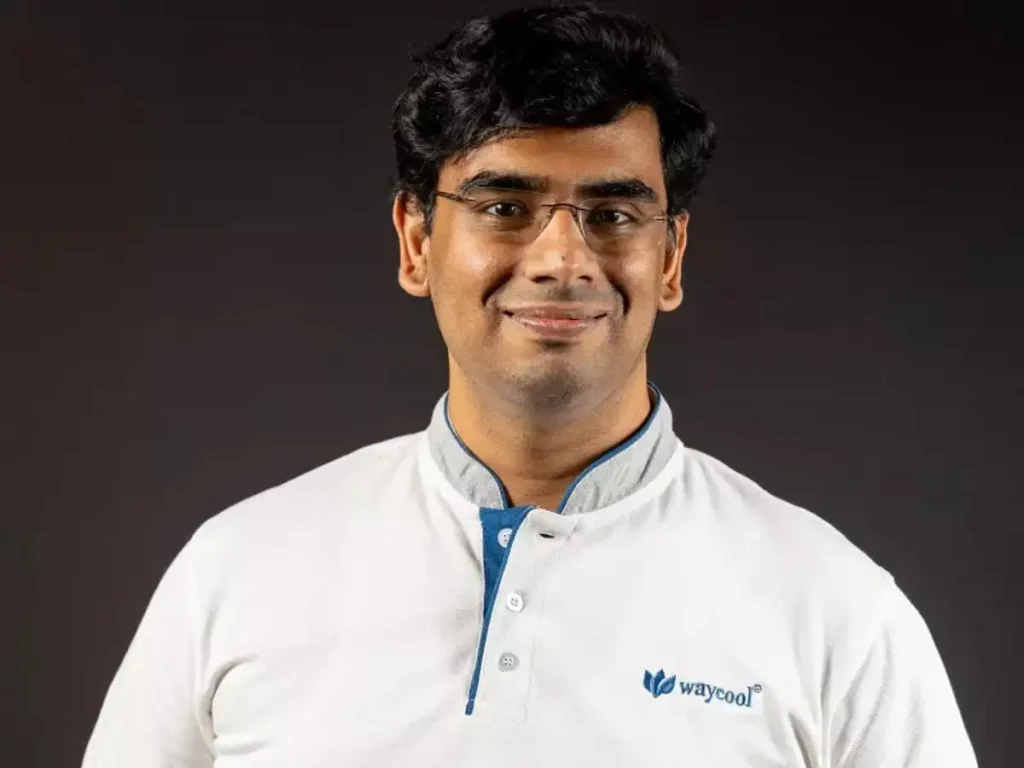
Avinash Kasinathan Named Group Co-CEO at Innoterra

Innoterra, the Swiss-Indian food and agri-tech platform, has announced the appointment of Avinash Kasinathan as Group Co-Chief Executive Officer, effective immediately. He will serve alongside Group CEO Pascal Foehn, who has successfully led the company’s repositioning towards profitable growth and industry-leading unit economics in recent years. This strategic leadership move reflects Innoterra’s deepening focus on India as a central driver of innovation, growth, and sustainable agri-food systems. The appointment comes at a pivotal time, as the company sets its sights on a potential public listing within the next three years. Avinash Kasinathan, who most recently served as Head of India Businesses at Innoterra, will focus on scaling India’s role as a key growth and innovation hub within the company’s global operations. Under his leadership, the company’s India division has achieved significant milestones, including the strategic acquisition of Fasal’s fresh produce distribution business and a high-value partnership with Milky Mist, exceeding $40 million. India’s growing prominence in Innoterra’s global strategy is underscored by its potential as both a sourcing powerhouse and a centre for agri-tech innovation. The company is increasingly leveraging India’s dynamic ecosystem of startups, farmer producer organisations, and food and beverage players to drive digital supply chains, sustainable farming practices, and value-added innovations. Innoterra’s core focus on circular economies—fruits, dairy, and staples such as rice and spices—continues to guide its dual mandate of market growth and positive farmer impact. The company’s tech-enabled approach, powered by agronomists and food genetics experts, aims to enhance global food security while building inclusive market linkages across its 17-country footprint. Commenting on the leadership development, Pascal Foehn, Group CEO of Innoterra, stated: “Promoting Avinash Kasinathan to Group Co-CEO is one of the most gratifying decisions I’ve made as a leader. Avinash’s strong track record across agribusiness, digital platforms, and supply chain transformation, along with his vision and integrity, make him the ideal partner to co-lead our next growth phase. His leadership will be pivotal as we build on India’s strategic importance in our global roadmap.” Avinash Kasinathan added: “This is a defining moment for Innoterra. India is no longer just a sourcing hub — it’s where innovation, infrastructure, and sustainable food systems converge. As Group Co-CEO, my focus will be on cross-leveraging our strengths, accelerating our capital market readiness, and building bold, inclusive growth across circular economies. India’s agri-tech ecosystem, farmer networks, and digital transformation present unparalleled opportunities, and we are committed to making it a cornerstone of Innoterra’s next phase of growth.” Avinash began his career with McKinsey & Company and has since held multiple C-level roles in agri-tech. His appointment marks a significant step in Innoterra’s journey to become a globally integrated, farmer-centric, technology-led agri-food platform. -CXOtoday

Investment & Market Trends, News

China’s Biotech Stocks Surge 60% in 2025, Outperforming AI Sector

HONG KONG: China’s biotechnology sector has staged a remarkable comeback in 2025, emerging as one of the top-performing asset classes in Asia. The Hang Seng Biotech Index has advanced more than 60% since January, a surge that outpaces the 17% gain in China’s technology stocks — a rally previously driven by enthusiasm over DeepSeek’s artificial intelligence breakthrough. The sharp rebound in biotech equities has been fuelled by a wave of billion-dollar licensing agreements with foreign pharmaceutical giants, reinforcing China’s position as a growing hub for global drug innovation. Investor confidence has been buoyed by major deals, including Pfizer Inc’s agreement to pay US$1.25 billion to license an experimental cancer drug from China’s 3SBio Inc, alongside a US$100 million equity investment in the company. This was followed by Bristol-Myers Squibb Co’s announcement to pay up to US$11.5 billion to license a cancer therapy originally developed by China’s Biotheus Inc and sublicensed by Germany’s BioNTech SE. Notably, 3SBio’s stock has soared 283%, outperforming the Bloomberg global biotech benchmark, while RemeGen Co has risen over 270% amid interest from multinational pharmaceutical firms for potential licensing deals. “China biotech is no longer just an emerging story – unlike 10 years ago – it is now a disruptive force reshaping global drug innovation,” said Yiqi Liu, senior investment analyst at Exome Asset Management LLC. “The science is real, the economics are compelling, and the pipeline is starting to deliver.” The sector’s resurgence is further supported by a substantial uptick in mergers and acquisitions. In the first quarter of 2025, deal value involving Chinese biotech firms reached US$36.9 billion, double the figure recorded a year earlier. That volume represented over half of the US$67.5 billion in global deal activity in the industry during the same period. According to Dong Chen, chief Asia strategist at Pictet Wealth Management, “Chinese biotech companies are having their own DeepSeek moment.” He added that the sector likely has further upside potential. While trade tensions between the US and China have posed headwinds for many mainland companies, the biotech sector appears to be benefiting from a reverse brain drain, with top talent returning to China and enhancing domestic research capabilities. Nicholas Chui, Chinese equity fund manager at Franklin Templeton, notes this dynamic is strengthening local innovation pipelines. Jefferies remains optimistic, stating that the escalation in US tariffs is unlikely to hinder the progress of China’s biotech firms, whose international relevance continues to grow through strategic deal-making and compelling drug pipelines. -Bloomberg

News

Samsung to Launch Health Data Hub for Direct Doctor Integration

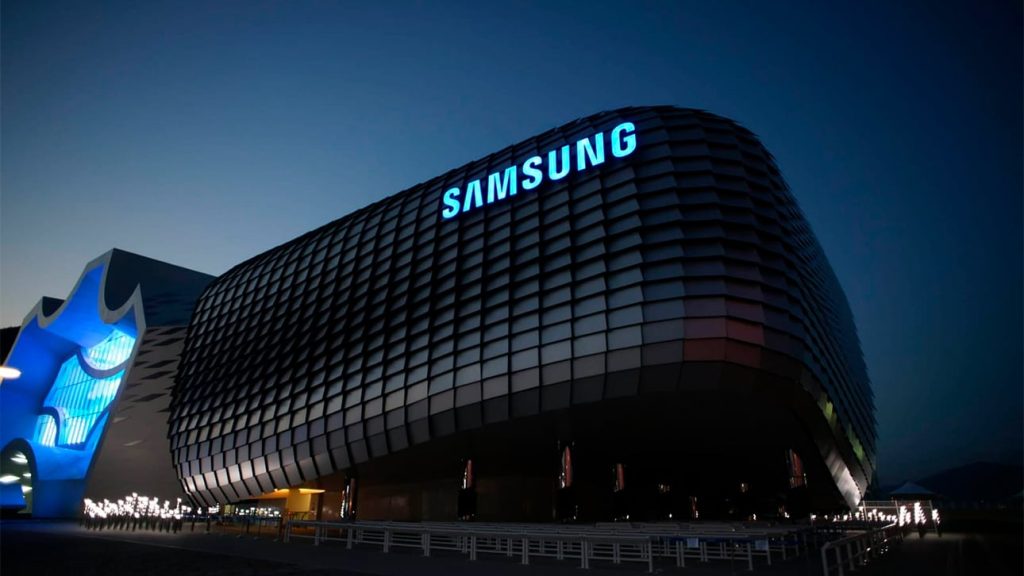
Samsung Electronics is advancing its presence in the digital health sector with plans to develop a centralised hub that enables patients to share their health data directly with doctors between visits. This strategic move underscores the company’s intent to play a more integrated role in tech-driven healthcare, as competition intensifies across the industry. Dr Hon Pak, Head of Digital Health at Samsung, revealed in an interview that the initiative aims to address the communication gap that often arises following medical appointments. While clinicians may provide fitness and wellness recommendations during consultations, patients frequently struggle to retain or act upon this guidance. Samsung’s solution will consolidate data collected from wearable devices into a unified platform, simplifying how users track and follow medical advice. “There are a lot of innovations out there but it’s siloed,” Dr Pak explained. “We think there’s a responsibility and a potential for bringing the experience into an ecosystem so that the users have a more simple experience rather than having 10 different apps to manage your condition.” Although the health data hub remains under development, Samsung has unveiled a suite of new features for its smartwatch range. The updates, part of the One UI 8 software release, include tools to measure antioxidant levels and vascular load, alongside enhanced running coach and sleep management capabilities. These features will be available on recent models, including the Galaxy Watch 5, as part of a beta launch in the United States and South Korea later this month. The antioxidant feature allows users to place a fingertip on the watch’s sensors to obtain a reading, with personalised dietary suggestions such as incorporating antioxidant-rich foods like berries to help improve results. Meanwhile, the vascular load tool monitors pulse waves during sleep to assess arterial pressure, potentially aiding in early detection of stroke risk and cardiovascular conditions. In addition, the new running coach functionality analyses a user’s baseline performance to offer customised race training plans. Sleep enhancements will use multi-day data to determine and recommend optimal bedtimes, adding another layer of personalisation to Samsung’s health offering. This move reflects a broader evolution in the wearables market, where smartwatches are transitioning from secondary smartphone companions to sophisticated health and wellness devices. Competing brands such as Apple, Garmin and Google have also pushed boundaries in health monitoring, particularly in areas such as heart function and sleep analysis. Dr Pak noted that the industry-wide shift toward home-based care is being fuelled by a rise in chronic conditions, medical workforce shortages and escalating healthcare costs. “The burden is now on the patients and the families that have to provide that care,” he said. “So with that, we have to be in the home.” Currently, Samsung Health serves around 68 million monthly active users. Looking ahead, the company plans to expand its health sensor capabilities to additional devices including earbuds. Further developments are underway in non-invasive monitoring, such as cuffless blood pressure measurement and glucose tracking, although these remain several years from commercial deployment. -Bloomberg

News

Thai Airways to Exit Debt Restructuring as Financial Recovery Gains Momentum

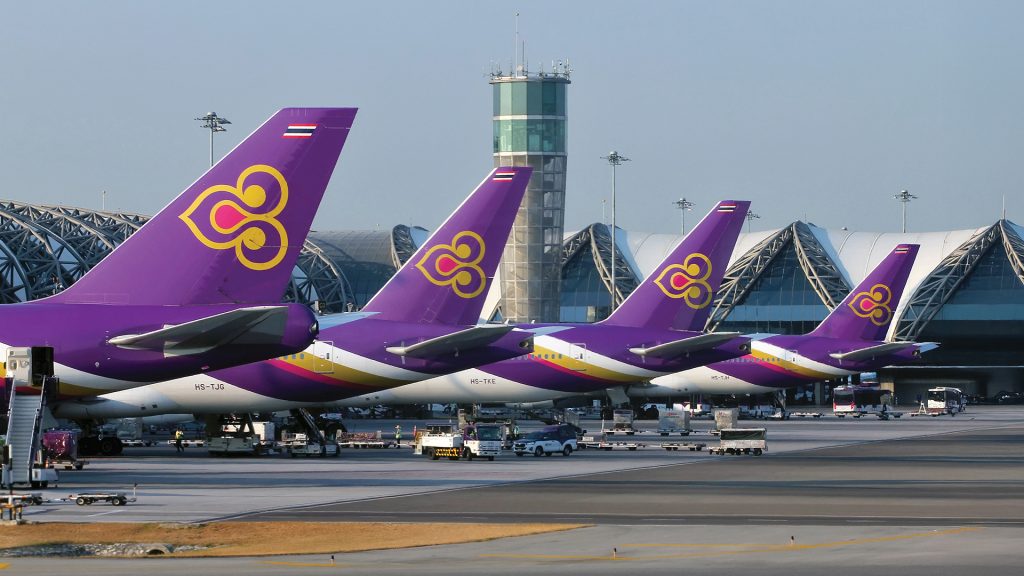
Thai Airways International has announced its formal exit from the court-supervised debt restructuring programme, with plans to resume trading on the stock exchange by early August. The move marks a significant milestone in the flag carrier’s recovery following years of financial turbulence. The national airline of Thailand entered bankruptcy-protected rehabilitation in 2020, a move that involved a sweeping reduction in operational costs including halving its workforce and scaling down its fleet. Since the beginning of 2023, Thai Airways has consistently reported operating profits every quarter—a notable shift from its prolonged period of losses dating back to 2012. As outlined in a court ruling, the airline held debt obligations totalling approximately 190 billion baht (US$5.86 billion or RM24.8 billion). Of this, 94 billion baht has already been repaid, with the balance to be settled progressively over the next ten years. In its official statement, Thai Airways reaffirmed its ambition to strengthen international aviation competitiveness and support Thailand’s positioning as a regional air travel hub. In a separate development, the company announced the appointment of Lavaron Sangsnit as its new chairman. -Reuters

News

Vietnam Strengthens Regulatory Framework to Advance Cashless Economy

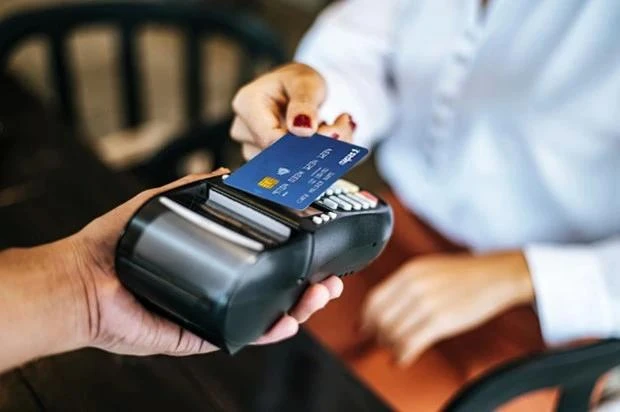
Vietnam is reinforcing its regulatory and policy infrastructure to foster cashless transactions, aligning with its broader vision of building a digitally driven economy. At a seminar held in Ho Chi Minh City on Saturday, Deputy Prime Minister Ho Duc Phoc underscored the increasing significance of non-cash payments across everyday transactions, including tuition fees, healthcare services and retail purchases. “Cashless transactions are pivotal for the expansion of eCommerce, accelerating payments and increasing transparency in financial operations,” Mr Phoc stated. “They not only improve financial accountability but also streamline public service delivery, enhance productivity and reduce overall societal costs.” Despite these advantages, he acknowledged the persistence of critical challenges, such as cybersecurity threats, online payment fraud and uneven digital infrastructure across regions. “Transaction security is a central issue that must be resolved,” he said, calling on the State Bank of Vietnam (SBV) to collaborate with relevant ministries to strengthen the regulatory framework, drive innovation in payment technologies and proactively manage emerging risks. He urged financial institutions, payment service providers and technology firms to enhance their product offerings and place greater emphasis on safeguarding consumer data. In addition, the Ministry of Finance and the Ministry of Industry and Trade were directed to support the use of cashless payments in public services, in a move designed to improve efficiency and access to digital platforms. Local authorities were also encouraged to devise practical measures to extend financial services to underserved populations, particularly in rural and remote areas. These efforts aim to make digital payment options more accessible to small enterprises and traditional markets. Le Anh Dung, Deputy Director of the SBV, highlighted the sharp rise in cashless transactions in recent years and stressed the urgency of bolstering payment security. “The SBV remains committed to enhancing the legal and technological foundations for digital payments,” Mr Dung affirmed. He noted that raising public awareness of cybercrime tactics was a vital component of securing digital ecosystems. The central bank, he added, plans to intensify cooperation with commercial banks and payment intermediaries to deploy advanced technological safeguards. A notable initiative involves the creation of systems capable of identifying counterfeit accounts and warning customers ahead of potentially fraudulent transfers. Deputy Minister of Industry and Trade Phan Thi Thang attributed the dynamic growth of Vietnam’s digital payment sector to the expanding diversity of payment channels, which continue to meet the evolving needs of consumers and businesses alike. “Today, Vietnamese citizens benefit from 24/7 fund transfers, mobile wallet capabilities and QR code-based payments,” she said. “The proliferation of these methods reflects the increasing maturity of the nation’s digital payment ecosystem, which is playing a transformative role in economic development.” -ANN

News

Gamuda JV Secures Nearly RM1 Billion Wireless Tram Deal in Taiwan

Gamuda Berhad, through its joint venture with Taiwanese partners MiTAC Information Technology Corp and Dong Pi, has entered into a framework agreement with Spanish rolling stock manufacturer Construcciones y Auxiliar de Ferrocarriles (CAF) for the procurement of up to 23 wireless trams for Taiwan’s New Taipei City. The contract, if fully exercised, could reach a total value of €200 million (approximately RM998 million). The state-of-the-art Urbos trams, which will operate entirely catenary-free, are slated for deployment on New Taipei’s Xidong and Keelung lines. These modern vehicles are among a rare class of trams globally capable of operating without traditional overhead power lines, relying instead on fast-charging capacitors that recharge at each stop. This innovation eliminates visual clutter from overhead wiring and enhances the aesthetic integration of urban transit systems. This marks Taiwan’s second catenary-free tram deployment, following the introduction of a similar system in Kaohsiung in 2015, also supplied by CAF. While other cities have explored wire-free tram operations—such as embedding power supplies underground or using slower-charging battery systems—the Urbos solution offers a more advanced, rapid-recharge alternative. In a statement published on CAF’s website, the company confirmed the inclusion of spare parts, depot equipment and a driver training simulator as part of the Xidong line project. Operated by New Taipei’s Rapid Transit Systems Department, the Xidong line will span 5.6 kilometres from Xizhi to Donghu via an elevated track. Main works are scheduled for completion by 2032. Gamuda leads the project delivery team with a 75% stake in the joint venture. In October 2024, the consortium was awarded a RM4.3 billion design-and-build contract for the Xidong line. The scope includes the construction of six stations and a dedicated tram depot. CAF noted that the partnership with Gamuda demonstrates both firms’ capability to deliver highly demanding transport infrastructure, underpinned by a robust track record and technical proficiency. “This award highlights the technological and industrial capabilities of CAF and the Malaysian construction group, reinforcing the trust placed in them by the Taiwanese authorities,” the company said. With a population nearing four million, New Taipei City is Taiwan’s largest municipality. The investment in wireless tram technology is part of a broader strategy to expand sustainable, rail-based public transport across the region. Each Urbos tram will accommodate up to 615 passengers and will feature barrier-free access for universal inclusivity. Elsewhere, Gamuda has reported strong progress on its Australian rail infrastructure projects. Two tunnel boring machines involved in the Sydney Metro West development have successfully reached the Clyde Metro junction caverns. With this milestone, tunnelling progress for the 24km twin rail tunnels has surpassed 80% as of the first quarter of 2025. -The Star

News

Nippon Steel Finalises $14.1bn US Steel Acquisition Amid Investor Concerns

After 18 months of intensive negotiations, regulatory obstacles, and high-level diplomacy, Nippon Steel Corporation has finally clinched its most ambitious acquisition to date: the $14.1 billion (£11.1 billion) purchase of United States Steel Corporation (US Steel), with formal approval granted late last week by former President Donald Trump. While this represents a significant strategic milestone for the Japanese steelmaker—its largest overseas acquisition to date—it also opens a new chapter of investor scrutiny, particularly around cost commitments and political concessions. Nippon Steel shares rose by as much as 5% on Monday, their strongest performance in over two weeks, reflecting cautious optimism in the wake of the deal’s approval. Under the agreement, Nippon Steel has pledged to invest a further $14 billion in the US market over the coming years. These investments will span modernisation of existing plants, new steel mill development, and infrastructure upgrades. Crucially, the deal also includes governance concessions to the US government, which will retain influence over major corporate decisions and secure board representation. Financing these commitments poses an immediate concern. The all-cash nature of the transaction and the scale of future investment obligations place pressure on Nippon Steel’s capital strategy. Investors will be closely monitoring how the company manages this without significantly diluting shareholder equity through new issuance. The valuation itself has also raised eyebrows. Nippon Steel agreed to pay $55 per share—representing a 142% premium on US Steel’s share price before it entered sale discussions in 2023. Given the American company’s historically underwhelming earnings performance, analysts at SMBC Nikko have highlighted the urgency for early and visible returns on investment. Investor dissent is already emerging. Singapore-based 3D Investment Partners has publicly urged shareholders to vote against the reappointment of Nippon Steel’s president and vice-chairman. The fund argues that the protracted pursuit of US Steel threatens to result in “irreversible” value erosion. The deal’s path to completion was anything but straightforward. In January, it faced vocal opposition from both the Biden and Trump administrations, concerned over the sale of a historic American industrial brand to a foreign entity. However, Trump has since reversed his stance, framing the agreement as a “partnership” that ensures US Steel remains domestically anchored while benefiting from substantial foreign capital investment. On Friday, Trump submitted a revised executive order, effectively overriding prior efforts to block the sale and allowing the transaction to move forward. Strategically, the acquisition provides Nippon Steel with critical access to the North American market. It is a calculated move to offset declining domestic demand and strengthen the company’s global competitiveness against Chinese producers. The merger will establish the world’s second-largest steelmaker by volume, positioning it as a robust rival to Nucor Corporation, which has long dominated the US steel landscape. The combined company is expected to bolster the US’s steelmaking capabilities in advanced sectors, particularly in producing steel essential for modernising the country’s electric grid—a key infrastructure focus. The deal has also been cast as a triumph for Trump-era trade policy, which has relied on tariffs to encourage domestic production and foreign investment in US manufacturing. With Japan and the US currently engaged in ongoing trade negotiations, this high-profile transaction could lend fresh impetus to those discussions. -Bloomberg

News

Felda’s RM1.30-per-Share Takeover Offer for FGV to Close on 7 July

The Federal Land Development Authority (Felda) has confirmed the dispatch of offer documents relating to its plan to privatise FGV Holdings Bhd, with the offer period scheduled to close at 5pm on Monday, 7 July 2025, unless extended. In a formal filing with Bursa Malaysia, Felda stated that the offer — facilitated through Maybank Investment Bank Bhd (Maybank IB) — will remain open for acceptance until the designated closing date, or any later date to be determined and announced by Maybank IB on Felda’s behalf. This offer is part of Felda’s unconditional voluntary takeover bid to acquire all remaining FGV shares at RM1.30 per share. As of the latest disclosure, Felda, together with its wholly-owned subsidiary Felda Holdings Co Sdn Bhd, collectively holds an 82.34% equity interest in FGV. Despite this substantial shareholding, Felda noted that it currently exercises limited influence over the management of FGV, citing the absence of control over the board of directors. The agency has expressed its intention to optimise synergies within the group following successful privatisation. “Upon successful privatisation, Felda will be better positioned to enhance FGV Group’s operational and financial efficiencies by streamlining its upstream and downstream plantation operations,” the agency said. -Bernama

News

Poh Kong Maintains Steady Performance

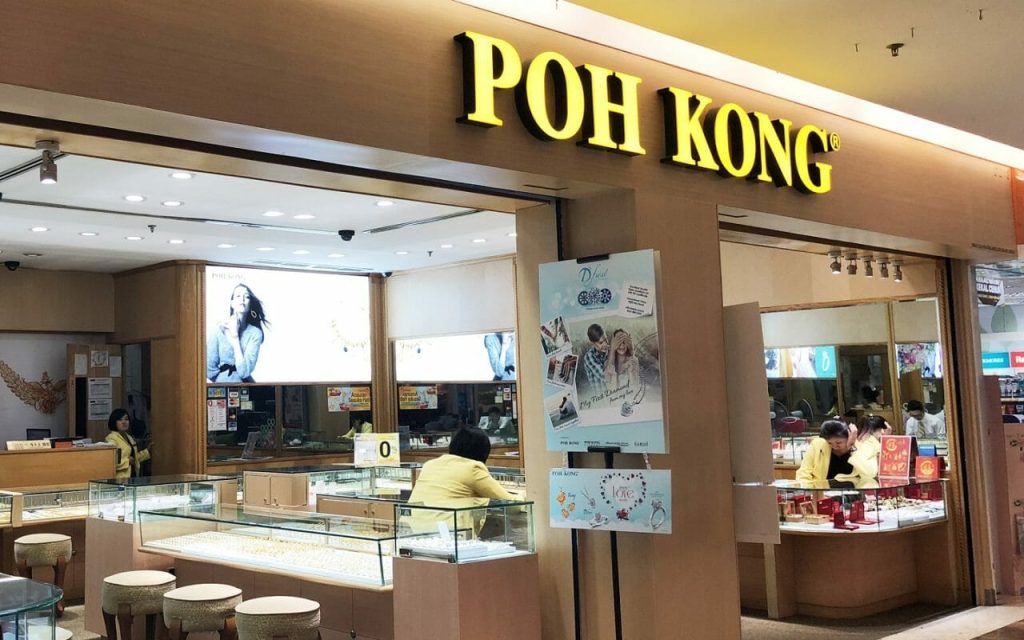
Poh Kong Holdings Bhd remains optimistic about the continued strength in gold demand, attributing this resilience to persistent global trade tensions and tariff-related economic disruptions that have prompted investors to turn to traditional safe-haven assets such as gold. In a filing with Bursa Malaysia, the jeweller highlighted that gold demand historically increases during periods of tariff-induced uncertainty, as investors seek refuge from inflationary pressures and heightened market volatility. The company noted that current global trade frictions are notably altering production and trade flows, further fuelling interest in gold. For the third quarter ended 30 April 2025, Poh Kong reported a stable net profit of RM47.6 million, translating to earnings per share of 11.60 sen. This brings the group’s cumulative nine-month net profit to RM98.5 million, or 24.01 sen per share. Revenue for the quarter rose 2.7% year-on-year to RM533.9 million, supported largely by a rally in global gold prices. This increase helped lift total revenue for the nine-month period to RM1.32 billion. Poh Kong stated that the upward momentum in gold prices had contributed to stronger operating profits in the quarter under review, reinforcing the group’s stable financial footing amid macroeconomic uncertainties. -The Star

Scroll to Top

Subscribe
FREE Newsletter