News

News

OCBC Bank Commits RM351 Million to Strategic Johor-Singapore SEZ Projects

OCBC Bank (Malaysia) Berhad has committed RM351 million in financing to support three real estate projects within the Johor-Singapore Special Economic Zone (JS-SEZ), reinforcing its role as a strategic financial partner in regional development. In a recent statement, OCBC Bank confirmed that the financing package supports a joint initiative between Exsim and See Hong Chen Group involving the acquisition of freehold land situated along Jalan Dato Abdullah Tahir in Johor Bahru. The site has been earmarked for a mixed-use development with an estimated gross development value of RM1.8 billion. In addition to the joint venture, the financing also facilitates See Hong Chen Group’s acquisition of multiple freehold land parcels in Johor Bahru, further underscoring the group’s growing footprint in the region and commitment to advancing economic activity within the JS-SEZ. -The Star

News

CIMB Appoints Former Securities Commission Chief Syed Zaid Albar as New Chairman

KUALA LUMPUR: CIMB Group Holdings Bhd has announced the appointment of Datuk Syed Zaid Albar as its new Group Chairman, succeeding Tan Sri Mohd Nasir Ahmad, who will retire on 19 July. The appointment will take effect from 20 July, following Syed Zaid’s induction as an independent, non-executive director on 18 June. With over four decades of experience in the legal and capital markets sectors, Syed Zaid brings a wealth of knowledge and expertise to the role. A founding partner of the law firm Albar & Partners, he notably served as Executive Chairman of the Securities Commission Malaysia between 2018 and mid-2022. In addition to his regulatory experience, Syed Zaid has held directorships in various public-listed entities, including Yinson Holdings Bhd, Cycle & Carriage Bintang Bhd, Malaysian Pacific Industries Bhd and Malaysia Building Society Bhd. Tan Sri Mohd Nasir, who has chaired CIMB for the past ten years, expressed his confidence in Syed Zaid’s appointment, citing the latter’s broad-based corporate and regulatory background. “His distinguished leadership and extensive corporate experience across the legal, financial and regulatory landscape will bring valuable perspective in guiding CIMB through its next chapter of growth and transformation. We are confident that his stewardship will provide strong guidance in driving the success of the Group’s Forward30 strategic plan,” he said. Group Chief Executive Officer Datuk Abdul Rahman Ahmad also welcomed the appointment, expressing his anticipation of Syed Zaid’s contributions as the Group progresses with its Forward30 strategic initiative. “We look forward to his guidance as we execute our Forward30 strategic plan over the next six years, driven by our purpose of advancing customers and society. Our ambition is to be the leading ASEAN bank, reimagining banking by seamlessly integrating into our customers’ lives while keeping them at the core of everything we do,” said Abdul Rahman. He also acknowledged the significant contributions of Mohd Nasir, whose decade-long tenure saw meaningful progress for CIMB. As at Monday’s close, CIMB shares declined by 1% or 7 sen to RM6.75, giving the Group a market capitalisation of RM72.58 billion. Year-to-date, the counter has registered a decline of 17.7%. -The Edge Malaysia

Energy & Technology, News

PETRONAS Projects Global Energy Demand to Double by 2050

KUALA LUMPUR : Global energy demand is projected to nearly double by 2050, driven by population growth, industrialisation and digital expansion, according to PETRONAS President and Group Chief Executive Officer Tan Sri Tengku Muhammad Taufik Tengku Aziz. Addressing the opening of Energy Asia 2025, he called for collective, urgent, and coordinated action across the energy ecosystem to ensure a just and equitable transition that leaves no community behind. Tengku Muhammad Taufik warned of a “polycrisis” confronting the global energy sector, citing escalating geopolitical tensions, including conflict near the Strait of Hormuz – which channels 20% of global oil supply – along with climate pressures and disruptive technological advances. These factors, he said, are reshaping global energy dynamics, introducing heightened price volatility and systemic uncertainty. Emphasising that energy security and climate action must be approached as complementary rather than competing agendas, he noted that the Asia-Pacific region, home to 4.8 billion people, will account for half of global energy demand by 2050. To meet this rising demand while aligning with decarbonisation goals, he highlighted the need for a projected US$88.7 trillion in energy investment through to 2050. The sharp rise in energy consumption by data centres was also underscored, with global demand expected to more than double from 415 terawatt-hours (TWh) in 2024 to 945TWh by 2030, representing over 20% of total growth in energy demand during that period. Despite fossil fuels still comprising more than 80% of Asia’s energy mix, Tengku Muhammad Taufik said the region is well-positioned to scale up renewable capacity and decarbonisation technologies such as solar, wind, carbon capture, utilisation and storage (CCUS), and cleaner forms of natural gas. He identified three strategic imperatives to address the region’s energy challenge: diversification of the energy mix, increased investment, and strengthened regional cooperation. He urged governments and industry players to develop a balanced portfolio that includes lower-emissions fossil fuels, sustainable aviation fuel, biofuels, liquefied natural gas (LNG) from increasingly challenging environments, low- or zero-carbon hydrogen, and expanded renewables. At the same time, scaling investment will be crucial to ensure energy remains both available and affordable. Fostering regional collaboration, he said, will be essential to deliver a shared energy future. Saudi Aramco President and CEO Amin H Nasser echoed these concerns, stating that the global energy transition has so far been “oversold and under-delivered”, particularly in Asia. He challenged the assumption that the shift to renewables would be swift and effortless, noting that oil demand still exceeds 100 million barrels per day with no sign of abating. Nasser advocated for a pragmatic approach, acknowledging the central role of fossil fuels in the current energy mix while calling for improvements to reduce their emissions footprint. Institute of Strategic and International Studies Malaysia Chairman and CEO Datuk Mohd Faiz Abdullah also stressed the importance of cooperation across ASEAN, given the region’s economic and technological diversity. He identified key barriers to a fair transition, including the need for skilled labour, enhanced financial support for less developed economies and reduction of regional imbalances. Organisation of the Petroleum Exporting Countries (OPEC) Secretary-General Haitham Al Ghais highlighted the continued relevance of oil, estimating that the sector will require US$17.4 trillion in investment through 2050. He cautioned that efforts to mitigate climate change must not compromise energy security or affordability.

News

Port Klang Authority Dismisses RM1.1 Billion Cost Claim, Defends Tariff Hike Strategy

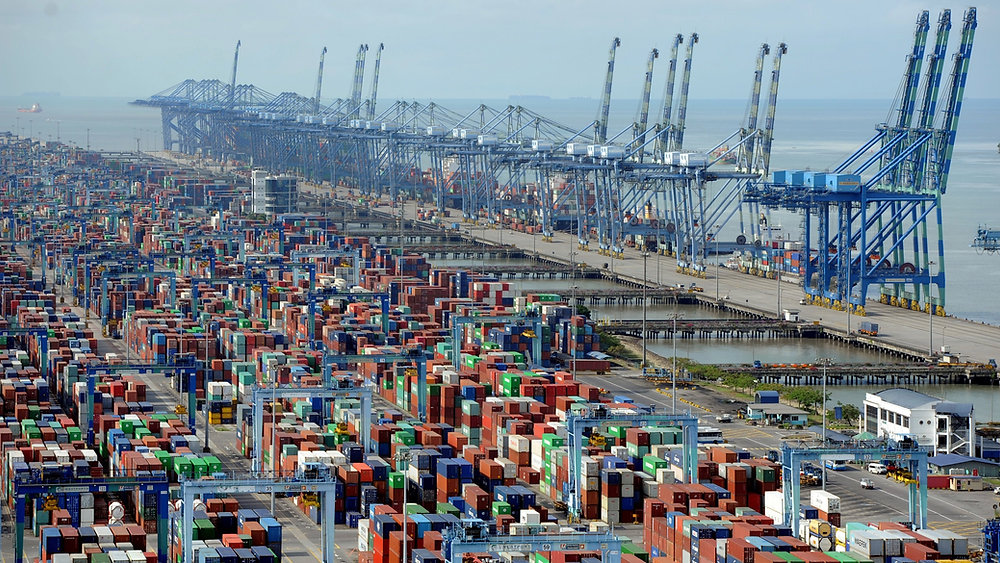
The Port Klang Authority (PKA) has firmly dismissed claims made by the Federation of Malaysian Manufacturers (FMM) regarding the recently announced tariff revision, describing the assertions as inaccurate and misleading. PKA General Manager K Subramaniam clarified that the updated tariff structure—scheduled for full implementation by 2027—was the outcome of a thorough benchmarking exercise against other major ports in the ASEAN region. He noted that even with the complete rollout, the revised rates will remain lower than many regional counterparts, reinforcing Port Klang’s competitiveness. The tariff adjustment will range from 5% to 185%, depending on the category and service type. Subramaniam underscored that this move is intended to align Port Klang’s pricing model with prevailing regional standards while enabling continued investment in port infrastructure and technological advancement. The response comes in the wake of a report by The Borneo Post, quoting FMM President Soh Thian Lai, who claimed that the 30% tariff increase scheduled for implementation from 1 July could result in container handling and storage charges rising by as much as 243%. Soh argued that these changes could push charges for a standard 20-foot container to between USD 120 and USD 130—on par with Singapore and Hong Kong but significantly above rates in Vietnam, Indonesia, and Thailand. He further estimated the revised charges could cost the manufacturing sector up to RM1.125 billion annually, based on Port Klang’s annual throughput of approximately 12.5 million twenty-foot equivalent units (TEUs). Subramaniam refuted these figures, calling them overstated and based on flawed assumptions. He explained that the FMM’s estimate failed to consider the phased nature of the increase, the existence of free storage periods, and the differentiation in pricing for transshipment cargo, which comprises a substantial share of Port Klang’s traffic. Addressing broader concerns about Malaysia’s export competitiveness, Subramaniam stated that port tariffs represent only one component of a much larger ecosystem. He pointed to Malaysia’s strong manufacturing base, extensive trade agreements, and growing export diversity as key pillars that underpin the country’s position in global trade. He emphasised that the tariff adjustment is not a step back but a strategic move to reinforce Port Klang’s position as a key logistics hub in Southeast Asia. By investing in capacity expansion, technological upgrades, and sustainable operations, the revised structure is designed to benefit manufacturers, exporters, and importers alike—ensuring long-term growth and regional leadership for Malaysia’s trade sector. -FMT

Energy & Technology, News

Solarvest Secures Landmark 30MW Solar Project in Brunei via Joint Venture

Solarvest Holdings Bhd has announced its entry into Brunei’s clean energy sector by securing the country’s largest national solar development to date. The contract was awarded through its wholly owned subsidiary, Atlantic Blue Sdn Bhd, under a joint venture with Serikandi Oilfield Services Sdn Bhd and Khazanah Satu Sdn Bhd. The joint venture entity, Seri Suria Power (B) Sdn Bhd, will spearhead the initiative. According to a corporate statement, the project is scheduled to commence in the third quarter of 2025 and will see the development of a 30MW solar photovoltaic power plant. The facility will be located on a 33.29-hectare remediated landfill site in Kampong Belimbing, Brunei. The undertaking will position the new solar plant as the largest of its kind in the nation upon its targeted completion by the end of 2026. The solar installation is projected to generate an estimated 64,473,000 kilowatt-hours of electricity annually. This renewable output is expected to offset approximately 645,000 million British Thermal Units (BTUs) of natural gas consumption and reduce carbon dioxide emissions by an estimated 92 million tonnes. Solarvest, a regional developer specialising in clean energy infrastructure, noted that this project underscores its strategic push into new markets and reinforces its commitment to advancing sustainable energy solutions across Southeast Asia. -The Star

Energy & Technology, News

Abu Dhabi’s National Oil Company Tables US$18.7 Billion Takeover Offer for Santos

Abu Dhabi’s state-owned energy giant, the Abu Dhabi National Oil Company (ADNOC), has submitted a takeover offer for Australian energy company Santos, valuing the business at US$18.7 billion. Both firms confirmed the development on Monday. The proposed acquisition, led by ADNOC through its subsidiary XRG, marks a significant step in the UAE’s ambition to expand its global presence in gas and liquefied natural gas (LNG) markets. The offer of US$5.76 per share represents a 28% premium on Santos’ closing share price last Friday. Santos, headquartered in Adelaide, operates a diversified energy portfolio across Australia, Papua New Guinea, East Timor and the United States. It is one of the leading LNG suppliers to Australia and broader Asian markets. The company’s board has stated its intention to unanimously recommend the deal to shareholders, provided terms are finalised and no superior proposal emerges. Santos disclosed that this marks ADNOC’s third proposal, following two prior confidential bids made in March. Monday’s announcement referred to the offer as “final and non-binding”, subject to due diligence, regulatory approval and a binding agreement on terms. Following the news, Santos’ shares surged nearly 12% on the Australian Securities Exchange during early afternoon trading. The bidding consortium, alongside XRG, includes Abu Dhabi Development Holding Company and global investment firm Carlyle. In a statement, XRG said the acquisition would reinforce Santos’ legacy as a trusted energy provider while advancing regional and global energy security. “The proposed transaction is aligned with XRG’s strategy and ambition to build a leading integrated global gas and LNG business,” the group stated. ADNOC’s offer comes at a strategic juncture. Santos, which had previously engaged in merger discussions with Woodside Energy in an effort to become one of the world’s largest LNG exporters, ended those talks last year. The company has been the subject of takeover speculation for over two years. Analysts at E&P Financial Group described the timing of the bid as “opportune”, pointing to rising energy prices and Santos’ completion of major capital projects. The firm also suggested that ADNOC’s interest in LNG may not be limited to Santos, citing media reports linking the Middle Eastern company to BP’s LNG and gas operations. The consortium has committed to maintaining Santos’ corporate headquarters in Adelaide and to working with the current management team to accelerate growth, protect jobs and strengthen its operational base. Additionally, XRG underscored its intention to invest in low-carbon technologies, including carbon capture and storage, as well as low-emissions fuels, in support of decarbonisation across Australia, Asia Pacific and beyond. The deal remains subject to regulatory approval in Australia, Papua New Guinea and the United States. -AFP

Energy & Technology, News

LG Energy Solution Wins £575m EV Battery Deal with China’s Chery Automobile

LG Energy Solution Ltd., South Korea’s foremost battery manufacturer, has announced a significant agreement with China’s Chery Automobile Co. for the supply of advanced cylindrical electric vehicle (EV) batteries. Under the terms of the multi-year partnership, LG Energy Solution will deliver a total of 8 gigawatt-hours (GWh) of its next-generation 46-series cylindrical batteries over a six-year period. The company noted that this capacity would be sufficient to power approximately 120,000 electric vehicles. While the financial details of the agreement remain undisclosed, industry sources estimate the contract to be valued at approximately 1 trillion South Korean won, equivalent to around US$730 million. The supply of batteries is expected to commence in early 2026, with Chery planning to integrate the technology into its flagship electric models. The 46-series battery cells, developed using LG Energy Solution’s proprietary nickel-cobalt-manganese (NCM) chemistry, are recognised for their high energy density and production efficiency. These next-generation cylindrical cells reportedly offer more than five times the energy output of conventional battery types and demonstrate superior performance in low-temperature environments compared to lithium iron phosphate (LFP) counterparts. “This deal marks a pivotal step in scaling up global adoption of our new 46-series batteries and securing a dominant market leadership,” said Kim Dong-myung, Chief Executive Officer of LG Energy Solution. The collaboration is expected to expand further, with both companies aiming to apply the high-performance battery technology across a broader range of EV models within the Chery Group. -Yonhap

News

Nissan Signals Shift in Alliance with Plans to Sell Part of Renault Holding

Nissan Motor Co. is preparing to reduce its shareholding in long-standing partner Renault SA, according to Chief Executive Officer Ivan Espinosa in an interview with Nikkei. This move underscores a broader restructuring of the Franco-Japanese alliance, aimed at creating a more balanced and agile partnership amid ongoing industry headwinds. The Japanese automaker currently holds a 15% stake in Renault, though both companies announced in March that they had agreed to revise their minimum cross-shareholding requirements to 10%. Under the terms of the revised alliance agreement, any share sale must be coordinated between the two parties and is subject to a right of first refusal. A potential sale of a 5% stake in Renault could generate approximately ¥100 billion (equivalent to US$640 million or RM2.94 billion at prevailing market rates), according to Nikkei. The proceeds would be channelled into vehicle development initiatives, as Nissan adapts to increasingly competitive global market conditions. “We are bringing down our cross-shareholdings in order to invest in vehicles,” Espinosa was quoted as saying. The announcement coincides with news from Renault that its CEO, Luca de Meo, is stepping down to pursue opportunities outside the automotive sector, signalling further change within the alliance’s leadership structure. This latest development reflects a continuation of the realignment strategy initiated in 2023, which saw Renault begin a gradual divestment of its stake in Nissan. Those shares are currently held in a French trust as part of efforts to recalibrate the partnership and provide Nissan with a more equitable position within the alliance. -Reuters

News

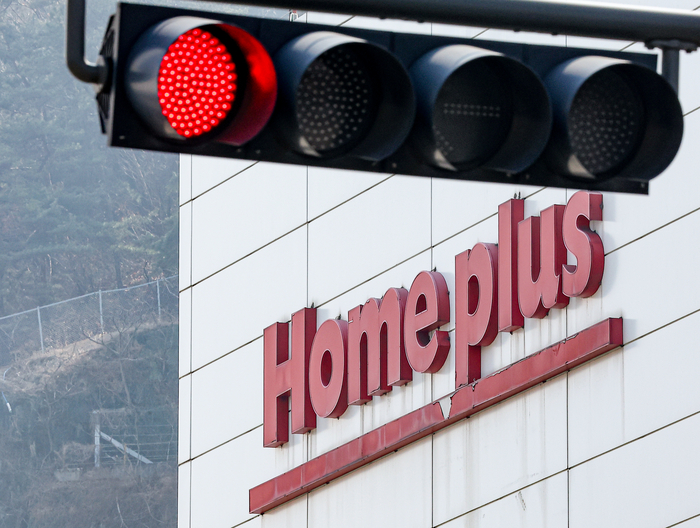
MBK Partners Moves to Divest Homeplus Amid Restructuring Pressures

MBK Partners Ltd has initiated a sale process for South Korean retail chain Homeplus Co, as the firm seeks to avoid liquidation of the embattled grocer. The decision follows a strategic review that found the company’s liquidation value now exceeds its value as a going concern, according to a statement released by MBK Partners on Friday. Should a buyer be secured before the finalisation of the rehabilitation process—announced in March—MBK Partners will cancel its 2.5 trillion won (approximately RM7.77 billion) in Homeplus common shares without compensation. The move underscores a significant shift for the private equity firm, which acquired Homeplus in 2015 from UK-based Tesco plc for around US$6.1 billion (RM25.76 billion). At the time, the transaction represented the largest leveraged buyout in Asia. The latest development marks a sobering reversal for MBK Partners and its founder, billionaire Michael ByungJu Kim, highlighting the mounting operational and financial pressures in South Korea’s traditional retail sector. A successful sale could also help stabilise local credit markets, which were unsettled by MBK’s recent restructuring announcement. According to a Yonhap News report, the decision aligns with a recommendation from court-appointed accounting firm PricewaterhouseCoopers, which advised pursuing a sale as part of the rehabilitation process. MBK confirmed that proceeds from any transaction would be used to repay revolving debt. Despite the operational difficulties faced by Homeplus, MBK stated that the company’s assets still exceed liabilities by approximately 3.9 trillion won, supported largely by valuable real estate holdings. These assets have contributed to the retailer’s higher liquidation value. Homeplus has struggled in recent years to keep pace with shifts in consumer behaviour, particularly the rapid migration to online shopping and the impact of the Covid-19 pandemic. Over the past five years, the company has incurred losses exceeding US$1 billion, underscoring the deep structural challenges it faces. In a move that drew scrutiny, the company tapped the bond market in February to reinforce liquidity. This raised concerns among market analysts already wary of its deteriorating financial position. Authorities are currently investigating whether Homeplus, with MBK Partners’ awareness, issued short-term debt despite the prospect of a credit downgrade. MBK Partners has firmly denied any allegations of misconduct. -Bloomberg

News

China’s Factory Output Hits Six-Month Low as Retail Sales Defy Expectations

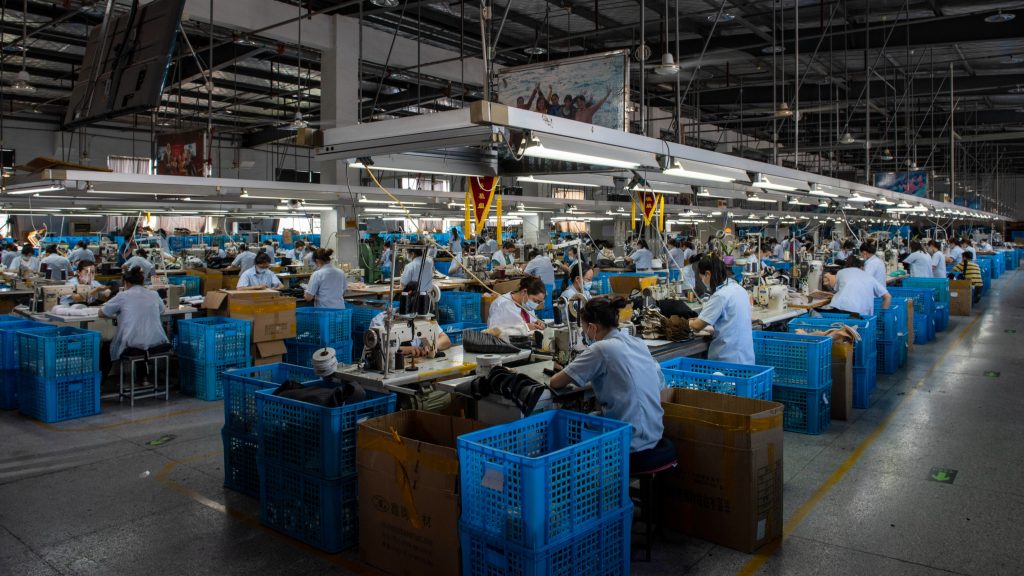
China’s industrial output experienced its weakest expansion in six months during May, even as retail sales delivered a stronger-than-anticipated performance, reflecting a complex economic landscape shaped by renewed trade tensions with the United States. According to figures released by the National Bureau of Statistics on Monday, industrial production grew by 5.8% year-on-year, decelerating from April’s 6.1% and falling short of market expectations of a 5.9% increase, as projected by a Reuters poll. This marks the slowest pace of industrial activity since November 2024. Conversely, retail sales, a key indicator of domestic consumption, rose 6.4% in May, up significantly from April’s 5.1% and surpassing forecasts of 5.0%. The uplift was largely driven by buoyant Labour Day holiday spending and a government-backed trade-in initiative for consumer goods. The early launch of the “618” online shopping festival—one of the country’s largest e-commerce events—also contributed to the sharp rise in consumption. Meanwhile, fixed asset investment grew by 3.7% in the first five months of 2025 compared with the same period last year. This was below the anticipated 3.9% and down from a 4.0% gain recorded between January and April, suggesting continued caution in capital expenditure amid ongoing trade uncertainties. The data follows an earlier report this month revealing that Chinese exports to the United States plummeted by 34.5% year-on-year in May—the steepest decline since February 2020—highlighting the mounting pressure from U.S. tariffs. President Donald Trump’s return to office in January reignited trade hostilities between the world’s two largest economies. Although the two sides reached a temporary agreement in Geneva last month, reducing many of the previously imposed triple-digit tariffs, new disputes over export controls have since disrupted key supply chains. Despite claiming a deal had been finalised, Trump confirmed last week that Chinese goods would continue to face a cumulative 55% tariff rate, including the 25% levies reinstated from his previous administration. A White House spokesperson clarified that this figure represents the combined effect of existing and modified tariffs under the new framework. In response, Beijing introduced a range of stimulus measures in May, including interest rate cuts and a substantial liquidity injection, in an effort to buffer the economy from the ongoing tariff impact. However, analysts remain sceptical about the near-term effectiveness of these policies and question whether they will be sufficient to achieve China’s GDP growth target of around 5% for the year. Economists at Citi noted that the current tariff truce may be inadequate to stimulate a meaningful recovery in manufacturing investment, given the broader uncertainties and persistent headwinds. While consumer activity has offered some encouragement, the underlying economic outlook remains clouded by geopolitical friction and persistent deflationary pressure, underlining the challenges China faces in sustaining momentum through the second half of the year. -Reuters

Scroll to Top

Subscribe
FREE Newsletter