News

News

Vietnam to Raise Alcohol Tax to 90% by 2031 in Major Policy Shift

HANOI : Vietnam’s National Assembly has formally approved a staged increase in special consumption tax on alcoholic beverages, which will see the rate climb from the current 65% to 90% by 2031. The measure, passed on Saturday 14 June, reflects the government’s ongoing strategy to discourage alcohol consumption through fiscal policy, although the final rate is lower than the originally proposed ceiling of 100%. Under the new legislation, the excise tax on beer and high-strength spirits will be raised to 70% by 2027—one year later than previously anticipated—before incrementally increasing to 90% by 2031. The Ministry of Finance stated the move is intended to address public health concerns by curbing alcohol intake, particularly in light of the country’s growing consumption trends. Vietnam remains the second-largest beer market in Southeast Asia, according to a 2024 report by KPMG. However, the domestic industry has already come under pressure from tightening regulatory measures. A significant setback came in 2019, when the government introduced strict drink-driving laws that set a zero-alcohol threshold for motorists, which has contributed to declining demand. The industry—dominated by global brewers Heineken (Netherlands), Carlsberg (Denmark), and domestic players Sabeco and Habeco—has seen revenue fall for three consecutive years, according to the Vietnam Beer and Alcoholic Beverage Association. In response to deteriorating market conditions and the prospect of higher taxation, Heineken last year suspended operations at one of its facilities in the country. In a parallel development, legislators also approved a new sugar-sweetened beverage levy, targeting drinks containing more than 5g of sugar per 100ml. The levy is scheduled to take effect in 2027 at 8%, rising to 10% in 2028, in a move aligned with broader public health objectives. -Reuters

News

Vietnam Slashes Nearly 80,000 State Jobs in Historic Administrative Restructuring

In an unprecedented move to streamline government operations and cut public expenditure, Vietnam’s National Assembly on 12 June approved plans to reduce the number of provinces and cities from 63 to 34, resulting in the elimination of nearly 80,000 state positions. The reform, hailed by officials as the most comprehensive administrative restructuring since the country’s founding in 1945, is part of a broader effort by the government to modernise governance and deliver what it calls “fast, stable and sustainable development.” The vote saw overwhelming approval with 461 in favour, just one opposing and three abstentions. This restructuring follows an earlier reform in February, which reduced the number of ministries and agencies from 30 to 22 and led to 23,000 job cuts. Together, the initiatives mark a significant shift in the structure and culture of public administration in the communist nation, where state employment has traditionally been considered secure and lifelong. Interior Minister Pham Thi Thanh Tra described the reform as a “revolution”, revealing that 79,339 officials will be affected—either retiring early or exiting public service. While the government has promised compensation, some long-serving officials expressed personal dismay at the abrupt end to their careers. One provincial officer, speaking anonymously, said he was “shocked and sad” to be leaving after more than three decades in the role. “I may receive some billion dong in compensation, but I am not happy,” he said, referring to a severance package of approximately US$38,000. “I don’t know what to do now, though I am still completely fit for work.” Among the broader population, reactions were mixed. While some supported the reforms for the promise of more efficient governance, others mourned the loss of regional identities. Nguyen Thang Loi, 52, from the soon-to-be merged Thai Binh province, said: “I fully support the decision, but it feels strange to say I now come from Hung Yen.” Communist Party General Secretary To Lam, the country’s most powerful political figure, emphasised the reform’s intent to reposition administrative bodies from “passive management to active service to the people.” The new leadership structures for the reconfigured provinces and cities will be announced by 30 June, with full operations scheduled to begin from July. Concurrently, the National Assembly is expected to pass a revised national constitution that will see the elimination of the district-level administration and the expansion of commune-level governance, reducing the existing three-tier administrative framework to two levels. The sweeping reforms come amid broader efforts to combat corruption and improve governance. Vietnam’s high-profile anti-graft campaign, dubbed the “blazing furnace,” has ensnared numerous senior officials since 2021, including two former presidents and three deputy prime ministers. Vietnam remains a key global manufacturing hub and posted 7.1 per cent GDP growth in 2024. It is targeting 8 per cent growth in 2025 as part of its long-term goal to reach middle-income country status by 2030. However, this growth trajectory faces external risks, including a threatened 46 per cent tariff on Vietnamese goods by the United States, prompting urgent trade negotiations. The reforms mark a dramatic shift from Vietnam’s traditionally cautious approach to political change, which has favoured stability to maintain investor confidence. The scale and speed of implementation under General Secretary Lam suggest a new phase of governance that prioritises structural efficiency, national competitiveness, and long-term economic ambition. -AFP

News, Property

Kallang Basin Swimming Complex and St Wilfred Sport Centre to Cease Operations in 2025

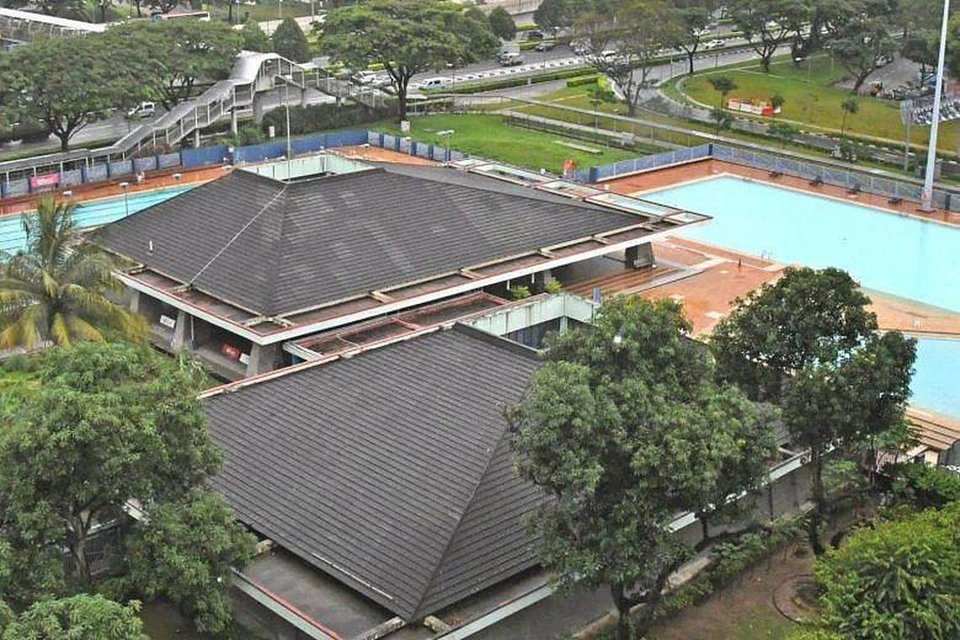
Two longstanding public sports facilities, the Kallang Basin Swimming Complex and the St Wilfred Sport Centre, will cease operations in the second half of 2025 as part of a broader redevelopment strategy. The move comes as Singapore continues to address heightened housing demand and explore more optimal land use near the city centre. In a joint statement released on 13 June, Sport Singapore (SportSG), the Housing & Development Board (HDB), and the Urban Redevelopment Authority (URA) confirmed that the leases on both facilities will expire next year. Kallang Basin Swimming Complex, located at 21 Geylang Bahru Lane, is set to close on 1 September 2025. The St Wilfred Sport Centre in Whampoa will follow on 1 October 2025. The Kallang Basin site currently includes a swimming pool and gym, while the St Wilfred facility comprises a tennis and squash centre and a football field. Authorities are studying the potential redevelopment of both locations for public housing. “This is part of our ongoing efforts to address the strong and broad-based demand for housing in recent years,” the agencies stated. “As part of our long-term planning efforts, the Government will also continue to develop and enhance sports infrastructure, working closely with the community to meet Singapore’s evolving lifestyle and recreational needs.” Upon closure of the two venues, residents will be able to access nearby alternatives. In Geylang Bahru, a new sports facility at Kolam Ayer is scheduled for completion by end-2025. Likewise, a new venue in Whampoa is expected to be operational within the same timeframe. Existing ActiveSG facilities will continue to support the community’s sporting needs. These include swimming complexes in Serangoon, Geylang East and Jalan Besar, as well as squash and tennis courts at Kallang ActiveSG Squash Centre, Burghley ActiveSG Squash and Tennis Centre, and Kallang Tennis Centre. Additional spaces under the Dual-Use Scheme—such as the indoor sports hall and field at Bendemeer Primary School and the football field at Bendemeer Secondary School—will remain accessible. The closures form part of the Government’s Sports Facilities Master Plan, which aims to rejuvenate and expand sports infrastructure. Since 2013, the number of ActiveSG facilities has increased by 30 per cent, with further developments under way, including the Farrer Park Town Play Field and the Punggol Regional Sport Centre. Commenting on the announcement, Eugene Lim, key executive officer at ERA Singapore, said the closures reflect logical land-use planning given the proximity of both sites to the city centre. “The Kallang Basin Swimming Complex, built in the 1980s, is relatively dated compared to newer sports complexes,” he said. “The same applies to the St Wilfred Sport Centre.” Lim added that Geylang Bahru, which contains numerous HDB blocks constructed in the 1970s, is in need of rejuvenation. The area’s future residential developments are likely to attract strong interest due to their location within walking distance of Geylang Bahru MRT station and nearby amenities such as the Geylang Bahru Market and Food Centre. He projected that upcoming Build-To-Order (BTO) projects on the site could fall under the Plus flat category, given the sites’ centrality. “The nearby sites have a plot ratio of 2.8. Assuming a similar ratio, we may see high-rise BTO flats up to 36 storeys. The development may feature a mix of two- to four-room flats, catering to various household profiles.” Regarding the St Wilfred site, Lim observed that the location’s proximity to St George’s Road—an area populated by 1980s-built HDB blocks—and its 10-minute walking distance to Boon Keng MRT station make it another prime candidate for Plus flats. Prime and Plus flats are typically closer to key amenities and subject to stricter resale rules, including a 10-year minimum occupation period and subsidy clawbacks. Nicholas Mak, chief research officer at property search platform Mogul.sg, concurred with the redevelopment plans, noting that there is sufficient availability of other sports facilities to serve the affected neighbourhoods. “The closure of these two facilities provides the Government with an opportunity to revitalise the area with a combination of public and private housing. The region is relatively aged and offers significant potential for land intensification,” Mak said. He further noted that the St Wilfred site similarly presents an opportunity for enhanced land use and community benefit through redevelopment. -The Strait Times

News

SIA Group to Offer Career Opportunities for Jetstar Asia Staff Following Airline’s Closure

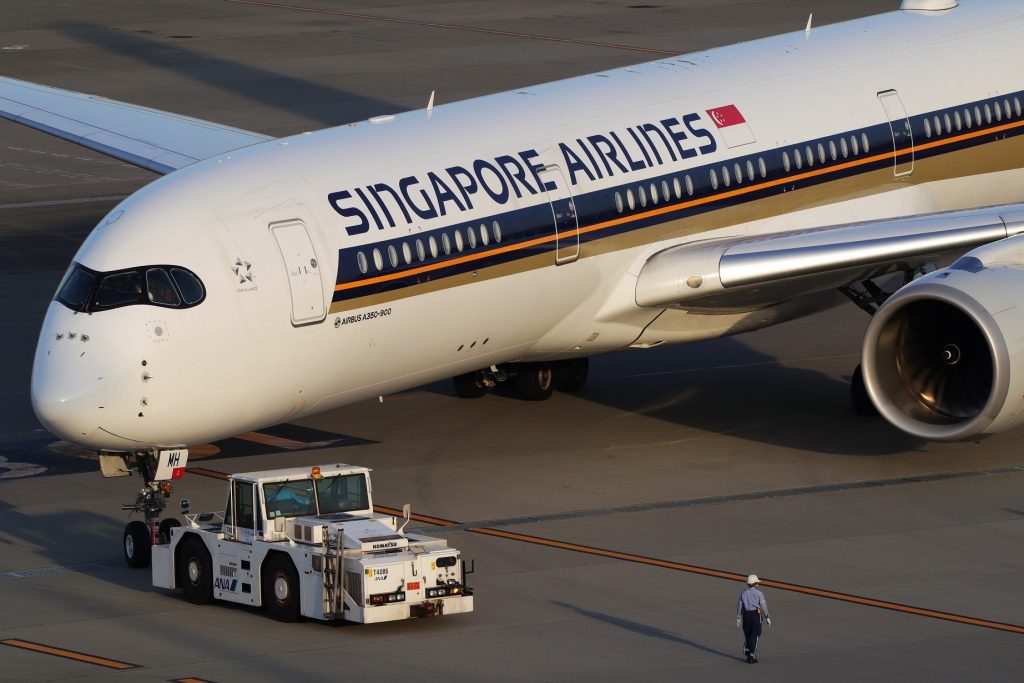
The Singapore Airlines (SIA) Group will be extending employment opportunities across its network to affected employees of Jetstar Asia, following the announcement that the Singapore-based budget airline will cease operations from 31 July. Approximately 500 staff based in Singapore are set to be retrenched as a result of the closure, announced by Jetstar Asia’s parent company Qantas on Wednesday. Rising supplier costs, elevated airport fees, and intensifying competition in the low-cost carrier segment were cited as contributing factors behind the decision. To support affected personnel, SIA Group is offering around 100 pilot positions and approximately 200 cabin crew roles across its carriers. A spokesperson for SIA stated on 13 June that the Group has been in close coordination with Jetstar Asia since the announcement and is committed to assisting employees through this transition. “We are creating a number of opportunities across our airlines, including positions for around 100 pilots and 200 cabin crew. Our aim is to support as many affected staff as possible in continuing their careers within the aviation sector,” the spokesperson said. SIA and Scoot representatives will be present at Jetstar Asia’s office from 17 to 19 June to meet with interested employees and provide further information on the available roles. “We understand that this is a time of uncertainty and are committed to providing the necessary support to help make the recruitment and onboarding process as smooth as possible,” the spokesperson added. The Group also expressed appreciation for the experience and professionalism of Jetstar Asia’s workforce and looks forward to welcoming successful candidates. The closure announcement came as a surprise to many Jetstar Asia employees, who expressed their shock at what they described as an “extreme” measure. Nonetheless, staff acknowledged the company’s comprehensive retrenchment package and transition support. Each affected employee will receive four weeks’ salary for every year of service, along with a bonus for the 2025 financial year, a special appreciation payment, and continued access to staff travel benefits equivalent to their tenure. The National Trades Union Congress (NTUC), in collaboration with the Singapore Manual and Mercantile Workers’ Union (SMMWU), is also engaged in efforts to assist the retrenched workers. Labour chief Ng Chee Meng confirmed that NTUC and its Employment and Employability Institute (e2i) will be stationed at Changi Airport Terminal 1 from next week to offer job placement services, career coaching, skills upgrading, and employability support—particularly targeting the aviation and aerospace sectors. Jetstar Asia will maintain flight operations over the next seven weeks before formally ceasing services at the end of July. -CNA

News

China’s LNG Imports Forecast to Decline in 2025

China’s liquefied natural gas (LNG) imports are projected to decline in 2025 for the first time in three years, according to revised outlooks from five independent research firms. The anticipated fall reflects subdued industrial activity and a strong supply of domestically produced and piped natural gas. The world’s largest LNG importer is now expected to reduce its purchases by between 6 per cent and 11 per cent from the 76.65 million metric tonnes imported in 2024. The downward revision marks a notable shift from earlier forecasts, which had anticipated a record year driven by Beijing’s economic stimulus measures. However, analysts now cite softer demand and increasing economic headwinds. Rystad Energy analyst Xiong Wei pointed to the compounding effects of US tariffs, which have weighed heavily on China’s export sector. “China’s consumer price index has also recorded year-on-year declines for several consecutive months, reflecting weak consumer confidence,” said Xiong. The contraction in demand has been exacerbated by a milder-than-expected winter and reduced industrial activity. Analysts at Rystad, Kpler and ICIS noted that Chinese consumers are increasingly turning to more cost-effective alternatives such as domestically produced gas and pipeline imports, diminishing the need for LNG shipments. This would mark only the second contraction in Chinese LNG imports since 2022, when pandemic-related restrictions significantly curtailed economic activity. According to Chinese customs data, LNG imports dropped to 20 million metric tonnes in the first four months of 2025, compared to nearly 29 million tonnes during the same period in 2024. “Even with a sharp rebound in the second half, it would not be sufficient to offset the weakness seen so far,” remarked Yuanda Wang, senior analyst at ICIS. Rystad estimates that natural gas consumption within the industrial and chemical sectors will fall by approximately 1 per cent this year. Typically, these sectors contribute an annual increase of 10 to 15 billion cubic metres in demand, according to Kpler analysts. The softness in demand is already reflected in import data, with major suppliers registering notable declines. Imports from Australia, Malaysia and Russia all fell by more than 20 per cent year-on-year between January and April, according to Chinese customs data. Australia, China’s leading LNG supplier in 2025, delivered 6.38 million tonnes in the first four months, a 24 per cent decrease compared to the same period in 2024. Kpler’s data indicates that the downturn was primarily seen in long-term contract volumes, while spot market purchases remained relatively stable. This emerging trend signals a rare retreat in what has otherwise been a trajectory of steady growth for China’s LNG market, raising broader questions around Asia’s energy demand outlook and global price stability. -Reuters

News

HKEX Expands Asian Growth Strategy as It Celebrates 25 Years as a Global Financial Hub

As Hong Kong Exchanges and Clearing Limited (HKEX) marks its 25th anniversary, the exchange has outlined a strategy to further cement its role as a bridge between Asia’s emerging businesses and the world’s capital markets. Chairman Carlson Tong Ka-shing confirmed the bourse’s intention to attract more secondary listings from across Asia, reaffirming Hong Kong’s pivotal position in connecting international and mainland Chinese capital. Currently linked with 20 global stock exchanges via mutual recognition agreements, HKEX has established channels for companies in Thailand, Indonesia, Singapore, Saudi Arabia and Abu Dhabi to sell additional shares in Hong Kong. “There is certainly interest among Asian companies to tap both global and Chinese funds in Hong Kong, indicating that the city can evolve into a major regional connector beyond its traditional role,” Tong stated in a recent interview following the World Federation of Exchanges board meeting in Singapore. So far this year, two Singapore-based firms have completed listings in Hong Kong, and a Thai coconut-water producer headquartered in Singapore is preparing to follow suit. The uptick in activity has elevated HKEX’s main board to the top of the global IPO league table. In the first five months of 2025, 27 companies raised US$9.96 billion—seven times the total for the same period last year. With over 160 companies currently in the IPO pipeline, the outlook remains robust. Tong noted that Hong Kong is “bucking the global trend” of subdued IPO volumes and increased privatisations, which have characterised other markets. He also revealed plans for substantial expansion in HKEX’s fixed income and currencies division. The move aims to strengthen Hong Kong’s status as a risk-management hub and support the internationalisation of the yuan. “Fixed-income products will have significant growth potential,” said Tong, referring to an array of instruments including derivatives for risk hedging and yuan-denominated offerings. HKEX was formed in 2000 through the merger of the city’s stock exchange, futures exchange and three clearing houses. Its history, however, traces back to the early days of securities trading in 1891. “HKEX has achieved a great deal in the past 25 years,” said Tong. “It has transformed from a largely domestic market into a superconnector between mainland China and global investors, offering a diversified suite of investment products—from equities and ETFs to commodities and derivatives.” Investor confidence has been richly rewarded. Since HKEX’s listing at HK$3.88, its stock has soared to HK$413.60 as of last Friday. Over the past quarter-century, the number of listed companies has tripled to 2,633, while total market capitalisation has increased ninefold to HK$42.76 trillion (US$5.48 trillion). Average daily turnover has surged 19-fold, reaching HK$242.3 billion in the first five months of 2025. Key to this expansion has been HKEX’s continuous adaptation of its listing framework. A pivotal reform came in 2018, allowing pre-revenue biopharmaceutical firms and companies with weighted voting rights to list. This enabled 360 so-called new-economy companies—including Alibaba Group Holding and Xiaomi—to raise a cumulative HK$1.03 trillion. Despite geopolitical headwinds, including the intensifying US-China trade conflict, Hong Kong’s markets have remained resilient. On 7 April, daily turnover peaked at a record HK$621 billion even as the Hang Seng Index tumbled 13.2 per cent following US tariff announcements. Tong, 70, has long been a prominent figure in Hong Kong’s capital markets. He previously chaired KPMG Asia-Pacific and served as chairman of the HKEX listing committee, where he oversaw landmark IPOs for entities such as the Industrial and Commercial Bank of China. As chairman of the Securities and Futures Commission from 2012 to 2018, he played a critical role in launching Stock Connect, facilitating cross-border trading with Shanghai and later Shenzhen. The programme has since expanded to include bonds, ETFs and derivatives. Appointed HKEX chairman in April 2024, Tong envisions a more community-connected future for the exchange. “HKEX is not merely a listed company—we have a public duty to ensure our markets support the real economy. We also want to give back and engage more with the people in our home market,” he said. To commemorate its silver jubilee, HKEX will host a citywide tour featuring the iconic listing ceremony gong between 20 June and 3 July. The HKEX Foundation, its philanthropic arm, will also deepen its support for local caregivers through a new three-year initiative. Since its launch in 2020, the foundation has allocated over HK$600 million to more than 130 community projects. A key source of the foundation’s funding is the unique stock code donation scheme, introduced in 1999, which allows companies to select preferred codes with a HK$3 million donation. The programme has raised over HK$1 billion to date, contributing to the foundation’s enduring impact on the city’s social landscape. -SCMP

News

Navigating the Human Element in Venture Capital: Lessons from Ficus Capital’s Investment Journey

The Paradox of Venture Capital There’s a paradox at the heart of venture capital (VC) that often goes unspoken. On one side, we as investors are painstakingly careful. We spend months scrutinising every pitch, every founder, every number, and look deep into frameworks, psychometric tests, reference checks – the works. Yet, despite this care, the truth is, a significant portion of investments will fail. Depending on who you ask, between 25 to 30 per cent of VC-backed startups fail outright, and if you look at returns, as many as 75 per cent do not generate positive gains. That means only one or two out of every ten investments deliver substantial returns. It’s a sobering reality, but one every investor learns to live with. Our Mission and the Challenge of Shariah-Compliant Investing At Ficus Capital, since we began investing in 2021, this truth has been front and centre of all our decision-making. Our mission is, and continues to be, to back strong companies led by capable founders. All this within a Shariah-compliant framework – meaning no financial hedging or risk-shifting tricks that conventional VCs might use. It’s a different kind of challenge, forcing us to focus even more on the people behind the business. Theory vs. Reality: The Messiness of People Our theory did not always hold up perfectly in practice. While our framework is solid, the reality proved messier than any checklist could capture. We assumed that it would be possible to identify the right founder – someone honest, resilient, trustworthy – and there was a belief – perhaps somewhat naïve in hindsight – that long-standing association would provide deeper insight. Yet, it became clear that pressure can reveal aspects of character that friendship and familiarity simply don’t. Revelations: The Good, the Bad, and the Unexpected There were surprises – some positive, others not so much. Despite all our careful vetting, we ended up backing founders who turned out to be, unfortunately, not whom we thought. Although we used every tool at our disposal – psychometrics, references, even 360-degree team feedback – we still missed it. To illustrate, two founders in particular created significant challenges. Both initially appeared very personable and communicated well, but later it became clear they were not entirely truthful – each for different reasons. One founder was primarily motivated by making money off investors, while the other was dishonest out of fear of potential legal action from previous investors. In the first example, after investing, a founder completely ignored our requests and failed to follow through on commitments. The company was ultimately liquidated, and the founder moved on to start a new venture. Interestingly, one partner had expressed discomfort with this founder from the outset, but because most did not share the concern, the investment proceeded. While we lost money on this company, we recouped some of it through equity in other startups the founder was involved with. The second case involved a founder who had undergone an extensive 18-month due diligence process led by a major overseas VC, which included psychometric tests, reference checks, and stress tests – all positive. However, just as we were about to complete the investment and release funds, irregularities in the founder’s communication triggered our gut feeling that something was amiss. Although the due diligence was thorough, we decided to disburse only two-thirds of the investment. While it seemed we lost that portion, following our inner judgement ultimately saved us the remaining third. These experiences reinforced a crucial lesson: while data and scientific assessments are invaluable, gut instinct and watching out for red flags plays an essential role. The challenge lies in balancing intuition with the legal and financial obligations inherent in investment agreements. Listening to your inner voice can minimise losses, but it also carries risks, such as potential legal complications. Ultimately, it’s about finding the right balance between science, art, and intuition. On the flip side, and on a brighter note, some companies surprised us in the best possible way. Startups that initially struggled to tell their story or whose initial business model felt, well, a bit narrow, showed their brilliant colours in the long-run. This happened over time, with encouragement and a few pivots – examples being one investee that expanded their 3-D design tool to become a full-blown education application, while another that grew from just Wi-Fi sharing to routers – uncovering entirely new markets. These moments remind us that potential doesn’t always shout; sometimes it just mumbles. Operational Realities: Due Diligence and Documentation Operationally, we faced challenges too. Many of our portfolio companies were early-stage and had little experience with institutional fundraising. In these cases, due diligence dragged on longer than expected and documentation was patchy. Furthermore, negotiations over agreements were drawn-out, with some taking months. It was frustrating, but oddly, I now see this as part of our role – not just as investors but as partners helping startups mature their processes and prepare for future rounds. The Biggest Lesson: Founder Character Is Everything If I had to pick a key realisation so far, it is this: founder character is everything. Not just intelligence or charm, but honesty and grit. I used to think these traits could be measured objectively, but now, if something feels off – even if I can’t explain why – I pay attention. Learning from this, we introduced a final confirmation step before releasing funds, to ensure nothing has changed since due diligence wrapped up. Is it foolproof? No. But it’s a little safer. Managing Uncertainty: Balancing Science and Art What this all boils down to is that venture capital, at its core, is about managing uncertainty. The numbers and frameworks matter, but people matter more. And people are unpredictable. Sometimes, you do everything right and still lose. Other times, a long shot surprises you. That unpredictability is part of the game – and part of what makes it so challenging. Looking ahead, we are doubling down on founder integrity and trusting our instincts alongside the data. We accept


News

Ping Edge Technology Closes LEAP Market Debut with 52.2% Surge

KUALA LUMPUR : Ping Edge Technology Bhd concluded its trading debut on Bursa Malaysia’s LEAP Market with a notable 52.2% increase, closing 12 sen higher at 35 sen compared to its reference price of 23 sen. The commercial kitchen equipment supplier saw its shares open at 24 sen, registering a modest 4.4% rise at the opening bell. By 9.30am, shares surged to 35 sen in light trading and remained steady at that level until market close. Ping Edge is the second company to list on the LEAP Market in 2024. Its managing director, Soh Yeow Seng, described the listing as a significant milestone for the group, attributing it to the collective dedication and perseverance of the team. The company specialises in trading commercial foodservice and kitchen equipment primarily through two online platforms. Kitchen Arena focuses on the sale of new equipment, while Murah Kitchen caters to the pre-owned segment. Currently, Ping Edge offers an extensive portfolio of approximately 430 brands, including prominent names such as Frezmac, Modelux, Unox, Fresh, Redor, Powerline, Snow, Fagor, Robot Coupe, and Aeglos. Based on the closing price, Ping Edge commands a market capitalisation of RM78 million, implying a valuation of nearly 27 times its trailing earnings. The company raised RM5.15 million via private placement in conjunction with the listing. The proceeds will be utilised as follows: 19.4% for the establishment of an additional showroom and storage facility in Penang, 9.7% for digital infrastructure enhancement, 46% for working capital, and the remaining 24.9% allocated towards listing-related expenses. Ping Edge’s entry into the capital market was facilitated by TA Securities, which serves as its approved adviser, placement agent, and continuing adviser. The LEAP (Leading Entrepreneur Accelerator Platform) Market is a sponsor-driven platform tailored for emerging enterprises, including SMEs, to gain improved capital access and investor visibility. It remains accessible exclusively to sophisticated investors. -The Edge

News

Dialog Secures Mutiara Cluster PSC from Petronas, Strengthening Upstream Portfolio

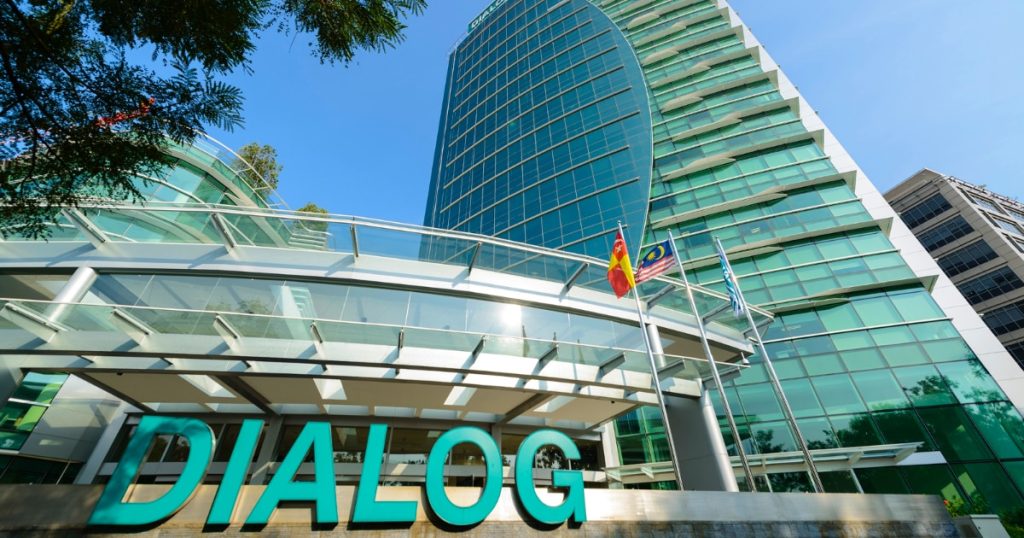
Dialog Group Berhad has been awarded a production sharing contract (PSC) for the Mutiara Cluster Small Field Asset, located offshore Sabah, by Petroliam Nasional Berhad (Petronas). This 14-year agreement, signed on 13 June, names Dialog’s wholly-owned subsidiary, Dialog Resources Sdn Bhd, as the sole operator with full ownership and a 100% participating interest. The Mutiara Cluster comprises five fields: Nymphe, Nymphe North, Kuda Terbang, Benrinnes, and Mutiara Hitam. According to Petronas, this marks the first PSC awarded under the Malaysia Bid Round 2025 (MBR 2025) via Malaysia Petroleum Management (MPM), with first production anticipated in 2029. Petronas stated the Mutiara Cluster PSC is designed to act as a catalyst for unlocking the broader potential of the Sandakan Basin and aims to increase local industry participation, aligning with Malaysia’s goal of strengthening its status as a competitive upstream investment hub. Dialog disclosed in a filing with Bursa Malaysia that the contract includes a two-year pre-development phase, during which a comprehensive field development plan will be finalised. This will be followed by a two-year development period, targeting commercial production by the end of that phase. The remaining 10 years of the contract will be dedicated to production, subject to the earlier of either full term completion or cessation of output. Participation in this small field asset PSC is aligned with Dialog’s long-term strategy to expand and diversify its presence across the energy sector. The company highlighted that this move enhances its ability to create synergies across its integrated operations, contributing to long-term, sustainable revenue from oil and gas production. “This development reinforces Dialog’s standing as a leading integrated technical service provider,” the group said. It added that further announcements would follow upon reaching the final investment decision (FID) and obtaining Petronas’ approval. While Dialog is primarily known for its oil and gas tank storage leasing business, the group also holds upstream assets, including a cluster of mature offshore fields in Sarawak and onshore production operations in Thailand. On the day of the announcement, Dialog’s shares rose six sen or 3.97%, closing at RM1.57, bringing its market capitalisation to RM8.49 billion. -The Edge Malaysia

News

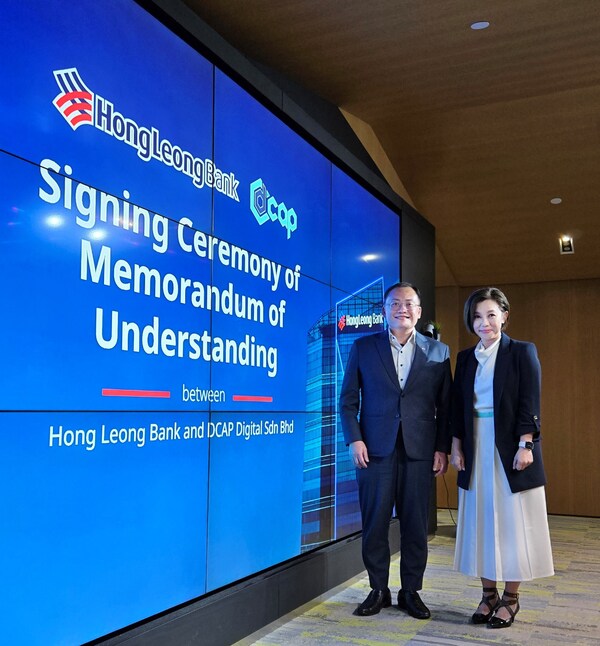
Hong Leong Bank and DCAP Digital Partner to Expand SME Lending with AI Technology

Hong Leong Bank (HLB) has formalised a strategic memorandum of understanding (MoU) with DCAP Digital, a leading Lending-as-a-Service (LaaS) technology provider, in a concerted effort to elevate SME lending and extend financial inclusion to Malaysia’s underbanked communities. Founded in 2020, DCAP Digital delivers a full-stack LaaS platform, offering fair and transparent credit solutions. Its platform enables capital deployment to pre-vetted borrowers and features a suite of digital tools that prioritise operational efficiency, transparency, and compliance with regulatory frameworks. Through this partnership, HLB aims to leverage DCAP Digital’s AI-powered credit scoring engine to enhance the precision and inclusivity of its credit assessments. By integrating advanced data-driven analytics with its established suite of financial services, the Bank is positioned to deliver tailored financing solutions, particularly in the consumer mobility segments such as motorcycles and electric vehicles. In May 2025 alone, Malaysia recorded over 61,000 new motorcycle registrations, underscoring continued demand in the sector. However, financing accessibility remains a hurdle for underbanked groups, who often face barriers in establishing creditworthiness and navigating KYC protocols. Commenting on the partnership, a spokesperson from Hong Leong Bank stated,“Aligned with our brand promise of being Built Around You, we remain committed to delivering a wide range of banking solutions that are responsive to the evolving needs of our customers. This collaboration with DCAP Digital reflects our drive to fuse AI technology, digital innovation, and tailored financing to enrich the customer experience.” The partnership is set to benefit HLB’s growing network of motorcycle dealers by simplifying loan application processes and expediting access to the Bank’s Dealer Hire Purchase Programme. Beyond hire purchase financing, the Bank will also offer dealers access to additional services such as cash management, bank acceptance, and trade line facilities through DCAP Digital’s platform. Sonia Ng, Co-Founder and Chief Executive Officer of DCAP Digital, expressed optimism about the collaboration:“We are pleased to partner with HLB to advance financial inclusion through AI-powered credit solutions. This collaboration brings together HLB’s financial capabilities and our technology-driven methods to support seamless experiences, SME transformation, and sustainable development within the motorcycle sector.” Looking ahead, the partnership will include a series of joint initiatives, including workshops, seminars, targeted marketing campaigns, and dealer training programmes aimed at streamlining application processes and enhancing industry engagement. -Fintech News

Scroll to Top

Subscribe
FREE Newsletter