News

News

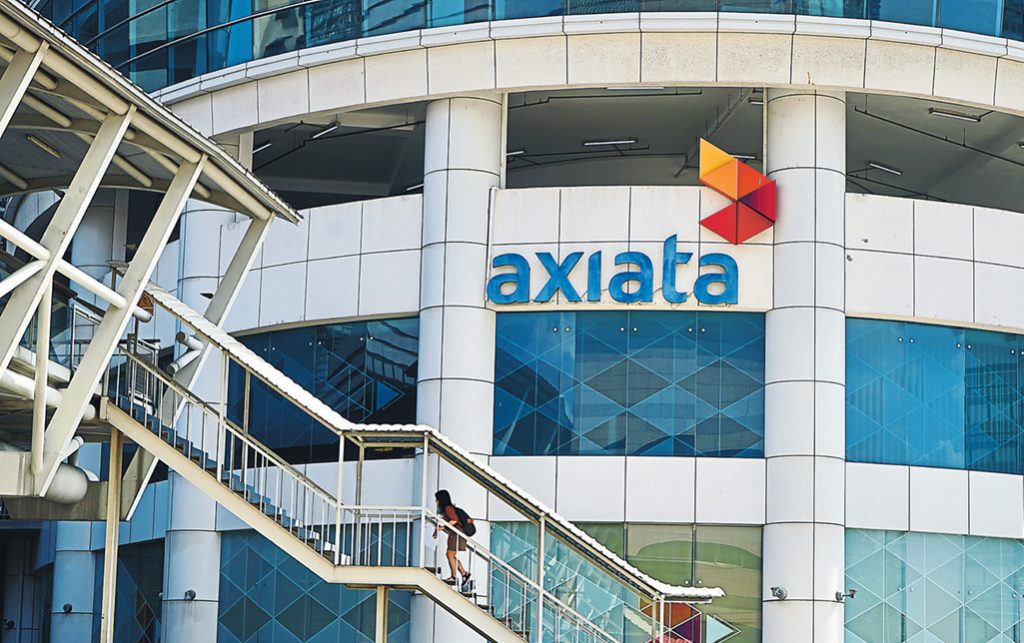
Axiata Finalises Myanmar Exit with US$90 Million Tower Asset Sale

Axiata Group Bhd has completed the divestment of its Myanmar tower operations for a revised cash consideration of US$90 million (RM380.4 million), substantially lower than the initially proposed US$150 million (RM713.03 million). The transaction, undertaken through Axiata’s 63%-owned subsidiary edotco Group Sdn Bhd, involved the disposal of its entire 87.5% stake in edotco Investments Singapore Pte Ltd to Hong Kong-based Zillion Tower Holdings Ltd. The Singapore-based entity held edotco’s investments in Myanmar. In a filing with Bursa Malaysia, Axiata stated that the revised terms were negotiated on a willing buyer, willing seller basis, following a strategic review and engagement with alternative credible buyers. The group emphasised that the renegotiation aimed to ensure deal certainty amid a volatile external environment. Malaysia’s largest mobile operator by revenue cited the worsening political and economic landscape in Myanmar as the primary driver behind the disposal. Ongoing instability and elevated risks of international sanctions have made continued operations in the country untenable. “These challenges, compounded by impending sanction risks, have significantly disrupted edotco Myanmar’s operations, rendering further engagement in the market unsustainable,” the group noted. The sale proceeds of US$90 million were fully settled in cash, with no post-completion adjustments. The transferred shares were free of encumbrances and included all associated rights and entitlements. The decision to exit Myanmar was first announced in April 2024, aligning with Axiata’s broader strategy to strengthen its balance sheet and redeploy capital towards debt reduction. The group’s retreat from Myanmar follows a comprehensive review of the post-coup operating environment, which has deteriorated since the 2021 military takeover. This marks Axiata’s second foreign market exit in just over a year. In December 2023, the group withdrew from Nepal after a protracted dispute over capital gains tax liabilities linked to its former mobile unit, Ncell Axiata Bhd. Following the latest divestment, Axiata has further refined its portfolio strategy, distinguishing between long-term strategic investments and medium-term assets earmarked for potential monetisation. The latter group currently includes edotco, Indonesian broadband provider Link Net, fintech platform Boost, and data analytics company ADA. Meanwhile, the group’s core digital telecommunications assets — CelcomDigi Bhd in Malaysia, XLSMART in Indonesia, Robi in Bangladesh, Dialog in Sri Lanka, and Smart in Cambodia — remain central to its long-term strategy of delivering sustainable cash flow and improving shareholder returns. On Friday, Axiata shares closed four sen or 1.9% lower at RM2.06, giving the group a market capitalisation of RM18.92 billion. The stock has declined more than 14% year-to-date. -The Edge Malaysia

News

NexG to Invest RM250 Million in High-Security Identity Document Plant

KUALA LUMPUR : NexG Bhd has announced a significant RM250 million capital expenditure to establish a high-security identity document manufacturing plant, signalling a key phase in its corporate transformation and regional expansion strategy. The investment underscores NexG’s ambition to solidify its position as a global leader in secure identity solutions. The company, previously known as Datasonic Bhd, is executing a multi-phase transformation plan that includes capital injections, a rebranding exercise and strategic entry into high-growth international markets. “We are actively pursuing both domestic and international investment opportunities through our group of companies,” said Executive Chairman and Group Chief Executive Officer Datuk Hanifah Noordin. The proposed state-of-the-art facility, which will also house NexG’s new corporate headquarters, will be developed in three phases. Each phase is projected to generate between US$100 million and US$200 million (equivalent to RM421 million to RM842 million), with the final figures subject to variables such as document types, production volume, security specifications, project scale and technical complexity. Upon completion, the plant is expected to increase NexG’s annual production capacity by approximately 50 million secure identity documents, substantially enhancing its ability to cater to rising international demand. The initiative also aligns with NexG’s pivot towards digital manufacturing systems, intellectual property creation and data-centric security technologies, all of which support what the company describes as a “new paradigm of secure documentation.” “We aim not only to export technology but also to empower digital sovereignty for nations requiring scalable, trusted and secure identity infrastructure,” Hanifah added. As part of its broader investment strategy, NexG has taken significant equity positions in key strategic partners, including a 19 per cent stake in logistics provider MMAG Holdings Bhd and a 51 per cent interest in Innov8tif Holdings, a firm specialising in digital identity technology. With a defined strategic roadmap and a robust investment approach, NexG positions itself as a regional frontrunner in secure identity solutions and a critical enabler of digital infrastructure across ASEAN and beyond. -Business Times

News

MARii and PGTSSB Form Strategic Alliance

KUALA LUMPUR: The Malaysia Automotive, Robotics and IoT Institute (MARii) has entered into a strategic collaboration with PETRONAS Global Technical Solutions Sdn Bhd (PGTSSB) to transform the landscape of vehicle maintenance through cutting-edge diagnostic technologies. PGTSSB, the commercialisation and technical services arm of Petroliam Nasional Bhd (PETRONAS), will work with MARii to deploy the Advanced Diagnostic and Prognostic Technology (ADaPT) platform within the automotive industry under the ADaPTiV initiative. In a joint statement, MARii highlighted that ADaPT, originally engineered to enhance asset performance within the energy sector, will now be tailored to meet the evolving requirements of the automotive domain. The ADaPTiV system harnesses the power of artificial intelligence to deliver predictive analytics capable of identifying potential component failures before they occur, enabling proactive maintenance strategies. Integrated with Internet of Things (IoT) technologies, the system captures real-time data from critical vehicle components, facilitating timely, condition-based interventions. Further enriched by big data analytics, ADaPTiV produces actionable insights designed to optimise vehicle efficiency and encourage more intelligent driving behaviours. This initiative is part of MARii’s ongoing commitment to support the development of next-generation vehicles and mobility-as-a-service solutions. It aligns closely with national policy directions outlined in the New Industrial Master Plan 2030 and the National Automotive Policy 2020, both of which prioritise smart mobility and sustainable transport. MARii Chief Executive Officer Azrul Reza Aziz described the collaboration as a pivotal step forward in Malaysia’s pursuit of an advanced mobility ecosystem, signalling significant progress for both the institute and the broader national innovation agenda. -Bernama

News

RM31bil in Illicit Assets Recovered by MACC Over Five Years, Says Azam Baki

The Malaysian Anti-Corruption Commission (MACC) has seized RM3.54 billion and forfeited RM27.87 billion in assets over the past five years, according to Chief Commissioner Tan Sri Azam Baki. Delivering his remarks at the second MACC Accredited Law Enforcement Programme Convocation in Bangi, Azam revealed that the agency received 34,819 reports of alleged corruption and abuse of power between 2020 and April 2025. From these, 5,145 investigation papers were opened, leading to the arrest of 5,703 individuals. A total of 2,479 were prosecuted and 1,274 convicted. He emphasised the Commission’s uncompromising stance, stressing that strict disciplinary action will be taken against any offenders, including MACC personnel. “The MACC will not tolerate misconduct within its ranks. Harsh measures will be taken against any member found guilty,” Azam stated. He highlighted that the post-pandemic landscape and mounting global economic challenges have intensified social pressures and created more avenues for corruption. In response, he called for continued collaboration between the public and private sectors, academic institutions, civil society organisations and policymakers—not only in enforcement, but also in education, research, policy development, and technology. Azam also underscored the importance of early values-based education in cultivating a culture of integrity, noting that anti-corruption awareness must begin at home and be reinforced within schools. In a notable development, the MACC has successfully reduced the average duration required to investigate high-profile cases from 18 months to just six. Azam attributed this achievement to streamlined investigative procedures, enhanced training for officers and the adoption of advanced technologies. Where surveillance efforts previously required multiple officers, technology now enables the Commission to identify and track suspects or witnesses more rapidly and with fewer resources. -FMT

News

Audit Oversight Board Suspends Chengco PLT, Imposes Sanctions on Five Auditors

The Securities Commission Malaysia (SC), through its Audit Oversight Board (AOB), has suspended the audit firm Chengco PLT (CCO) for a period of two years following serious lapses in audit quality. In its official statement, the SC confirmed the imposition of sanctions on five audit partners affiliated with Chengco. These individuals served as engagement partners and engagement quality control reviewers (EQCRs) in the audits of three public interest entities (PIEs). Among those sanctioned are Hong Thuan Boon and Yap Peng Boon, who face a two-year suspension. Three additional partners — Tan Wae Leng, Kong Tung Sam and Ng Kee Siang — have been barred from auditing or accepting PIEs and scheduled funds for one year. The SC stated that the disciplinary action stemmed from the AOB’s findings of multiple breaches by Chengco, specifically its failure to comply with key provisions of the International Standards on Auditing, as adopted by the Malaysian Institute of Accountants. These breaches occurred in connection with audits performed on three PIEs. The findings point to deficiencies in several fundamental audit areas. These include a failure to gather sufficient audit evidence in matters relating to bank borrowings, opening balances and prior year adjustments, going concern assumptions, other payables and accruals, revenue recognition, cost of sales, redeemable convertible preference shares and goodwill valuation. The AOB also noted recurring deficiencies concerning property development costs and fixed deposits. Furthermore, the EQCR was found to have inadequately reviewed critical audit documentation, particularly in areas involving significant judgement and risk. This shortcoming was determined to have negatively impacted the overall quality of the audits in question. The SC reaffirmed its commitment to maintaining high standards of audit quality and regulatory compliance, particularly in audits involving public interest entities. -The Star

News

XM Responds to the Possibility of Blocked Platform in Singapore

Global broker XM reassures clients in Singapore that “no action is required on their part” and their “funds remain safe”, following a recent announcement by the Monetary Authority of Singapore (MAS), that has led to internet service providers potentially blocking access to XM’s website from 20 June. MAS has determined that XM and other brokers had been offering leveraged financial products to Singapore’s residents without a local capital markets services license. XM has clarified that it is licensed and regulated by the Financial Services Commission (FSC) of Belize in the provision of online investment services globally, it’s also important to note that the website does not contain information specifically directed at persons residing in Singapore, and the company has no servers or physical presence in Singapore. Recognised globally for its reliability and professionalism, XM has been serving traders across more than 190 countries for over 15 years. With a client base exceeding 15 million, the broker has built a strong reputation by prioritising transparency, client satisfaction, and long-term relationships within the trading community. XM also adheres to strict rules and regulations and has robust security measures for protecting client funds and offering reliable platforms and services. While respecting the authority of MAS, XM emphasized its ongoing commitment to regulatory cooperation and transparency and it is currently assessing the implications of this development with legal advisors, to determine if any action is needed. Continued Access Under International Regulation XM’s platform is operated by XM Global Limited, which is regulated by the FSC. Under Singapore’s law, individuals may opt to use the trading services offered by regulated foreign brokers. This means trading accounts, payment methods, and all services will remain fully functional for Singapore-based clients after 20 June. “We remain fully committed to supporting our clients in Singapore”, an XM spokesperson said. “Our Customer Experience Team is available 24/7 to answer questions and we will ensure uninterrupted access to all trading services, regardless of any changes.”

News

Bermaz Auto Reports 77% Q4 Profit Decline Amid Rising Market Competition

Bermaz Auto Bhd (BAuto) has issued a cautious outlook for its performance in the financial year ending 30 April 2026, citing intensifying competition and prevailing macroeconomic headwinds. For the fourth quarter ended 30 April 2025 (4Q25), the group reported a sharp 77% year-on-year decline in net profit to RM21.2 million, translating to earnings per share of 1.82 sen. Revenue fell 44% year-on-year to RM528.65 million, primarily due to a marked contraction in sales volume from its Mazda and Kia domestic operations. The group attributed this decline to the ongoing influx of competitively priced Chinese-manufactured vehicles in the Malaysian market, which has significantly disrupted established brand performance. For the full financial year ended 30 April 2025 (FY25), BAuto posted a 55% drop in net profit to RM155.91 million or 13.35 sen earnings per share. Revenue also declined 33% year-on-year to RM2.6 billion. The company noted that the Malaysian automotive sector is facing a subdued growth trajectory, shaped by persistent inflationary pressures and a slowdown in global economic momentum. Uncertainties stemming from geopolitical conflicts and evolving trade tariff negotiations, particularly involving the United States, are expected to have further repercussions on domestic economic sentiment and consumer spending patterns. Additionally, the surge of Chinese vehicle brands continues to weigh on market dynamics, adversely affecting the performance of other marques in Malaysia. BAuto indicated that the timing and success of upcoming model launches or facelifts will remain contingent on prevailing market sentiment and broader economic conditions. Citing data from the Malaysian Automotive Association, BAuto reported that the total industry volume (TIV) for April 2025 stood at 60,527 units, representing a 16.8% decline (12,177 units) compared to March 2025’s volume of 72,704 units. This contraction was largely attributed to a shorter working month in April due to Hari Raya festivities and a front-loaded delivery push in March. Year-to-date, TIV for the first four months of 2025 reached 248,730 units, reflecting a 5.4% decline (14,320 units) from the same period in 2024, which saw 263,050 units sold. Outside of Malaysia, BAuto’s operations in the Philippines are operating within a more resilient macroeconomic environment. According to the Department of Finance, the Philippines recorded a GDP growth rate of 5.4% in the first quarter of 2025 (4Q24: 5.3%). The outlook for the remainder of 2025 remains positive, with GDP projected to grow around 6.0% in the coming quarters. In respect of FY25, BAuto’s Board of Directors has approved a fourth interim single-tier dividend of 1.50 sen per share. This is significantly lower than the 4.75 sen and special dividend of 7.00 sen declared in the corresponding period last year. The dividend will be payable on 5 August 2025, with the entitlement date set for 18 July 2025. -The Star

News

Vietnam Targets Construction Sector Reform to Drive Economic Growth

HANOI: Vietnam is poised to reform its construction permitting regime in a bid to streamline processes, lower costs, and revitalise investor confidence, as part of wider efforts to boost economic competitiveness. Industry experts have long pointed to burdensome administrative procedures—particularly the complexity and duration of securing construction permits—as a key deterrent for both domestic and international investors. Prolonged approval timelines, overlapping regulations and inconsistent enforcement across provinces have not only delayed project execution but also elevated operational costs and eroded trust in the system. The Ministry of Construction is now advancing a proposal to eliminate the permit requirement for projects that have already obtained detailed planning approval. The reform is intended to remove redundant checks, thereby accelerating development timelines and improving capital efficiency across the construction and real estate sectors. Mai Huu Tin, chairman of the Binh Duong Provincial Business Federation, noted that businesses are currently required to seek official permissions even for minor developments, describing the process as increasingly onerous. Le Huu Nghia, director of social housing developer Le Thanh Co, highlighted the inefficiency of repeated verifications of planning compliance across multiple stages—from feasibility studies to construction permitting. The issue extends well beyond housing. Trinh Tien Dung, general director of industrial builder Dai Dung Co, revealed that obtaining a factory construction licence within an industrial park can take up to 18 months—often longer than the build itself—resulting in heightened financial and operational risks. Beyond delays, enterprises often face opaque approval criteria, administrative inconsistency between provinces, and non-transparent costs. Trang Bui, general director of property consultancy Cushman & Wakefield Vietnam, remarked that these procedural disparities frequently compel companies to refile documentation, make repeated amendments, and absorb unnecessary delays. Eliminating the permit requirement could be transformative for the sector. Bui noted that such reform would allow developers to better manage project execution, reduce borrowing costs, and enhance capital allocation—all while maintaining regulatory compliance. Nguyen Thi Bich Ngoc, chief executive of property firm Sen Vang Co, estimated that removing the permitting stage could cut project preparation time by three to six months and lower investment costs by as much as 5 per cent, largely through the reduction of administrative overheads and the avoidance of procedural delays. However, she also stressed the importance of businesses enhancing internal governance and quality control frameworks in lieu of external approvals. Experts agree that the state’s role remains critical in ensuring the success of this transformation. Public access to planning data, the digitalisation of administrative processes, and the establishment of a centralised post-audit mechanism will be essential to uphold standards and safeguard public confidence. Giang Huynh, director of research at Savills Ho Chi Minh City, underlined that procedural reform, supported by digital transparency and audit infrastructure, could significantly improve operational efficiency, accelerate time-to-market, and optimise resource use. However, permit reform alone is unlikely to deliver systemic change. Stakeholders argue that longstanding challenges in land-use planning, valuation, and zoning regulation must also be addressed. These entrenched issues continue to hinder project development and constrain sectoral growth. As Vietnam advances this reform agenda, the integration of regulatory simplification, digital transformation and legal modernisation is expected to catalyse economic activity and enhance transparency across the construction and real estate markets. -Vietnam News

News

Volvo CE to Invest $264 Million in Global Expansion, Prioritising South Korean Facility

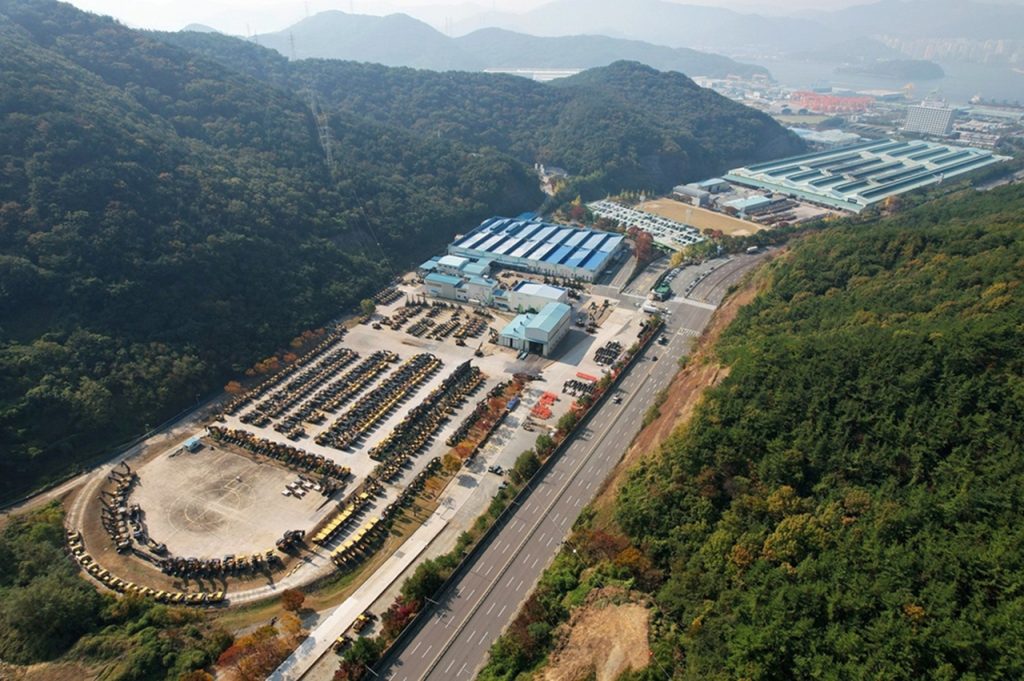
Volvo Construction Equipment (Volvo CE) has confirmed plans to expand and modernise its production facility in Changwon, South Gyeongsang Province, South Korea. The strategic move forms part of a broader global investment initiative designed to enhance the company’s crawler excavator production capacity and better serve growing international demand. The Swedish heavy machinery manufacturer will invest a total of USD 264 million across three key production hubs located in South Korea, Sweden and North America. While Volvo CE has not disclosed a detailed breakdown of the investment per location, it confirmed that the Changwon facility will receive the largest portion of the capital allocation. The investment at the Changwon site will be deployed over the coming years and will focus on increasing manufacturing capacity, improving supply chain resilience and enhancing the plant’s overall responsiveness to market demands. The upgraded facility is expected to play a central role in supporting global volumes and expanding Volvo CE’s operational capabilities in the Asia-Pacific region. Volvo CE highlighted Changwon’s continued importance within its international production network, citing the plant’s strategic competencies in manufacturing, product development and procurement. The facility, which exports more than 80 percent of its total output, currently holds the largest excavator production capacity across the entire Volvo Group. The broader investment plan will also include the establishment of a new excavator assembly line in Shippensburg, Pennsylvania, aimed at meeting the specific needs of the North American market. A decision regarding the Swedish component of the expansion, including the precise location, scope and timing, is expected later this year. By positioning production closer to its major markets, Volvo CE aims to bolster operational efficiency, reduce delivery lead times and offer more tailored solutions. This global expansion is also aligned with the company’s commitment to sustainability, with reduced transportation distances contributing to lower carbon emissions. Melker Jernberg, President of Volvo Construction Equipment, stated, “We understand the need to respond to growing demand and are excited to expand our facilities to serve customers better. This investment underscores our commitment to quality, innovation and competence, allowing us to deliver even greater value. This expansion demonstrates our efforts to respond to customer demand by investing in our crawler excavator business closer to key markets and customers.” -The Korea Herald

News

Zhejiang Sanhua Targets HK$8.12 Billion in Landmark Hong Kong Listing

Zhejiang Sanhua Intelligent Controls Co has launched its highly anticipated share offering in Hong Kong, aiming to raise up to HK$8.12 billion (US$1 billion), marking a significant milestone in the city’s capital markets revival. The Chinese air-conditioning and refrigeration components manufacturer began taking investor orders on Friday for 360 million shares, as detailed in its listing prospectus. Shares are being offered in a price range of HK$21.21 to HK$22.53 each, with the company retaining the option to increase the size of the offering. Founded in 1984, Sanhua has evolved into a global supplier of components for both household and industrial applications, including sophisticated cooling systems for data centres and thermal management systems used in vehicles. The company is also actively expanding into bionic robotics, a sector it plans to develop further using proceeds from the listing. Sanhua’s shares are scheduled to begin trading on 23 June. According to its prospectus, the company operates over 48 manufacturing facilities across China, India, Türkiye, and the United States. In 2024, it reported a net profit of 3.1 billion yuan (approximately US$433 million) on revenue totalling 27.9 billion yuan (US$3.9 billion), both figures reflecting year-on-year growth. Already listed in Shenzhen since 2005, Sanhua now joins a wave of mainland Chinese firms pursuing secondary listings in Hong Kong. These dual listings have been among the most active segments of the city’s equity markets in recent years. This move follows recent high-profile Hong Kong listings, including Contemporary Amperex Technology Co Ltd, which raised over US$5 billion in May, and Foshan Haitian Flavouring & Food Co, which began bookbuilding for a listing of up to US$1.2 billion this week, with shares expected to list on 19 June. Zhejiang Sanhua’s offering is jointly sponsored by China International Capital Corp and Huatai Securities Co. -Bloomberg

Scroll to Top

Subscribe
FREE Newsletter