News

News

China-Backed Militia Secures New Rare Earth Supply Chain in Myanmar’s

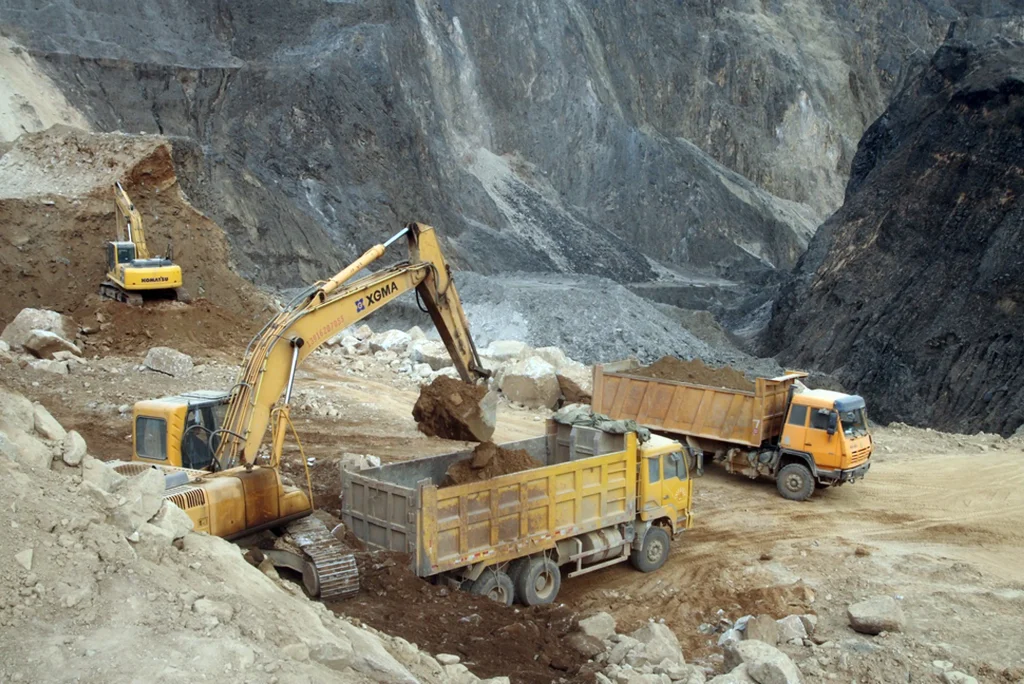
A Chinese-aligned militia is now safeguarding newly established rare earth mining operations in eastern Myanmar, as Beijing reinforces its dominance over the global supply of strategic minerals essential to the green energy transition and high-tech manufacturing. China already holds a near-monopoly on processing heavy rare earth elements—critical for magnets used in electric vehicles, wind turbines and medical devices—but it remains highly dependent on imports of the raw materials. In the first four months of 2025, Myanmar accounted for nearly half of China’s rare earth oxide and metal imports, according to Chinese customs data. However, access to key minerals such as dysprosium and terbium has faced disruption since a major rare earth mining belt in northern Myanmar’s Kachin State was seized by an armed group opposed to the country’s military junta, which Beijing supports. In response, new mining activity has emerged in Shan State, where Chinese miners are now developing deposits under the protection of the United Wa State Army (UWSA), one of Myanmar’s most powerful militias. Two individuals employed at one of the mines reported that over 100 workers are conducting continuous day-and-night operations, using chemical leaching techniques to extract heavy rare earths. Local residents also confirmed the movement of truckloads of material from the mines—located between Mong Hsat and Mong Yun—toward the Chinese border, roughly 200 kilometres away. Satellite imagery obtained by Reuters from Planet Labs and Maxar Technologies corroborates these claims, showing the rapid emergence of leaching pool facilities in Shan State from April 2023 to February 2025. One site had over a dozen pools by early 2025, while another, across the Kok River, had developed 20 pools within a year of initial clearing. The mines are protected by UWSA forces, according to four sources familiar with the operations, two of whom identified militia members by their uniforms. The UWSA also controls one of the world’s largest tin mines and maintains strong commercial and military ties with China, according to the United States Institute of Peace. While official mine ownership remains opaque due to Myanmar’s fragmented business registry system, at least one site is reportedly operated by a Chinese firm with Chinese-speaking management. A Chinese-language company logo was observed at one facility, according to a worker who spoke on condition of anonymity. Patrick Meehan, a lecturer at the University of Manchester who reviewed the satellite imagery, said the Shan mines appear to be the first significant rare earth sites in Myanmar outside of Kachin. “There is a whole belt of rare earths that extends through Kachin, Shan and into parts of Laos,” he said. Independent analyst David Merriman, Director of Research at consultancy Project Blue, confirmed that the infrastructure suggests ongoing production. He expects the Shan deposits to yield terbium and dysprosium—two of the most sought-after rare earth elements. Neha Mukherjee of Benchmark Mineral Intelligence noted that Chinese mining companies can operate in Myanmar at a fraction of the cost elsewhere, with production costs up to seven times lower than in comparable regions. “Margins are huge,” she stated, adding that Beijing’s tight control of extraction technology makes Chinese involvement essential. Prices for these strategic minerals reflect increasing volatility and global sensitivity. Terbium oxide prices have surged over 27% in the past six months, while dysprosium oxide has fluctuated sharply, rising approximately 1% over the same period, according to Shanghai Metals Market data. The rare earth trade has become an increasingly important strategic tool for Beijing amid continued trade tensions with Washington. Earlier this year, China imposed additional restrictions on the export of rare earth metals and magnets following renewed actions by the US administration. The UWSA plays a pivotal role in this equation. The group governs a region roughly the size of Belgium and is reportedly armed with Chinese-supplied weapons. With an estimated 30,000 to 35,000 personnel, it maintains a stable ceasefire with Myanmar’s junta, positioning the territory as a relatively secure zone for strategic resource extraction. “The UWSA functions as a key instrument for China to maintain strategic leverage along the Myanmar-China border,” said Ye Myo Hein, Senior Fellow at the Southeast Asia Peace Institute. Local human rights groups say UWSA security forces control access to the area and restrict movement without identification cards issued by the militia. With Kachin’s rare earth supply increasingly jeopardised by conflict, China’s pivot to Shan could provide it with continued leverage in global supply chains, which remain vital to the automotive, aerospace and semiconductor sectors. “Chinese companies and the Chinese government would see the Wa areas as being more stable than other parts of northern Burma,” said Jason Towers, Myanmar Country Director for the US Institute of Peace. Mukherjee concluded that Beijing’s strategic interest in rare earths is unlikely to wane. “They want to keep control of heavy rare earths in their hands. They use that as a strategic tool.” -Reuters
News

Japan Plans Stricter Business Visa Rules as Chinese Applications Double

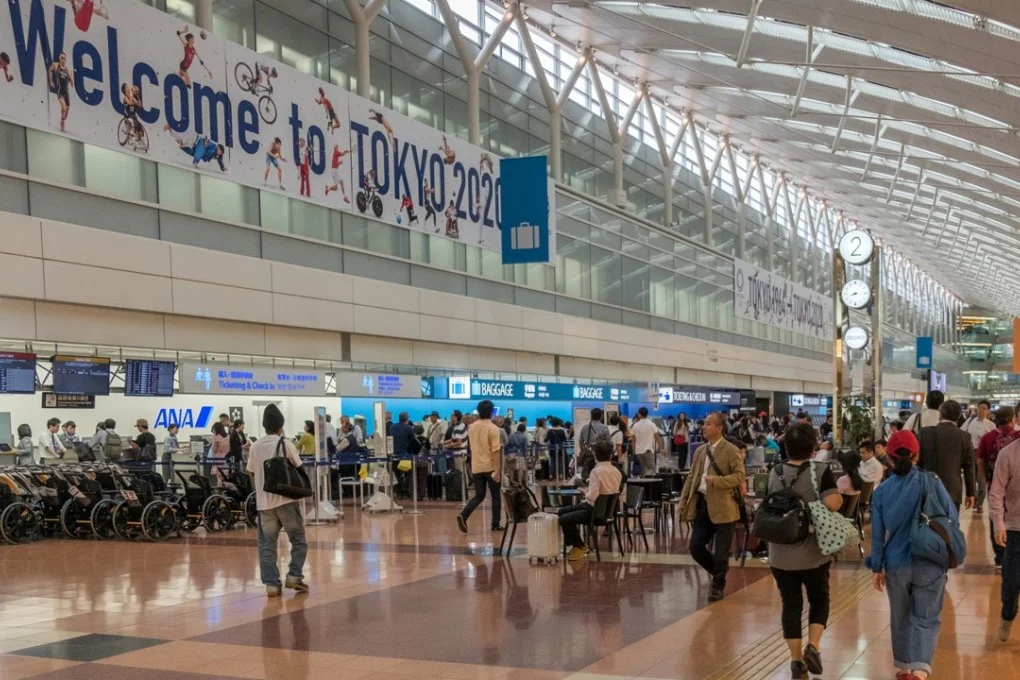
Japan is reviewing the conditions of its business manager visa, with proposals to raise the minimum capital requirement in an effort to tighten access to long-term residency via commercial routes. The move follows a notable surge in the number of Chinese nationals leveraging the scheme, which currently permits entry with an investment of ¥5 million (approximately US$34,700) or the employment of two full-time staff while maintaining a physical office within the country. The visa allows for stays of up to five years and extends eligibility to accompanying family members, a feature that has bolstered its appeal, particularly among affluent Chinese applicants. Crucially, the programme does not require specific qualifications in age, education, or language proficiency, further contributing to its popularity. According to the Immigration Services Agency, the number of Chinese nationals holding business manager visas has more than doubled from roughly 10,000 in 2015 to 20,551 by June 2024. Chinese citizens now account for over half of all visa holders under this category. Haruko Arimura, a senior lawmaker from the ruling Liberal Democratic Party, has publicly raised concerns over the programme’s accessibility, suggesting it serves as an “easy route to obtain permanent residency”. She warned that its current structure could pose risks to public safety and distort Japan’s business environment. Osaka prefecture has emerged as a hotspot for visa-linked business activities, where some private lodging companies appear to have been founded primarily to satisfy entry criteria, enabling their owners to relocate to Japan. In response, Japanese authorities have increased oversight, recently mandating that applicants demonstrate business viability—either through profitability or access to funding—within two years of arrival, according to Bloomberg. The current threshold of ¥5 million is considerably lower than that of comparable schemes in peer nations. For instance, South Korea’s equivalent visa demands a capital injection of 300 million won (around US$219,300). The Immigration Services Agency is expected to commence formal discussions within the fiscal year to amend visa regulations, aiming to better align the programme with its original objective of attracting skilled professionals. This reassessment is part of a broader tightening of immigration and residency policies in Japan. The government plans to introduce a digital framework to monitor travellers’ data, as per a draft proposal due this month. It also aims to eradicate illegal overstaying through enhanced enforcement and deportation measures, alongside a review of visa and immigration fees to bring them in line with global standards. Labour-related visa programmes, including the technical intern training scheme and the specified skilled worker system, are also undergoing structural reform. These revisions are expected to clarify eligible sectors and introduce defined intake targets. Japan’s foreign resident population reached an all-time high in 2024 for the third consecutive year, climbing 10 per cent year-on-year to approximately 3.8 million. Chinese nationals represent the largest demographic, numbering over 870,000, followed by Vietnamese and South Korean nationals, with 634,361 and 409,238 residents respectively. -SCMP

News

Theatre CEO Wins S$30,000 in Defamation Case Against Oxley Bizhub Management

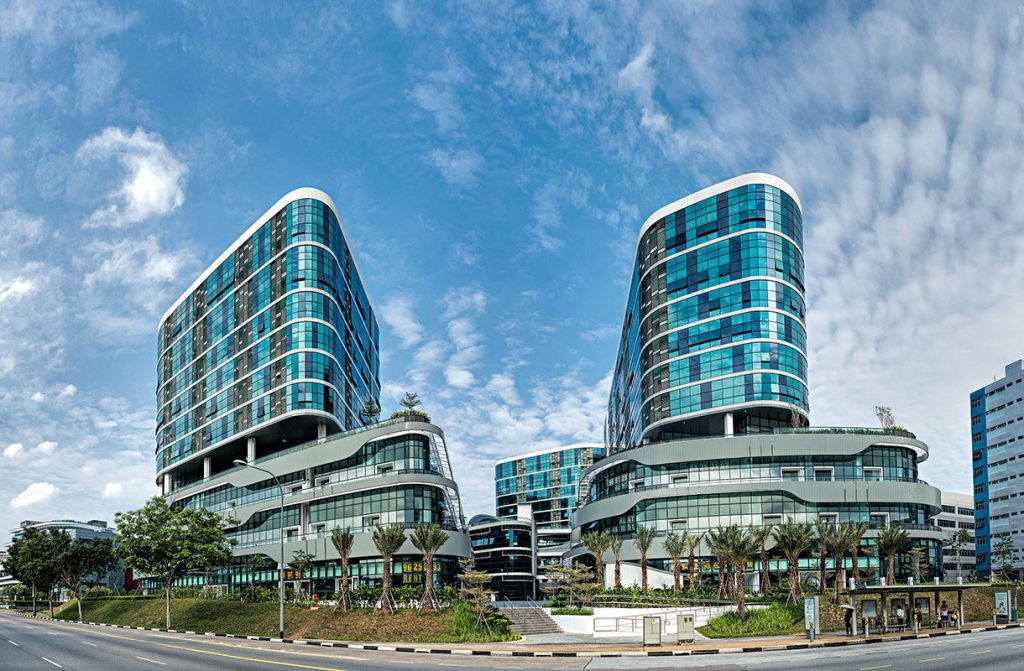
SINGAPORE: The Chief Executive Officer of the Arts Theatre of Singapore, Mr Koh Chong Chiah, has been awarded S$30,000 in damages after successfully bringing a defamation suit against the Management Corporation Strata Title (MCST) of Oxley Bizhub, an industrial complex located along Ubi Road 1. In a judgment delivered on 11 June, District Judge Seah Chi-Ling found that a letter disseminated by the management corporation contained defamatory statements about Mr Koh, 71, a former senior banker and recipient of the Public Service Medal (PBM). The judge assessed the overall severity of the defamation as “moderately severe”, awarding less than the S$150,000 in general damages initially sought by Mr Koh and rejecting his claim for an additional S$100,000 in aggravated damages. Mr Koh, who leads the Chinese-language drama charity organisation, sued the MCST over a letter distributed in June 2021 to all subsidiary proprietors at Oxley Bizhub. The letter, which bore the MCST’s letterhead, also appeared to be addressed to several government agencies, including the Prime Minister’s Office, the People’s Association, and the Building and Construction Authority. The document accused Mr Koh of bullying, harassment, and the misuse of his PBM title to exert pressure on public agencies. It further alleged that he led a group dubbed the “Oxley Task Force” and that he had vandalised facilities within the building to discredit the management. An email referencing the same letter was subsequently circulated on 10 June 2021 from the management corporation’s email account, requesting support for a petition endorsing its contents. During the trial, six witnesses testified, including Mr Koh, two proprietors affiliated with the “Oxley Task Force”, a management council member, the current chairman, and a consultant from the managing agent. The judge ultimately found four of the five contested statements defamatory, concluding that they suggested unethical behaviour, misconduct and an abuse of public recognition. Judge Seah noted the MCST had initially raised, but later abandoned, defences including justification, fair comment and qualified privilege. While he concluded that the letter had been distributed to all subsidiary proprietors, there was insufficient evidence to prove it had also been sent to government agencies. The court found no confirmation from any recipients and no acknowledgements of receipt. In determining the quantum of damages, the judge identified the defamatory references to Mr Koh’s PBM status as aggravating. He highlighted how the MCST had “deliberately emphasised” Mr Koh’s honorary title by placing it in bold throughout the letter, thereby implying that Mr Koh had betrayed the values that the award symbolises. However, Judge Seah clarified that Mr Koh’s social standing, while enhanced by the PBM, did not place him in the same professional category as prior defamation claimants such as high-ranking executives or elected officials. The scope of publication was considered limited. Although Oxley Bizhub comprises 728 units, the actual number of unique recipients may have been fewer due to multiple unit ownership by some proprietors. The judge also accepted that the MCST’s primary intention was to seek government assistance in mediating its disputes with Mr Koh, rather than to maliciously defame him. The court acknowledged evidence that Mr Koh had submitted numerous complaints to public bodies over the years, with approximately 94 emails exchanged in 2019 alone between Mr Koh’s group and the management. Mr Koh’s claim for an injunction to prevent any future repetition of the statements was also denied, as there had been no republication of the material in the four years since its initial release. -CNA

News

Cuckoo International Slashes IPO Price by 16.3%

SINGAPORE : Cuckoo International has revised the pricing of its initial public offering (IPO) in Malaysia, reducing it by 16.3% to RM1.08 per share from the earlier proposed RM1.29, according to a recent filing with the stock exchange. The adjustment is expected to reduce the total value of the offering to approximately RM394 million, down from around RM471 million. The household goods manufacturer had initially planned to list on 30 April but deferred the launch by two months due to volatility in global financial markets. The IPO is now anticipated to conclude by 24 June. Cuckoo International is majority-owned by South Korea-listed Cuckoo Homesys, which holds a 62.5% stake, as outlined in the company’s IPO prospectus. In its draft submission, the firm indicated a substantial portion of the proceeds would be allocated towards acquiring inventory to support the expansion of its rental business. The company underscored the importance of adequate cash flow to finance product purchases and commission payments, both essential to sustaining growth in the segment. -The Star

News

Jetstar Asia to Cease Operations by 31 July, Over 500 Jobs Affected

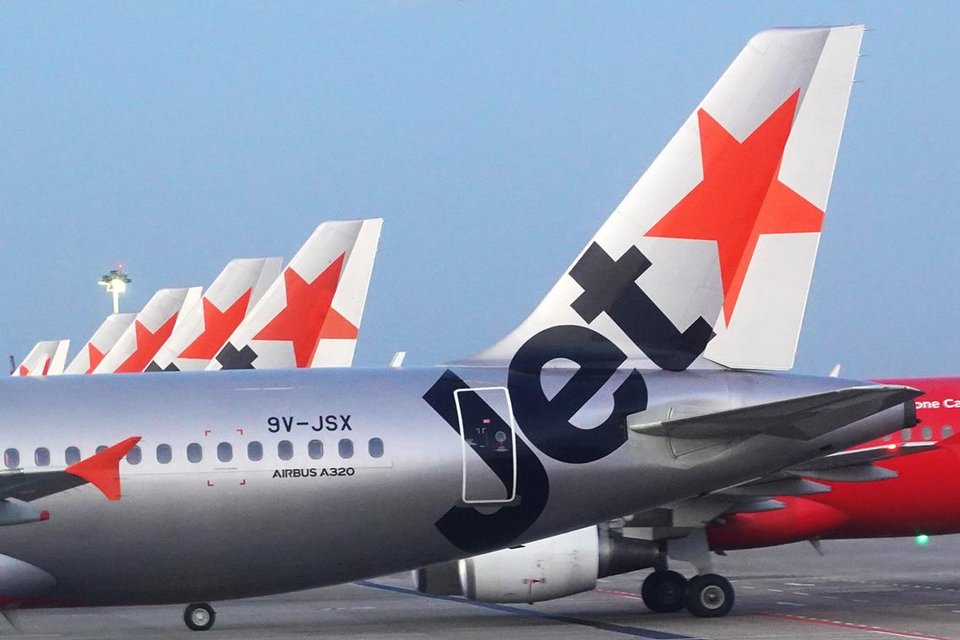
Qantas Group has announced it will shut down its Singapore-based low-cost carrier, Jetstar Asia, with the airline ceasing operations on 31 July 2025. The decision comes as the group grapples with surging supplier costs, escalating airport fees and intensifying competition within the Southeast Asian budget aviation market. Jetstar Asia will continue to operate flights over the next seven weeks before winding down. The closure affects 16 regional routes, with customers holding bookings on cancelled services offered full refunds. Where feasible, passengers will be re-accommodated on alternative airlines. A spokesperson confirmed that more than 500 employees will be impacted by the cessation of operations. Qantas stated that it is committed to supporting affected staff through redundancy benefits, career transition assistance, and by identifying redeployment opportunities within the Qantas Group and among regional airline partners. The airline currently serves destinations across Malaysia, Indonesia, Thailand, the Philippines, China, Sri Lanka, Japan and Australia, operating approximately 180 weekly flights. Its exit will lead to the termination of exclusive services on four routes: Broome, Labuan Bajo, Okinawa and Wuxi. Jetstar Asia’s fleet of 13 Airbus A320 aircraft will be progressively redeployed to support operations in Australia and New Zealand. Other Jetstar-branded carriers, including Jetstar Airways in Australia and New Zealand and Jetstar Japan, remain unaffected. Changi Airport Group (CAG), in response to the development, expressed regret over the airline’s withdrawal but acknowledged the commercial rationale behind the move. CAG affirmed its commitment to supporting passengers through the transition period and to mitigating disruption. The group is engaging with other carriers to maintain connectivity on affected routes, particularly those exclusively served by Jetstar Asia. In 2024, Jetstar Asia carried approximately 2.3 million passengers through Changi Airport, representing around 3% of the airport’s total passenger traffic. While the airline had expanded its fleet to 18 aircraft in 2019, this was scaled back during the COVID-19 pandemic, later stabilising at 13 aircraft. The Singapore Manual and Mercantile Workers’ Union (SMMWU), an affiliate of NTUC which has represented Jetstar Asia staff since 2009, is currently in discussions with management to ensure fair severance packages. The union is also providing job placement support and career advisory services across the aviation and aerospace sectors. The Qantas Group cited unsustainable cost increases as a primary factor in the closure, with supplier expenses rising by as much as 200% in some areas. Qantas Group CEO Vanessa Hudson acknowledged the contribution of the Jetstar Asia team over the past two decades and reaffirmed the group’s focus on its core markets. The closure is expected to result in a one-off financial impact of approximately A$175 million (US$114 million), with one-third recognised in the FY2025 results and the remainder in FY2026. However, the group noted that the exit will unlock A$500 million in capital to support its wider fleet renewal strategy. Jetstar Asia is forecast to record an underlying loss of A$35 million before interest and taxes in the current financial year. -Reuters

News

Toyota Chairman Akio Toyoda Under Scrutiny Over ¥4.7 Trillion Supplier Buyout

JAPAN: Toyota Motor Corporation chairman Akio Toyoda is set to face heightened scrutiny at the company’s annual general meeting on Thursday, amid shareholder concerns surrounding a ¥4.7 trillion (approximately US$33 billion or RM140 billion) deal to take a key group supplier private. This year’s AGM, commencing at 10:00am local time (01:00 GMT), marks the first in three years where Toyoda will not be opposed by leading shareholder proxy advisory firms. Both Glass Lewis and Institutional Shareholder Services have recommended shareholders support his re-election, reversing previous opposition over governance concerns. However, the spotlight is expected to fall on a contentious transaction that has triggered strong reaction among minority shareholders of Toyota Industries Corporation, a group company being taken private. At a separate shareholder meeting held on Tuesday, stakeholders of Toyota Industries voiced disapproval over the proposed deal, describing the offer as potentially detrimental to minority interests. The bid, structured as a multi-phase transaction, includes a proposed offer of ¥16,300 per share. While the pricing may appear favourable to Toyota Motor stakeholders, fund managers such as London-based Zennor Asset Management have raised concerns about fairness and transparency, especially with respect to the treatment of minority shareholders. Koichi Ito, president of Toyota Industries, defended the transaction during Tuesday’s nearly two-hour meeting – the longest in the company’s history – which saw a record number of shareholder questions. Ito insisted the decision was made with comprehensive consideration and not at the expense of minority investors. The deal outlines the creation of a new holding company, with Toyota Fudosan, an unlisted real estate business, contributing ¥180 billion. Akio Toyoda is expected to personally invest ¥1 billion, while Toyota Motor will contribute ¥700 billion in non-voting preferred shares. The transaction has attracted pushback from activist investor Oasis Management, which holds positions in both Toyota Motor and Toyota Industries and has indicated it will advocate for a higher acquisition price. Toyota Motor has justified the move as a strategic decision aimed at enabling closer collaboration within the Toyota Group, positioning Toyota Industries to operate free from the pressures of short-term financial performance. This, the company argues, supports its ongoing transformation into a comprehensive mobility company. Despite the easing of proxy opposition, Toyoda’s governance remains under watch. Shareholder backing for his reappointment has declined over the past three years, falling from 96% in 2022 to 72% in 2024 – the lowest ever for a Toyota board member. In an internal interview conducted last year, Toyoda acknowledged that his seat on the board could be at risk should support levels fall further. Toyota Industries, originally founded in 1926 as Toyoda Automatic Loom Works, was the company from which Toyota Motor later emerged following the creation of its automotive division. The group has remained closely intertwined since, both operationally and through significant cross-shareholdings. -Reuters

News

KPJ Healthcare Faces Potential Cost Pressures from SST Expansion

KPJ Healthcare Bhd is expected to navigate a more challenging operating landscape from July 2025 onwards, following the impending expansion of Malaysia’s Sales and Service Tax (SST), which is poised to elevate rental and medical tourism-related costs. In a client note, MIDF Research highlighted the recent asset injection by KPJ involving two hospital properties a 15-storey facility at KPJ Ampang Puteri and a 10-storey building at KPJ Penang into Al-‘Aqar Healthcare REIT, with a combined transaction value of RM241 million. Under the terms of the agreement, KPJ will lease the Ampang Puteri hospital for 11 years and the Penang hospital for 15 years. Both leases include a 2% annual rental escalation and an option for a 15-year extension. MIDF Research noted that the base rental for the two assets will amount to approximately RM15 million in 2025. With the SST implementation, this is projected to increase to RM16 million. Although contracts executed prior to the SST’s effective date will enjoy a one-year exemption, rental costs are anticipated to climb to nearly RM17 million in 2026, and further escalate to RM22 million by 2040. The brokerage also underscored that KPJ has previously transferred 19 of its 30 hospitals to Al-‘Aqar. Excluding the latest additions, lease payments for 2024 are expected to surpass RM107 million. Proceeds from the sale-and-leaseback deal — RM100 million allocated for debt repayment and RM139 million earmarked for working capital — are expected to provide short-term financial flexibility. MIDF believes this capital deployment will help KPJ manage the impact of economic headwinds and policy shifts. However, the implications for KPJ’s medical tourism segment could be more pronounced. With between 9% and 12% of the group’s revenue derived from international patients, the SST is estimated to add RM24 million to RM32 million in annual tax expenses. This may erode KPJ’s cost competitiveness relative to both domestic and regional peers and heighten consumer price sensitivity. Consequently, MIDF Research has revised its earnings forecast for the financial years 2025 to 2027 downwards by 1%. Its target price for KPJ stock has been adjusted from RM3.02 to RM3.00, based on a price-to-earnings ratio of 28.8 times and an updated estimated earnings per share of 10.4 sen. Despite the projected increase in operating costs, the research house maintains a ‘neutral’ stance on KPJ, citing the overall minimal impact of the SST on the group’s earnings outlook. -The Star

News

GDEX Maintains Positive Outlook Amid SST Expansion and Strategic Shifts

PETALING JAYA: GDEX Bhd remains cautiously optimistic as it prepares for the broadened scope of the Sales and Service Tax (SST) set to take effect on 1 July. The courier services provider acknowledges the upcoming changes will “definitely have an impact” on its operations, particularly with the inclusion of leasing services under the 8% tax rate for companies generating over RM500,000 annually in leasing revenue. Managing Director and Group Chief Executive Officer Teong Teck Lean, speaking to select media following the company’s annual general meeting, stated that GDEX is actively evaluating the implications of this expanded tax. He noted that many of the properties the group occupies are under long-term lease agreements, which were signed without consideration for the new tax requirements. “As we are leasing a significant number of premises, the introduction of SST on leasing services will undoubtedly affect us,” said Teong. “Our immediate task will be to work with our landlords and relevant stakeholders to navigate this financial adjustment, whether through renegotiation or absorption of costs.” Despite this development, Teong expressed confidence in the group’s strategic trajectory. GDEX has adopted a more collaborative approach to its business model, partnering not only with traditional allies but also exploring synergies with competitors. This shift is expected to support the group’s improving operational momentum. Financially, the group has demonstrated a tangible recovery. For the first quarter of the financial year ending March 2025 (1Q25), GDEX reported a net loss of RM164,000—a marked improvement from the RM2.2 million net loss recorded in the same quarter of the previous year. For the full financial year 2024 (FY24), GDEX narrowed its net loss significantly from RM34.9 million in FY23 to RM1.8 million. Notably, the group posted a net profit of RM4.8 million in the fourth quarter of FY24. Additionally, GDEX reported RM53.4 million in earnings before interest, tax, depreciation and amortisation (EBITDA) and maintained a robust net cash position of RM197.2 million. During its AGM, shareholders approved a final single-tier dividend of 0.2 sen per share for FY24. Looking ahead, the group has allocated RM20 million for strategic acquisitions in 2025, aimed at strengthening the GD Exchange ecosystem. However, Teong reaffirmed that the company will continue to exercise caution and discipline in its acquisition strategy. “Synergistic value and alignment with our business direction are essential. We prefer to take a controlling interest in acquisitions to ensure full integration and operational alignment,” he added. As part of its commitment to operational enhancement, GDEX has invested RM8 million in enterprise resource planning systems and is actively investing in technology, artificial intelligence, and environmental, social and governance (ESG) initiatives. However, Teong emphasised that ESG investments must yield attractive returns. He cited the group’s use of electric trucks for short-distance deliveries in the Klang Valley as an example of balancing sustainability with cost-efficiency, particularly in the context of rising diesel prices. Separately, GDEX announced plans to divest non-core assets, including a property in Ipoh. This divestment aligns with the group’s continued focus on cost optimisation and digital transformation, enabling reallocation of capital to high-impact areas such as infrastructure integration, talent acquisition and digital systems. -The Star

Energy & Technology, News

DayOne Secures US$3.5 Billion in Financing for Johor Data Centre Expansion

DayOne Data Centers Singapore Pte Ltd has secured a landmark US$3.5 billion (approximately RM15 billion) in multicurrency financing to support the development and expansion of its green data centre operations in Johor, Malaysia.   The financing package, arranged with the support of Oversea-Chinese Banking Corporation Ltd (OCBC) and its Malaysian subsidiary OCBC Bank (Malaysia) Bhd, comprises RM7.5 billion in Islamic financing and a US$1.7 billion offshore term-loan facility. Both entities acted as joint coordinators for the syndicated deal, which represents the largest-ever loan secured by the company to date. Proceeds from the financing will be utilised for refinancing and capital expenditure associated with DayOne’s data centre infrastructure in the region. The facilities are on track to obtain certification for green digital infrastructure, in alignment with global sustainability standards. Malaysia, particularly Johor state, is rapidly emerging as a strategic hub for data centre development in Asia, driven by accelerating demand linked to artificial intelligence and digital transformation. Located directly across the causeway from Singapore, Johor currently hosts around 30 operational or in-progress data centre projects, with an additional 20 awaiting regulatory approval. Major international technology firms, including Microsoft Corp and ByteDance Ltd, have also committed to investments in Johor’s data infrastructure. DayOne, previously known as GDS International, serves as the international arm of China-based data centre operator GDS Holdings Ltd. According to Bloomberg, this financing arrangement is among the largest syndicated loans ever secured by a data centre operator in Asia. -Bloomberg

News

MARA Invests RM10 Million to MotoExpert Programme

KUALA LUMPUR: Majlis Amanah Rakyat (MARA) has committed RM10 million to bolster Bumiputera entrepreneurship within the motorcycle maintenance and repair sector through the MARA-Petronas Automotive Entrepreneur Development (PUMP) MotoExpert Programme.   Datuk Dr Asyraf Wajdi Dusuki, Chairman of MARA, announced that the strategic allocation will support 30 motorcycle workshop operators this year, each eligible for business financing facilities of up to RM300,000. In addition to the capital injection, MARA is allocating RM1 million specifically for structured technical training. Selected entrepreneurs will also receive assistance with rebranding, business financing, supply chain integration, and overall operational enhancement. “Entrepreneurs will benefit not only from financial support but also from structured training, spare parts supply, and assistance in transforming their premises’ branding and operating systems to ensure greater competitiveness,” said Dr Asyraf during the programme’s launch in Kuala Lumpur. He further emphasised that MARA will closely monitor the initiative, noting that the programme aims to create a robust and integrated entrepreneurial ecosystem rather than serving as a standalone financing scheme. In a concurrent statement, MARA confirmed that PETRONAS Lubricants Marketing Malaysia Sdn Bhd (PLMM) will be a key strategic partner, directly supplying PETRONAS Sprinta lubricant products to MotoExpert workshops. This direct supply model eliminates intermediaries and improves profit margins for participating entrepreneurs. PLMM will also provide support in areas such as marketing, technical training, and industry collaboration, ensuring workshop operators are well-positioned for long-term sustainability and growth. The MotoExpert programme is open to graduates of MARA’s Technical and Vocational Education and Training (TVET) institutions or other recognised training centres. Applicants must have operated a motorcycle workshop for a minimum of six months and recorded annual sales exceeding RM360,000. Selection is subject to a formal interview process. -Bernama

Scroll to Top

Subscribe
FREE Newsletter