News

News

Court of Appeal Approves Temporary Suspension of Civil Suit Against Anwar

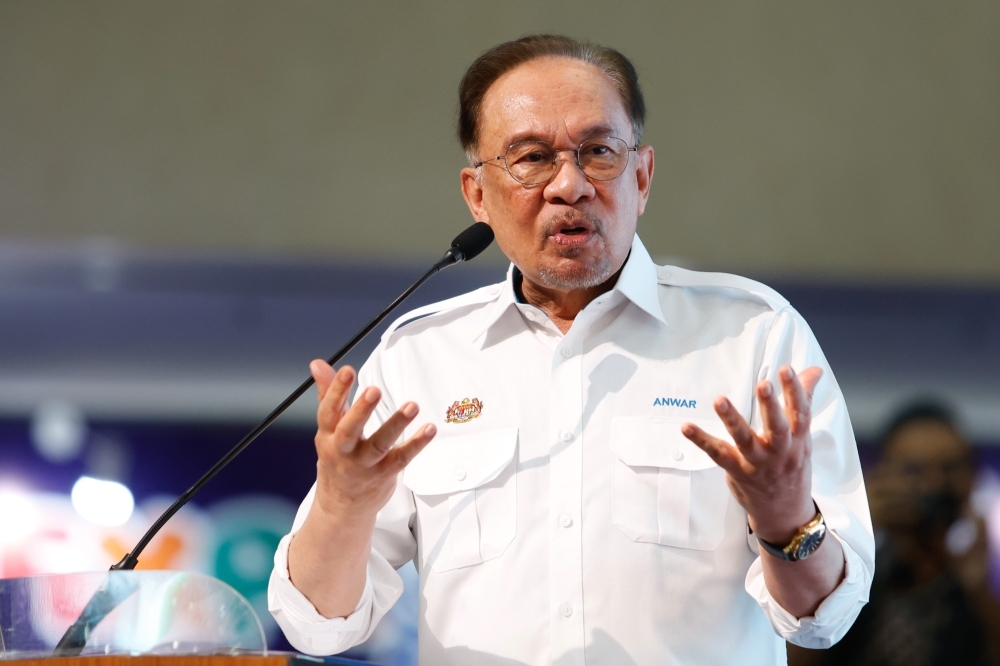
KUALA LUMPUR: The Court of Appeal has approved Prime Minister Datuk Seri Anwar Ibrahim’s request for a temporary stay of a civil lawsuit filed by his former aide, Muhammed Yusoff Rawther, in relation to allegations of sexual assault. The appellate court’s decision, delivered on Tuesday, effectively suspends all related legal proceedings ahead of the scheduled trial date of 16 June. The suspension will remain in force until the full hearing of Anwar’s stay application on 21 July. A three-member judicial panel led by Court of Appeal judge Datuk Supang Lian, and comprising Datuk Faizah Jamaludin and Datuk Ahmad Fairuz Zainol Abidin, unanimously granted the stay following submissions from both parties. The panel emphasised its authority under Section 44 of the Courts of Judicature Act 1964 to issue an interim order to safeguard the integrity of the main stay application. “We are of the considered view that under the provisions of Section 44, the court is empowered to make an interim order to preserve the integrity of the appellant’s application, pending its full disposal,” the panel stated. This ad-interim stay means that all aspects of the trial will be halted temporarily. During the proceedings, the panel reminded both parties to focus strictly on arguments relating to the stay and not to delve into other elements of the case. Anwar, 77, who is also President of Parti Keadilan Rakyat (PKR), is seeking to halt the High Court trial to allow time to pursue a referral to the Federal Court. He aims to have eight constitutional questions determined, one of which involves whether a sitting prime minister holds qualified immunity from civil litigation during their term in office. Last week, the High Court dismissed Anwar’s application for referral, deeming the constitutional questions as speculative and lacking genuine controversy. Justice Roz Mawar Rozain reiterated that all individuals, including members of the executive, are equal before the law and not immune from personal or civil liability. A separate application for a stay was also refused, as the court found no special circumstances warranting such relief. During Tuesday’s submission, Anwar’s counsel, Alan Wong, contended that proceeding with the trial as scheduled would render the Federal Court referral application ineffective. He stressed that the questions raised were substantial and deserved thorough examination by the country’s highest court. Wong further argued that should the seven-day trial proceed from 16 June, it could detract significantly from the prime minister’s focus on national governance. He maintained that postponing the trial would cause no irreversible harm to the plaintiff, as any potential remedy could still be granted subsequently. “The imbalance of prejudice is clear. There is no reversible harm if the trial is postponed, but the potential damage to the Prime Minister’s Office is irreversible,” he submitted. Representing Yusoff, lawyer Rafique Rashid countered that the trial dates had been fixed since June of the previous year, and that Anwar had ample time to prepare for the proceedings. He highlighted that the prime minister had assumed office in November 2022 and had more than a year to anticipate the legal timeline. “Despite this, the referral application was only filed 23 days before trial. The matter is fully ripe for hearing, and there are no procedural or legal justifications for further delay,” Rafique said. He added that Anwar’s claim of political motivation behind the suit could be addressed during the course of the trial itself. -The Edge Malaysia


News

Vietnamese Banks Embrace National Data to Drive Digital Lending Growth

Banks across Vietnam are rapidly embracing digital transformation, streamlining lending processes by offering customers the ability to apply for and receive loans entirely through online platforms. This move not only enhances customer convenience but also significantly reduces operational costs for financial institutions.   The cornerstone of this transformation is Vietnam’s integrated national population database, which is now synchronised with databases from 18 ministries and sectors, four state-owned corporations, and the administrative systems of all 63 provinces and cities. This seamless connectivity has enabled richer, cleaner, and more comprehensive datasets, providing a robust foundation for banks to expand their digital service offerings. At a recent conference focused on digital transformation in banking, Nguyen Thi Ngoan, Chief Financial Officer of Misa Joint Stock Company, highlighted the strategic potential of this data. In response, the company launched Misa Lending, a platform designed to connect micro and small enterprises with banks and credit institutions. The service facilitates lending based on real-time enterprise data and has already disbursed loans amounting to 22.5 trillion dong, approximately US$863.3 million. The platform has significantly improved access to finance, with 30% of businesses successfully securing credit—ten times higher than traditional models—while maintaining risk levels within acceptable thresholds. Vu Hong Phu, Executive Board Member of MB Bank, emphasised that enterprises with consistent cash flows, timely payroll disbursements, and full tax compliance are now eligible for credit approval, often without the need for collateral. In 2023, MB Bank issued unsecured loans based on data to over 4,000 businesses, cutting loan processing times by 80%. “A total of 14,500 disbursement orders were executed automatically within minutes,” said Phu. “What used to take two hours now only takes between five and 15 minutes. This level of automation saved the bank 36,000 labour hours last year, equivalent to 4,500 workdays.” VietinBank has also made strides in digital lending through its eFAST platform, which now facilitates online disbursement for corporate clients. According to Deputy Chief Executive Tran Cong Quynh Lan, the bank has processed more than 87,000 online disbursement transactions, valued at over 270 trillion dong. Presently, 36% of the bank’s corporate loans are disbursed online. Meanwhile, MSB, formerly Vietnam Maritime Commercial Joint Stock Bank, has fully digitised its credit approval process by leveraging national data systems, including tax and invoice records alongside the national population database. Thousands of enterprises have secured loans via digital channels, with approvals delivered within minutes. -Vietnam News

News

Japanese Pension Funds Appoint First CIOs to Oversee $400 Billion in Assets

Japanese pension funds, which collectively manage more than $400 billion in assets, are embracing a notable shift in strategy by appointing chief investment officers (CIOs) for the first time. The move is part of a broader effort to enhance returns in a market defined by volatility and structural reforms. One prominent example is the Organization for Small & Medium Enterprises and Regional Innovation Japan, or SME Support Japan, a state agency supporting smaller firms. In April, it created a CIO-equivalent position and appointed Takashi Yamashita, a seasoned strategist who previously contributed to the portfolio design of the Government Pension Investment Fund (GPIF), one of the world’s largest retirement funds. Yamashita is now responsible for overseeing ¥12 trillion ($83 billion) in assets aimed at supporting small businesses. In addition to SME Support Japan, two other public-sector pension funds have introduced similar investment leadership roles. Collectively, the three executives now manage over $400 billion in assets. These appointments closely follow the Japanese government’s 2023 declaration of investment principles, a policy initiative to strengthen asset owners’ risk management and improve investment execution. “These CIO appointments signify a growing awareness of the need to enhance investment capabilities,” said Hironari Nozaki, a finance professor at Toyo University. He emphasised the importance of selecting individuals with genuine investment expertise, rather than assigning such responsibilities to traditional administrative executives, and advocated granting them broad decision-making authority. Historically, Japanese pension fund investment decisions have been managed by senior administrators with limited exposure to financial markets. The introduction of CIO roles marks a decisive break from that model, driven by concerns around continued market instability. Uncertainty over future interest rate hikes by the Bank of Japan and global market disruptions linked to former US President Donald Trump’s tariff policies have added to the urgency of reform. While global peers began appointing CIOs as early as the 1990s to improve performance, Japanese funds are only now catching up. GPIF was an early adopter by local standards, having created its CIO role over a decade ago. The fund shifted from its traditional reliance on domestic bonds and achieved cumulative investment returns of over ¥164 trillion as of the fiscal year ending March 2025, with an annualised gain of 4.4%. By contrast, SME Support Japan has reported an average annual return of just 2% over the past decade. Approximately 80% of its portfolio is allocated to domestic bonds under direct management. Under Yamashita’s leadership, the fund is currently reviewing its asset allocation strategy. Meanwhile, two more major funds have taken similar steps. The Federation of National Public Service Personnel Mutual Aid Associations, known as KKR, with assets of around ¥10 trillion, appointed Akihiro Konishi as its CIO. Konishi previously led the organisation’s fund management division and worked at DBJ Asset Management. The Pension Fund Association of Local Government Officials, or Chikyoren, which oversees ¥36 trillion, strengthened its oversight with dual appointments: a CIO-equivalent position and an independent risk officer. Tatsuya Morishita, a former investment team member and ex-employee of what is now Sumitomo Mitsui Trust, was named to the CIO role. Chikyoren and KKR have worked with GPIF to develop model portfolios, each targeting a 25% allocation to both domestic and foreign stocks and bonds. Their CIOs are now tasked with enhancing returns while maintaining tight risk controls. According to Bank of Japan data, public and corporate pension funds in Japan held a combined ¥513 trillion in assets as of December 2024, roughly equivalent to India’s annual economic output. While public entities such as GPIF, KKR and Chikyoren have led the way in adopting the CIO structure, uptake in the private sector remains limited. As of the end of May, 14 public pensions and 140 corporate pension funds had signed on to the government’s investment principles, a foundational step towards more dynamic capital allocation. However, due to the lack of standardised job titles in Japan’s pension industry, the exact number of CIOs remains unclear. Market participants believe it is still a small cohort. Toshiki Umeuchi of NLI Research Institute noted that while CIO-led institutions must operate within broad portfolio guidelines, variations in investment execution will ultimately drive performance differences. -Bloomberg

News

Hong Kong Tourism Sees Strong Revival with 10 Percent Rise in Mainland Visitors

Hong Kong is experiencing a notable resurgence in tourism, with Financial Secretary Paul Chan reporting a significant increase in both mainland Chinese and overseas visitors for the first five months of 2025. The city welcomed an estimated 20 million tourists between January and May, of which approximately 75 per cent originated from mainland China—a 10 per cent year-on-year rise. Overseas arrivals climbed by 18 per cent over the same period. Writing in his official blog on Sunday, Chan attributed the growth to Hong Kong’s dynamic events calendar, featuring a diverse range of high-profile concerts, sporting tournaments and cultural exhibitions. These activities, he noted, have played a critical role in revitalising the city’s tourism sector following years of economic uncertainty fuelled by the COVID-19 pandemic. Events held in the first half of 2025 are projected to draw around 840,000 visitors and generate HK$3.3 billion (approximately US$420 million) in spending, with a corresponding economic contribution of HK$1.5 billion. Chan emphasised the widespread enthusiasm among fans eager to see international and regional stars perform live, describing recent months as a period of exceptional vibrancy for the city. Kai Tak Sports Park has been at the centre of this cultural revival, playing host to an array of globally recognised artists. British rock band Coldplay, Cantopop icon Nicholas Tse, Taiwanese group Mayday, and Singaporean singer JJ Lin have all recently performed to sold-out crowds. The venue is expected to continue drawing significant audiences in the coming months with a packed schedule of concerts and sports matches. Other flagship events, such as the Hong Kong Sevens rugby tournament and a football exhibition match featuring Manchester United, have further enhanced the city’s appeal among local and international sports fans. Beyond entertainment, the city’s cultural calendar has also contributed to this tourism uplift. March saw the return of Art Basel Hong Kong, a key date in the global art world, while April welcomed the launch of the Hong Kong Pop Culture Festival. These events, Chan said, attracted visitors from across the Greater Bay Area, home to over 80 million people, as well as from mainland China and across Asia. Looking ahead, Hong Kong plans to maintain its momentum with a robust line-up of international events scheduled throughout the second half of 2025. Chan expressed confidence that the combination of world-class programming, new attractions, and the city’s unique blend of urban and natural experiences would continue to drive tourism growth. To further support these efforts, the Hong Kong government has earmarked more than HK$1.2 billion in its current budget to strengthen tourism marketing. The initiative is aimed particularly at attracting affluent travellers from Southeast Asia and the Middle East, with an emphasis on religious and cultural inclusivity, including the availability of halal food and access to religious sites. However, the evolving expectations and behaviours of mainland Chinese tourists remain a challenge for local businesses, which continue to adapt in order to capture this key demographic more effectively. In a separate development, Chinese lifestyle platform Xiaohongshu, also known as RedNote, has established its first office outside mainland China, choosing Hong Kong as its inaugural overseas location. The move is seen as a strategic step in expanding cross-border services for brands and users, according to the Hong Kong government. Speaking at the office’s opening ceremony on Saturday, Chan underlined the platform’s strategic value to Hong Kong. Xiaohongshu currently boasts over 300 million monthly active users, including roughly 2 million in Hong Kong. The app’s influence has already been felt locally, with increased traffic to restaurants and retail outlets featured in user-generated content. Chan acknowledged, however, that user complaints about service standards—particularly in the food and transport sectors—have at times damaged the city’s image. He suggested that by leveraging Hong Kong’s status as an international financial hub, Xiaohongshu could both expand its global footprint and support the promotion of Chinese culture and products to a wider audience. Chan concluded by affirming the government’s commitment to deepening collaboration with Xiaohongshu, with a view to enhancing the visitor experience and increasing international visibility for Hong Kong’s tourism, retail, and creative industries. -CNA

News

Vietnamese EV Maker VinFast Reports US$712 Million Loss in First Quarter

HANOI: Vietnamese electric vehicle (EV) manufacturer VinFast announced a net loss of US$712 million for the first quarter of 2025, despite a sharp increase in vehicle deliveries and revenue. The company, which aims to position itself as a serious contender in the global EV market alongside established players such as Tesla, has faced ongoing challenges in penetrating international markets. During the first three months of the year, VinFast delivered 36,330 electric vehicles, marking a substantial year-on-year increase of 296 per cent. Total revenue for the quarter reached US$656.5 million, reflecting a rise of nearly 150 per cent compared to the same period in 2024. VinFast Chairwoman Thuy Le described the uptick in deliveries as “an encouraging start to 2025 amid ongoing global uncertainties.” In 2024, the company reported a net loss exceeding US$3 billion, despite having almost tripled its delivery volume over the year. The continued losses underscore the financial pressures facing emerging EV manufacturers navigating complex global trade dynamics and intense competition. VinFast’s parent company, Vingroup, remains a dominant force in Vietnam’s economy, with diversified interests spanning healthcare, real estate, education and technology. The company’s performance comes against the backdrop of escalating trade tensions, with global commerce disrupted by a wave of tariffs initiated by US President Donald Trump in April. Last week, Vietnamese authorities indicated that discussions with Washington were progressing, as they seek to avoid a proposed 46 per cent levy that could significantly impact the country’s export-driven economy. -AFP

News

Yinson Denies Third Party Buyout Discussions

KUALA LUMPUR : Yinson Holdings Bhd has refuted claims that it is engaged in any buyout discussions with a third party, following media reports on 6 June suggesting a potential acquisition by US-based investment firm Stonepeak valued at US$2.1 billion. In a filing with Bursa Malaysia, Yinson clarified that it is currently involved only in preliminary discussions concerning potential corporate proposals. These discussions, according to the group executive chairman Lim Han Weng, are exploratory in nature and involve various parties, including considerations regarding major shareholder interests. The company emphasised that there is no definitive indication at this point that these discussions will lead to any concrete corporate proposals involving Yinson. Yinson also assured that it would make the necessary announcements should any corporate developments materialise, in accordance with Bursa Malaysia’s Main Market listing requirements. The company further advised its shareholders to remain cautious and to seek professional guidance when trading in its securities. -Bernama

News, Property

Paradigm REIT to Acquire Three Hotels and KLIA Gateway in Strategic Expansion Plan

KUALA LUMPUR: Paradigm Real Estate Investment Trust (Paradigm REIT) has unveiled plans to expand its portfolio with the acquisition of three hospitality assets and a commercial property over the next three years, reinforcing its long-term growth strategy and commitment to income-generating investments. The properties identified for acquisition include Hyatt Place Johor Bahru Paradigm Mall, Le Méridien Petaling Jaya, Premier Hotel Klang, and Gateway@Kuala Lumpur International Airport (KLIA) Terminal 2. These assets are expected to be acquired progressively, with the hotels targeted for 2026 and the commercial gateway earmarked for 2027 or 2028. According to Chong Kian Fah, Director of Investment, Finance and Accounts at Paradigm REIT Management Sdn Bhd, the proposed acquisitions will be financed via a balanced structure comprising 50 percent cash and 50 percent newly issued REIT units. The cash component will be raised through the issuance of medium-term notes (MTNs). “Our strategy involves paying the vendor half in cash and the remainder in new REIT units,” Chong stated during a press conference held after Paradigm REIT’s listing ceremony today. Paradigm REIT made its debut on the Main Market today, opening at its initial public offering (IPO) price of RM1.00, with a trading volume of 1.73 million shares. Executive Director and Chief Executive Officer Chuah Kah Noi affirmed the trust’s intention to further strengthen its presence in Johor Bahru, leveraging its position as the largest REIT operator in the region. She highlighted a continued focus on acquiring yield-accretive assets to drive long-term value. Chuah expressed confidence in the REIT’s stable outlook, underpinned by robust sales and high occupancy rates across its portfolio. “For shopping malls, tenant sales performance is key. The stronger the sales, the more sustainable the tenancy. This translates into higher retention and income stability,” she said. Paradigm REIT’s properties are currently achieving strong occupancy levels, with its Johor Bahru asset recording 99.3 percent occupancy, Petaling Jaya nearing 98 percent, and Bukit Tinggi Shopping Centre operating at full occupancy. She added that Paradigm Mall Johor Bahru and Paradigm Mall Petaling Jaya are expected to maintain strong performance into 2026, supported by the Visit Malaysia 2026 campaign and strategic collaboration with the Ministry of Tourism, Arts and Culture Malaysia. -Bernama

Energy & Technology, News

Malaysian Telcos Must Rethink Strategy to Stay Competitive in Saturated Market

KUALA LUMPUR: Malaysia’s telecommunications sector is being urged to adopt bold, digital-first strategies that align with the evolving expectations of modern consumers, as traditional approaches become increasingly ineffective in a saturated and highly competitive market. A recent study by GrowthOps Asia highlighted that the country’s telco industry is undergoing a significant transformation, shaped by ongoing market convergence, the nationwide rollout of 5G, changing regulatory frameworks, and large-scale infrastructure investments. The report, titled Winning in Malaysia’s Mature Telco Market, revealed that mobile connections in Malaysia now exceed 129 percent of the population, underlining a state of full market penetration. This level of saturation calls for a decisive shift from legacy tactics to forward-thinking innovations that offer consumers more than mere connectivity. “We are at a pivotal moment in the telco market, where consumers are no longer just looking for connectivity – they want a single, inclusive provider that delivers a suite of services and meaningful value-adds,” said Chris Greenough, General Manager of GrowthOps Malaysia. “The players who pair innovative products with sharp, relevant go-to-market strategies will be the ones that win.” According to the report, CelcomDigi Bhd has emerged as the market leader with an estimated 40 percent share, following its merger in 2022. Maxis Bhd is positioned as a premium brand, focusing on network reliability and customer loyalty incentives. Meanwhile, challengers such as U Mobile Sdn Bhd and Uni by Telekom Malaysia Bhd are aggressively competing on affordability and plan innovation. The findings also reveal that while network quality and pricing continue to influence consumer choices, there is untapped potential in loyalty rewards programmes. No current provider stands out as a leader in rewards, despite many offering comparable features such as unlimited data and 5G access. The report noted that providers who combine strong network performance, competitive pricing, distinctive product features, and compelling loyalty benefits are well positioned to capture additional market share. Strategic growth opportunities have been identified in underserved urban and rural markets, the younger digital-native demographic, and through the adoption of new subscription models and multi-channel engagement strategies. The study also highlighted a strong correlation between brand awareness, share of voice, and market dominance. A robust digital presence and meaningful customer engagement are key to sustaining competitive advantage. “Telco brands that understand shifting preferences, act on regional and generational nuances, and focus on clarity, convenience, and credible communication will lead the next wave of mobile loyalty and growth in Malaysia,” the report concluded. -Bernama

News

Kenanga Maintains Neutral View on Telco Sector as 1Q Results Align with Forecasts

KUALA LUMPUR: Kenanga Investment Bank Bhd has reiterated its “neutral” stance on the telecommunications sector following the release of first quarter 2025 (1Q 2025) financial results, which were largely in line with expectations across companies under its coverage. In a report issued today, the investment bank highlighted that earnings delivery during the quarter painted a mixed picture. While 17 per cent of the companies outperformed expectations, the remaining 83 per cent met projections. Domestic mobile network operators recorded a year-on-year decline of 0.9 per cent in service revenue, primarily due to a strategic shift by CelcomDigi Bhd (CDB) in moving away from one-time prepaid SIM card users. This move contributed to prepaid subscriber churn, dragging down the segment’s overall performance. Core sector earnings declined 13 per cent year-on-year, with the downturn largely attributed to CelcomDigi. The absence of prior year tax reversals played a significant role in the earnings contraction. On a quarter-on-quarter basis, the mobile segment’s performance remained within expectations. Net subscriber additions were buoyed by strong postpaid demand, whereas prepaid numbers continued to show volatility, although sequential improvement was noted. Average revenue per user (ARPU) remained stable for CelcomDigi, while Maxis Bhd experienced a drop in ARPU following a change in revenue recognition for its Maxis Device Care programme. In the home broadband segment, Kenanga voiced concern over a broad-based decline in both net additions and ARPU on a sequential basis. Time dotCom Bhd was the exception, while Telekom Malaysia Bhd registered the steepest ARPU drop, which the report attributed to aggressive price discounting. As this marks the first quarter to reflect widespread competitive pressures, Kenanga is adopting a cautious stance, maintaining a wait-and-see approach for the time being. However, optimism remains, as all major telcos have retained their full-year 2025 earnings guidance, indicating potential recovery in the upcoming quarters. Telekom Malaysia and Time dotCom continue to be Kenanga’s top picks within the sector, with target prices set at RM8.15 and RM5.91 respectively. The research house also noted that further clarity is awaited on the country’s 5G dual network policy. -Bernama

News

Tax Experts Urge Broader Perspective on Revised SST Measures

KUALA LUMPUR : The revision of Malaysia’s sales and service tax (SST) regime represents a deliberate fiscal strategy to place the nation’s public finances on a more sustainable trajectory, according to leading tax professionals. PwC Malaysia Tax Leader Steve Chia noted that the review, outlined in the 2025 national budget last October, should not come as a surprise and encouraged the public to interpret the adjustments within a broader economic framework. “This revision supports Malaysia’s medium-term fiscal objectives, but a longer-term revenue strategy is still required to ensure consistent and sustainable contributions to the national budget,” Chia said in a statement to Bernama. He added that despite the wider net cast by the expansion, the government remains committed to limiting the scope to selected non-essential goods and business-to-business (B2B) services, minimising direct impact on the rakyat. Finance Minister II Amir Hamzah Azizan recently announced that the revised SST structure would come into effect on 1 July, in line with government efforts to strengthen fiscal resilience and bolster public welfare initiatives. Chia highlighted that one of the key implementation challenges would be ensuring that additional costs do not cascade through the supply chain and burden consumers. He acknowledged that the government had engaged actively with relevant stakeholders—including industry associations and tax professionals—since the budget announcement to better understand sector-specific implications. “These revisions are not made in isolation. They are informed, targeted decisions designed to expand the tax base while safeguarding the general public from unnecessary hardship,” he said. “The government has been prudent in identifying the areas for rate adjustment and scope expansion, maintaining a clear emphasis on protecting public welfare.” KPMG Malaysia Head of Tax Soh Lian Seng echoed the sentiment, describing the current SST framework as less comprehensive than the former goods and services tax (GST). He said the revision appears to be part of a broader push towards a more progressive tax structure. “This is a calculated move to improve revenue collection and fiscal consolidation in the medium term,” Soh said, adding that by broadening the base and refining the SST scope, the government is aiming to promote both fairness and efficiency in the tax system. Soh also predicted a temporary increase in consumer spending ahead of the 1 July implementation date, similar to patterns observed prior to the GST rollout in 2015. However, he noted that such behaviour is typically short-lived. “While some inflationary concerns may emerge, the overall impact is expected to be modest. With various exemptions and relief measures in place, the revised SST should ultimately contribute positively to the national coffers and support the broader goal of fiscal sustainability,” he added. -Bernama

Scroll to Top

Subscribe
FREE Newsletter