News

News

Malaysia Airlines Reinforces Asia-Europe Network with Strategic China Engagement

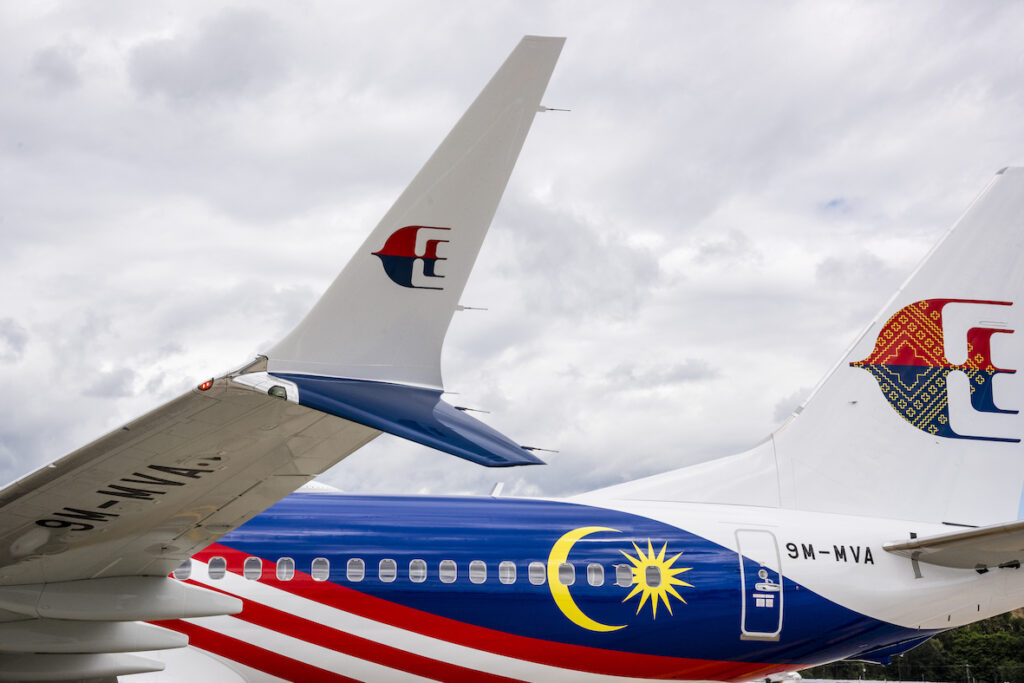
Malaysia Airlines is ramping up strategic initiatives to enhance passenger and cargo connectivity between Malaysia and China, signalling renewed commitment to bolstering bilateral trade and tourism flows. Dersenish Aresandiran, Chief Commercial Officer of Malaysia Aviation Group (MAG), affirmed the Group’s ambition to position Malaysia Airlines as the preferred carrier linking China with Malaysia and the broader global network. This commitment was underscored through the airline’s successful debut at ITB China 2025, held in Shanghai from 27 to 29 May. “Our debut at ITB China strengthens our engagement with the Chinese tourism community and lays the foundation for our continued growth in this market,” Dersenish stated. During the trade show, Malaysia Airlines conducted over 200 business meetings and participated in more than 30 executive-level discussions, reinforcing its role as a key facilitator of cross-border cooperation in travel and trade. The airline also announced plans to roll out a new marketing campaign in collaboration with leading Chinese travel and trade partners. Additionally, it will launch a corporate training programme tailored to enhance its footprint in the Chinese market. At the exhibition, Malaysia Airlines showcased its MHcorporate programme—offering customised travel solutions for business clients—and the MHexplorer initiative, which targets students aged 13 to 26, aiming to forge long-term engagement with China’s next generation of travellers. Demonstrating its sustainability focus, the airline also introduced a virtual reality experience featuring its latest A330neo aircraft, highlighting fuel-efficient technology and enhanced passenger comfort. Currently, Malaysia Airlines operates flights to major Chinese cities including Beijing, Shanghai, Guangzhou, Xiamen, Hong Kong and Taipei. It connects travellers to 69 destinations across Asia, Australia, West Asia and Europe. The airline is actively exploring opportunities to increase flight frequencies and expand its route network in response to rising demand for bilateral trade, tourism and cultural exchange. ITB China 2025 saw a notable increase in participation, with more than 700 exhibitors from over 85 countries—representing a 30% year-on-year growth from 2024—signalling China’s continued prominence as a key global travel source market. -Bernama


News

JCorp: Johor’s Healthcare Sector to Anchor ASEAN Innovation Hub

JOHOR BAHRU: Johor Corporation (JCorp) has identified the state’s growing strength in healthcare as the cornerstone for establishing a future regional innovation hub, aimed at meeting the expanding clinical and medical talent demands across ASEAN. JCorp President and Chief Executive, Datuk Syed Mohamed Syed Ibrahim, said Johor possesses the institutional capability and strategic infrastructure to enhance its leadership in healthcare, with JCorp poised to leverage these assets to scale quality and reach. He highlighted that KPJ Healthcare Berhad — JCorp’s healthcare arm — is spearheading Malaysia’s first Academic Health System, which brings together clinical care, education, and research under a unified model. “This system is anchored on three key pillars: KPJ hospitals, KPJ Healthcare University (KPJU), and the KPJ Research and Innovation Centre,” said Syed Mohamed in a recent interview with Bernama. He added that the integrated model is designed to set a gold standard in healthcare by embedding global best practices into medical treatment, professional training, and innovation. KPJU, he noted, plays a vital role in nurturing medical, nursing, and allied health professionals who are both regionally adept and globally relevant. Further strengthening this vision, KPJ’s strategic partnership with the Mayo Clinic Care Network and the development of Centres of Excellence in oncology, cardiology, orthopaedics, and robotic surgery are expected to enhance Malaysia’s positioning as a premier international healthcare destination. On the investment front, Syed Mohamed also indicated that JCorp is open to co-funding strategic infrastructure projects with long-term institutional investors such as Kumpulan Wang Persaraan (Diperbadankan), Khazanah Nasional Berhad, and Singapore’s Temasek Holdings Ltd. “We are building investment pathways aligned with long-term capital priorities. Strategic infrastructure succeeds when supported by shared governance, risk transparency, and measurable outcomes,” he stated. JCorp is currently developing co-investment platforms focused on catalytic zones such as the Ibrahim Technopolis (IBTEC) and logistics corridors integrated with the Johor-Singapore Special Economic Zone (JS-SEZ). “These platforms are designed to deliver financial returns alongside ESG-aligned performance and regional economic spillover for Johor,” he said, noting that engagement with institutional partners prioritises capital stewardship, sectoral expertise, and co-design capacity across energy, digital, and logistics infrastructure. -Bernama

Investment & Market Trends, News

Apple Faces Further iPhone Shipment Decline in China as Huawei Gains Market Share

Apple Inc. is projected to face yet another year of declining iPhone shipments in China, as mounting competition from domestic brands—particularly Huawei Technologies—continues to erode its market share in the world’s largest smartphone market, according to new data from IDC. The US tech giant’s shipments in China are forecast to fall by 1.9% in 2025, driven by Huawei’s renewed momentum in the premium segment and a broader economic slowdown affecting consumer spending. IDC’s report, published Thursday, also attributes the decline to Apple’s exclusion from a major government subsidy initiative, which favours consumer electronics priced below 6,000 yuan (approx. US$818)—a threshold that disqualifies most iPhone models. By contrast, China’s overall smartphone market is projected to expand by 3% in 2025, buoyed by demand for Android devices that benefit directly from the government’s consumer stimulus policies. The data highlights the intensifying challenges Apple faces in maintaining its foothold in China, its second-largest market after the United States. The competitive landscape has shifted rapidly, particularly with Chinese manufacturers leading the charge in integrating artificial intelligence (AI) capabilities into their devices. Apple, meanwhile, is still awaiting regulatory clearance to introduce its own AI-driven service, Apple Intelligence, in the Chinese market. For the fiscal quarter ending 29 March 2025, Apple reported a 2.25% year-on-year decline in revenue from the Greater China region—which includes mainland China, Hong Kong, and Taiwan. This follows an 8% revenue drop for the fiscal year ending 28 September 2024, and a 2% decline the previous year, further underlining the company’s diminishing momentum in the region. In the first quarter of 2025, iPhone shipments in China plunged 9% year-on-year, making Apple the only brand among the top five vendors to post a decline, according to IDC. In sharp contrast, Xiaomi’s shipments surged 39.9%, and Huawei recorded a 10% increase during the same period. Sales figures echoed the trend. According to Counterpoint Research, iPhone sales declined 7.7% year-on-year in the first quarter, while Huawei saw its handset sales jump 28.5%. Despite these headwinds, there are signs of short-term reprieve. Deep discounts during China’s upcoming 618 shopping festival—the nation’s largest retail event outside of Singles’ Day—may help bolster iPhone sales. Moreover, the anticipated launch of the iPhone 17 series in September, expected to feature substantial hardware upgrades, could provide renewed momentum for Apple in the Chinese market. -South China Morning Post

News

Universal Studios Japan CEO Eyes Major Expansion Ahead of 25th Anniversary

OSAKA: Universal Studios Japan’s newly appointed Chief Executive Officer, Taku Murayama, has unveiled his strategic vision to further expand the park’s themed attractions, following the sustained success of areas such as Super Nintendo World. Mr Murayama, 53, officially took the helm at USJ LLC, the operating company behind the Osaka-based theme park, on Sunday. With the park’s 25th anniversary approaching in 2026, he emphasised a market-aligned development strategy: “We will develop in accordance with the market,” he stated. Universal Studios Japan has seen a resurgence in popularity since the launch of The Wizarding World of Harry Potter in 2014. Building on this momentum, the park expanded its Nintendo-themed offerings last year with the debut of the world’s first attraction area based on the iconic Donkey Kong series. The move was aimed at drawing an increasingly international audience while maintaining strong domestic appeal. Murayama, a Tokyo native and a long-serving member of USJ since 2000, holds a master’s degree from a United States university. He highlighted the World Expo, which opened in Osaka in April, as a significant catalyst for regional growth and synergy with the theme park. “The Expo is an extremely good touchstone for the development of the area,” he remarked. In addition, Murayama expressed a commitment to fostering collaboration with nearby integrated resort projects—including casino developments—currently underway adjacent to the park. “I want to help enliven Osaka together,” he said, pointing to mutual benefits in visitor attraction. Acknowledging ongoing labour shortages in Japan’s service sector, the new CEO affirmed a dual approach of technological integration and workplace enhancement: “We will actively adopt digital services and operate efficiently,” he stated, adding that improving the employee work environment remains a key priority. Murayama succeeds JL Bonnier, who had led the organisation since 2015. -Kyodo News

News

South Korea’s May Exports Slip 1.3% as US-China Tariffs Take Toll

SEOUL: South Korea recorded its first decline in exports in four months during May, as geopolitical trade tensions weighed heavily on shipments to its two largest markets—the United States and China. According to official government data released on Sunday, outbound shipments from Asia’s fourth-largest economy fell 1.3% year-on-year to $57.27 billion. Industry and Trade Minister Ahn Duk-geun attributed the downturn to the ongoing global trade conflict, intensified by U.S. President Donald Trump’s aggressive tariff policies. “Declines in exports to both the United States and China, the two biggest markets, suggest U.S. tariff measures are having an impact on the global economy as well as our exports,” he stated. Despite the overall decrease, the contraction was less severe than market expectations. A Reuters poll of economists had projected a 2.7% decline. On a working-day adjusted basis, exports actually rose by 1.0%. The setback comes shortly after Washington and Beijing reached a 90-day truce in mid-May, aimed at unwinding reciprocal tariffs. However, the fragile détente was called into question following President Trump’s recent accusations that China violated the terms of the agreement. The President also threatened to double global tariffs on steel and aluminium to 50%, raising fresh concerns across global supply chains. South Korea’s exports to the United States fell sharply by 8.1%, while shipments to China dropped 8.4%. In contrast, exports to the European Union saw a modest increase of 4.0%, and shipments to Taiwan surged 49.6%. Exports to Southeast Asia declined slightly by 1.3%. The technology sector remained a bright spot, with semiconductor exports rising 21.2% due to continued global demand for high-end memory chips. However, the automotive sector faced headwinds, with vehicle exports falling 4.4%, impacted by US tariffs and operational adjustments following Hyundai Motor’s launch of its new manufacturing facility in Georgia, United States. On the import side, South Korea recorded a 5.3% decline, bringing the total to $50.33 billion for May. This resulted in a trade surplus of $6.94 billion, the highest monthly surplus since June 2024. -Reuters

Energy & Technology, News

Malaysia Strengthens 5G Vision, Pushes for Cybersecurity Focus in Asia-Pacific

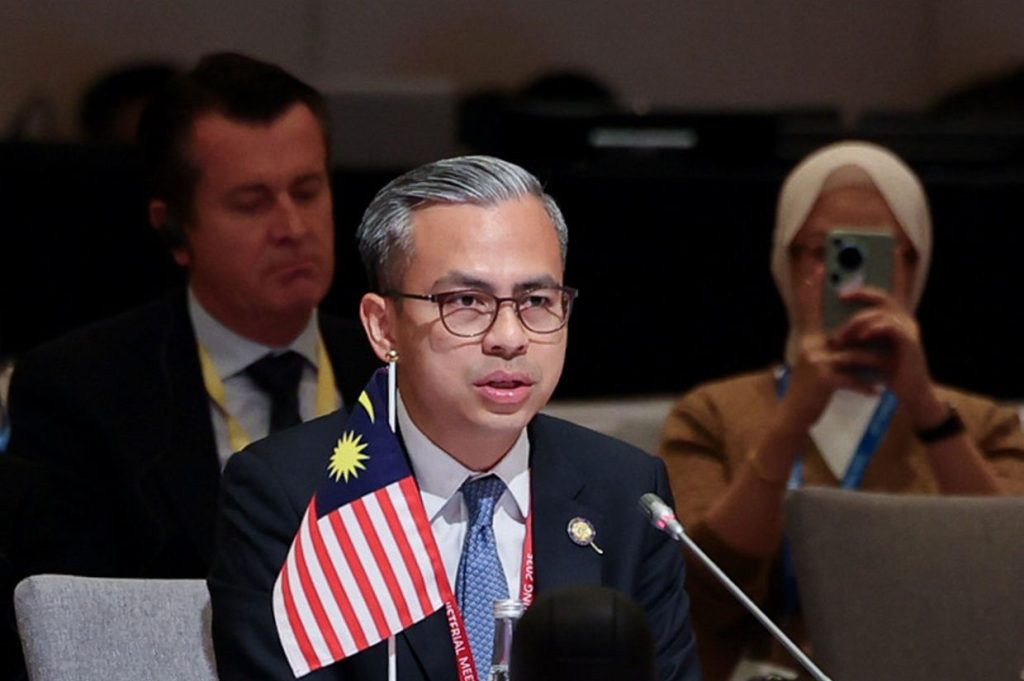
TOKYO: Malaysia has presented its strategic approach to 5G deployment and emphasised its commitment to online security at the Asia-Pacific Telecommunity Ministerial Meeting (APT-MM) 2025, held in Tokyo from 30 to 31 May. Leading the Malaysian delegation for the first time, Communications Minister YB Fahmi Fadzil shared the country’s evolving experience in 5G implementation—from an initial single network model to the current dual network framework. He also highlighted Malaysia’s broader digital transformation initiatives, including the National Digital Network (JENDELA) infrastructure programme. “This platform enables us to showcase the achievements of our digital initiatives and exchange valuable insights with regional counterparts,” said Fahmi. “Our journey in rolling out 5G and executing large-scale infrastructure projects such as JENDELA and Points of Presence (PoP) offers lessons that may benefit other nations.” In addition to infrastructure discussions, Malaysia underscored the urgent need to strengthen online security measures across the region. Fahmi called on APT member countries to increase focus on cyber regulation and monitoring, specifically in addressing online gambling and cyber fraud. “One of the proposals I raised was the need for senior officials to convene annually, potentially through dedicated workshops, to collectively address digital security challenges and explore shared solutions,” he added. During the two-day summit, Fahmi held bilateral discussions with representatives from Japan, Indonesia, Fiji, China, Iran, Australia, the International Telecommunication Union (ITU), and the GSM Association (GSMA). These engagements facilitated knowledge sharing and reinforced regional partnerships. Fahmi also pointed to Australia’s regulatory framework as a reference point, expressing Malaysia’s interest in conducting further studies—either through visits or virtual exchanges—to explore the applicability of similar legal approaches in Malaysia. He noted that agencies such as the Malaysian Communications and Multimedia Commission (MCMC) would play a key role in evaluating these frameworks. Malaysia reaffirmed its aspiration to remain on the ITU Council for the 2027–2030 term, with Fahmi leveraging bilateral meetings to seek support from partner countries. The APT-MM 2025 concluded with the launch of the ‘Tokyo Statement 2025’, which outlines six regional priorities: digital connectivity, digital innovation and entrepreneurship, trust and security, digital inclusion and capacity building, environmental sustainability, and international cooperation. Held under the theme “Harnessing Emerging Technologies for Sustainable, Inclusive and Equitable Digital Transformation in the Asia-Pacific”, the conference brought together 31 member nations and 19 affiliate entities, encompassing governments, regulators, and private sector stakeholders. -Bernama

News

KPMC Drives Digital Healthcare Shift with Strategic Technology Investments

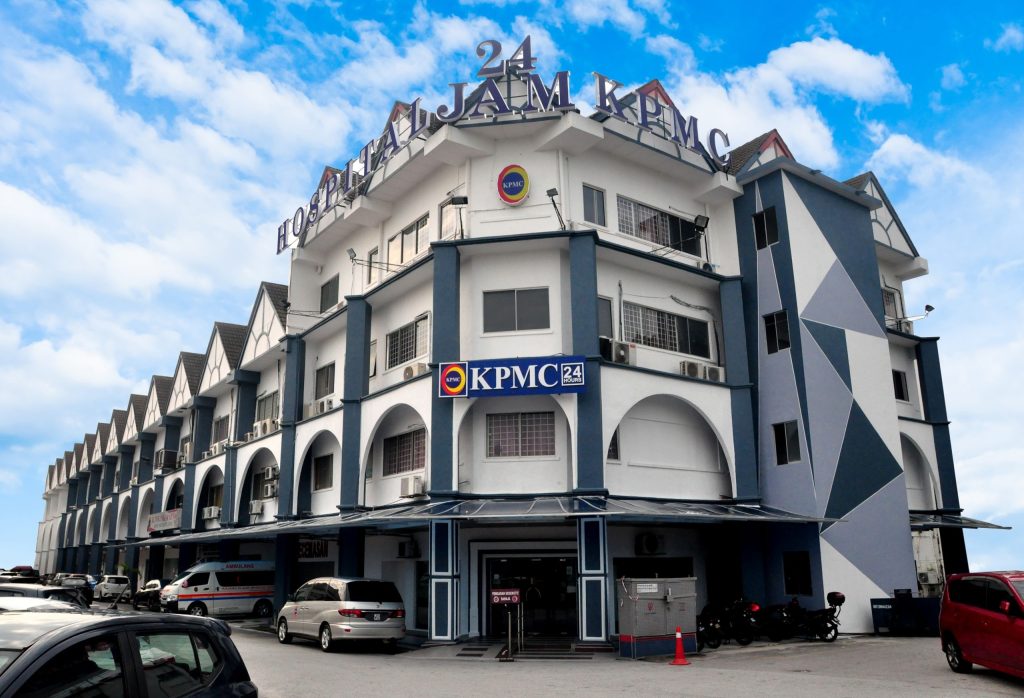
Kajang Plaza Medical Centre (KPMC), a private healthcare provider in Malaysia, is intensifying its digital transformation journey through significant investments in advanced medical technologies. This strategic initiative is aimed at positioning the facility as a digitally driven, patient-centric hospital. Chief Executive Officer Datuk Saroni Judi highlighted that the hospital has channelled resources into technologies such as Hospital Information Systems (HIS), digital kiosk infrastructure, and mobile applications. These enhancements have notably improved patient experience while reducing dependency on manual labour. “This investment can be broadly categorised into two areas – firstly, medical technologies directly related to disease treatment, such as advanced diagnostic and therapeutic equipment. Secondly, technologies that support patient engagement and service efficiency, such as self-registration systems, appointment booking tools, and queue management solutions,” said Datuk Saroni during an interview on Bernama TV’s Bual Bisnes programme, broadcast on Saturday. One such innovation includes an integrated mobile application allowing patients to book consultations directly with physicians, seamlessly connected to the hospital’s HIS. Additionally, patients may now utilise the “QueueMed Healthtech” (Qmed) digital kiosk system to check in with their MyKad, enabling structured and timely access to services. “The system expedites the care process while enhancing patient comfort,” he added. KPMC’s digital roadmap aligns with its ambition to evolve into a “boutique” hospital – a contemporary model focused on delivering holistic care and elevated comfort to both patients and their families. Commenting on global advancements in healthcare automation, Datuk Saroni shared insights from a recent visit to China, where he observed cutting-edge robotics integrated with facility automation. “The use of robots for logistics – including automated delivery of meals and medication, as well as seamless integration with infrastructure such as elevators and room access – demonstrates an impressive level of sophistication,” he said. He noted that such technology even enables doctors to perform surgeries remotely, supported by medical assistants, showcasing the transformative potential of digital healthcare. While embracing automation and innovation, Datuk Saroni reaffirmed that KPMC remains committed to empathy, community engagement, and personalised care – principles that continue to underpin its transformation into a visionary, future-oriented healthcare institution. -Bernama

Investment & Market Trends, News

Suzuki Allocates Over Rp 1 Trillion for Fronx Development in Indonesia

Jakarta: Suzuki, the Japanese automotive giant, has invested more than Rp 1 trillion (approximately $61 million) in the development of its latest vehicle, the Fronx, in Indonesia. This strategic investment signals a robust commitment to local manufacturing and hybrid technology advancement in one of Southeast Asia’s most dynamic automotive markets. The Fronx, which is offered in both petrol and hybrid variants, is being assembled domestically with a local content level of around 60 percent, according to Suzuki Indomobil Motor (SIM), the brand’s manufacturing arm in Indonesia. The new model is available in a range of trims, including the GL, priced at Rp 259 million for the manual version and Rp 271 million for the automatic; the GX at Rp 276 million (MT) and Rp 293.3 million (AT); and the premium GSX variant, offered exclusively in automatic transmission at Rp 319.9 million. SIM Executive Director Shodiq Wicaksono confirmed the significant investment during the Fronx’s official launch in Jakarta, noting that “over Rp 1 trillion has been allocated solely for component procurement,” with overall development costs exceeding that amount. The Cikarang plant in West Java has been designated as the sole global production hub for the Fronx, which is positioned as a strategic global model under Suzuki Motor Corporation. The facility currently operates on a single production shift and manufactures the Ertiga, XL7, and Fronx models, with a maximum annual capacity of 108,000 units. Minoru Amano, President Director of Suzuki Indomobil Sales, emphasised that the investment seeks to elevate the Cikarang facility into a world-class production and export base. Amano noted that by exceeding regulatory local content thresholds for low-emission vehicles, Suzuki aims to bolster its contributions to Indonesia’s national economy and industrial development. He described the Fronx as a cornerstone of Suzuki’s future strategy in Indonesia, targeting monthly sales of 2,000 units. “The Fronx is not just a new model. It represents a new pillar for our business in Indonesia,” Amano stated. Deputy Industry Minister Faisol Riza praised Suzuki’s ongoing commitment and highlighted the Fronx launch as a milestone for Indonesia’s automotive sector. He underscored its relevance in strengthening the country’s role in the global automotive supply chain and advancing sustainable vehicle adoption. “This launch marks Suzuki’s strong commitment to the Indonesian market and demonstrates international confidence in the country’s automotive potential,” Riza commented. The Fronx follows the momentum of Suzuki’s previous hybrid models, including the Ertiga Hybrid and XL7 Hybrid. Government officials expressed optimism that the new model will cater to both domestic and international markets, reinforcing Indonesia’s position as a rising automotive production hub. Last year, Suzuki Indomobil Motor manufactured 73,000 vehicles, securing its place among the top five car manufacturers in Indonesia. -Jakarta Globe

News

Nestlé Files 577 Million Baht Trademark Lawsuit Against Former Thai Partners

Nestlé has initiated legal proceedings in Thailand against former business partners Prayudh Mahagitsiri and Chalermchai Mahagitsiri, seeking damages amounting to 577 million baht over alleged infringement of the Nescafé trademark. The lawsuit, disclosed in a company statement dated 30 May, centres on financial losses incurred during an eight-day suspension of Nescafé product sales. The disruption followed an emergency injunction issued by the Minburi Civil Court on 3 April, which temporarily prohibited Nestlé from manufacturing, outsourcing, distributing, or importing Nescafé-branded instant coffee in the Thai market. Subsequently, the Central Intellectual Property and International Trade Court reaffirmed Nestlé (Thai) Ltd’s exclusive rights to use the “Nescafé” and “เนสกาแฟ” trademarks within Thailand. On 28 May, a mediation session was held at the same court involving both parties; however, no agreement was reached. The court has scheduled a trial and dispute resolution session for 9 June. The dispute stems from the dissolution of Quality Coffee Product Ltd (QCP), a joint venture equally owned by Nestlé and the Mahagitsiri family. On 14 March, Nestlé submitted a petition to the Southern Bangkok Civil Court seeking the liquidation of QCP. The move was aimed at enabling each shareholder group to retrieve its respective share and proceed independently, as continued disagreement had stalled decision-making on QCP’s future. In addition to the liquidation request, Nestlé asked the court to appoint an administrator to manage QCP’s financial responsibilities and protect company assets until a final ruling is delivered. The Southern Bangkok Civil Court completed the examination of three plaintiff witnesses on 19 May and has scheduled the hearing of defendant witnesses for 26 June. Despite the temporary halt, Nescafé distribution resumed in April. According to Ekkapong Chokchaiwitut, Chief Executive of Mother Marketing Plc, which operates Mother Supermarket and Mother Marché in southern Thailand, sales quickly returned to normal levels. Nonetheless, the broader market saw a decline, attributed to the low tourism season. Milin Veraratanaroj, Chairman of Tang Ngee Soon Superstore, one of the largest traditional wholesale chains in Udon Thani, confirmed that rapid restocking of Nescafé products helped prevent a significant shift in consumer preference towards rival brands. He speculated that Nestlé Thailand may have sourced products from countries such as Vietnam to offset production concerns amid the anticipated termination of QCP. Commenting on the ongoing litigation, Mr Milin noted that Nestlé may exercise caution in distributing or importing large volumes of product until the legal proceedings are resolved. -Bangkok Post

Energy & Technology, News

China Expands Global Space-Earth Observation Network with Thai-Based Telescope

China has inaugurated its first overseas next-generation radio telescope in Chiang Mai, northern Thailand, marking a significant milestone in international scientific cooperation and enhancing global Earth observation infrastructure. The 13-metre radio antenna, a joint development between the Shanghai Astronomical Observatory and the National Astronomical Research Institute of Thailand, was officially unveiled on 16 May. This advanced telescope is part of China’s broader initiative to expand its global scientific footprint. It will operate in tandem with a second telescope currently under construction in Songkhla, southern Thailand. Once operational, the two stations will strengthen capabilities in deep-space tracking and high-precision Earth monitoring. These developments are expected to contribute to improved GPS accuracy, enhanced climate research, and more precise earthquake forecasting. Ding Chibiao, Vice-President of the Chinese Academy of Sciences, hailed the Chiang Mai telescope as a “role model of scientific cooperation between China and Thailand”. Speaking at the inauguration ceremony, Ding emphasised the significance of the telescope’s launch, coinciding with the 50th anniversary of diplomatic relations between the two nations. Supachai Pathumnakul, Permanent Secretary of Thailand’s Ministry of Higher Education, Science, Research and Innovation, highlighted the project as a testament to the deepening scientific partnership between the two countries. He noted its potential to deliver high-quality data that will support global research initiatives. The collaborative effort began in 2017 with a memorandum of understanding, though construction and activation were delayed due to the Covid-19 pandemic. The telescope successfully captured its first signal in August 2023, and by April 2024 had completed a 24-hour observation session. The data collected met the required precision benchmarks and contributed valuable information on Earth’s rotational dynamics. Technically, the telescope is equipped with a fast slewing antenna capable of quickly shifting between observation targets. It also features dual-frequency receivers to minimise atmospheric interference, alongside high-speed data acquisition and recording systems. These capabilities enable real-time processing of large data volumes, ensuring continuous, highly accurate monitoring of both space and Earth-based phenomena. Both Thai telescopes will operate using Very Long Baseline Interferometry (VLBI), a method that links radio telescopes over vast distances to function as a single, Earth-sized antenna. By analysing the timing of radio signals arriving at each station, scientists can determine their positions with millimetre-level accuracy, supporting detailed observation of celestial movements and tectonic plate shifts. Unlike traditional VLBI systems, which were constrained by lower bandwidths and slower measurements, this new generation of stations offers rapid, uninterrupted monitoring with significantly enhanced precision. These systems are designed to meet the advanced requirements of modern geodesy and space science. The Chiang Mai facility is now integrated into China’s VLBI network, which includes the Tianma-13 and Seshan-13 stations in Shanghai and the Urumqi-13 station in Xinjiang. Each site operates a 13-metre new-generation antenna, forming a cohesive and advanced scientific network. Collectively, they participate in global initiatives under the International VLBI Service, alongside over 30 active stations across Asia, Europe, North America, and other regions. -South China Morning Post

Scroll to Top

Subscribe
FREE Newsletter