
The Executives

The Executives

From a Teenage Hustle to a Fashion Empire: The SVG Worldwide Story

https://youtu.be/xOtWHmEPXY0 In the competitive landscape of fashion, differentiation is key highlights –  Ashraf Anuar, the entrepreneur behind SVG Worldwide, who has successfully positioned his brand as a prominent Malaysian streetwear label. What began with a modest RM50 investment has evolved into a business offering a unique blend of street fashion culture.  Strategic Foundations  SVG Worldwide was established with a clear vision, introducing innovation to the Malaysian fashion market. With limited capital but a strong entrepreneurial drive, Ashraf focused on creating distinct, high-quality designs. Reflecting on his early challenges, he stated, “The key factor was my determination to improve my family’s situation. I committed my energy to building something substantial and sustaining that momentum.”  The brand name ‘SVG Worldwide’ was inspired by a moment of spontaneity. “My younger brother was playing Mobile Legends, and as the game characters ranked up, he kept hearing the word ‘Savage.’ The word stuck with me, and over time, it gained recognition, so I decided to solidify it as the brand’s identity,” Ashraf recalled.  Market Penetration and Differentiation  Prior to launching, Ashraf conducted a market analysis to identify gaps in the industry. “We observed that most designs followed repetitive patterns. Our strategy was to introduce distinctive styles while maintaining superior quality, rather than focusing on mass production,” he explained. This commitment to exclusivity positioned SVG Worldwide as a premium streetwear brand.  A pivotal moment for the brand occurred in 2023 with its collaboration with Neonate for the ‘Race Day’ fashion show at Sepang International Circuit. The event, which attracted over 3,000 attendees, reinforced SVG Worldwide’s market presence. “We ensure our collections remain dynamic and adaptable to new trends. This adaptability is crucial for maintaining relevance in the industry,” Ashraf noted.  Cultivating Brand Loyalty  Beyond fashion, SVG Worldwide emphasises community engagement as a core business strategy. “Our customers are integral to our brand identity. We foster loyalty through exclusive events, limited-edition product drops, and special incentives for top customers,” Ashraf said. He also leverages social media to bridge Malaysian and global fashion influences. “Consumers look to me for style inspiration. I use my platform to demonstrate how to integrate Malaysian cultural elements into global fashion trends, ensuring local representation in the industry.”  Scaling for Long-Term Growth  Navigating business expansion while preserving brand integrity remains a key focus for Ashraf. “One of the biggest lessons I’ve learned is the importance of financial reinvestment. Many young entrepreneurs allocate earnings toward luxury items rather than reinvesting in sustainable business growth,” he observed.  Looking ahead, SVG Worldwide is poised for international expansion. “Our next objective is to establish a global footprint by opening physical stores in key markets and building an extensive customer database,” he revealed.  For Ashraf, continuous innovation and strategic risk-taking are essential. “Rather than saying ‘I can’t do it,’ I view challenges as opportunities I haven’t tackled yet. The possibilities are limitless,” he concluded.  From a small startup to a thriving enterprise, SVG Worldwide exemplifies the power of strategic vision, resilience, and customer-centric branding. As the company continues to expand, it remains a significant player in the evolving fashion industry. 
The Executives

Living, Not Just Retiring: Diane Chia is Changing the Game for Senior Living

https://youtu.be/fboqCmardgYAs the ageing population grows, the need for purposeful senior living has never been greater. Diane Chia, Co-founder of L1vin and Executive Director of Millennia Village, is reshaping the narrative around ageing, moving beyond care to empowerment. At Millennia Village, she and her team are building more than a residence; they are fostering a vibrant community where seniors can thrive with independence, well-being, and a renewed sense of purpose.   Diane’s career began in real estate, a field traditionally dominated by men. Working as a real estate agent for 10 years in China, she quickly learned to navigate the industry’s fast-paced and high-stakes environment – simultaneously facing the challenge of proving herself in a fiercely competitive market.  “As a woman in real estate, especially in China, I had to work twice as hard to gain credibility,” Diane recalls. “The industry is tough, and you are constantly proving yourself. But I learned that success comes from knowledge, confidence, and persistence.”  Her years in real estate gave her a strong foundation in building communities, but it was her time in China that sparked a deeper awareness of health and wellness. Living in a country where air pollution was a constant concern, she became increasingly conscious of the importance of well-being. This personal awakening, further reinforced by the COVID-19 pandemic, led her to explore holistic health solutions, not just for herself, but for others.  Initially, Diane joined L1vin, a natural health and wellness product company who believe in nutrition as a preventive medicine, as an ambassador, drawn to the brand’s mission of promoting natural health solutions. Her passion for wellness and ability to connect with people made her a natural advocate. Seeing her dedication, L1vin’s co-founder proposed a partnership, recognising her potential to help expand the brand’s product line and reach.  “At L1vin, we don’t just sell products; we educate people about wellness,” Diane explains. “We work with nutritionists, doctors, and fitness experts to help people integrate health into their daily lives. That same philosophy applies to Millennia Village.”  By merging her expertise in real estate with her commitment to wellness, Diane has helped shape L1vin into more than just a product brand, it’s a movement centered around holistic living. Now, she brings that same vision to Millennia Village, creating a senior living experience that prioritises health, independence, and a strong sense of community.  A Vision Rooted in Legacy and Purpose   Millennia Village was born from a deeply personal vision, to transform an old idle quarry site in Seremban, Diane’s hometown, into a sanctuary for senior living. Once a bustling mining site, the land had remained unused for two decades. Instead of letting it go to waste, the founders of Millennia Village envisioned a senior living space where they themselves would want to reside.   “My dad and his friends often talked about where they’d like to live when they got older,” Diane shares. “They wanted a place where they could still be active, where they weren’t just waiting for time to pass. That’s what sparked this whole idea.”   This project was never just about building another retirement home, it was about creating a meaningful space where seniors could live life on their own terms. Recognising a gap in the industry, the team sought to go beyond care facilities by establishing a vibrant, empowering community.   Bridging the Gap in Senior Living   Unlike traditional senior care facilities, Millennia Village is designed for active, independent seniors rather than those requiring assisted care. This distinction sets them apart. While ensuring accessibility with wheelchair-friendly ramps, spacious corridors, and support bars in washrooms, the village is built for residents who want to maintain an active and engaging lifestyle.   “We want to change the narrative around senior living,” Diane emphasises. “It’s not just about ‘where do I go when I can’t live alone?’ It’s about ‘where can I go to truly live my best years?’”   Overcoming Challenges and Changing Mindsets   Building Millennia Village came with its fair share of challenges. Constructing on a former quarry site required extensive modifications, significantly increasing costs and logistical complexities. The COVID-19 pandemic further delayed the project, pushing its official launch to June 2024.   But the biggest challenge? Shifting public perception. Many still see senior living as a last resort rather than an opportunity for a fulfilling lifestyle.   “There’s a stigma around senior living communities,” Diane acknowledges. “People think of them as a place you go when you have no other choice. But we want to show that it can be a conscious, empowering decision, one that allows seniors to maintain their independence while having a supportive community around them.”   Balancing Compassion and Business in Senior Care   Running a senior living community requires more than just operational efficiency, it demands genuine compassion. Diane emphasises the importance of hiring the right people, those who not only have hospitality skills but also possess a deep empathy for the elderly.   “It’s almost like a calling,” she explains. “You need people who are patient, kind, and willing to listen. The elderly have lived full lives, and they deserve to be heard and respected.”   Beyond residents, this philosophy extends to staff as well, fostering a workplace culture that prioritises care and community.   A Future of Thriving Communities   As Millennia Village grows, Diane hopes to change the way people view ageing. She envisions a future where senior living is not just about care, but about connection, activity, and purpose.   “With an ageing population, we need to start thinking differently,” she says. “It’s not just about creating places for seniors to live, it’s about creating spaces where they can truly thrive.”   Millennia Village is more than just a residence; it’s a movement towards a new way of ageing, one that celebrates independence, well-being, and the joy of community. As the landscape of senior living evolves, Diane’s work is paving the way for a future where growing older is not about limitations but about new opportunities to live fully, with purpose and dignity.   Advice for the Next Generation of Entrepreneurs   When asked about

The Executives

Sometime by Asian Designers Celebrates Asian Creativity

Some people are content with following the conventional career path, but not Stan Chooi. The co-founder of Sometime by Asian Designers felt something was missing in his life while working in the marketing and branding world. He wanted to create something bigger, something that had meaning. That ‘something’ turned into Sometime, a brand that has redefined designer bags in Asia.  Stan Chooi & Nicole Wong, Co- Founders of Sometime By Asian Designers.Source: Sometime A Leap of Faith  Stan didn’t come from a fashion design background. In fact, he knew nothing about making bags. What he did know, however, was branding and business. Over a casual conversation with his friend, now business partner and wife, Nicole Wong, an idea began to take shape. Nicole, at the time, was a product specialist who advised designers behind luxury brands in designing and producing their collections. With her expertise in product development and his strength in branding, they saw an opportunity. What if they could create high-quality designer bags that were not limited to the elite? What if they could offer designer craftsmanship at a fraction of the traditional cost?  Redefining Designer Bags  Stan was never interested in just another luxury brand. Instead, he wanted to prove that you don’t need a big logo or an inflated price tag to own a well-designed, high-quality bag. By handling their own production, Sometime cut out unnecessary markups, allowing them to focus purely on craftsmanship and affordability.  The result? A designer bag without the “luxury” markup, making it possible for fresh grads buying their first ‘grown-up’ bag or young professionals looking for a stylish yet practical accessory to indulge in high-end designs without guilt.  One of the things that makes Sometime so unique is its unwavering commitment to Asian designers. From day one, Stan and his team have sought out talented creatives to collaborate with, providing a platform where designers’ names are just as important as the brand itself.  They’ve worked with Malaysian icons like Sazzy Falak, Vivy Yusof, Rizalman, Alia Bastamam, and Kamwei Fong. They even partnered with internationally renowned designer Jason Wu, who has dressed celebrities like Jessica Alba, Meghan Markle, and Lady Gaga. Each collaboration is a testament to Sometime’s mission which is to celebrate and elevate Asian creativity on a global stage. Growing a Brand, Sustainably  In an era where fast fashion dominates, Sometime is doing its part to be kinder to the planet. While achieving full sustainability is tough, they are making conscious efforts to reduce their environmental impact. Their heavy-duty collection is made of 90% recycled plastic and grosgrain, and from the beginning, they made the choice to stay away from animal leather. Instead, they invested in high-quality synthetic leather with microfiber, also known as vegan leather.  Their commitment to sustainability doesn’t stop there. The brand also sources natural cotton canvas from organic fields, avoiding chemical processing. While it’s impossible to be perfect, Sometime is constantly looking for ways to be more eco-conscious without compromising on quality or style.  From Online-Only to a Thriving Business  What started as a small online business has grown into something much bigger. In 2019, Sometime opened its first physical showroom at The Gardens Mall, Kuala Lumpur. Today, they have six showrooms across major locations, including One Utama, IOI City Mall Putrajaya, KL East Mall, Setia City Mall, and IOI Mall Puchong. In 2024, they moved into their 60,000 sq. ft. headquarters, complete with a production facility and warehouse, marking a new chapter of growth.   Despite this success, Stan maintains a “first-day” attitude, constantly learning, evolving, and never becoming complacent.  Lessons from the Toughest Years  Every entrepreneur faces challenges, and for Stan, 2022–2023 tested him in ways he never imagined. With family members battling cancer, he had to split his time between personal responsibilities and running the business. For the first time, he had to step back and trust his top management team to make the big decisions. It was a difficult adjustment, but one that ultimately strengthened the company.  “I learned to let go,” Stan admits. “Now, the top management team plans and presents strategies, and I just need to give the green light. It’s a better way to run a business.”  By now, he estimates that 80% to 90% of operations run smoothly without his direct involvement. Over time, his team has developed strong strategies, and most of the solutions they propose are already complete and ready to be implemented, his role is simply to give the final approval. This shift has reinforced one of the biggest lessons in leadership: trust. Trusting employees to take responsibility and execute their roles well is what allows a business to grow beyond its founders.  His leadership philosophy is simple but powerful, trust your people. Empower them. And always, always invest in the next generation of leaders.  What’s next for Sometime?   International expansion. While the brand already has global visibility thanks to its online presence, the next step is making its mark in new markets, starting with Indonesia.  Looking back, would Stan do it all over again?  “Maybe,” he says with a smile. “If I knew then what I know now, I would have thought things through a lot more. It would have taken me longer to start. But at the end of the day, the sacrifices, the long nights, the lessons, they were all worth it.”  From a simple idea to a brand that champions Asian designers and makes luxury accessible, Sometime by Asian Designers is proof that success isn’t just about fast growth. Sometimes, the best journeys are built on steady, meaningful progress. 

The Executives

The Power Behind Trillions: Why Governance in Sovereign Wealth Funds Matters

Sovereign Wealth Funds (SWFs) play a crucial role in managing national wealth, ensuring long-term economic stability, and generating financial returns. With over $11 trillion in global assets under management (Global SWF, 2024), their influence extends across global markets. However, ensuring effective governance and transparency remains a priority to maintain public trust and operational efficiency. Elsa Satkunasingam, Senior Business Development Advisor for Corporate and Sustainability Governance at the Asia School of Business (ASB), shares key insights into the evolving landscape of SWFs, emphasizing the importance of governance, investment strategies, and sustainability alignment. Governance and transparency are essential safeguards against financial mismanagement and political interference. “Clear governance processes ensure that SWFs effectively manage national wealth for both current and future generations,” says Satkunasingam. “Without these measures, SWFs risk losing public confidence, which is vital for long-term success.” Recent evaluations highlight varying levels of governance and transparency among SWFs. According to Global Sovereign Wealth Fund (Global SWF) rankings, Singapore’s GIC received mid-range scores, while Malaysia’s Khazanah Nasional has demonstrated marked improvement since 2021. Indonesia’s INA, alongside these funds, continues to enhance its governance by improving board selection disclosures, sustainability strategies, and crisis-prevention frameworks. “The improvements we see are encouraging, but there is still room for SWFs to increase transparency and accountability,” she adds. Khazanah Nasional and Singapore’s Temasek Holdings exemplify strong SWF management by balancing financial returns with socioeconomic development. They operate across domestic and international markets while maintaining independence, accountability, and alignment with their investment mandates. Notably, Temasek has been recognized for its high level of transparency. “Khazanah and Temasek are strong examples of how SWFs can remain independent while contributing to national development,” says Satkunasingam. Maintaining public trust is crucial for SWFs, as they are ultimately responsible for managing national wealth. “Transparent and accountable governance structures are necessary to protect against financial mismanagement and political interference,” says Satkunasingam. “A well-governed SWF ensures that investment decisions are made based on financial viability rather than political influence.” One of the primary challenges for SWFs is striking a balance between domestic investments and international diversification. While international investments help mitigate domestic risks and enhance portfolio returns, SWFs must also contribute to local socioeconomic development. “Diversification is necessary, but SWFs must also align their strategies with national economic priorities,” says Satkunasingam. Emerging technologies like artificial intelligence (AI) and blockchain are reshaping the investment landscape. Norway’s SWF, for instance, employs AI to optimize capital deployment, reducing trading costs and improving decision-making efficiency. At the International Forum of Sovereign Wealth Funds (IFSWF) in November 2024, members agreed to integrate AI into their investment strategies. “AI allows SWFs to analyze vast amounts of unstructured data quickly, detect emerging trends, and enhance transparency,” explains Satkunasingam. “This helps in identifying ESG risks, conflicts of interest, and ensuring more responsible investing.” SWFs are increasingly incorporating Environmental, Social, and Governance (ESG) principles into their investment strategies, recognizing the long-term economic risks posed by climate change. “There is a natural alignment between SWFs and sustainability goals, particularly in addressing climate-related risks,” says Satkunasingam. Although recent uncertainties, such as investor exits from the Net-Zero Asset Managers (NZAM) initiative, have created challenges, maintaining a steady ESG commitment is critical for resilience and long-term profitability. “Climate-related risks will only intensify, making ESG integration a non-negotiable strategy for SWFs,” she emphasizes. With the launch of the Sarawak Sovereign Wealth Future Fund (SSWFF), maintaining independence from political influence is paramount. Satkunasingam suggests key protective measures, including legal frameworks to shield the Board of Guardians and senior management from external pressure, holding leadership accountable for fund management, and launching public awareness initiatives to enhance transparency. “A robust governance framework will be critical to ensuring that Sarawak’s SWF remains independent and achieves its long-term financial and economic objectives,” she advises. As SWFs navigate an evolving financial landscape, governance, transparency, and sustainability remain at the forefront of their success. By adopting best practices, leveraging emerging technologies, and maintaining strong ethical standards, SWFs can fulfill their mandate of safeguarding national wealth while driving sustainable economic growth. With institutions like the Asia School of Business contributing to the discourse, the future of SWFs in Asia appears poised for greater accountability and strategic advancement.  

The Executives

Sometime by Asian Designers Celebrates Asian Creativity

Some people are content with following the conventional career path, but not Stan Chooi. The co-founder of Sometime by Asian Designers felt something was missing in his life while working in the marketing and branding world. He wanted to create something bigger, something that had meaning. That ‘something’ turned into Sometime, a brand that has redefined designer bags in Asia.  A Leap of Faith  Stan didn’t come from a fashion design background. In fact, he knew nothing about making bags. What he did know, however, was branding and business. Over a casual conversation with his friend, now business partner and wife, Nicole Wong, an idea began to take shape. What if they could create high-quality designer bags that were not limited to the elite? What if they could offer designer craftsmanship at a fraction of the traditional cost?  That idea turned into reality in 2012 when Sometime was born as an online-only business. With no physical stores and no middlemen, they could sell beautifully crafted designer bags at a price that was accessible to many, not just a select few.  Redefining Designer Bags  Stan was never interested in just another luxury brand. Instead, he wanted to prove that you don’t need a big logo or an inflated price tag to own a well-designed, high-quality bag. By handling their own production, Sometime cut out unnecessary markups, allowing them to focus purely on craftsmanship and affordability.  The result? A designer bag without the “luxury” markup, making it possible for fresh grads buying their first ‘grown-up’ bag or young professionals looking for a stylish yet practical accessory to indulge in high-end designs without guilt.  One of the things that makes Sometime so unique is its unwavering commitment to Asian designers. From day one, Stan and his team have sought out talented creatives to collaborate with, providing a platform where designers’ names are just as important as the brand itself.  They’ve worked with Malaysian icons like Sazzy Falak, Vivy Yusof, Rizalman, Alia Bastamam, and Kamwei Fong. They even partnered with internationally renowned designer Jason Wu, who has dressed celebrities like Jessica Alba, Meghan Markle, and Lady Gaga. Each collaboration is a testament to Sometime’s mission which is to celebrate and elevate Asian creativity on a global stage.    Growing a Brand, Sustainably  In an era where fast fashion dominates, Sometime is doing its part to be kinder to the planet. While achieving full sustainability is tough, they are making conscious efforts to reduce their environmental impact. Their heavy-duty collection is made of 90% recycled plastic and grosgrain, and from the beginning, they made the choice to stay away from animal leather. Instead, they invested in high-quality synthetic leather with microfiber, also known as vegan leather.  Their commitment to sustainability doesn’t stop there. The brand also sources natural cotton canvas from organic fields, avoiding chemical processing. While it’s impossible to be perfect, Sometime is constantly looking for ways to be more eco-conscious without compromising on quality or style.  From Online-Only to a Thriving Business  What started as a small online business has grown into something much bigger. In 2019, Sometime opened its first physical showroom at The Gardens Mall, Kuala Lumpur. Today, they have six showrooms across major locations, including One Utama, IOI City Mall Putrajaya, KL East Mall, Setia City Mall, and IOI Mall Puchong. In 2024, they moved into their 60,000 sq. ft. headquarters, complete with a production facility and warehouse, marking a new chapter of growth.   Despite this success, Stan maintains a “first-day” attitude, constantly learning, evolving, and never becoming complacent.  Lessons from the Toughest Years  Every entrepreneur faces challenges, and for Stan, 2022–2023 tested him in ways he never imagined. With family members battling cancer, he had to split his time between personal responsibilities and running the business. For the first time, he had to step back and trust his top management team to make the big decisions. It was a difficult adjustment, but one that ultimately strengthened the company.  “I learned to let go,” Stan admits. “Now, the top management team plans and presents strategies, and I just need to give the green light. It’s a better way to run a business.”  By now, he estimates that 80% to 90% of operations run smoothly without his direct involvement. Over time, his team has developed strong strategies, and most of the solutions they propose are already complete and ready to be implemented, his role is simply to give the final approval. This shift has reinforced one of the biggest lessons in leadership: trust. Trusting employees to take responsibility and execute their roles well is what allows a business to grow beyond its founders.  His leadership philosophy is simple but powerful, trust your people. Empower them. And always, always invest in the next generation of leaders.  What’s next for Sometime?   International expansion. While the brand already has global visibility thanks to its online presence, the next step is making its mark in new markets, starting with Indonesia.  Looking back, would Stan do it all over again?  “Maybe,” he says with a smile. “If I knew then what I know now, I would have thought things through a lot more. It would have taken me longer to start. But at the end of the day, the sacrifices, the long nights, the lessons, they were all worth it.”  From a simple idea to a brand that champions Asian designers and makes luxury accessible, Sometime by Asian Designers is proof that success isn’t just about fast growth. Sometimes, the best journeys are built on steady, meaningful progress.       

The Executives

Putrajaya Marriott Hotel Leads the Charge in MICE Innovation and Sustainability

The meetings, incentives, conferences, and exhibitions (MICE) industry is a vital sector within the hospitality landscape, and Putrajaya Marriott Hotel stands at the forefront, setting new benchmarks for seamless event execution, sustainability, and personalised service. Under the leadership of Nikie Mok, General Manager of Putrajaya Marriott Hotel, the property continues to evolve as a premier destination for business and leisure events in Malaysia and Southeast Asia. Creating Bespoke Experiences for MICE Events “At Putrajaya Marriott Hotel, we don’t just host events—we craft experiences that leave lasting impressions,” says Nikie Mok. “From corporate summits to grand celebrations, our team is dedicated to delivering impeccable service, state-of-the-art facilities, and customised solutions that align with our clients’ unique visions.” The hotel boasts over 20 flexible event spaces, including the rebranded Marriott Putrajaya International Convention Centre (MPICC), a key venue for large-scale conferences and exhibitions. Equipped with cutting-edge technology, hybrid event capabilities, and high-speed connectivity, these spaces cater to both in-person and virtual audiences. Additionally, dedicated event planners ensure that every detail is meticulously executed, offering organisers a seamless experience from planning to execution. Sustainability at the Heart of MICE Events Sustainability is a core pillar of Putrajaya Marriott Hotel’s MICE strategy. “As part of Marriott International’s commitment to sustainability, we integrate eco-friendly practices into our events,” Mok explains. “From energy-efficient lighting to waste management initiatives, we ensure that event organisers and attendees can make responsible choices without compromising on experience.” The hotel participates in the Connect Responsibly programme, offering a Meeting Impact Report (MIR) that calculates an event’s carbon and water footprint. Organisers can also opt to purchase carbon offset credits, further aligning their events with corporate ESG goals. Other sustainability efforts include: Sustainable Dining – Curated menus featuring plant-based options to reduce the environmental impact of food production. Waste Management & Upcycling – Workshops that promote recycling and upcycling, such as the Upcycled Plastic Pouch Workshop. Green Event Practices – Digital communication, reusable décor options, and solar-powered landscape lighting to minimise waste and energy use. Sustainability Sculpture – A symbolic centrepiece at the hotel, reflecting its commitment to environmental responsibility. A Personalised Approach to Event Planning Mok highlights the hotel’s dedication to personalised service. “Every event is unique, and our team works closely with organisers to tailor every aspect to their preferences,” she says. “From culturally significant weddings to high-level corporate retreats, we ensure that every detail is thoughtfully planned and executed.” The hotel offers a range of services to enhance the attendee experience: Dedicated event planning team – Experts who specialise in various event types, including Indian weddings and corporate conferences. Customised MICE packages – Options for wellness programmes, team-building activities, and bespoke dining experiences. Exclusive privileges for Marriott Bonvoy members – Loyalty perks such as personalised services and curated itineraries. Future-Proofing MICE Events in Southeast Asia Looking ahead, Putrajaya Marriott Hotel has ambitious plans to maintain its leadership in the MICE industry across Southeast Asia. Mok outlines key focus areas: Hybrid Event Expansion – Upgraded audiovisual systems and interactive tools to support seamless virtual and in-person integration. AI-Powered Smart Meetings – Incorporation of AI-driven tools for attendee engagement and event planning efficiency. Strengthening Regional & International Connectivity – Leveraging the upcoming IOI Resort City Express Line and IOI Airport Shuttle to attract global events. Enhanced Sustainability Efforts – Expansion of the Connect Responsibly programme and introduction of zero-waste event solutions. Cultural & Experiential Offerings – Integrating Malaysian art, culture, and cuisine into event experiences to enrich guest engagement. “Our goal is to remain at the forefront of the MICE industry by continuously innovating and enhancing our offerings,” says Mok. “With a strong focus on technology, sustainability, and personalised service, we aim to set new standards for event excellence in Malaysia and beyond.” As Putrajaya Marriott Hotel continues to elevate its MICE offerings, it reaffirms its position as a premier destination for organisers seeking world-class venues, sustainable solutions, and unparalleled hospitality. Whether for a corporate summit, a grand wedding, or an immersive conference, the hotel remains committed to delivering exceptional, memorable experiences.

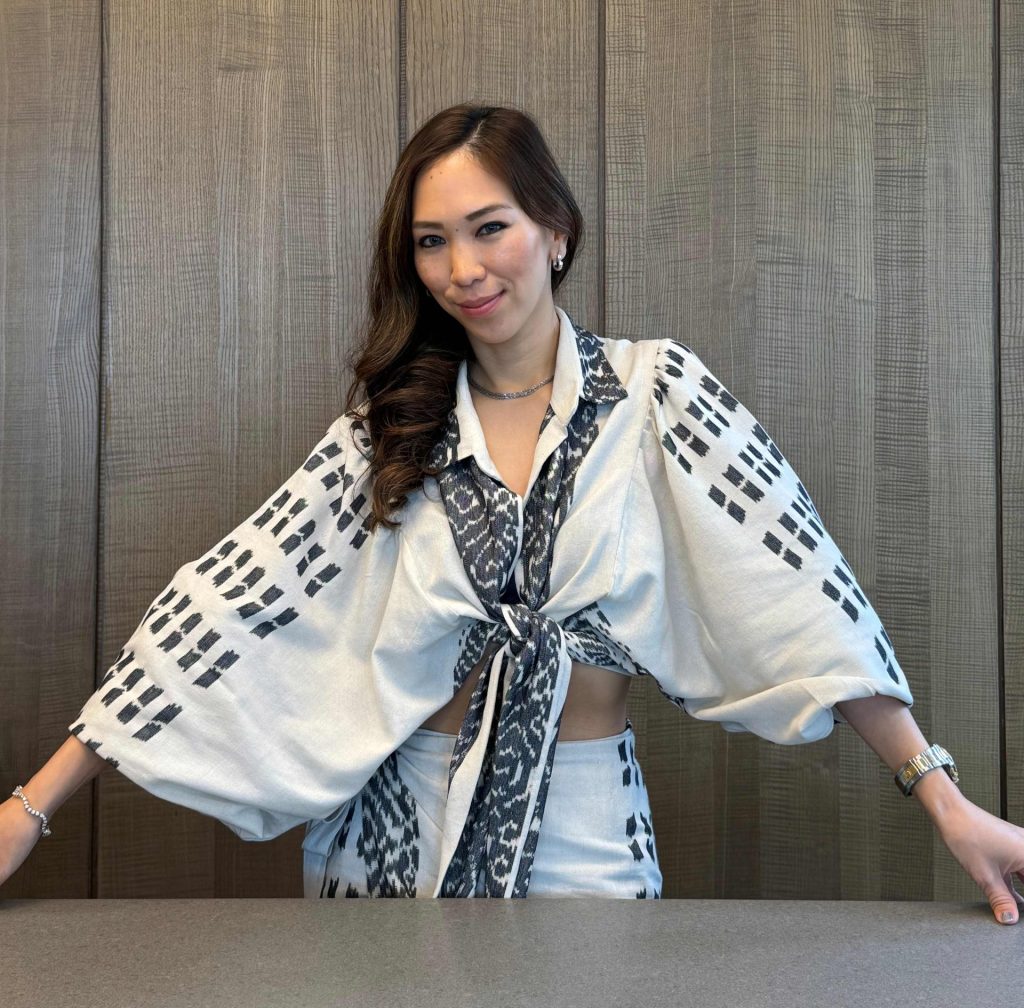
Amy Lee, Senior Vice President of Finance, MICE, People & Culture
The Executives

HTT’s Approach to Safer, Smarter Travel for Women in Business

At a time when the needs of female business travellers are becoming more specific and diverse, Holiday Tours & Travel (HTT) is stepping up to ensure that every journey is tailored to provide safety, comfort, and convenience. In a recent interview with The Exchange Asia, Amy Lee, Senior Vice President of Finance, MICE, People & Culture at HTT, shared her insights into how the company is addressing the unique travel challenges faced by female professionals, particularly those in the corporate world. HTT’s approach to travel for female executives goes beyond the ordinary. “At HTT, we understand that the needs of female professionals differ from those of other travellers,” says Amy Lee. “We’re committed to providing a travel experience that prioritises safety, wellness, and overall convenience.” One of the company’s key initiatives is recommending wellness-oriented accommodations that feature robust security measures, such as well-lit premises and 24-hour concierge services. Amy elaborates, “We ensure that our female travellers stay in environments that not only offer peace of mind but also cater to their well-being, such as access to fitness centres and wellness facilities.” Additionally, HTT integrates cultural and religious considerations into its offerings, providing halal meal options and access to prayer spaces, making sure that female professionals feel respected and supported during their trips. “Our tailored itineraries, which can be adjusted according to the specific needs of female executives, ensure that every journey is comfortable and aligned with personal preferences,” Amy adds. HTT goes a step further with its Travel Safety Promise, a key feature of their services that ensures travellers’ safety from the start of their journey to their return home. “We have dedicated teams working 24/7, both locally and internationally, to provide support and ensure that every step of the journey is secure,” says Amy. “We pride ourselves on offering real-time assistance to address any crises or unforeseen situations.” Measurable Impact on Client Satisfaction and Retention The impact of HTT’s initiatives on client satisfaction has been substantial, particularly among female executives who frequently travel for business. “We consistently receive positive feedback from female travellers who value our focus on their safety, convenience, and overall comfort,” Amy shares. “Our approach not only enhances their travel experience but also improves their engagement and productivity.” Amy mentions that HTT uses tools such as Net Promoter Score (NPS) surveys to measure client satisfaction. “The feedback from female executives has been overwhelmingly positive. Many clients appreciate our tailored approach, especially when it comes to offering flexible itineraries, wellness facilities, and accommodations with enhanced security features,” she notes. As a result, client retention rates have soared. “When female executives feel valued and supported throughout their travels, they’re more likely to stay loyal to their organisations and, by extension, to us,” Amy adds. Bridging the Gap in Corporate Travel Policies Despite the growing recognition of female travellers’ needs, Amy believes there is still a significant gap in many corporate travel policies. “Traditional corporate travel policies often focus on logistics and cost-efficiency, but they don’t take into account the specific safety concerns and well-being of female professionals,” she says. HTT is working closely with corporate clients to address this gap. “Our role is to review existing corporate policies, identify opportunities for improvement, and then propose solutions that prioritise the safety and comfort of female travellers,” Amy explains. “For instance, we recommend accommodations with enhanced safety features, incorporate wellness services into travel programmes, and ensure that all travel itineraries are tailored to reduce stress and increase productivity.” HTT also ensures that corporate clients understand the importance of a more inclusive and supportive approach to travel. “When corporate travel policies include well-being considerations, it shows that companies truly care about their employees, which boosts loyalty and satisfaction,” says Amy. The Role of Trusted Partnerships in Enhancing Travel Experiences One of the pillars of HTT’s success is its strong partnerships with trusted travel suppliers. “We carefully evaluate and select travel suppliers who meet the highest standards of safety, quality, and service,” Amy shares. “Our extensive network of global partners ensures that female travellers have reliable, on-the-ground support in every destination.” Maintaining these relationships is key to HTT’s ongoing success. “We work closely with our suppliers, constantly reviewing performance, gathering feedback, and ensuring that our partners align with our core values of safety and traveller well-being,” Amy says. “By fostering these strong, collaborative partnerships, we ensure that female professionals have a seamless, worry-free travel experience.” Leveraging Technology to Enhance Safety and Efficiency HTT has embraced technology to further enhance the safety and efficiency of corporate travel. Amy discusses how real-time alerts play a crucial role in providing female travellers with up-to-date information on potential risks. “With our technology, female travellers are notified about changes in local conditions, safety concerns, or travel disruptions. This empowers them to make informed decisions and adapt their plans accordingly,” she says. Through HTT’s Online Booking Tool (OBT) and partnerships with services like International SOS, the travel planning process is streamlined while embedding essential safety considerations. “Our 24/7 crisis management team ensures that female travellers can get immediate assistance should they face any challenges during their trips,” Amy adds. The Future of Inclusive Travel Policies For businesses looking to integrate inclusive travel policies, Amy offers some practical advice. “It starts with a comprehensive review of existing policies to identify gaps. From there, companies should work with travel experts, like HTT, to develop traveller-centric solutions,” she says. “It’s also essential to communicate that inclusive travel policies are not just about meeting basic needs; they reflect an organisation’s commitment to supporting its employees’ well-being.” Amy acknowledges that there are challenges in implementing these policies, such as resistance to change and balancing diverse needs. “However, with the right tools and partnerships, companies can overcome these challenges and ensure that their travel policies align with the evolving expectations of today’s workforce,” she concludes.

The Executives

Girls4Girls Nurtures the Next Generation of Female Leaders

In a world where women face significant obstacles to leadership, Girls4Girls (G4G) has emerged as a beacon of hope. During the 2016 U.S. presidential election, Hillary Clinton, the Democratic candidate, faced criticism for “yelling,” while her male counterpart, Bernie Sanders, was praised for being assertive. Media scrutiny also targeted Clinton’s appearance, criticism rarely directed at Sanders. On the Republican side, Donald Trump’s remarks underscored pervasive gender biases. The Birth of G4G For Izzana, the founding of G4G was deeply personal. Immersed in the political atmosphere at Harvard, she and her peers were struck by the stark underrepresentation of women in leadership. “We realized, ‘If not us, then who? If not now, then when?’” Izzana recalls. Inspired by struggles and triumphs, they created a safe and empowering space for women to share experiences and mentor one another. Tackling Key Challenges Despite progress in many areas, the statistics on women in leadership are sobering: Only five countries have parliaments with at least 50% A mere 4% of Standard & Poor (S&P) 500 CEOs are women. The COVID-19 pandemic forced nearly 54 million women out of the G4G hopes to reduce this gap by addressing the root causes that hold women back: Perceived lack of confidence, leadership tools or framework, and the support system for many women. “We wanted to help women see their potential, to give them the tools to say, ‘I belong here,’” Izzana says, her voice full of conviction. The Pillars of G4G At its core, G4G stands on three pillars that guide its mission: Inclusive Mentorship: Creating a nurturing environment where women can learn from each other. Insights & Inspiration: Webinars and workshops that help to upskill the audience in complementary leadership skillsets. Impactful Networks: Building connections that open doors to new   A Personal Approach to Mentorship The mentorship program at G4G is not just about imparting skills but about fostering genuine, supportive relationships. The six-module program, developed with the Harvard Kennedy School faculty, covers leadership fundamentals but also allows space for personal growth. “Mentorship for us isn’t just transactional,” Izzana explains. “It’s about building lasting relationships where women feel seen and supported.” Participants find more than just mentors—they find allies. The safe spaces provided by G4G allow women to grow without fear of judgment. “One of our mentees once told me, ‘For the first time, I felt like I could speak without being afraid of getting it wrong,’” Izzana shares, illustrating the profound impact of these spaces. A Vision for Global Impact G4G is not just about individual success stories; it’s about creating a ripple effect that reaches far and wide. The organization is setting its sights on reaching 1 million mentees by 2030. “It’s an ambitious goal, yes, but every big change starts with a dream,” Izzana says with a smile. “We know that with the right partnerships and a shared vision, we can make it happen.” Leadership with Heart The leadership of G4G, under Izzana and regional directors across the globe, exemplifies shared and inclusive governance. This decentralized model ensures that the programs resonate with local needs while maintaining a cohesive global vision. “We’ve always believed in the power of shared leadership,” Izzana reflects. “It’s not about one person leading the charge; it’s about all of us pushing toward the goal together.” A Bright Future Ahead As G4G continues to grow, its leaders remain committed to expanding without losing the personal touch that makes their work so impactful. By nurturing a community where women uplift each other, G4G is helping to shape a future where women’s leadership is the norm, not the exception. Girls 4 Girls is more than just a mentorship program, it’s a movement, a family, and a haven for women who aspire to lead. “We are here to build a world where women can step into leadership with confidence and without fear,” Izzana concludes. “And we’re just getting started. Each woman who joins us carries the torch forward, lighting the way for others.”

ESG, The Executives

Syed Muhammad Gadaffi Transforms Wellness with Sound

In an era where wellness is becoming increasingly important, Syed Muhammad Gadaffi Al Habsyi, the driving force behind JMD Wellness, has been revolutionising the field with a unique approach centered on sound therapy. His journey from personal healing to becoming a prominent figure in holistic health offers profound insights into the power of sound as a therapeutic tool. The Birth of JMD Wellness: A Personal Healing Journey After suffering a debilitating stroke in 2018 that left him paralyzed on the left side of his body, Syed Muhammad Gadaffi turned to sound therapy, a practice he had previously dabbled in. “To my and my doctor’s surprise, it completely healed me from my stroke in the shortest possible time,” he recalls. This transformative experience not only restored his health but also ignited a passion to share the method with others through JMD Wellness, making sound therapy the cornerstone of his wellness journey. Embracing Alternative Healing Syed Muhammad Gadaffi’s journey into alternative healing was deeply influenced by figures like Joe Dispenza, who extolled the benefits of sound and meditation. He emphasises, “The core principle of our approach to mental wellbeing is by looking inwards rather than external factors in determining the success of life.” At JMD Wellness, the focus is on cultivating thoughts and beliefs within the mind through sound therapy in meditation, a process that promotes profound internal transformation. JMD Wellness’s retreats are meticulously designed to offer a luxurious experience alongside therapeutic healing. Spanning three days and two nights, these retreats are hosted in serene natural settings, far from the city’s hustle and bustle. Participants enjoy thoughtfully curated healthy meals that complement the holistic experience, blending comfort, indulgence, and educational courses in natural surroundings to foster personal growth and relaxation. This unique combination ensures that clients leave not only rejuvenated but also equipped with tools to enhance their lives. Breaking through misconceptions about sound therapy has been one of JMD Wellness’s significant challenges. Many people mistakenly associate it solely with relaxation, but as Syed Muhammad Gadaffi explains, “Our approach is much deeper, focusing on empowering individuals to transform their lives from within.” JMD Wellness has dedicated considerable effort to spreading awareness of its philosophy and methods through online platforms and social media, aiming to educate and engage the public in a deeper understanding of sound therapy’s transformative potential. Strategic Partnerships and Industry Impact Collaborations with institutions like Hospital Kulim Kedah and various universities have been pivotal in expanding JMD Wellness’s reach and credibility within the health industry. These partnerships have led to invitations from corporations to conduct courses for their employees, shifting JMD Wellness’s focus to larger audiences. The research conducted on their work provides a solid foundation, building trust and demonstrating tangible benefits. “These collaborations have been transformative for our business, helping us to reach more people and showcase the real-world impact of our approach,” notes Syed Muhammad Gadaffi. Establishing Leadership in Sound Therapy JMD Wellness’s strategy to become a leader in sound therapy centers on three main pillars: innovation, education, and impact. “We aim to continually innovate by refining our programs for deep personal transformation,” says Syed Muhammad Gadaffi. By educating through accessible content and showcasing measurable impact, JMD Wellness positions itself as a thought leader in the field, continually evolving to meet the needs of its clients and the broader wellness industry. Tailoring to Diverse Audiences JMD Wellness’s services are meticulously tailored to meet the unique needs of both individuals and corporate clients. For individuals, personalized assessments are conducted before the retreat to address specific challenges. “We take a highly personalized approach to ensure that each participant receives the support and guidance they need,” explains Syed Muhammad Gadaffi. For corporate clients, tailored programs are designed to address organizational challenges, focusing on improving employee well-being and fostering a healthier work environment. This dual approach allows JMD Wellness to cater to a broad spectrum of needs, from personal to professional development. In the competitive wellness market, JMD Wellness distinguishes itself with a scientific, results-driven approach. “We go beyond relaxation to address the root causes of stress, helping individuals create lasting change,” explains Syed Muhammad Gadaffi. By blending practical education with the healing power of sound and nature, JMD Wellness’s retreats and corporate programs offer a unique proposition that sets them apart from competitors, emphasizing measurable outcomes and lasting transformation. Looking ahead, Syed Muhammad Gadaffi envisions sound therapy becoming a mainstream practice in Malaysia. JMD Wellness aims to establish its own academy and retreat center, integrating sound therapy into institutions such as hospitals, schools, and universities. “Our long-term goal is to make sound therapy accessible to all, bringing its benefits to various sectors of society,” he says, highlighting the potential for sound therapy to become a cornerstone of holistic health in the country. Sound Therapy in Corporate Wellness Sound therapy has a significant role in enhancing corporate wellness. JMD Wellness plans to integrate sound therapy into corporate programs, aiming to help employees manage stress and promote mental well-being. “Ultimately, this can lead to a more focused, efficient, and productive workforce,” explains Syed Muhammad Gadaffi, emphasizing the broader implications of sound therapy on workplace health and productivity. Through JMD Wellness, Syed Muhammad Gadaffi is not just offering a service but paving the way for a transformative approach to wellness that integrates sound, science, and personal growth. His vision for the future of sound therapy in Malaysia is ambitious, yet deeply rooted in his personal journey and commitment to holistic health.

The Executives

Breaking Barriers with Science: Dr. Anne’s Halal Skincare Revolution

Dr. Anne’s entrepreneurial journey began with a strategic pivot from academia to business. A scientist with expertise in genetic engineering and biomolecular sciences, she was working as a lecturer in Malaysia when she decided to resign in 2016 to focus on her family. This decision not only allowed her to recalibrate her priorities but also led to the creation of Dr. Anne Skincare, a brand that marries scientific research with real-world impact.    The company’s inception stemmed from Dr. Anne’s efforts to address her long-standing struggle with eczema. Applying her scientific background, she began formulating skincare solutions that addressed her skin issues and later shared her results on social media. The positive reception from acquaintances facing similar challenges underscored a business opportunity. Officially incorporated in 2020, Dr. Anne Skincare was born amidst the global uncertainty of the COVID-19 pandemic.     “I’ve had eczema since I was a child, and I was dependent on steroid creams,” Dr. Anne shared. “When I resigned, I finally had the time to explore ways to repair my skin using my knowledge as a scientist. That’s how the idea for Dr. Anne Skincare took shape.”     Transitioning from scientist to entrepreneur, Dr. Anne encountered challenges familiar to many first-time business owners. While she had a solid product grounded in scientific research, she quickly realized that building a business required more than technical expertise. “I thought having a good product would automatically attract customers,” she admitted. “But I learned that building trust is key. People need to understand your product and believe in its efficacy before they buy it.”     Investing over RM100,000 of her personal savings, she faced initial struggles in building traction and market presence. Recognizing her limitations, Dr. Anne pursued business courses and sought mentorship to bridge the gap in her entrepreneurial knowledge. “It was a cycle of trial and error,” she said. “I had to learn sales, marketing, and customer engagement, things that were completely new to me.”    This iterative process of learning and adaptation allowed her to refine her strategies and position her brand effectively. One key area of focus was customer education. Leveraging platforms like Facebook and TikTok, Dr. Anne conducted online sessions on skin health, helping potential customers understand the science behind her products. “Educating customers about skin health and the root causes of their issues made a huge difference. Once they understood the science, they were more willing to try our products,” she explained.     The brand’s scientific foundation remains a cornerstone of its success. Each product undergoes a rigorous development process, taking an average of four to six months to formulate. Advanced technologies such as meta-biotics and nanotechnology are integral to the creation of solutions targeting specific issues like eczema and dryness. Additionally, the decision to obtain halal certification has been a strategic move to cater to Malaysia’s predominantly Muslim population while appealing to a broader demographic through assurances of quality and ethical production practices.     “Halal certification was important not just for our Muslim customers but also for anyone looking for high-quality, ethically produced skincare products,” Dr. Anne noted. “It’s a mark of trust and quality.”     Scaling the business required balancing affordability with quality. By focusing on high-volume production, Dr. Anne Skincare has managed to meet rising demand without compromising on standards. A recent pre-launch of a meta-biotic product, which sold out within minutes, underscores the brand’s growing market traction.     Looking ahead, Dr. Anne has ambitious plans for regional and international expansion. With partnerships in development for markets like Indonesia and Singapore, the brand is also exploring investment opportunities to enter Europe. “Our vision is to be among the top 20 ASEAN skincare brands within the next five years,” she said. “We’re working hard to make that a reality.”    Dr. Anne’s journey offers valuable insights for aspiring entrepreneurs. Her transition from academia to entrepreneurship underscores the importance of adaptability, continuous learning, and resilience. By leveraging her scientific expertise and embracing a customer-focused approach, she has built a business that addresses a critical market need while maintaining a clear mission and growth trajectory.     For Dr. Anne, the journey is deeply personal yet firmly rooted in business strategy. “I remember the pain, both physical and emotional, of dealing with skin issues,” she said. “Knowing I can help others overcome similar struggles keeps me going.” This dual perspective has enabled her to create a brand that not only solves problems but also inspires trust and loyalty in a competitive industry. 

Scroll to Top

Subscribe
FREE Newsletter