The Executives

The Executives

Agility Over Scale: GTS’s Winning Formula in the Semiconductor Industry

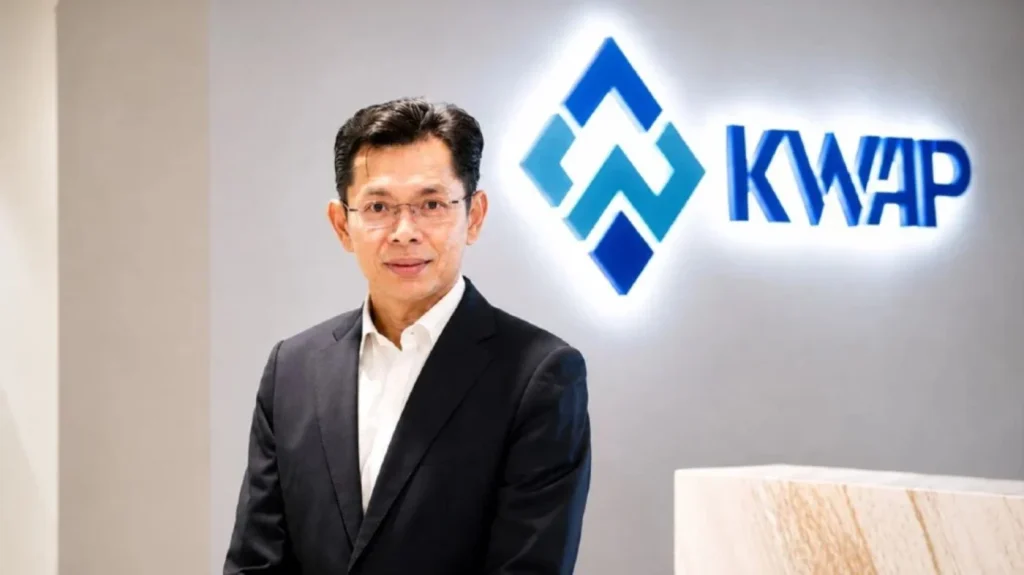
In an industry long dominated by global heavyweights, Global TechSolutions (GTS) is carving out a competitive edge through speed, adaptability, and strategic localisation. The Southeast Asia-based SME is steadily reinforcing Malaysia’s position in the semiconductor value chain by offering integrated engineering solutions and a resilient, regionally mirrored supply model. “We mitigate risks through a diversified sourcing strategy and regional repair capabilities,” says Kenneth Lee Wee Ching, CEO of GTS. “In Malaysia, this gives our clients nearshore access to critical services, reducing dependency on single-source components and improving response time.” GTS’s operational footprint spans Singapore, Malaysia, Taiwan, and the United States, enabling business continuity even during geopolitical tensions or logistics disruptions. This redundancy model is central to how the company safeguards production timelines for its clients across the semiconductor landscape. Malaysia remains a strategic hub in GTS’s expansion plans due to its strengths in assembly, testing, and advanced packaging. According to the Economist Intelligence Unit, the country contributes approximately 13% to global semiconductor packaging and testing activities, underscoring its pivotal role in the industry. ​ “A strong local presence allows us to deliver faster turnaround, cost efficiency, and customised support—advantages that centralised global players often struggle to provide,” Kenneth explains. The company’s ability to deliver end-to-end equipment solutions, from parts and refurbishment to installation and field service, provides significant value for Malaysian fabs that require flexibility and responsiveness in a rapidly evolving sector. “GTS stands out because we are agile. We offer a full suite of semiconductor equipment services tailored to different customer needs, and we can qualify and deploy solutions quickly,” Kenneth says. “Our streamlined decision-making helps us outperform larger competitors burdened by slower internal processes.” Beyond its business operations, GTS is also playing an active role in supporting Malaysia’s broader semiconductor ambitions. The industry continues to face challenges such as increasing operational costs, limited access to advanced fabs, and talent outflow. Malaysia experiences an average annual brain drain of 15% in the semiconductor sector, highlighting the need for focused talent retention strategies. ​ “We’re investing in local partnerships, training, and process innovation to help bridge the gap between industry needs and technological advancement,” Kenneth says. As part of this commitment, GTS is exploring the establishment of an advanced semiconductor parts manufacturing and development site in Malaysia. This move aligns with the government’s National Semiconductor Strategy, which includes a RM25 billion (approximately $5.3 billion) investment to bolster the sector. Technology also plays a key role in GTS’s growth. The company is investing in predictive maintenance systems, AI-driven diagnostics, and automation tools designed to increase yield and reduce downtime. “Digital transformation underpins everything we do,” Kenneth notes. “Even as an SME, our data-driven approach allows us to scale faster and compete in a high-precision environment.”​ Looking ahead, GTS anticipates Southeast Asia will become an increasingly important player in the global semiconductor space, especially as supply chains shift and AI adoption accelerates. Malaysia’s semiconductor exports reached approximately RM575 billion (US$130 billion) in 2024, reflecting its growing significance in the global market. ​ “Malaysia is well-positioned to anchor regional supply chains due to its strategic location and strong manufacturing base,” Kenneth says. “With the right investments and partnerships, the country can play a leading role in assembly, testing, and advanced packaging.” For SMEs eyeing growth in this competitive sector, Kenneth offers clear advice. “It’s not about doing everything. It’s about knowing where you add value, moving quickly, and solving real customer pain points. Agility is a superpower.” By staying focused on its strengths and aligned with regional growth trends, GTS is showing that size is no limitation when backed by innovation, speed, and strategic clarity.

The Executives

Compliance or Chaos? How Fintechs Can Stay Ahead in APAC

In a recent interview with The Exchange Asia, Damien Gough, Head of Asia Pacific at Thredd, highlighted the challenges fintech companies face in staying compliant across APAC’s diverse regulatory landscape. The region’s financial regulations are evolving rapidly, yet unlike the European Economic Area’s (EEA) “Passporting” arrangement, APAC lacks a unified framework. This forces fintechs to adapt to varying financial laws, data privacy regulations, and Know Your Customer (KYC) requirements in each market. One of the biggest hurdles fintech companies face is compliance with anti-money laundering (AML) and fraud prevention measures. Authorities in markets like Singapore have ramped up enforcement, issuing hefty fines for non-compliance. Cross-border payments also add complexity, as many fintechs still rely on outdated infrastructure while navigating country-specific regulations. Despite the rise of real-time payment systems, the industry continues to grapple with inefficiencies, making compliance a moving target. “Fintechs need to adopt newer technologies and regulatory tools that ensure compliance while delivering efficient services across jurisdictions,” says Gough. Recognising these challenges, Thredd has developed a suite of compliance and risk tools designed to support fintechs in meeting regulatory requirements efficiently. The platform incorporates fraud and scam transaction monitoring powered by AI, helping businesses detect suspicious activities in real-time while minimising reputational risks. Automation tools further simplify compliance tasks, reducing the need for excessive manual oversight. Additionally, Thredd streamlines dispute and chargeback management, ensuring fintechs remain compliant while operating seamlessly across different jurisdictions. For fintechs expanding in APAC, flexibility and adaptability are essential. “Partnering with companies like Thredd, which provide next-gen compliance tools, allows fintechs to automate compliance tasks and stay ahead of regulatory changes,” Gough explains. Establishing strong relationships with regulators and industry stakeholders is equally crucial. Thredd’s existing connections with local BIN Sponsors in key APAC markets help fintechs partner with licensed issuers, reducing market entry timelines by over a year in some cases. Cloud-based platforms and modular microservices tailored to local regulations further facilitate market integration, allowing fintechs to scale efficiently. While regulation can be perceived as a hurdle, it also presents an opportunity. “Regulation can be both a hurdle and an opportunity,” Gough notes. “Fintechs that embrace regulation early on can avoid the pitfalls of global scandals like FTX and Wirecard, where lack of oversight led to significant losses and reputational damage. Compliance-first fintechs position themselves as trustworthy partners, enhancing customer retention and growth.” A strong compliance framework builds trust among customers, regulators, and partners, positioning fintechs for long-term success. Regulators across APAC are increasingly embracing AI and automation as critical tools for fraud prevention and compliance. Markets like Singapore and Hong Kong recognise AI’s potential to enhance transaction monitoring, a key aspect of AML and KYC compliance. However, authorities also stress the importance of transparency in AI decision-making to prevent bias and ensure accountability. “Regulators in markets like Singapore and Hong Kong view AI as a valuable compliance tool, but they also stress the need for transparency in decision-making to mitigate bias and prevent ‘black-box’ models that are difficult to audit,” says Gough. The rise in financial fraud and scams has led to new regulatory measures, including Singapore’s Shared Responsibility Framework (SRF) and Australia’s Scams Prevention Framework Act 2025, which emphasise real-time monitoring and accountability. The tightening of regulations in APAC has been influenced by global financial scandals, prompting authorities to strengthen oversight. In response to cases like Wirecard and FTX, regulatory bodies in Singapore and Hong Kong have ramped up AML enforcement and introduced stricter digital asset frameworks to maintain financial stability. “In Singapore, enforcement actions against AML breaches have increased, and regulators in Hong Kong and Singapore are strengthening their frameworks for digital assets to ensure financial stability,” Gough highlights. Despite growing regulatory pressures, many fintech startups still make the mistake of neglecting compliance early on. Some underestimate the complexity of financial regulations, leading to costly penalties and operational setbacks. “Investing in robust compliance tools and legal expertise early on can help fintechs avoid these pitfalls,” Gough advises. Additionally, failing to update systems in line with evolving regulations can leave fintechs vulnerable to compliance risks. “Working with a trusted payments partner, like Thredd, ensures fintechs stay compliant with the latest standards and requirements.” Thredd plays a vital role in helping fintechs navigate these challenges by offering fraud monitoring, scam transaction detection, and 3D Secure solutions that simplify compliance across multiple jurisdictions. “Our solutions are integrated with our platform to ensure full compliance across multiple jurisdictions. We also offer scalable, cloud-based services tailored to local regulatory requirements, allowing fintechs to expand efficiently while remaining compliant,” Gough explains. APAC’s fintech industry has undergone a significant transformation over the past two decades, evolving from expanding banking access to driving innovation in payments, lending, insurance, and wealth management. The future of fintech in the region will revolve around digital assets, blockchain, and AI integration. “The future of fintech in APAC will revolve around digital assets, blockchain, and AI integration. These technologies will facilitate low-cost cross-border payments and real-time settlements as regulatory frameworks mature,” Gough predicts. For fintechs looking to scale while staying compliant, the key is to integrate regulatory adherence into business operations from day one. “My advice is simple: invest in the right technology and integrate compliance into your business from day one,” Gough emphasises. “Fintechs that establish scalable, compliant systems early on are the ones that succeed. Automated fraud detection, real-time monitoring, and regulatory reporting infrastructure will make regulatory navigation much smoother.” Embedding compliance into a company’s DNA not only ensures regulatory adherence but also strengthens its position in an increasingly competitive fintech landscape.

ESG, The Executives

Carbon Credits in Months, Not Years—TRST01’s Breakthrough

In an exclusive interview with The Exchange Asia, Manoj Vembu, Director of TRST01, shared insights into how the company is leveraging blockchain to enhance data integrity, sustainability reporting, and carbon credit verification. “Our goal is to build trust in supply chains by ensuring transparency and accountability at every stage,” Vembu emphasized. As a leader in supply chain traceability, TRST01 is at the forefront of integrating digital Measurement, Reporting, and Verification (dMRV) solutions to help businesses navigate evolving regulatory landscapes. Data Immutability at the Core of Sustainability Unlike traditional blockchain solutions, TRST01 embeds data immutability at the point of collection. Through mobile-based photo documentation and IoT sensors, the company ensures real-time, tamper-proof data that strengthens sustainability claims. “This innovation has reduced the carbon credit verification process from two years to just six months,” Vembu explained, making it more accessible for businesses and smallholder farmers. For example, TRST01’s dMRV system measures methane reduction in biogas projects and paddy fields, converting the metrics into tokenized carbon credits. With carbon credits valued at $20 per credit, small biogas digesters can generate up to 20 credits, increasing farmer revenue while driving climate-positive change. Enhancing Supply Chain Traceability TRST01’s flagship solution, TRST01Chain®, is transforming traceability across industries like natural rubber and coffee. Currently, 85% of the world’s natural rubber used in tire manufacturing is being traced through the platform, helping companies such as Apollo Tyre and JK Tyre meet ISCC and EUDR compliance standards. Beyond large enterprises, TRST01 also supports small-scale producers. OVO Farm, an agricultural business in India, uses TRST01’s Footprint® solution to enhance transparency in egg production. “By enabling consumers to scan a QR code and access detailed supply chain data, we are empowering them to make informed choices while ensuring food safety compliance,” Vembu noted. Overcoming Traceability Challenges Businesses face several hurdles when implementing traceability solutions: Data Fragmentation: A lack of unified tracking systems. Regulatory Compliance Burden: Detailed proof of sourcing is required under regulations like EUDR. Cost and Complexity: Many solutions are expensive and inaccessible to smallholder farmers. TRST01 addresses these challenges through: Seamless Integration: TRST01Chain® works with existing ERP systems, reducing adoption barriers. Blockchain for Data Integrity: Preventing data tampering and ensuring credibility. Scalability & Accessibility: Enabling even smallholder farmers to comply with global standards. Expanding into New Industries TRST01 is extending its solutions to palm oil, cocoa, rice, and regenerative agriculture. Each sector has unique sustainability challenges: Palm Oil: High deforestation risks and labor concerns. Cocoa: Child labor issues and fair trade certification challenges. Rice: Methane emissions from flooded paddy fields. In rice farming, TRST01’s dMRV system is enabling sustainable practices like Alternate Wetting and Drying (AWD), which: Reduces water use by 60%. Cuts methane emissions by 70%. Increases crop yields by 10-15%. “By integrating blockchain-based carbon credit verification, we are helping rice farmers monetize their sustainability efforts, earning up to $60 per hectare per year,” Vembu highlighted. Automating ESG Reporting with Footprint® As ESG reporting becomes mandatory, TRST01’s AI-driven Footprint® solution automates Scope 1, 2, and 3 emissions tracking. The platform aligns with global frameworks such as SGX, ISSB, TCFD, and EU Sustainability Reporting Standards, helping companies reduce compliance risks while maintaining transparency. Palmolive (India) is one example of a company that has improved its ESG strategy using Footprint®, streamlining sustainability tracking and enhancing investor confidence. Making Carbon Credits More Accessible Small-scale farmers often struggle to participate in carbon markets due to verification complexities. TRST01’s dMRV system bridges this gap by: Using IoT sensors to quantify emissions reductions. Tokenizing carbon credits on blockchain for security. Reducing verification time from two years to six months. Enabling farmers to earn additional income through carbon credits. “We want to democratize access to carbon credits, making sustainability financially rewarding for every stakeholder in the supply chain,” Vembu stated. The Future of Sustainable Supply Chains TRST01 is expanding into Latin America, Africa, Europe, and Southeast Asia to drive sustainability in agriculture, carbon credit verification, and ethical sourcing in fashion. The company is also forming Public-Private Partnerships (PPP) to standardize global sustainability reporting. One such initiative is iSNR, a collaboration between TRST01 and the India Rubber Board, covering 888,400 hectares of rubber plantations and 1.2 million farmers. “Through such partnerships, we aim to improve economic opportunities for farmers while ensuring compliance with global sustainability standards,” Vembu affirmed. As regulatory landscapes evolve, businesses must adopt end-to-end traceability, automate ESG reporting, and leverage carbon credits to stay competitive. With blockchain-driven innovations, TRST01 is shaping the future of sustainable supply chains—ensuring transparency, compliance, and real climate impact.

The Executives

APAC’s Fintech Maze: Who Thrives, Who Fails

In a recent interview with The Exchange Asia, Damien Gough, Head of Asia Pacific at Thredd, highlighted the challenges fintech companies face in staying compliant across APAC’s diverse regulatory landscape. The region’s financial regulations are evolving rapidly, yet unlike the European Economic Area’s (EEA) “Passporting” arrangement, APAC lacks a unified framework. This forces fintechs to adapt to varying financial laws, data privacy regulations, and Know Your Customer (KYC) requirements in each market. One of the biggest hurdles fintech companies face is compliance with anti-money laundering (AML) and fraud prevention measures. Authorities in markets like Singapore have ramped up enforcement, issuing hefty fines for non-compliance. Cross-border payments also add complexity, as many fintechs still rely on outdated infrastructure while navigating country-specific regulations. Despite the rise of real-time payment systems, the industry continues to grapple with inefficiencies, making compliance a moving target. “Fintechs need to adopt newer technologies and regulatory tools that ensure compliance while delivering efficient services across jurisdictions,” says Gough. Recognising these challenges, Thredd has developed a suite of compliance and risk tools designed to support fintechs in meeting regulatory requirements efficiently. The platform incorporates fraud and scam transaction monitoring powered by AI, helping businesses detect suspicious activities in real-time while minimising reputational risks. Automation tools further simplify compliance tasks, reducing the need for excessive manual oversight. Additionally, Thredd streamlines dispute and chargeback management, ensuring fintechs remain compliant while operating seamlessly across different jurisdictions. For fintechs expanding in APAC, flexibility and adaptability are essential. “Partnering with companies like Thredd, which provide next-gen compliance tools, allows fintechs to automate compliance tasks and stay ahead of regulatory changes,” Gough explains. Establishing strong relationships with regulators and industry stakeholders is equally crucial. Thredd’s existing connections with local BIN Sponsors in key APAC markets help fintechs partner with licensed issuers, reducing market entry timelines by over a year in some cases. Cloud-based platforms and modular microservices tailored to local regulations further facilitate market integration, allowing fintechs to scale efficiently. While regulation can be perceived as a hurdle, it also presents an opportunity. “Regulation can be both a hurdle and an opportunity,” Gough notes. “Fintechs that embrace regulation early on can avoid the pitfalls of global scandals like FTX and Wirecard, where lack of oversight led to significant losses and reputational damage. Compliance-first fintechs position themselves as trustworthy partners, enhancing customer retention and growth.” A strong compliance framework builds trust among customers, regulators, and partners, positioning fintechs for long-term success. Regulators across APAC are increasingly embracing AI and automation as critical tools for fraud prevention and compliance. Markets like Singapore and Hong Kong recognise AI’s potential to enhance transaction monitoring, a key aspect of AML and KYC compliance. However, authorities also stress the importance of transparency in AI decision-making to prevent bias and ensure accountability. “Regulators in markets like Singapore and Hong Kong view AI as a valuable compliance tool, but they also stress the need for transparency in decision-making to mitigate bias and prevent ‘black-box’ models that are difficult to audit,” says Gough. The rise in financial fraud and scams has led to new regulatory measures, including Singapore’s Shared Responsibility Framework (SRF) and Australia’s Scams Prevention Framework Act 2025, which emphasise real-time monitoring and accountability. The tightening of regulations in APAC has been influenced by global financial scandals, prompting authorities to strengthen oversight. In response to cases like Wirecard and FTX, regulatory bodies in Singapore and Hong Kong have ramped up AML enforcement and introduced stricter digital asset frameworks to maintain financial stability. “In Singapore, enforcement actions against AML breaches have increased, and regulators in Hong Kong and Singapore are strengthening their frameworks for digital assets to ensure financial stability,” Gough highlights. Despite growing regulatory pressures, many fintech startups still make the mistake of neglecting compliance early on. Some underestimate the complexity of financial regulations, leading to costly penalties and operational setbacks. “Investing in robust compliance tools and legal expertise early on can help fintechs avoid these pitfalls,” Gough advises. Additionally, failing to update systems in line with evolving regulations can leave fintechs vulnerable to compliance risks. “Working with a trusted payments partner, like Thredd, ensures fintechs stay compliant with the latest standards and requirements.” Thredd plays a vital role in helping fintechs navigate these challenges by offering fraud monitoring, scam transaction detection, and 3D Secure solutions that simplify compliance across multiple jurisdictions. “Our solutions are integrated with our platform to ensure full compliance across multiple jurisdictions. We also offer scalable, cloud-based services tailored to local regulatory requirements, allowing fintechs to expand efficiently while remaining compliant,” Gough explains. APAC’s fintech industry has undergone a significant transformation over the past two decades, evolving from expanding banking access to driving innovation in payments, lending, insurance, and wealth management. The future of fintech in the region will revolve around digital assets, blockchain, and AI integration. “The future of fintech in APAC will revolve around digital assets, blockchain, and AI integration. These technologies will facilitate low-cost cross-border payments and real-time settlements as regulatory frameworks mature,” Gough predicts. For fintechs looking to scale while staying compliant, the key is to integrate regulatory adherence into business operations from day one. “My advice is simple: invest in the right technology and integrate compliance into your business from day one,” Gough emphasises. “Fintechs that establish scalable, compliant systems early on are the ones that succeed. Automated fraud detection, real-time monitoring, and regulatory reporting infrastructure will make regulatory navigation much smoother.” Embedding compliance into a company’s DNA not only ensures regulatory adherence but also strengthens its position in an increasingly competitive fintech landscape.

The Executives

From a Teenage Hustle to a Fashion Empire: The SVG Worldwide Story

https://youtu.be/xOtWHmEPXY0 In the competitive landscape of fashion, differentiation is key highlights –  Ashraf Anuar, the entrepreneur behind SVG Worldwide, who has successfully positioned his brand as a prominent Malaysian streetwear label. What began with a modest RM50 investment has evolved into a business offering a unique blend of street fashion culture.  Strategic Foundations  SVG Worldwide was established with a clear vision, introducing innovation to the Malaysian fashion market. With limited capital but a strong entrepreneurial drive, Ashraf focused on creating distinct, high-quality designs. Reflecting on his early challenges, he stated, “The key factor was my determination to improve my family’s situation. I committed my energy to building something substantial and sustaining that momentum.”  The brand name ‘SVG Worldwide’ was inspired by a moment of spontaneity. “My younger brother was playing Mobile Legends, and as the game characters ranked up, he kept hearing the word ‘Savage.’ The word stuck with me, and over time, it gained recognition, so I decided to solidify it as the brand’s identity,” Ashraf recalled.  Market Penetration and Differentiation  Prior to launching, Ashraf conducted a market analysis to identify gaps in the industry. “We observed that most designs followed repetitive patterns. Our strategy was to introduce distinctive styles while maintaining superior quality, rather than focusing on mass production,” he explained. This commitment to exclusivity positioned SVG Worldwide as a premium streetwear brand.  A pivotal moment for the brand occurred in 2023 with its collaboration with Neonate for the ‘Race Day’ fashion show at Sepang International Circuit. The event, which attracted over 3,000 attendees, reinforced SVG Worldwide’s market presence. “We ensure our collections remain dynamic and adaptable to new trends. This adaptability is crucial for maintaining relevance in the industry,” Ashraf noted.  Cultivating Brand Loyalty  Beyond fashion, SVG Worldwide emphasises community engagement as a core business strategy. “Our customers are integral to our brand identity. We foster loyalty through exclusive events, limited-edition product drops, and special incentives for top customers,” Ashraf said. He also leverages social media to bridge Malaysian and global fashion influences. “Consumers look to me for style inspiration. I use my platform to demonstrate how to integrate Malaysian cultural elements into global fashion trends, ensuring local representation in the industry.”  Scaling for Long-Term Growth  Navigating business expansion while preserving brand integrity remains a key focus for Ashraf. “One of the biggest lessons I’ve learned is the importance of financial reinvestment. Many young entrepreneurs allocate earnings toward luxury items rather than reinvesting in sustainable business growth,” he observed.  Looking ahead, SVG Worldwide is poised for international expansion. “Our next objective is to establish a global footprint by opening physical stores in key markets and building an extensive customer database,” he revealed.  For Ashraf, continuous innovation and strategic risk-taking are essential. “Rather than saying ‘I can’t do it,’ I view challenges as opportunities I haven’t tackled yet. The possibilities are limitless,” he concluded.  From a small startup to a thriving enterprise, SVG Worldwide exemplifies the power of strategic vision, resilience, and customer-centric branding. As the company continues to expand, it remains a significant player in the evolving fashion industry. 

The Executives

Living, Not Just Retiring: Diane Chia is Changing the Game for Senior Living

https://youtu.be/fboqCmardgYAs the ageing population grows, the need for purposeful senior living has never been greater. Diane Chia, Co-founder of L1vin and Executive Director of Millennia Village, is reshaping the narrative around ageing, moving beyond care to empowerment. At Millennia Village, she and her team are building more than a residence; they are fostering a vibrant community where seniors can thrive with independence, well-being, and a renewed sense of purpose.   Diane’s career began in real estate, a field traditionally dominated by men. Working as a real estate agent for 10 years in China, she quickly learned to navigate the industry’s fast-paced and high-stakes environment – simultaneously facing the challenge of proving herself in a fiercely competitive market.  “As a woman in real estate, especially in China, I had to work twice as hard to gain credibility,” Diane recalls. “The industry is tough, and you are constantly proving yourself. But I learned that success comes from knowledge, confidence, and persistence.”  Her years in real estate gave her a strong foundation in building communities, but it was her time in China that sparked a deeper awareness of health and wellness. Living in a country where air pollution was a constant concern, she became increasingly conscious of the importance of well-being. This personal awakening, further reinforced by the COVID-19 pandemic, led her to explore holistic health solutions, not just for herself, but for others.  Initially, Diane joined L1vin, a natural health and wellness product company who believe in nutrition as a preventive medicine, as an ambassador, drawn to the brand’s mission of promoting natural health solutions. Her passion for wellness and ability to connect with people made her a natural advocate. Seeing her dedication, L1vin’s co-founder proposed a partnership, recognising her potential to help expand the brand’s product line and reach.  “At L1vin, we don’t just sell products; we educate people about wellness,” Diane explains. “We work with nutritionists, doctors, and fitness experts to help people integrate health into their daily lives. That same philosophy applies to Millennia Village.”  By merging her expertise in real estate with her commitment to wellness, Diane has helped shape L1vin into more than just a product brand, it’s a movement centered around holistic living. Now, she brings that same vision to Millennia Village, creating a senior living experience that prioritises health, independence, and a strong sense of community.  A Vision Rooted in Legacy and Purpose   Millennia Village was born from a deeply personal vision, to transform an old idle quarry site in Seremban, Diane’s hometown, into a sanctuary for senior living. Once a bustling mining site, the land had remained unused for two decades. Instead of letting it go to waste, the founders of Millennia Village envisioned a senior living space where they themselves would want to reside.   “My dad and his friends often talked about where they’d like to live when they got older,” Diane shares. “They wanted a place where they could still be active, where they weren’t just waiting for time to pass. That’s what sparked this whole idea.”   This project was never just about building another retirement home, it was about creating a meaningful space where seniors could live life on their own terms. Recognising a gap in the industry, the team sought to go beyond care facilities by establishing a vibrant, empowering community.   Bridging the Gap in Senior Living   Unlike traditional senior care facilities, Millennia Village is designed for active, independent seniors rather than those requiring assisted care. This distinction sets them apart. While ensuring accessibility with wheelchair-friendly ramps, spacious corridors, and support bars in washrooms, the village is built for residents who want to maintain an active and engaging lifestyle.   “We want to change the narrative around senior living,” Diane emphasises. “It’s not just about ‘where do I go when I can’t live alone?’ It’s about ‘where can I go to truly live my best years?’”   Overcoming Challenges and Changing Mindsets   Building Millennia Village came with its fair share of challenges. Constructing on a former quarry site required extensive modifications, significantly increasing costs and logistical complexities. The COVID-19 pandemic further delayed the project, pushing its official launch to June 2024.   But the biggest challenge? Shifting public perception. Many still see senior living as a last resort rather than an opportunity for a fulfilling lifestyle.   “There’s a stigma around senior living communities,” Diane acknowledges. “People think of them as a place you go when you have no other choice. But we want to show that it can be a conscious, empowering decision, one that allows seniors to maintain their independence while having a supportive community around them.”   Balancing Compassion and Business in Senior Care   Running a senior living community requires more than just operational efficiency, it demands genuine compassion. Diane emphasises the importance of hiring the right people, those who not only have hospitality skills but also possess a deep empathy for the elderly.   “It’s almost like a calling,” she explains. “You need people who are patient, kind, and willing to listen. The elderly have lived full lives, and they deserve to be heard and respected.”   Beyond residents, this philosophy extends to staff as well, fostering a workplace culture that prioritises care and community.   A Future of Thriving Communities   As Millennia Village grows, Diane hopes to change the way people view ageing. She envisions a future where senior living is not just about care, but about connection, activity, and purpose.   “With an ageing population, we need to start thinking differently,” she says. “It’s not just about creating places for seniors to live, it’s about creating spaces where they can truly thrive.”   Millennia Village is more than just a residence; it’s a movement towards a new way of ageing, one that celebrates independence, well-being, and the joy of community. As the landscape of senior living evolves, Diane’s work is paving the way for a future where growing older is not about limitations but about new opportunities to live fully, with purpose and dignity.   Advice for the Next Generation of Entrepreneurs   When asked about

The Executives

Sometime by Asian Designers Celebrates Asian Creativity

Some people are content with following the conventional career path, but not Stan Chooi. The co-founder of Sometime by Asian Designers felt something was missing in his life while working in the marketing and branding world. He wanted to create something bigger, something that had meaning. That ‘something’ turned into Sometime, a brand that has redefined designer bags in Asia.  Stan Chooi & Nicole Wong, Co- Founders of Sometime By Asian Designers.Source: Sometime A Leap of Faith  Stan didn’t come from a fashion design background. In fact, he knew nothing about making bags. What he did know, however, was branding and business. Over a casual conversation with his friend, now business partner and wife, Nicole Wong, an idea began to take shape. Nicole, at the time, was a product specialist who advised designers behind luxury brands in designing and producing their collections. With her expertise in product development and his strength in branding, they saw an opportunity. What if they could create high-quality designer bags that were not limited to the elite? What if they could offer designer craftsmanship at a fraction of the traditional cost?  Redefining Designer Bags  Stan was never interested in just another luxury brand. Instead, he wanted to prove that you don’t need a big logo or an inflated price tag to own a well-designed, high-quality bag. By handling their own production, Sometime cut out unnecessary markups, allowing them to focus purely on craftsmanship and affordability.  The result? A designer bag without the “luxury” markup, making it possible for fresh grads buying their first ‘grown-up’ bag or young professionals looking for a stylish yet practical accessory to indulge in high-end designs without guilt.  One of the things that makes Sometime so unique is its unwavering commitment to Asian designers. From day one, Stan and his team have sought out talented creatives to collaborate with, providing a platform where designers’ names are just as important as the brand itself.  They’ve worked with Malaysian icons like Sazzy Falak, Vivy Yusof, Rizalman, Alia Bastamam, and Kamwei Fong. They even partnered with internationally renowned designer Jason Wu, who has dressed celebrities like Jessica Alba, Meghan Markle, and Lady Gaga. Each collaboration is a testament to Sometime’s mission which is to celebrate and elevate Asian creativity on a global stage. Growing a Brand, Sustainably  In an era where fast fashion dominates, Sometime is doing its part to be kinder to the planet. While achieving full sustainability is tough, they are making conscious efforts to reduce their environmental impact. Their heavy-duty collection is made of 90% recycled plastic and grosgrain, and from the beginning, they made the choice to stay away from animal leather. Instead, they invested in high-quality synthetic leather with microfiber, also known as vegan leather.  Their commitment to sustainability doesn’t stop there. The brand also sources natural cotton canvas from organic fields, avoiding chemical processing. While it’s impossible to be perfect, Sometime is constantly looking for ways to be more eco-conscious without compromising on quality or style.  From Online-Only to a Thriving Business  What started as a small online business has grown into something much bigger. In 2019, Sometime opened its first physical showroom at The Gardens Mall, Kuala Lumpur. Today, they have six showrooms across major locations, including One Utama, IOI City Mall Putrajaya, KL East Mall, Setia City Mall, and IOI Mall Puchong. In 2024, they moved into their 60,000 sq. ft. headquarters, complete with a production facility and warehouse, marking a new chapter of growth.   Despite this success, Stan maintains a “first-day” attitude, constantly learning, evolving, and never becoming complacent.  Lessons from the Toughest Years  Every entrepreneur faces challenges, and for Stan, 2022–2023 tested him in ways he never imagined. With family members battling cancer, he had to split his time between personal responsibilities and running the business. For the first time, he had to step back and trust his top management team to make the big decisions. It was a difficult adjustment, but one that ultimately strengthened the company.  “I learned to let go,” Stan admits. “Now, the top management team plans and presents strategies, and I just need to give the green light. It’s a better way to run a business.”  By now, he estimates that 80% to 90% of operations run smoothly without his direct involvement. Over time, his team has developed strong strategies, and most of the solutions they propose are already complete and ready to be implemented, his role is simply to give the final approval. This shift has reinforced one of the biggest lessons in leadership: trust. Trusting employees to take responsibility and execute their roles well is what allows a business to grow beyond its founders.  His leadership philosophy is simple but powerful, trust your people. Empower them. And always, always invest in the next generation of leaders.  What’s next for Sometime?   International expansion. While the brand already has global visibility thanks to its online presence, the next step is making its mark in new markets, starting with Indonesia.  Looking back, would Stan do it all over again?  “Maybe,” he says with a smile. “If I knew then what I know now, I would have thought things through a lot more. It would have taken me longer to start. But at the end of the day, the sacrifices, the long nights, the lessons, they were all worth it.”  From a simple idea to a brand that champions Asian designers and makes luxury accessible, Sometime by Asian Designers is proof that success isn’t just about fast growth. Sometimes, the best journeys are built on steady, meaningful progress. 

The Executives

The Power Behind Trillions: Why Governance in Sovereign Wealth Funds Matters

Sovereign Wealth Funds (SWFs) play a crucial role in managing national wealth, ensuring long-term economic stability, and generating financial returns. With over $11 trillion in global assets under management (Global SWF, 2024), their influence extends across global markets. However, ensuring effective governance and transparency remains a priority to maintain public trust and operational efficiency. Elsa Satkunasingam, Senior Business Development Advisor for Corporate and Sustainability Governance at the Asia School of Business (ASB), shares key insights into the evolving landscape of SWFs, emphasizing the importance of governance, investment strategies, and sustainability alignment. Governance and transparency are essential safeguards against financial mismanagement and political interference. “Clear governance processes ensure that SWFs effectively manage national wealth for both current and future generations,” says Satkunasingam. “Without these measures, SWFs risk losing public confidence, which is vital for long-term success.” Recent evaluations highlight varying levels of governance and transparency among SWFs. According to Global Sovereign Wealth Fund (Global SWF) rankings, Singapore’s GIC received mid-range scores, while Malaysia’s Khazanah Nasional has demonstrated marked improvement since 2021. Indonesia’s INA, alongside these funds, continues to enhance its governance by improving board selection disclosures, sustainability strategies, and crisis-prevention frameworks. “The improvements we see are encouraging, but there is still room for SWFs to increase transparency and accountability,” she adds. Khazanah Nasional and Singapore’s Temasek Holdings exemplify strong SWF management by balancing financial returns with socioeconomic development. They operate across domestic and international markets while maintaining independence, accountability, and alignment with their investment mandates. Notably, Temasek has been recognized for its high level of transparency. “Khazanah and Temasek are strong examples of how SWFs can remain independent while contributing to national development,” says Satkunasingam. Maintaining public trust is crucial for SWFs, as they are ultimately responsible for managing national wealth. “Transparent and accountable governance structures are necessary to protect against financial mismanagement and political interference,” says Satkunasingam. “A well-governed SWF ensures that investment decisions are made based on financial viability rather than political influence.” One of the primary challenges for SWFs is striking a balance between domestic investments and international diversification. While international investments help mitigate domestic risks and enhance portfolio returns, SWFs must also contribute to local socioeconomic development. “Diversification is necessary, but SWFs must also align their strategies with national economic priorities,” says Satkunasingam. Emerging technologies like artificial intelligence (AI) and blockchain are reshaping the investment landscape. Norway’s SWF, for instance, employs AI to optimize capital deployment, reducing trading costs and improving decision-making efficiency. At the International Forum of Sovereign Wealth Funds (IFSWF) in November 2024, members agreed to integrate AI into their investment strategies. “AI allows SWFs to analyze vast amounts of unstructured data quickly, detect emerging trends, and enhance transparency,” explains Satkunasingam. “This helps in identifying ESG risks, conflicts of interest, and ensuring more responsible investing.” SWFs are increasingly incorporating Environmental, Social, and Governance (ESG) principles into their investment strategies, recognizing the long-term economic risks posed by climate change. “There is a natural alignment between SWFs and sustainability goals, particularly in addressing climate-related risks,” says Satkunasingam. Although recent uncertainties, such as investor exits from the Net-Zero Asset Managers (NZAM) initiative, have created challenges, maintaining a steady ESG commitment is critical for resilience and long-term profitability. “Climate-related risks will only intensify, making ESG integration a non-negotiable strategy for SWFs,” she emphasizes. With the launch of the Sarawak Sovereign Wealth Future Fund (SSWFF), maintaining independence from political influence is paramount. Satkunasingam suggests key protective measures, including legal frameworks to shield the Board of Guardians and senior management from external pressure, holding leadership accountable for fund management, and launching public awareness initiatives to enhance transparency. “A robust governance framework will be critical to ensuring that Sarawak’s SWF remains independent and achieves its long-term financial and economic objectives,” she advises. As SWFs navigate an evolving financial landscape, governance, transparency, and sustainability remain at the forefront of their success. By adopting best practices, leveraging emerging technologies, and maintaining strong ethical standards, SWFs can fulfill their mandate of safeguarding national wealth while driving sustainable economic growth. With institutions like the Asia School of Business contributing to the discourse, the future of SWFs in Asia appears poised for greater accountability and strategic advancement.  

The Executives

Sometime by Asian Designers Celebrates Asian Creativity

Some people are content with following the conventional career path, but not Stan Chooi. The co-founder of Sometime by Asian Designers felt something was missing in his life while working in the marketing and branding world. He wanted to create something bigger, something that had meaning. That ‘something’ turned into Sometime, a brand that has redefined designer bags in Asia.  A Leap of Faith  Stan didn’t come from a fashion design background. In fact, he knew nothing about making bags. What he did know, however, was branding and business. Over a casual conversation with his friend, now business partner and wife, Nicole Wong, an idea began to take shape. What if they could create high-quality designer bags that were not limited to the elite? What if they could offer designer craftsmanship at a fraction of the traditional cost?  That idea turned into reality in 2012 when Sometime was born as an online-only business. With no physical stores and no middlemen, they could sell beautifully crafted designer bags at a price that was accessible to many, not just a select few.  Redefining Designer Bags  Stan was never interested in just another luxury brand. Instead, he wanted to prove that you don’t need a big logo or an inflated price tag to own a well-designed, high-quality bag. By handling their own production, Sometime cut out unnecessary markups, allowing them to focus purely on craftsmanship and affordability.  The result? A designer bag without the “luxury” markup, making it possible for fresh grads buying their first ‘grown-up’ bag or young professionals looking for a stylish yet practical accessory to indulge in high-end designs without guilt.  One of the things that makes Sometime so unique is its unwavering commitment to Asian designers. From day one, Stan and his team have sought out talented creatives to collaborate with, providing a platform where designers’ names are just as important as the brand itself.  They’ve worked with Malaysian icons like Sazzy Falak, Vivy Yusof, Rizalman, Alia Bastamam, and Kamwei Fong. They even partnered with internationally renowned designer Jason Wu, who has dressed celebrities like Jessica Alba, Meghan Markle, and Lady Gaga. Each collaboration is a testament to Sometime’s mission which is to celebrate and elevate Asian creativity on a global stage.    Growing a Brand, Sustainably  In an era where fast fashion dominates, Sometime is doing its part to be kinder to the planet. While achieving full sustainability is tough, they are making conscious efforts to reduce their environmental impact. Their heavy-duty collection is made of 90% recycled plastic and grosgrain, and from the beginning, they made the choice to stay away from animal leather. Instead, they invested in high-quality synthetic leather with microfiber, also known as vegan leather.  Their commitment to sustainability doesn’t stop there. The brand also sources natural cotton canvas from organic fields, avoiding chemical processing. While it’s impossible to be perfect, Sometime is constantly looking for ways to be more eco-conscious without compromising on quality or style.  From Online-Only to a Thriving Business  What started as a small online business has grown into something much bigger. In 2019, Sometime opened its first physical showroom at The Gardens Mall, Kuala Lumpur. Today, they have six showrooms across major locations, including One Utama, IOI City Mall Putrajaya, KL East Mall, Setia City Mall, and IOI Mall Puchong. In 2024, they moved into their 60,000 sq. ft. headquarters, complete with a production facility and warehouse, marking a new chapter of growth.   Despite this success, Stan maintains a “first-day” attitude, constantly learning, evolving, and never becoming complacent.  Lessons from the Toughest Years  Every entrepreneur faces challenges, and for Stan, 2022–2023 tested him in ways he never imagined. With family members battling cancer, he had to split his time between personal responsibilities and running the business. For the first time, he had to step back and trust his top management team to make the big decisions. It was a difficult adjustment, but one that ultimately strengthened the company.  “I learned to let go,” Stan admits. “Now, the top management team plans and presents strategies, and I just need to give the green light. It’s a better way to run a business.”  By now, he estimates that 80% to 90% of operations run smoothly without his direct involvement. Over time, his team has developed strong strategies, and most of the solutions they propose are already complete and ready to be implemented, his role is simply to give the final approval. This shift has reinforced one of the biggest lessons in leadership: trust. Trusting employees to take responsibility and execute their roles well is what allows a business to grow beyond its founders.  His leadership philosophy is simple but powerful, trust your people. Empower them. And always, always invest in the next generation of leaders.  What’s next for Sometime?   International expansion. While the brand already has global visibility thanks to its online presence, the next step is making its mark in new markets, starting with Indonesia.  Looking back, would Stan do it all over again?  “Maybe,” he says with a smile. “If I knew then what I know now, I would have thought things through a lot more. It would have taken me longer to start. But at the end of the day, the sacrifices, the long nights, the lessons, they were all worth it.”  From a simple idea to a brand that champions Asian designers and makes luxury accessible, Sometime by Asian Designers is proof that success isn’t just about fast growth. Sometimes, the best journeys are built on steady, meaningful progress.       

The Executives

Putrajaya Marriott Hotel Leads the Charge in MICE Innovation and Sustainability

The meetings, incentives, conferences, and exhibitions (MICE) industry is a vital sector within the hospitality landscape, and Putrajaya Marriott Hotel stands at the forefront, setting new benchmarks for seamless event execution, sustainability, and personalised service. Under the leadership of Nikie Mok, General Manager of Putrajaya Marriott Hotel, the property continues to evolve as a premier destination for business and leisure events in Malaysia and Southeast Asia. Creating Bespoke Experiences for MICE Events “At Putrajaya Marriott Hotel, we don’t just host events—we craft experiences that leave lasting impressions,” says Nikie Mok. “From corporate summits to grand celebrations, our team is dedicated to delivering impeccable service, state-of-the-art facilities, and customised solutions that align with our clients’ unique visions.” The hotel boasts over 20 flexible event spaces, including the rebranded Marriott Putrajaya International Convention Centre (MPICC), a key venue for large-scale conferences and exhibitions. Equipped with cutting-edge technology, hybrid event capabilities, and high-speed connectivity, these spaces cater to both in-person and virtual audiences. Additionally, dedicated event planners ensure that every detail is meticulously executed, offering organisers a seamless experience from planning to execution. Sustainability at the Heart of MICE Events Sustainability is a core pillar of Putrajaya Marriott Hotel’s MICE strategy. “As part of Marriott International’s commitment to sustainability, we integrate eco-friendly practices into our events,” Mok explains. “From energy-efficient lighting to waste management initiatives, we ensure that event organisers and attendees can make responsible choices without compromising on experience.” The hotel participates in the Connect Responsibly programme, offering a Meeting Impact Report (MIR) that calculates an event’s carbon and water footprint. Organisers can also opt to purchase carbon offset credits, further aligning their events with corporate ESG goals. Other sustainability efforts include: Sustainable Dining – Curated menus featuring plant-based options to reduce the environmental impact of food production. Waste Management & Upcycling – Workshops that promote recycling and upcycling, such as the Upcycled Plastic Pouch Workshop. Green Event Practices – Digital communication, reusable décor options, and solar-powered landscape lighting to minimise waste and energy use. Sustainability Sculpture – A symbolic centrepiece at the hotel, reflecting its commitment to environmental responsibility. A Personalised Approach to Event Planning Mok highlights the hotel’s dedication to personalised service. “Every event is unique, and our team works closely with organisers to tailor every aspect to their preferences,” she says. “From culturally significant weddings to high-level corporate retreats, we ensure that every detail is thoughtfully planned and executed.” The hotel offers a range of services to enhance the attendee experience: Dedicated event planning team – Experts who specialise in various event types, including Indian weddings and corporate conferences. Customised MICE packages – Options for wellness programmes, team-building activities, and bespoke dining experiences. Exclusive privileges for Marriott Bonvoy members – Loyalty perks such as personalised services and curated itineraries. Future-Proofing MICE Events in Southeast Asia Looking ahead, Putrajaya Marriott Hotel has ambitious plans to maintain its leadership in the MICE industry across Southeast Asia. Mok outlines key focus areas: Hybrid Event Expansion – Upgraded audiovisual systems and interactive tools to support seamless virtual and in-person integration. AI-Powered Smart Meetings – Incorporation of AI-driven tools for attendee engagement and event planning efficiency. Strengthening Regional & International Connectivity – Leveraging the upcoming IOI Resort City Express Line and IOI Airport Shuttle to attract global events. Enhanced Sustainability Efforts – Expansion of the Connect Responsibly programme and introduction of zero-waste event solutions. Cultural & Experiential Offerings – Integrating Malaysian art, culture, and cuisine into event experiences to enrich guest engagement. “Our goal is to remain at the forefront of the MICE industry by continuously innovating and enhancing our offerings,” says Mok. “With a strong focus on technology, sustainability, and personalised service, we aim to set new standards for event excellence in Malaysia and beyond.” As Putrajaya Marriott Hotel continues to elevate its MICE offerings, it reaffirms its position as a premier destination for organisers seeking world-class venues, sustainable solutions, and unparalleled hospitality. Whether for a corporate summit, a grand wedding, or an immersive conference, the hotel remains committed to delivering exceptional, memorable experiences.

Scroll to Top

Subscribe
FREE Newsletter