Facilities management has rarely been regarded as an industry synonymous with innovation. For decades, it has largely been viewed as an operational necessity—a business function focused on maintaining buildings, keeping environments clean and ensuring day-to-day upkeep behind the scenes.
Yet beneath the surface, the industry is undergoing a quiet transformation.
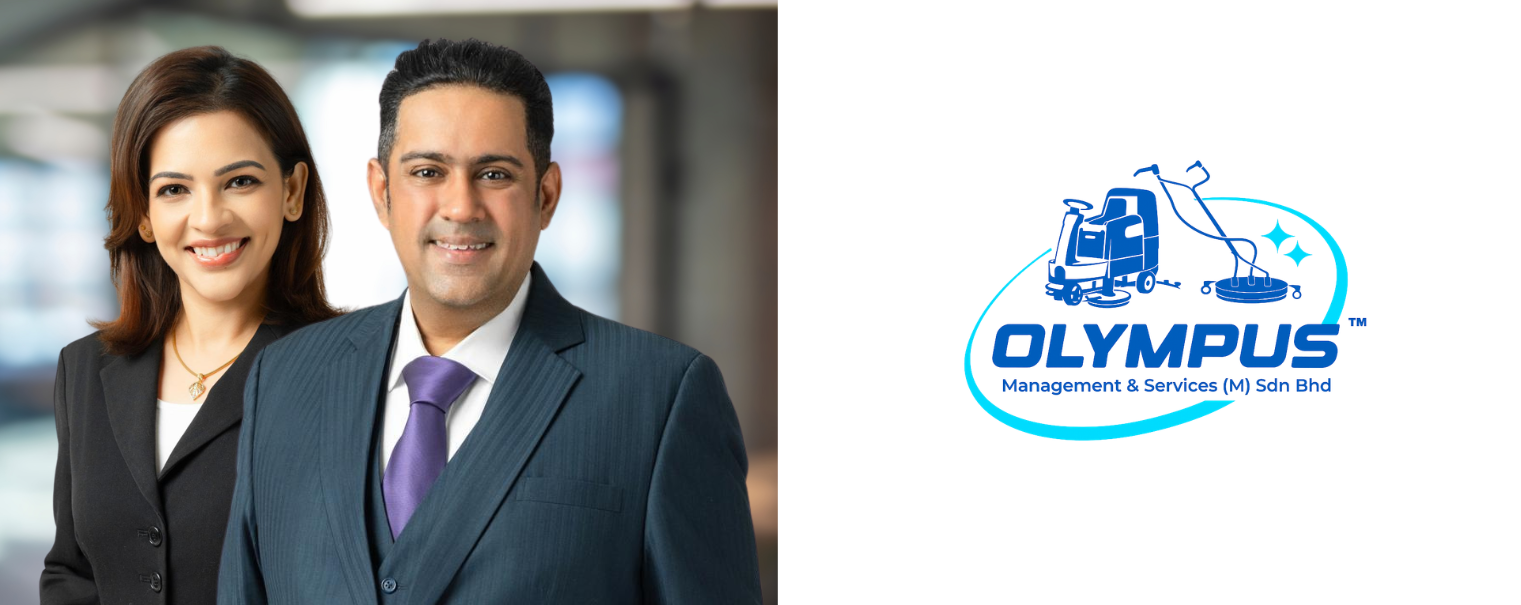
CEO of Olympus Management & Services (M) Sdn Bhd – Harvinderjit Singh & Edreena Kaur.
As businesses become increasingly focused on operational efficiency, sustainability, ESG compliance and smarter asset management, facilities management is emerging as a strategic function capable of influencing productivity, environmental performance and long-term business value.
It is precisely at this intersection where Olympus Management & Services (M) Sdn Bhd has chosen to position itself.
Rather than competing solely on manpower or pricing, the Malaysian company is building a business centred on operational innovation, sustainable technologies and intelligent systems—challenging long-held perceptions of what facilities management can become.
An Industry Ready for Reinvention
Many businesses continue to associate facilities management with routine maintenance, cleaning schedules and landscape services. Olympus sees something much larger.
The company believes the future belongs to facilities management providers capable of integrating technology, operational intelligence and environmental responsibility into every aspect of service delivery.
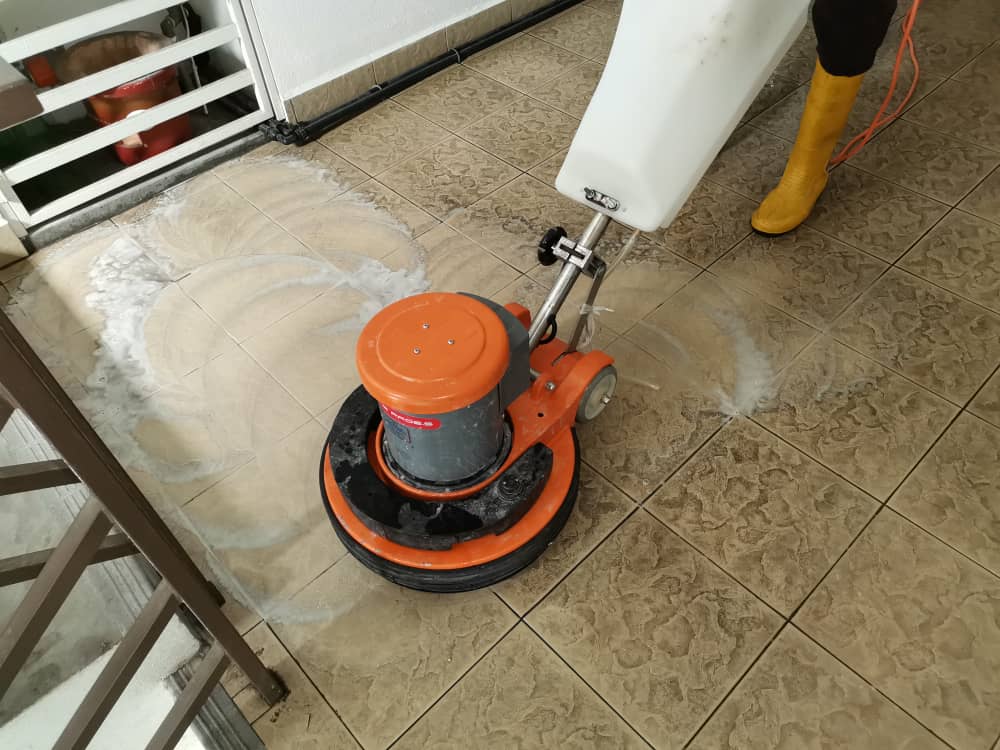
This philosophy has shaped the company’s evolution into a premium provider of integrated facilities solutions serving commercial developments, corporate offices, educational institutions, industrial facilities, condominiums and high-value properties across Malaysia.
Its services extend beyond professional cleaning and landscaping to include hygiene management, deep cleaning, customised maintenance programmes and comprehensive facility support. However, according to the leadership team, the real differentiator lies not in what clients see—but in the systems powering those outcomes.
Thinking Beyond Daily Operations
Scaling any service-based organisation presents challenges that are often invisible to customers.
For Olympus, growth has required far more than expanding its workforce or acquiring new contracts. As projects multiplied across multiple locations, maintaining consistent service quality, operational discipline and organisational culture became increasingly complex.
The leadership recognised that the systems which worked during the company’s early years could no longer support its long-term ambitions.
Instead of relying on founder-led decision-making, Olympus began investing in stronger internal structures, clearer accountability, leadership development and operational processes capable of supporting sustainable expansion.
This shift reflects an important lesson for many growing businesses: scaling successfully is often less about doing more work and more about building better systems.
Today, leadership is focused less on managing day-to-day operations and increasingly on strategic planning, talent development and creating an organisation capable of thriving beyond individual personalities.
Where Innovation Happens Behind the Scenes
Innovation in facilities management rarely attracts headlines.
Customers typically judge the finished result—a clean floor, a well-maintained landscape or an efficiently managed property—without seeing the engineering and operational improvements that make those outcomes possible.
Olympus has deliberately chosen to invest where many others do not.
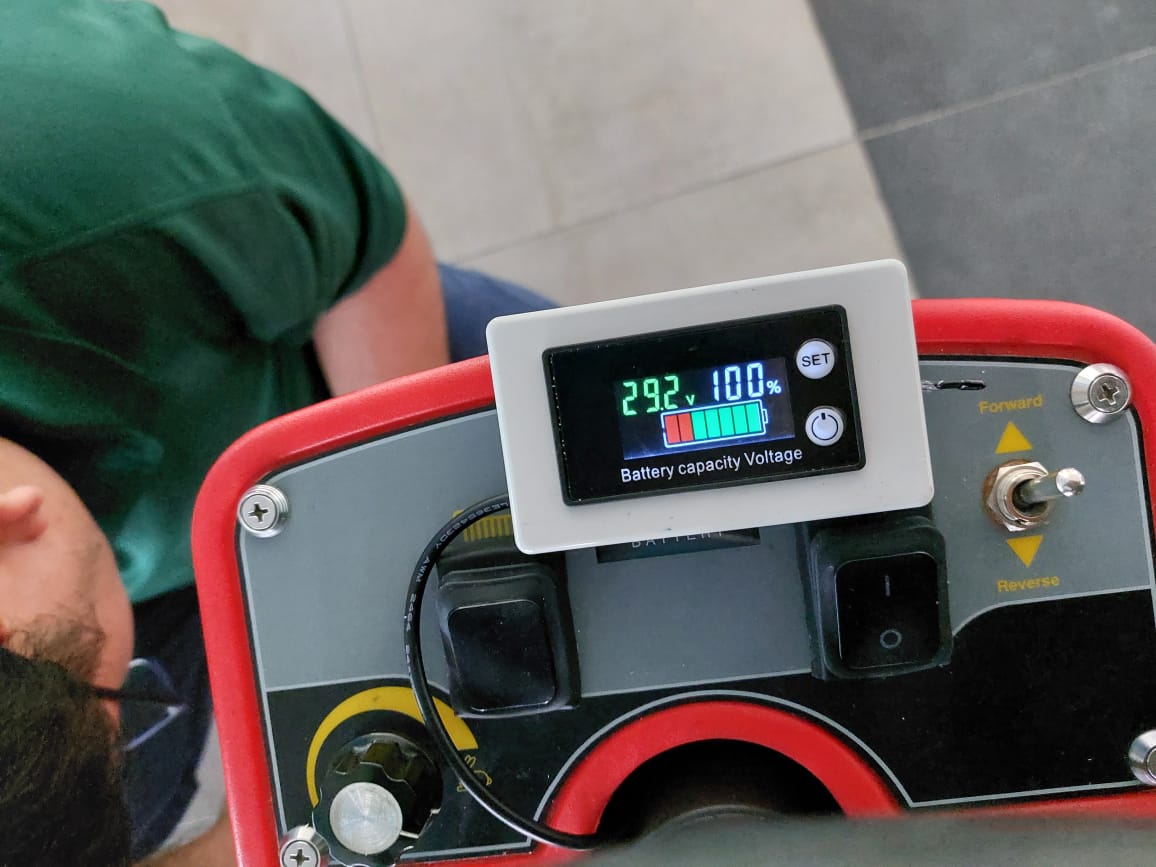
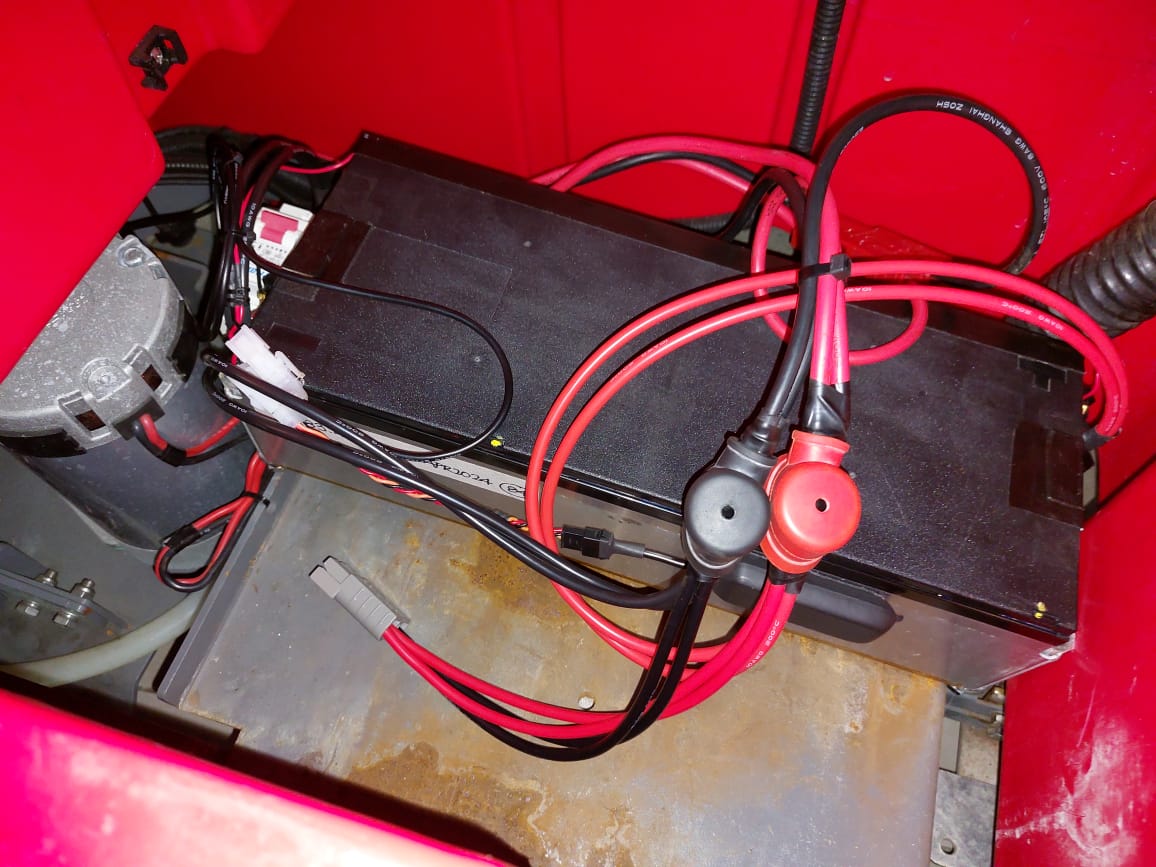
Among its most notable initiatives has been extensive research and development surrounding ride-on cleaning machinery, specifically aimed at increasing operational efficiency while reducing downtime.
Supported by the guidance of Dato’ Dennis Chuah, President of the Electric Vehicle Association of Malaysia, the company has undertaken the development of internally researched lithium-ion battery systems to replace conventional lead-acid batteries traditionally used in operational equipment.
Although requiring significantly higher upfront investment, the transition has produced measurable operational improvements.
Longer operating hours, faster charging cycles, reduced maintenance requirements and improved equipment reliability have enabled Olympus to enhance both productivity and service consistency while simultaneously reducing environmental impact.
For the company, innovation is not simply about purchasing newer equipment. It is about continuously questioning conventional industry practices and developing smarter alternatives that create lasting operational advantages.
Making ESG Operational Rather Than Promotional
Across many industries, ESG has become an increasingly familiar corporate narrative.
For Olympus, however, sustainability is viewed less as a communications strategy and more as a business operating model.
The company’s investment in lithium-ion operational systems serves as one example.
Rather than selecting the lowest-cost solution, Olympus prioritised long-term operational performance, energy efficiency and environmental responsibility—even when doing so meant accepting higher initial costs.
This philosophy reflects a broader organisational mindset.
Business decisions are evaluated not only on immediate financial returns but also on their contribution towards operational resilience, reduced environmental impact and long-term competitiveness.
Such an approach demonstrates that ESG initiatives become most meaningful when embedded within core business operations rather than treated as standalone corporate programmes.
Building the Next Generation of Facilities Management
Olympus’ ambitions extend well beyond improving today’s operations.
The company’s longer-term vision is to become a technology-driven integrated facilities solutions provider capable of delivering intelligent, data-enabled operational management.
Future developments include the integration of sensors, smart monitoring technologies, performance tracking systems and predictive maintenance capabilities across operational equipment.
The objective is to create connected ecosystems that provide clients with greater visibility into facility performance, operational efficiency and service quality.
Such capabilities would allow customers to move beyond traditional maintenance reporting towards real-time operational insights that support better decision-making.
As digital technologies increasingly reshape every industry, facilities management appears poised to undergo its own transformation—and Olympus intends to be part of that evolution.
Growth Built on People
Technology alone, however, is not enough.
The leadership acknowledges that sustainable growth ultimately depends upon building capable teams, developing future leaders and creating an organisational culture committed to continuous improvement.
As the business expands, investment in workforce training, operational discipline and leadership capability remains central to Olympus’ long-term strategy.
This people-first philosophy recognises that innovation becomes sustainable only when supported by skilled individuals capable of embracing new technologies, adapting to changing customer expectations and maintaining consistently high service standards.
It is an approach that balances technological advancement with human capability—ensuring the organisation evolves without losing the professionalism and reliability upon which its reputation has been built.
Looking Beyond the Industry
Facilities management may never be the most visible sector within the economy, but its role is becoming increasingly critical as organisations seek smarter, greener and more efficient ways to manage their built environments.
Olympus Management & Services represents a growing category of Malaysian companies redefining traditional industries through innovation rather than disruption.
By combining operational excellence with ESG principles, investing in research and development, and embracing technology as a long-term strategic advantage, the company is demonstrating that even industries built on routine operations can become platforms for meaningful innovation.
In many ways, Olympus is not simply cleaning buildings or maintaining facilities.
It is helping redefine what modern facilities management should look like in an increasingly intelligent, sustainable and connected future.