The supermarket aisle has become a place of calculation.
Consumers are looking at prices more carefully, comparing what they get for what they pay and deciding which brands still deserve a place in the trolley. But being more careful with money does not necessarily mean wanting less. If anything, expectations have become tougher: make it affordable, but don’t make it feel cheap.
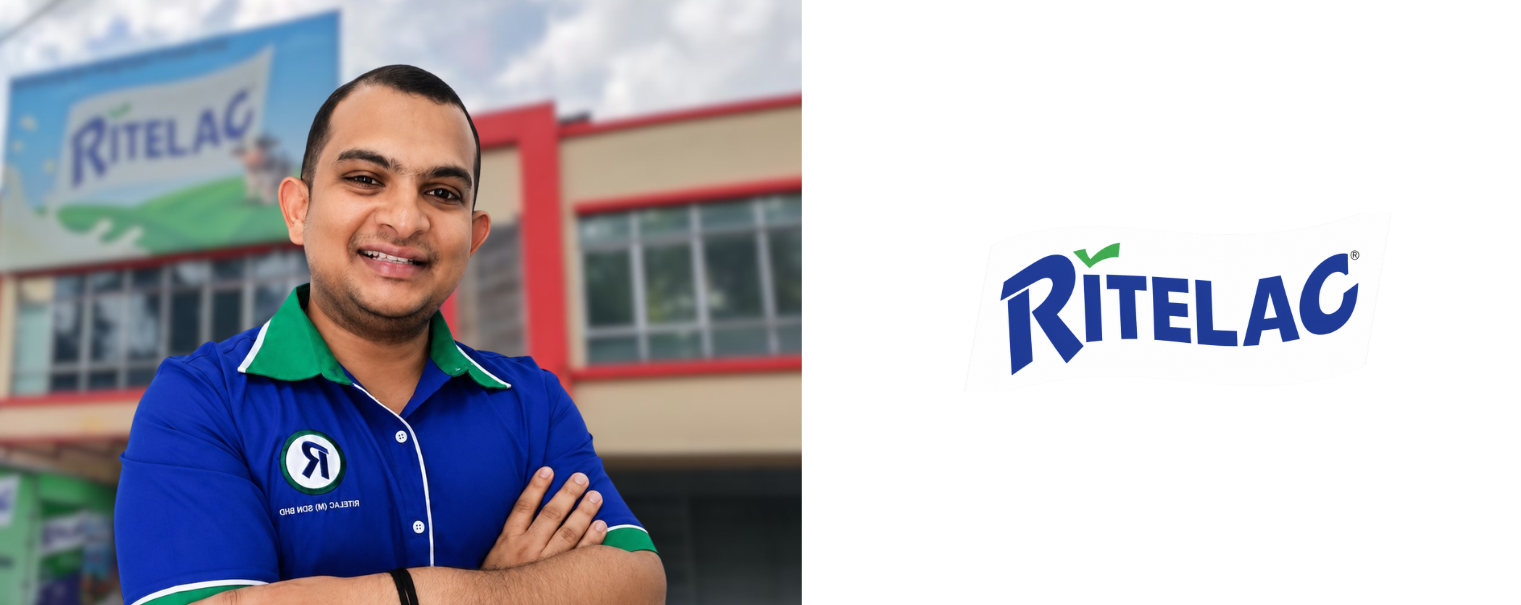
Managing Director of Ritelac (M) Sdn Bhd – Sri Rishikheshen Murugan.
That is the space Ritelac (M) Sdn Bhd wants to own.
The Malaysian FMCG company specialises in dairy-based and chocolate products, including milk powders and chocolate beverages, distributed through supermarkets, hypermarkets, wholesalers and independent retailers. Yet its bigger proposition is not simply what it sells. It is the balance it is trying to strike between quality, accessibility and price.
For Ritelac, that middle ground has become increasingly relevant.
The company saw a market largely divided between premium-priced products and cheaper alternatives. Its answer was not to join a race to the lowest possible price, but to build products for consumers who wanted affordability without feeling they were surrendering quality, taste or nutritional value.
Today, that proposition carries even greater weight.
As household costs rise, value has taken on a different meaning. Consumers are not simply hunting for the cheapest option. They are scrutinising what their money actually buys.
And that changes the game for brands.
Affordable Is No Longer Enough
There was once a fairly straightforward formula for competing on value: lower the price and attract the buyer.
Ritelac believes that formula is becoming less reliable.
Modern consumers expect consistency. They want products that taste good, meet appropriate standards and remain reasonably priced. For everyday categories such as milk powder and chocolate beverages, earning a regular place in the household also depends on something less tangible: trust.
Ritelac has therefore positioned its business around making quality nutrition more accessible while maintaining regulatory compliance, product consistency and supply reliability.
Behind the consumer-facing products is another equally important audience — retailers, wholesalers and distributors.
A product can only become part of everyday life if people can actually find it. That makes distribution a critical part of the company’s strategy. Ritelac has been expanding its retail footprint and strengthening partnerships that allow its products to reach consumers across Malaysia.
But expansion creates its own pressure.
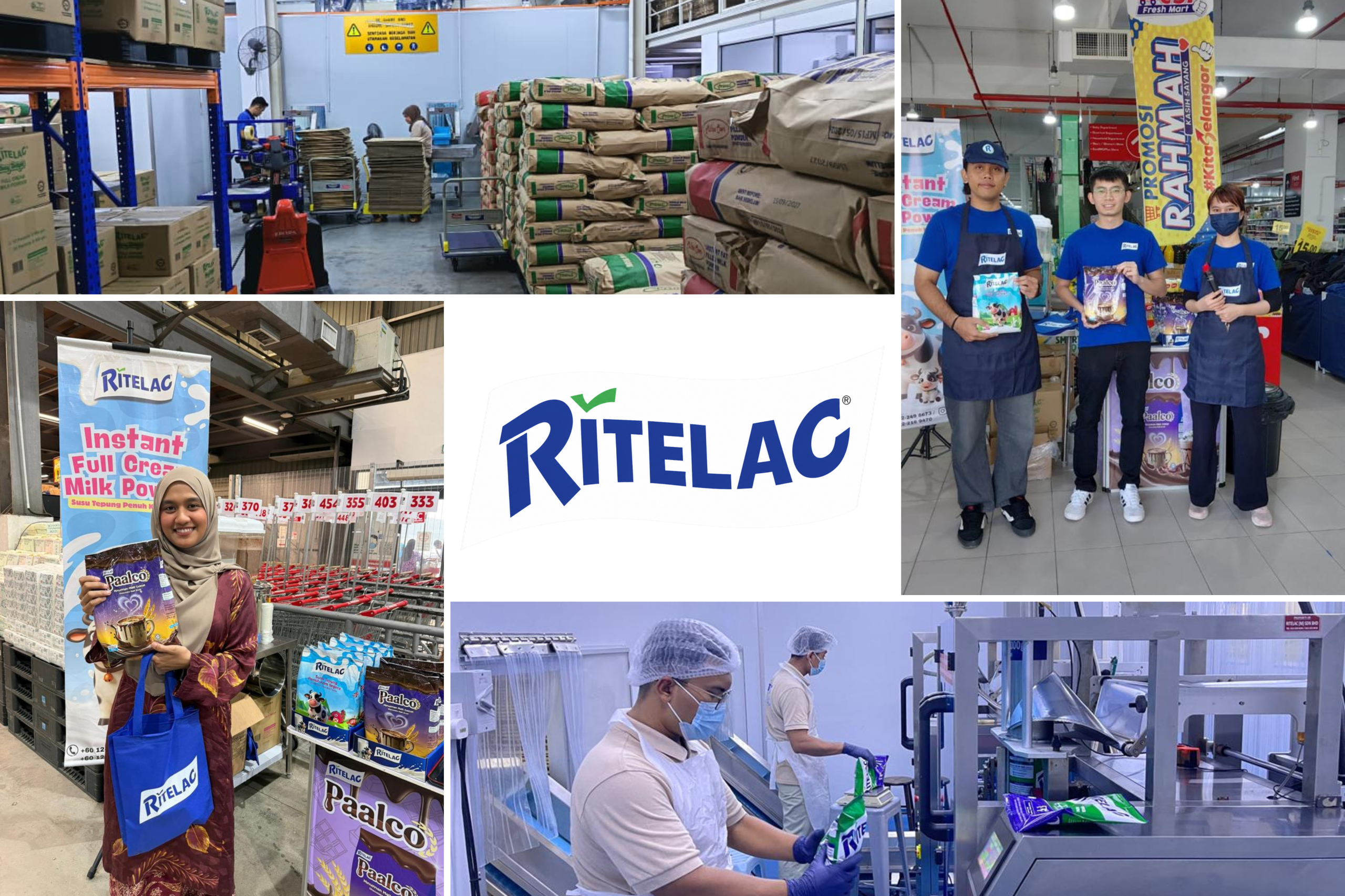
More customers, more outlets and greater volumes mean more complicated inventory planning, supply chain management, compliance requirements and expectations. What can be controlled through direct oversight in a smaller operation becomes considerably harder as a business scales.
Ritelac has responded by putting greater emphasis on systems, defined processes, data-driven decisions and accountability across the organisation.
The shift is significant. Growth becomes less about how much a company can sell and more about whether the organisation behind those sales can keep up.
The Discipline to Say No
Perhaps one of the more interesting elements of Ritelac’s strategy is what it chooses not to pursue.
The company says it will not chase growth at the expense of quality or compete purely on price in a race to the bottom. Instead, opportunities are evaluated through a longer-term lens, from product development and pricing to partnerships and market expansion.
That discipline may not be visible on a supermarket shelf, but Ritelac considers it one of its competitive strengths.
The same thinking influenced a notable decision over the past 12 to 18 months: investing ahead of demand.
Rather than waiting for expansion to stretch its operations before reacting, Ritelac allocated resources towards supply chain readiness, quality control and operational capabilities in parallel with growth.
It meant accepting higher costs upfront before all the commercial returns had materialised.
The logic was simple: growth should not move faster than the business supporting it.
That philosophy is shaping what comes next.
Ritelac wants to evolve from a growing Malaysian business into a recognised regional dairy and beverage brand. Doing so will require wider market reach, but internally it will also demand stronger leadership capabilities, more scalable systems, greater use of data and an organisation able to manage increasingly complex operations.
It is an ambition built less around getting big quickly than getting the foundations right.
Because in an increasingly crowded FMCG market, being affordable can get a product noticed.
Being consistently good is what might get consumers to buy it again.
And for Ritelac, that second purchase could matter far more than the first.