asia

News

Binance Billionaire Zhao Urges Regulators to Relax Crypto Rules in KL Appearance

KUALA LUMPUR: Crypto’s wealthiest figure, Changpeng Zhao, better known as “CZ,” made a spirited appearance at the Ritz-Carlton Kuala Lumpur on Tuesday, just months after completing a sentence in a low-security California prison. His focus now? Advising governments on shaping more progressive, innovation-friendly crypto regulations. “How many are regulators or from regulatory backgrounds here? OK, not many. So we’re safe,” Zhao joked to a full house, signalling a more relaxed tone but underlining a serious mission. Zhao’s renewed public presence marks a dramatic turn from his 2023 guilty plea to anti-money laundering violations that, according to US officials, allowed criminal groups and terrorist organisations to exploit Binance. In the aftermath, he stepped down as CEO, paid a US$50 million fine, and pledged to focus on investments with “impact” over returns. Now, he is taking a more active role in policy advisory, recently appointed as an adviser to Pakistan and Kyrgyzstan. His Tuesday meeting with Malaysian Prime Minister Anwar Ibrahim centred on the country’s potential to become a regional crypto hub. “I always encourage governments to take a more relaxed approach,” Zhao said, citing crypto-friendly jurisdictions like Dubai and Bahrain as regulatory models. Shifting Global Mindsets Zhao highlighted how the shift in the United States’ political climate under a more crypto-positive Trump administration has influenced global regulatory strategies. “With the US being so pro-crypto right now, all other governments need to be slightly more competitive to retain talent, attract funds, and draw investment,” he said. “I encourage most governments to be a little more progressive than the US.” A Wall Street Journal report recently claimed that Trump family representatives had discussed taking a stake in Binance’s US arm—though Zhao’s spokesperson denied such talks. Nevertheless, Zhao has reportedly lobbied for a presidential pardon. Binance’s History in Malaysia Binance’s track record in Malaysia has been turbulent. In July 2021, the Securities Commission Malaysia reprimanded the exchange and Zhao for operating illegally in the country. Since then, Binance has recalibrated its local approach, including taking a minority stake in Malaysian crypto exchange MX Global, which co-hosted Tuesday’s event. Prime Minister Anwar, who met Zhao and Abu Dhabi officials earlier this year, has advocated for transforming Malaysia’s financial ecosystem by embracing blockchain and digital assets. “We must move away from outdated business models and the antiquated financial system,” Anwar stated on social media. He reaffirmed that the government is open to continued engagement with Bank Negara Malaysia, the Securities Commission, and the Digital Ministry to explore responsible innovation in the sector. What’s Next for CZ? Following his legal troubles, Zhao has pledged to channel his wealth and expertise into philanthropic and educational efforts. His latest project, Giggle Academy, aims to offer free online education, particularly to children in emerging markets like Africa. He envisions the platform enabling children to gain employment skills from the age of 14, though the proposal has raised concerns about child labour laws. “We don’t want to violate any laws about working age,” Zhao clarified. “Giggle doesn’t offer jobs today, but we plan to in the future. We’re also open to working with labour ministries to determine what’s appropriate.” Meanwhile, Binance Labs has been restructured into YZi Labs, now focused on managing the personal investments of Zhao and co-founder Yi He.–BLOOMBERG
News

Boeing Faces Setback as China Halts Aircraft Deliveries

SEATTLE: Boeing CEO Kelly Ortberg confirmed that China has suspended the acceptance of new aircraft deliveries, citing ongoing trade tensions between Washington and Beijing as the primary cause. In an interview with CNBC on Wednesday, Ortberg said the halt is directly tied to the current tariff landscape, a lingering effect of the prolonged US-China trade dispute. The aerospace giant had scheduled deliveries of approximately 50 aircraft to Chinese carriers in 2025. “Chinese customers have stopped taking delivery of aircraft due to the tariff environment,” Ortberg stated. “If this continues, we’ll have to remarket those airplanes—we’re not going to let it derail our recovery.” Despite the geopolitical headwinds, Boeing shares rose on Wednesday after reporting a narrower-than-expected quarterly loss, underscoring investor confidence in the company’s broader turnaround efforts. Ortberg added that while Boeing would prefer to fulfil its commitments to Chinese customers, it would pivot quickly if needed. “We’re giving our customers the first opportunity, but we won’t wait too long,” he said. The US-China standoff poses a significant challenge for Boeing, one of the nation’s largest exporters. The comments come as the White House signals renewed optimism over a possible trade resolution, though no formal tariff negotiations are currently underway, according to Treasury Secretary Scott Bessent. On a call with analysts, Ortberg described Boeing’s engagement with the US government on trade matters as “very dynamic” and said the company is monitoring developments closely. “We hear encouraging signs that there may be a negotiated settlement, but the timing remains uncertain,” he noted. Boeing also faces pressure from US tariffs on raw materials and aircraft components, which executives estimate could cost the company up to US$500 million annually. However, under a US duty drawback programme, Boeing may recover customs duties on parts used in exported aircraft—softening the financial impact. As trade tensions persist, Ortberg expressed concern about broader implications: “A top priority is to ensure we don’t see other countries follow the same path as China.”–CNA

News

Chagee Founder Joins Billionaire Ranks After Landmark Nasdaq Debut

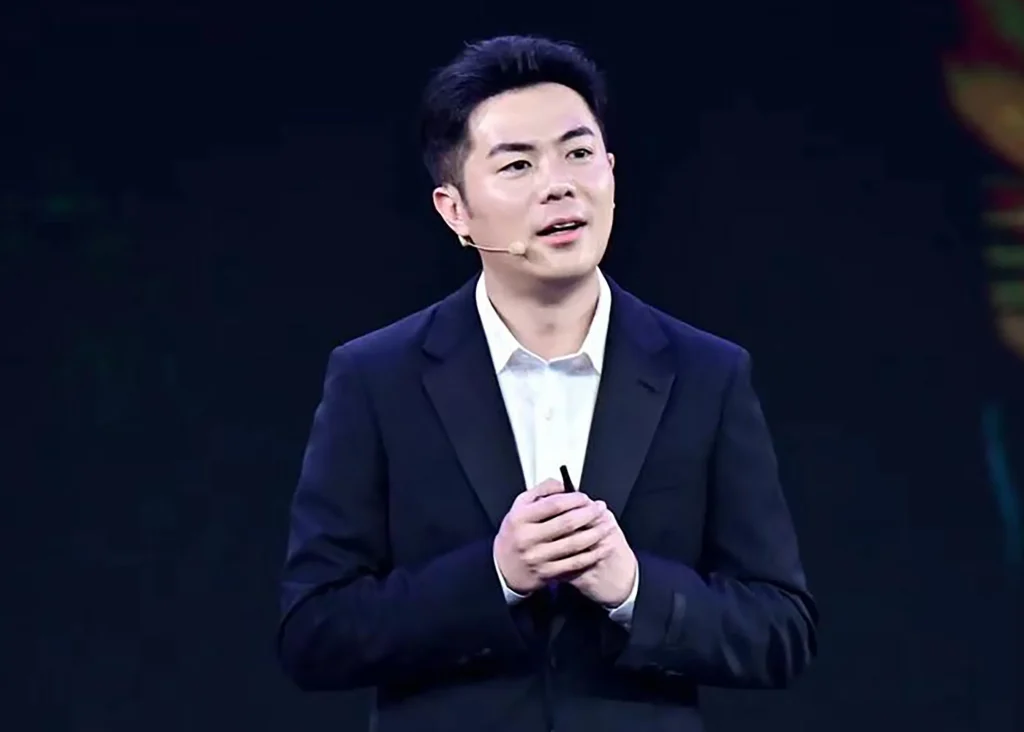
Junjie Zhang, the 30-year-old founder and CEO of Chinese tea chain Chagee, has entered the billionaire club with an estimated net worth of US$2.1 billion, following the company’s successful listing on the Nasdaq. Chagee raised US$411 million in its initial public offering on Thursday, pricing its shares at the top end of the marketed range. The listing defied headwinds in the U.S. IPO market and ongoing scrutiny of Chinese companies on American exchanges, Bloomberg reported. With a post-IPO valuation of US$6.2 billion, Chagee now holds the title of the largest U.S. listing by a Chinese consumer company since RLX Technology’s US$1.4 billion IPO in January 2021, according to Reuters. Zhang retains control of the company through his ownership of nearly 54% of Chagee’s Class B shares, each carrying 10 votes. This structure grants him 89% of the firm’s voting power, solidifying his influence over the company’s strategic direction. Founded in 2017, Chagee has rapidly expanded with a focus on premium milk-based beverages made from traditional Chinese teas such as green, black, and oolong. By the end of March 2025, the brand had established over 6,400 teahouses globally—primarily in China—with a growing international presence in Malaysia, Singapore, and Thailand. Chagee reported revenues of 29.5 billion yuan (approximately US$4.03 billion) in 2024, reflecting the surging demand for modernised tea culture among younger consumers. Zhang’s rise mirrors a broader trend among Chinese beverage entrepreneurs capitalising on Asia’s booming fresh tea market. This includes the founders of Mixue, the popular budget-friendly tea and dessert chain, whose recent Hong Kong IPO pushed their combined net worth to an estimated US$8 billion.

News

Foodpanda Withdraws from Thailand

 German multinational Delivery Hero SE has announced plans to wind down its Foodpanda operations in Thailand by May 23, as part of a broader strategic realignment within the Asia-Pacific region. The company stated that the move is aligned with efforts to optimise its “geostrategy,” redirecting focus to more profitable markets within the region. Despite the closure, Delivery Hero’s regional hub in Thailand will remain operational to support activities across the Asia-Pacific. “We are grateful to our employees, customers, partners, and riders in Thailand, and remain committed to supporting them throughout this transition,” the company said in a statement. Foodpanda has faced fierce competition in Thailand’s crowded food delivery market, where it holds just a 15% market share. The sector is currently led by Lineman Wongnai with 44%, followed by GrabFood at 39.4%, according to industry estimates. Delivery Hero’s Thai unit has reportedly struggled to turn a profit during its 13-year tenure in the country. Although Asia remains Delivery Hero’s largest regional market, growth has stagnated in the post-pandemic period. In September 2023, the company disclosed ongoing discussions to divest the Foodpanda brand in select Asian markets. However, by February 2024, Delivery Hero confirmed that talks had collapsed due to an inability to reach mutually agreeable terms.–FMT

ESG

Zero-Carbon Village Rises in Tujia Countryside

WUHAN: During April’s Pear Blossom Festival, Tudianzi village, nestled deep in the mountains of central China’s Hubei Province, has welcomed over 50,000 visitors in just two days. In Tudianzi Village, tourists marveled at innovations like solar-storage integrated streetlights illuminating country paths, high-power EV charging stations eliminating range anxiety, and traditional Tujia cuisine cooked in all-electric kitchens — a vivid showcase of sustainable rural revitalization. This drone photo shows photovoltaic power station in Tudianzi Village, Badong County, central China’s Hubei Province, April 10, 2025. (Photo by Lei Yong/Xinhua) From Tudianzi Village, perched 1,200 meters above sea level, the mist-shrouded Wu Gorge stretches into the distance, while terraced pear blossoms blanket the slopes. A light breeze carries the delicate floral fragrance, marking the most picturesque season for this Tujia ethnic mountain village. “The table actually charges my phone wirelessly!” exclaimed tourist Ms. Tan, surprised when her phone began charging on a solar-powered bench in the food corridor. Located in Badong County, Enshi Tujia and Miao Autonomous Prefecture, Tudianzi Village earned its name during the Ming Dynasty as a rest stop for merchants on the ancient Tea Horse Road. Long secluded in the mountains, the village has now gained fame as a model for rural energy revolution, achieving 24/7 zero-carbon operations and 100% green electricity supply. Solar panels are ubiquitous here — on rooftops, pavilions, plaza corridors, chicken coops, and pigsties. “The village’s solar capacity reaches 1,800 kW. At full capacity for one hour, it can generate 1,800 kWh, enough to power the entire village for a day,” said Chen Wentao, person in charge of the State Grid Enshi’s development department. Reliable electricity was once a distant dream for villagers. Aging power infrastructure — characterized by extensive grid coverage, outdated single-radial network designs, and seasonal load fluctuations — left communities vulnerable to frequent and prolonged outages, particularly during extreme weather. A staff of State Grid Badong Power Supply Company is checking the breeze power generation equipment in Tudianzi Village. (Photo by Lei Yong/Xinhua) “Whenever thunderstorms struck, power lines would fail, plunging the entire village into darkness,” recalled 75-year-old Hu De’an. Like many residents, Hu once relied entirely on firewood for light and heat. “Our homes were filled with smoke, but seeing firewood piled under the eaves was the only way we felt secure,” he said. In September 2020, China unveiled its ambitious “dual carbon” goals to the world: achieving peak carbon emissions by 2030 and carbon neutrality by 2060. Studies showed that traditional biomass fuels like firewood, burned through direct combustion, operate at a mere 10-15% efficiency while generating heavy carbon emissions. This inefficiency has thrust rural China into a critical dilemma — how to build resilient, clean energy networks that meet growing demand without compromising sustainability. A breakthrough came in March 2023 when China’s National Energy Administration and three other ministries launched a landmark initiative. The plan prioritizes pilot projects to accelerate rural energy transitions, coupling clean power adoption with broad rural revitalization objectives. By August 2023, State Grid Hubei Electric Power had spearheaded a flagship demonstration project in Tudianzi Village, targeting three pillars: stable clean energy supply, efficient resource utilization, and green industrial development. During a recent visit to Tudianzi’s black pig breeding base — an operation producing over 4,000 hogs annually — reporters observed a model of integration. Solar panels crowned the spotless pigsty roofs, while odor-free pathways defied backward farm. The transformation stems from a 30-kilowatt biogas plant constructed adjacent to the facility. Engineered by local power authorities, the system collects manure from the breeding base and kitchen waste from nearby households, channeling them into a closed-loop cycle of “biomass resources – biogas – electricity – fertilizer”. “Biogas is converted into electricity, while its byproducts — digestate and residues — are processed into fertilizers for farmland, achieving circular biomass utilization and clean energy supply,” said Su Lei, senior engineer of State Grid Hubei Electric Power Research Institute. Notably, the installation of an 80-cubic-meter gas storage tank ensures nighttime green power supply and enables off-grid operations when integrated with flexible energy storage systems. For local farmer Feng Cailong, the project has brought tangible economic gains. “Previously, disposing pig waste cost over 40,000 yuan annually. Now, delivering it directly to the biogas plant not only cuts disposal expenses but also saves more than 60,000 yuan yearly in electricity, disinfection, and fertilizer costs for forage cultivation,” he informed. These developments epitomize Tudianzi’s rural energy transformation. After nearly two years of construction, the village has established a low-carbon energy system dominated by wind and solar power, featuring agile microgrid-distribution network interactions and coordinated “source-grid-load-storage” operations. A multidimensional industrial ecosystem integrating renewable energy, livestock farming, and eco-tourism is taking shape. In 2024, the village’s electricity consumption surged to 537,000 kWh, a 188% increase from 2022. Since launching its energy revolution, Tudianzi’s annual renewable energy output reaches 1.44 million kWh, equivalent to saving 472 tons of standard coal while reducing CO₂ emissions by 1,436 tons and SO₂ by 43 tons annually. “With the village’s total installed renewable energy capacity now reaching 1,871 kilowatts, we not only achieve full green power supply for the entire village but also export substantial surplus electricity to external grids,” explained Yang Lin, official of the Development and Reform Commission of Enshi Tujia and Miao Autonomous Prefecture.

News

SAP Names Liher Urbizu as Southeast Asia Head; Verena Siow Moves to APAC Role

SINGAPORE: SAP today announced the appointment of Liher Urbizu as President and Managing Director for SAP Southeast Asia (SEA). Liher succeeds Verena Siow, who will take on a new role as Regional Business Suite Leader for SAP, Asia Pacific (APAC). Both leaders bring decades of experience to their positions, strengthening SAP’s continued commitment to delivering customer success and driving forward its cloud and AI innovation strategy. In his new role, Liher will be responsible for overseeing strategy, operations, and customer success across SAP’s Southeast Asia market unit, encompassing Singapore, Malaysia, Indonesia, the Philippines, Vietnam, Thailand and emerging countries within Indochina. He will focus on helping organizations in the region drive continued innovation and sustainable growth in the digital economy, underpinned by data, AI, and the cloud. Liher has served in multiple leadership roles at SAP, most recently as Chief Business Officer, APAC. Over his 25 years in the SAP ecosystem, he has been a customer, a partner, and an SAP executive. Highlights of his tenure include serving as Global Head of Partner Success Services, Head of Services Asia Pacific & Japan, Chief Operating Officer Japan, and Managing Director for SAP Indochina, where he led the team to several significant achievements and accolades. Commenting on his new appointment, Liher said, “Southeast Asia was the launchpad of my career within the SAP ecosystem. I am energized by the opportunity to return and lead this dynamic market unit, with a focus on delivering tangible business outcomes for our customers by harnessing AI and SAP’s industry-leading business software solutions. I firmly believe that by aligning our technology with the region’s growth ambitions, we will help businesses of all sizes and industries innovate and thrive in the digital-first era.”   Simon Davies, President, SAP Asia Pacific, said, “Southeast Asia is leading the world in this new era of AI adoption. Verena Siow’s contribution to SAP SEA over the past several years has been significant, and I am confident that her outstanding leadership will help us execute on our strategy and achieve tangible cloud momentum for SAP and our customers across the APAC region. Liher’s extensive leadership experience in Asia will also serve the SEA team well in its next phase of growth. Liher combines a deep understanding of our customers’ evolving business needs with a proven track record of leading high-impact teams. As the new President and Managing Director of Southeast Asia, he will play a critical role in accelerating our cloud and AI initiatives, ensuring that organizations in SEA can fully leverage SAP’s innovation to solve their most pressing business challenges.” Having served SAP for over 13 years, Verena Siow transitions from her role as President and Managing Director of Southeast Asia to take on the new role of Regional Business Suite Leader for SAP, Asia Pacific (APAC). In her new position, she will drive cloud growth and strategic business development across Asia Pacific. She will focus on creating a seamless experience for SAP’s cloud customers, from demand generation to renewals, in support of the company’s broader vision of delivering consistent and exceptional outcomes across all markets. Verena said, “Over the past five years, the Southeast Asia team has demonstrated remarkable resilience and consistent success, anchored by our customers’ trust in SAP’s solutions and innovation. I’m excited to bring my experience to the whole of APAC, as SAP continues to deliver next-generation cloud solutions and expand our footprint across Asia. I look forward to helping customers, both in Southeast Asia and across APAC, continue to Accelerate to Innovate and unlock further value on their transformation journeys.”

News

Nio to Launch Firefly EV in Europe by Q3 2025

SHANGHAI: Chinese electric vehicle (EV) manufacturer Nio is set to launch its new compact model, the Firefly, in Europe during the third quarter of 2025, company President Qin Lihong confirmed on 22 April 2025. The announcement comes amid Nio’s ongoing push into global markets, although its expansion in Europe has faced unexpected hurdles. Speaking ahead of the Shanghai Auto Show, CEO William Li acknowledged that the company had underestimated the complexities involved in scaling its sales and service network across the continent. Despite those challenges, Nio remains committed to establishing a strong European presence, with the Firefly EV positioned as an affordable entry-level model aimed at urban drivers. The launch is expected to help Nio compete more aggressively with established European automakers and rising local EV players. The company’s strategic move highlights the growing competition in the global EV market, as Chinese manufacturers look to expand their footprint beyond domestic borders amid increasing international demand for sustainable mobility solutions.

News

South Korea’s LG Energy Solution pulls out from Indonesia EV battery investment

JAKARTA: South Korea’s LG Energy Solution has formally withdrawn from a 142 trillion rupiah ($8.45 billion) project to develop electric vehicle battery making in Indonesia, the company said on 21 April 2025. LGES and the Indonesian government signed a deal on the so-called Indonesia Grand Package project in late 2020, which includes investments across the EV battery supply chain in the Southeast Asian country. “Taking into account various factors, including market conditions and investment environment, we have agreed to formally withdraw from the Indonesia GP (Grand Package) project,” LGES said in a statement. “However, we will continue to explore various avenues of collaboration with the Indonesian government, centering on the Indonesia battery joint venture, HLI Green Power,” it added. HLI Green Power, a joint venture led by LGES and Hyundai Motor Group, last year inaugurated Indonesia’s first battery cell production plant with an annual capacity of 10 gigawatt hours. It has plans to expand the capacity in the second phase of investment. Indonesia will continue to seek foreign investors to partner with local companies to develop the battery industry, leveraging the country’s rich nickel reserves, said energy ministry official Tri Winarno. “Even though LG has exited, Indonesia remains convinced our nickel is more competitive than other countries,” he told reporters. Indonesian state-controlled miner Aneka Tambang, which had planned to form a JV with LGES to mine nickel, said it remained committed to work with other companies to supply nickel for battery production. State firm Indonesia Battery Corporation, which had also planned to partner with LGES, did not respond to requests for comment.

Investment & Market Trends, News

Thai Manufacturers Hit by 36% US Tariff, Sentiment Drops

BANGKOK:  Thailand’s industrial sentiment declined in March for the first time in three months, reflecting growing unease among manufacturers over the prospect of renewed US tariffs, according to data released by the Federation of Thai Industries (FTI) on Tuesday. The FTI’s Industrial Sentiment Index dropped to 91.8 in March, down from 93.4 in February. A separate forward-looking index, measuring expectations for the next three months, also registered its first decline in a quarter, falling to 95.7 from 97.6. Concerns have been heightened by the imposition of a 36% tariff by the United States, a move that has particularly impacted Thailand, one of the Southeast Asian countries most exposed to such trade measures. FTI Vice Chairman Apichit Prasoprat noted that a recently announced 90-day pause on the US tariffs provides a temporary reprieve, allowing Thai exporters more time to adapt. “While the short-term outlook remains cautious, the tariff pause is a critical window for the industry to recalibrate,” he said during a press briefing. Compounding the uncertainty, Prime Minister Paetongtarn Shinawatra confirmed that scheduled Thai-US trade negotiations, initially set for April 23, have been postponed, though no new date was provided. The United States remains Thailand’s largest export destination, accounting for 18.3% of total exports last year, valued at $54.96 billion. Washington, however, continues to cite a $45.6 billion trade deficit with Thailand as a concern.–REUTERS

News

South Korea’s Acting President Expects US Trade Talks to Yield Mutually Beneficial Outcome

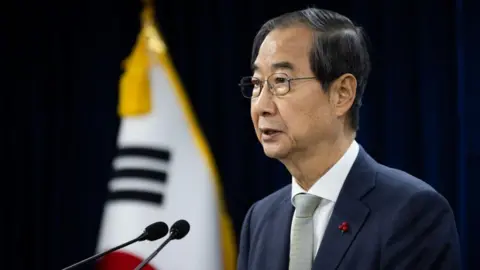
SEOUL: South Korea’s acting President Han Duck-soo expressed optimism on Tuesday that upcoming trade talks with the United States will result in a mutually beneficial agreement, amid rising geopolitical and economic pressures. Speaking at a Cabinet meeting, Han said the bilateral meeting scheduled for April 24 in Washington was arranged at the request of the US and will address critical areas of economic cooperation. Finance Minister Choi Sang-mok and Industry Minister Ahn Duk-geun will represent South Korea in the talks, which will involve US Treasury Secretary Scott Bessent and US Trade Representative Jamieson Greer. Choi, speaking to reporters before departing for the US, said he intends to “open the door to discussions that will strengthen the alliance between South Korea and the US.” Industry Minister Ahn is expected to depart on Wednesday. While the exact agenda remains unconfirmed, South Korea’s Industry Ministry stated that details are still being coordinated with US counterparts. This comes in response to a report from South Korea’s Maeil Business Newspaper, which suggested the talks could include discussions on Seoul potentially joining US-led efforts to curb trade with China. The backdrop to the meeting includes renewed friction between Washington and Beijing, with China on Monday accusing the US of abusing tariff policies and cautioning other countries against entering broader economic pacts that could undermine its interests. South Korean officials have indicated that cooperation on shipbuilding and potential involvement in an Alaska gas project could serve as bargaining chips in the negotiations. However, the government has firmly denied that defence cost-sharing for US troops stationed in South Korea is on the table. Han noted that although the discussions may present challenges, he remains confident that both sides can reach an agreement that reinforces the longstanding economic and strategic partnership. The high-stakes meeting highlights Seoul’s balancing act between maintaining strong trade ties with both Washington and Beijing, amid increasing global economic fragmentation and supply chain realignment.

Scroll to Top

Subscribe
FREE Newsletter