international

News

Hong Kong’s Central Bank Acts to Stabilise Currency as Peg Hits Upper Limit Again

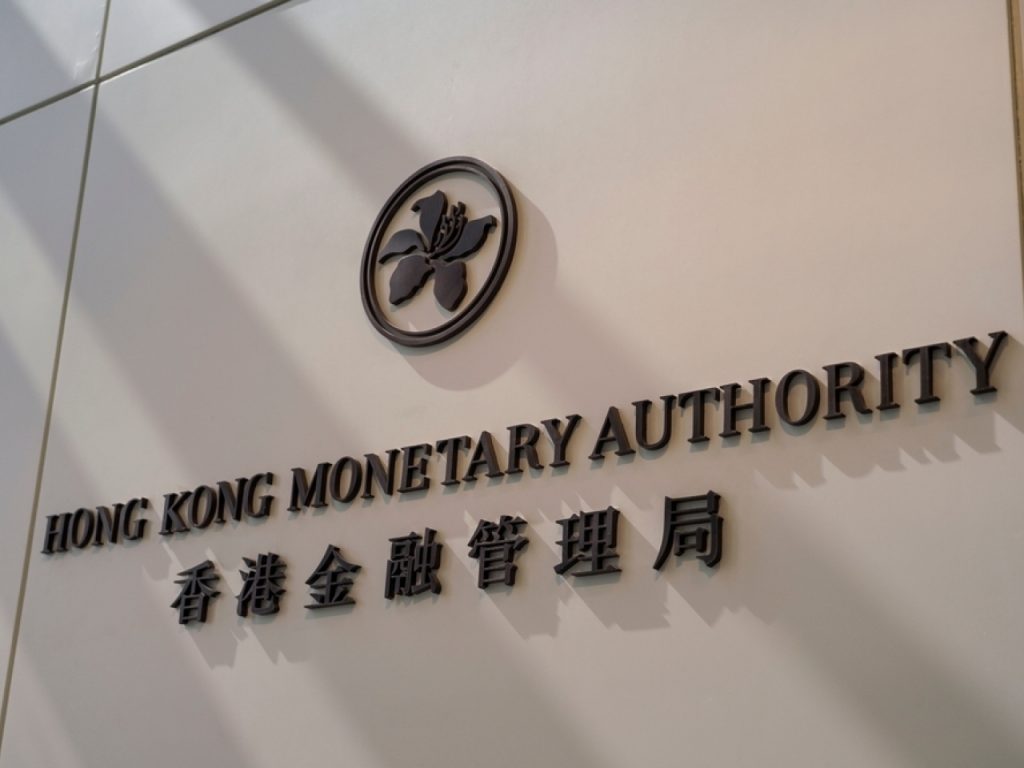
HONG KONG : The Hong Kong Monetary Authority (HKMA) intervened in the foreign exchange market once again on Tuesday, as the local currency surged to the upper threshold of its trading band against the US dollar for the fourth time this month. In response to mounting pressure, the HKMA purchased US$7.8 billion (equivalent to HK$60.5 billion) to stabilise the Hong Kong dollar, which has consistently reached 7.75—its upper limit in the pegged exchange rate system—since 2 May. Under Hong Kong’s Linked Exchange Rate System, the currency is maintained within a narrow band of 7.75 to 7.85 against the US dollar. The latest intervention reflects growing volatility in global currency markets, triggered by a broader sell-off of the US dollar against several low-yielding Asian currencies. The rally in the Hong Kong dollar mirrors strong gains in regional counterparts, particularly the Taiwan dollar, which surged by an unprecedented 8 per cent across two trading sessions—marking a three-year high. Analysts point to improved sentiment around Sino-US trade relations and a shift in investor confidence away from the US dollar and Treasury debt as possible catalysts. While no formal conclusions have been drawn, some market observers speculate that the end of US-Taiwan trade discussions in Washington may have led to a tacit understanding favouring currency adjustments to facilitate trade deals. Taiwanese officials, however, have stated that foreign exchange policy was not part of the negotiations. The HKMA’s ongoing intervention carries broader implications for Hong Kong’s monetary environment. The aggregate balance—a key liquidity indicator in the city’s banking sector—is projected to rise to HK$161 billion by 7 May, a sharp increase from HK$44.6 billion recorded on Tuesday. As global markets continue to absorb shifting geopolitical and economic dynamics, further volatility in currency movements may prompt continued oversight and action from central monetary authorities in the region. –Reuters

ESG, News

HD Hyundai and Maersk Forge Strategic Alliance to Advance Decarbonised Shipping and Global Logistics

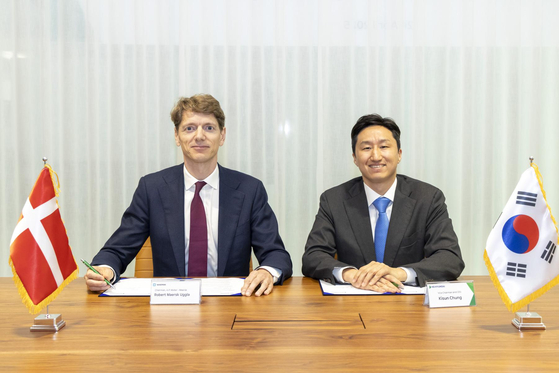
HD Hyundai has entered into a strategic partnership with A.P. Moller-Maersk to co-develop advanced decarbonisation technologies for shipping and to enhance integrated logistics services globally. The agreement, formalised through a memorandum of understanding (MOU), was signed at the HD Hyundai Global R&D Centre in Seongnam, Gyeonggi, on 24 April. The signing ceremony was attended by HD Hyundai Executive Vice Chairman Chung Ki-sun, Maersk Chairman Robert Maersk Uggla, and other senior officials from both companies. Under the MOU, Maersk will integrate HD Hyundai’s ship decarbonisation technologies into its fleet to reduce carbon emissions. In parallel, HD Hyundai will leverage Maersk’s global integrated logistics network to strengthen its supply chain operations across subsidiaries. The collaboration seeks to establish a future-proof logistics model aligned with sustainability goals. New vessels delivered by HD Hyundai will be equipped with HINAS, a next-generation navigation solution developed by its subsidiary Avikus, as well as OceanWise, an AI-based system designed by HD Hyundai Marine Solutions for optimised fuel consumption and reduced carbon output. A six-month pilot programme will be launched to validate the technologies’ performance in real-world conditions, including metrics related to fuel efficiency and emission reduction. Further areas of collaboration include optimising engine performance, expanding container ship capacity, and retrofitting vessels with dual-fuel propulsion systems. Both companies will also assess the practical application of solid oxide fuel cells through HD Hydrogen, a recently established subsidiary of HD Hyundai focused on clean energy solutions. Maersk’s extensive “East-West Network” and its logistics capabilities across airfreight, land transportation, and warehousing infrastructure will play a key role in expanding HD Hyundai’s ocean freight volumes and strengthening its global reach. “Our collaboration with Maersk will serve as a leading example of innovation in the global logistics market by combining decarbonisation shipping technologies with integrated logistics networks,” said Chung. “We will rapidly advance the world’s best shipbuilding technologies with the goal of building a sustainable maritime logistics network that ensures safety, low-emissions and optimal efficiency.” Maersk Chairman Robert Maersk Uggla added, “Our partnership with HD Hyundai has been built over decades, founded on mutual trust and respect. This MOU marks an important milestone, reinforcing the strong relationship we have developed and paving the way for even greater collaboration in the future.” Since 2021, HD Hyundai has supplied 19 methanol-powered container ships to Maersk, including the world’s first ultra-large vessel of its kind, which was delivered last year. –Korea JoongAng Daily

ESG, News

LG Electronics to Recycle 8 Million Tonnes of Old Appliances Globally by 2030

LG Electronics aims to collect 8 million tonnes of discarded home appliances globally by 2030 as part of its commitment to advancing the circular economy, the company announced on Tuesday. Since 2006, the South Korean electronics giant has recovered 5 million tonnes of obsolete appliances worldwide through its global take-back programmes. In conjunction with Earth Day on 22 April, LG Electronics also facilitated the collection of 2,850 kilogrammes (6,283 pounds) of disused electronic devices and household appliances from its employees, underscoring its internal sustainability efforts. Under its environmental, social and governance (ESG) framework branded “Better Life for All,” the company currently operates appliance collection and recycling programmes in 54 countries, including the United States, Germany, the Czech Republic, Poland, the Philippines, the United Arab Emirates and Nigeria. According to the firm, the initiative not only contributes to reducing carbon emissions but also enables the creation of a circular economy by salvaging reusable components from end-of-life electronics and reintroducing materials into the production process. An LG Electronics spokesperson added that the company plans to incorporate approximately 600,000 tonnes of recycled plastic into its manufacturing processes between 2021 and 2030 as part of its broader sustainability targets. –Yonhap

Investment & Market Trends, News

Taiwan Dollar Surges Five Percent as Forwards Hit Two Decade High and Exporters Exit Greenback

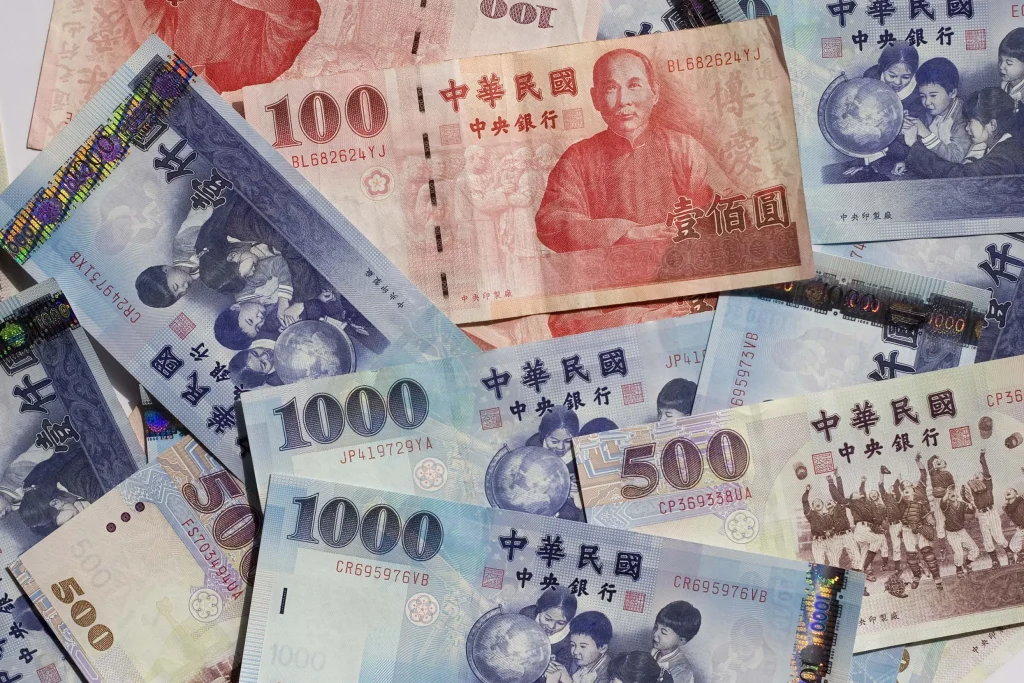
Taiwan’s currency posted its sharpest gains in decades this week, with market derivatives signalling sustained selling pressure on the US dollar amid heightened speculation of policy shifts and trade-driven currency revaluation. The spread between the Taiwan dollar spot rate and its one-year non-deliverable forwards (NDFs) widened to approximately 3,000 pips on Monday, marking the deepest inversion in at least 20 years, according to Bloomberg data. The sharp divergence reflects intense demand for the local currency, amid expectations that Taiwanese authorities may tolerate further appreciation to support ongoing trade negotiations with the United States. Driven by exporters converting foreign earnings and possible portfolio hedging by insurers, the Taiwan dollar surged as much as 5% on Monday—its strongest intraday move since 1988. The rally had a spillover effect on regional currencies including the Malaysian ringgit and Chinese yuan. Strategists suggest the rally may continue, with limited signs of immediate easing. “The talk is around the rush to sell dollars from the exporter market and the lack of any meaningful central bank response,” said Brad Bechtel, Global Head of FX at Jefferies LLC. He added that the trend “could be the start or a sign of something bigger going on in the currency markets.” Despite an official warning against foreign exchange speculation, NDFs—used widely by Taiwanese insurers for offshore hedging—continued to reflect strong demand for the Taiwan dollar during trading in the US market session. The Taiwan dollar gained a further 0.3% on Tuesday, strengthening to 30.05 per US dollar and extending its rally to a seventh consecutive day. Exporter demand remained robust during the morning session, although appetite from overseas investors and retail players moderated slightly, according to traders familiar with the flows. Three of Taiwan’s largest insurers reassured financial regulators that their risk-based capital ratios remain sound and that they do not currently plan to increase hedging activities, the Taipei-based Economic Daily News reported, citing sources. In a move to stabilise sentiment, Taiwan’s central bank attributed the recent spike in the currency to speculative chatter and reaffirmed its stance against disorderly trading. According to Bank of America, Taiwanese life insurers hedged only around 65% of their foreign currency exposure at the end of 2023. With dollar hedges typically incurring high costs, most firms had previously remained under-hedged to benefit from a stronger greenback—though the recent dollar weakness has raised the risk of portfolio losses and liquidity strain. President Lai Ching-te also weighed in on Monday, attributing Taiwan’s growing trade surplus with the US to high demand for the island’s technology exports, rather than currency manipulation. The Office of Trade Negotiations confirmed the completion of initial tariff-reduction talks with the US, clarifying that currency issues were not on the agenda. Michael Wan, Senior FX Analyst at MUFG Bank Ltd, noted that the current appreciation was likely exacerbated by low market liquidity and a confluence of factors including exporter conversion activity, hoarding of US dollar deposits, and increased hedging demand by insurers. –Bloomberg

News

Manufacturing Activity in China Declines Amid Renewed Tariff Measures

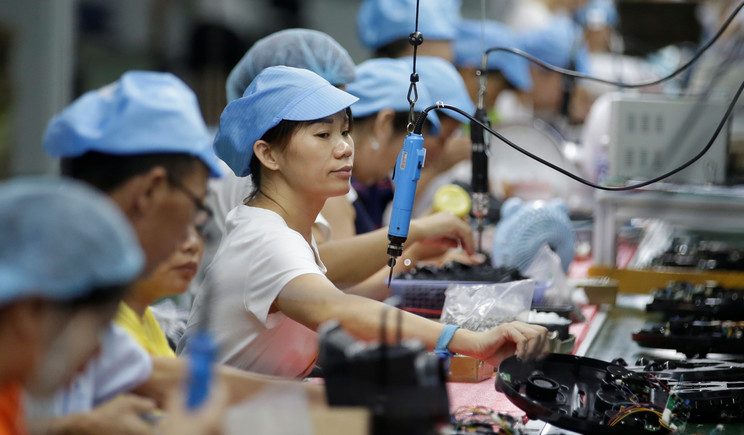
China’s manufacturing sector contracted in April, reversing gains from the previous month, as escalating trade tensions with the United States weighed heavily on industrial activity, according to official data released on Wednesday. The country’s Purchasing Managers’ Index (PMI), a key indicator of manufacturing performance, declined to 49 in April, falling below the 50-point threshold that separates expansion from contraction. The reading marks a notable drop from March’s 50.5, which had been the highest level recorded in 12 months. The April figure also came in lower than market expectations, with a Bloomberg survey forecasting a more moderate decline to 49.7. The National Bureau of Statistics (NBS) attributed the downturn to a combination of factors, including a high comparative base due to previous robust output and a significantly altered global trade environment. “In April, affected by factors such as a high base from earlier rapid manufacturing growth and a sharp shift in the external environment, the manufacturing PMI fell,” said Zhao Qinghe, a senior statistician at the NBS. The latest figures follow the implementation of heightened US tariffs of up to 145% on a wide range of Chinese goods, a move to which Beijing responded with retaliatory tariffs of up to 125% on imports from the United States. These developments mark a deepening of the ongoing trade dispute between the world’s two largest economies. Meanwhile, China’s non-manufacturing PMI, which tracks activity in the services sector, also softened in April, falling to 50.4 from 50.8 in March, indicating slower growth momentum across the broader economy. Despite a 12.4% year-on-year surge in Chinese exports in March — driven largely by firms seeking to pre-empt the latest tariff measures — the broader economic outlook remains uncertain. Analysts warn that sustained disruption to trade flows between the US and China could lead to increased costs for consumers, pressure on businesses, and potential spillover effects on the global economy. China continues to contend with a complex domestic environment, including sluggish consumer demand and a protracted downturn in the property sector. Although authorities introduced a series of stimulus measures in 2023, including interest rate cuts and the easing of homebuying restrictions, signs of a durable recovery remain limited. At a key political meeting in March, Chinese leaders reaffirmed their commitment to economic stabilisation, targeting the creation of 12 million new urban jobs in 2025 and maintaining a GDP growth target of 5%. However, economists caution that achieving this objective will be challenging in the face of mounting external and internal pressures. –Free Malaysia Today

Energy & Technology, News

LG Set to Expand Indonesian Battery Venture with Additional $1.7 Billion Investment

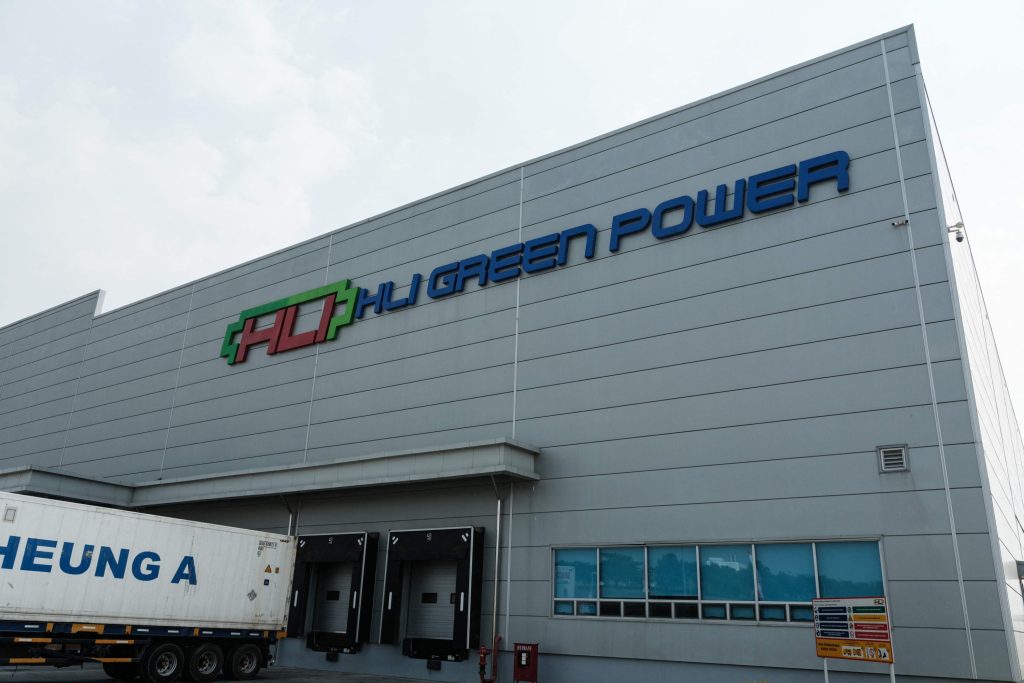
JAKARTA : South Korean conglomerate LG is poised to significantly expand its footprint in Indonesia’s electric vehicle (EV) supply chain, with plans to invest an additional $1.7 billion in a battery cell manufacturing joint venture, according to the country’s Investment Ministry. The anticipated investment will be directed towards HLI Green Power, a collaboration between LG Energy Solution, Hyundai Motor Group, and Indonesia Battery Corporation (IBC). The project’s first phase, located in Karawang, West Java, commenced operations last year with an investment of $1.1 billion. Rosan Roeslani, Indonesia’s Investment Minister, revealed that discussions with LG have advanced positively, raising expectations for the second phase of the plant’s development. “I will be visiting the Karawang facility tomorrow, as LG has initiated conversations with us regarding their interest in investing a further $1.7 billion,” Rosan said during a press briefing in Jakarta. “We are confident this additional investment will materialise promptly.” The planned injection would bring the total value of the battery cell joint venture to approximately $2.8 billion. The second phase is expected to double the plant’s production capacity from 10 gigawatt-hours (GWh) to 20 GWh annually—sufficient to power up to 300,000 electric vehicles. LG’s renewed investment signals a measured commitment to Indonesia’s EV ambitions despite the group’s recent withdrawal from a broader, multibillion-dollar battery supply chain project in the country, reportedly due to unfavourable market conditions. The Karawang facility was officially launched in July 2024 by then-President Joko Widodo, who described it as Southeast Asia’s first and largest EV battery cell plant. The plant’s first development phase was estimated at around $1 billion, with a planned output capacity of 10 GWh per year. Indonesia attracted $13.7 billion (Rp 230.4 trillion) in foreign direct investment (FDI) in the first quarter of 2025, with South Korea contributing approximately $683.3 million. The East Asian nation ranks as Indonesia’s seventh-largest source of FDI for the period, just behind the United States. –Jakarta Globe

Energy & Technology, News

Regional Gas Output in Southeast Asia Could Rise by 18 Percent with New Project Wave

Southeast Asia could witness a significant uptick in gas project activity in 2025, with the region on track to approve the highest number of final investment decisions (FIDs) in over a decade. This potential resurgence, detailed in a new report by Global Energy Monitor (GEM), signals a possible 18% increase in regional gas output.   According to the report published on Wednesday, up to 13 new gas projects may secure financing this year, supplementing the one already approved. If all proposed developments proceed, they could collectively contribute more than 20 billion cubic metres in additional annual production capacity. Despite mounting pressure to transition away from fossil fuels, Southeast Asia continues to lean heavily on natural gas as a core energy source. The region, home to over 500 million people, faces considerable financial and policy-related constraints that have hindered progress toward clean energy targets. Notably, Southeast Asia is on course to fall short of its 2025 renewable energy goal of 23% production share. Between 2020 and 2024, only 10 gas projects were approved, highlighting a potential acceleration in fossil fuel investment this year. New units proposed across Indonesia, Malaysia, Vietnam, Brunei and Myanmar could significantly expand the region’s gas infrastructure and further entrench reliance on fossil fuels. “These developments would have a significant lifespan and would lock in gas as a substantial component of the region’s energy mix,” the report stated. “Given that companies and governments are unlikely to abandon gas assets before fully exhausting reserves, the long-term implications for the regional energy transition are considerable.” However, GEM noted that FID timelines are historically subject to delays, meaning the full extent of this year’s project rollouts remains uncertain. –Bloomberg

ESG, News

Asia’s hospitality sector finds balance between opulence and sustainability says Hong Kong’s leading tourism expert

HONG KONG : Sustainable tourism has evolved from niche market to mainstream aspiration, with profound implications for how travellers, businesses, and destinations approach hospitality, according to Professor Lisa Wan, Associate Professor at the School of Hotel and Tourism Management, The Chinese University of Hong Kong (CUHK) Business School.     Speaking at the Economist Impact’s 4th annual Sustainability Week Asia held in Bangkok in March, Professor Wan highlighted how post-pandemic tourism patterns have accelerated sustainability concerns. “The sudden post-COVID tourist influx overwhelmed many destinations, revealing tourism’s hidden costs—overtourism, waste, and strain on local resources,” Professor Wan explained. “As we continue to travel, we must do so sustainably so that the environment and communities we experience today will welcome the next generation.” The Psychology of Tourist Behaviour One of Professor Wan’s key research findings centres on what she calls “psychological distance” in tourist settings. Her studies reveal that travellers often behave less environmentally responsibly when away from home. “Tourists tend to misbehave and act less environmentally friendly due to psychological detachment from the destination,” Professor Wan noted. “They perceive travel destinations as ‘not their home,’ reducing their sense of responsibility.” Her research suggests that closing this psychological gap through meaningful local interactions can significantly improve tourist behaviour. “Something as simple as residents warmly engaging with visitors through a smile can foster a sense of belonging and responsibility,” she said. “Cultural experiences that connect tourists with local heritage and traditions also lead to greater environmental empathy.” Professor Wan cited examples like Hong Kong’s promotion of in-depth cultural tourism and Japan’s Satoyama village experiences, where visitors participate in traditional rural lifestyles. Studies show participants in such immersive experiences are more likely to adopt sustainable behaviours like reducing waste and respecting natural environments. Redefining Luxury Contrary to perceptions that sustainability compromises luxury, Professor Wan’s research indicates that environmental responsibility can actually enhance premium hospitality experiences. “Luxury is shifting from excess to quality over quantity,” she explained. “While often associated with cost-cutting, ‘going green’ is actually about value-adding and investing in the future.” She pointed to Six Senses Resort as an example of ultra-luxury seamlessly integrating sustainability by using locally sourced materials while maintaining world-class aesthetics. Instead of extravagance, guests enjoy organic farm-to-table dining and nature excursions powered by renewable energy. Interestingly, Professor Wan’s research reveals that high-status consumers often prefer eco-friendly hotels to enhance their public image, creating a powerful market incentive for sustainable practices. Cultural Differences in Eco-Messaging Hotels seeking to attract eco-conscious guests should tailor their messaging appropriately, according to Professor Wan’s findings. “Different types of eco-conscious travellers respond to different sustainability information,” she noted. “Asian and younger travellers care more about actual practices adopted by hotels, while eco-certifications work better for Western and more mature travellers.” To benchmark progress, CUHK Business School has developed the Hotel Sustainability Index for the Greater Bay Area, creating industry-wide competition for greener operations. Professor Wan reports that sustainability scores have improved over time, reflecting growing commitment to environmental responsibility. The Future of Sustainable Tourism For Thailand and other Southeast Asian destinations heavily dependent on tourism, Professor Wan emphasises that sustainable approaches need not sacrifice economic benefits. “Sustainable tourism is about achieving harmony between environmental protection, social responsibility, and economic viability,” she concluded. “The future of tourism depends on embracing responsible practices that benefit both travellers and local communities.”

Scroll to Top

Subscribe
FREE Newsletter