international

Energy & Technology, News

Foxtron and Mitsubishi Motors to Develop Electric Vehicle for Oceania Market

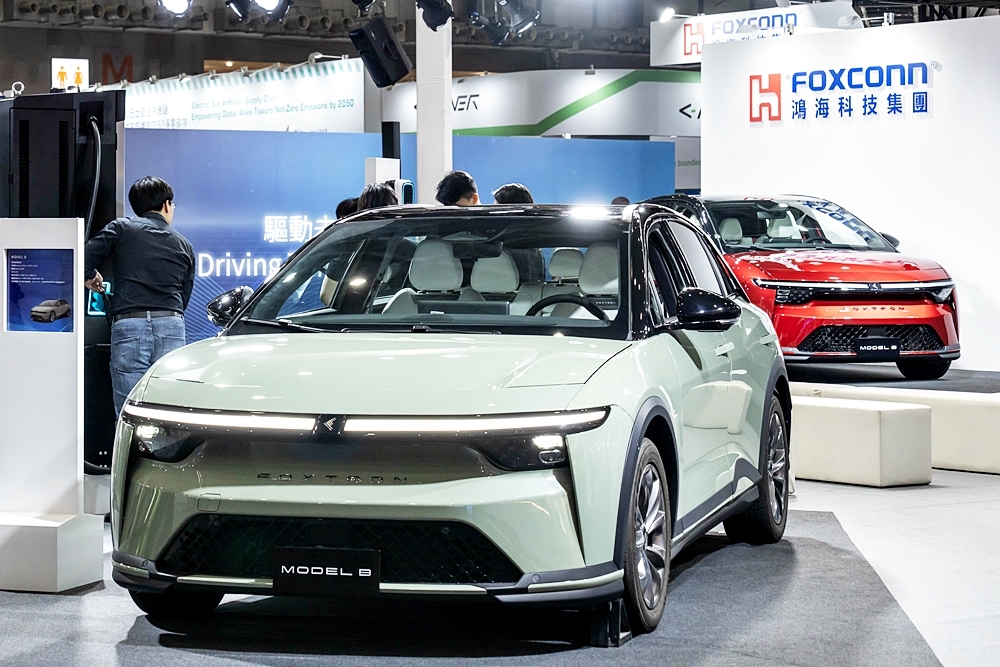
Foxtron, an automaker partially owned by Taiwan’s Hon Hai Technology Group (Foxconn), has announced a strategic collaboration with Mitsubishi Motors to develop an electric vehicle (EV) for the Australian and New Zealand markets. The partnership was confirmed on Wednesday, marking a significant step in Foxconn’s ambitions to enter the EV sector. Hon Hai, best known as the manufacturer of Apple’s iPhone, is among several technology firms diversifying into the electric vehicle industry by leveraging their expertise in electronics and automotive supply chains. Foxtron, a joint venture between Hon Hai and Taiwan’s Yulon Motor Co., aims to produce the new EV at Yulon’s facilities. The vehicle is expected to debut in Oceania in the second half of 2026. The companies did not disclose financial details, noting that the memorandum of understanding will be followed by further discussions. Foxtron’s involvement in EV production aligns with Mitsubishi’s strategic goal to transition its entire lineup to EVs or hybrids by 2035, as Japanese automakers respond to competition from Chinese rivals. Earlier speculation suggested that Hon Hai might pursue a partnership with Nissan following unsuccessful merger talks between Nissan and Honda. However, the latest agreement focuses on the collaboration with Mitsubishi, reinforcing both companies’ commitment to expanding their EV portfolios. At the Consumer Electronics Show in Las Vegas earlier this year, Foxtron showcased its Model B EV hatchback, alongside its range of automotive electronics. The company’s current lineup features 11 vehicle models, including the Model T bus, Model V pickup truck, Model N van, and the Model E luxury sedan. As Foxtron and Mitsubishi continue to develop their partnership, the planned EV for Oceania reflects both firms’ ambitions to capitalise on the growing demand for sustainable transport solutions. –Japan Today
News

Grab Plans USD 7 Billion Acquisition of GoTo as Strategic Move in Southeast Asia

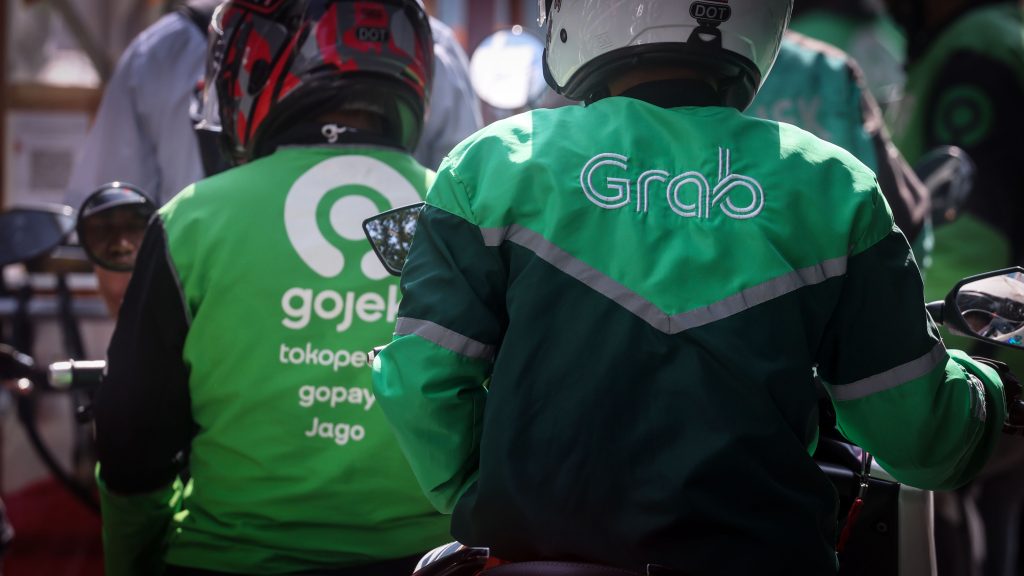
U.S.-listed ride-hailing and food delivery giant Grab is reportedly working towards acquiring Indonesian rival GoTo, with the deal expected to materialise in the second quarter, according to sources familiar with the matter. Singapore-based Grab has engaged advisors to facilitate the proposed acquisition, which remains contingent on financing arrangements currently being discussed with banks. Although neither Grab nor GoTo has officially commented on the potential merger, sources estimate the transaction could value GoTo’s businesses at around USD 7 billion. GoTo’s shares, listed on the Jakarta Stock Exchange, have risen by 20% year-to-date, bringing its market value to approximately USD 5.8 billion, according to LSEG data. In contrast, Grab’s shares on Nasdaq have gained 2.4% this year, pushing its market capitalisation to nearly USD 20 billion. As part of the proposed deal, GoTo would divest its international unit in Singapore to Grab, while its Indonesian operations—excluding its finance arm—would also be transferred. Industry analysts suggest that Indonesian regulators may take a pragmatic stance on the merger, given the potential long-term economic benefits of consolidating existing players. However, the acquisition may face heightened antitrust scrutiny, particularly against the backdrop of increasing global economic challenges and protectionist measures, such as U.S. tariffs. Recent developments, including Uber’s failed USD 950 million bid for Delivery Hero’s Foodpanda in Taiwan due to anti-competitive concerns, illustrate the regulatory hurdles Grab might encounter. Niko Margaronis, an analyst at Indonesian brokerage BRI Danareksa Sekuritas, noted that regulators would likely weigh the potential for strengthened market players against competition concerns. As the region navigates economic uncertainty, the strategic acquisition could position Grab to further solidify its presence in Southeast Asia’s ride-hailing and food delivery markets. –Reuters

ESG

Systems-based approach drives Southeast Asia’s green economy growth

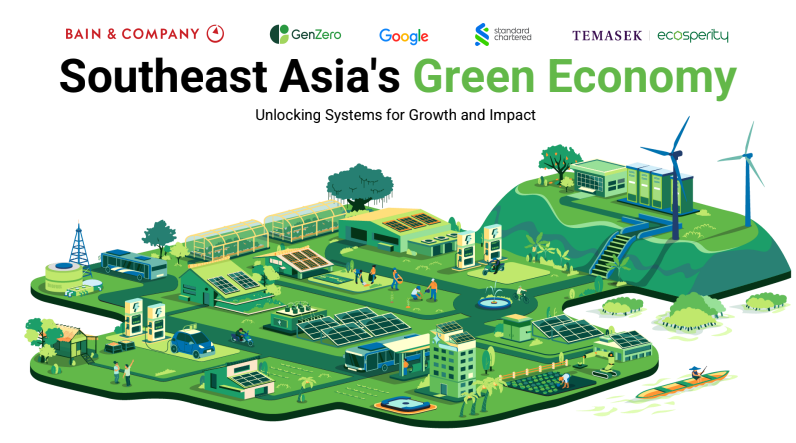
KUALA LUMPUR: Southeast Asian markets are rethinking their approach to sustainable growth amid global economic uncertainties. A newly published report, the 6th edition of Southeast Asia’s Green Economy by Bain & Company, GenZero, Google, Standard Chartered, and Temasek, highlights the importance of a systems-based strategy to unlock growth while balancing environmental impact. The report suggests that Southeast Asia’s green economy should be seen as an interconnected system, identifying systemic barriers that hinder progress and proposing scalable, high-impact solutions. Implementing these changes could potentially generate up to USD 120 billion in GDP growth, create 900,000 jobs, and reduce emissions by up to 50% by 2030. Turning Challenges into Opportunities Dale Hardcastle, Co-Director of Bain & Company’s Global Sustainability Innovation Center, noted that Southeast Asia has the potential to accelerate its green economy by focusing on scalable systems-level solutions. “By focusing on scalable, high-impact systems-level solutions, Southeast Asia can rewrite the green economy playbook and turn current challenges into opportunities,” he said. Three Key Systems-Level Solutions The report highlights three crucial systems-level solutions: Sustainable Bioeconomy: Improving agricultural productivity, implementing nature-based solutions, and reforming supply chains could help reduce emissions and create economic value. Next-Gen Grid Development: Expanding and modernising the domestic grid with renewable integration and cross-border connections could lower decarbonisation costs by 11% by 2050. Electric Vehicle (EV) Ecosystem: Scaling EV adoption and local production is essential for maintaining the region’s manufacturing competitiveness. Green corridors could facilitate commercial fleet electrification. Enabling Solutions for Success The report also highlights three enabling solutions to maximise impact: Climate and Transition Finance: Despite growth, there remains a funding gap of USD 50 billion. Blended finance and public-private partnerships are critical for progress. Carbon Markets: Enhancing regulatory frameworks and creating robust credit systems are necessary to boost investor confidence and meet climate targets. Green AI: Leveraging AI to optimise energy consumption in data centres and high-emission sectors could reduce emissions by 3-5%. Spencer Low, Head of Regional Sustainability at Google, stressed the importance of managing AI’s environmental footprint. “We need to responsibly manage the environmental footprint of AI and data centres through model optimisation, efficient infrastructure, and emissions reductions,” he said. Green Investments on the Rise Private green investments in SEA-6 rose by 43% to USD 8 billion in 2024, with solar energy investments doubling and waste management projects increasing by 60%. Foreign investments from APAC have doubled, while domestic investments fell by 40%. Mak Joon Nien, CEO of Standard Chartered Malaysia, emphasised the need for increased capital flow. “The transition to a low-carbon economy is more compelling and crucial than ever,” he stated. Collaboration Is Key The report calls for increased collaboration between Southeast Asia and the broader APAC region to build a resilient green economy. Joint investments, shared technologies, and coordinated policies can help achieve the dual goals of economic growth and emission reduction. The systems-based approach is not just a strategy for reducing emissions but a fundamental shift towards sustainable economic growth that positions Southeast Asia as a global leader in the green economy.

Energy & Technology, News

Hyundai Motor Group Delivers Enhanced In-Car Experience Through Equinix Data Centers Globally

HONG KONG : Hyundai Motor Group (the Group) is deploying its dedicated private cloud platform, HCloud, within Equinix data centers globally to enhance customer experience and improve service quality for its more than 10 million connected car service subscribers. HCloud is the Group’s proprietary cloud platform that was developed in response to the growing demand for real-time data processing, seamless connectivity and scalable infrastructure, driven by rapid advancements in connected and autonomous vehicles. The Group is leveraging Equinix International Business Exchange™ (IBX®) data centers across Asia, the United States and Europe, as well as Equinix Fabric®, to interconnect HCloud to multiple public cloud providers, including Amazon Web Services (AWS). This hybrid multicloud architecture accelerates the global rollout of connected car services while ensuring reliable connectivity, consistent service coverage and reduced latency. Hyundai Motor Group is a global enterprise that comprises the mobility brands—Hyundai Motor, Kia and Genesis. The Group’s CCS provides in-car infotainment and mobile applications via wireless networks. Since its launch in 2003, the Group has acquired over 10 million global CCS subscribers as of 2023 and is aiming to reach 20 million by 2026. To continue the growth, it is making significant investments in the development and expansion of HCloud to deliver enhanced in-car services, including a personalized driving experience. As 95% of new vehicles are expected to be connected by 2030, 1 the Group recognized the need for distributed data processing and proximity to cloud and network ecosystems to ensure an excellent user experience. This led to the deployment of the HCloud in Equinix IBX data centers in Seoul, Los Angeles and Frankfurt, strategically selected for their global reach, carrier density and high operational standards backed by service-level agreements (SLAs). Equinix’s proximity to major cloud and network providers will enable the Group to connect with key partners, while supporting robust performance and scalability. Through its deployment at Equinix, the Group has enhanced app responsiveness and improved the quality of its remote services. The collaboration supports the company’s transition to software-defined vehicles (SDVs) and lays the foundation for smarter, safer and more connected mobility solutions. “By leveraging Equinix’s global data centers, we are providing high-quality connected car service and improving user experience through reduced latency, stable global connectivity and enhanced scalability of our HCloud platform. The partnership with Equinix is taking us a step closer to becoming the global leader in connected car services. We look forward to continuing this journey with Equinix to sustain the momentum of our growing connected car ecosystem worldwide.” – Youngjoo Han, Vice President and Head of IT Infra Center, Hyundai Motor Group “The future of the automotive industry lies in connected cars. Through a hybrid multicloud infrastructure, auto manufacturers can take advantage of cloud services while maintaining the flexibility to choose between secure, dedicated colocation infrastructure and highly scalable cloud services for each workload they support. Equinix with its global footprint, offers not only the necessary infrastructure but also an interconnected digital ecosystem and network-dense infrastructure. This can enable Korean companies, including Hyundai Motor, to accelerate their digital transformation and optimize the customer experience.” – Chris Jang, Managing Director, Equinix Korea

News

LianLian Global Forms Strategic Partnerships with Veem and 12Victory at Money20/20 Asia

Bangkok: LianLian Global, the flagship brand of Hong Kong-listed digital payments provider Lianlian DigiTech, has announced strategic partnerships with Veem and 12Victory at the Money20/20 Asia conference in Bangkok, Thailand. The event, held from April 22 to 24, brought together global fintech leaders to discuss the future of financial technology. LianLian Global formalised the partnerships on April 23, with agreements to enhance cross-border payment solutions. The first agreement with Veem, a leading B2B cross-border payments platform, will focus on leveraging technological synergies to provide cost-effective and secure cross-border payment solutions for global B2B clients. In a separate deal, 12Victory, a prominent remittance service provider, will integrate LianLian Global’s LGPS (LianLian Global Payout Service) into its platform to enable real-time, transparent fund transfers between Thailand and China, supporting B2B, B2C, and C2C transactions. Tim Shen, CEO of LianLian Global, commented, “New e-commerce models are transforming the global payment ecosystem. Cross-border merchants today operate with unique complexities, including small-value transactions at high volumes, dispersed workflows, and varying regulatory requirements. Our unified payment solutions enable merchants to manage international capital flows seamlessly across markets.” The partnerships mark a significant step in LianLian Global’s expansion of its cross-border payment infrastructure, which currently serves over 5.9 million customers worldwide across sectors such as e-commerce, financial services, international trade, and education. During the conference, LianLian’s leadership also participated in discussions on emerging trends and innovations shaping the fintech landscape, further solidifying the company’s role as a key player in global commerce. –ANTARA

News

Qatar Airways Set to Purchase 100 Boeing Jets Amid Middle East Aerospace Surge

Qatar Airways is reportedly close to finalising a significant agreement to purchase approximately 100 widebody aircraft from Boeing. According to sources cited by Bloomberg News, the deal, which may also include an option for an additional 100 jets, is expected to be announced during US President Donald Trump’s upcoming visit to the Middle East. The trip, scheduled to commence next week, will see President Trump make stops in Saudi Arabia, Qatar, and the United Arab Emirates. It is anticipated that the visit will feature substantial investments in the aerospace and defence industries, with several major Middle Eastern airlines actively pursuing large-scale agreements ahead of the president’s arrival. Neither Qatar Airways nor Boeing has provided an official comment on the potential order. In April, Reuters reported that President Trump was preparing to offer Saudi Arabia an arms package valued at over $100 billion. The new aircraft order from Qatar Airways would mark another significant investment in the region’s aviation sector. Qatar Airways, which has capitalised on a strong travel market by establishing Doha as a major international hub, is said to be finalising the details of the Boeing order. The deal is expected to further bolster the airline’s capacity to connect key global destinations. The acquisition would not only enhance Qatar Airways’ long-haul capabilities but also strengthen its competitive position among other prominent Middle Eastern carriers. –Reuters

News

Toyota Expects Stable Profits Driven by Hybrid Demand Despite Looming US Tariff Challenges

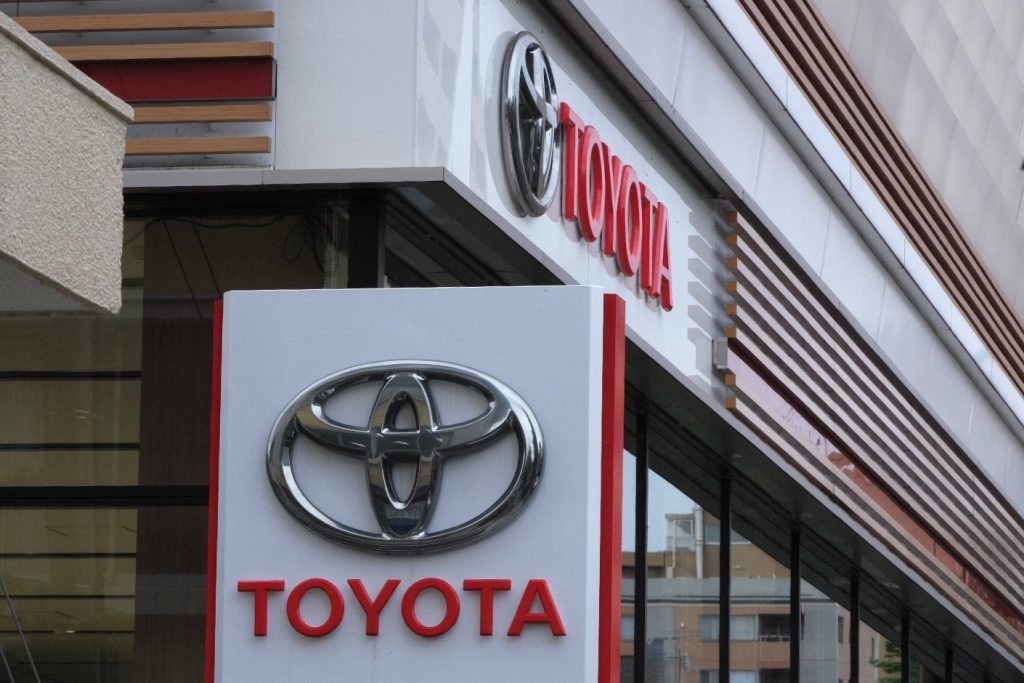
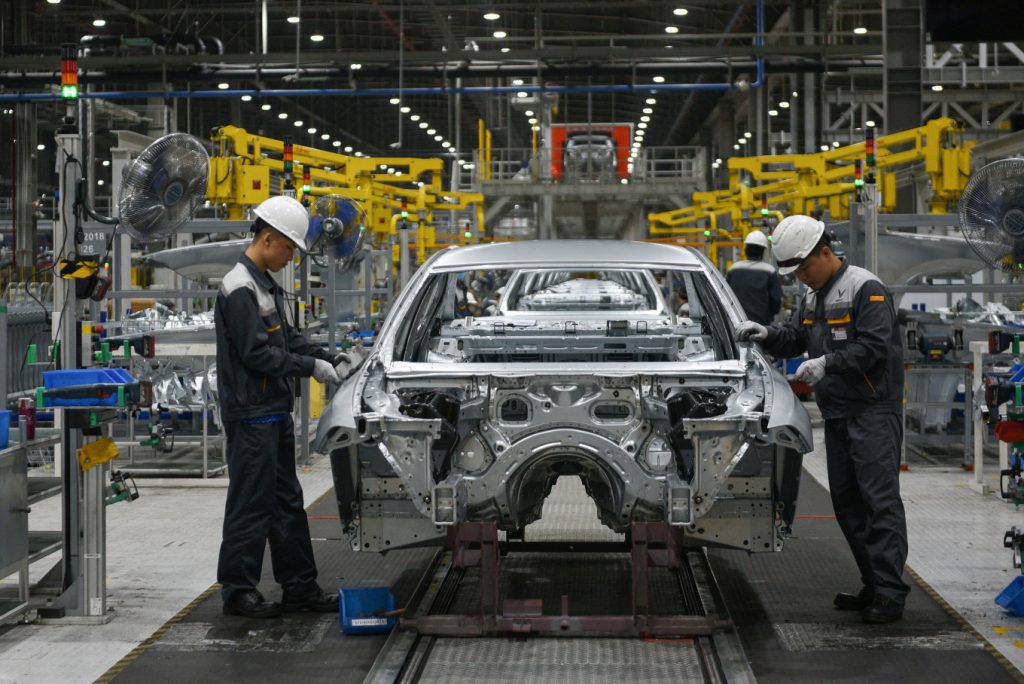
Toyota Motor Corporation, the world’s largest automaker, is expected to report stable annual earnings on Thursday, driven by robust demand for its hybrid vehicles. However, investors remain cautious, anticipating potential impacts from US tariffs that could affect future profits. Industry experts are keenly observing whether Toyota will account for the effects of US tariffs, imposed by former President Donald Trump, which are expected to significantly impact automakers conducting business in the United States. Toyota will also face scrutiny regarding its plans for Toyota Industries, following recent confirmation that the automaker is considering investing in a potential buyout of the key parts supplier. Seiji Sugiura, a senior analyst at Tokai Tokyo Intelligence Laboratory, noted that the primary focus will be on the company’s guidance for the fiscal year ending March 2026. However, he added that it remains uncertain whether the potential tariff impacts will be included. Earnings Forecast and Market PerformanceFor the fourth quarter, analysts project Toyota’s operating profit to increase by 2% year-on-year, reaching 1.13 trillion yen (£6.3 billion), marking the first rise in three quarters. Toyota’s global sales in the January-March period grew by 5% compared to the previous year, driven by strong demand in the United States and Japan. Despite steady hybrid vehicle sales, Toyota’s full-year operating profit for fiscal 2024 is expected to decrease from the previous year’s record. The company raised its profit forecast in February to 4.7 trillion yen (£26.7 billion), still marking a 12% decline from the prior year. Toyota’s decision to focus on gasoline-electric hybrids, such as the Prius and Camry, has proven beneficial. However, challenges persist, as suppliers face difficulties in keeping pace with production demands. Potential Tariff ImpactThe company could face an 800 billion yen (£4.5 billion) reduction in its fiscal 2025 operating profit due to US tariffs on Japanese exports. This estimate does not account for broader repercussions, such as a potential economic downturn in the US or the effects on Toyota’s production in Canada and Mexico. Toyota has maintained that it will continue regular operations and focus on reducing fixed costs rather than implementing drastic measures, such as increasing car prices. Insiders have revealed that the automaker is considering producing the next generation of its popular RAV4 SUV in the US to mitigate risks associated with tariffs and exchange rate fluctuations. Investment in Toyota IndustriesInvestors are also awaiting updates on Toyota’s potential buyout of Toyota Industries. The impact on Toyota’s market value will depend on the deal structure, according to James Hong, head of mobility research at Macquarie. Additional investment could be seen negatively, while addressing cross-shareholding issues might positively influence the market. Toyota Industries, a nearly century-old company, was originally spun off from Toyota Motor. As of last September, Toyota owned approximately 24% of Toyota Industries, while the latter held around 9% of Toyota Motor and over 5% of Denso, another Toyota affiliate. Toyota’s share price has fallen by 13% this year, compared to an 8% decline for the Nikkei 225 index. Analysts will be closely watching the company’s strategy for unwinding cross-shareholdings amid pressure from regulators and investors. –Reuters

Energy & Technology, News

Seven EV Makers Commit Rp 15 Trillion to Indonesian Production Facilities

JAKARTA: Indonesia is set to become a hub for electric vehicle (EV) manufacturing as seven global automakers have expressed plans to establish production facilities in the country, according to Investment Minister Rosan Roeslani. Speaking to reporters in Jakarta on Tuesday, Rosan said several companies had already formalised their investment commitments and commenced factory construction. The list includes prominent automakers such as China’s BYD, France’s Citroën, Chinese brands Aion and Gili, Maxus, Germany’s Volkswagen, and Vietnam’s VinFast. The cumulative investment value of these projects is estimated to reach Rp 15.4 trillion (approximately $911 million), with a combined production capacity of up to 281,000 vehicles annually. “These seven EV producers have confirmed their plans to relocate investment and have already started construction, totalling Rp 15.4 trillion,” Rosan stated. The minister highlighted Indonesia’s rapid growth in EV sales, noting that sales in 2024 more than doubled compared to the previous year. With this momentum, he stressed the importance of building a robust domestic EV manufacturing base to avoid relying solely on imports. “The growth is highly significant. We must strengthen the ecosystem so Indonesia doesn’t end up merely being a consumer market,” Rosan said. Indonesia’s EV sector is experiencing an upward investment trend, driven by the country’s commitment to achieving net-zero emissions by 2060 or sooner. This ambitious goal has spurred the acceleration of EV adoption, making Indonesia increasingly attractive to global investors. Additionally, the country’s abundant natural resources, including nickel and bauxite used in EV battery production, are seen as a competitive advantage that bolsters investor confidence. Rosan pointed out that EV sales in Indonesia grew by 153% year-on-year in 2024, with the market share of electric cars rising from 1.7% in 2023 to 5% of total vehicle sales. This significant increase underscores the potential for further growth as the country moves towards greater EV adoption and local production. –Jakarta Globe

Energy & Technology, News

Samsung’s Harman Acquires Premium Audio Brands from Masimo in $350 Million Agreement

Samsung Electronics Co. has announced that its subsidiary Harman International will acquire the audio business of U.S.-based health technology company Masimo for 500 billion won (US$350 million). The acquisition will add a range of high-end audio brands to Harman’s existing portfolio, including Bowers & Wilkins, Denon, Marantz, Polk Audio, and Definitive Technology. These will join Harman’s established lineup, which features JBL, Harman Kardon, and AKG, according to Samsung Electronics. Masimo, known primarily for patient monitoring devices, ventured into the home audio market in 2022 with its acquisition of Sound United, the parent company of several premium audio brands, including Bowers & Wilkins. Samsung Electronics stated that this strategic acquisition would strengthen Harman’s position in the global consumer audio market, which is projected to grow from US$60.8 billion in 2025 to US$70 billion by 2029. Dave Rogers, president of Harman’s lifestyle division, said, “Built on a shared legacy of innovation and excellence in audio technology, this combined family of brands, together with the talented employees of both companies, will deliver complementary audio products, strengthen our value proposition and offer more choices to consumers.” The acquisition is expected to be finalised by the end of 2025, further bolstering Harman’s standing as a leader in the premium audio segment. –Yonhap

Energy & Technology, News

Uber Teams Up with Pony AI to Introduce Autonomous Ride-Hailing in the Middle East

Uber has announced a strategic partnership with Chinese robotaxi developer Pony AI to integrate self-driving vehicles into its ride-hailing platform, marking a significant step in the company’s expansion into autonomous transportation. The collaboration, set to debut in a key Middle Eastern market later this year, will see Pony AI’s autonomous vehicles deployed initially with a safety operator onboard. The companies plan to transition to fully autonomous operations following a successful pilot phase. This latest partnership is part of Uber’s ongoing strategy to strengthen its position in the burgeoning robotaxi sector, where it faces competition from rivals such as Lyft and electric vehicle manufacturer Tesla. In recent weeks, Uber has forged new alliances with self-driving technology firms May Mobility and Momenta and expanded its collaboration with Chinese autonomous driving company WeRide to extend services to 15 more global cities. Additionally, last year saw Uber broaden its partnership with Alphabet’s Waymo. News of the deal sent US-listed shares of Pony AI, which went public on Nasdaq in November, up nearly 13% in premarket trading, while Uber shares dipped slightly by 1%. The autonomous vehicle industry continues to attract significant investment despite the technical and regulatory challenges it faces. Governments, including the US federal administration, are actively supporting the sector by relaxing certain safety requirements while maintaining essential incident reporting mandates. Founded in 2016 and backed by Toyota, Pony AI has rapidly expanded its footprint in the robotaxi space. The Guangzhou-based company has secured licences to operate robotaxis in major Chinese cities, including Beijing, Shanghai, Guangzhou and Shenzhen, and is actively exploring further expansion into South Korea, Luxembourg, the Middle East, and other international markets. By leveraging Pony AI’s advanced autonomous technology, Uber aims to bolster its competitive edge in the global ride-hailing market, capitalising on the growing momentum in the self-driving taxi sector. –Reuters

Scroll to Top

Subscribe
FREE Newsletter