international

Investment & Market Trends, News

Asian Markets Rally as US China Trade Pause Lifts Investor Sentiment

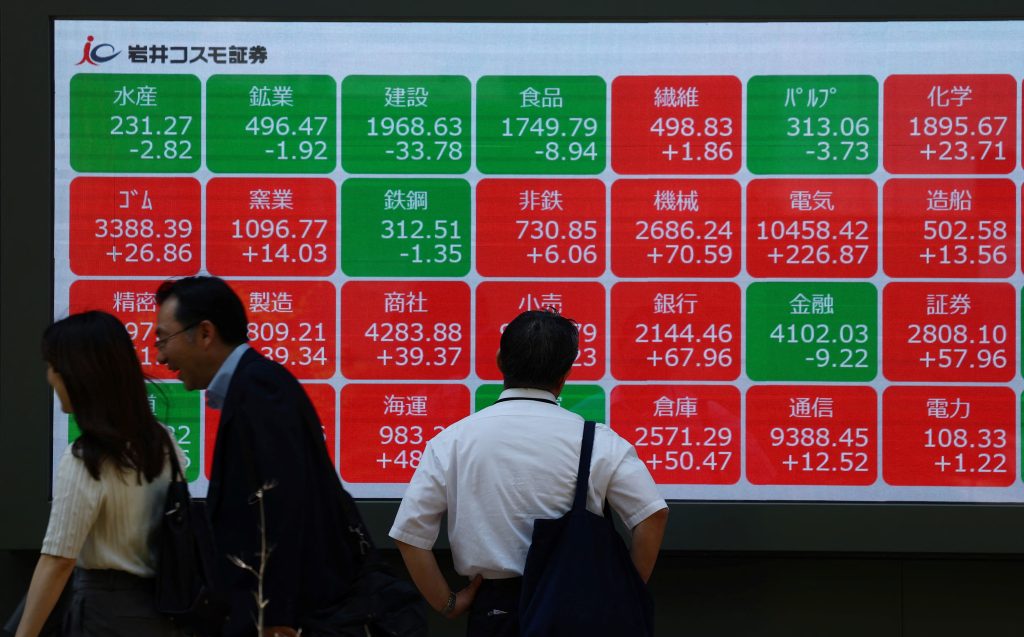
Asian markets rallied on Tuesday as a temporary pause in the US-China trade war boosted investor sentiment, easing fears of a global recession. The positive market response followed an agreement between the two economic giants to reduce tariffs for at least 90 days, prompting a shift in tone from recent confrontational rhetoric to one of “mutual respect” and “dignity”. Japan’s Nikkei surged 2%, reaching its highest level since 25 February, while Taiwan’s tech-heavy index also rose by 2%. Chinese stocks saw moderate gains in early trading. Singapore’s Straits Times Index climbed more than 1.5% in morning trade, pushing the MSCI’s broadest index of Asia-Pacific shares outside Japan to a six-month peak. In the US, the S&P 500 advanced over 3%, while the Nasdaq jumped 4.3%. The US agreed to cut tariffs on Chinese imports from 145% to 30%, while China reduced duties on US goods from 125% to 10%. This easing of trade tensions bolstered risk appetite across global markets. The US dollar, which had initially surged against the yen, euro, and Swiss franc, held on to most of its gains on Tuesday, although it weakened slightly as the trading session progressed. Despite the positive momentum, analysts remained cautious. Christopher Hodge, chief US economist at Natixis, noted that while de-escalation was expected, tariffs would still be significantly higher, continuing to impact US economic growth. Fitch Ratings reported that the effective US tariff rate had dropped to 13.1% from 22.8% prior to the agreement, although it remained historically elevated. Attention is now shifting to US inflation data, set to be released later on Tuesday. Soft consumer price index (CPI) figures could refocus market sentiment on Federal Reserve policy, potentially reducing expectations of further rate cuts. Traders are currently pricing in 57 basis points of cuts this year, down from over 100 basis points during the peak of tariff-related concerns in mid-April. US Treasury yields reached a one-month high on Monday and remained near that level on Tuesday, with the two-year yield at 3.99% and the benchmark 10-year yield at 4.45%. Oil prices slightly declined after hitting a two-week high, driven by trade deal optimism, while gold prices remained stable after falling 2% on Monday as some investors moved away from safe-haven assets. In the cryptocurrency market, bitcoin slipped 0.5% to $102,146, remaining above the key $100,000 mark it breached last week. Investors remain watchful as they assess the long-term impact of the trade truce and upcoming economic data. -Reuters

Energy & Technology, ESG

Trinasolar Powers Landmark 40 MW Northern Philippine Solar Project by PetroGreen

MANILA: Trinasolar, a global smart PV and energy storage solutions provider, has supplied 52,000 of its n-type i-TOPCon Vertex N 710-715W (NEG21C.20) modules for the Limbauan Solar Power Project (LSPP), a 40-megawatt direct current (MWdc) solar facility in San Pablo, Isabela, Philippines. Developed by BKS Green Energy Corporation (BKS), a subsidiary of Rizal Green Energy Corporation (RGEC), a joint venture between PetroGreen Energy Corporation (PGEC) and Japan’s TAISEI Corporation, the project aims to bolster Luzon grid’s renewable energy supply. LSPP is projected to generate approximately 59 gigawatt-hours (GWh) of clean energy annually, sufficient to power around 33,000 households and reduce carbon dioxide emissions by about 31,700 metric tons. This initiative marks a significant step towards enhancing Philippines’ renewable energy infrastructure and promoting sustainable development. The project is divided into two phases: a 6 MWdc Phase 1 connecting to the Isabela Electric Cooperative-II (ISELCO-II) system, and a 34 MWdc Phase 2 connecting to the National Grid Corporation of the Philippines’ (NGCP) 69 kV Tuguegarao-Cabagan line via a 4.73 km dedicated transmission facility. Beyond supplying high-efficiency and high-power modules, Trinasolar actively contributed to the project’s success by providing training programs aimed at upskilling local talent. This initiative aligns with the project’s goal of employing approximately 500-600 workers at the peak of construction, fostering economic growth in the Cagayan Valley region. Maria Victoria M. Olivar, PGEC Vice President for Business Development and Commercial Operations said, “We are thrilled to officially begin the installation of LSPP’s PV panels in the presence of our various stakeholders – private and public – especially local government officials of our host communities who are strong supporters of PetroGreen’s first investment in Region 2.” Atty. Angelynn C. Salazar conveyed a message from Isabela Governor Rodolfo T. Albano III saying, “The project also serves as a powerful reminder of what can be achieved when government, private sectors, and local communities work together toward a common goal.” Elva Wang, Trinasolar’s Group Director for Southeast Asia said, “Philippines boasts immense potential to harness solar energy to meet its rising energy demands. By integrating our Vertex N modules, featuring cutting-edge n-type i-TOPCon technology, into the LSPP, we are delivering exceptional efficiency and energy output. Building upon our successful partnership, including the 117MW supply agreement signed in April 2024, we are committed to supporting PetroGreen in accelerating the adoption of clean energy solutions across the nation.” -PR Newswire

News

Nissan Cancels ¥153 Billion EV Battery Plant in Japan as Part of Strategic Restructuring

Nissan Motor Co. has confirmed it will no longer proceed with its previously announced ¥153.3 billion (US$1.1 billion) electric vehicle (EV) battery facility in Kitakyushu, southern Japan. The decision marks a significant revision to the automaker’s domestic investment strategy as it undertakes sweeping turnaround measures under new leadership. The lithium iron phosphate (LFP) battery plant, first unveiled in January, was projected to generate approximately 500 jobs and deliver a production capacity of 5 gigawatt-hours (GWh) annually. It was originally scheduled to commence operations in or after July 2028. The project had also qualified for a potential government subsidy of up to ¥55.7 billion under Japan’s industrial policy initiatives. In a statement issued on Friday, Nissan said: “The company is taking immediate turnaround actions and exploring all options to recover its performance. After careful consideration of investment efficiency, we have decided to cancel the construction of a new LFP battery plant in Kitakyushu City, Fukuoka Prefecture.” The decision reflects a recalibration of Nissan’s domestic ambitions as it responds to ongoing financial headwinds and evolving strategic priorities. The automaker is currently undergoing a broad operational restructure under CEO Ivan Espinosa, who assumed leadership from Makoto Uchida last month. Cost-cutting measures include workforce reductions, production capacity optimisation, and site closures. Last month, the Yokohama-based company forecast a record net loss of between ¥700 billion and ¥750 billion (US$4.8 billion–US$5.1 billion) for the financial year ending March 2025, primarily driven by significant impairment charges. Nissan is expected to present its financial outlook and provide further detail on its restructuring roadmap during the release of its full-year results on Tuesday. –Reuters

News

Korea and Saudi Arabia Advance Strategic Ties Through Business Forum on Emerging Industries

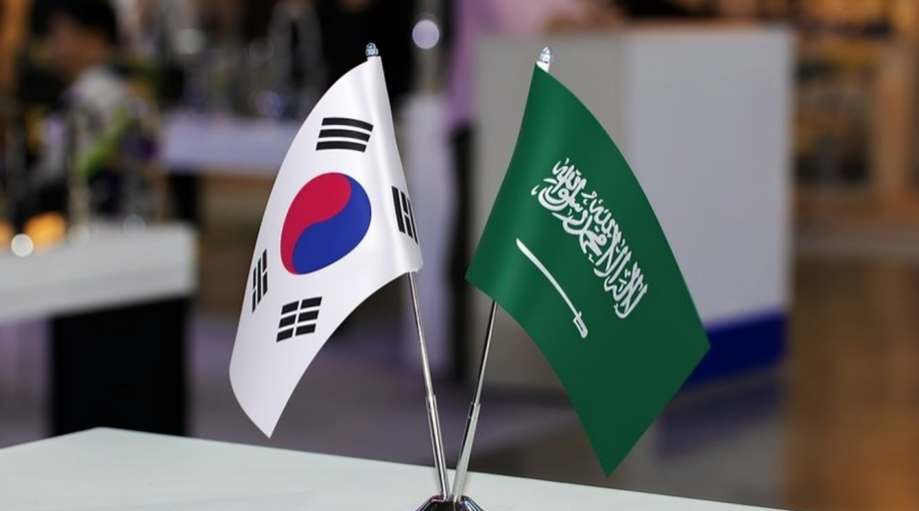
SEOUL: South Korea and Saudi Arabia convened a high-level business forum in Seoul on Friday to bolster cooperation across advanced industries, signalling a shared commitment to strategic economic collaboration amid a shifting global trade landscape. The Korea–Saudi Arabia Business Forum brought together over 120 companies, including 20 major firms from Riyadh and 100 South Korean enterprises. The event was organised under the auspices of South Korea’s Ministry of Trade, Industry and Energy. Participating Saudi organisations included telecoms leader STC Group, state defence conglomerate Saudi Arabian Military Industries (SAMI), and Ceer, the Kingdom’s first electric vehicle (EV) manufacturer. From Korea, a broad spectrum of firms across sectors such as information technology, defence, digital infrastructure, EVs, and renewable energy took part in bilateral discussions. Vice Minister for Trade Park Jong-won, delivering a congratulatory message, emphasised the importance of aligning with emerging Global South economies. “To navigate the rapidly evolving global trade environment, it is essential to deepen cooperation with dynamic economies such as Saudi Arabia,” he said. He also underscored Korea’s intent to leverage existing bilateral frameworks, including the Korea-Gulf Cooperation Council (GCC) Free Trade Agreement, to further facilitate business synergies. “We will actively utilise government-level cooperation channels and expedite the implementation of the Korea-GCC FTA to support enhanced private-sector collaboration,” Park added. Signed in 2023, the Korea-GCC FTA is designed to remove trade barriers and expand economic integration with the six GCC member states: Saudi Arabia, the United Arab Emirates, Bahrain, Oman, Qatar, and Kuwait. The forum marks another step forward in the growing economic partnership between Korea and Saudi Arabia, particularly as both countries pursue innovation-led industrial strategies. –Yonhap

Investment & Market Trends, News

Korea Zinc to Retire Nearly 10% of Shares in ₩1.82 Trillion Strategy Shift

SEOUL: Korea Zinc Co Ltd, the world’s largest refined zinc smelter, has announced plans to cancel ₩1.82 trillion (US$1.29 billion) worth of its own shares this year, in a move aimed at enhancing shareholder value and reinforcing management stability. The company confirmed on Thursday that it will retire a total of 2.04 million treasury shares—representing 9.85% of its total issued shares—over three phases scheduled for June, September, and December 2025. The announcement follows an extensive buyback conducted in 2024, during which Korea Zinc repurchased 2.08 million shares to fend off a takeover attempt led by its largest shareholder, Young Poong Group, in alliance with private equity firm MBK Partners. The corporate struggle escalated in September 2024, when the Young Poong-led group launched a tender offer to increase its stake in the zinc producer. In response, Korea Zinc secured backing from Bain Capital and proceeded with a large-scale buyback to consolidate its control. In a critical development in March this year, a Seoul court ruled to restrict the voting rights of Young Poong in appointing new board members, allowing Korea Zinc’s CEO to retain his position and secure the board’s composition at the company’s annual general meeting. The share cancellation programme reflects Korea Zinc’s strategy to streamline its capital structure, support its share price, and reinforce its autonomy in the face of external shareholder pressure. –Yonhap

Investment & Market Trends, News

Thailand’s Solar Rooftop Market Heats Up Amid Falling Prices and Policy Support

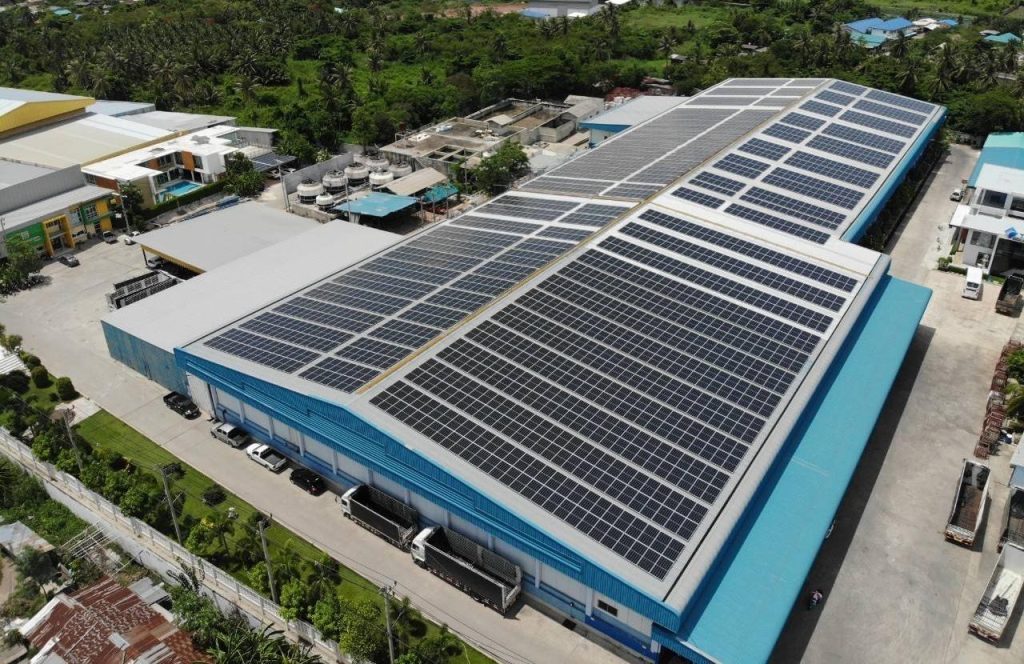
Thailand’s solar rooftop sector is poised for heightened competition as falling costs, an expanding array of suppliers, and regulatory support from the government converge to accelerate adoption across residential and commercial segments. EnergyLIB, a solar energy solution provider, has launched a new solar system specifically designed for townhouses, while  JJ-LAPP, the cable and connectivity solutions joint venture of diversified industrial conglomerate Jebsen and Jessen Group and LAPP Holding Asia, is partnering with Chinese solar panel manufacturer Deye to launch new products in Thailand. Chatchai Wajakiet, General Manager of JJ-Lapp – a joint venture between Jebsen & Jessen and Lapp Holding Asia – noted that recent easing of installation regulations and the increasing affordability of solar technology are key drivers behind growing consumer interest. “Entrepreneurs such as office and factory owners have traditionally led demand, but we expect to see increased adoption within the household sector in the coming years,” said Chatchai. “Lower prices for solar panels and energy storage systems are making clean energy more accessible.” The shift in cost dynamics is significant. In 2010, photovoltaic (PV) panels capable of generating 1 megawatt (MW) of electricity cost around 150 million baht. Today, the same capacity can be installed for just 15 million baht, according to Prapunt Harnchai, a consultant at Deye Thailand. Similarly, battery energy storage systems (BESS), which are essential for managing the intermittent nature of solar power, have seen substantial price reductions. A 5-kilowatt-hour BESS that previously cost 250,000 baht now retails for approximately 200,000 baht. While the domestic market outlook remains robust, broader geopolitical developments may also reshape regional dynamics. Industry analysts have indicated that Chinese solar manufacturers may increase exports to Asian markets amid trade tensions with the United States. President Donald Trump has proposed significant tariffs on solar panel imports from Southeast Asia, following allegations that Chinese firms operating in Malaysia, Cambodia, Thailand, and Vietnam are selling products below production cost due to state subsidies. A final decision from the US International Trade Commission on the proposed tariffs is expected in June. As solar technology becomes more affordable and policy frameworks more supportive, Thailand’s solar rooftop market is expected to expand further, underpinned by growing demand from both commercial and residential sectors. –Bangkok Post

Investment & Market Trends, News

China’s Exports Defy Tariffs with 8.1% Growth Despite 21% Drop in US Trade

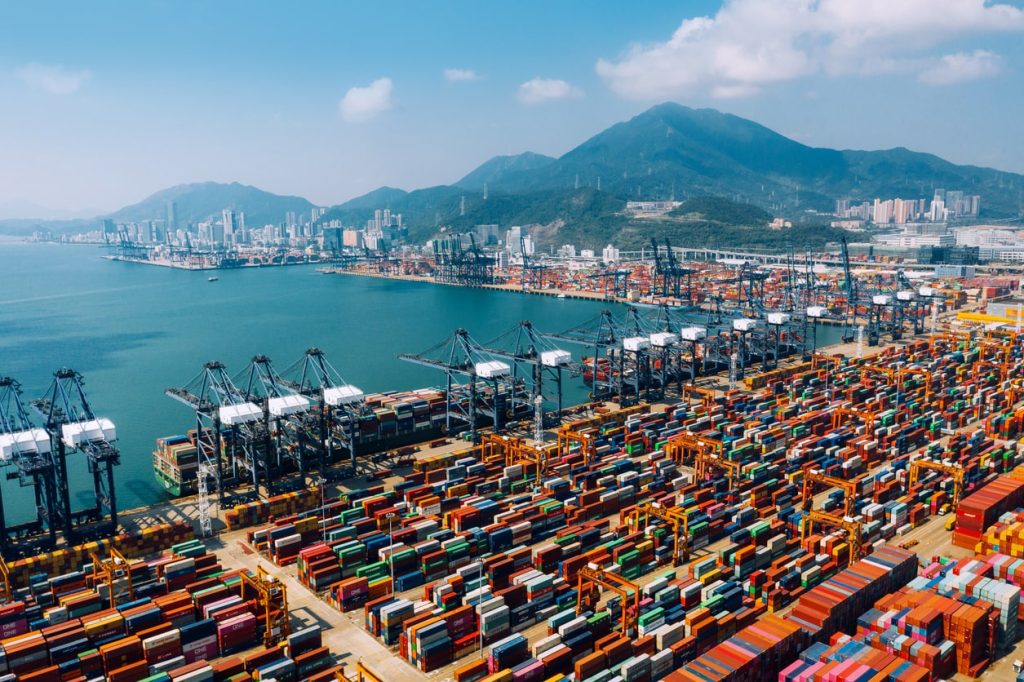
BEIJING: China’s export performance surpassed expectations in April, despite a significant decline in shipments to the United States following the imposition of aggressive new tariffs by the Biden administration. The latest trade data offer an early snapshot of the shifting global trade landscape as tensions between the world’s two largest economies intensify. According to figures released by China’s General Administration of Customs on Friday, total exports rose by 8.1% year-on-year, significantly above economists’ forecast of a 2% increase. Imports, however, edged down by 0.2%, resulting in a robust trade surplus of US$96 billion (RM414.03 billion). The headline growth in exports masks stark divergences in regional performance. Shipments to the US plunged by 21% year-on-year following the early April rollout of tariffs exceeding 100% on a wide range of Chinese goods. In contrast, exports to Southeast Asian nations within the ASEAN bloc surged 21%, while those to the European Union climbed 8%, underscoring China’s accelerating pivot towards other key markets. China’s own retaliatory tariffs led to a 14% drop in imports from the US during the same period, further reflecting the deepening disruption in bilateral trade flows. The April data provide the first official insight into the tangible effects of the latest escalation in trade tensions, though analysts warn that the full economic impact may not become apparent until the coming months. Many experts predict that, barring a de-escalation, trade volumes between China and the US — which reached nearly US$690 billion in 2024 — could shrink dramatically, with widespread implications for global supply chains and pricing pressures on businesses and consumers alike. Efforts to defuse the standoff are set to resume this weekend, as US and Chinese officials convene for the first round of high-level trade talks since President Trump’s departure and President Biden’s administration adopted a more assertive trade stance. US Treasury Secretary Scott Bessent, who has described the current tariff regime as “unsustainable,” will lead the American delegation in discussions with a Chinese team headed by Vice Premier He Lifeng. Despite hopes from the business community that progress can be made, both sides have reiterated firm negotiating positions. President Biden recently ruled out lowering tariffs as a precondition for broader dialogue, while Beijing maintains that any resolution must begin with a full rollback of existing duties. With the talks scheduled to begin on Saturday, markets and industry stakeholders will be closely monitoring for any signs of compromise — though expectations for a breakthrough remain muted. –Bloomberg

Lifestyle, News

Pullman Unveils ‘Drafts’ and ‘Voices’ Platforms to Drive Cultural Innovation

SINGAPORE: Pullman Hotels & Resorts, a flagship brand under Accor’s premium portfolio, has launched two new global initiatives — Pullman Drafts and Pullman Voices — aimed at fostering cultural dialogue, sparking progressive ideas, and reshaping the way people connect, think, and experience hospitality. The new platforms mark a significant evolution in Pullman’s 160-year legacy of innovation and purposeful progress, reinforcing its vision to serve not only as a provider of premium hospitality, but also as a conduit for intellectual and cultural exchange. Pullman Drafts, developed in collaboration with the House of Beautiful Business, presents a curated selection of narratives authored by global thought-leaders and creatives. Each piece is designed to provoke fresh thinking, invite inquiry, and challenge conventional perspectives. Topics span identity, productivity, creativity, and cultural transformation — all grounded in the belief that inspiration thrives at the intersection of contrast and connection. Contributors to Pullman Drafts include a diverse collective of thinkers and creators such as Taiye Selasi, Akbar Hamid, Sagarika Sundaram, Hannah Critchlow, Matt Klein, and Tim Leberecht. The first essay, “In Search of Inspiration,” written by Leberecht and featuring insights from thought-leader Michael Bungay Stanier, explores how inspiration arises from creative collisions and integrated living. Complementing this literary offering is Pullman Voices, a 12-episode podcast series co-created with Monocle. It offers immersive conversations with global visionaries from varied fields — from business and architecture to psychology and art. The series features notable figures including Lufthansa CEO Carsten Spohr, philosopher Djamila Ribeiro, psychologist Daniel Goleman, and creative director Pallavi Dean, among others. “Pullman Drafts and Pullman Voices are not simply brand initiatives — they are an invitation to participate in the cultural evolution of our time,” said Benoît Racle, Global President of Premium Brands at Accor. “Pullman has always stood for more than accommodation. We aim to connect minds, inspire movement, and act as a platform for visionaries shaping tomorrow’s world.” This initiative builds on Pullman’s historic ethos of transformation. From its inception by George Pullman — whose innovative hospitality concepts redefined travel — the brand has evolved into a modern space where contrasts converge and culture is co-created. Pullman’s partnership with the House of Beautiful Business and Monocle reflects its ongoing commitment to meaningful collaboration, as well as its ambition to blend premium hospitality with social and intellectual capital. The launch follows a global repositioning of Pullman as a lifestyle and ideas-led brand, aligning with Accor’s broader strategy of driving brand differentiation through thought leadership and innovation. The first Pullman Drafts essays are now available at pullman-happenings.com, while the Pullman Voices podcast is live on Monocle Radio, with new episodes released regularly.

News

LG Electronics invests US$600 million in new home appliance factory in India

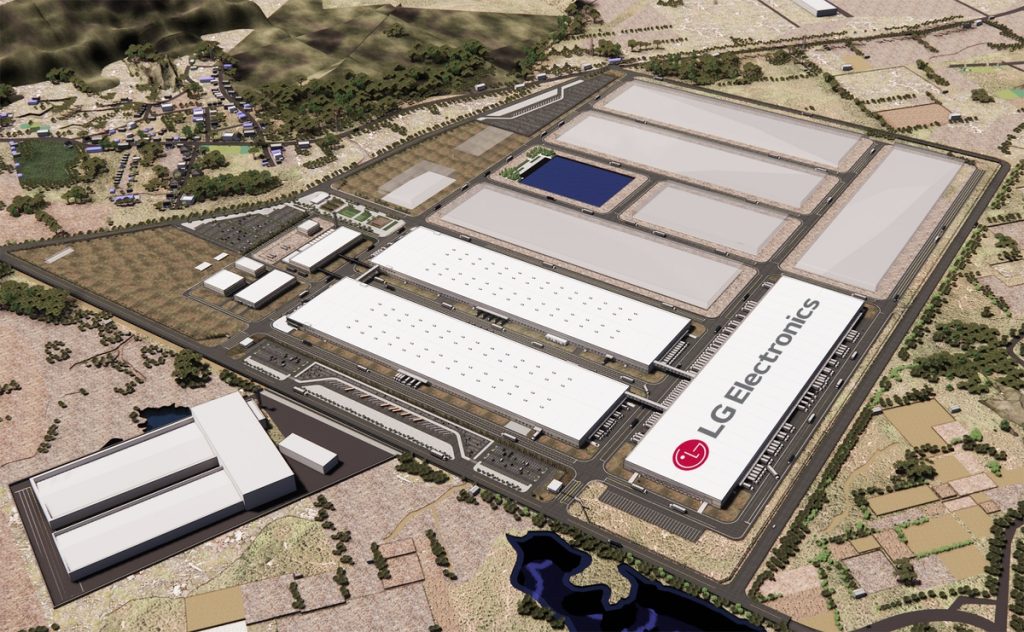
SEOUL: LG Electronics has announced plans to build a new home appliance factory in India, marking a significant investment in the fast-growing South Asian market. The company will break ground on the facility in Sri City, Andhra Pradesh, with local officials and company executives in attendance. Scheduled to commence production by the end of 2026, the new plant will be built at a cost of US$600 million. Once completed, it will have the capacity to produce 800,000 refrigerators, 850,000 washing machines, 1.5 million air conditioners, and 2 million air conditioner compressors annually. This will be LG Electronics’ third manufacturing facility in India, following its existing plants in Noida, Uttar Pradesh, and Pune, Maharashtra. The new plant in Sri City is poised to become a regional manufacturing hub, serving India and neighbouring markets such as the Middle East and Bangladesh. The expansion is part of LG’s strategy to strengthen its local supply chain and bolster its leadership in India’s growing consumer durables market. Lyu Jae-cheol, President of LG Electronics’ Home Appliance Division, emphasised the significance of the project, stating, “The construction of the Sri City plant is a milestone that signifies LG Electronics’ commitment to becoming a true national brand in India. With innovative products produced through a stronger local supply chain, we will further solidify our position as India’s top home appliance brand.” The new facility reflects LG Electronics’ ongoing commitment to India, as it continues to invest in local manufacturing to meet rising consumer demand and strengthen its market presence. –Yonhap

News

Bank of Thailand Expected to Cut Interest Rates Twice More This Year

The Bank of Thailand is expected to cut interest rates at least twice more this year, supported by low inflation and the need to address the economic fallout from the global trade war, according to market analysts. The next rate reduction is anticipated in the third quarter. The latest data from the Commerce Ministry showed that Thailand’s consumer price index (CPI) fell by 0.22% in April, marking the first contraction in 13 months. Analysts from KGI Securities (Thailand) had projected a smaller decline of 0.1%. Burin Adulwattana, Managing Director and Chief Economist at Kasikorn Research Center (K-Research), forecasted that the central bank will cut the interest rate “at least one more time” this year, following a recent 25 basis point (bps) reduction. Last month, the Bank of Thailand lowered its key interest rate by 25 bps for the second consecutive meeting, bringing it to 1.75%—the lowest level in two years. Economic pressures, including the impact of US tariffs on Thai exports and a slowdown in tourism, are driving the central bank’s stance on monetary easing. “The US tariffs would significantly impact Thai exports as tourism has begun to slow down,” said Mr Burin. K-Research predicts that despite a temporary 90-day halt on tariffs announced by US President Donald Trump, Thai exports are set to decline in the second half of the year. The research unit also highlighted a possible contraction in outbound shipments due to potential US tariff hikes. Krungsri Securities (KSS) has projected at least two more rate cuts this year, citing low inflation and economic risks from trade tariffs. The brokerage emphasised that the current conditions do not indicate deflation, but lower inflation is expected as imported goods from the US could enter the Thai market, driven by reciprocal tariffs. Maybank, based in Kuala Lumpur, has revised its inflation outlook for Thailand in 2025 to 0.5% for headline inflation and 0.8% for core inflation, down from previous estimates of 1%. The bank also adjusted forecasts for 2026 to 0.8% and 1%, respectively, due to external shocks and subdued domestic demand. “First-quarter GDP growth is expected to reach 2.7%, with the central bank likely to pause rate changes in June while assessing the economic effects of US tariffs. A further rate cut of 25 bps is expected in the third quarter,” noted Maybank. As Thailand navigates external pressures and domestic economic challenges, analysts widely anticipate the Bank of Thailand to continue prioritising rate cuts to support growth and stabilise inflation. –Bangkok Post

Scroll to Top

Subscribe
FREE Newsletter