international

News

Hong Kong Capital Markets Recover as Three Firms Announce Major Fundraising Efforts

Hong Kong’s capital markets are experiencing a robust rebound, with three prominent mainland Chinese and Hong Kong companies announcing plans to raise funds in the city on Wednesday. The surge follows a period of market revitalisation, driven by increased investor confidence and favourable economic conditions. Among the fundraising initiatives, China Petrochemical Corporation (Sinopec) announced that its offshore subsidiary, Deep Development 2025, has received approval to issue HK$7.75 billion (US$990 million) worth of exchangeable bonds in Hong Kong. The seven-year bonds are backed by shares of another Sinopec offshore subsidiary and are intended to refinance the group’s medium and long-term offshore debt. Meanwhile, Shanghai Microport Medbot, a medical equipment manufacturer, is preparing to raise approximately HK$389.62 million through the issuance of 25.1 million new shares at HK$15.50 each. After accounting for fees and expenses, the expected net proceeds of around HK$382.33 million will be allocated to research and development and the replenishment of working capital. Additionally, CSI Properties, a Hong Kong-based property investment firm, plans to allow its subsidiary, ESL, to issue new notes with a three-year maturity. The exact offering amount will be announced later, and the proceeds will be used to optimise CSI’s debt structure and balance sheet. The renewed fundraising activities highlight the ongoing recovery of Hong Kong’s capital markets, which began to rebound in late 2024 following three years of declines. As of April 2025, the total market capitalisation of stocks traded in the city had reached US$38.8 trillion, representing a 21% increase from US$32.1 trillion in the previous year. Trading activity has also surged, with the average daily turnover in April 2025 amounting to US$274.7 billion, marking a 145% increase from the US$112.3 billion recorded a year earlier. This resurgence has created an opportune environment for fundraising, supported by falling interest rates and growing investor interest. This week, Contemporary Amperex Technology, the world’s leading electric vehicle battery maker, launched a dual primary listing in Hong Kong, targeting a potential raise of up to HK$41 billion. If successful, this would be the largest share sale in the city since Kuaishou Technology’s US$6.2 billion initial public offering (IPO) in January 2021. Hong Kong’s capital market recovery has also propelled the city to the third spot globally for IPOs in the first quarter, with 15 companies raising HK$17.7 billion—nearly three times the amount raised during the same period last year, according to KPMG. Kenny Ng Lai-yin, a strategist at Everbright Securities International, attributed the positive fundraising environment to the recovery of capital markets and lower interest rates. The three-month Hong Kong interbank offered rate, currently at its lowest since July 2022, has made debt issuance more attractive. Issuing debt in Hong Kong, according to Ng, provides companies with access to a diverse investor base while enhancing their brand presence on the global stage. -South China Morning Post
News

India’s RBI Reviews EV-Linked E-Wallets Following Taxi App Collapse

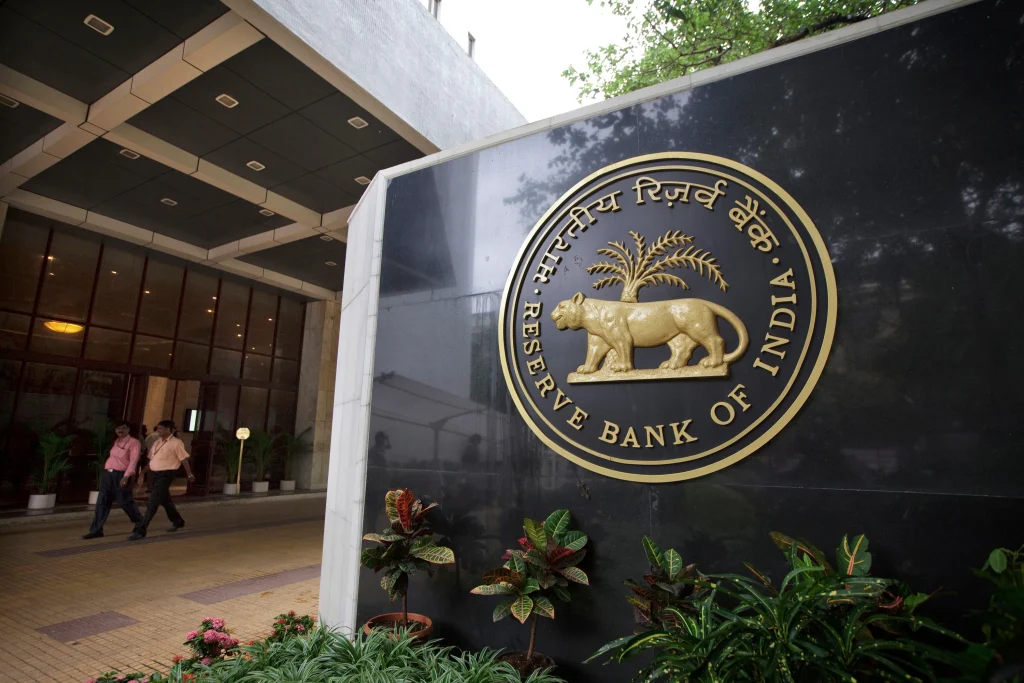
The Reserve Bank of India (RBI) is reviewing several digital wallets linked to electric vehicle (EV) companies following the unexpected collapse of BluSmart, the country’s largest all-EV taxi service. The sudden shutdown left users unable to access funds stored in the app’s e-wallet, prompting concerns about the lack of safeguards for consumers who load money into so-called closed-loop wallets. According to sources familiar with the situation, the central bank has initiated informal consultations with EV charging-point operators and other app-based EV platforms to evaluate potential consumer risks. This scrutiny follows allegations of fraud against BluSmart, which highlighted vulnerabilities in India’s fast-growing digital services ecosystem. Closed-loop wallets, widely used within the EV sector for services such as ride booking and charging, function solely within a single platform. Unlike open-system wallets regulated by the RBI, these digital wallets lack direct central bank oversight, making them particularly susceptible if the platform fails. Following the BluSmart shutdown, thousands of users who had preloaded cash into the wallet for airport and intra-city rides found themselves unable to obtain refunds or transfer their funds. The company informed customers that it could take up to 90 days to process refunds. The RBI is now considering proposing escrow arrangements for consumer balances in app-specific wallets, similar to those required of payment aggregators, to safeguard funds if a company ceases operations. Another option on the table is extending elements of the Prepaid Payment Instruments (PPI) guidelines to large-scale closed wallets. While the RBI has not yet taken a formal stance, any move to increase oversight could significantly impact India’s digital economy. Many platforms rely heavily on prepaid balances to build consumer loyalty and encourage repeat transactions. Sources indicated that the central bank may also hold a meeting with stakeholders in the coming weeks to discuss potential measures. An official response from the RBI is still pending. -Bloomberg

News

Honda Expects 70% Fall in Annual Profit as Tariffs Hit Hard

Honda Motor Co. has forecast a significant 70% decline in net profit for the financial year 2025–26, citing the adverse effects of U.S. trade tariffs on the global automotive industry. The Japanese automaker expects net profit to fall to 250 billion yen by March 2026, attributing the drop primarily to the economic impact of tariff policies and recovery efforts. This projection follows Toyota’s recent announcement forecasting a 35% year-on-year decrease in annual net profit due to similar pressures. Honda estimates that the tariffs and related recovery measures will cut around 450 billion yen from its operating profit over the year. The negative outlook arises after U.S. President Donald Trump imposed a 25% tariff on imported vehicles last month, a move aimed at revitalising the U.S. automotive sector but posing significant challenges to Japanese manufacturers. Speaking to reporters, Honda CEO Toshihiro Mibe acknowledged the difficulty of making long-term forecasts amid fluctuating trade policies, stating, “The impact of tariff policies in various countries on our business has been very significant.” Honda reported a net profit of 835 billion yen for the previous financial year, marking a nearly 25% drop from the previous period and falling short of its February forecast of 950 billion yen. The decline was attributed to lower sales volumes, especially in China and the ASEAN region, as well as increased incentives for electric vehicle (EV) sales in North America. Despite these challenges, hybrid vehicle sales showed growth. There is a potential silver lining for Honda as recent developments may lessen the financial strain from tariffs. Last month, President Trump issued an executive order to mitigate the cumulative effects of overlapping tariffs, offering a two-year grace period for automakers to restructure their supply chains within the United States. This decision is expected to benefit Honda, which currently manufactures over 60% of its U.S. vehicle sales domestically, the highest proportion among major Japanese automakers. Tatsuo Yoshida, an auto analyst at Bloomberg Intelligence, noted that Honda’s extensive U.S.-based production may cushion the blow compared to its peers, making the impact of tariffs “comparatively smaller” for the company. -Japan Today

Energy & Technology, News

Samsung Invests €1.5 Billion to Acquire German HVAC Leader FlaktGroup

Samsung Electronics Co. has announced its acquisition of FlaktGroup Holding GmbH, a German ventilation company, for 1.5 billion euros (approximately US$1.68 billion). This marks Samsung’s most significant takeover in nearly eight years, following its $8 billion acquisition of Harman International in 2017. The South Korean tech giant confirmed the deal with Triton, a European investment firm, to purchase a 100% stake in FlaktGroup. Headquartered in Herne, western Germany, FlaktGroup specialises in energy-efficient heating, ventilation, and air-conditioning (HVAC) solutions for diverse applications, including data centres, airports, museums, and commercial buildings. Roh Tae-moon, acting head of the device division at Samsung Electronics, expressed confidence in the strategic move. “Through the acquisition of FlaktGroup, an applied HVAC specialist, Samsung Electronics has laid the foundation to become a leader in the global HVAC business, offering a full range of solutions to our customers,” he said. “Our commitment is to continue investing in and developing the high-growth HVAC business as a key future growth engine.” The acquisition aligns with Samsung Electronics’ broader strategy to secure growth in emerging sectors, including HVAC, robotics, medical technology, and consumer audio. The global HVAC market is expected to expand significantly from $61 billion in 2024 to $99 billion by 2030, at an annual growth rate of 8%. This surge is driven by increased demand for energy-efficient systems and data centre solutions, propelled by the rise of generative AI, robotics, and autonomous technologies. Samsung aims to strengthen its service and maintenance offerings by integrating its building management systems with FlaktGroup’s HVAC control technologies. This combination is expected to deliver a comprehensive suite of energy management tools, enhancing Samsung’s capacity to serve a broader customer base. The acquisition builds on Samsung’s recent initiatives to expand its HVAC business, particularly in ductless systems for residential and commercial applications. In May 2024, Samsung Electronics formed a joint venture with Lennox International Inc. to strengthen its HVAC presence in North America. By acquiring FlaktGroup, Samsung Electronics takes a decisive step towards establishing itself as a global leader in HVAC solutions, positioning the company to capitalise on the sector’s robust growth and evolving technological landscape. -Yonhap

News

Hong Kong Internet Exchange Traffic Increases 37% Over Two Years Boosted by Digital Innovation

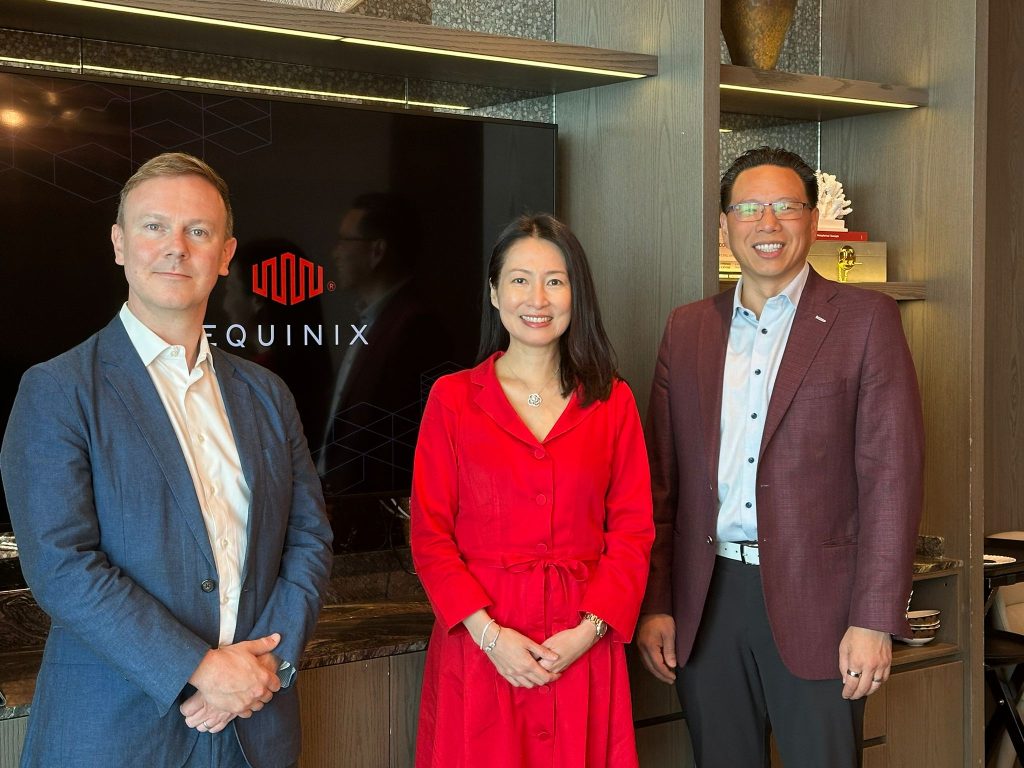
HONG KONG: Equinix, Inc. (Nasdaq: EQIX), the world’s digital infrastructure company®, revealed that Hong Kong’s peak traffic of internet exchanges, including domestic and international, grew by 37% from April 2023 to April 2025, post pandemic. 1 Equinix has recorded an even more significant surge with its Internet Exchange traffic rising at a remarkable growth rate of 57% in the same period. The proliferation of over-the-top (OTT) services, cloud computing and online gaming has been driving internet traffic over the past years. The increasing adoption of bandwidth-intensive applications for AI, machine learning and quantum across business operations and everyday life is set to further propel traffic levels. With the Hong Kong government’s Innovation and Technology Development Blueprint 2 outlining a clear vision for fostering innovation and technology, supplemented by an upcoming HK$10 billion Innovation and Technology Industry-Oriented Fund, the city is poised to channel even more resources into emerging technologies and strategic industries. By exchanging traffic through direct peering within internet exchanges like Equinix Internet Exchange® (EIE), network, content, and cloud service providers can bypass multiple internet hubs and transit providers around the world. This creates point to point connections between peering ecosystems, minimizing multiple hops and significantly reducing latency. As a result, research institutions managing large-file data exchanges, sports and media entertainment companies can enable their end users access content and applications without delays or interruptions. Joanne Hon, Managing Director, Equinix Hong Kong said, “Hong Kong has always been a place where the world comes together — a city that thrives on digital interconnection. At Equinix, we’re proud to play a part in that ambition, helping businesses bridge industries, markets and innovations. Whether it’s enabling real-time collaboration or powering the next wave of AI-driven breakthroughs, we’re committed to building the infrastructure that makes it all possible. That’s why last year, we announced our largest investment in Hong Kong in over a decade with new HK6 development, which we believe will ensure the city’s digital backbone is ready to support its pursuit in becoming a global innovation powerhouse.” EIE in Hong Kong is used by more than 240 of cloud service providers, content delivery network, social media, gaming and OTT companies around the globe, including the US, EMEA and APAC, across Australia, Greater China, India, North Asia, Southeast Asia and Mekong regions. Hosting one of the most mature internet exchange ecosystems in Hong Kong and worldwide, Equinix enables businesses to achieve secure and low-latency data exchange with a robust digital infrastructure that powers everything from AI-driven innovations to real-time global collaboration.

ESG, News

reNIKOLA and Sumitomo Sign MOU to Drive Bioenergy Transition in Southeast Asia

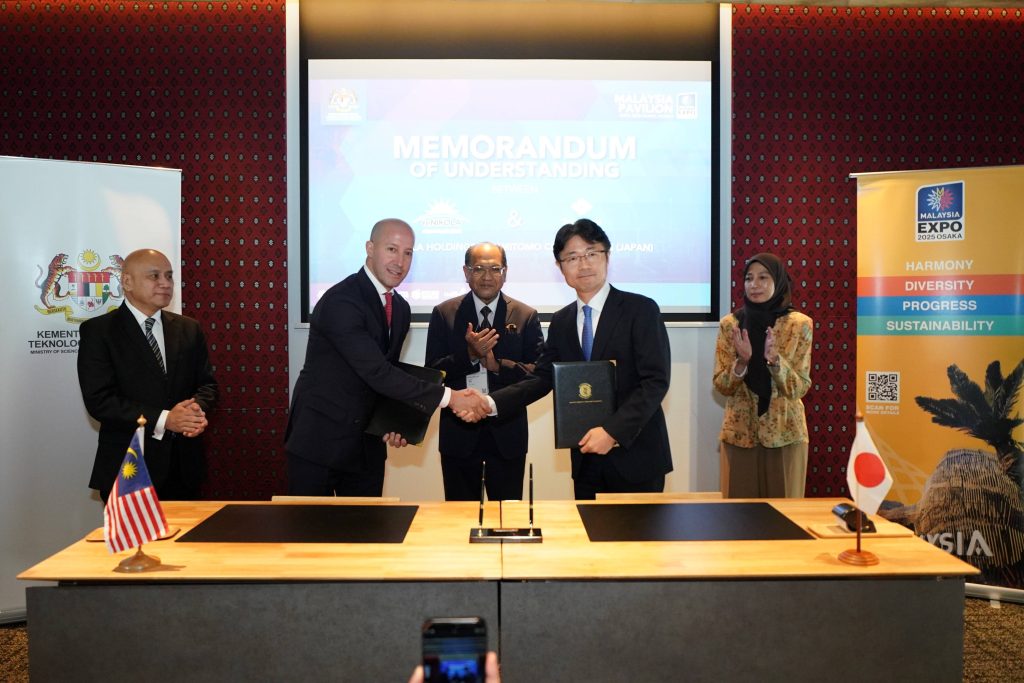
OSAKA: reNIKOLA Holdings Sdn BHD (“reNIKOLA”) and Sumitomo Corporation have entered into a Memorandum of Understanding (“MOU”) on 12 May 2025 to jointly develop a portfolio of large-scale bioenergy projects in Malaysia and Indonesia. The strategic partnership signed at the Malaysia Pavilion at Expo 2025 Osaka, Kansai, Japan marks a significant step forward in advancing the region’s clean energy transition. The MOU was signed by Mr. Boumhidi Abdelali, Managing Director of reNIKOLA, and Mr. Takechi Muramatsu, Head of Indonesia Energy Solution Unit No.2 of Sumitomo Corporation. The ceremony was witnessed by YBhg. Datuk Seri Hj. Hasnol Zam Zam bin Hj. Ahmad, the Secretary General of Malaysian Ministry of Science and Technology (MOSTI). The collaboration will focus on converting palm oil production residues into advanced renewable fuels, targeting the development of biomethane and low-carbon derivatives such as but not limited to liquefied biomethane (LBM) and biomethanol. This initiative aims to fortify the region’s energy resilience with the conversion of palm oil wastes into sustainable fuel, whilst spearheading the decarbonization of the palm oil sector. This collaboration is set to accelerate the transformation of Malaysia and Indonesia, the world’s largest palm oil producers into low carbon economies. The sustainable development driven by this partnership is expected to build a next-generation business that contributes to a carbon-neutral society by establishing a sustainable energy cycle and advancing global decarbonization. “This collaboration with Sumitomo Corporation represents a significant milestone in propelling the growth of bioenergy across the region. reNIKOLA is honoured to be at the forefront of this initiative, and we are grateful for our partners and stakeholders who share the commitment and passion in realising this,” said Boumhidi Abdelali (“Adel”), Managing Director of reNIKOLA. “We are confident that this partnership will be the bedrock of a cleaner and more sustainable future in both Malaysia and Indonesia, while raising the benchmark for sustainability within the palm oil industry.” Adel added, “We are also thankful to Bioeconomy Corporation for their unwavering support and recognition for our technology and expertise. To date, we have registered our company in Bioeconomy Corporation’s Bio-based Accelerator Program, which is aimed to infuse science, technology, and strategic investments into our bioenergy business. We are also in the process of obtaining Bio-Nexus Status for reNIKOLA.” “We are delighted to partner with reNIKOLA, a company that shares our dedication to sustainable growth and energy transition,” said Takechi Muramatsu of Sumitomo Corporation. “By combining our expertise and resources, we aim to set new standards for innovation, environmental responsibility, and low-carbon energy solutions in the region, whilst driving Asia’s clean energy transition.” reNIKOLA, with its strategic shareholder B.Grimm Power, is scaling its renewable energy portfolio, targeting the development of more than 40 projects over the next three years, with primary focus on sustainable fuels. Group President of B.Grimm Power, Dr. Harald Link said, “This MOU marks a pivotal entry point for the Group into the bioenergy sector — a bold step aligned with our commitment to sustainability and innovation. It reflects our vision of Empowering the World Compassionately, by creating cleaner energy solutions for a better tomorrow.”

News

Fisher Phillips Enters Asia Market with Office in Tokyo

TOKYO: Fisher Phillips, an international labor and employment law firm representing employers, announces the continuation of its global expansion with the launch of a Tokyo office. The new office gives Fisher Phillips a foothold in the region to respond to increasing client demand from American and multinational companies doing business in Japan and from Japanese companies doing business in the Americas. The new office location comes in response to Japan solidifying its position as a leading foreign investor in the U.S. – a trend that is expected to continue. As Japanese companies increasingly invest and operate within the U.S., their need to navigate and adhere to the complexities of the American legal system has grown significantly. This necessitates a deeper understanding and robust compliance strategies concerning U.S. laws and regulations to ensure smooth operations and mitigate potential legal risks. “The dynamic shifts in both the U.S. and Japanese employment regulations, coupled with the increasing globalization of business and the strategic importance of the Japanese market, have driven a substantial rise in demand for thoughtful and regionally available services tailored to the specific legal and cultural nuances of Japan and the broader Asia-Pacific,” said John Polson, Chairman and Managing Partner of Fisher Phillips. “Through our 45 offices across the U.S., Mexico and Japan, we can provide seamless coordination for global clients facing complex cross-border employment issues, ensuring consistent and effective legal counsel across multiple jurisdictions.” William Wright is Fisher Phillips’ Head of Global Strategies and has been behind the firm’s successful international expansion. Having focused almost exclusively on international employment issues for over 30 years, Bill noted that “this new office isn’t just an expansion; it’s a strategic alignment, creating powerful synergies with our existing work and client base. Tokyo represents yet another crucial international platform upon which we can seamlessly serve clients with increasingly complex multinational operations around the world.” With the opening in Tokyo, Fisher Phillips’ global consulting firm, Fisher Worldwide, also expands its services in Asia. Fisher Worldwide provides multinational companies with an international network of legal and HR consultants who can provide centralized critical support in talent management, compensation, compliance and operations, union relations, employee engagement and start-up/exit strategies. The Tokyo office will be led by Nan Sato, who also serves as Co-Chair of the firm’s International Practice Group with Bill Wright. As a U.S. lawyer and a Foreign Legal Counsel registered with Japanese Ministry of Justice, Nan will split her time between her U.S.-based practice and developing the firm’s Asia presence. She has extensive experience representing U.S. companies operating in Asia as well as Asian companies looking to expand into the U.S. market. As a global business partner, Nan helps multi-national corporations establish new international operations, M&A-related employment and data privacy issues, termination processes, international labor relations, global pay equity audits, as well as cross-border employment disputes. Joining Nan will be six legal professionals and consultants who can help multinational companies on employment issues, corporate transactions, and regulatory compliance in Asia, as well as structuring and negotiating cross-border transactions, and advising on labor and employment issues in global mobility scenarios. The team offers a unique advantage in providing fast and reliable support to the firm’s Japanese clients, communicating in their language and during their business hours. To learn more about Fisher Phillips’ Tokyo office, click here. -PR Newswire

ESG, News

KT&G to Plant 10000 Trees in Mongolia as Part of Climate Initiative

South Korean tobacco company KT&G has announced plans to extend its environmental initiative, the “Forest of Imagination,” to Argalant, Mongolia. Building on previous afforestation projects in Ulaanbaatar, the company aims to plant 10,000 Ulmus pumila trees, known for their adaptability to harsh climates. The project, managed through the Mongolian Agricultural Education Center under the KT&G Welfare Foundation, will also establish an irrigation system to support sustainable forest development. Local residents will be trained and employed for tree planting and maintenance, fostering long-term environmental management and community participation. Funding for the project comes from KT&G’s “Imagination Fund,” a matching grant initiative where employees contribute a portion of their salaries, with the company matching the amount. This approach reflects KT&G’s commitment to global citizenship and social responsibility. A KT&G Welfare Foundation representative stated that the project aligns with the company’s commitment to addressing climate change and supporting local ecosystems. As part of its broader sustainability strategy, KT&G has also signed a memorandum of understanding with the Asian Forest Cooperation Organization to support forest conservation across Asia. In addition to the Mongolian project, the partnership will focus on reforestation efforts in Kazakhstan’s fire-affected Abai region and mangrove restoration initiatives in Indonesia, further emphasizing KT&G’s dedication to environmental stewardship in the region. -Korea Herald

News

Sharp plans to sell Kameyama LCD plant to Hon Hai by August 2026

Sharp Corporation has announced its decision to sell its small and midsize liquid crystal display (LCD) panel plant in Kameyama, Mie Prefecture, to its Taiwanese parent company, Hon Hai Precision Industry. The transaction, set to be completed by August 2026, marks a significant step in Sharp’s strategic plan to streamline its business operations. The decision to sell the Kameyama No. 2 plant comes as Sharp seeks to concentrate its resources on more competitive and profitable sectors. The LCD panel business, which has struggled financially in recent years, is being downsized as part of a broader restructuring effort. Despite the transfer, Sharp assured that the plant would continue to fulfil existing client orders. Sharp President Masahiro Okitsu, speaking at an online news conference, confirmed that the company would maintain production of automotive LCD panels at its Kameyama No. 1 plant, as this segment remains a key profit driver. In another move reflecting its strategic realignment, Sharp plans to relocate its headquarters from Sakai to Osaka City within Osaka Prefecture. Financially, the company has reported a consolidated net profit of ¥36 billion for the fiscal year ending March 2024, marking a substantial recovery from the previous year’s net loss of ¥149.9 billion. This turnaround, the first profit recorded in three years, was attributed to successful restructuring measures and gains from asset sales. However, Sharp’s overall sales fell by 7.0% year-on-year to ¥2.16 trillion. Despite the decline, the company reported an operating profit of ¥27.3 billion, a notable improvement from the previous year’s loss of ¥20.3 billion. Looking ahead, Sharp projects sales of ¥1.85 trillion for fiscal 2025, representing a 14.4% decrease, and anticipates a net profit of ¥10 billion, a decline of 72.3%. The restructuring follows a period of financial difficulties, which led to the suspension of operations at Sharp’s television LCD panel factory in Sakai in August of the previous year. As part of its ongoing efforts to optimise operations, the company also sold part of the factory’s land and buildings to SoftBank. By offloading non-core assets and focusing on high-value production, Sharp aims to strengthen its long-term financial stability while continuing to serve its core customer base through strategic partnerships and targeted product offerings. -Japan Times

News

SCB and BlackRock strengthen partnership to boost Thai wealth management

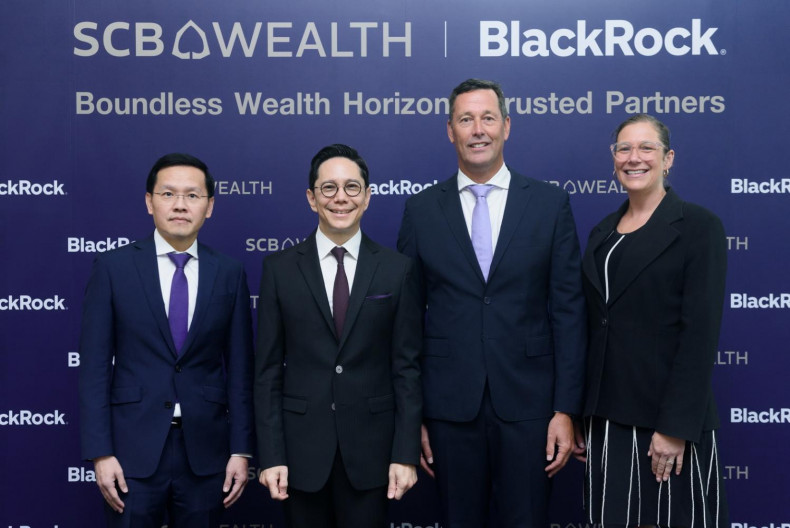
Siam Commercial Bank (SCB) has entered into a strategic partnership with BlackRock, the world’s largest asset management firm, to expand investment opportunities for Thai clients. This collaboration is part of SCB’s commitment to advancing the wealth of Thais and providing access to world-class financial solutions. Through its SCB Wealth division, the bank aims to position itself as Thailand’s leading wealth management institution. SCB Wealth clients will now benefit from privileged access to exclusive investment products, comprehensive research, and strategic insights drawn from BlackRock’s global network. Kris Chantanotoke, SCB’s chief executive, emphasised that the partnership, which took about a year to finalise, was designed to distinguish itself from previous alliances by significantly enhancing wealth management capabilities. The collaboration focuses on three key areas: investment products, research and technology, and human resources. SCB Wealth will combine its understanding of local investors’ needs with BlackRock’s global expertise, creating customised investment strategies that align with clients’ financial goals. A joint committee has been established to evaluate and curate exclusive offerings for SCB’s wealth clients. As part of this initiative, SCB has launched the SCB Wealth Academy to upskill its relationship managers (RMs), equipping them with the knowledge and tools to meet evolving client needs. The academy aims to support SCB’s core wealth segments, including SCB Private, SCB First, and SCB Prime, while also catering to emerging affluent individuals interested in personal and retirement financial planning. The partnership is also leveraging digital innovation to enhance accessibility. SCB is committed to using digital channels to broaden its wealth management services, supported by BlackRock’s advanced technological capabilities. One such initiative is the integration of BlackRock’s Aladdin Academy, a digital learning platform offering tailored content and certifications for investment professionals, including portfolio managers and risk analysts. Andrew Landman, deputy head of Asia-Pacific and head of Southeast Asia and Oceania at BlackRock, highlighted that digital tools will help expand customer access to wealth management services. He noted that the Aladdin Academy will enhance the skills of financial professionals, supporting a broad spectrum of roles within the investment lifecycle. Landman also stressed the importance of co-research, given the current global economic volatility and geopolitical risks. BlackRock’s research-driven approach aims to provide credible, high-value insights, allowing clients to make informed investment decisions amid an increasingly complex financial landscape. By prioritising long-term investment strategies, SCB and BlackRock are working to help clients secure sustainable growth and reliable returns. Landman underlined the importance of filtering reliable information from unreliable sources, particularly given the proliferation of data from social media. Through this partnership, SCB is reinforcing its ambition to become Thailand’s foremost wealth management provider while empowering clients to build long-term financial security. -Bangkok Post

Scroll to Top

Subscribe
FREE Newsletter