international

Upcoming Events

CeMAT Southeast Asia – The Leading Intralogistics & Supply Chain Fair Opens in 3 days

SINGAPORE: CeMAT Southeast Asia, the leading logistics and supply chain innovation trade event, is set to open in days, running 19 to 21 May 2025 at Singapore EXPO. Bringing together leading technology and service providers, CeMAT Southeast Asia will offer a one-stop hub for the latest in intralogistics, robotics and automation, warehousing, supply chain management, and materials handling. Attendees at this year’s event can expect cutting-edge product demonstrations, industry-leading solutions, and deep dives into best practice across key sectors, including e-commerce, manufacturing, food industry, pharmaceutical, FMCG, supply chain management and retail. With 65+ exhibitors, attendees can network with key industry leaders. Notable top exhibitors include SSI Schaefer, Dematic, Honeywell, Körber Supply Chain, KARDEX, Geek+, AutoStore, Swisslog, Samsung SDS Asia Pacific, Hyster-Yale Asia Pacific and many more. Mike Nissen, Commercial Director, Hannover Fairs Asia Pacific commented on the challenges and innovations driving the sector. “Southeast Asia’s logistics sector is evolving fast. With companies building more resilient supply chains, digitalization, skills development, and sustainability are becoming priorities.” “At the same time, growth in e-commerce, regional trade deals like RCEP, and automation are reshaping the industry. With its strategic location and tech momentum, Southeast Asia is set to lead in supply chain innovation. CeMAT Southeast Asia 2025 is proud to drive this transformation forward.” A highlight is the Singapore Hour — where exhibitors from the Singapore Pavilion talk about cutting-edge innovations in automation, warehousing, supply chain technology, and logistics. Additionally, the Knowledge Theatre, sponsored by SSI SCHAEFER, will feature expert-led sessions, offering insights and solutions for professionals in logistics and warehousing, with sessions on Industry leaders such as Carsten Spiegelberg, Head of Logistics Solutions APAC & MEA at SSI Schaefer, Alex Ch’ng, Business Development Manager at AutoStore, and Terrence Chan, Senior Sales Manager at Dematic, will share their expertise and insights on: The AI Revolution – How artificial intelligence is transforming logistics and supply chain operations. Future-Ready Intralogistics – Innovations shaping warehouse efficiency and supply chain agility. Robotics Excellence – The latest advancements in warehouse robotics and automation. Scalable SME Automation – Smart automation solutions tailored for small and medium-sized enterprises. Hot Trends in Cold Chain – Evolving best practices in temperature-controlled logistics. Sustainable and Secure Supply Chains – Strategies for building resilient, eco-friendly supply networks. The Warehouse of the Future – Technologies shaping next-generation warehousing and fulfilment. CeMAT Southeast Asia 2025 will once again host the LogiSYM Asia Pacific conference on May 20–21 at the Singapore EXPO. This premier event brings together logistics and supply chain leaders to share practical insights, explore innovations, and tackle industry challenges. With thought-provoking discussions and interactive sessions, the partnership between CeMAT and LogiSYM offers aligned opportunities for networking, collaboration, and industry advancement. For more information and to register, visit https://cematseasia.com/. -PR Newswire
News

Alibaba Reports 6% Revenue Growth Despite Economic Hurdles

Alibaba has reported a 6% rise in annual revenue, offering a positive indication for China’s technology sector despite ongoing economic uncertainties, including subdued spending and concerns over trade relations. The Hangzhou-based tech giant, one of China’s largest companies with operations in retail, digital payments, artificial intelligence, and entertainment, recorded revenue of ¥996.3 billion (US$138.2 billion) for the fiscal year ending March 31. This marks a 6% increase from the previous year. Net income attributable to ordinary shareholders rose by 62% to ¥129.5 billion, according to a statement released on the Hong Kong Stock Exchange. In the final quarter alone, the company reported revenue of ¥236.5 billion, slightly below a Bloomberg forecast, while net income attributable to ordinary shareholders surged by 279% to ¥12.4 billion compared to ¥3.3 billion in the same period the previous year. CEO Eddie Wu stated that the company’s results reflect the effectiveness of Alibaba’s “user first, AI-driven” strategy, with core business growth continuing to accelerate. This growth arrives amid a renewed investor interest in China’s technology sector, sparked earlier this year by the release of the advanced AI chatbot DeepSeek. Alibaba’s share price has been highly volatile, influenced by fluctuating investor enthusiasm regarding Chinese AI advancements. A surge of optimism in January was followed by a significant decline last month after US President Donald Trump imposed a series of global tariffs. As competition intensifies, Alibaba, alongside tech giants Tencent and Baidu, is channeling substantial investments into developing and integrating advanced AI applications. This renewed focus comes at a time when China’s economy faces challenges from sluggish consumer spending and strained trade relations with the United States. Despite recent improvements, including announcements by Beijing and Washington to reduce tariffs, economic forecasts remain cautious. Economists suggest that China may find it difficult to meet the government’s growth target of approximately 5% for the year. Earlier this week, Alibaba’s industry counterparts Tencent and JD.com also reported moderate revenue growth in the first quarter, indicating a potential recovery in consumer spending. However, official figures released last Saturday revealed continued deflationary pressure, with consumer prices remaining low. In recent years, Alibaba has faced increased regulatory scrutiny as part of China’s crackdown on large domestic tech companies. Jack Ma, Alibaba’s co-founder, who was notably critical of China’s financial regulations, kept a low profile during this period. However, his public appearance alongside President Xi Jinping in February signaled a potential shift in the government’s stance, leading to a rise in Alibaba’s share price. Although Ma is no longer actively involved in the company’s management, he is believed to retain a significant ownership stake. -AFP

ESG, The Executives

Deden: World’s First Geothermal Coffee Pioneer from Kamojang, Indonesia

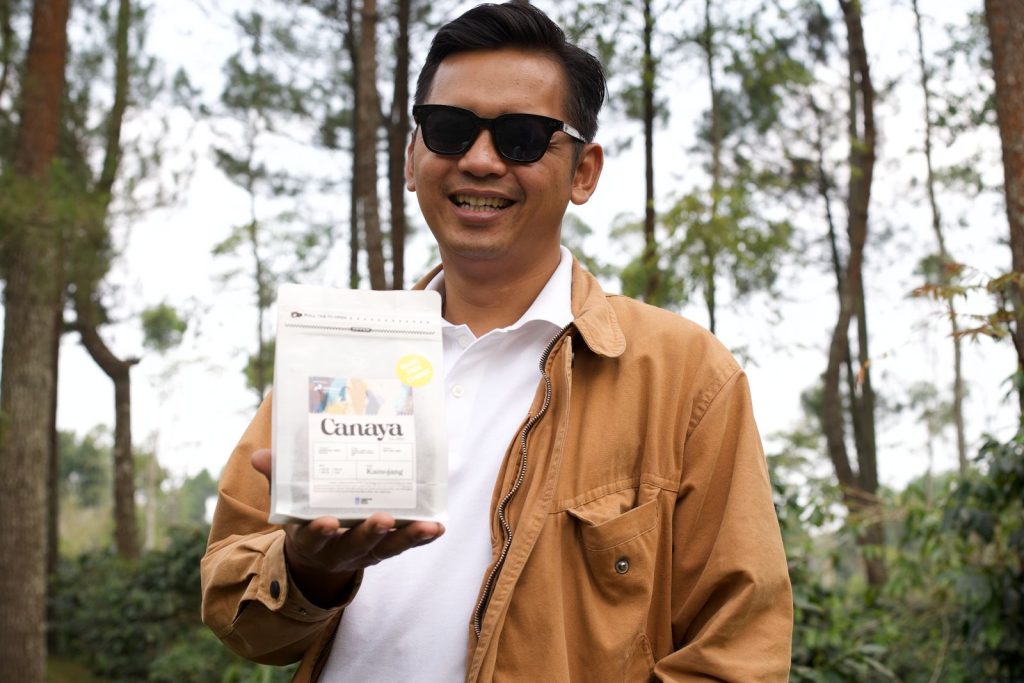
JAKARTA: Located along the Pacific Ring of Fire, Indonesia holds immense geothermal potential, accounting for around 40% of the world’s total geothermal reserves. Kamojang stands as a key milestone in the country’s geothermal history. Since its initial exploration in 1926, Kamojang has not only consistently supplied clean energy but also made history as the birthplace of the world’s first coffee innovation processed using geothermal steam. is the pioneer behind this innovation. Since 2023, Deden, together with local entrepreneurs, has been harnessing the natural wealth of his hometown with support from PT Pertamina Geothermal Energy Tbk (PGE) (IDX: PGEO), which has operated in Kamojang since 1983. The Beginning of His Coffee Business Before inventing the geothermal coffee innovation, Deden had been running a coffee business since 2015, including managing his own coffee shop. He is also active as the Head of Karang Taruna (Youth Organization) in Ibun District, Bandung, making his café a popular gathering place for locals and PGE employees to relax and share stories. Since then, Deden began to establish a good relationship with the employees of PGE Kamojang Area. This closeness developed through casual conversations often filled with discussions about coffee, from the production process to the potential for developing local coffee. After building a good relationship with employees of PGE Kamojang Area, Deden often engaged in casual conversations about coffee. These discussions eventually evolved into a concrete idea when PGE expressed interest in starting a coffee development program, which Deden enthusiastically welcomed. “At that time, I considered the idea to be a challenge. I saw geothermal potential as an opportunity to provide solutions to various problems faced by conventional coffee producers,” he explained. From Concept to Cup: Geothermal Coffee is Born Together with PGE, Deden conducted intensive research to identify the fermentation techniques best suited to the geothermal characteristics used in coffee processing. “I conducted fermentation research for almost a year. From more than 20 processes we tried, we finally found three that best fit the characteristics of the drying process,” he said. Following the research, Deden began producing coffee using Arabica beans grown in the highlands of Kamojang, at an altitude of around 1,500 meters above sea level. He then empowered local coffee entrepreneurs to build a more efficient business ecosystem through the use of ‘Geothermal Dry House’ technology, which utilizes geothermal steam trap from PGE as a substitute for sunlight, enabling a more stable, hygienic, and high-quality drying process. From a business perspective, this technology excels by accelerating the drying time up to threefold, resulting in up to 300% efficiency. This means lower operational costs and increased production capacity without additional time or expenses. “This technology also minimizes the risk of bacterial contamination from outside sources. That way, the bacteria that affect the process only come from the fermentation before drying. In terms of taste, the end result is more fruity, with a stronger aroma, and a smoother texture compared to coffee processed conventionally,” he explained. Now, Deden manages Geothermal Coffee Process (GCP) as Managing Director, where he collaborates with PGE to empower coffee farmers in Kamojang. GCP processes post-harvest coffee beans into green beans, partnering with over 80 farmers and absorbing 20 tons of coffee last season. Moving forward, Deden aims to develop GCP into an integrated business that delivers a broader social and economic impact for the community. Taking Indonesian Innovation Global In the first year of its launch, Deden mentioned that there were parties from abroad interested in replicating this system. “We felt it was important to patent it immediately. Rather than having this concept adopted by external parties first, it’s better for us to develop it domestically. We want the Indonesian people, especially in coffee-producing areas close to geothermal sources, to be the first to implement a similar concept,” Deden hoped. This is what fueled Deden’s spirit to introduce geothermal coffee as an original Indonesian innovation to the global stage. His efforts paid off, as GCP succeeded in penetrating international markets by starting to export its products to Japan. This year, they even aim to expand exports to Europe. “From the beginning, my friends at PGE Kamojang have always believed in me and encouraged me to keep trying new things. This collaboration is not just about inventing the world’s first geothermal coffee, but also about opening doors for us, local entrepreneurs, to grow, learn, and dream bigger. We are increasingly experiencing the benefits of geothermal energy, not just as a source of electricity in our homes, but also as a door that opens up opportunities for a better life,” he concluded. With a background as a vocational high school graduate in pharmacy, Deden is now exploring the opportunity to pursue a bachelor’s degree through a scholarship program from PGE. He has chosen to major in business management, aiming to realize his dream of building a sustainable enterprise, which he sees as his true challenge.

Energy & Technology, News

Equinix Unveils Its First AI-Ready Data Center with Dense Ecosystem in Jakarta

HONG KONG: Equinix, Inc. (Nasdaq: EQIX), the world’s digital infrastructure company®, unlocks Indonesia’s burgeoning digital opportunities by inaugurating its first International Business Exchange™ (IBX®) data center in Jakarta under the joint venture with PT Astra International Tbk (“Astra”). This high-performance data center, called JK1, provides access to more than 50 global and local network service providers and internet exchanges, forming a robust ecosystem to support businesses expanding in Indonesia. With its digital economy projected to reach US$130 billion by 20251, Indonesia needs foundational digital infrastructure to bolster connectivity and support emerging technologies like AI. By leveraging Equinix’s cloud-dense and highly secure platform, businesses in Indonesia can deploy data networks and services rapidly and at scale with a global footprint and extensive digital ecosystem, Equinix is well poised to empower local and global enterprises with a robust digital foundation to grow, innovate and interconnect. Meutya Hafid, Minister of Communication and Digital Affairs (KOMDIGI), Republic of Indonesia, said: “As Equinix’s first data center in Indonesia, Equinix JK1 is expected to serve as a strategic gateway for global technology companies and startups to expand their investments. Indonesia has the advantage of sufficient water supply and competitive energy access, including the great potential of green energy, which is a key factor in the operational efficiency of data centers. The presence of Equinix JK1 also opens up opportunities for collaboration with national businesses, from large corporations to SMEs, in strengthening the globally connected digital ecosystem.” Ricky Kusmayadi, Deputy Minister for Investment Information Technology, Ministry of Investment / Indonesia Investment Coordinating Board (BKPM), stated: “The launch of Equinix’s first data center in Indonesia underscores our nation’s growing attractiveness for long-term digital investment. This collaboration between global and local partners supports our vision of positioning Indonesia as a regional digital hub. We invite more investors to explore opportunities in Indonesia’s data center industry and take part in building a strong, sustainable digital infrastructure. We also welcome those committed to developing a robust and inclusive data center ecosystem that brings lasting value to businesses and society at large.” Cyrus Adaggra, President of Asia-Pacific, Equinix, commented: “Southeast Asia is a strategic market for Equinix, and our global customers as demonstrated by the impressive lineup of customers already committed to JK1 at its inauguration. Over the past few years, Equinix has been dedicated to expanding our footprint across this vibrant region to serve the rising digital needs of our customers. With our inaugural data center in Indonesia, we’re thrilled to enhance our support for businesses looking to grow in the region, as well as empower local companies eager to make their mark on the global stage.” Haris Izmee, Managing Director of Equinix, Indonesia, said: “E-commerce remains Indonesia’s largest sector in the digital economy, with the industry potentially reaching US$120 billion in 2025. This growth is further accelerated by a remarkable surge in cloud adoption, driving the demand for robust connectivity and scalable, high-performance digital infrastructure. Furthermore, as the nation gears for Indonesia Emas 2045 vision, establishing itself as a key digital hub in Asia will be crucial for long-term economic transformation. The inauguration of JK1 serves as a major milestone for Equinix, and we remain committed to support Indonesia’s broader ambitions for sustained economic growth.” Santosa, Director of Astra, said: “Astra continues to focus on developing digitalization to optimize the reach and quality of digital services that can be accessed by customers and the community without limitations of place and time. The combination of Equinix’s expertise in digital infrastructure and Astra’s extensive experience in the Indonesian market is expected to make JK1, the International Business Exchange (IBX) data center, which was inaugurated today, capable of providing comprehensive solutions to meet the needs of businesses in Indonesia both locally and internationally.” Highlight/Key Facts Equinix JK1 is located in Jakarta’s Central Business District, in close proximity to major internet exchanges in the region, enabling Indonesian businesses to access the rich network of highly connected International Business Exchanges globally. JK1 is an eight-story facility that offers 550 cabinets in the first phase, with a total capacity of 1,600 cabinets and colocation space of 5,300 square meters when fully built. The facility will provide interconnection services, including Equinix Fabric® and Equinix Internet Access®, enabling businesses in Indonesia build their own ecosystems and capitalize on digital opportunities. JK1 incorporates sustainability into its design, leveraging innovative technologies such as Cooling Array and liquid cooling technology, ensuring efficient heat management for high-density and high-performance computer workloads such as AI.  JK1 is designed to achieve an average Power Usage Effectiveness (PUE) of 1.41 at full load. The facility will be operated efficiently within the globally accepted boundaries of the A1A standards from the American Society of Heating, Refrigerating and Air-Conditioning Engineers (ASHRAE). Equinix’s data center in Indonesia is 100% covered by renewables2 through the purchase of renewable energy credits (RECs). Globally, Equinix achieved 96% renewables coverage in 2024. Equinix continues to focus on decarbonizing its global operations and optimizing efficiency across its portfolio. Equinix data centers boast an industry-leading, high average uptime track record of >99.999% globally. Today, the global footprint of Platform Equinix spans 270 data centers across 75 metros and 35 countries. In Asia-Pacific, Equinix currently operates 60 data centers in 16 key metros across Australia, China*, Hong Kong, India, Indonesia, Japan, Korea, Malaysia and Singapore. The company also announced its market entry into the Philippines and Thailand last year. *Equinix operates five data centers in Shanghai through a strategic partnership.

News

Starbucks Explores Strategic Options for China Business Amid Fierce Competition

Starbucks Corp is exploring strategic options for its China business, including a potential stake sale, as the global coffee giant navigates increased competition in its second-largest market. According to sources familiar with the matter, Starbucks has reached out to private equity firms, technology companies, and other potential investors to gauge interest and discuss potential growth strategies. The company, working with a financial adviser, has reportedly sent letters to several prospective investors, soliciting their insights on the future of its China operations. While discussions are still in the preliminary stages, a potential transaction could value the assets at several billion dollars. However, Starbucks may ultimately choose not to pursue a deal. This strategic consideration follows a challenging period for Starbucks in China, where local competitors such as Luckin Coffee Inc and Cotti Coffee have rapidly expanded. Luckin, in particular, has emerged as a formidable rival, reporting net revenue of US$1.2 billion in the quarter through March, significantly surpassing Starbucks’ US$740 million net revenue from its 7,750 stores in the country during the same period. Starbucks CEO Brian Niccol previously acknowledged the competitive pressures in China, stating during an April earnings call that the company had implemented changes to product offerings and pricing as part of a broader strategy to drive progress. Niccol reiterated Starbucks’ commitment to China, describing it as a long-term growth market. “We remain committed to China for the long term,” Niccol said. “We see great potential for our business there in the years ahead and remain open to how we achieve that growth.” In a separate statement in October, Niccol hinted at potential partnerships to support the company’s long-term objectives, without providing specifics. Starbucks’ decision to explore options follows similar moves by other global restaurant chains in China. In recent years, both McDonald’s Corp and Yum! Brands Inc, parent of KFC, divested stakes in their China operations to private equity firms to better adapt to local preferences. Starbucks shares have seen a decline of 25% since reaching a peak on 28 February, highlighting investor concerns over the company’s performance in China and the broader challenges facing the brand amid heightened competition. -Bloomberg

News

Hyundai Motor Begins Construction of First Middle East Plant in Saudi Arabia

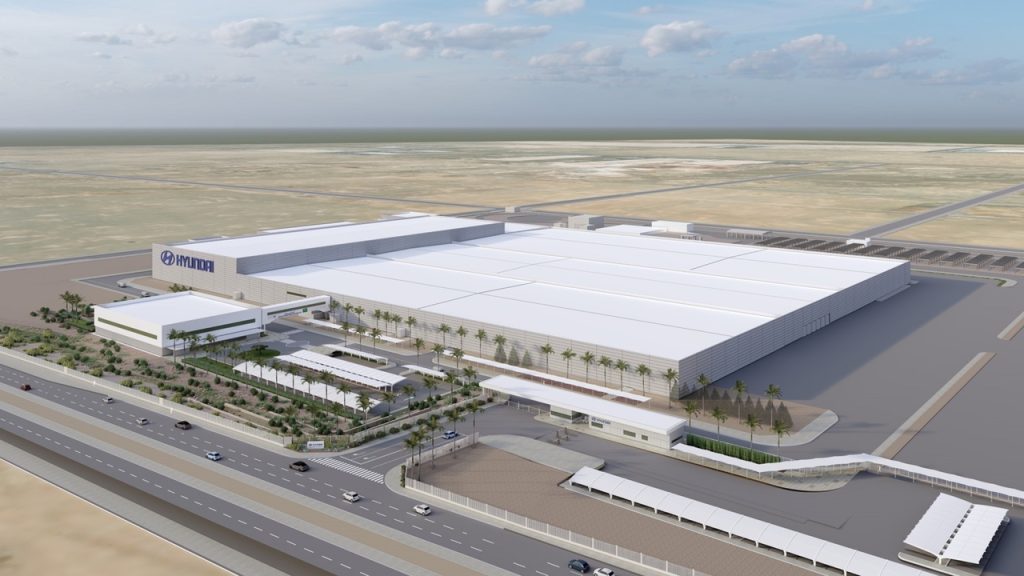
SEOUL: Hyundai Motor Co. has commenced construction of its first manufacturing facility in the Middle East, marking a major milestone in the company’s global expansion strategy. The new plant, named Hyundai Motor Manufacturing Middle East (HMMME), is located at the King Salman Automotive Cluster within King Abdullah Economic City (KAEC), Saudi Arabia. HMMME is a joint venture between Hyundai Motor and Saudi Arabia’s Public Investment Fund (PIF), with a 30-70 stake distribution. Set to begin production in the fourth quarter of 2026, the facility is designed to produce 50,000 units annually, including both electric vehicles (EVs) and internal combustion engine models. The establishment of HMMME aligns with Saudi Arabia’s broader strategy to foster a domestic automotive industry. As part of the Vision 2030 initiative, the plant is expected to support the kingdom’s ambition to diversify its economy beyond oil dependence by promoting local manufacturing and technological innovation. The groundbreaking ceremony, held on Wednesday at KAEC, was attended by over 200 dignitaries, including Bandar Alkhorayef, Saudi Arabia’s Industry Minister, and Chang Jae-hoon, Vice Chairman of Hyundai Motor Group. Chang highlighted the significance of the project, stating, “Today’s groundbreaking marks the beginning of a new chapter for both Saudi Arabia and Hyundai Motor, as we lay the foundation for a new era of future mobility and technological innovation.” Yazeed Alhumied, Deputy Governor of PIF, praised the collaboration as a demonstration of the fund’s commitment to building local expertise, attracting advanced technology, and creating skilled jobs within the kingdom’s automotive and mobility sector. The plant is expected to generate thousands of jobs and facilitate knowledge transfer, fostering local talent development in automotive manufacturing. The localization of Hyundai’s production is also anticipated to boost Saudi Arabia’s automotive and mobility ecosystem, positioning the country as a key player in the regional automotive industry. Additionally, Hyundai plans to establish a hydrogen mobility ecosystem in Saudi Arabia in partnership with the Korea Automotive Technology Institute, Air Products Qudra, and the Saudi Public Transport Company. This initiative includes creating a hydrogen mobility environment, piloting hydrogen electric buses, and collaborating on government-backed research projects. By establishing this manufacturing base, Hyundai Motor is positioning itself as a crucial contributor to Saudi Arabia’s Vision 2030. The company aims to leverage local talent and advanced technologies to support the kingdom’s goal of becoming a global hub for automotive innovation. -Yonhap

News

PayPal Launches Complete Payments in Singapore to Support E-commerce Growth

SINGAPORE: PayPal has launched PayPal Complete Payments for businesses in Singapore, offering a robust, full-stack payments solution designed to cater to small and medium-sized enterprises (SMBs) as well as large corporations. The platform aims to facilitate seamless global transactions, allowing merchants to accept payments from customers in over 200 markets through a single, customisable integration. Nadia Syed, Senior Vice President of International Cross Border Trade and General Manager Asia Pacific at PayPal, described the solution as a game changer for local businesses. “PayPal Complete Payments will give businesses here access to an extensive suite of new tools which will help them sell more effectively to global customers. It will also help businesses optimise their cash flow by enabling rapid settlement for transactions in minutes instead of days, while allowing them to hold multi-currency balances, reducing foreign exchange exposure,” she said. As cross-border commerce remains pivotal for Singaporean businesses, particularly amid global trade complexities, the launch of this service underscores PayPal’s commitment to supporting growth through streamlined payments and enhanced fraud protection. The platform not only offers traditional payment methods like Visa, Mastercard, American Express, and PayPal Wallet, but also includes region-specific options such as Alipay, iDEAL, and BLIK. This level of flexibility is crucial given that 70% of consumers consider the availability of their preferred payment method as essential when choosing where to shop. PayPal Complete Payments is also engineered to boost checkout conversion rates. Data indicates that globally, card processing through PayPal increases authorisation rates by 4.7 percentage points. The inclusion of both PayPal Wallet and Apple Pay can further enhance conversion rates by 17%. One key feature is the ability to present prices in local currencies, ensuring that customers can view costs in familiar terms regardless of their location. Additionally, businesses can leverage the platform to store payment methods securely within the PayPal vault, enabling repeat transactions while reducing the risk of payment declines. This capability not only fosters customer loyalty but also supports smoother, more efficient operations. The platform also addresses a critical pain point for businesses in Singapore: fraud. As the region experiences a rise in e-commerce payment fraud, PayPal has built Fraud Protection and Seller Protection into the system for eligible transactions. This feature, combined with integrations with Adobe Commerce, Big Commerce, and WooCommerce, enhances security while minimising disruptions. A prominent user, G2G (Gamer2Gamer), a global digital goods and services provider, has already benefited from the platform. Ken Chee, G2G’s Group CEO and Co-Founder, noted that the transparent fees, instant settlements, and multi-currency support offered by PayPal Complete Payments have strengthened the company’s ability to serve the US$250 billion global gaming market. Chee added, “This integration fuels G2G’s expansion, fostering trust and stronger connections with our global gaming community.” With PayPal Complete Payments now live, Singaporean businesses can expect greater flexibility, faster settlements, and enhanced fraud protection, helping them navigate the increasingly complex global trading environment. -PR Newswire

News

Shenzhen Sees 160% Rise in Visa-Free Entries Amid Tourism Revival

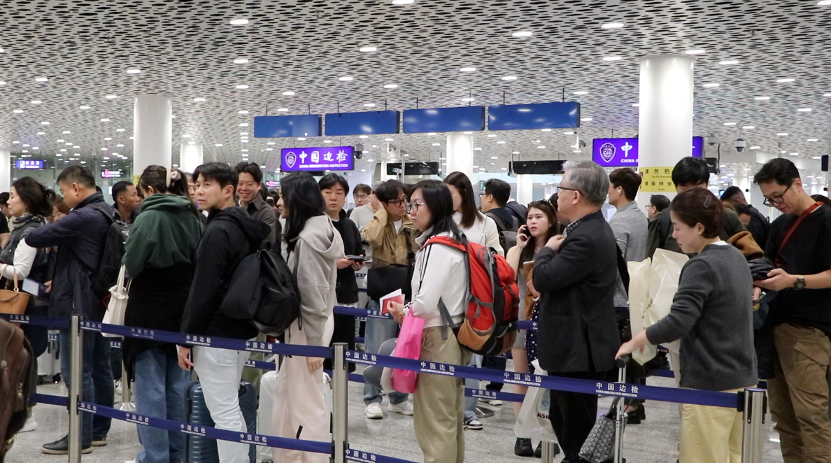
Shenzhen, China’s southern tech hub, has experienced a significant rise in overseas visitors this year, driven largely by the country’s expansion of visa-free entry and the ongoing integration of the Greater Bay Area, which connects Guangdong province, Hong Kong, and Macau. According to state broadcaster CCTV, Shenzhen’s international airport recorded over 152,000 visa-free entries by foreign nationals in 2025, marking a 160.3% year-on-year increase. Total foreign passenger entries rose by 54.6% to 531,000. The city has become increasingly popular not only among visitors from China’s two special administrative regions but also among tourists from Malaysia, South Korea, Japan, Vietnam, and Singapore. To accommodate this growing demand, Shenzhen will launch a direct flight to Dubai in July, with several new international routes to urban centres like Vientiane, Osaka, Singapore, Tokyo, Bangkok, and Hanoi added earlier this year. Renowned as a technology powerhouse and manufacturing hub, Shenzhen’s appeal lies in its proximity to Hong Kong, modern infrastructure, and affordability. Marc Guyon, founder of Hong Kong-based Club France International, praised the city as “fun, modern, and less expensive,” making it a popular destination for both leisure and business. Highlighting Shenzhen’s vibrant appeal, YouTube star IShowSpeed, who has 39.5 million followers, hosted a five-hour live stream from the city in early April, which amassed 8.7 million views. China has eased entry requirements since late 2023, introducing visa waivers for a broader range of countries to revive tourism following three years of pandemic-related travel restrictions. Notably, the 240-hour visa-free transit policy, launched at the end of last year, has significantly bolstered tourism, though figures have yet to reach pre-pandemic levels. In 2024, the number of travellers entering China through visa-free entry rose by 112% to 20.1 million. Overall, 610 million inbound and outbound trips were recorded last year, of which approximately 65 million involved foreign visitors — an 83% increase from the previous year. Despite the uptick, numbers still fall short of pre-pandemic figures; in 2019, foreigners made up nearly 98 million of 670 million cross-border trips. Nonetheless, Shenzhen’s robust tourism growth underscores the city’s pivotal role in China’s post-pandemic recovery. -South China Morning Post

Energy & Technology, News

Aramco Inks $90 Billion Deals with US Firms to Boost Energy and Tech Collaboration

Saudi Aramco, the world’s largest oil company, has signed agreements with major US companies, potentially amounting to $90 billion (RM385.74 billion). The deals were formalised through Aramco Group Co, covering collaborations across various sectors, including liquefied natural gas, fuels, chemicals, emission-reduction technologies, and artificial intelligence (AI). The agreements were announced following US President Donald Trump’s visit to Riyadh on his first official international trip since resuming office. Trump has been advocating for Gulf states to increase their investments in the United States and purchase more American goods. Among the 34 memorandums of understanding (MOUs) signed, key collaborations include one with Exxon Mobil Corp to evaluate an upgrade to the SAMREF refinery. Additionally, Aramco partnered with Amazon to advance digital transformation and lower-carbon initiatives, and with Nvidia Corp to develop AI infrastructure. This week, Aramco also revealed plans to invest $3.4 billion in its Motiva refinery in Texas, which stands as the largest fuel-making facility in the US. The series of agreements reflect Aramco’s strategy to diversify its energy portfolio and leverage advanced technologies, while also aligning with the US administration’s push for increased economic collaboration. -Bloomberg

News

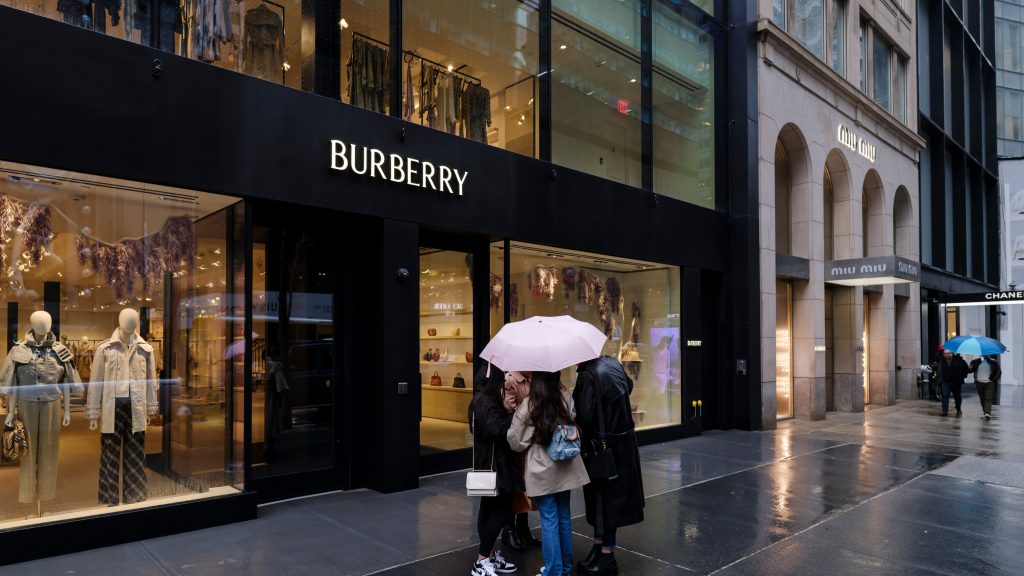
Burberry to Cut 1,700 Jobs Globally as Part of Cost-Saving Measures

Burberry has announced plans to reduce its global workforce by 1,700 as part of a strategic cost-cutting initiative aimed at revitalising the business. The luxury British brand is in the early stages of a turnaround plan under the leadership of CEO Joshua Schulman, who took over last year. The decision comes despite Burberry reporting an adjusted operating profit of £26 million (US$34.55 million) for the financial year ending March 29, 2025, significantly surpassing analysts’ expectations of £11 million. Schulman’s strategy marks a shift towards focusing on the brand’s iconic trench coats and scarves, following a period of challenges marked by product missteps, steep price increases, and a broader downturn in the luxury sector. Under his leadership, Burberry aims to reposition itself more effectively within the competitive luxury market. In the fourth quarter, comparable sales fell by 6%, slightly better than the forecasted 7% decline. While this is a sign of progress, the company is taking a cautious approach as it rolls out its autumn and winter collections. Schulman stated that the brand would increase the frequency and reach of its campaigns to capitalise on improved brand sentiment. The geographical breakdown of sales reflects the ongoing challenges facing the brand. Sales in both the Americas and the Europe, Middle East, India, and Africa (EMEIA) region fell by 4% year-on-year, while sales in the Asia-Pacific region dropped by 9%. Schulman’s strategy to boost sales by targeting American consumers could face hurdles, given the uncertain outlook for US consumer spending. While Burberry did not specifically address the impact of US tariffs, it acknowledged that geopolitical developments are contributing to an increasingly uncertain economic landscape. The company did not provide detailed forecasts for the 2026 financial year, opting to focus on stabilising the brand through its ongoing strategic adjustments. -Reuters

Scroll to Top

Subscribe
FREE Newsletter