Malaysia

News

Sub-Regional Initiatives Drive ASEAN Economic Integration and Inclusive Growth

KUALA LUMPUR: Sub-regional cooperation frameworks such as the Indonesia-Malaysia-Thailand Growth Triangle (IMT-GT) and the Brunei Darussalam-Indonesia-Malaysia-Philippines East ASEAN Growth Area (BIMP-EAGA) have delivered tangible outcomes and now play an increasingly critical role in advancing the ASEAN Economic Community’s (AEC) vision for inclusive regional development. According to UOB Kay Hian Wealth Advisors Sdn Bhd’s Head of Investment Research, Mohd Sedek Jantan, these initiatives complement the broader macroeconomic direction set by the AEC by addressing intra-national disparities and enabling inclusive growth in marginalised and underdeveloped regions. The IMT-GT spans the Strait of Malacca, one of the world’s busiest trade routes, while BIMP-EAGA lies along the Sulu and Sulawesi Seas, key maritime gateways that enhance regional connectivity and economic exchange. Their strategic geographic locations, said Mohd Sedek, render them natural trade and investment hubs. “These sub-regions are not merely geographic areas — they are spatial economic strategies tailored to uplift lagging regions through targeted interventions,” he stated. IMT-GT leverages agro-processing and tourism, aligning the complementary strengths of southern Thailand, northern Peninsular Malaysia and Sumatra. In contrast, BIMP-EAGA capitalises on fisheries, renewable energy and ecotourism to build sustainable economic activity. “This is not a one-size-fits-all model. It’s about drawing on local advantages to integrate these regions into broader regional and global value chains,” he added. Special Economic Zones (SEZs) have emerged as critical enablers, acting as growth catalysts that attract foreign direct investment, foster industrial development and create employment through favourable regulatory environments. Notable SEZs in the IMT-GT include Medan, Bukit Kayu Hitam and Sei Mangkei, while BIMP-EAGA encompasses over 60 zones from Bitung in Indonesia to Zamboanga in the Philippines. “These zones are not just industrial hubs. They drive structural transformation by fostering agglomeration economies — ecosystems where businesses, infrastructure and skilled labour coalesce to fuel productivity,” Mohd Sedek said. He noted that SEZs linked to cross-border trade and investment networks are building economic bridges that enhance ASEAN’s regional cohesion. Key sectors showing strong momentum across both IMT-GT and BIMP-EAGA include tourism, agrobusiness, renewable energy and manufacturing. In tourism, eco and halal tourism are showing considerable potential, with IMT-GT advancing cross-border tourism under Vision 2036 and BIMP-EAGA promoting ecotourism and multi-country tourism circuits through key natural sites like the Heart of Borneo and the Sulu-Sulawesi Marine Ecoregion. In agrobusiness, IMT-GT has emerged as a leader in agro-processing for palm oil and rubber, while BIMP-EAGA positions itself as ASEAN’s food basket, producing commodities such as shrimp, rice and seaweed. Both initiatives offer synergies in the halal food industry. The sub-regions are also driving ASEAN’s clean energy transition. Mohd Sedek highlighted the potential of geothermal energy in Kalimantan, as well as ocean energy and biodiesel, noting that these efforts are vital in the face of rising energy costs and could benefit neighbouring ASEAN states. Manufacturing in export-oriented SEZs — such as Medan, Sei Mangkei and Lhokseumawe — is supporting structural reforms and deeper integration into regional supply chains. “These initiatives are strategic instruments for narrowing development gaps and improving spatial equity. They address economic disparities that the AEC alone cannot fully resolve,” he noted. As evidence of their impact, Mohd Sedek pointed to the Penang-Medan economic corridor under IMT-GT, which facilitated US$4.2 billion (RM17.8 billion) in trade in 2024. Additionally, Malaysia-Thailand cross-border infrastructure projects have significantly improved regional connectivity. Under BIMP-EAGA’s Vision 2025, infrastructure investments have reached US$2.8 billion (RM11.87 billion), supporting key upgrades to ports in Davao and Bitung. These projects contribute to regional resilience and align with the Master Plan on ASEAN Connectivity 2025. Beyond infrastructure, both initiatives have made notable progress in strengthening local economies. The Southern Economic Corridor in Thailand, backed by IMT-GT, generated over 15,000 jobs in 2023 through projects that attract foreign investors and integrate entrepreneurs into broader supply chains. These efforts also support sectoral linkages in agriculture, energy and tourism. Mohd Sedek concluded that the project-driven, bottom-up nature of IMT-GT and BIMP-EAGA serves as a decentralised complement to ASEAN’s top-down integration strategy. “By reinforcing trade linkages, building human capital and enhancing cross-border governance, these sub-regional initiatives help ASEAN mitigate global supply chain risks and chart a resilient, inclusive and sustainable growth path for the region,” he said. -Bernama

News

State Governments Secure Nearly RM800 Million for Critical Water Projects

The federal government has approved RM796.4 million in loans to state governments this year to support the implementation of water supply projects, as part of a broader strategy to mitigate the effects of the southwest monsoon season, which is anticipated to bring extended periods of dry weather and potential drought. Deputy Prime Minister Fadillah Yusof, who also serves as the Minister of Energy Transition and Water Transformation, stated that a total of 28 projects are currently underway under this initiative as of May. Of these, 12 projects are located in Sabah, five in Sarawak, three each in Pahang and Terengganu, two each in Kedah and Perlis, and one in Kelantan. “These projects are at varying stages of implementation, and seven are expected to reach completion within this year,” he remarked during a press briefing following an Aidiladha sacrificial event held in Kampung Tupong Jaya, Kuching, Sarawak. Fadillah further highlighted that the ministry is intensifying its efforts to address the issue of non-revenue water (NRW), a longstanding concern stemming from factors such as system inefficiencies, pipe leakages, and illegal connections. “When pipe connections are substandard or deteriorate over time, leakages are inevitable. There are also ageing pipes that require replacement. It is estimated that approximately 40% of treated water nationwide is lost due to NRW. Although the water is processed, nearly half is not reaching consumers, resulting in substantial financial loss,” he said. The ministry’s current priority, he added, is to reassess the existing piping infrastructure and initiate targeted pipe replacement efforts to reduce wastage and enhance water supply efficiency. -Free Malaysia Today

News

Mitraland Founder Reduces Stake in Eonmetall Below Substantial Threshold

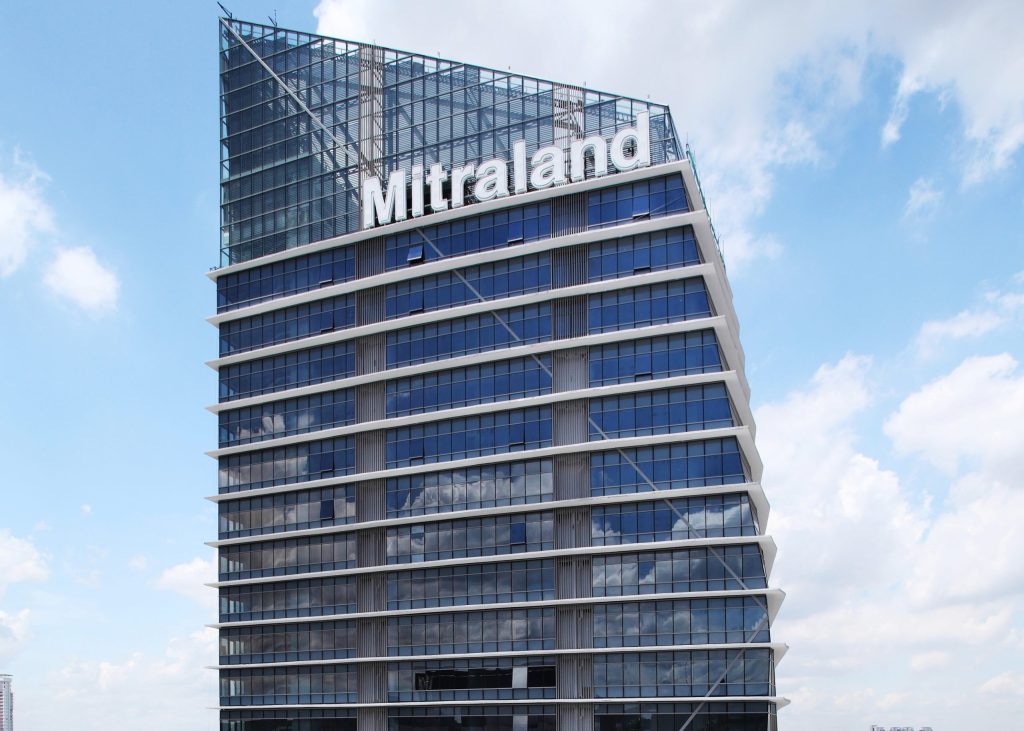
KUALA LUMPUR: Chuah Theong Yee, founder of property developer Mitraland Group, is no longer a substantial shareholder in Eonmetall Group Bhd following a recent disposal of shares in the open market. According to a filing with Bursa Malaysia on Friday, Chuah disposed of 410,000 shares in the steel products manufacturer, reducing his stake by 0.13%. The sale brought his total equity down to 4.99%, falling below the 5% threshold that qualifies an investor as a substantial shareholder under Malaysian market regulations. Chuah initially acquired a 7.3% stake in Eonmetall in October 2022, maintaining the position until May 2025, when he began to gradually pare down his holdings. Eonmetall’s largest shareholder remains its executive director Datuk Goh Cheng Huat, who holds a 41.08% interest in the company. He is followed by Datuk Seri Lee Hock Seng, executive chairman and major shareholder of Magma Group Bhd, who owns an 8.21% stake. Shares in Eonmetall were not traded on Friday. The counter last closed at 25 sen on 4 June, giving the company a market capitalisation of RM76.95 million. -The Edge Malaysia

News, Property

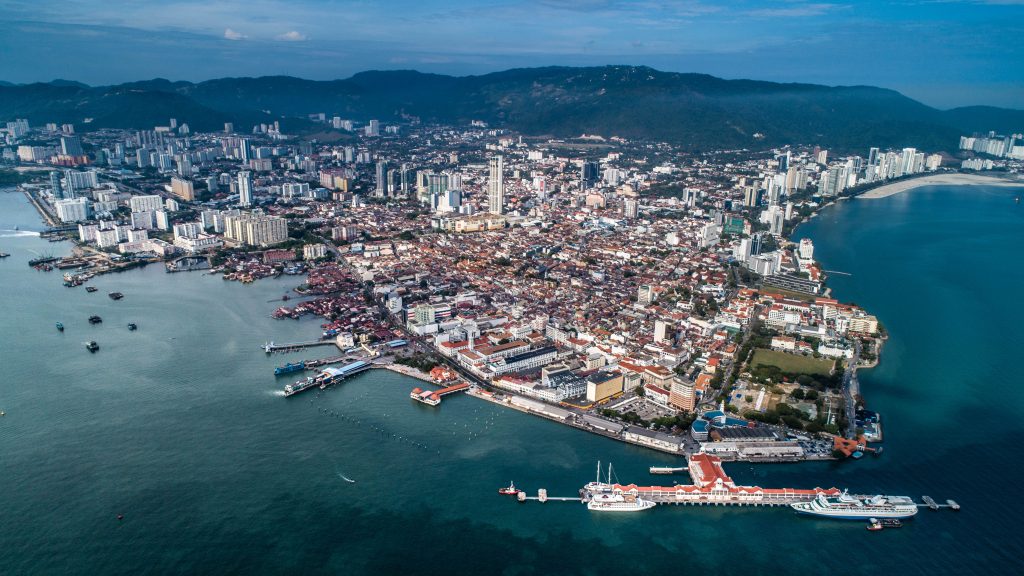
Penang’s 5% Housing Incentive May Extend Beyond Indian Muslim Buyers

The Penang state government is considering broadening its recently introduced 5% housing discount—initially designated for Indian Muslim first-time homebuyers—to include all communities. This potential policy shift reflects efforts to revitalise the property market and address the issue of unsold residential units across the state. Chief Minister Chow Kon Yeow confirmed the possibility of extending the initiative following public feedback suggesting that a more inclusive approach could generate broader economic and social benefits. He has tasked state executive councillor for housing and environment, S Sundarajoo, with collaborating with private developers to evaluate and refine the discount mechanism. Chow stated that the goal is to create a policy that benefits all segments of society, aligning with the state’s commitment to social justice. “This would make the initiative more inclusive and beneficial to all segments of society, in line with the principles of social justice,” he said, adding that the matter will be deliberated in detail by the state executive council before a final decision is made. The original announcement, made on Thursday by Sundarajoo, proposed that private developers voluntarily offer a 5% discount to Indian Muslim first-time homebuyers for a period of one year as part of a targeted housing campaign. The move was framed as an effort to enhance homeownership among communities with historically lower participation in the open housing market. However, the initiative attracted criticism from human rights lawyer Rajesh Nagarajan, who described it as discriminatory and unconstitutional. In response, Sundarajoo maintained that the discount did not infringe upon the rights of other communities, emphasising that it was a form of corporate social responsibility rather than a state-funded programme. He clarified that the scheme was intended solely to encourage greater inclusivity in homeownership through the voluntary cooperation of private developers, without any financial outlay from the state government. -Free Malaysia Today

News

Annuar Zaini Appointed Chairman of 7-Eleven Malaysia Holdings

KUALA LUMPUR : 7-Eleven Malaysia Holdings Berhad has announced the appointment of Tan Sri Annuar Zaini, 73, as its new Independent Non-Executive Chairman. His appointment follows the resignation of Farhash Wafa Salvador Rizal Mubarak, who stepped down on 30 May, one day after the company’s annual general meeting. In a filing to Bursa Malaysia, the company highlighted Annuar’s extensive background in civil service and the corporate sector, with more than four decades of experience. He currently serves as a board member of the Social Security Organisation (Socso), and holds chairmanship positions at Country Annex Sdn Bhd, MRCB Land Sdn Bhd, and UDA Holdings Bhd. In addition, he is the Senior Advisor of International Affairs to the Malaysian Communications and Multimedia Commission. -Bernama

News

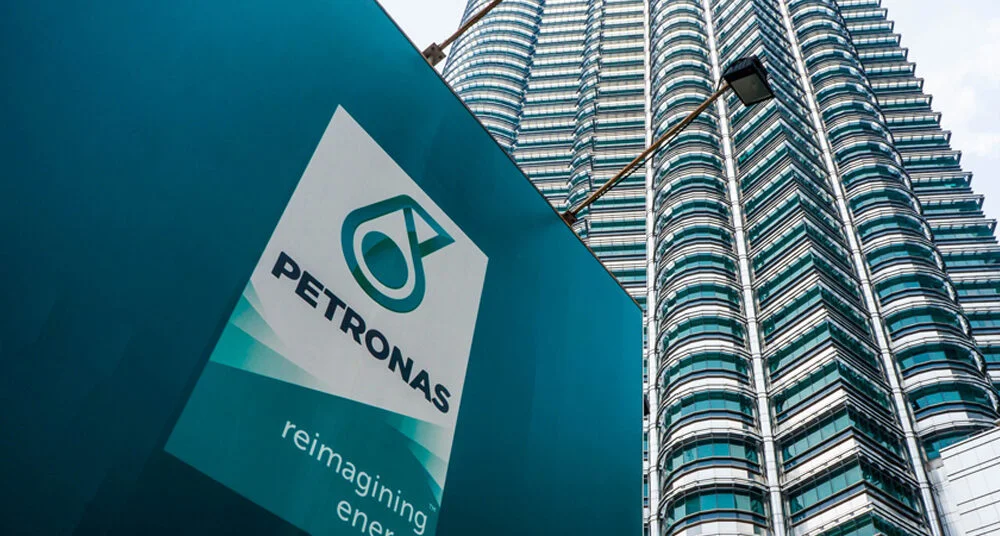
Petronas Job Cuts Signal Broader Industry Overhaul as Energy Sector Shifts Accelerate

KUALA LUMPUR : The recent decision by Petroliam Nasional Bhd (Petronas) to reduce its workforce by over 5,000 employees is a reflection of broader structural shifts within the global oil and gas industry, according to economists. Mounting cost pressures, the accelerating shift towards renewable energy, and rapid advancements in automation and artificial intelligence (AI) are compelling major energy companies to recalibrate their operational models. Over the past year, industry giants such as Chevron, BP and Shell have all undertaken significant workforce reductions as part of cost rationalisation and restructuring initiatives. These actions underscore a move towards more streamlined, technologically adaptive and future-oriented operations across the sector. Economists highlight that Petronas’ downsizing represents a strategic response to preserve long-term commercial viability in the face of a rapidly evolving energy environment. Bank Muamalat Malaysia Bhd chief economist Dr Mohd Afzanizam Abdul Rashid emphasised that the company is confronting multiple concurrent challenges, including rising labour, equipment and logistics costs, tighter environmental, social and governance (ESG) compliance, and the disruptive influence of automation and AI. “The industry landscape has shifted substantially. The growing emphasis on renewable energy necessitates higher capital expenditure to position Petronas effectively for the energy transition,” he told Business Times. Echoing this perspective, economist and Global Asia Consulting senior consultant Samirul Ariff Othman noted that the national oil company is also grappling with declining yields from ageing oil and gas fields, exerting further pressure on profitability. Petronas reported a 32 per cent decline in net income in 2024, following a 21 per cent drop in 2023. Profit margins are anticipated to continue contracting, with projections pointing to low double-digit figures in the near term. “The global pivot towards clean energy is fundamentally challenging the conventional oil and gas business model. Petronas is now required to channel increased investment into clean energy alternatives, significantly raising its capital expenditure,” Samirul said. Both economists warned of potential ripple effects stemming from the job cuts, particularly among subcontractors and service providers within the oil and gas supply chain. These include offshore support vessel (OSV) operators, engineering consultancies and maintenance firms, which may face reduced demand for services and subsequent financial strain. Regions such as Sarawak and Sabah, where local economies are heavily intertwined with Petronas operations, may see increased unemployment and economic headwinds as a result. Investor sentiment may also be affected, with the restructuring viewed as indicative of wider industry consolidation and strategic repositioning. Afzanizam suggested that affected parties, including subcontractors and support industries, will need to explore alternative opportunities and enhance workforce reskilling efforts. “With 90 per cent of Malaysia’s mining sector linked to oil and gas, we foresee a transition in the industry. Rising demand for Rare Earth Elements (REE), especially in support of the electric vehicle (EV) market, may drive a shift in mining sector dynamics. The existing talent pool could be redirected into the REE sector, potentially creating a new equilibrium within the broader extractive industry,” he explained. According to Samirul, the developments at Petronas may signal the beginning of a broader restructuring trend in Malaysia’s oil and gas sector. Other companies may be compelled to review their operations to maintain competitiveness and ensure financial sustainability in light of the global momentum towards decarbonisation. He further cautioned that Petronas’ declining profitability could have wider implications for national revenue, given the company’s substantial contribution to the federal budget through dividends and taxation. This could in turn influence government spending priorities and broader fiscal policy frameworks. -Business Times

News

Substantial Shareholders File Counterclaim Against Peterlabs Over EGM Dispute

KUALA LUMPUR: A legal tussle at Peterlabs Holdings Bhd has intensified, with two of its substantial shareholders initiating a counterclaim against the company and its board, following the firm’s earlier legal move to block an extraordinary general meeting (EGM) requested to restructure its leadership. The shareholders, Bu Yaw Seng and Datin Lin Ching Yein, who jointly hold more than 10 percent of Peterlabs, are seeking a court declaration affirming their right to call for the EGM. Their claim includes an assertion that the current board members breached their statutory duties by failing to convene the requested meeting. Bu and Lin are also asking the court to compel the company to proceed with the EGM. Peterlabs, a manufacturer specialising in animal health and nutrition products, confirmed the counterclaim in a filing with Bursa Malaysia on Friday and stated that it intends to “defend and resist” the action. The counterclaim names all seven current members of the board, along with the company itself, as defendants. The board comprises non-executive chairman Datuk Lim Tai Soon, group managing director Lim Tong Seng, executive directors Teo Chin Heng and Yap Siaw Peng, and directors Datuk Ng Boon Siong, Loh Poh Im, and Ho Siew Li. An additional board member, executive director Datuk Low Saw Foong, is currently suspended from his executive role pending the outcome of both an internal investigation and an ongoing probe by the Malaysian Anti-Corruption Commission. The conflict began last month when Bu and Lin issued a formal notice requesting an EGM with the intention of removing seven directors, including Tai Soon, Tong Seng, Teo, Yap, Boon Siong, Ho, and alternate director Ng Kau. In their place, they proposed appointing two new directors — Datuk Wira Pua Kim An and Datuk Seri Garry Chua Kah Seng. Notably, two board members — Loh and the suspended Low — were not included in the removal proposal put forward by the shareholders. The unfolding boardroom battle underscores growing shareholder dissatisfaction and governance tensions within the company, which may have broader implications for its leadership and strategic direction. -The Edge Malaysia

News

DC Healthcare Strengthens Southern Expansion with New Clinic in Johor Bahru

JOHOR BAHRU : DC Healthcare Holdings Bhd (DC Healthcare) has reinforced its footprint in Malaysia’s growing medical aesthetics sector with the launch of a new Dr Chong Clinic in Pelangi, Johor Bahru. The establishment of this latest branch aligns with the group’s strategic vision to widen access to professional aesthetic care across the country, particularly in southern regions. Approved by the Ministry of Health (MOH), the Pelangi clinic is now fully operational and positioned to serve the local community, further cementing Johor Bahru’s emerging status as a key destination for aesthetic treatments. Managing Director Dr Chong Tze Sheng said the new outlet reflects the group’s dedication to providing professional, safe and easily accessible aesthetic services to a broader segment of the population. “We are delighted to bring our aesthetic expertise to Taman Sri Tebrau, an area known for its dynamic blend of commercial and residential activity. This opening is part of our continued effort to meet the growing demand for aesthetic services nationwide,” he said in a statement. Dr Chong noted that Johor Bahru holds significant potential, not only as a growth area for DC Healthcare but also as a medical tourism hub catering to clients from neighbouring Singapore. The clinic in Pelangi offers a comprehensive suite of services, including skin health care, facial rejuvenation and anti-aging treatments, all performed by trained professionals using the latest medical technologies. This latest outlet complements DC Healthcare’s existing clinics in Bukit Indah and Taman Molek, creating a more robust network of services throughout Johor Bahru. “With every new branch, we reinforce our core values of safety, innovation and personalised care. Clients can expect not only superior treatments but also a welcoming and trusted experience,” added Dr Chong. As of today, DC Healthcare operates 21 Dr Chong Clinics and five Dr Chong Skin and Slimming branches nationwide, solidifying its position as one of Malaysia’s leading providers in the medical aesthetic care industry. The opening of the Pelangi branch marks another milestone in DC Healthcare’s journey towards becoming the most accessible and trusted aesthetic clinic chain in Malaysia.

News

Ho Hup Construction Faces Legal Action After RM45.27 Million Loan Default

Ho Hup Construction Company Bhd has defaulted on a revolving credit facility amounting to RM45.27 million, triggering legal proceedings initiated by AmBank Islamic Bhd. In a filing with Bursa Malaysia today, the company disclosed that it had received a notice of demand and termination dated 29 May 2025 from the legal firm Lee & Koh, acting on behalf of AmBank Islamic. The notice, delivered on 4 June 2025, pertains to the non-payment under the said facility. The outstanding amount constitutes 13.37 percent of Ho Hup’s audited net assets of RM338.48 million for the financial year ended 31 December 2023. It also represents 31.97 percent of its most recent net assets report totalling RM141.60 million. The company attributed the payment default to its inability to meet scheduled principal and interest instalments as a result of cash flow constraints. Ho Hup was classified under the Practice Note 17 (PN17) category on 18 April 2025 and is currently subject to a restriction order. In response to the situation, the company intends to initiate negotiations with AmBank Islamic and other creditors in relation to a proposed debt restructuring exercise aimed at restoring financial stability. To support this process, an independent financial advisor has been appointed to facilitate discussions with creditors. -Bernama

News

MICSEA Commends Stamp Duty Exemption for Pre-2025 Employment Contracts

KUCHING: The Malaysian Industrial, Commercial and Service Employers Association (MICSEA) has expressed strong support for the government’s decision to exempt stamp duty on employment contracts signed before 1 January 2025. MICSEA president YK Lai stated that the move demonstrates the government’s commitment to business facilitation while maintaining regulatory compliance through proper enforcement. He noted that many employment agreements between employers and employees had not been stamped in accordance with the First Schedule of the Stamp Act 1949. Under the leadership of the Madani Government, the Ministry of Finance has granted full stamp duty exemption and penalty waivers for all employment contracts signed before 1 January 2025. This measure is implemented under Subsection 80(1A) and Subsection 47A(2) of the Act. Contracts signed between 1 January and 31 December 2025 will remain subject to stamp duty; however, late penalty charges will be waived if the documents are stamped by 31 December 2025. Lai added that starting from 1 January 2026, all contracts will fall under the new Self-Assessment System for Stamp Duty (STSDS), under which full stamp duty and any applicable penalties will be strictly enforced. He said this exemption and the accompanying waiver reflect the government’s genuine intent to foster a collaborative environment while promoting fairness in enforcement. In light of this, Lai encouraged all employers and human resource practitioners to take advantage of the exemption period to review and regularise employment contracts, ensuring full compliance before the implementation of STSDS in 2026. -Borneo Post

Scroll to Top

Subscribe
FREE Newsletter