Malaysia

Investment & Market Trends, News

EPF Reports RM18.31 Billion in Q1 Investment Income as Global Risks Persist

The Employees Provident Fund (EPF) has reported a 13% year-on-year decline in investment income for the first quarter of 2025 (1Q25), recording RM18.31 billion compared to RM20.99 billion in the same period last year. The subdued performance reflects heightened geopolitical risks and economic uncertainty that have weighed heavily on global financial markets. This marks the fund’s weakest first-quarter return since 1Q22, when RM15.85 billion was generated, underscoring the volatility brought on by shifting global trade dynamics. EPF Chief Executive Officer Ahmad Zulqarnain Onn attributed the downturn to early-year disruptions in global markets driven by trade frictions and policy uncertainties, particularly surrounding the United States. “Although the US tariffs were formally announced on 2 April, markets were already pricing in volatility earlier in the quarter, leading to weakened sentiment,” he said in a statement. The timing and pace of monetary easing across regions have also diverged, further dampening investor appetite for risk. Dr Mohd Afzanizam Abdul Rashid, Chief Economist at Bank Muamalat Malaysia Bhd, noted that the pullback in global equity markets was expected, particularly as equity investments accounted for 59% of EPF’s total income during the quarter. “While the Q1 performance was soft, we have seen signs of a rebound in global equities in May, which may continue into June,” he remarked, suggesting a more optimistic outlook for the remainder of the year. Ahmad Zulqarnain emphasised that EPF’s globally diversified portfolio has helped cushion the impact of market volatility, preserving long-term value for members. Afzanizam echoed this, highlighting that 48% of EPF’s asset base remains in fixed income, providing stability and potential capital appreciation as global interest rates ease. Looking ahead, analysts expect improvement in EPF’s returns during the second half of 2025, though uncertainties remain. Afzanizam stressed the importance of US trade policy developments, particularly as the 90-day pause on tariffs concludes in July, noting that elevated geopolitical risks and fiscal concerns in the US may continue to weigh on market sentiment. Vincent Lau, Head of Equity Sales at Rakuten Trade, also anticipates a recovery in global markets as tariff tensions ease. “We expect statements from the White House soon that could provide the clarity markets need. That would bode well for Malaysia’s economic recovery,” he said. Despite some downward revisions in FBM KLCI valuations, Lau pointed to falling bond yields and strong risk appetite as encouraging signs. “Bitcoin reaching all-time highs also signals renewed investor confidence. EPF’s diversified portfolio and past dividend strength put it in a favourable position for a rebound.” Economist Geoffrey Williams noted that the FBM KLCI gained 13% in mid-May following the tariff pause, although these gains were not sustained due to profit-taking and lingering uncertainty. He cautioned that a domestic-centric investment approach may be limiting returns and advocated for more aggressive overseas diversification. In the first quarter, international investments generated RM8 billion, or 44% of EPF’s total investment income. Domestic investments, which make up 62% of total assets, continue to provide consistent income through dividends, interest, and sukuk profits. As of March 2025, EPF’s total investment assets stood at RM1.26 trillion, with 38% of this invested in international markets. Notably, the FBM KLCI has declined approximately 8% year-to-date and has contracted around 14% since its 2018 peak. In contrast, the Dow Jones has regained some ground after falling 16% earlier this year and is now up over 75% since 2018, reflecting the stronger long-term performance of foreign equities. With the International Monetary Fund lowering its global growth forecast for 2025 to 2.8%, and Malaysia’s GDP growth likely to come in below the earlier projection of 4.5%–5.5%, the outlook remains cautious. However, EPF maintains it is well-positioned. “In a more challenging and uncertain market environment, the EPF maintains a dynamic and well-diversified portfolio to help safeguard value and manage downside risks,” said Ahmad Zulqarnain. “We continue to explore opportunities across both domestic and international markets to support sustainable, long-term returns for our members.” Of the total Q1 investment income, RM15.87 billion was attributed to Simpanan Konvensional and RM2.44 billion to Simpanan Syariah. The EPF reaffirmed its commitment to allocating over 70% of its annual investments domestically, aligning with the government’s Ekonomi Madani framework. Additionally, through its GEAR-uP initiative, the fund is actively building investment opportunities in the healthcare sector, further reinforcing its role as a long-term institutional investor. -The Star
ESG, News

PTP Expands Global Reach and Accelerates Green Port Strategy at 25-Year Milestone

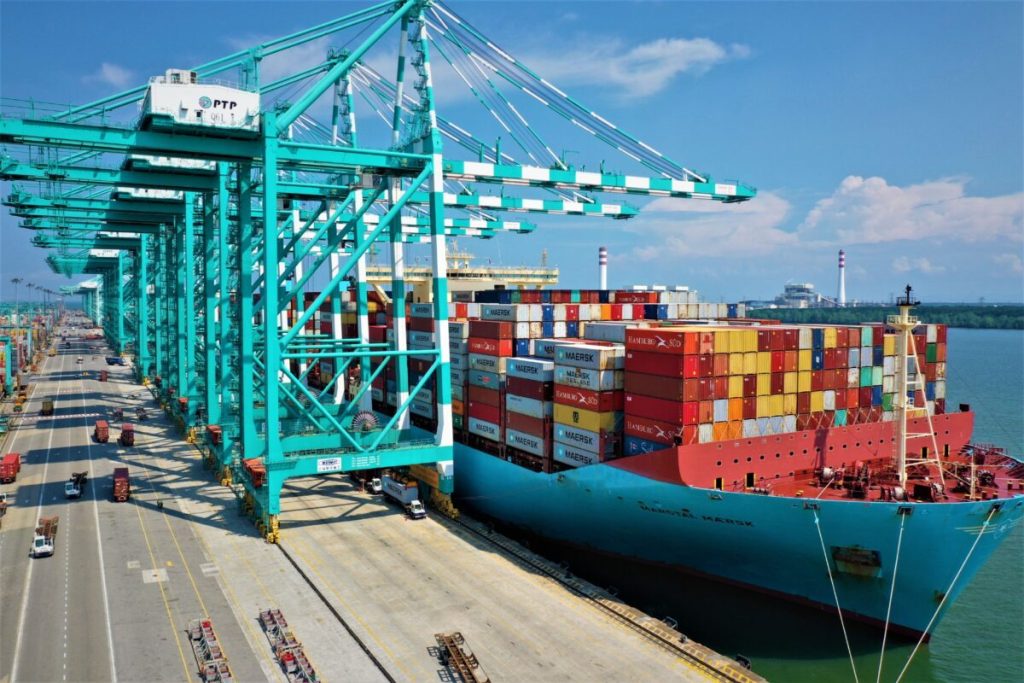
Tanjung Pelepas Port (PTP) is accelerating its green transformation and reinforcing international partnerships as it celebrates 25 years of operations. The Malaysian port has emerged as one of the world’s top five most efficient ports and continues to gain global recognition for its forward-looking approach to trade, sustainability, and innovation. Chief Executive Officer Mark Hardiman revealed that recent high-level dialogues with the Australian government have strengthened bilateral ties, catalysed in part by the Australia-Southeast Asia Business Exchange Trade Delegation’s visit in 2024. These engagements are expected to culminate in the signing of a memorandum of understanding (MoU) between PTP and the Port of Melbourne, formalising a strategic partnership focused on sustainable port operations and digital logistics integration. “PTP’s global outreach reflects our ambition to be not just a trade hub, but a responsible, future-ready port,” Hardiman told Business Times. PTP is intensifying its decarbonisation efforts through both land and sea-based innovations. Key initiatives include the implementation of asset digitalisation systems, a sophisticated Vessel Traffic Management System (VTMS), and a growing reliance on renewable energy sources such as rooftop solar, solar farms, and waste-to-energy technologies. The port has already achieved an 18 per cent reduction in carbon emissions intensity as of March 2025 and is targeting a 45 per cent reduction by 2030. This is complemented by the transition to electric prime movers (e-PMs), ongoing trials with biodiesel B20, and the exploration of green vessels aligned with the International Maritime Organisation’s Green Voyage 2050 initiative. PTP’s commitment to sustainability dates back to 2012, when it became one of the early adopters of a fully electric fleet of rubber-tyred gantry (e-RTG) cranes—well ahead of the United Nations’ introduction of the Sustainable Development Goals (SDGs). Social and governance imperatives also underpin PTP’s transformation. In alignment with Malaysia’s Ekonomi Madani, the port promotes gender diversity in its workforce, having pioneered the employment of the nation’s first female marine harbour pilot, RTG operator, and prime mover drivers. Women now make up 10 per cent of its operational fleet. “Our people-first culture is non-negotiable. We are committed to workplace safety, career development, and inclusive growth,” said Hardiman, noting that skills training, occupational safety, and Corporate Social Responsibility (CSR) initiatives remain foundational to its operations. On the governance front, PTP adheres to global best practices. It is a signatory to the United Nations Global Compact, works closely with the Malaysian Anti-Corruption Commission to ensure anti-bribery and corruption (ABAC) compliance, and maintains rigorous standards on labour and human rights protections. Since its inception in 2000, PTP has evolved from a bold vision into a major global logistics player. It is currently ranked among the world’s top 15 container ports by throughput. “We believe in transforming vision into reality. Our journey has not been easy, but it has made us more resilient. Our growth will continue to be guided by sustainability and innovation,” Hardiman concluded. -Business Times

News

Malaysia Secures RM4.68 Billion in Japanese Investment Leads at Expo 2025 Osaka

KUALA LUMPUR: Malaysia has secured RM4.68 billion in potential investments from Japan during its participation at Expo 2025 Osaka, reflecting the nation’s growing appeal as a strategic investment destination in Southeast Asia. The Malaysian Investment Development Authority (MIDA), in a statement today, announced that this figure forms a substantial 56.9% of the RM7.39 billion in total investment leads generated so far under the country’s involvement in the global event. The milestone was unveiled at the official opening of the Malaysia Pavilion, which was officiated by Deputy Prime Minister Datuk Seri Fadillah Yusof and attended by Deputy Minister of Investment, Trade and Industry, Liew Chin Tong. Expo 2025 Osaka, widely regarded as one of the world’s foremost economic and cultural platforms, serves as a key opportunity for participating nations to project their economic strengths and policy direction. Malaysia’s participation is spearheaded by the Ministry of Investment, Trade and Industry (MITI), reflecting a unified whole-of-government strategy. Commenting on the development, Liew highlighted the strategic role of the Expo in positioning Malaysia as a forward-looking and innovation-led economy. “The investments secured through MITI and MIDA reflect investors’ growing confidence in our green industries, advanced manufacturing, and digital economy,” he said. MIDA Chief Executive Officer Datuk Sikh Shamsul Ibrahim Sikh Abdul Majid noted that the results underscore Malaysia’s compelling investment proposition and the strategic trust extended by Japanese counterparts. “As we deepen bilateral ties, MIDA will maintain a proactive approach in facilitating high-quality investments aligned with national goals in clean energy, innovation, and sustainable development,” he said. “The Expo is more than a platform for showcasing our capabilities; it is a critical venue to prove our seriousness in driving transformative investments, and MIDA is proud to lead this charge,” he added. The RM4.68 billion in investment potential was the outcome of a week-long investment mission to Japan, covering Kyoto, Kobe, Osaka, and Tokyo, held from 12–19 April 2025. Over the course of the six-month Expo, the Malaysia Pavilion is projected to attract 1.5 million visitors. The programme includes more than 150 business-related engagements such as investor roundtables, memorandum of understanding (MoU) signings, product launches, and industry forums. Malaysia’s participation is being undertaken at a national scale, involving 21 ministries, 70 agencies, and representation from all 13 states — underscoring a comprehensive and collaborative approach to international engagement. MITI, alongside its agencies including MIDA, has set a target of RM13 billion in investment and trade outcomes from its participation at Expo 2025 Osaka. The strategy is focused on seven high-impact sectors: sustainable agriculture, renewable energy, smart living, green manufacturing, industrial reform, environmental management, and the halal industry. -Bernama

News, Property

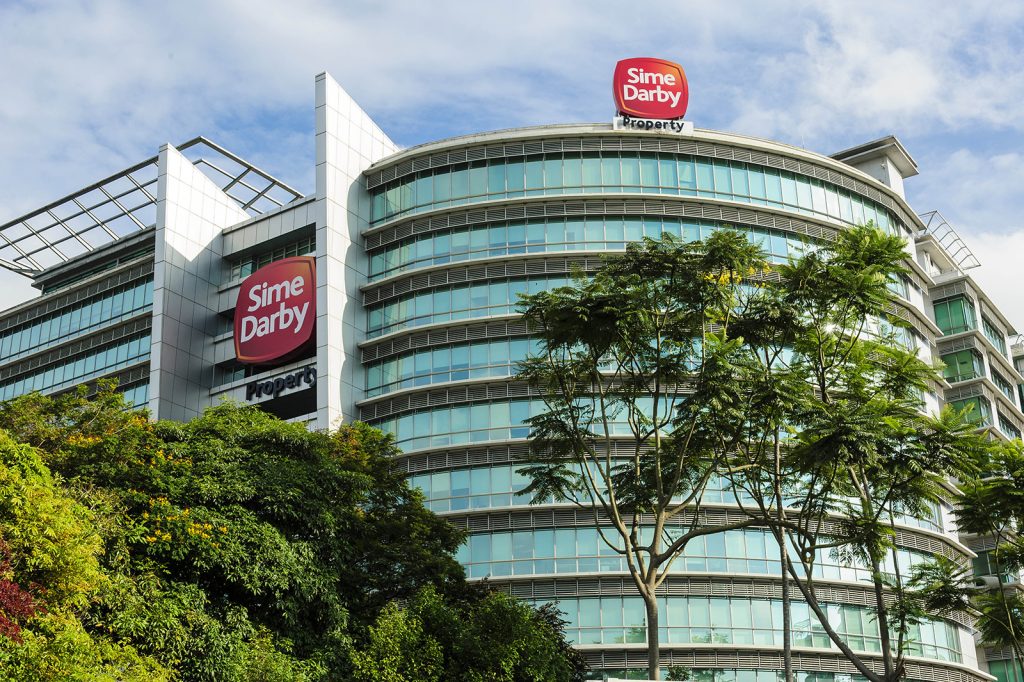
Negeri Sembilan Emerges as Strategic Growth Hub for Sime Darby Property

Negeri Sembilan is fast emerging as a key growth frontier for property developers, with Sime Darby Property Berhad (Sime Darby Property) taking a pivotal role in spearheading large-scale development in the region through the Malaysia Vision Valley 2.0 (MVV2.0) initiative. MVV2.0, a catalytic development corridor under the National Physical Plan, aims to unlock the economic potential of southern Klang Valley by transforming Negeri Sembilan into a dynamic extension of Greater Kuala Lumpur. Central to this initiative is Sime Darby Property’s strategic activation of its landbank in Nilai and Labu. The company currently retains approximately 4,000 acres of developable land within MVV2.0, with a projected gross development value (GDV) of RM16 billion. This landbank serves as a key lever in advancing the long-term viability of the corridor. According to TA Securities, Sime Darby Property’s management views Negeri Sembilan as a rapidly emerging investment destination, offering industrial land at roughly half the cost of comparable sites in Selangor, while benefiting from superior infrastructure connectivity. This favourable cost-accessibility dynamic is contributing to the state’s growing appeal among industrial and logistics players. This strategic shift is increasingly evident in the company’s sales performance. Negeri Sembilan accounted for 20 per cent of Sime Darby Property’s total property sales in the most recent quarter—quadrupling its average contribution of five per cent in FY2024. Two projects underscore this rising prominence. Hamilton Nilai City has seen robust demand, while Vision Business Park (VBP), a 760-acre integrated industrial and commercial estate launched in April, has received encouraging early market response. VBP carries a projected GDV of RM2.4 billion and is positioned to serve as a hub for logistics operators, light manufacturers and technology-led enterprises. Strategically located near key infrastructure assets such as KLIA, KLIA2, the Nilai Inland Port and the North-South Expressway, VBP offers a range of product offerings including ready-built factories, industrial plots, research and development facilities, and commercial shop offices. As Sime Darby Property continues to anchor its growth strategy in high-potential corridors like Negeri Sembilan, its role in shaping Malaysia’s next-generation industrial ecosystem appears increasingly significant. -Business Times

News

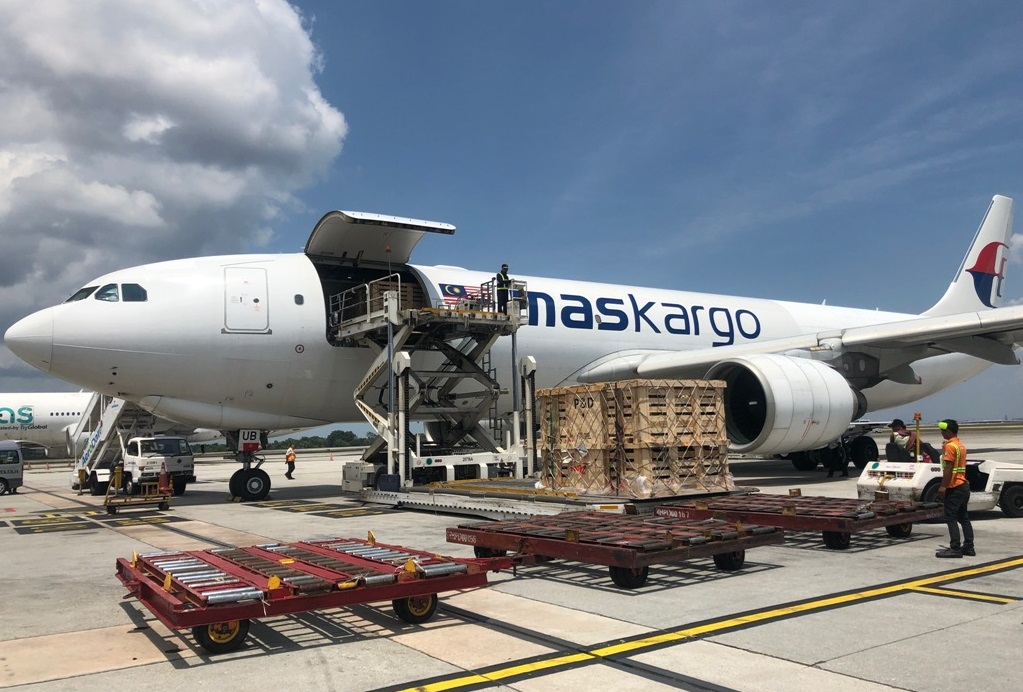
MASkargo, IAG and Qatar Airways to Launch Global Joint Business by Late 2025

KUALA LUMPUR: MAB Kargo Sdn Bhd (MASkargo), in partnership with IAG Cargo and Qatar Airways Cargo, has announced the formation of a strategic global cargo joint business, scheduled to commence in late 2025, subject to the necessary regulatory approvals. In a joint statement, the three carriers confirmed that the collaboration aims to introduce expanded routing capabilities, improved operational flexibility, and enhanced connectivity for customers operating within the global air freight sector. The proposed joint business model will provide enhanced routing flexibility and increased capacity options across key regions, including Asia Pacific, the Middle East, Africa, the Indian Subcontinent, Europe, and the Americas. By combining their networks, the carriers will offer seamless access to routes previously unavailable under a single booking, opening up new avenues for international trade. Initially, the partnership will concentrate on high-demand cargo markets, with further expansion into additional territories planned for subsequent phases, contingent on regulatory clearance. To support a smooth implementation, the three cargo operators intend to progressively align their systems, commercial offerings, and operational processes. The collaboration is designed to provide customers with a more integrated, efficient, and reliable logistics solution than traditional interline arrangements. Furthermore, MASkargo, IAG Cargo and Qatar Airways Cargo will soon formalise individual agreements with the United Nations World Food Programme, in support of global humanitarian efforts to combat hunger. MASkargo Chief Executive Officer, Mark Jason Thomas, stated that the partnership represents a significant development for both MASkargo and the broader cargo aviation industry. “This partnership goes beyond expanding our network; it represents a redefinition of how air cargo is transported globally,” he said. IAG Cargo Chief Executive Officer, David Shepherd, echoed the sentiment, highlighting the strategic advantages of the joint business. “By establishing a unified network, we are unlocking new commercial possibilities for our customers. This collaboration delivers a level of efficiency, coordination and reliability far exceeding what traditional interline agreements can offer,” he added. The launch of the joint business remains subject to regulatory approval, with commencement targeted for the end of 2025. -Business Times

Investment & Market Trends, News

ICT Zone Debuts Flat on ACE Market Amid Subdued Investor Demand

KUALA LUMPUR: ICT Zone Asia Bhd began its maiden trading day on Bursa Malaysia’s ACE Market with a lacklustre performance, opening flat at 20 sen, matching its initial public offering (IPO) price. Investor sentiment remained subdued, with shares trading within a narrow band of 19 sen to 21 sen in early activity. As at 9.25am, the counter registered a slight uptick to 20.5 sen, with over 22 million shares changing hands. The modest reception mirrors the broader cautious mood among investors toward ACE Market listings in recent months. ICT Zone garnered a subscription rate of just 1.89 times from public investors during its IPO exercise — a relatively mild interest level compared to past market trends. The listing environment has been volatile, with global trade uncertainties weighing on investor confidence. Since March, a significant number of new ACE Market listings have posted weak performances on debut. ICT Zone is the second company to transition from the LEAP Market to the ACE Market in 2024, following geotechnical services provider Fibromat (M) Sdn Bhd’s transfer on 8 May. Beyond its trading activities, ICT Zone provides leasing solutions for computer hardware and software, and also offers cloud-based services. The company raised a total of RM30.8 million through its IPO. Of this, RM4.2 million was allocated to selling shareholders, namely ICT Zone Holding Sdn Bhd and co-founder and non-executive chairman Datuk Seri Ng Thien Phing, who collectively maintain a 72.85% stake in the business. Datuk Seri Ng is also the founder of Main Market-listed SkyWorld Development Bhd. The remaining RM26.6 million in gross proceeds will be utilised by ICT Zone to support its technology financing operations, fund sales and marketing initiatives, and cover listing-related expenses. Malacca Securities assumed multiple roles for the IPO, acting as principal adviser, sponsor, joint underwriter, and joint placement agent. Kenanga Investment Bank also served as joint underwriter and placement agent, while SCS Global Advisory (M) Sdn Bhd provided financial advisory support for the market transfer. -The Edge Malaysia

News

CIMB Slashes FBM KLCI Target to 1,560 on Weak Q1 Earnings; Oil & Gas, Plantation Downgraded

KUALA LUMPUR: CIMB Securities Bhd has revised downwards its earnings projections and year-end target for the FTSE Bursa Malaysia KLCI (FBM KLCI), following a weaker-than-expected first-quarter earnings season for 2025. The research house cut its 2025 core net profit growth forecast for the benchmark index sharply to 3.4%, a notable decline from the previous estimate of 9.3%. The projection for 2026 was also marginally reduced to 6.5% from 6.6%. Reflecting the downgraded earnings outlook, CIMB trimmed its end-2025 FBM KLCI target to 1,560 points, down 6% from the earlier forecast of 1,657 points. This revision is based on an unchanged price-to-earnings (P/E) multiple of 14.7 times—equivalent to 0.25 standard deviation above the historical mean. The downward adjustment was driven primarily by a less optimistic outlook for the banking sector and weaker earnings prospects for Sime Darby Bhd and Petronas Chemicals Group Bhd. CIMB noted that the KLCI is currently trading at a 12-month forward P/E of 12.7 times, coupled with an attractive dividend yield of 4.2%. Nonetheless, the firm cautioned that potential gains could be limited due to a range of macroeconomic headwinds. These include the newly implemented 10% baseline tariffs on all US imports effective 2 April, the expiry of the 90-day reprieve on heightened US reciprocal tariffs on 9 July, anticipated hikes in domestic electricity tariffs in July, and possible increases in sales and service tax (SST) as well as RON95 fuel prices in the second half of the year. According to CIMB’s analysis, only six companies under its coverage outperformed expectations during the quarter, largely driven by higher-than-expected margins and stronger sales. In contrast, 25 companies fell short of estimates due to a mix of foreign exchange losses, tepid sales, cost pressures associated with expansion, weaker loan growth, softer net interest margins, and dilution losses from Chinese associates. The earnings surprise ratio, which measures the number of outperformers against underperformers, fell further to 0.24 times. This marks a continued decline from 0.6 times in Q4 2024, 0.7 times in Q3 2024, and 1.1 times in Q2 2024. Furthermore, 17% of FBM KLCI constituents reported results that fell below expectations. While CIMB estimates a 4% quarter-on-quarter increase in core net profit for the companies under its coverage—driven by the banking, construction, consumer, gaming, and utilities sectors—first-quarter earnings declined 4% year-on-year. This was largely attributable to weaker results in the automotive, oil and gas, and gaming sectors, which collectively accounted for 94% of the year-on-year decline. In light of these developments, CIMB downgraded its outlook on both the oil and gas and plantation sectors to ‘neutral’ from ‘overweight’. This adjustment was primarily influenced by the downgrade of Petronas Chemicals Group Bhd to ‘hold’ from ‘buy’, reflecting weak short-term earnings visibility, and SD Guthrie Bhd’s downgrade to ‘hold’ from ‘buy’, citing a lack of near-term catalysts. Given ongoing uncertainty around tariffs and broader macroeconomic pressures, CIMB said it continues to favour stocks with resilient earnings profiles, compelling dividend yields, or specific catalysts—whether valuation-driven or event-related. In line with this, its top large-cap recommendations now include IJM Corporation Bhd, Maxis Bhd, and IOI Corporation Bhd, replacing SD Guthrie Bhd and IHH Healthcare Bhd. Within the small- to mid-cap segment, Axis REIT has been added, replacing Muhibbah Engineering Bhd and Genetec Technology Bhd. CIMB’s current large-cap top picks are CelcomDigi Bhd, Gamuda Bhd, Public Bank Bhd, RHB Bank Bhd, Tenaga Nasional Bhd, Maxis Bhd, IOI Corporation Bhd, IJM Corporation Bhd, and 99 Speed Mart Bhd. For small- to mid-cap selections, its picks include KJTS Group Bhd, Malaysian Resources Corporation Bhd, Axis REIT, Farm Fresh Bhd, and Mah Sing Group Bhd. -The Edge Malaysia

News

1MDB’s Civil Suit Against BSI to Proceed Following Dismissal of Appeal

The High Court of Singapore has dismissed an appeal by the now-defunct BSI Bank Ltd to strike out a civil claim totalling US$394 million brought by 1Malaysia Development Berhad (1MDB) and its subsidiary, Brazen Sky Ltd. This landmark decision clears the way for the full hearing of the case, which forms part of Malaysia’s broader international effort to recover misappropriated sovereign wealth. In a ruling delivered on 27 May, Justice Andre Maniam rejected BSI’s appeal on all grounds. The court also ordered the bank to cover the legal costs incurred by 1MDB and Brazen Sky in relation to the appeals. The ruling was confirmed in a statement issued by London-based Byfield Consultancy, acting on behalf of 1MDB. “We are pleased this application has been denied and are committed to holding accountable the institutions and individuals involved in misappropriating money from Malaysia’s sovereign wealth fund,” a spokesperson for 1MDB’s board said on Monday. Established in 2009 under the administration of former prime minister Datuk Seri Najib Razak, 1MDB became embroiled in one of the largest global financial scandals, attracting investigations across more than a dozen jurisdictions—including the United States, Switzerland, the United Arab Emirates, and Singapore. Najib was subsequently convicted in a related case and sentenced to 12 years’ imprisonment and a RM210 million fine, later reduced to six years and RM50 million following a partial pardon. The civil suit in Singapore, initiated on 2 May, alleges that BSI Bank and several of its former officers played a critical role in facilitating the unauthorised movement of funds and laundering of proceeds, thereby enabling the misappropriation of substantial assets belonging to 1MDB. BSI, a wholly-owned subsidiary of BSI AG in Switzerland—formerly owned by Brazil’s BTG Pactual and now part of Zurich-based EFG International—has already been convicted of money laundering offences by Swiss authorities. Swiss prosecutors are currently refining their findings to reflect the specific criminal activities conducted against 1MDB entities. In parallel to the Singapore High Court proceedings, the joint liquidators of Brazen Sky have initiated further applications to pursue related claims against BSI Bank and its former executives. The litigation is a critical component of 1MDB’s broader global asset recovery initiative, aimed at restoring billions in misappropriated public funds to the Malaysian people. “Through this action and others around the world, we will ensure the rightful recovery and restitution of these assets back to the Malaysian people,” the 1MDB board spokesperson added. Legal representation for 1MDB and Brazen Sky includes King’s Counsel Ng Jern-Fei, supported by Tan Jun Hong of Duxton Hill Chambers and a team from LVM Law Chambers LLC comprising Qabir Sandhu, Law May Ning, and Clara Lim. Lim Chee Wee Partnership, based in Kuala Lumpur, serves as global coordinating counsel for all 1MDB-related asset recovery matters. Angela Barkhouse and Toni Shukla of Kroll (Cayman) Ltd act as joint liquidators for Brazen Sky, represented in Singapore by Oon & Bazul LLP. -The Edge Malaysia

Investment & Market Trends, News

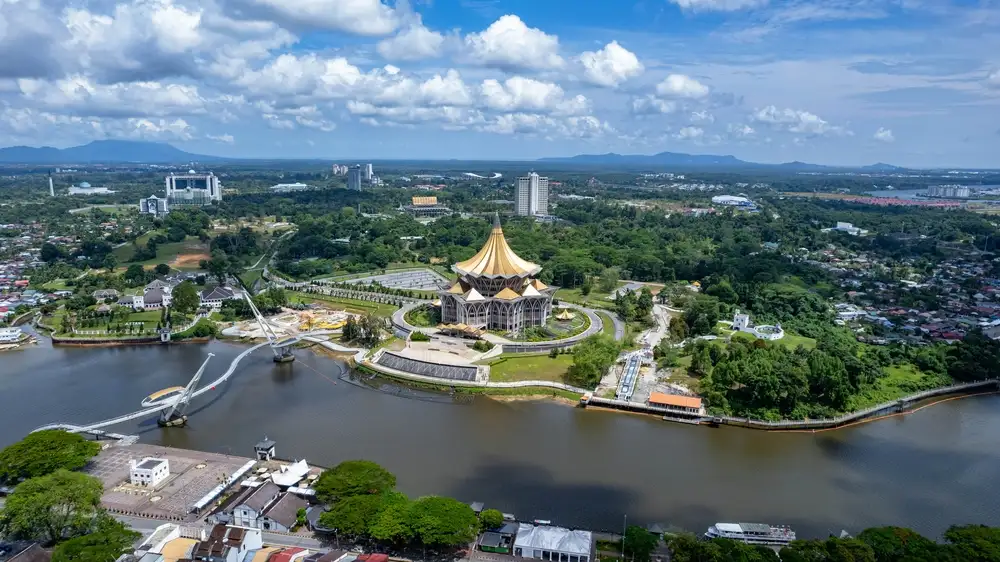
Sarawak Secures US$1.5 Billion in Japanese Investments for High-Tech and Chemical Sectors

Sarawak’s reputation as a leading destination for international investment continues to grow, with two Japanese firms committing a combined investment of US$1.5 billion (approximately RM6.38 billion) in the region’s high-technology and chemical industries. According to a report by TV Sarawak (TVS), Sarawak Deputy Premier and Minister of International Trade, Industry and Investment, Datuk Amar Awang Tengah Ali Hasan, is currently in Osaka, Japan, where detailed discussions are underway regarding these strategic investments. One of the projects will see the construction of a semiconductor-grade polycrystalline silicon production facility, to be developed by Japan’s Tokuyama Corporation in partnership with South Korea’s OCI Company Ltd. The initiative represents an estimated investment of US$435 million and is expected to significantly enhance Sarawak’s global standing in high-performance semiconductor manufacturing. “The project has the potential to position Sarawak among the top five global hubs for advanced semiconductor production technology,” stated the Sarawak Ministry of International Trade, Industry and Investment. In parallel, a consortium of Japanese companies is preparing to invest an estimated US$1 billion in Sarawak’s chemical sector. Feasibility studies and site assessments are currently in progress, with the Sarawak government committed to accelerating the approval process to facilitate swift decision-making. These investments are closely aligned with Sarawak’s Post-COVID-19 Development Strategy 2030, which focuses on driving economic growth, promoting social inclusivity, and ensuring environmental sustainability. “The Sarawak government is unwavering in its support for high-impact investment projects of this nature. We provide a stable, competitive business environment underpinned by modern infrastructure and a highly skilled workforce,” said Awang Tengah. He affirmed the government’s full commitment to ensuring the successful execution of both projects. -Bernama

News

NCT Group and Intrinsic Partner to Launch RM615 Million Venture Fund

NCT Group of Companies (NCT Group), through its Invest NCT initiative, has entered into a strategic partnership with Canadian venture capital firm, Intrinsic Venture Capital, to establish a RM615 million fund aimed at accelerating the growth of high-impact startups. This initiative, part of the Malaysia Invest NCT programme, is designed to fast-track industrial innovation and reinforce the country’s economic transformation. The fund will primarily support high-tech and high-growth sectors within the NCT Smart Industrial Park (NSIP), focusing on strategic industries such as semiconductors, medical technology, electronics, green technology, and digital infrastructure. The collaboration was formalised through the signing of a Memorandum of Understanding (MoU) between NCT Group and Intrinsic EO, a global cross-border financial advisory firm. The MoU paves the way for enhanced global financial integration, strengthened digital infrastructure, and market strategy planning—efforts expected to elevate Malaysia’s smart industrial ecosystem competitiveness. Intrinsic EO is backed by Canada’s Intrinsic Group, China’s EqualOcean, and prominent Southeast Asian industry leaders. The firm brings extensive expertise in venture capital, digital transformation, industrial innovation, and localised resource development. It is also among the earliest recipients of the KL20 Golden Pass, a flagship government initiative to position Kuala Lumpur among the world’s top 20 startup ecosystems by 2030. NCT Group Founder and Group Managing Director, Datuk Seri Yap Ngan Choy, emphasised that Invest NCT will offer a flexible industrial property model, including build-to-suit (BTS) and lease-purchase schemes. This will be supported by a capital consortium comprising venture capital, private equity, banking investments, and talent pipelines. “This strategic partnership opens significant opportunities for NSIP and Malaysia’s industrial landscape. It not only enhances the investment appeal of NSIP but also reflects our commitment to sustainable and innovative development,” he said in a statement. Group Chief Strategy Officer of NCT, Dr Neil Foo, highlighted that the launch of the Venture Capital Consortium during the ASEAN 2025 Summit signals a pivotal shift towards a new financing framework guided by the principles of ‘New Money, New Finance’. “NSIP is more than an industrial zone—it is a future-ready development model that can be scaled and replicated across ASEAN,” he added. Chairman of Intrinsic EO, Andrew Sanden, noted that the partnership enables the firm to bring international cross-border investment experience and digital transformation capabilities to a strategic Southeast Asian hub. “Our shared goal is to build an intelligent industrial environment that empowers new companies to access markets and scale effectively across the region, aligning with Malaysia’s role as a regional innovation hub,” he said. Strategically located within the IDRISS development zone in southern Selangor, NSIP is Malaysia’s first Controlled Industrial Park, setting a new benchmark for smart and sustainable industrial development in ASEAN. -Berita Harian

Scroll to Top

Subscribe
FREE Newsletter