Malaysia

News

Felda Seeks to Acquire Remaining FGV Shares in RM1.30 Takeover Bid

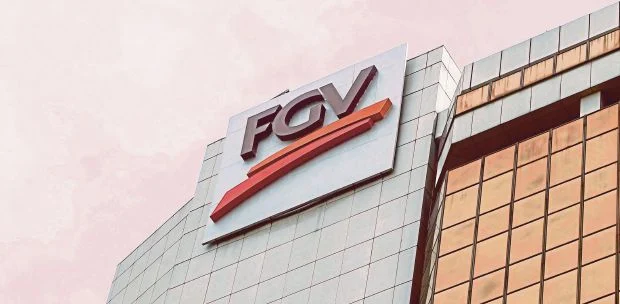
FGV Holdings Bhd (FGV) has received an unconditional voluntary takeover offer from the Federal Land Development Authority (Felda), aimed at acquiring all remaining shares in the plantation and agribusiness company not already under its control. According to a notice issued by Maybank Investment Bank Bhd on behalf of Felda, the offer proposes a cash consideration of RM1.30 per share for all outstanding ordinary shares of FGV. As of 20 May 2025, FGV’s total issued share capital stood at RM7.02 billion, comprising 3.64 billion ordinary shares and one special share held by the Minister of Finance Incorporated (MOF Inc). Felda currently owns 69.50% of FGV, amounting to 2.53 billion shares. With this new offer, Felda and its parties acting in concert (PACs) would collectively control 86.93% of the company. The PACs involved include: Felda Asset Holdings Company Sdn Bhd, a wholly-owned subsidiary of Felda; The Pahang state government; Koperasi Kakitangan Felda Malaysia Bhd, whose board comprises Felda management; Sulong Jamil Shariff and Salina Samsudin. The offer will be formalised through an offer document detailing the terms, conditions, and acceptance procedures. This document will be dispatched to shareholders once the Securities Commission (SC) confirms it has no further comments on its contents. The move signals Felda’s continued strategic effort to consolidate control of FGV, following previous initiatives to strengthen its position in the company. The offer will remain open for acceptance for a minimum of 21 days from the date the document is posted. Felda reserves the right to extend the offer period, with any changes to the closing date to be announced by Maybank Investment Bank at least two days in advance. Should Felda decide to withdraw the offer, it may only do so with written consent from the SC, in which case all obligations under the offer would be nullified.–FMT
News

RHB Elevates Customer Experience Strategy with Qualtrics to Drive Growth

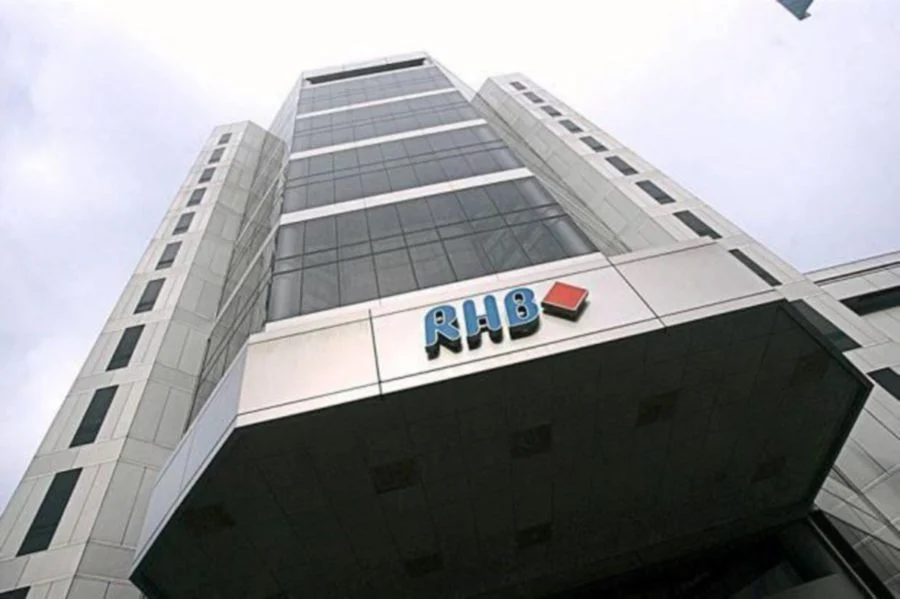
RHB Banking Group has significantly scaled its customer experience (CX) capabilities through its collaboration with Qualtrics, positioning itself as a frontrunner among Malaysia’s top banks in experience-led growth. The bank’s multi-year partnership with Qualtrics—pioneers of the experience management category—has evolved from a cross-channel listening initiative to a full-scale Voice of Customer (VoC) ecosystem, supporting RHB’s ambition to drive long-term customer value, satisfaction, and loyalty. In line with its corporate strategy and focus on quality growth, RHB has embedded CX measurement across 17 customer journeys. Since implementation, the initiative has yielded measurable impact: the bank successfully re-engaged over 4,000 previously dissatisfied customers, uncovered and acted on seven process improvement opportunities, and achieved customer satisfaction scores exceeding 85% across all touchpoints. The transformation includes real-time digital listening across all channels, enabling RHB to access actionable insights and accelerate data-led decision-making. Key tools include targeted dashboards tailored to specific internal audiences and text analytics capabilities (TextIQ) to interpret open-text feedback at scale. “We’ve made tremendous progress on our customer experience journey over the past few years,” said Norazzah Sulaiman, Group Chief Brand and Customer Experience Officer at RHB. “By scaling up our Experience Management ecosystem—supported by trusted partners like Qualtrics—we’ve seen tangible improvements in both satisfaction and service delivery. As we move into the next phase of our corporate strategy, Progress27, our focus remains on delivering exceptional service, driving sustainable growth, and strengthening our role as a responsible, purpose-driven financial institution.” Looking ahead, RHB is working toward becoming the market leader in CX, with strategic initiatives that include enabling real-time customer insight across all touchpoints, enhancing digital self-service capabilities, and implementing a structured CX proficiency framework to upskill employees across the organisation. Thomas Karthaus, Country Manager for Southeast Asia and Greater China at Qualtrics, commented: “We’re proud to work with a market leader like RHB in helping them win back over 4,000 dissatisfied customers and achieve such significantly strong customer satisfaction results. Today’s leading organisations are making customer experience a business priority—and RHB is clearly among them.”

News

NFC Wins Appeal Over Bank Secrecy Breach

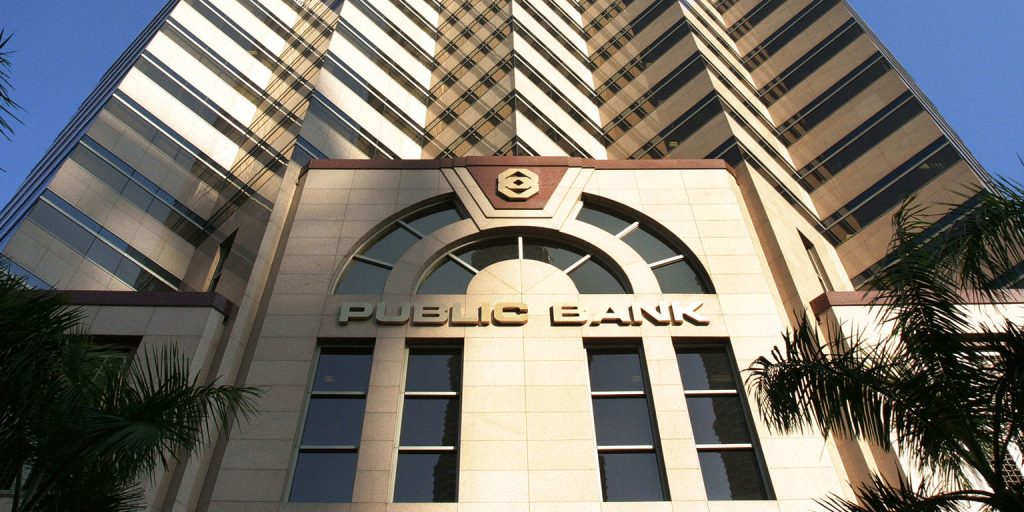
PUTRAJAYA: The Federal Court has upheld a ruling by the Court of Appeal that found Public Bank in breach of its statutory duty and confidentiality obligations, following the unauthorised disclosure of banking information belonging to the National Feedlot Corporation (NFC) and three affiliated entities. In a unanimous decision, the three-member bench led by Chief Judge of Malaya, Datuk Mohd Zabidin Mohd Diah, dismissed Public Bank’s appeal, affirming the appellate court’s earlier finding that the bank had violated banking secrecy laws. The apex court ruled that common law did not apply in this case due to the specific provisions outlined under the Civil Law Act 1956. As a result, NFC, along with its chairman Datuk Seri Dr Mohamad Salleh Ismail and subsidiaries National Meat & Livestock Corporation Sdn Bhd and Agroscience Industries Sdn Bhd, have cleared a major legal hurdle in their pursuit of compensation. While the court has yet to determine the final quantum of damages, it has allowed the plaintiffs to appeal a previous award of only RM10,000 in nominal damages. The matter will be heard on 18 June, when the Federal Court is expected to rule on the plaintiffs’ claim for RM560 million—comprising RM60 million in general damages, RM250 million in aggravated damages, and RM250 million in exemplary damages. The court also awarded RM300,000 in legal costs to NFC and the other appellants. The case dates back to 2012, when confidential banking records were allegedly leaked by Public Bank to then opposition lawmaker Rafizi Ramli, who used the information to support allegations of financial mismanagement involving a government loan tied to the purchase of high-end properties. Public Bank’s legal team maintained that only minimal damages were warranted, arguing that the financial expert supporting NFC’s claim was discredited in earlier proceedings. However, the Court of Appeal in 2023 concluded that the High Court had misinterpreted key evidence, warranting intervention on the issue of liability—though it initially limited the damages due to insufficient proof of actual financial loss. The Federal Court’s ruling marks a significant development in a high-profile corporate case with implications for banking confidentiality, corporate accountability, and data protection.–FMT

News

ASEAN-BAC Presents Strategic Economic Roadmap to Leaders Today

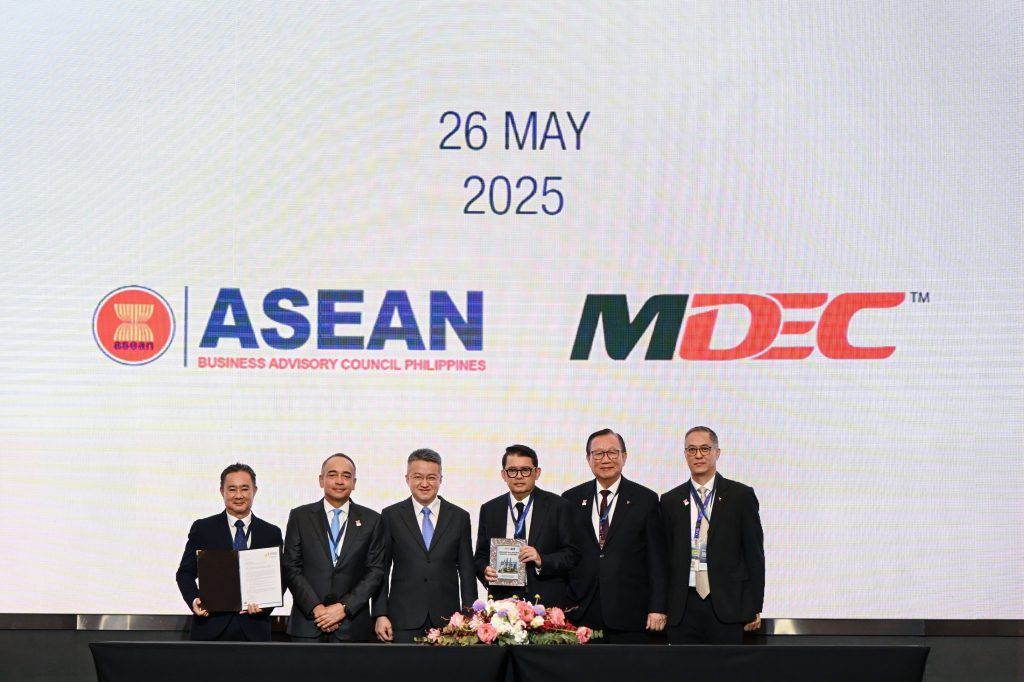
KUALA LUMPUR: The ASEAN Business Advisory Council (ASEAN-BAC) today presented its Strategic Economic Roadmap comprising 12 flagship initiatives to ASEAN leaders, marking a significant step towards deepening regional economic integration and enhancing resilience amid shifting global trade dynamics. The proposals were tabled during ASEAN-BAC’s 103rd Council Meeting, held in conjunction with the 46th ASEAN Summit under Malaysia’s chairmanship. Council members from across the region convened in Genting Highlands and Kuala Lumpur to review progress and finalise recommendations for submission to ASEAN heads of state. “Our 12 flagship initiatives have been progressing steadily through formal consultations with ASEAN bodies since their launch in January,” said Tan Sri Nazir Razak, Chairman of ASEAN-BAC.“We are now ready to present concrete proposals that will strengthen ASEAN’s economic foundations and accelerate regional integration—because time is of the essence.” Nazir added that ASEAN is poised to shape its own destiny as a unified regional bloc: “With strategic clarity, collaborative spirit and a renewed focus on execution, ASEAN is on course to become one of the most influential and prosperous regional groupings in the world.” ASEAN-GCC-China CEO Roundtable: Trilateral Trade Dialogue Launched In a major first, ASEAN-BAC hosted the inaugural ASEAN-GCC-China CEO Roundtable, bringing together top business leaders to explore cross-regional investment opportunities. The dialogue aims to build trilateral partnerships and unlock trade collaboration across high-growth sectors, positioning ASEAN as a critical gateway for two-way investment flows. Strategic Partnerships Announced A series of landmark collaborations were announced, witnessed by YB Liew Chin Tong, Deputy Minister of Investment, Trade and Industry, and ASEAN-BAC Chairman Tan Sri Nazir Razak: 1. Digital Trade Facilitation: MyEG & SGTraDex (Initiative No. 6) MyEG Services Berhad and Singapore Trade Data Exchange Services (SGTraDex) signed an MoU to enable secure, seamless cross-border trade data exchange. This digital exchange platform will advance trade connectivity along the Malaysia-Singapore corridor by transitioning from paper-based systems to verifiable digital records. The partnership also includes B2B and B2B2G flows, as well as regulatory knowledge sharing. 2. Sustainability Reporting for SMEs: ASEAN-BAC & SFIA (Initiative No. 11) To drive proportionate sustainability reporting, ASEAN-BAC teamed up with the Sustainable Finance Institute Asia (SFIA) to launch an Interoperability Sandbox under SFIA’s SAFE initiative. This pilot will support ASEAN SMEs with practical, cost-effective ESG reporting aligned with the ASEAN Simplified ESG Disclosure Guide (ASEDG), improving access to sustainable finance and supply chain transparency. 3. Digital Policy Leadership: ASEAN-BAC & Tech For Good Institute ASEAN-BAC entered a three-year partnership with Singapore-based Tech For Good Institute (TFGI) as its official knowledge partner. The collaboration will strengthen digital economic integration efforts across ASEAN and APEC through policy research, stakeholder dialogue, and governance thought leadership. 4. Gender Inclusivity in Business: ASEAN-BAC & UN Women (Initiative No. 10) A strategic two-year partnership with UN Women was formalised under the ASEAN Inclusivity Collective (AIC) to promote gender-responsive business conduct. The initiative focuses on board representation, gender reporting, and CEO dialogues to support inclusivity standards and practices across ASEAN’s business landscape. 5. Agricultural Technology Collaboration: ASEAN-BAC Philippines & MDEC (Initiative No. 7) ASEAN-BAC Philippines submitted a Letter of Intent to Malaysia Digital Economy Corporation (MDEC) to jointly promote the Digital Agriculture Technology (AgTech) ecosystem. The collaboration aims to empower farmers, facilitate innovation, and enhance food security through scalable tech solutions and best practice sharing between the two nations. The 12 strategic initiatives presented by ASEAN-BAC form a comprehensive framework to boost ASEAN’s economic resilience amid global uncertainties. The Council reaffirmed its commitment to working hand-in-hand with ASEAN Member States (AMS), regional bodies, and the private sector to turn these proposals into actionable outcomes. “ASEAN-BAC will continue to advocate for inclusive growth and deeper integration to ensure ASEAN remains globally competitive, resilient, and future-ready,” said Tan Sri Nazir. The initiatives will also take centre stage at the upcoming ASEAN Business and Investment Summit (ABIS) and ASEAN Business Awards (ABA) in October 2025, set to be hosted in Kuala Lumpur.

News

Lotus Cars Malaysia Appoints NP Digital to Accelerate Digital Growth

In a strategic move to strengthen its digital presence and connect with a new generation of drivers, Lotus Cars Malaysia (LCM) has appointed NP Digital, a global leader in performance marketing, as its official paid media agency. The partnership marks a pivotal chapter in LCM’s resurgence, aligning with the brand’s ambitious plans to reintroduce the iconic British marque to the Malaysian market through a refreshed product portfolio. NP Digital will spearhead strategy, media management, and performance optimisation across key platforms including Meta (Facebook and Instagram) and Google Search, focusing on brand awareness and lead generation. “Partnering with a brand as renowned as Lotus Cars Malaysia is a milestone that reflects the confidence global brands place in NP Digital’s ability to deliver real business outcomes,” said Marcus Siow, Senior Director of Business Development at NP Digital. “It also highlights our expanding footprint in the automotive sector.” More than just a tactical partner, NP Digital brings a holistic approach, combining data-driven insights with compelling creative to resonate with digitally savvy, performance-driven audiences. The agency aims to build brand affinity, drive conversions, and cultivate a passionate community that celebrates innovation, sustainability, and driving excellence. LCM, distributed under Lotus Karz Sdn Bhd, a subsidiary of Karrus Automotive Group, made a strong comeback in 2024, delivering over 200 units — led by the Eletre, the world’s first all-electric hyper-SUV. This success coincided with a record year for Malaysia’s automotive industry, which saw over 816,000 vehicles sold, marking a 2.1% year-on-year increase largely driven by rising demand for electric vehicles. “We’re rebuilding Lotus Cars Malaysia with passion and purpose,” said Justine Ong, Head of Marketing at LCM. “That’s why we chose a partner who believes in the brand as much as we do. When you’re starting from the ground up, conviction matters just as much as capability.” With a secured retainer through 2025 and plans for long-term collaboration, NP Digital is set to play a crucial role in translating Lotus’ legacy into a compelling digital narrative that meets the expectations of modern, eco-conscious consumers. The partnership also reinforces NP Digital’s growing presence in Southeast Asia and its reputation as the go-to agency for premium global brands. For more information, visit www.npdigital.com and www.lotus-cars.com.my.

ESG

Bursa Malaysia and BoardRoom Join Forces to Boost CSI Sustainability Reporting Adoption

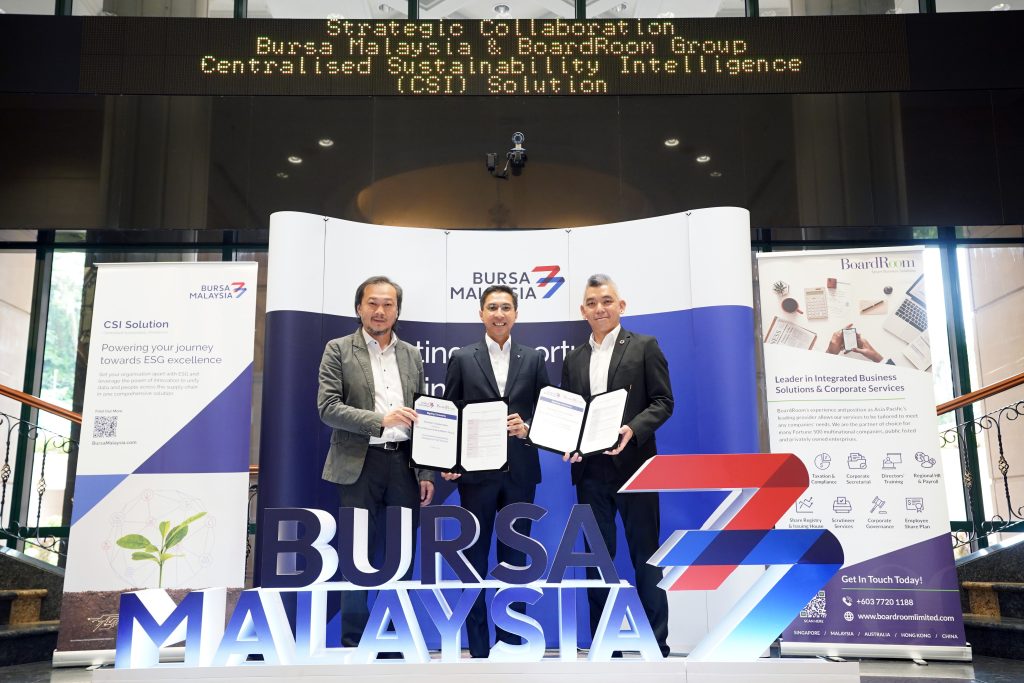
KUALA LUMPUR: Bursa Malaysia has announced a collaboration with BoardRoom Group to accelerate the adoption of its Centralised Sustainability Intelligence (CSI) Solution among public listed companies (PLCs), with the goal of improving sustainability reporting standards across Malaysia’s corporate landscape. The CSI Solution, developed by Bursa Malaysia to support the country’s transition to a low-carbon economy, was designated as the Exchange’s official sustainability reporting channel in March 2025. It aligns with the IFRS S1 and S2 disclosure standards under the National Sustainability Reporting Framework (NSRF). Dato’ Fad’l Mohamed, CEO of Bursa Malaysia, said the collaboration leverages BoardRoom’s corporate advisory expertise to support more companies in meeting evolving sustainability disclosure requirements. “We are committed to enabling Malaysian companies in their decarbonisation journey by offering CSI tools free of charge to all PLCs,” he said. BoardRoom Group CEO Angeline Aw said the initiative builds on their longstanding relationship with Bursa Malaysia and reflects a shared focus on enhancing governance and regulatory readiness. “We are well-positioned to help clients adopt the CSI Solution and produce meaningful sustainability reports,” she added. Since its launch in June 2024, about 180 PLCs have onboarded onto the CSI platform. The Exchange encourages not just PLCs, but also mid-tier companies and SMEs to adopt the CSI Solution, which includes tools such as an emissions calculator, supplier management module, and other value-added services from ecosystem partners. For further details, companies can contact [email protected] or visit the Bursa Malaysia CSI Solution website.

News

Govt Ready to Review e-Invoicing to Avoid Burdening Small Firms — PM

JOHOR BAHRU: The government is open to reviewing the Inland Revenue Board’s (IRB) e-Invoicing implementation to ensure that small businesses are not unduly burdened, said Prime Minister Datuk Seri Anwar Ibrahim. “We will look into it because e-Invoicing is very important to prevent leakages and revenue loss. But for small companies, it can be quite burdensome. So, God willing, we will make improvements so that it does not become a burden,” he said during the closing of his policy speech at PKR’s national congress on Saturday. The e-Invoicing initiative was launched in August 2024 for companies with an annual turnover exceeding RM100 million. It expanded on Jan 1 this year to businesses earning between RM25 million and RM100 million. The third phase, beginning July 1, will cover all businesses, including micro, small, and medium enterprises (MSMEs). Anwar, who also serves as finance minister, said Malaysia is one of the most generous nations in terms of subsidies. “For example, with the [adjustment of electricity tariffs], 85% of users are not affected, but our explanation was lacking. As for gas subsidies, that’s valid — some small companies and others are still struggling even with available support. This is another area we’ll review,” he said. On petrol subsidies, Anwar reiterated that the government does not support raising fuel prices and aims to maintain subsidies for Malaysians, while removing them for foreigners. “The Cabinet and I do not agree with raising fuel prices. Prices can be lowered gradually depending on market conditions. However, fuel subsidies must be removed for foreigners — we have 3.5 to 4 million foreigners in Malaysia benefiting from them,” he said, adding that no other country provides fuel subsidies for foreigners or the wealthy. Anwar assured Malaysians that the government’s subsidy rationalisation will not affect citizens. He also shared results from an IDE Research Centre study showing increased support for the unity government among civil servants. “The study found that among the 1.4 million civil servants — mostly Malays — there is a clear shift in support. This is encouraging and shows civil servants are now more confident in the government,” he said. Anwar attributed this shift to the implementation of the Public Service Remuneration System (SSPA), which replaced the Malaysian Remuneration System (SSM) in December 2024. He said the new system has positively impacted civil service performance and morale.

News

ASEAN Officials Review AEC 2025, Map Next Phase

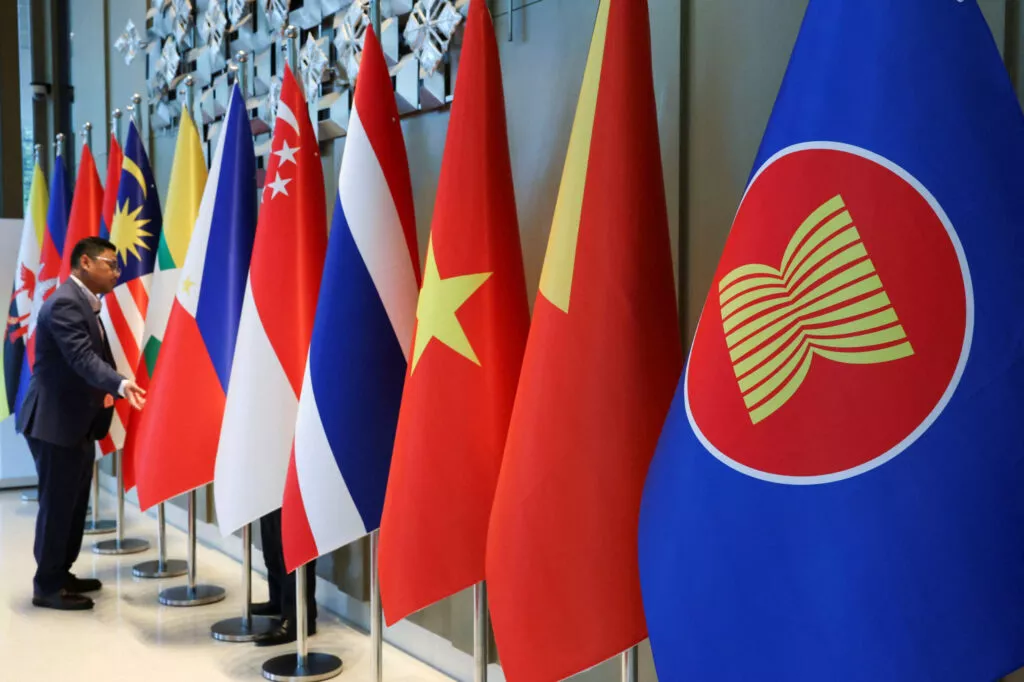
KUALA LUMPUR: Senior ASEAN economic officials convened on Saturday to evaluate the progress of the ASEAN Economic Community (AEC) Blueprint 2025 and to deliberate on the next strategic roadmap that will shape regional economic integration through 2030. Held ahead of the 25th ASEAN Economic Community Council (AECC) Meeting, the Preparatory Senior Economic Officials’ Meeting (Prep-SEOM) centred on reviewing key outcomes of the current blueprint and aligning them with the ASEAN Community Vision 2045. New Strategic Plan in the Works The officials discussed the AEC Strategic Plan 2026–2030, a crucial component of ASEAN’s post-2025 vision. The document is expected to be launched and adopted by ASEAN leaders during the 46th ASEAN Summit, taking place on May 26 and 27 at the Kuala Lumpur Convention Centre. Malaysia’s Ministry of Investment, Trade and Industry (MITI) Deputy Secretary-General (Trade), Mastura Ahmad Mustafa, chaired the session. Other notable attendees included ASEAN Deputy Secretary-General for the AEC, Satvinder Singh, and senior economic representatives from all ASEAN member states, including Timor-Leste and Myanmar (the latter joining virtually). Responding to Global Shifts The meeting also examined the region’s current economic performance in light of global economic uncertainties. Participants discussed the implications of policy shifts among major global economies and formulated strategic responses to safeguard ASEAN’s economic resilience. “There is a shared understanding that ASEAN must remain agile and cohesive in responding to external shocks while unlocking new growth opportunities,” noted one official. The Prep-SEOM sets the stage for key decisions at Monday’s 25th AECC Meeting, where ministers are expected to endorse several reports and outcome documents, providing guidance on the way forward for ASEAN’s economic pillar. ASEAN Summit and Strategic Engagements This year’s ASEAN Summit will feature two concurrent high-level engagements: The 2nd ASEAN–Gulf Cooperation Council (GCC) Summit The inaugural ASEAN–GCC–China Summit Both are expected to broaden ASEAN’s external economic partnerships and reaffirm its role as a central player in regional and global economic affairs. Malaysia’s ASEAN Chairmanship 2025 carries the theme “Inclusivity and Sustainability,” reflecting a broader commitment to equitable and future-focused growth across all member states.–BERNAMA

News

AWES 2025 Champions Women’s Role in ASEAN’s Inclusive Economic Future

KUALA LUMPUR: The inaugural ASEAN Women Economic Summit 2025 (AWES 2025) kicked off today with a firm commitment to place women at the heart of Southeast Asia’s inclusive economic growth and regional integration agenda. The two-day summit, hosted under Malaysia’s ASEAN chairmanship, aims to spotlight the vital contributions of women across all sectors and strengthen their role in shaping a resilient, connected, and prosperous ASEAN. A Platform for Collective Action Datuk Dr Hafsah Hashim, founder and chairman of the Women Leadership Foundation, emphasised that ASEAN governments are actively investing in rural development, education, and healthcare—key areas for unlocking the full potential of women in the region. “We have leaders who are passionate and persistent in pushing for women’s contributions to the economy. This enables us to strive for a more energised and prosperous ASEAN,” she said at the AWES 2025 press conference. She described the summit as a dynamic platform for regional collaboration, leadership development, and cross-border growth opportunities for women entrepreneurs, professionals, and policymakers. Malaysia’s Commitment to Gender-Inclusive Growth Minister of Investment, Trade and Industry Tengku Datuk Seri Zafrul Abdul Aziz highlighted that AWES 2025 aligns with Malaysia’s chairmanship theme of Inclusivity and Sustainability. He said the initiative dovetails with the ministry’s ongoing efforts to empower women, youth, and MSMEs. “With support from all parties, our ministry and the government will ensure AWES continues to receive strong backing year after year,” he said. “We want to uplift women through targeted programmes and open access to new market opportunities via upselling initiatives.” Elevating Leadership, Inspiring Change Themed Empowering Women, Energising ASEAN: Pioneering Economic Integration for a Resilient Tomorrow, the summit features high-level sessions including strategic dialogues, leadership labs, mentorship forums, and a gala dinner. Over 700 delegates from across ASEAN’s public, private and civil sectors are in attendance. The summit aims to position women at the forefront of ASEAN’s transformation, especially amid global trade tensions, digital acceleration, and sustainability challenges. Private Sector Support UOB Malaysia CEO Ng Wei Wei stressed that inclusive leadership is crucial to sustainable growth. “As ASEAN grows in complexity and opportunity, inclusive leadership isn’t just the right thing to do—it’s essential for long-term prosperity,” she said. “UOB is proud to support AWES 2025 as a strong advocate of inclusive growth across the region.” UOB Malaysia is the summit’s main sponsor, while Kuok Brothers Sdn Bhd is the official empowerment partner. — BERNAMA

News

US Tariff Threat Could Erase Up to 4 % of Malaysia’s Solar-Panel Export Value

KUALA LUMPUR: Malaysia’s solar-panel industry could forfeit as much as four per cent of its export value if Washington enforces new anti-dumping and countervailing duties on photovoltaic (PV) products from four Southeast Asian nations, including Malaysia, according to market observers. The warning follows a preliminary ruling by the US International Trade Commission (US-ITC) that cheap imports from Malaysia, Thailand, Cambodia and Vietnam have “materially injured” US manufacturers. A final “yes” vote would trigger duties once the US Commerce Department formalises the orders. Potential Billions at Risk Global PV trade topped US $40 billion in 2021. Based on that benchmark, UOB Kay Hian Wealth Advisor head of investment research Mohd Sedek Jantan estimates Malaysia could absorb a revenue hit running into the “billions” if US demand retreats by roughly 30 % under higher tariffs. “The solar industry is a cornerstone of Malaysia’s energy sector, which itself contributes nearly 20 % to GDP,” Mohd Sedek told Bernama. “Over-reliance on a single major market that favours protectionist policies exposes manufacturers to outsized risk.” Geoeconomic Hedge Strategy To cushion the blow, Mohd Sedek advocates a “Geoeconomic Hedge Strategy” that redirects export growth toward Europe, India and Latin America, reducing dependence on the US market and diversifying supply-chain risk. Industry View: Local Value-Chain Needed Lee Choo Boo, managing director of Itramas Corporation Sdn Bhd, said any tariff-induced sales slump in the US could be tempered by ongoing renewable-energy projects at home—but warned of currency headwinds. “If recessionary fears prompt Bank Negara Malaysia to cut rates, the ringgit may weaken against the US dollar. That would raise the local cost of PV technology components we import in US dollars,” Lee explained. He argued Malaysia must accelerate efforts to “move up the value chain,” develop a domestic component ecosystem and reduce reliance on imported technology. “As an industry, we can’t just build power plants with foreign parts; we need a resilient local supply chain,” he stressed. The US-ITC’s final determination and the Commerce Department’s tariff orders are expected later this year. Industry players and policymakers alike will be watching closely to gauge the impact on Malaysia’s fast-growing solar-export sector. — BERNAMA

Scroll to Top

Subscribe
FREE Newsletter