Malaysia

News

ABP Group Invests in Malaysia to Strengthen Regional Cyber Defense and Talent Development

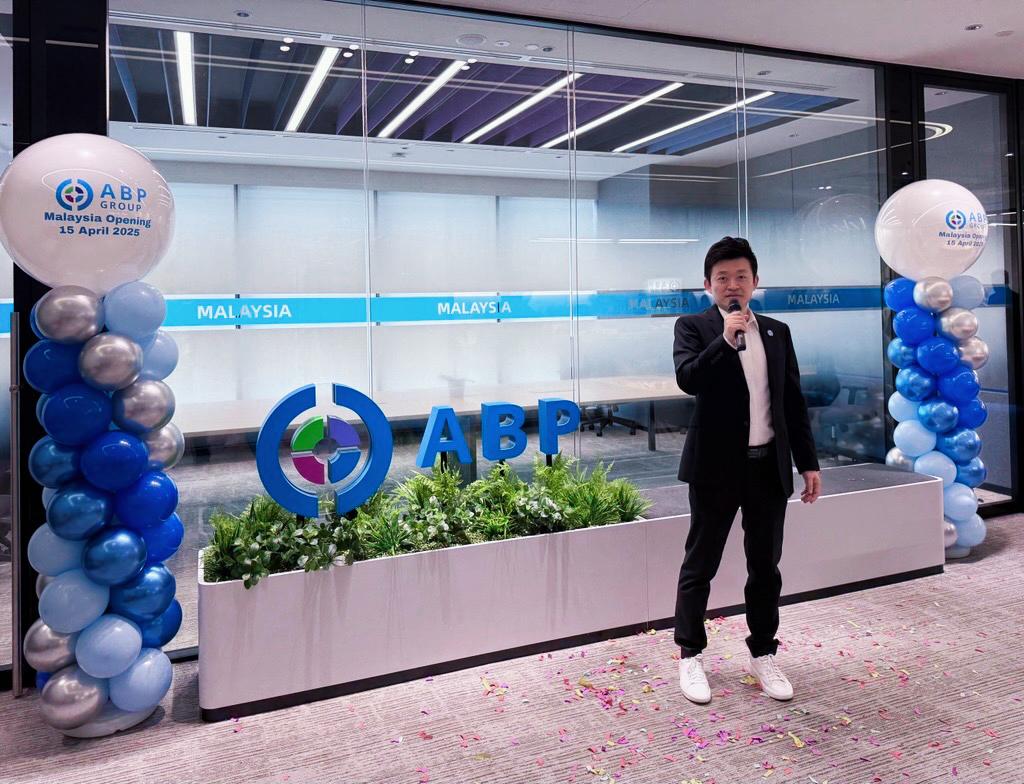
ABP Group, Asia’s leading cybersecurity provider, has strengthened its presence in Malaysia with the launch of a new office in KL Eco City, strategically located opposite Mid Valley City. This milestone builds on six years of established operations in the country and supports the Group’s long-term strategy to expand its capabilities across Southeast Asia. The newly launched Kuala Lumpur office features a modern and spacious environment designed to support a growing team of cybersecurity experts. It includes infrastructure upgrades to support regional delivery, technical collaboration, and talent development. “This expansion allows us to build greater delivery capacity, deepen client engagement, and respond more quickly to emerging threats in the region. As demand for cybersecurity solutions increases, our presence in Malaysia ensures we remain close to our clients and equipped to support their needs,” said Sun Yi, Group Chief Executive Officer of ABP Group. The Malaysian expansion complements ABP Group’s regional footprint, with the new office serving as a base for project execution, technical support, and training initiatives. Malaysia plays a central role in ABP Group’s broader regional roadmap for Southeast Asia. ABP Group’s continued investment reflects a deep belief in Malaysia’s emergence as a cybersecurity leader for the region.  “This expansion brings us closer to a more unified cybersecurity ecosystem across Southeast Asia, starting with Singapore and Malaysia, working in sync through shared infrastructure, shared talent, and a common standard of resilience,” Sun explained. Cybersecurity risks in Southeast Asia have intensified as digital adoption accelerates. According to Kaspersky Cybersecurity Report for Malaysia (1H2024), Malaysia recorded 19.62 million web-based attacks in the first half of 2024, the highest in the region.  ABP Group’s capability is delivered through three specialised business units to offer end-to-end cybersecurity coverage across Southeast Asia. The first pillar, Sunnic, leads technology innovation and research and development (R&D), while ABP Cyber provides tailored cybersecurity solutions, and ABP Securite drives value-added distribution through its growing partner ecosystem. These units work together to deliver regional impact with local precision. The KL Eco City office will serve as ABP Group’s hub for client engagement, technical collaboration and local talent development. “This is more than a physical expansion. It is about reinforcing the infrastructure needed to deliver cybersecurity at scale. As Malaysia moves deeper into a digital-first future, the need for trusted cybersecurity partners will only grow. ABP Group sees this as a long game, one that demands not just technical capability but long-term thinking, shared responsibility, and local leadership,” Sun added. For more information about ABP Group and its cybersecurity solutions, please visit https://www.abpgroup.com/.
ESG

Malaysia Champions Action-Oriented Urban Cooperation on Global Stage

Malaysia has issued a strong call for a paradigm shift in global urban cooperation, emphasising the need for tangible, results-driven collaboration between cities. The message, conveyed by Housing and Local Government Minister Nga Kor Ming, comes as part of his official address at the World Cities Summit (WCS) 2025, currently taking place in Vienna. Speaking in his capacity as President of the United Nations-Habitat Assembly (UNHA), Nga addressed an audience of over 75 mayors and city leaders from across the globe. He underscored the urgency of transitioning from dialogue to implementation, advocating for city-level action rooted in innovation and supported by structured urban partnerships. “Collaboration must lead to projects that solve real urban challenges,” Nga said. “We must institutionalise knowledge-sharing and back our intentions with innovation funding, technical hubs, and measurable outcomes.” Nga outlined a forward-focused agenda, encouraging cities to work together through mechanisms such as joint innovation financing, regional cooperation on shared urban concerns, and the adoption of standardised metrics to evaluate progress. These strategies, he noted, are not theoretical constructs but grounded in Malaysia’s ongoing urban development initiatives. He cited Malaysia’s experience through initiatives such as the Malaysia Sustainable Development Goals (SDG) Cities Roadmap, the ASEAN Smart Cities Network, and the Asia-Pacific New Urban Agenda Platform. These platforms, he said, serve to facilitate the exchange of expertise and promote scalable, sustainable solutions. As part of his address, Nga spotlighted internationally recognised urban transformation models including Barcelona’s Superblocks, Yokohama’s Zero Waste policy, and Curitiba’s Bus Rapid Transit system. Each, he explained, exemplifies how innovative, networked approaches can yield global urban impact. The call for action was further reinforced during the Mayors Forum on 3 July, where Kuala Lumpur Mayor and Advisor on Sustainable Urbanisation, Datuk Seri Dr Maimunah Mohd Sharif, contributed insights on advancing affordable housing. “Affordable housing is not merely a development target,” said Dr Maimunah. “It is a reflection of the social compact between the government and the people. Real affordability requires more than policy; it demands shared conviction. A truly inclusive city is one that listens, adapts, and responds in order to build a genuine sense of belonging with its people.” Her intervention highlighted the essential role of participatory governance and community engagement in shaping inclusive urban landscapes. As cities face growing socio-economic and environmental pressures, Malaysia’s leadership at WCS 2025 signals a determined push for cities to unite in delivering concrete, data-driven outcomes for sustainable urban futures. -Bernama

ESG

MUFG Bank Strengthens Commitment to Sarawak’s Sustainable Growth and Innovation

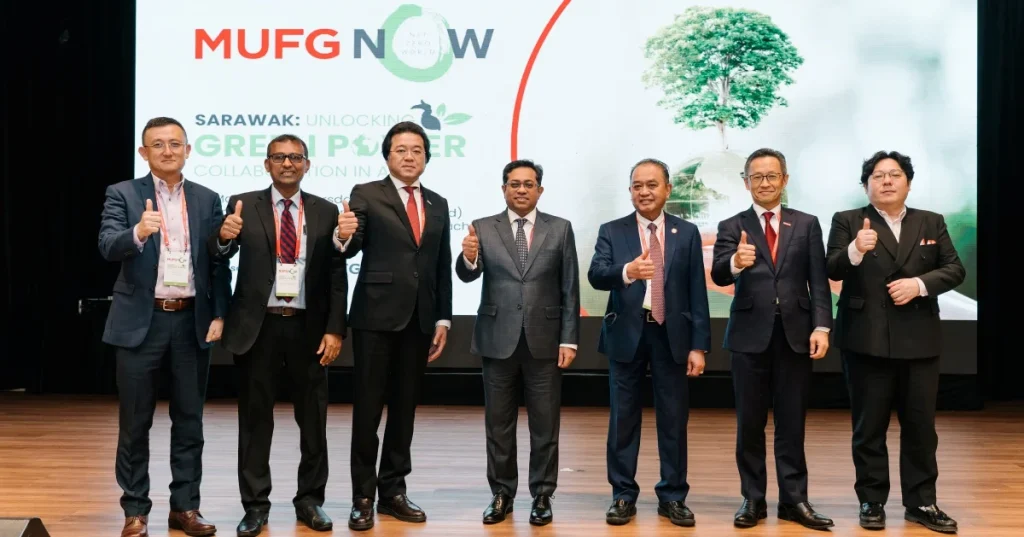
MUFG Bank (Malaysia) Bhd, a subsidiary of Mitsubishi UFJ Financial Group Inc (MUFG), recently convened over 100 business leaders, policymakers, and industry experts in Kuching, Sarawak, for its flagship conference, MUFG N0W (Net Zero World). The event served as a pivotal regional platform for dialogue on sustainable development across Asia. Following the success of its inaugural Malaysian edition in March 2023, this year’s conference reaffirmed MUFG’s commitment to supporting Sarawak’s growth trajectory through sustainable and innovative financial solutions. Motohide Okuda, Chief Executive Officer and Country Head of MUFG Malaysia, emphasised the bank’s alignment with Sarawak’s aspirations. He stated that MUFG’s continued support is an extension of its broader dedication to Malaysia’s long-term development. “We look forward to leveraging our environmental, social and governance (ESG) financing expertise and regional network to foster collaborations that bolster Sarawak’s goals for sustainable growth and green innovation,” said Okuda. “This latest MUFG N0W is a compelling showcase of how we are well-positioned to connect the best of Japan’s technological capabilities with Malaysia’s abundant green energy resources to unlock new opportunities and drive further growth.” He further highlighted MUFG’s alignment with the Sarawak Sustainability Vision 2030 and reiterated the bank’s ongoing role in facilitating public-private partnerships to advance inclusive development across Malaysia, Japan, and the broader region. Chief Executive Officer of the Malaysian Investment Development Authority (MIDA), Datuk Sikh Shamsul Ibrahim Sikh Abdul Majid, reinforced the national imperative for green transformation. He cited MUFG’s collaboration with key Sarawak institutions, including the Sarawak Economic Development Corporation and Sarawak Energy, as instrumental in addressing the energy trilemma of affordability, security, and environmental sustainability. “Malaysia’s green transformation is not just an aspiration – it is an imperative,” said Sikh Shamsul. “We stand ready to support stakeholders from project conceptualisation to implementation and invite further engagement to facilitate green investment journeys across Malaysia.” MUFG has operated in Malaysia for nearly 70 years, providing corporate clients with a suite of sustainability-focused financial solutions, including green financing, sustainability-linked loans, and green trade facilities. The bank was named Best Sustainable Bank (International) by FinanceAsia in both 2023 and 2024. In December, MUFG participated in Sarawak’s inaugural state budget conference, contributing to strategic discussions on growth planning and the role of public-private collaboration in green development. Most recently, the bank signed a memorandum of understanding with Affin Bank – majority-owned by the Sarawak state government – to explore partnership opportunities in advancing Malaysia-Japan business relations and accelerating the green transition. -The Strait Times

News

Cathay Pacific Expands Malaysian Operations with HK Express Subang Launch on 1 August

Cathay Pacific is reinforcing its confidence in Malaysia’s aviation sector as its budget subsidiary, HK Express Airways, prepares to commence daily operations to Sultan Abdul Aziz Shah Airport (Subang Airport) beginning 1 August. This expansion marks a strategic extension of the carrier’s footprint in Malaysia, as it capitalises on the country’s growing demand for both passenger and cargo services. Robbie Blackwood, Area Head for Malaysia and Brunei at Cathay Pacific, expressed a positive outlook for the sector, citing resilient performance, particularly in Penang. “We’ve seen strong resilience in the Penang market, especially on the cargo side, which performed very well in the first half of this year. Agility is key. We’re constantly monitoring new route opportunities, and we have a really good team here who can identify that,” he told Business Times following the launch of the “Traverse with Paramount” campaign, a collaboration with Malaysian developer Paramount Property. Blackwood highlighted that Cathay Pacific’s network reach and operational agility enable it to effectively serve emerging markets and evolving cargo demands. “Passenger performance has also been encouraging, with leisure travel remaining strong. This year, corporate travel is making a notable comeback, and we expect customer demand to continue rising, although our capacity plans are still being finalised,” he added. Cathay Pacific acquired HK Express in 2019 and has since been expanding its regional operations, with Malaysia positioned as a key growth market. The introduction of Subang as HK Express’s second destination in Malaysia follows the launch of daily flights between Penang and Hong Kong in November 2023. The group is currently evaluating further expansion opportunities at other Malaysian airports, particularly in prominent tourist destinations, although specific plans remain undisclosed. “Malaysia is a key growth market for us as we expand across the region,” Blackwood said. At present, Cathay Pacific operates seven passenger flights and three freighter services weekly from Penang, supporting the state’s robust electronics export industry. HK Express also maintains a daily passenger route from Penang. In Kuala Lumpur, Cathay Pacific runs three daily passenger flights from Kuala Lumpur International Airport (KLIA). Subang’s proximity to central Kuala Lumpur and availability of evening departure slots offers a differentiated market opportunity, aligning with HK Express’s low-cost model. The route will be operated using narrow-body aircraft, likely from the Airbus A320 family, including the A321neo, although aircraft deployment has not yet been finalised. “Subang serves a slightly different market for us. Its proximity to the city centre is a major advantage, and the evening departure slots cater well to passengers wanting to fly after work,” Blackwood noted. “Currently, Cathay Pacific operates morning, early afternoon, and mid-afternoon departures from KLIA. Subang’s evening flight adds more flexibility for travellers.” In a separate initiative aimed at deepening local engagement, Cathay Pacific has partnered with Paramount Property for the ‘Traverse with Paramount’ campaign, marking its first collaboration with a Malaysian property developer. Blackwood described the partnership as a values-driven alignment. “Paramount focuses on what they can offer customers beyond handing over the keys to a home. We approach travel the same way, through exceptional service in flight, at the airport, during check-in, and in our lounges. From a values perspective, the partnership is a natural fit,” he said. The campaign will reward property buyers with 10,000 to 40,000 Asia Miles for purchases across eight participating Paramount Property developments. -The Strait Times

ESG

Schneider Electric Identifies Key Strategic Priorities to Drive Sustainability in Real Estate

Schneider Electric Industries (Malaysia) Sdn Bhd has identified three critical focus areas essential for advancing sustainability and resilience across the real estate sector, according to insights from its 2024 Green Impact Gap survey. In a statement issued today, the global energy management and automation company underscored the growing urgency for businesses to move beyond reactive postures, citing climate change as an immediate and escalating risk. “With climate change no longer a distant threat, organisations must evolve from reactive to proactive approaches,” Schneider Electric stated. “By leveraging digital tools, predictive analytics, and integrated energy and sustainability management systems, businesses can monitor risks in real time, anticipate operational disruptions, and optimise their energy consumption.” Such capabilities not only enable firms to reduce carbon emissions and operational costs but also support alignment with increasingly stringent environmental, social, and governance (ESG) expectations. The company further emphasised that energy security continues to be a significant concern for the industry. In response, Schneider Electric advocates for the integration of diversified and resilient energy strategies, including renewables, microgrids, and intelligent energy management systems, to ensure that sustainability efforts are both robust and future-ready. In addressing structural barriers such as limited resources and internal resistance, Schneider Electric pointed to the challenges businesses face in complying with the Energy Efficiency and Conservation Act (EECA). “That is why we collaborate closely with our partners to align strategic intent with tangible action, deliver measurable short-term outcomes, and embed sustainability deeply into core business processes,” the statement read. “When sustainability is embraced as a strategic imperative, it becomes a powerful enabler of long-term value creation. Our role extends beyond providing digital technologies—we also offer partnership, guidance, and shared expertise to help businesses navigate this transformation.” -Bernama

News

Affin, Alliance Bank Adjust Lending and Deposit Rates Following OPR Reduction

Affin Bank Berhad, along with its subsidiaries Affin Islamic Bank Berhad and Affin Hwang Investment Bank Berhad, will revise their lending and deposit rates in response to Bank Negara Malaysia’s recent reduction in the Overnight Policy Rate (OPR). The OPR was lowered by 25 basis points, from 3.00% to 2.75%, effective 9 July. In a statement, Affin confirmed that the revised rates will come into effect on 11 July. The bank’s Standardised Base Rate (SBR) will be reduced to 2.75% per annum from the current 3.00%, while the Base Rate (BR) will decrease from 3.95% to 3.70%. Additionally, the Base Lending Rate (BLR) and Base Financing Rate (BFR) will be adjusted from 6.81% to 6.56% per annum. Affin also announced corresponding downward revisions to its fixed deposit rates and Affin Islamic’s Term Deposit-i Board Rates, effective on the same date. Alliance Bank Malaysia Berhad and Alliance Islamic Bank Berhad have similarly confirmed adjustments to their lending and deposit rates in line with the new OPR. Effective 15 July, the SBR for both institutions will be lowered by 25 basis points to 2.75% per annum. Their BR will decrease from 3.82% to 3.57%, while the BLR and BFR will be revised from 6.67% to 6.42% per annum. These adjustments are consistent with the Reference Rate Framework introduced by Bank Negara Malaysia on 1 August 2022. Under this framework, the SBR serves as the common reference rate for all new retail floating-rate loans and financing, and is directly linked to the OPR. Both institutions have confirmed that fixed deposit rates will be revised downward on the respective effective dates. -The Star

News

IHH Healthcare Targets Expansion in Indonesia and Vietnam

IHH Healthcare Berhad is exploring expansion opportunities in Indonesia and Vietnam, aiming to bolster its scale in response to rising healthcare costs across the region. Chief Executive Officer Prem Kumar Nair confirmed the group’s interest in both markets, citing healthcare reforms and regulatory easing in Indonesia and strong demand trends in Vietnam. “Vietnam contributes significantly to our Singapore operations through medical tourism,” Prem Kumar noted during a recent interview in Kuala Lumpur. IHH, Southeast Asia’s largest listed hospital operator by market capitalisation at US$14 billion, currently manages more than 80 hospitals across 10 countries, including Singapore, India and China. The group has maintained an aggressive growth trajectory, most recently acquiring Malaysia’s Island Hospital Sdn Bhd in 2024. Its affiliates, Acibadem in Turkey and Fortis Healthcare in India, also completed acquisitions in their respective markets over the past two years. The group’s regional expansion strategy is designed to mitigate the impact of rising import costs for medical equipment and consumables. To manage cost pressures, IHH is centralising procurement of generic medication and key medical supplies, enabling greater purchasing efficiency. In China, the company has consolidated its clinic operations into a profitable unit and is seeing an increase in patient numbers at its Shanghai hospital. However, despite recent policy shifts allowing greater foreign participation in China’s healthcare sector, IHH remains cautious about further expansion in the market. “In China, the public sector remains a dominant force. We are the only foreign operator with an integrated ecosystem of clinics and hospitals, and our focus will be on strengthening that model,” said Prem Kumar. Domestically and regionally, IHH is investing to expand its hospital bed capacity by 33% between 2024 and 2028, targeting a total of 4,000 additional beds. The group is also placing increasing emphasis on out-of-hospital care, including ambulatory surgical centres, primary care clinics and other healthcare facilities, with 60 non-hospital facilities already in operation. “Relying solely on hospitals is not sustainable. Out-of-hospital services are essential for managing long-term cost pressures,” said Prem Kumar. “Singapore has already adopted this approach, and Hong Kong is moving in that direction.” India is expected to become a key growth driver for IHH, which already operates 35 hospitals in the country – the group’s largest in-market footprint. While Singapore, Turkey and Malaysia currently account for the bulk of IHH’s revenue, India’s expanding private healthcare demand is positioning it as a future core market. Financially, IHH reported RM6.29 billion (US$1.48 billion) in revenue for the first quarter, up 5.7% year-on-year. Net profit, however, declined by 33% to RM514 million due to exceptional accounting adjustments. In Malaysia, where the company is headquartered, regulatory constraints prevent hospital operators from managing other healthcare facilities. IHH intends to engage with the Ministry of Health to advocate for policy changes, enabling broader participation in the out-of-hospital care segment. “We see significant potential in Malaysia’s out-of-hospital sector and are prepared to invest heavily, should the regulatory environment permit,” Prem Kumar added. Despite these growth initiatives, IHH shares have declined 8.4% year-to-date, compared with a 7% drop in Malaysia’s benchmark stock index amid broader concerns over US trade tariffs. -Bloomberg

News

Petronas Chemicals’ Earnings Outlook Pressured by Oversupply and Forex Volatility

Petronas Chemicals Group Bhd (PetChem) continues to face pressure on its earnings outlook, as Maybank Investment Bank Research (Maybank IB) maintains a “sell” recommendation on the counter, with an unchanged target price of RM2.59. This stance reflects the research house’s sustained bearish view on the olefins and derivatives (O&D) subsector. According to Maybank IB, the group’s prospects remain subdued due to persistent oversupply in the regional O&D market. This glut is largely attributed to China’s ongoing efforts to achieve self-sufficiency in petrochemical production, which has continued to dampen market spreads. Maybank IB expects O&D spreads to remain weak in the second half of 2025. However, the research house is closely monitoring any industry signals of major capacity rationalisation, which could signal a potential turning point for the sector, particularly as many naphtha-based petrochemical producers remain in a loss-making position. In addition to structural market headwinds, foreign exchange volatility is likely to exert further pressure. The 5% depreciation of the US dollar against the ringgit in the second quarter of 2025 to RM4.21 may result in unrealised foreign exchange losses for PetChem. This would stem from the revaluation of shareholder loans extended to Pengerang Petrochemical Company (PPC), along with the revaluation of PPC’s payables. Maybank IB anticipates weaker quarter-on-quarter core earnings for PetChem in 2Q25. This projection takes into account the temporary shutdown of Pengerang Refining Co Sdn Bhd and Pengerang Petrochemical Sdn Bhd, alongside continued weakness in O&D spreads. -The Star

News

Khazanah Targets AI Growth Through Strategic French and Italian Partnerships

Khazanah Nasional Bhd is actively pursuing strategic partnerships with France and Italy’s sovereign wealth funds to strengthen cross-border collaboration in artificial intelligence (AI) and innovation. The discussions took place during a recent diplomatic and trade mission across Europe and South America, led by Prime Minister Datuk Seri Anwar Ibrahim. Managing Director Datuk Amirul Feisal Wan Zahir confirmed that a series of high-level meetings had been held with Cassa Depositi e Prestiti of Italy and Bpifrance, France’s public investment bank, with a focus on building synergies between Malaysian, French and Italian companies. The initiative aims to align with the shifting global geopolitical landscape by fostering cooperation in technology and innovation. “We explored opportunities to collaborate, particularly in tech innovation and among mid-tier companies in our respective countries. There is a shared recognition that we face similar challenges — how to become globally competitive through AI and innovation, and how to access new markets,” he said during a media briefing in Brazil at the conclusion of the Prime Minister’s official visits. Khazanah has maintained an ongoing partnership with Cassa Depositi e Prestiti for the past two years and with Bpifrance for three years. These relationships are being leveraged to deepen technological cooperation and foster sustainable economic growth. The mission, which began on 1 July, included visits to Rome, Paris and Rio de Janeiro. It was part of a broader effort to strengthen diplomatic ties and economic cooperation with key international partners. Khazanah was among several major Malaysian corporations represented on the delegation, including Petroliam Nasional Bhd (Petronas), Tenaga Nasional Bhd (TNB), Malayan Banking Bhd (Maybank), FGV Holdings Bhd and YTL Power International Bhd. Bilateral trade between Malaysia and the three countries — Italy, France and Brazil — totalled RM50.91 billion in 2023, reflecting the growing importance of these relationships. Khazanah reported its strongest financial performance to date in 2024, delivering a net asset value time-weighted rate of return of 24.6%, a significant increase from 5.7% the previous year. The sovereign wealth fund’s total portfolio, or realisable asset value, rose to RM151.3 billion. -Bernama

News

PBAPP Launches RM5 Billion Sukuk Programme to Enhance Penang’s Water Infrastructure

Perbadanan Bekalan Air Pulau Pinang Sdn Bhd (PBAPP) has officially launched its inaugural RM5 billion Islamic Medium-Term Notes (IMTN) Programme, aimed at accelerating the development of essential water infrastructure and ensuring long-term water security in Penang. The Sukuk Programme, structured under the Shariah-compliant Sukuk Wakalah model, was introduced in conjunction with the unveiling of PBAPP’s new Sustainable Finance Framework. Penang Chief Minister Chow Kon Yeow, who also serves as Chairman of PBAPP, underscored the importance of the initiative in supporting strategic, sustainability-aligned financing. “This dynamic financing platform enables PBAPP to intensify investment in critical water infrastructure projects while affirming the state’s commitment to sustainable development,” he said at the launch event. The Sukuk Programme has been accorded the highest possible credit rating of AAA/Stable by RAM Rating Services Bhd. Simultaneously, PBAPP’s Sustainable Finance Framework has received a Gold Sustainable Finance Rating from RAV Sustainability Sdn Bhd, underscoring the organisation’s credibility in the environmental, social, and governance (ESG) financing space. United Overseas Bank (UOB) Malaysia and Maybank Investment Bank Bhd (Maybank IB) have been appointed joint principal advisers, joint lead arrangers, and joint lead managers for the Sukuk issuance. Maybank IB also assumes the role of sole sustainability structuring adviser for PBAPP’s Sustainable Finance Framework. Funds raised through the Sukuk will be channelled towards financing PBAPP’s Water Contingency Plan 2030 (WCP 2030), in addition to supporting broader capital and operational expenditure, refinancing requirements, and other green and social initiatives aligned with the Sustainable Finance Framework. PBAPP marks a milestone as the first Penang state-linked agency to establish both a Sukuk programme and a Sustainable Finance Framework. Commenting on the issuance, Andy Cheah, UOB Malaysia Country Head of Wholesale Banking, said the initiative reflects the pivotal role financial institutions play in mobilising capital for sustainable infrastructure financing. Maybank IB Chief Executive Officer Michael Oh-Lau added that Malaysia’s debt capital markets, among the most developed and liquid in the region, offer strong investor support. With over RM120 billion in private debt securities issued annually, he noted consistent year-on-year growth in sustainability-labelled instruments. “PBAPP is now well-positioned to leverage the depth and diversity of investor liquidity, benefit from competitive pricing, and enhance long-term funding flexibility through this Sukuk Programme,” Oh-Lau said. -Bernama

Scroll to Top

Subscribe
FREE Newsletter