Malaysia

News

Driven by Demand, Takaful Payouts Hit RM10.2 Billion in 2024

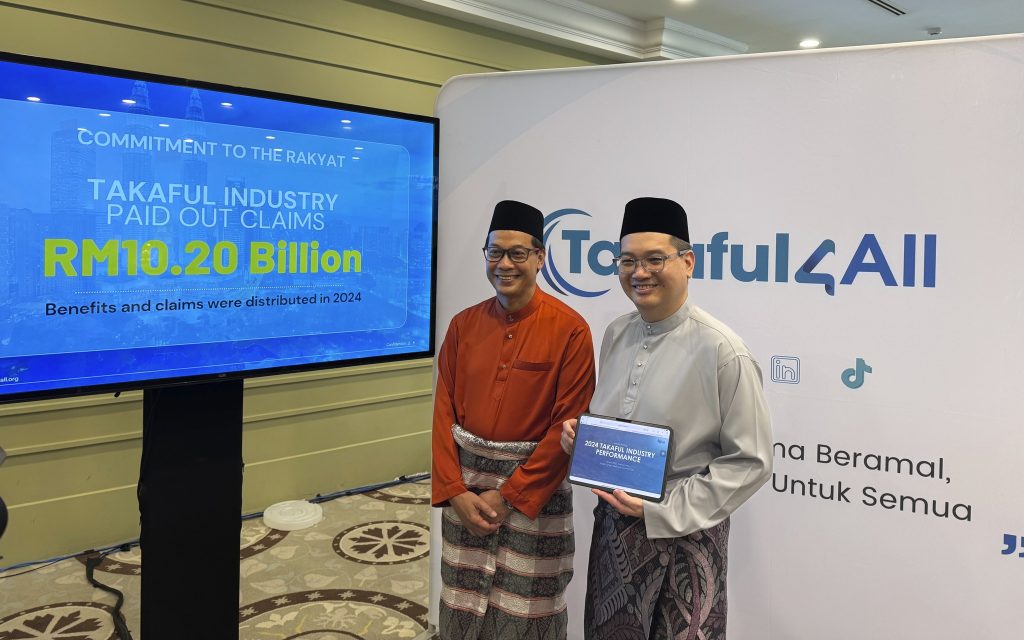
KUALA LUMPUR: Malaysia’s takaful industry continues its upward trajectory, disbursing a record RM10.2 billion in benefits to certificate holders in 2024 — a 16.73% jump from the previous year. The significant increase reflects growing consumer confidence in Islamic insurance as a core pillar of financial security and social protection. This surge in payouts, the highest on record for the industry, aligns with the Malaysian Takaful Association (MTA)’s Hijrah27 transformation agenda, which focuses on sustainable growth and value-based intermediation. Family Takaful led the way, accounting for 77.37% of total benefits paid, amounting to RM7.89 billion. General Takaful contributed RM2.31 billion. The industry’s growth is underpinned by increasing uptake. In 2024, nearly one million (993,393) new Family Takaful certificates were issued, lifting the total number of in-force certificates to 6.69 million. This helped sustain a penetration rate of 19.57%—a notable achievement given Malaysia’s population growth of 700,000 during the same period. “RM10.2 billion in payouts is not just a number—it reflects the trust placed by millions of Malaysians in takaful as a reliable safety net,” said Wan Saifulrizal Wan Ismail, Interim Chairman of the MTA. “It also affirms our commitment to the social and ethical goals outlined in Maqasid al-Shariah.” From a business performance lens, the Family Takaful segment saw a 1.48% increase in new business gross contributions, rising to RM9.73 billion. Business in-force contributions also strengthened, increasing by 7.2% to RM9.62 billion. Over a three-year horizon (2022–2024), the average annual payout increase stood at RM1.54 billion—almost 400% higher than the RM393.34 million average recorded between 2019–2021. The agent network expanded in tandem, with 26,714 new Family Takaful agents registered in 2024, bringing the total number of agents to 92,866. Agents’ share of new business rose to 25.56%, while Bancatakaful continued its dominance at 52.05%. In the General Takaful space, gross written contributions climbed 8.46% to RM5.91 billion, led by strong demand for motor takaful, which made up 68.77% of total contributions. The uptick in fire takaful—up 7.27% to RM1 billion—also pointed to broader awareness of property risk, spurred in part by recent public incidents. Digitisation efforts are also beginning to bear fruit. Internet sales channels accounted for 6.58% of business in 2024, up from 5.79% the year prior. “Making takaful more accessible is a top priority,” Wan Saifulrizal added. “This is where technology, collaboration, and public awareness converge.” Social impact remained a core pillar of the industry’s mandate. In the first half of 2024 alone, RM31.19 million in zakat was channelled towards value-based development initiatives. This figure represents more than 60% of the total zakat disbursed in 2023, a strong indicator of takaful’s role in advancing the broader objectives of Shariah. As the industry enters a new fiscal cycle, stakeholders appear aligned in their vision: to enhance protection, deepen inclusion, and scale the role of takaful as Malaysia’s foremost social safety net.
News

F&N AgriValley Welcomes 2,500 Dairy Cattle

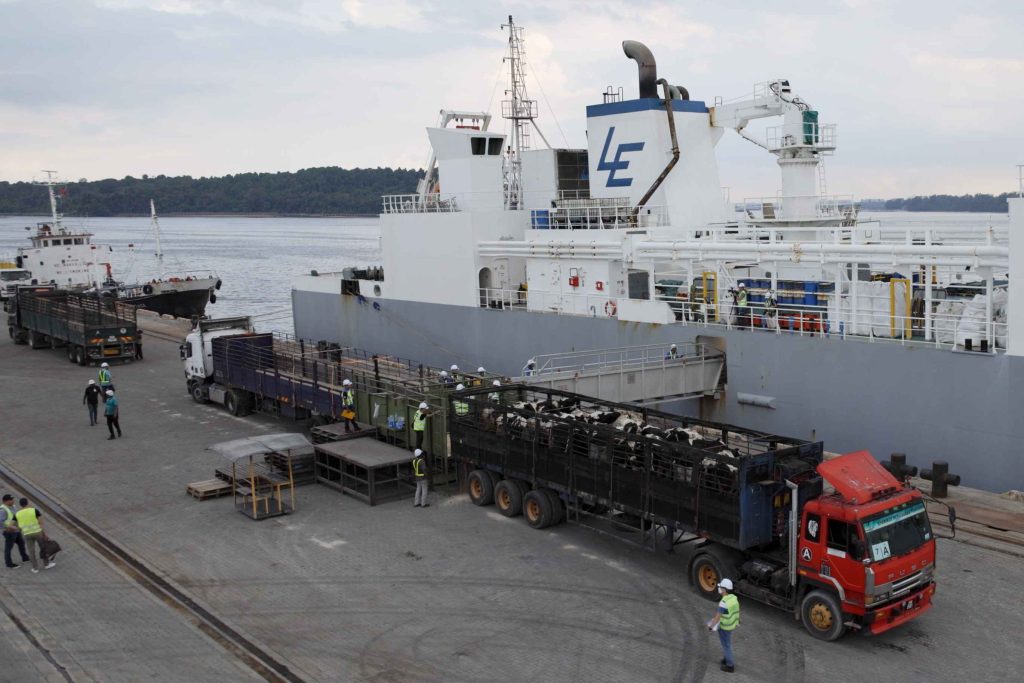
GEMAS: Fraser & Neave Holdings Bhd (F&NHB) has marked a major milestone in its agricultural expansion strategy with the arrival of its first commercial batch of 2,500 dairy heifers from Chile at its state-of-the-art dairy farm in Gemas, Negeri Sembilan. This follows a successful trial batch and coincides with a recent visit from the Menteri Besar of Negeri Sembilan to F&N AgriValley on 11 April. “This represents a historic moment not just for F&NHB, but also for Malaysia’s dairy industry as a whole,” said Lim Yew Hoe, CEO of F&NHB. “It is the largest single importation of breeding cattle in Malaysian history and marks the country’s first-ever cattle import from Chile. These heifers lay the foundation for Malaysia’s future in sustainable, large-scale dairy farming.” The imported Chilean Holstein cattle underwent 100% genomic testing, with Genomic Total Performance Index (GTPI) scores that match the performance benchmarks of cattle originally intended for import from the United States. The journey from Santiago to Malaysia was a carefully coordinated effort involving a dedicated livestock carrier. Throughout the voyage, the cattle were overseen by experienced livestock handlers who monitored their health, nutrition, and comfort. The vessel was equipped with enhanced ventilation systems and maintained a steady supply of feed and water to ensure the animals’ well-being during transit. “The safe arrival and transport of these cattle are a testament to the efforts of our cross-functional team and key partners,” said Dr Yap Peng Kang, Managing Director of Agriculture and Dairy Farming at F&NHB. “We are especially grateful to the Royal Malaysian Customs Department, Royal Malaysian Police, Johor Port Berhad, and all relevant authorities at Pasir Gudang for their critical support in facilitating a seamless transition from port to farm.” The Department of Veterinary Services (DVS) played a key role in upholding Malaysia’s biosecurity standards through rigorous certification and disease prevention protocols. Meanwhile, the Malaysian Quarantine and Inspection Services (MAQIS) ensured full compliance with import regulations, safeguarding animal health throughout the process. The heifers are now undergoing a mandatory quarantine at F&N AgriValley, which hosts Malaysia’s largest on-site quarantine facility for a single livestock batch. These animals are housed in technologically advanced barns equipped with intelligent environmental control systems designed to optimise comfort and health. “This initiative reflects our long-term commitment to strengthening Malaysia’s food security and developing a robust domestic dairy industry,” Dr Yap added.

News

RHB Bank Named as Defendant in RM313 Million Taman U-Thant Lawsuit, Denies Liability

KUALA LUMPUR: RHB Bank Bhd (KL:RHBBANK), Malaysia’s fourth-largest bank by assets, confirmed on Tuesday it has been named as the third defendant in a RM313.08 million lawsuit over the sale of a luxury property in Taman U-Thant, Kuala Lumpur. The suit, filed by Prismaworld Embassyview Sdn Bhd in the High Court, pertains to the sale of the condominium site for RM145 million in December 2024. The property had been charged to RHB Bank as collateral for banking facilities, according to the bank’s filing with Bursa Malaysia. Other defendants named in the suit include Tanah Bayumas Sdn Bhd — a 70%-owned subsidiary of Paramount Corp Bhd (KL:PARAMON) — along with Datuk Adam Primus Varghese Abdullah and Macpherson Simon of legal firm Adamprimus & Co. Prismaworld is seeking several declarations, including the nullification of the land sale agreement, alleging that RHB breached its duty of care. The plaintiff also seeks an injunction to restrain all defendants from dealing with the land pending a proposed sale to Al Shamal L.L.C-FZ. Additionally, Prismaworld has requested a redemption statement from RHB to facilitate the proposed transaction, and is demanding RM313.08 million in damages, along with rectification of the land title to reinstate it as the registered proprietor. RHB clarified that the land was sold by the owner in receivership, not by the bank itself. “The property remains charged in favour of RHB Bank until and unless the redemption sum is paid to discharge the charge, regardless of the purchaser,” it said. The bank said it has appointed legal counsel to contest the suit, and its solicitors believe RHB has a strong defence against the claims and the interim injunction. RHB also stated it does not anticipate any material financial or operational impact as a result of the proceedings. The application for the interim injunction is scheduled to be heard on 20 May. RHB shares closed five sen higher at RM6.64 on Tuesday, valuing the bank at RM28.95 billion.

News

China Pushes for Trade Expansion Amid Tariff Stand-Off with US

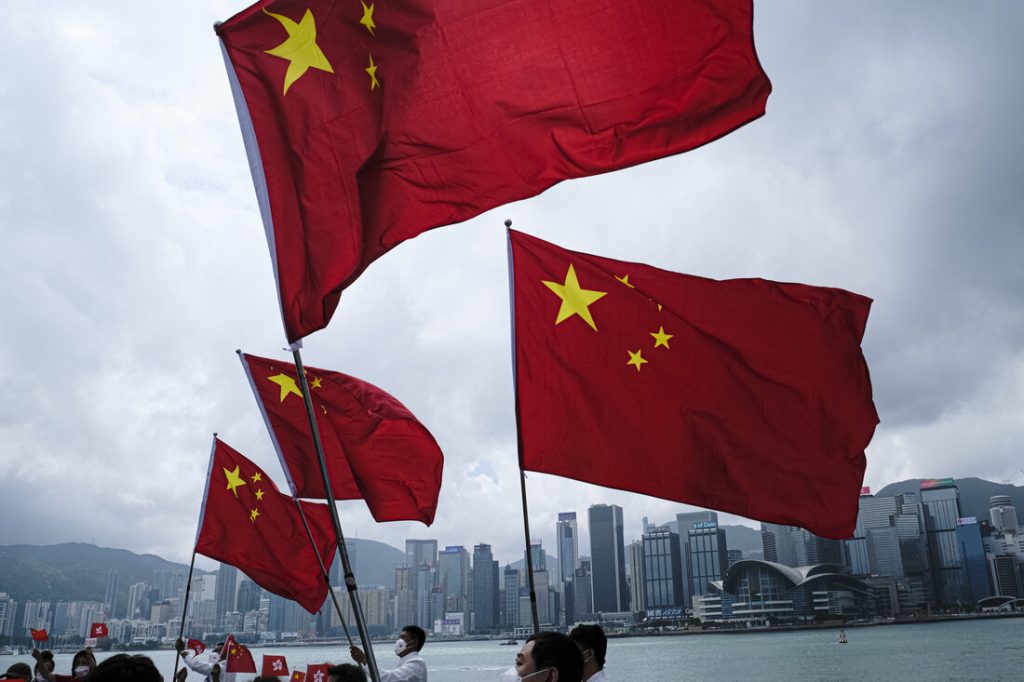
BEIJING: In response to rising protectionism from Washington, China is moving swiftly to broaden its global trade alliances and position itself as a proponent of open markets. Chinese officials on Tuesday framed the country’s strategy as one of “tearing down walls” and deepening global economic ties, amidst an intensifying tariff conflict with the United States. The remarks come after US President Donald Trump imposed sweeping tariff increases of up to 145% on Chinese imports this year, escalating tensions with Beijing and drawing criticism from international trade observers. China has retaliated with its own tariffs, raising levies on US goods by 125%. “In the face of external uncertainties, China will insist on shaking hands rather than shaking fists, tearing down walls instead of building barriers, connecting instead of decoupling,” said Lin Jian, spokesperson for the Chinese Foreign Ministry. The trade row has raised alarms at the World Trade Organization, which warned that the conflict could reduce trade flows between the world’s two largest economies by as much as 80%, posing a significant risk to global economic growth. Amid the heightened tensions, Chinese President Xi Jinping has embarked on a diplomatic tour across Southeast Asia, aiming to solidify regional partnerships. In Vietnam—currently facing potential US tariffs of up to 46%—Xi called for stronger cooperation in production and supply chains and denounced “unilateral bullying.” The two nations signed multiple agreements covering trade, supply chain integration, and railway development. Xi’s tour continues this week with visits to Malaysia and Cambodia, both of which are also under scrutiny by US trade authorities and could be subject to new tariffs of 24% and 49%, respectively. Back in Washington, US Treasury Secretary Scott Bessent defended the administration’s actions. “These are not a joke. I mean these are big numbers,” Bessent told Bloomberg Television. “I think no one thinks they’re sustainable or wants them to remain here, but it’s far from a joke.” Bessent also noted that any resolution to the trade dispute would require high-level engagement between President Trump and President Xi. A commentary published in the state-owned People’s Daily reinforced China’s message of multilateralism and unity, urging countries to work together amid growing economic volatility. Citing The Wizard of Oz, the editorial argued, “Only unity and cooperation can meet the challenge,” and highlighted Beijing’s zero-tariff policies for several of its least developed trading partners. As the global trade environment becomes increasingly fragmented, China is positioning itself as a counterbalance to protectionist policies—one that welcomes new alliances, particularly in the Global South and Southeast Asia.–REUTERS

Investment & Market Trends, News

MSB Global Slumps 15% on ACE Market Debut Amid Tepid Investor Sentiment

KUALA LUMPUR: Autoparts distributor MSB Global Group Bhd made a disappointing debut on the ACE Market, with its shares falling 15% below its IPO price in early trading on Tuesday, marking the sixth consecutive listing on the exchange to decline on day one since March. MSB Global opened at 17 sen, down from its initial public offering (IPO) price of 20 sen per share, and dipped further to 16.5 sen before recovering slightly to 18 sen by 9:05am. Nearly 14 million shares were traded within the first few minutes, valuing the company at RM104 million at its last traded price. The weak debut reflects broader market caution, despite a modest recovery in investor confidence following recent global trade tensions. MSB Global’s performance adds to a string of lacklustre IPOs on the ACE Market, indicating ongoing investor hesitancy toward small-cap listings. The IPO, which raised RM41.4 million, saw relatively muted retail interest with applications oversubscribed by just six times — a modest figure compared to more robust debuts seen in past years. MSB Global distributes GSP-branded automotive components such as driveshafts, suspension parts, steering racks, and wheel hub assemblies across Malaysia. The company plans to channel the IPO proceeds as follows: 22.58% for new machinery and equipment, 18.7% for construction of a new factory and warehouse, 3.14% for the development of an in-house electric vehicle (EV) charger, 20.67% for the repayment of bank borrowings, and the remainder for general working capital and listing-related expenses. A private placement of existing shares also raised RM14.8 million, which went to managing director Datuk Ow Kee Foo, executive director Lai Swee Ping, and Lee Li Lian, the spouse of a director in one of MSB Global’s subsidiaries. M&A Securities Sdn Bhd acted as the principal adviser, sponsor, sole underwriter, and placement agent for the listing. As MSB Global navigates its first days on Bursa Malaysia, all eyes will be on how the company delivers on its expansion plans — and whether confidence in ACE Market IPOs can be restored.–THE EDGE

News

U Mobile Appoints Huawei and ZTE for 5G Rollout, Targets Similar Rates to DNB

PUTRAJAYA: U Mobile Sdn Bhd has appointed Chinese telecommunications giants Huawei Technologies Co Ltd and ZTE Corp as key technology partners in its rollout of Malaysia’s second 5G network, under the dual network model endorsed by the government. The partnership was announced during a signing ceremony on Tuesday, where U Mobile chairman Tan Sri Vincent Tan Chee Yioun stated that the vendors were selected through a stringent and transparent evaluation process. Huawei will spearhead the deployment in Peninsular Malaysia, while ZTE will handle operations in East Malaysia. “Huawei and ZTE are long-standing infrastructure partners of U Mobile with strong global deployment credentials,” said Tan. “We are confident in their capabilities to support us as we scale up our 5G ambitions.” Chief executive officer Wong Heang Tuck revealed that the telco plans to finance the network expansion through a combination of internal resources, bank loans, vendor financing, and proceeds from its anticipated initial public offering (IPO). While he did not disclose the exact investment amount, Wong indicated that the expenditure would run into the billions of ringgit. To date, U Mobile has invested over RM8 billion in network and technology infrastructure, operating over 10,000 network sites across the country. Addressing the issue of pricing, Wong said U Mobile’s 5G wholesale rates would be comparable to those currently offered by Digital Nasional Bhd (DNB), the state-backed 5G operator. “All pricing will be similar to what DNB offered,” Wong noted. “It doesn’t make sense to go higher or lower than that.” Currently, DNB’s wholesale pricing stands at RM30,000 per gigabit per second per month, or approximately 13 sen per gigabyte. Appointed by the government last November to develop the second 5G network, U Mobile is targeting 80% coverage of populated areas (CoPA) within the first year and 90% in the following year. As for its IPO ambitions, U Mobile reaffirmed its intent to list publicly, but noted that market volatility could influence the timeline. “Global market conditions are quite uncertain right now,” Wong said. “Internally, we’re getting everything in place, but for the actual timing, we’ll need all stars to align before we move forward.”

News

TNB Secures RM705 Million Maintenance Contract from Kuwait’s Ministry of Electricity, Water and Renewable Energy

KUALA LUMPUR: Tenaga Nasional Bhd (TNB), through its wholly owned subsidiary TNB Repair and Maintenance Sdn Bhd (TNB REMACO), has secured a RM705 million contract from Kuwait’s Ministry of Electricity, Water, and Renewable Energy to provide maintenance services at the Sabiya Power Generation and Water Distillation Plant. Awarded through a joint venture with Kuwait-based Al Dhow Engineering, the seven-year contract encompasses maintenance, repair, and overhaul works at the plant located approximately 65km from Kuwait City. The facility comprises four oil- and gas-powered units with a combined generation capacity of 299.4 megawatts, playing a vital role in Kuwait’s energy infrastructure. The contract was formalised at a signing ceremony on March 12, 2025, at the National Bank of Kuwait Head Office. Present at the event were TNB President and CEO Datuk Megat Jalaluddin Megat Hassan, Al Dhow Engineering Chairman Isam Al-Sager, TNB Power Generation Sdn Bhd (TNB Genco) Managing Director and TNB REMACO Chairman Datuk Muhamad Nazri Pazil, and TNB REMACO Managing Director Abidin Sarjo. “This contract reflects the confidence placed in our joint venture’s capabilities,” said Datuk Megat Jalaluddin. “It also aligns with TNB’s strategic vision to be a leading provider of sustainable energy solutions both locally and abroad. Our international presence now spans the United Kingdom, Ireland, Australia, Türkiye, Saudi Arabia, Pakistan, Cambodia, and Kuwait.” Datuk Muhamad Nazri noted that TNB REMACO has established a firm foothold in Kuwait since its market entry in 2013. The company currently oversees 11 active projects in the country with a cumulative value exceeding RM4.54 billion. To date, 16 TNB specialists have been deployed to Kuwait, with six currently managing ongoing operations. TNB REMACO, a subsidiary of TNB Genco, is a specialised service provider in operations, maintenance, and engineering for power generation assets, including gas, steam, and hydro turbines, boilers, and generators across multiple international markets. With this latest win, TNB strengthens its position as a trusted global player in energy solutions while reinforcing its long-term commitment to supporting the energy infrastructure of international partners.

News

Anwar Ibrahim Pays Tribute to Tun Abdullah Ahmad Badawi

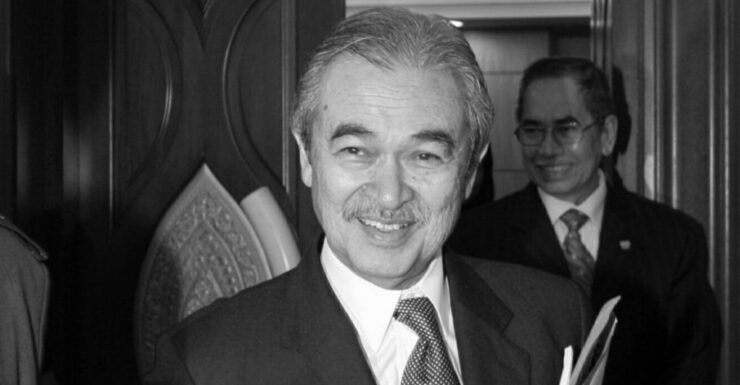
Prime Minister Datuk Seri Anwar Ibrahim today paid heartfelt tribute to Malaysia’s fifth Prime Minister, Tun Abdullah Ahmad Badawi, following news of his passing at the age of 85. Affectionately known as “Pak Lah,” Abdullah was remembered by Anwar as a leader of unwavering integrity and deep compassion. In a statement issued this evening, Anwar conveyed his profound sorrow over the loss of a man he regarded not only as a respected national figure but also as a personal friend and former political rival. “Pak Lah was not just a leader, but a true statesman — one who brought a new narrative to Malaysian politics,” Anwar said. Recalling his final visit to the ailing former prime minister, Anwar shared that even in frailty, Abdullah’s presence exuded serenity and warmth. “Despite his condition, his eyes still reflected the love and calmness that defined his leadership,” he said. Anwar praised Abdullah’s legacy as one rooted in compassion, commitment to reform, and a sincere dedication to the wellbeing of the nation. He highlighted Abdullah’s efforts to improve the judiciary, enhance government transparency, and strengthen institutions. “Through his Islam Hadhari vision, Pak Lah bridged modern development with enduring values — ensuring that progress never lost its human touch,” Anwar remarked. The Prime Minister also acknowledged Abdullah’s role in broadening democratic space, citing greater media openness and rural empowerment initiatives under the Ninth Malaysia Plan as pivotal aspects of his administration. “Above all, Pak Lah taught us the meaning of humanity in leadership,” he said. “Even in the face of adversity, he responded with grace rather than bitterness. That gentle strength is something I will always cherish.” Anwar offered his deepest condolences to Tun Jeanne Abdullah, their family, and son-in-law Khairy Jamaluddin. “The nation mourns the loss of a true statesman,” he said, closing his tribute with a prayer that Abdullah be granted peace and forgiveness. “Rest well, Pak Lah. Malaysia owes you a debt of gratitude for your wisdom and service.” Tun Abdullah Ahmad Badawi passed away this evening at the age of 85.

News

Kedah Partners with China in US$20 Billion Strategic Pact to Drive Global Growth

Kedah has taken a decisive step onto the global investment stage through a landmark Head of Agreement (HOA) valued at US$20 billion, signed between seven influential entities from Malaysia and China, including the state’s investment promotion agency, Invest Kedah Sdn Bhd. This high-impact partnership, formed under the China-Malaysia ‘Two Countries, Twin Parks’ initiative, commemorates the 50th anniversary of diplomatic ties between both nations. It signifies a major stride toward regional economic integration and industrial collaboration, positioning Kedah as a rising hub for high-value foreign direct investment (FDI). “This historic agreement underscores Kedah’s readiness to engage with international partners. With robust infrastructure, forward-looking policies, and sustainable industrial zones, we are prepared to catalyse the next wave of economic growth,” said Noor Ikhsan, Chief Operating Officer of Invest Kedah. Strategic Roles for Synergistic Growth Each of the seven participating organisations will contribute to specific aspects of the initiative: Invest Kedah Sdn Bhd – Driving FDI inflows and promoting Kedah’s industrial zones. Industrial Globalisation Alliance – Leading overall strategy under China’s Belt and Road Initiative (BRI). Shenzhen Government Procurement Association – Managing industrial resource integration from the Chinese side. AREA Real Estate Advisory Sdn Bhd – Overseeing Kedah’s industrial development and investor coordination. Malaysia Promas International Business Society (PROMAS) – Promoting the investment framework and supporting HALAL certification. Malaysia-Shamchun Chamber of Commerce – Enabling cross-border business dialogue. The Marq International Sdn Bhd – Appointed as the exclusive real estate partner for industrial land development. Spotlight on Kedah’s Emerging Industrial Powerhouses At the heart of this initiative are two key developments within the Kedah Special Border Economic Zone (SBEZ) in Bukit Kayu Hitam: PENTAS Industrial City Green-Managed Park (1,546 acres by DELAPAN) Qew Smart Integrated Industrial Park (258 acres by Qew Group) Both parks are envisioned as next-generation smart, green industrial ecosystems, tailored for high-growth sectors such as advanced manufacturing, clean technology, halal production, and integrated logistics. Invest Kedah will remain central to facilitating investor engagement — offering advisory services, easing regulatory processes, and linking investors with local supply chains, incentives, and support networks. Unlocking Opportunities in the Global Halal Economy With support from PROMAS and the Department of Islamic Development Malaysia (JAKIM), Kedah is also set to become a strategic base for halal-certified industries aiming for international expansion. This includes Shenzhen-based manufacturers seeking to penetrate new consumer markets through trusted halal credentials. Beyond capital inflows, the collaboration is expected to accelerate job creation, enable technology transfer, and enhance industrial value chains across borders. By 2027, the partnership aims to fully realise its US$20 billion investment target, firmly establishing Malaysia — and Kedah in particular — as a pivotal node in Shenzhen’s global industrial strategy. “This agreement is more than a financial milestone; it’s a blueprint for long-term transformation. Together, we’re shaping a sustainable and inclusive future for Kedah, Malaysia, and our global partners,” Noor Ikhsan concluded.–SME

Experts, Property

Chinese Buyers Shift Focus from U.S. Real Estate to Southeast Asia and Australia

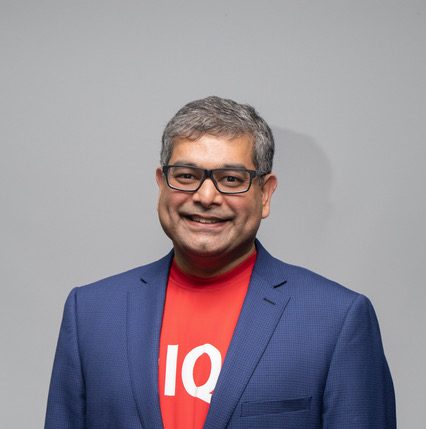
KUALA LUMPUR:  Chinese ultra-high-net-worth individuals are significantly shifting their property investment strategies, according to new data from real estate network Juwai IQI. Once dominant in the U.S. market, Chinese buyers are now favouring Southeast Asian countries and Australia, with Thailand emerging as the top destination for luxury residential property purchases priced at US$5 million and above. “Thailand has overtaken the United States as the most sought-after location,” said Kashif Ansari, Co-Founder and Group CEO of Juwai IQI. “We’re seeing a clear pivot — today’s buyers are motivated by lifestyle and personal enjoyment, not by emigration opportunities.” Emerging Markets Replace Traditional Giants The ranking of top destinations has undergone a dramatic reshuffle. In 2023, the U.S., UK, and Singapore held the top three spots. A year later, these have been displaced by Thailand, Australia, and Canada. Malaysia has also made a notable leap, climbing to fourth place in 2024 from outside the top ten the previous year. Top Destinations for Homes Over US$5 Million 2024 2023 1 Thailand United States 2 Australia United Kingdom 3 Canada Singapore 4 Malaysia Australia 5 United Kingdom UAE 6 Korea Japan 7 United States Thailand 8 Japan Canada 9 Singapore Korea 10 Spain Austria The drop in U.S. popularity is especially stark, falling from first place in 2023 to seventh in 2024. Similarly, the UK and Singapore have slid in rank, as buyers turn their attention to cities that offer better value, accessibility, and lifestyle benefits. A Lifestyle-Driven Market One of the most significant changes in buyer motivation is the decline in emigration-focused purchases. Only 3% of buyers in 2024 indicated that emigration was their primary reason for investing, down from 7.25% in 2023 and 11% in 2019. Instead, a vast majority — 94% — are purchasing properties for personal or family use. Ansari explained that this trend reflects a new kind of global mobility. “These buyers are no longer chasing passports or immigration programmes. They are investing in homes that align with their lifestyle — for vacations, education, or simply enjoyment. It’s about quality of life.” Proximity to international schools remains a top consideration, with 16% of respondents listing it as a priority. This points to a broader trend: Chinese high-net-worth families are looking for properties that support long-term living arrangements, particularly for their children’s education or multigenerational use. Visa Programmes Tighten, Buyer Behaviour Shifts The global tightening of real estate-linked visa programmes has played a role in this shift. Several countries are curbing or scrapping golden visa options, prompting investors to reconsider their strategies. Spain is ending its golden visa programme and moving to ban non-residents from purchasing second homes. Portugal has removed real estate from its visa criteria, and Greece has raised the minimum investment requirement from €250,000 to €800,000. Ireland has already closed its investment visa scheme entirely. Chinese nationals previously dominated these schemes. In Ireland, for instance, they accounted for 89% of golden visas awarded. In Portugal and Spain, the figures were 64% and 62%, respectively. With such routes now closed or restricted, Chinese buyers are focusing less on residency incentives and more on intrinsic property value. Malaysia on the Rise One of the standout stories in the 2024 data is Malaysia’s growing appeal. The country now ranks fourth in the global list of preferred destinations for ultra-luxury homes. According to Ansari, Malaysia offers a compelling blend of affordability, international schooling, and a high-quality lifestyle — comparable to Bangkok or Singapore, but at a fraction of the cost. Prime property prices reinforce this value. In Kuala Lumpur, average prices for luxury homes stand at just $240 per square foot, compared to $1,090 in Bangkok and $1,810 in Singapore. Malaysia’s revised Malaysia My Second Home (MM2H) programme, combined with political stability and a strong cultural affinity with China, makes the country a practical and attractive option for wealthy Chinese families. Malaysia is also seeing a surge in tourism and education-linked migration. In the first five months of 2024 alone, over 1.2 million Chinese tourists visited the country. Chinese student enrolment in Malaysian universities has increased by 35% between 2021 and 2023. Australia’s Enduring Appeal Australia has climbed to second place on the list, thanks to a combination of educational opportunities, political stability, and a favourable currency exchange. The Australian dollar declined 5% against the yuan in 2024, enhancing purchasing power for Chinese buyers. Meanwhile, Australia continues to attract strong interest from Chinese students — more than 221,000 were enrolled in 2024 — and remains the top source of approved foreign residential investment. Chinese buyers in Australia spent an average of AU$1,044,386 on residential property in Q2 2024. Cities like Sydney and Melbourne are expected to remain on the radar of luxury buyers well into 2025. Looking Ahead As global mobility increases post-pandemic and visa restrictions reshape investment channels, the Chinese ultra-wealthy are rewriting their playbook. They are no longer just looking for assets that offer a gateway to the West. Instead, they are choosing locations that match their lifestyles, offer world-class amenities, and provide long-term value for themselves and their families. Markets to watch in 2025 include London, Bangkok, Vancouver, Sydney, and Melbourne — cities that combine cultural relevance, educational access, and liveability. “Ultimately, these buyers are global citizens,” said Ansari. “They want homes that reflect who they are and how they want to live — not just where they can get a visa.”

Scroll to Top

Subscribe
FREE Newsletter