Malaysia

News, Property

Minimal Impact on Malaysia’s Construction Sector from US Reciprocal Tariffs, Says MIDF

KUALA LUMPUR: The newly imposed 24 per cent reciprocal tariff on Malaysian imports into the United States, effective April 9, is expected to have minimal direct impact on the domestic construction sector, according to MIDF Amanah Investment Bank Bhd. In a sectoral note released today, MIDF highlighted that the construction industry remains primarily domestic in nature, distinguishing it from export-reliant sectors such as automotive and consumer electronics. As such, it is largely insulated from direct trade shocks, though secondary effects through cost inputs could arise. “While the tariffs may exert upward pressure on input costs—particularly steel or cement if global supply chains are disrupted—most of the construction companies under our coverage have no direct revenue exposure to the US market,” the bank stated. The companies cited include Malaysian Resources Corporation Bhd, WCT Holdings Bhd, Malayan Cement Bhd, Cahya Mata Sarawak Bhd, Gamuda Bhd, and Sunway Construction Group Bhd (SunCon). These firms primarily operate within Malaysia, limiting their vulnerability to international tariff policies. MIDF noted that IJM Corporation Bhd has minor exposure to the US through exports of industrial concrete products, but this is not expected to materially affect its overall outlook. Even in cases like SunCon’s data centre projects for US-based hyperscalers, the work is executed within Malaysia and hence unaffected by the tariffs. “Overall, the broader construction sector remains well-shielded from the immediate implications of the US-Malaysia tariff action,” MIDF stated, while acknowledging potential indirect risks from fluctuations in global raw material prices. The investment bank remains positive on the construction outlook, citing a favourable cost environment, stable input prices, and continued momentum in industrial and infrastructure projects. Steel bar prices, for instance, have continued to decline for the fourth consecutive month due to global oversupply. Meanwhile, domestic cement prices remain steady, underpinned by controlled production levels and stable raw material costs. This pricing environment has helped cushion contractors against margin erosion. “Despite geopolitical uncertainties such as the Liberation Day tariffs, we see limited downside risk to the sector, given its domestic focus, low exposure to US markets, and manageable input costs,” MIDF added. As of February 2025, cement prices in Malaysia have held steady at RM380 per tonne for the 19th straight month since July 2023. This prolonged stability reflects a balanced supply-demand landscape and disciplined cost management within the industry.

News

Malaysia-US negotiations on reciprocal tariff still possible, says Bank Negara governor

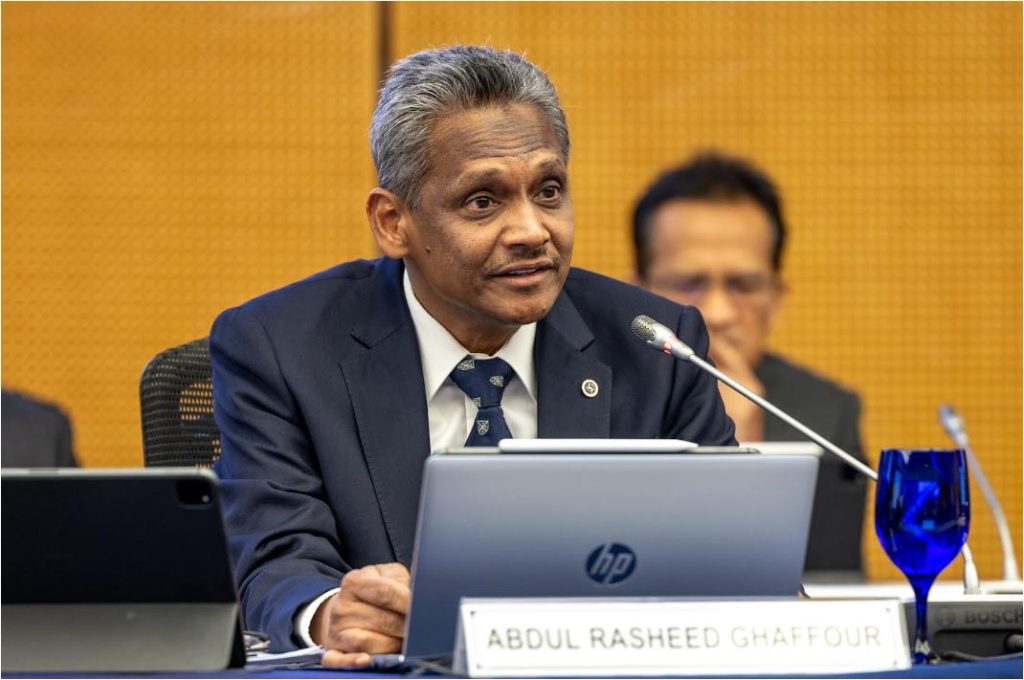
KUALA LUMPUR: Malaysia still has room to negotiate with the United States regarding Washington’s imposition of a 24 per cent reciprocal tariff on Malaysian goods, says Datuk Seri Abdul Rasheed Ghaffour. The Bank Negara Malaysia governor said the central bank was still awaiting further details from the United States about the tariffs. Therefore, the full impact of the tariffs on inflation can only be assessed once the negotiation process is completed and the details are finalised. “There is still room for negotiation, and we do not yet know the full extent, timing, or magnitude of the tariff, nor which scope of coverage and which products will be affected by the tariff. “We need to closely examine the impact on inflation. At present, our inflation forecast remains between two and 3.5 per cent,” he told Bernama during a walkabout session in preparation for the 12th Asean Finance Ministers and Central Bank Governors Meeting (AFMGM). Abdul Rasheed made these remarks when asked about the potential effect of the tariff on the central bank’s inflation expectations. When asked if the semiconductor industry’s exemption from tariffs was a relief for Malaysia, Abdul Rasheed simply replied, “Yes.” US President Donald Trump announced on April 3 that the United States would impose a basic 10 per cent tariff on all countries and higher duties involving several countries, including a 24 per cent tariff on Malaysia.–BERNAMA

News

Google Cloud Appoints Hana Raja as Country Manager for Malaysia

Google Cloud has announced the appointment of Hana Raja as the new Country Manager for its Malaysian operations. In this role, Hana will lead the go-to-market strategy and operations for Google Cloud and Google Workspace in Malaysia, working closely with cross-functional teams to support digital transformation through enterprise-grade, AI-powered cloud solutions. Hana will report to Serene Sia, Country Director for Malaysia and Singapore, who oversees the company’s enterprise, public sector, and corporate segments in both countries. With more than 16 years of experience in technology and consulting, Hana brings a strong background in strategic leadership. Her previous roles at Cisco and Bain & Company saw her advising executive teams across key sectors—including financial services, consumer goods, healthcare, automotive, and energy—on sustainable growth strategies and enhanced customer engagement. “Hana joins us at a pivotal time for Google Cloud in Malaysia,” said Serene Sia. “We are scaling our local infrastructure with strategic projects such as our sovereign cloud collaboration with Dagang NeXchange Berhad (DNeX), the development of a local Google data center and a Google Cloud region, and partnerships on national-level initiatives like AI at Work 2.0 with the Ministry of Digital and the National AI Office, as well as state-level programmes like Teraju AI Selangor. Hana’s experience, vision, and leadership will be vital as we deepen our impact and support Malaysia’s digital economy, which is projected to reach US$70 billion by 2030.” Commenting on her new role, Hana said: “Google Cloud has emerged as a key innovation partner for Malaysian organisations, empowering them with secure, scalable infrastructure and advanced AI capabilities. I’m thrilled to join the team at such a transformative time and look forward to expanding our local footprint, strengthening our partner ecosystem, and enhancing collaboration with both the private and public sectors. Our goal is to help accelerate the delivery of next-generation digital services, supporting Malaysia’s ambition to become a global technology hub.” Google Cloud is already a technology partner to a wide range of Malaysian organisations. Its local clients span enterprises such as Bank Muamalat, Capital A, DNeX, Gamuda, Malaysia Airports, and Maxis; public sector bodies including the Ministry of Digital, Ministry of Education, Ministry of Higher Education, and the State Government of Selangor; and startups like Asia Mobiliti, CARSOME Group, and Mindvalley. This announcement follows Google’s US$2 billion commitment in May 2024 to establish a Google data center and Cloud region in Malaysia, with construction already underway in Elmina Business Park, Selangor. The investment underscores Google’s ongoing partnership with the Malaysian Government to enhance national digital infrastructure and drive AI innovation. Hana joins the Southeast Asia leadership team under Mark Micallef, Managing Director, Southeast Asia, Google Cloud. Other regional leaders include Fanly Tanto (Indonesia), Annop Siritikul (Thailand), and Toan Nguyen Duc (Vietnam), as the company strengthens its presence across the region.

ESG

Agrobank’s Hijrah Asnaf Programme Helps B40 group Improve Livelihoods

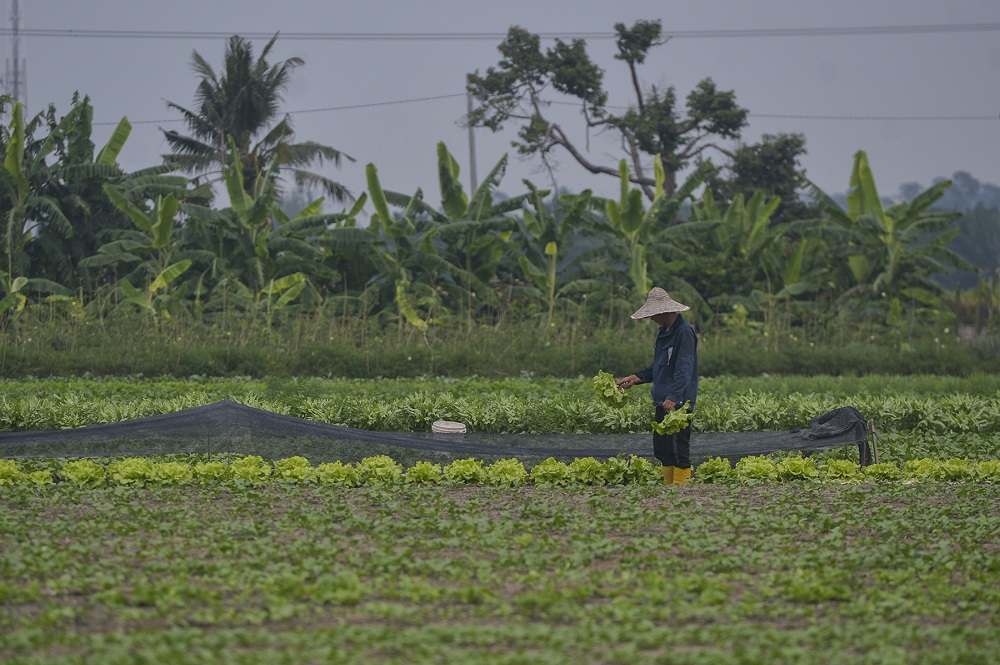
KOTA BHARU: Agrobank is empowering the asnaf and B40 communities to improve their livelihoods through agro-based ventures under its Hijrah Asnaf programme, which focuses on agriculture, aquaculture, and downstream products. Since its launch in 2021, the initiative has benefited 457 participants across Malaysia—including in Perlis, Kelantan, Terengganu, Sabah, and the Klang Valley—with an additional 466 participants expected to join this year. Agrobank president and CEO Datuk Tengku Ahmad Badli Shah Raja Hussin said the programme reflects the bank’s commitment to both sustainable agricultural development and socioeconomic upliftment. “Participants are trained in modern farming techniques and relevant technologies. The programme not only increases household income but also stimulates employment in local communities,” he said. Support Tailored to Needs Support provided under Hijrah Asnaf is customised based on land size, project duration, and the nature of the venture—whether in crops, livestock, or aquaculture. Training is conducted through Agrobank’s Centre of Excellence (ACE) and supported by government agencies such as the Department of Agriculture. Success on the Ground Among the programme’s success stories is Zamri Mat Hassan, 54, a watermelon farmer in Tok Bali, Pasir Puteh. Since joining in 2023, Zamri has doubled his yield to 20,000 kilogrammes per season on his 0.8-hectare plot. “Demand has surged. Customers now come from Kuala Lumpur, Johor, Selangor—even Singapore,” he said. Meanwhile, Amaran Ibrahim, 55, credits the programme for increasing his understanding of critical farming factors such as soil type, irrigation, and fertiliser usage. “This has not only helped sustain my livelihood but has deepened my knowledge in agriculture,” he shared. Diversifying Livelihoods For P. Muhomed Ibrahim Muhomed Shariff, 64, the programme offered a lifeline. Previously growing vegetables for income, he now cultivates 40,000–50,000 shrimp seedlings every three months in Port Dickson, Negeri Sembilan. “I had no experience in aquaculture before this. Now I have regular customers from Kuala Lumpur and Perak. Agrobank helped me build a more secure future,” he said. As the programme expands, Agrobank continues to position agriculture as a viable pathway to economic resilience, particularly for vulnerable communities.

News

Kluang Coffee Targets RM31.5 Million in Revenue

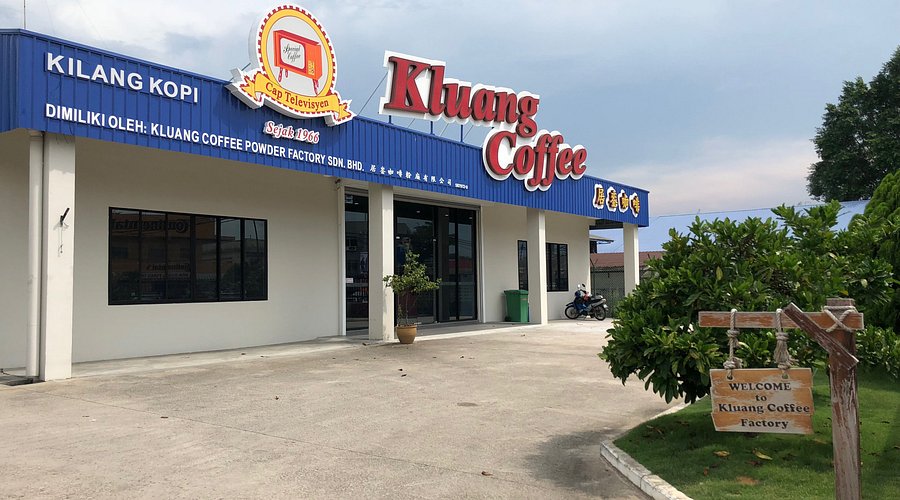
KOTA TINGGI: Kluang Coffee Powder Factory Sdn Bhd, one of Malaysia’s heritage coffee brands, is projecting a 5% revenue growth to RM31.5 million in 2025, up from RM30 million last year. The company attributes its upward trajectory to sustained demand across both physical retail and online channels. General manager and third-generation owner Goh Yong Kian, 36, said the Johor-based company currently supplies to more than 100 coffee shops across Malaysia and Singapore. Its flagship brand, Kluang Coffee Cap Television, is a familiar presence in commercial outlets and supermarkets nationwide. Founded in 1966 by Goh’s grandfather, Goh Tong Tor, the factory now produces over 1,500 tonnes of coffee powder annually, sourcing beans primarily from Brazil, Indonesia and Vietnam. The company also exports 10 containers of its products annually to ASEAN markets including Singapore and Brunei. Speaking at an exhibition in conjunction with the 31st ASEAN Economic Ministers (AEM) Retreat in Desaru, Goh revealed plans to scale up operations with a new, fully automated facility. “We’ve acquired a one-acre plot and plan to open a new factory next year. Automation will help reduce labour costs and improve our profit margins,” he said. While Goh is optimistic about the coffee industry’s growth in Malaysia, driven by surging consumer demand, he remains cautious about global supply chain volatility. “We’re seeing increasing competition as more manufacturers enter the market, which pushes quality standards higher. That’s a good thing—but rising global coffee prices, particularly due to shortages in Brazil and Vietnam, are a challenge.” Arabica coffee prices have surged to over US$3.60 per pound in recent months, prompting manufacturers like Kluang Coffee to absorb higher input costs rather than passing them fully onto consumers. “We’re trying to maintain stable prices for our customers, which means accepting slimmer margins—for now,” Goh said. “Hopefully, prices will stabilise by year-end, allowing us to protect both our profitability and customer loyalty.” The AEM Retreat, chaired by Malaysia’s Minister of Investment, Trade and Industry Tengku Datuk Seri Zafrul Abdul Aziz, runs from Feb 22–28. As ASEAN Chair for 2025, Malaysia is focusing on enhancing intra-regional trade and expanding economic cooperation beyond Southeast Asia.

News

UOB, Maybank Trim Malaysia’s 2025 Growth Forecasts Amid US Tariff Risks

Malaysia’s economic growth is expected to slow in 2025 as escalating US trade tariffs weigh on exports, prompting two of Southeast Asia’s largest banks—United Overseas Bank Ltd (UOB) and Malayan Banking Bhd (Maybank)—to revise their GDP forecasts downward. UOB cut its growth projection for Malaysia to 4.0% from 4.7%, while Maybank lowered its forecast to 4.3% from 4.9%. Both banks also flagged the possibility of a 25-basis-point rate cut by Bank Negara Malaysia later this year. The 24% reciprocal tariff imposed by the US on Malaysian goods was anticipated by UOB economists Julia Goh and Loke Siew Ting, but the broader implications are more concerning. Additional US tariffs targeting major global trading partners such as China, the EU, and Japan are expected to dampen global trade flows—affecting Malaysia indirectly through its integrated supply chains. “The risks of escalation and retaliation have increased, potentially curbing global trade, growth, and investments more than previously expected,” UOB said in a research note. However, they view the impact on domestic inflation as minimal, citing potential overcapacity and supply-driven factors. Maybank, in a separate note, highlighted Malaysia’s vulnerability due to its high trade dependency—particularly in sectors like semiconductors, which may be targeted next by US tariffs. Analysts Chua Hak Bin and Suhaimi Ilias noted that Malaysia’s downgrade is among the most significant in the region, alongside Vietnam and Singapore.–BLOOMBERG

News

FMM: 200 Firms Face Major Disruption After Putra Heights Blast

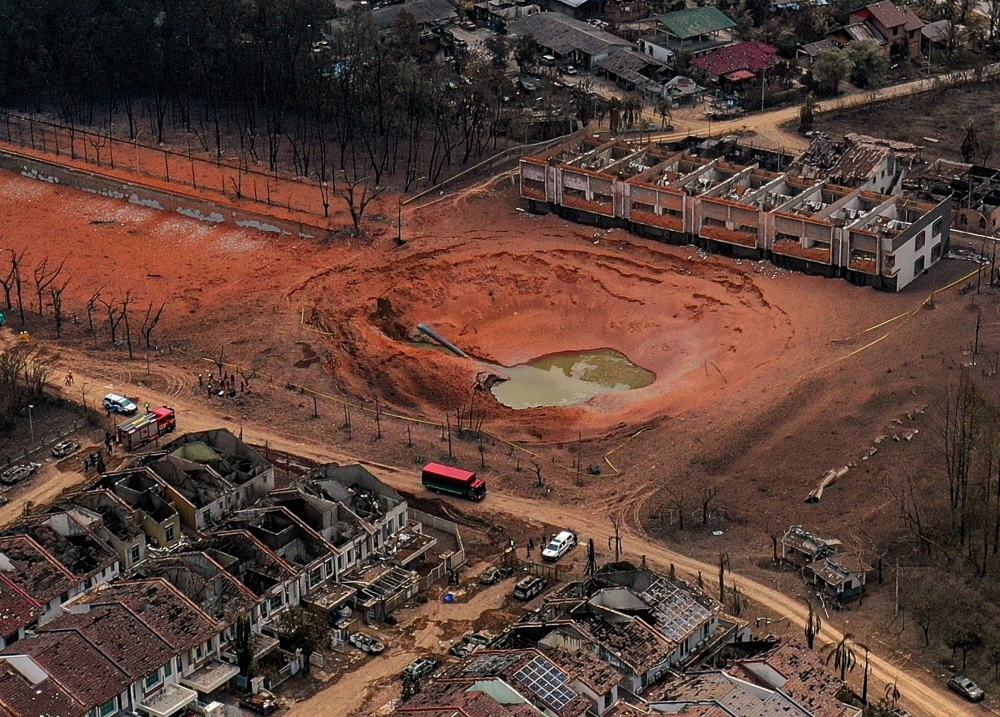
The Federation of Malaysian Manufacturers (FMM) has sounded the alarm over serious business continuity challenges facing approximately 200 industrial firms affected by the gas pipeline explosion in Putra Heights, Selangor. FMM President Tan Sri Soh Thian Lai stated that the explosion, which occurred on April 1, has led to widespread disruption in gas supply—posing a direct threat to manufacturers heavily reliant on consistent energy input for production. With gas supply only expected to resume by April 20, businesses are bracing for up to three weeks of halted or reduced operations. “Even companies with well-established business continuity plans are feeling the pressure, as many of their suppliers lack such contingencies and are similarly impacted,” said Soh. He noted that the disruption not only risks production stoppages and financial losses but also threatens to ripple across export activities and employment, potentially shaking investor confidence in the Klang Valley—a key industrial and commercial hub. In response, affected firms are urgently exploring alternatives, including the transportation of liquefied natural gas (LNG) via tanker lorries. Soh called on authorities to expedite approvals for such emergency measures to mitigate disruptions. “Given the extraordinary circumstances, we hope the relevant authorities can assist and approve such arrangements promptly to minimise the overall impact,” he added. “FMM is committed to working closely with all stakeholders to ensure a swift and coordinated resolution.” The explosion—caused by a fire involving a 500-metre section of a Petronas gas pipeline—left a 10-metre-deep crater and affected 235 premises within a 500-metre radius. The blaze destroyed 87 houses and damaged 225 vehicles, displacing over 1,200 residents. Currently, around 630 victims are housed at temporary relief centres, while another 624 have sought shelter with relatives or friends. Efforts to assess and certify the structural safety of affected homes are ongoing, with 115 homes declared safe and 85 families allowed to return as of Thursday. As investigations continue and restoration efforts are underway, the incident has exposed the fragility of industrial ecosystems reliant on centralised utilities—and raised urgent calls for more resilient infrastructure planning.-FMT 

News

Mr DIY Founder Tan Yu Yeh Steps Down, Moves into Advisory Role

PETALING JAYA: Tan Yu Yeh, founder and major shareholder of Mr DIY Group, will step down from his role as Executive Vice-Chairman on 17 April 2025 to assume an advisory position within the home improvement retail giant. In a filing with Bursa Malaysia, Mr DIY confirmed that Tan, 54, will transition into a strategic advisory role, marking a significant shift for the company he founded and led to become one of Southeast Asia’s leading home improvement chains. Tan holds a 50.04% stake in Mr DIY via his investment vehicle, Bee Family Ltd, along with a direct stake of 0.32%. He has served as Executive Vice-Chairman since June 2016. With an estimated net worth of US$1.3 billion, Tan currently ranks 17th on the Forbes Malaysia Rich List. The company also announced a leadership update, naming Tan Shie Haur, Tan’s 42-year-old nephew, as Non-Independent and Non-Executive Director, effective the same day. Shie Haur is currently the CEO of MDIH (Singapore) Pte Ltd, a holding company with retail operations aligned with Mr DIY’s model in multiple international markets including Turkey, Spain, Vietnam, Bangladesh, Poland, Romania, and South Africa. Tan’s move to an advisory role signals a generational shift within the group while maintaining strategic continuity at the leadership level. The company’s latest leadership reshuffle is seen as a step toward reinforcing its global expansion ambitions.

News

Maybank Extends CEO Khairussaleh Ramli’s Term by Three Years

Malayan Banking Bhd (Maybank) has extended the contract of its Group President and Chief Executive Officer, Datuk Khairussaleh Ramli, for an additional three years, according to a report by The Edge, citing sources familiar with the matter. The extension enables Khairussaleh to see through the completion of the bank’s strategic M25+ plan, set to conclude in 2025, and to lay the foundation for its next phase of growth. Appointed on 1 May 2022, Khairussaleh has since led the group through a period of steady performance and transformation. Under his leadership, Maybank’s shares have recorded a total return of 36%, significantly outperforming the benchmark FTSE Bursa Malaysia KLCI Index, which gained just 6.4% in the same period. A Maybank spokesperson declined to comment on the extension. As Malaysia’s largest financial institution, Maybank continues to strengthen its regional presence while preparing for a major transition. The group is scheduled to relocate its headquarters to Merdeka 118—set to become the world’s second tallest skyscraper—starting in the second quarter of 2026. The move marks a new chapter for the bank, which will be the tower’s largest tenant. Khairussaleh, who turns 58 this year, brings over three decades of experience in banking and financial services, and his reappointment is seen as a signal of continuity and confidence in the bank’s long-term direction.

News

MGCC Steps Up Support For Malaysian Businesses Amid US Tariff Concerns

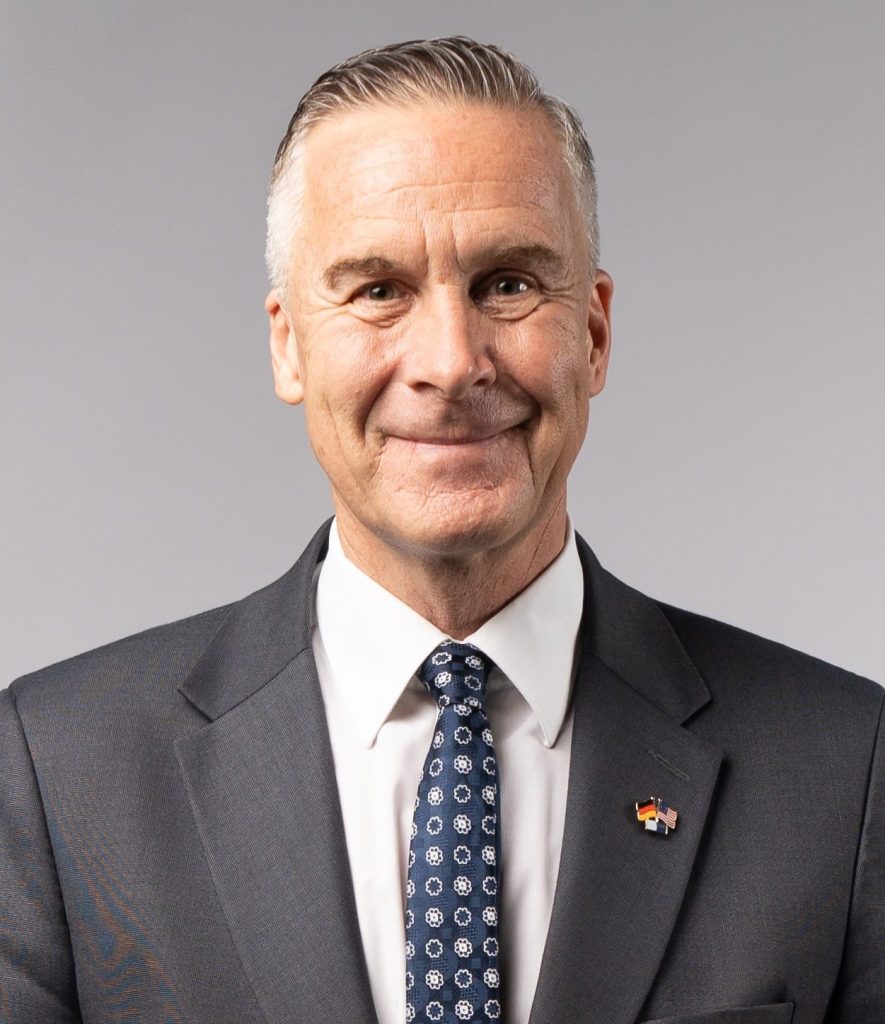
KUALA LUMPUR: The Malaysian-German Chamber of Commerce and Industry (MGCC) is strengthening its strategic advisory efforts to help Malaysian businesses, especially small and medium enterprises (SMEs), navigate the challenges posed by the United States’ latest tariff measures. MGCC executive director Jan Noether said the chamber is providing tailored guidance, capacity-building programmes, and market diversification strategies to help businesses mitigate rising operational costs and maintain export competitiveness. “SMEs are particularly vulnerable, as many operate on thin margins and limited capital reserves. Our role is to help them pivot swiftly, optimise supply chains, and explore new growth avenues beyond the US market,” he said. To support this, MGCC has set up industry working groups for sectors like automotive and energy to facilitate knowledge exchange, regulatory insight, and cross-border collaboration. Noether noted that sectors such as electronics, palm oil, and automotive components may face increased cost pressures and regulatory challenges in the US, while strategic exports like semiconductors and pharmaceuticals may experience minimal disruption. He stressed the importance of leveraging regional trade agreements, such as the Regional Comprehensive Economic Partnership (RCEP) and the Comprehensive and Progressive Agreement for Trans-Pacific Partnership (CPTPP), to expand market access and counterbalance external shocks. “As ASEAN chair, Malaysia is well-positioned to lead regional resilience efforts. While these tariff measures present challenges, they also offer an opportunity to reposition Malaysia as a dynamic hub in the global supply chain,” he added. On Wednesday, the US imposed a 24% tariff on Malaysia as part of a broader trade policy shift under former President Donald Trump.

Scroll to Top

Subscribe
FREE Newsletter