More

News

Trump Threatens Additional 50% Tariffs on China

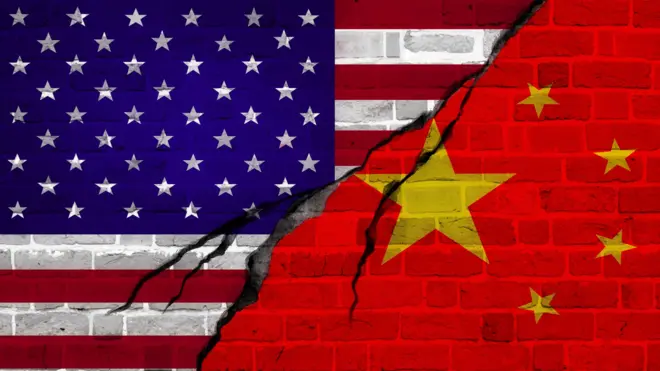
WASHINGTON: US President Donald Trump has issued a fresh warning to Beijing, threatening to impose an additional 50% tariff on Chinese imports unless China retracts its planned retaliatory measures. This move, announced via his Truth Social account on Monday, comes on top of a 34% tariff already set to take effect on April 9, potentially pushing total additional tariffs on Chinese goods this year to a staggering 104%, according to the White House. “If China does not withdraw its 34% increase above their already long-term trading abuses by tomorrow, April 8, the US will impose ADDITIONAL Tariffs on China of 50%, effective April 9,” Trump stated. The tariff escalation is part of Trump’s broader agenda to impose “reciprocal” tariffs on countries with significant trade surpluses with the US. The 34% hike announced last week already triggered a matching countermeasure from Beijing, set to take effect on April 10, along with additional export controls on rare earth elements. Since returning to office, Trump has also levied 20% duties on Chinese imports in response to China’s alleged involvement in the fentanyl supply chain. The White House confirmed that these new tariffs would compound earlier duties imposed during Trump’s first term, most of which were maintained by President Joe Biden, with additions in specific sectors. In his post, Trump accused China of “non-monetary tariffs” and “illegal subsidisation” of its companies. He further announced that all discussions with China would be suspended, although the US would proceed with negotiations with other nations that have requested trade talks.–AFP

News

iPhone Buyers Flock to Apple Stores Ahead of Looming Tariffs

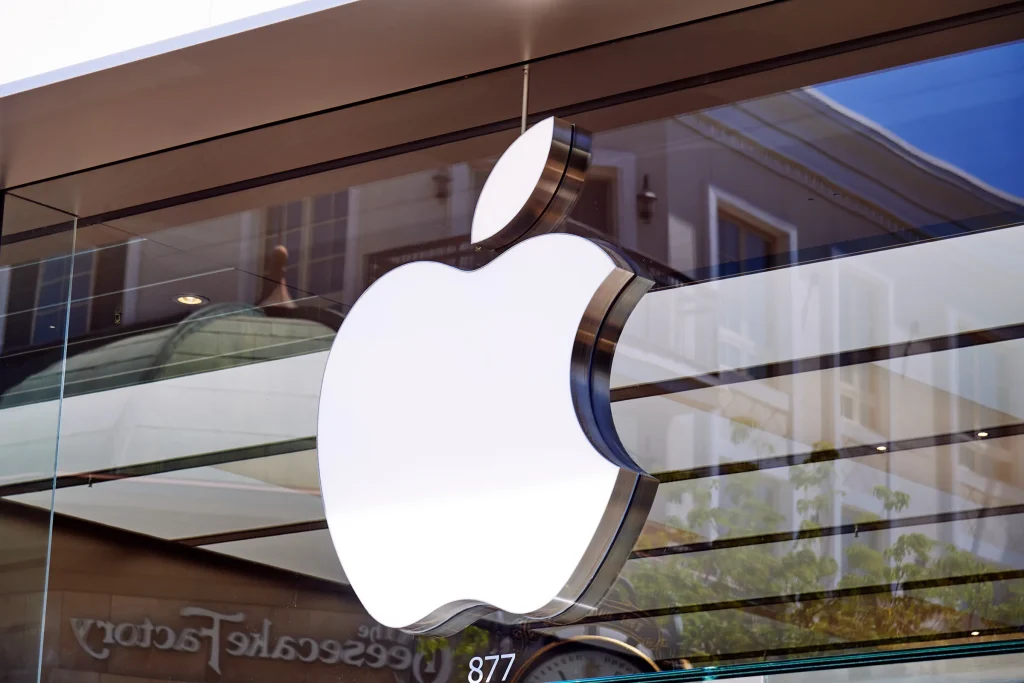
NEW YORK: Fears over steep upcoming tariffs on Chinese-made goods have triggered a wave of panic buying at Apple Inc.’s US retail stores, with weekend sales surging past last year’s figures. While Apple’s share price has tumbled in response to the Trump administration’s proposed levies, the looming threat has spurred short-term gains — as consumers rush to buy iPhones before potential price hikes take effect. Employees across multiple Apple locations reported unusually high foot traffic over the weekend, with many customers expressing concern that iPhone prices could soar due to the new tariffs. “Almost every customer asked if prices were going up soon,” said one employee, who requested anonymity as they were not authorised to speak publicly. Although stores didn’t see launch-day-style queues, staff described an atmosphere reminiscent of the holiday rush. “People are just rushing in, worried and full of questions,” one employee said, adding that Apple has yet to issue official guidance on handling these queries. Apple’s iPhone — its flagship and highest-selling product — is predominantly manufactured in China, which is now facing a proposed 54% tariff. The company has been working to mitigate the fallout, including ramping up inventory and shifting some production to India and Vietnam, both of which are currently subject to lower tariffs. According to a source familiar with the matter, sales at several major Apple stores exceeded typical levels for this time of year. Apple declined to comment. The company’s fiscal second-quarter results are due on May 1, offering CEO Tim Cook and CFO Kevan Parekh an opportunity to address the anticipated impact of the tariffs. During the last earnings call, Cook acknowledged the company was evaluating the situation but declined to elaborate. Apple’s stock has taken a significant hit — shedding over half a trillion dollars in market value across the final two trading days of last week. It marked the worst three-day decline for the company since the post-dot-com crash in 2001. In addition to India, Apple has expanded production in Vietnam — now manufacturing Apple Watches, Macs, AirPods, and iPads there. Other assembly sites include Ireland, Thailand, and Malaysia. At Apple’s flagship Fifth Avenue store in Manhattan, activity was brisk on Monday afternoon. Among the shoppers was Ambar De Elia, a tourist from Buenos Aires, who had planned to buy an iPhone 15 for her sister. But after seeing the market news that morning, she decided to act fast. “If we have the chance to buy something before the price goes up, of course we’re going to,” she said. Speculation has been swirling around just how much the 54% tariff could push up iPhone prices, with some analysts suggesting devices might eventually cost thousands of dollars. However, Bloomberg reports that Apple is expected to counterbalance the impact by pressuring suppliers and accepting lower profit margins — aiming to keep retail prices stable. The iPhone’s base price has held steady at US$999 since 2017. Retail employees believe the rush is far from over. “I wouldn’t be surprised if it continues over the next few days,” said one worker, noting that this period is typically considered off-season, with new models launching in September. Many customers, however, are choosing to upgrade now to avoid potential cost increases. The surge could provide a boost to Apple’s third-quarter results, which end in June. Since the company is currently selling stockpiled inventory, the real financial impact of the tariffs may not be felt until the following quarter.

Investment & Market Trends, News

Foreign Investors Pull RM31.68b from Asian Markets Amid US Tariff

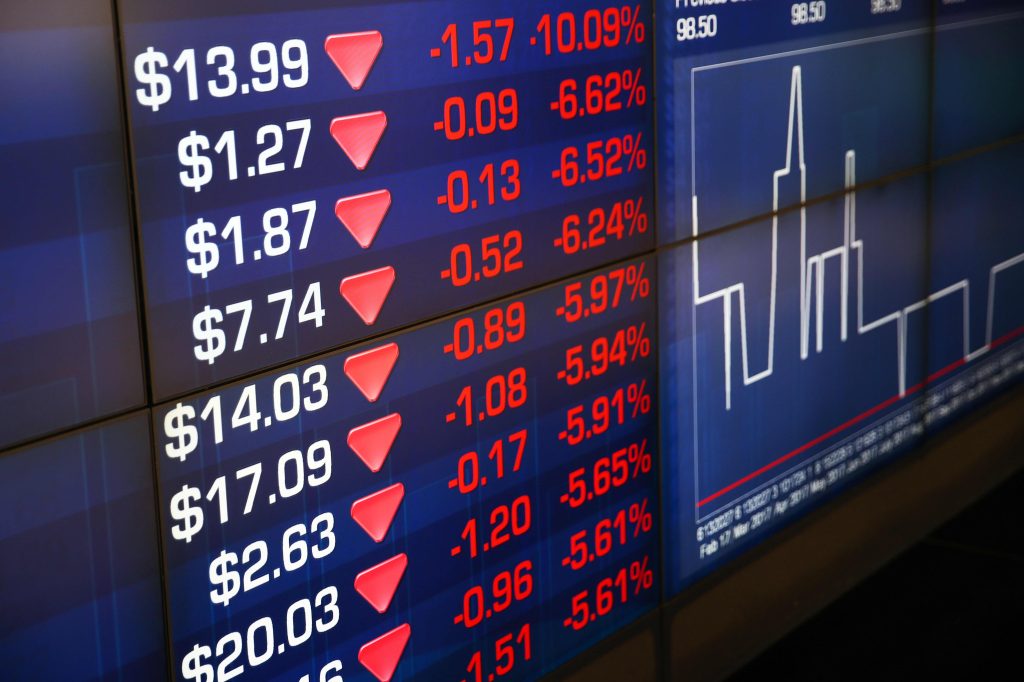
KUALA LUMPUR: Foreign investors turned net sellers across eight Asian markets last week, recording a significant outflow of US$7.12 billion (RM31.68 billion), reversing the prior week’s inflow streak, according to MIDF Amanah Investment Bank Bhd. South Korea saw the heaviest withdrawals, with a net outflow of US$4.44 billion — nearly 20 times the previous week — driven by political instability following President Yoon Suk Yeol’s impeachment and newly announced US tariffs of up to 26%. India followed with US$1.21 billion in outflows, after US President Donald Trump’s announcement on April 2 of a 10% baseline tariff and a 27% tariff specifically targeting Indian goods, effective April 9. Taiwan experienced its sixth straight week of outflows at US$814.6 million, amid concerns over a 32% reciprocal tariff on Taiwanese imports to the US. Other notable outflows included: Vietnam: US$345 million (9th consecutive week), impacted by a 46% tariff Thailand: US$202.4 million (6th week), impacted by a 36% tariff Philippines: US$14.9 million (2nd week) Indonesia: No fund flows recorded due to Hari Raya market closures On Bursa Malaysia, foreign investors marked their 24th straight week of net selling with an outflow of RM426.6 million, although this was lower than the previous week’s RM1.15 billion due to two days of market closure for Hari Raya. Local institutions continued to absorb the outflows with RM369.1 million in net buying, while retail investors returned as net buyers with RM57.5 million in inflows. Participation levels declined across the board, with foreign and institutional trading volumes down 11.7% and 28.8%, respectively. Local retail activity saw a marginal increase of 2.2%. — BERNAMA

News

Axiata to exit Myanmar with US$150mil divestment

KUALA LUMPUR: Axiata Group Bhd is exiting Myanmar after its subsidiary, Edotco Investments (Labuan) Ltd, signed a share purchase agreement (SPA) to sell its entire 87.5 per cent stake in Edotco Investments Singapore Pte Ltd for US$150 million (RM713 million). Axiata said in a filing with Bursa Malaysia today that the decision to exit Myanmar was due to deteriorating macroeconomic and operating conditions in the country. “Capital from the divestment, in line with Axiata’s commitment to maintaining a strong balance sheet and enhancing shareholder value, will be reallocated to reduce debt. “The divestment, subject to regulatory approvals, is expected to be completed within 12 months from the date of the SPA and is not expected to have a material impact on Axiata’s consolidated net assets, net assets per share, gearing or consolidated earnings for the financial year ending Dec 31, 2024,” it said. The company also said the board of directors of Axiata, after considering all aspects, is of the opinion that the divestment is in the best interests of Axiata. “None of Axiata’s directors, major shareholders or related parties have any direct or indirect interest in the transaction,” it said. –BERNAMA

Scroll to Top

Subscribe
FREE Newsletter