Thailand is reassessing whether its proposed EV support programme should be expanded beyond commercial transport vehicles to include all vehicle categories, Deputy Transport Minister Siripong Angkasakulkiat said.
Discussions on broadening the initiative have gained momentum after Thailand’s Constitutional Court ruled that the government’s 400 billion baht (US$11.9 billion) emergency borrowing plan was lawful, allowing further spending initiatives to proceed. The cabinet had approved the borrowing plan in May, though opposition lawmakers challenged its legality shortly after.
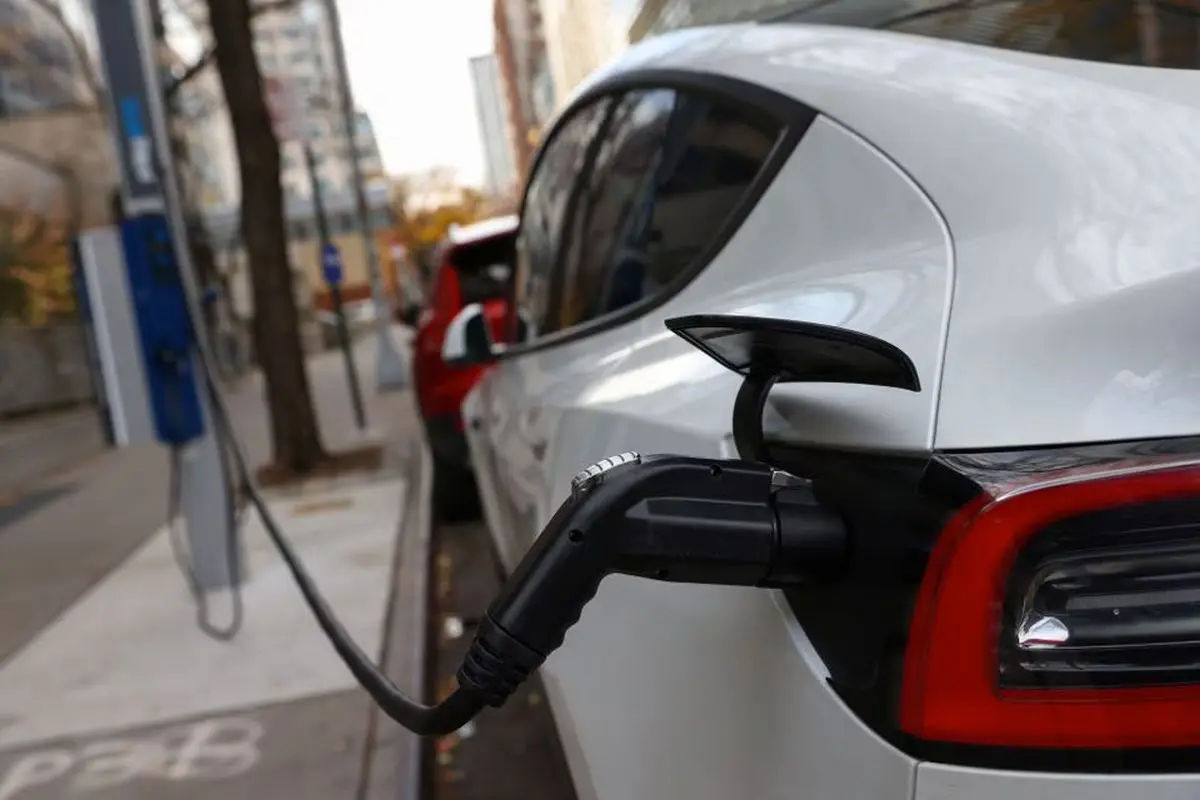
The Transport Ministry submitted the EV proposal to a committee chaired by the Finance Ministry. Support measures could include subsidies, low-interest financing and tax incentives for eligible vehicles being replaced based on specific age requirements, Siripong said.
The committee, established under the emergency borrowing framework, is responsible for approving projects and managing support measures related to economic relief and the country’s energy transition.
According to the Federation of Thai Industries (FTI), Thailand recorded 621,166 domestic vehicle sales in 2025, including 120,301 passenger EVs. Motorcycle sales reached around 1.7 million units during the same period.
Business Groups Call for Focus on Locally Made EVs
Thailand’s successive governments have introduced various tax incentives and investment policies to promote EV manufacturing and adoption, aiming to preserve the country’s position as a major automotive hub in the region.
These efforts have attracted more than US$4 billion in investments, including commitments from Chinese automakers such as BYD and Great Wall Motor. However, with the current EV support policy set to expire in 2027, industry groups have warned of potential challenges ahead for the sector.
Surapong Paisitpattanapong, spokesperson for the FTI’s Automotive Industry Club, said future incentives should prioritise EVs manufactured locally with a significant proportion of domestically sourced components.
“More domestic EV production means more jobs, higher incomes and greater tax revenue, creating benefits for businesses, consumers and the government,” Surapong said.
Siamnat Panassorn, vice president of the Electric Vehicle Association of Thailand, also called for any EV trade-in programme to focus on locally produced vehicles.
“We would like to promote EV motorcycles and public buses, as these are vehicles that typically contribute higher emissions,” he said.
Government Eyes Support for Taxis and Pickup Trucks
Siripong said the programme aims to accelerate EV adoption across multiple vehicle categories while improving public access to cleaner and safer transportation technologies.
“There will definitely be something this year, but we need to finalise the details first,” he said, adding that discussions are expected to continue for another month.
For taxi drivers whose vehicles will reach the 10-year age limit next year, the government is considering financing assistance for EV replacements. The proposed support could reduce daily loan repayments to 500 baht (US$15) from around 700 baht over a five-year period.
Other electric vehicle categories, including minibuses, vans, buses, tuk-tuks and heavy-duty transport vehicles, would receive different levels of support, depending on the final policy structure.
Finance Minister Ekniti Nitithanprapas said the programme could also support new vehicle purchases, EV replacements for pickup trucks, and the transition to vehicles capable of using B20 biodiesel through low-interest loans and subsidies.
Pickup trucks remain a crucial part of Thailand’s automotive industry, accounting for more than 60% of total vehicle production and supporting a wide ecosystem of local suppliers, manufacturing employment and parts production.