Author name: admin

ESG

Samaiden And Tan Boon Ming Partner On Clean Energy Initiative

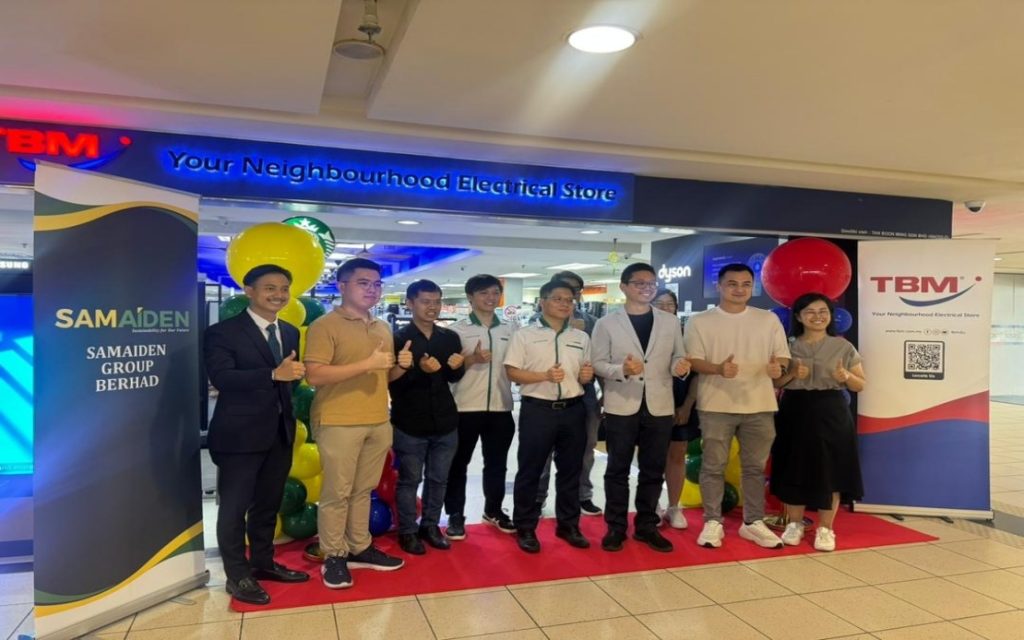
Samaiden Group Bhd and Tan Boon Ming Sdn Bhd (TBM) have launched their first in-store solar consumer experience at Bangsar Village, marking a key milestone in their partnership. The initiative allows customers to explore live solar panel displays, consult with advisors, and take steps towards installing solar photovoltaic (PV) systems for their homes—all within a retail setting. It also introduces integrated smart energy solutions to help homeowners better manage and optimise their energy use. Samaiden’s chief strategy officer Tee Wu Shun said the collaboration aims to make clean energy more accessible by bringing solar solutions into familiar retail environments. He added that rising energy needs, including electric vehicle (EV) charging and higher electricity costs, are driving demand for smarter energy solutions that allow homeowners to generate, store and manage their own power more efficiently. TBM’s general manager Tan Wai Keat said the initiative reflects the company’s evolving role from an appliance retailer to a provider of comprehensive home energy solutions. He noted that as energy consumption grows, combining solar generation with smart energy management is becoming increasingly essential rather than optional. Both companies said the Bangsar Village launch is the first phase of a wider rollout across TBM outlets nationwide, with plans to expand into commercial and SME segments. They added that the partnership will also explore future innovations, including energy storage and integrated home energy management systems.

Energy & Technology

Grab Unveils 13 AI Features At GrabX 2026

Grab has unveiled 13 new AI-powered features at its GrabX 2026 showcase, positioning its platform as a smarter, everyday companion for users across Southeast Asia. Chief Product Officer Philipp Kandal said the new tools aim to help users make better decisions, reduce friction in mobility and digital services, and enable merchants and driver-partners to operate more efficiently. He added that the rollout reflects Grab’s push to make AI practical and accessible, acting as a “smart companion” that handles everyday tasks so users can focus on their daily lives. The features are grouped into three areas — everyday lifestyle, travel, and business tools — powered by Grab’s Intelligence Layer, built on insights from more than 20 billion rides and orders. In Malaysia, five features are being introduced, including Group Ride, which allows up to four users to share trips and split fares, and Grab More, which enables orders from multiple nearby merchants in a single delivery without extra fees. Other consumer features include GrabMaps for Consumers, offering journey planning, real-time transport comparisons, indoor navigation and personalised directions, as well as a Driver AI Assistant that provides real-time support on navigation and earnings. Grab said Cloud Printer will roll out in Malaysia this month to automate order processing between front counters and kitchens, helping to reduce errors. Looking ahead, Cash Loan — an AI-driven credit feature with flexible repayment plans — is expected by mid-2026, followed by Personalised Travel Experience and GrabStays in the third quarter. The travel feature will integrate flight details, reminders and airport navigation, while GrabStays will offer hotel bookings with same-day rates. Additional features include Discover by Grab, which provides AI-curated food recommendations, and GrabPay for Travel, enabling QR-based payments across Southeast Asia using existing bank cards without the need for top-ups. These are expected to roll out by end-2026. All features are supported by Grab’s AI infrastructure, which turns real-world data such as traffic and in-store activity into actionable insights to improve decision-making and automate tasks. The company also said its Early Access Programme has grown to 200,000 users, contributing around 4,000 feature improvements since launch. A new “shake and share” function has been introduced to allow users to submit instant feedback. Grab noted that rollout timelines will vary by market, depending on regulatory approvals and operational readiness.

Energy & Technology

Standard Chartered Opens First Global Fusion Centre In Malaysia

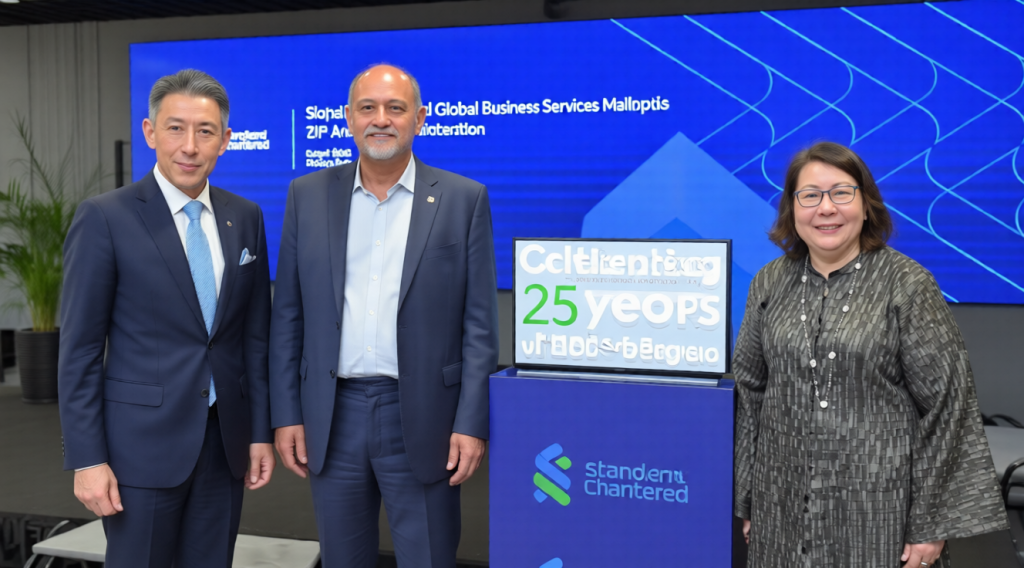
Standard Chartered has launched its first Global Fusion Centre in Malaysia to support its global operations. Located at its Global Business Services (GBS) hub in Kuala Lumpur, the centre integrates people, technology and intelligence functions to enhance real-time response and operational coordination. The facility aims to strengthen resilience across the bank’s operations while reinforcing trust with clients, regulators and stakeholders. The centre sits within Standard Chartered’s GBS Malaysia unit, established in 2001 as the country’s first multi-disciplinary global business services centre by an international bank. Today, the unit supports operations in over 50 markets and is the group’s second-largest GBS hub after India, employing more than 4,400 staff—85% of whom are Malaysians. Gobind Singh Deo, Malaysia’s Digital Minister, said the initiative highlights the country’s strength in talent and its position as a trusted regional hub for digital services, technology and high-value operations. Meanwhile, Mak Joon Nien, CEO of Standard Chartered Malaysia, said the move supports Malaysia’s ambition to become a global technology hub, in line with national priorities such as strengthening digital infrastructure, cybersecurity and developing future-ready talent as the country works towards its AI goals by 2030.

Energy & Technology

Mastercard Launches Agentic Payment Pilots In ASEAN, Eyes Singapore AI Centre

Mastercard has rolled out authenticated agentic payment transactions in Singapore and Malaysia, marking the first phase of its AI-powered payments push in ASEAN. The rollout was carried out with United Overseas Bank (UOB) for regional testing, alongside local banks in each market to support implementation. More ASEAN markets are expected to follow. The pilots aim to pave the way for wider adoption on trusted payment rails as more participants join the ecosystem. The initiative is powered by Mastercard Agent Pay, which enables AI-driven transactions using tokenised credentials, verifiable intent and end-to-end auditability via Agentic Tokens and Payment Passkeys. This ensures transactions initiated by AI remain aligned with user authorisation. Mastercard said “verifiable intent”, co-developed with Google, creates a tamper-resistant record of user-approved actions when AI agents transact on their behalf, providing a shared reference for issuers, merchants and consumers. Separately, Mastercard plans to launch a regional AI Centre of Excellence in Singapore later this year. The facility will be its largest innovation hub in Asia-Pacific, bringing together capabilities in AI, cybersecurity, payments, fraud detection and real-time risk management. Jacquelyn Tan said the collaboration highlights how trusted, AI-enabled payments can enhance everyday banking and commerce across diverse markets, while maintaining strong governance as adoption scales. Safdar Khan said the rollout underscores ASEAN’s rapid uptake of secure, AI-driven commerce, adding that early pilots show AI agents can operate responsibly and transparently with transactions anchored in verified user intent.

The Executives

DXN Names CEO Prajith Pavithran To Board

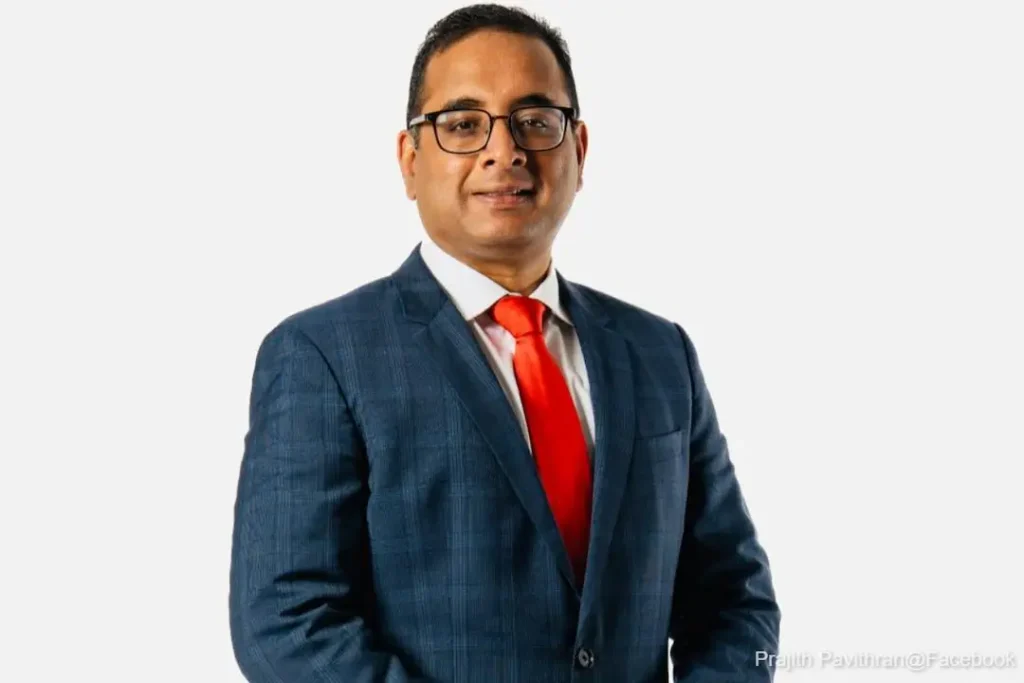
DXN Holdings Bhd  has appointed its chief executive officer Prajith Pavithran to its board as an executive director. In a filing with Bursa Malaysia, the group said Prajith, 47, began his career with DXN in 2001 as a sales and training executive in North India. He has since held leadership roles across India, the Philippines, Mexico and Latin America, a region that contributes about 60% of the company’s annual revenue. Executive chairman and founder Lim Siow Jin said Prajith’s dual role will bring operational insights directly to the board, enabling more informed and timely decision-making while strengthening execution of the group’s strategy. He added that the appointment will enhance communication between management and the board, improve accountability, and support leadership continuity as DXN pursues its long-term growth plans. DXN shares closed 1.5 sen, or 3.1%, lower at 46.5 sen on Monday, valuing the company at RM2.32 billion.

Investment & Market Trends

Hibiscus Petroleum: Mettiz Capital Exits As Major Shareholder

Hibiscus Petroleum Bhd said Mettiz Capital Sdn Bhd has ceased to be a substantial shareholder after selling part of its stake. In a filing with Bursa Malaysia, the group said Mettiz disposed of 1.12 million shares on April 2 and 540,000 shares on April 3, reducing its holdings to 35.27 million shares—below the 5% threshold required for substantial shareholder status. The disposals were worth an estimated RM3.71 million based on closing prices on the respective days. Mettiz first became a substantial shareholder in 2016 after subscribing to a private placement. Its exit marks a notable change in Hibiscus’ shareholder base. Mettiz is founded by Michael Tang Vee Mun, who remains Hibiscus’ largest shareholder through indirect stakes held via Polo Investments Ltd and Mettiz, with a combined 12.32% interest. Hibiscus shares closed down seven sen, or 3.1%, at RM2.17 on Monday, giving the company a market capitalisation of about RM1.6 billion. Separately, the group said in November it was in talks with three potential strategic investors, including two oil companies, for a possible long-term investment involving shares, convertible securities, and the injection of producing oil and gas assets alongside cash.

Energy & Technology

Sunview Bags RM1.96B Letter Of Award From TNB Genco

Sunview Group Bhd’s consortium, comprising its wholly-owned subsidiary Fabulous Sunview Sdn Bhd and Cypark Renewable Energy Sdn Bhd, has secured a RM1.96 billion contract from TNB Power Generation Sdn Bhd (TNB Genco) for a major renewable energy project. The consortium, known as Consortium Cre-Sunview, received a letter of acceptance (LOA) for the engineering, procurement, construction, and commissioning of a 595-megawatt alternating current (MWac) floating solar photovoltaic plant, paired with a battery energy storage system at Kenyir Lake, Terengganu. Within the unincorporated joint venture, Cypark Renewable Energy holds a 60% stake, while Fabulous Sunview owns 40%. The project, including all applicable taxes, duties, fees, and sales and service tax (SST), is scheduled to start on 2 June 2026 and is targeted for completion by 29 September 2028. Sunview said the contract is expected to contribute positively to the group’s future earnings, without affecting its share capital or the holdings of substantial shareholders. TNB Genco, the contracting party, is a wholly owned subsidiary of Tenaga Nasional Bhd, and this project reinforces Malaysia’s commitment to renewable energy and sustainable power generation.

Property

TSR Capital Bags RM34M East Coast Expressway Flood Works

TSR Capital Bhd’s wholly-owned unit, TSR Bina Sdn Bhd, has secured a RM34 million contract for a flood mitigation project along the East Coast Expressway, the company said in a Bursa Malaysia filing. The contract, awarded by AFA Construction and Engineering Sdn Bhd, is set to commence this month and is expected to be completed by the fourth quarter of 2027. The project covers earthworks and other associated civil engineering works under Package 3B of the East Coast Expressway Phase 1 flood mitigation project. TSR Capital said the contract is anticipated to boost the group’s earnings and net assets for the financial year ending June 30, 2026, and throughout the project’s duration. In a statement, TSR Capital Executive Director Lim Dian Ping said the award highlights the group’s expertise in infrastructure and civil engineering projects. “Flood mitigation is a key part of Malaysia’s infrastructure development, and we are proud to contribute to initiatives that improve environmental sustainability and public safety,” he said. Lim added that the group is committed to delivering the project efficiently and to the highest standards of quality, safety, and environmental compliance. He noted that the contract also strengthens TSR Capital’s position in the infrastructure sector and provides momentum to pursue similar projects in the future.

Investment & Market Trends

Nextgreen Global Secures RM50M Loan From Bank Rakyat

Nextgreen Global Bhd (NGGB) has accepted a RM50 million working capital financing-i (WCF-i) facility from Bank Kerjasama Rakyat Malaysia Bhd (Bank Rakyat), the company said in a filing with Bursa Malaysia. The financing, based on the Shariah Tawarruq principle, will be used to support the group’s general working capital needs related to its business operations. Each disbursement under the facility carries a 12-month revolving tenure, with an overall facility term of up to five years from the date it is made available or the first disbursement, subject to the bank’s discretion and periodic review. NGGB said the loan will not affect the company’s issued and paid-up capital or the shareholdings of substantial shareholders. It is also not expected to have any immediate impact on the company’s net assets or earnings per share.

Investment & Market Trends

Bank Negara OKs Affin Bank’s RM50M Pheim Acquisition

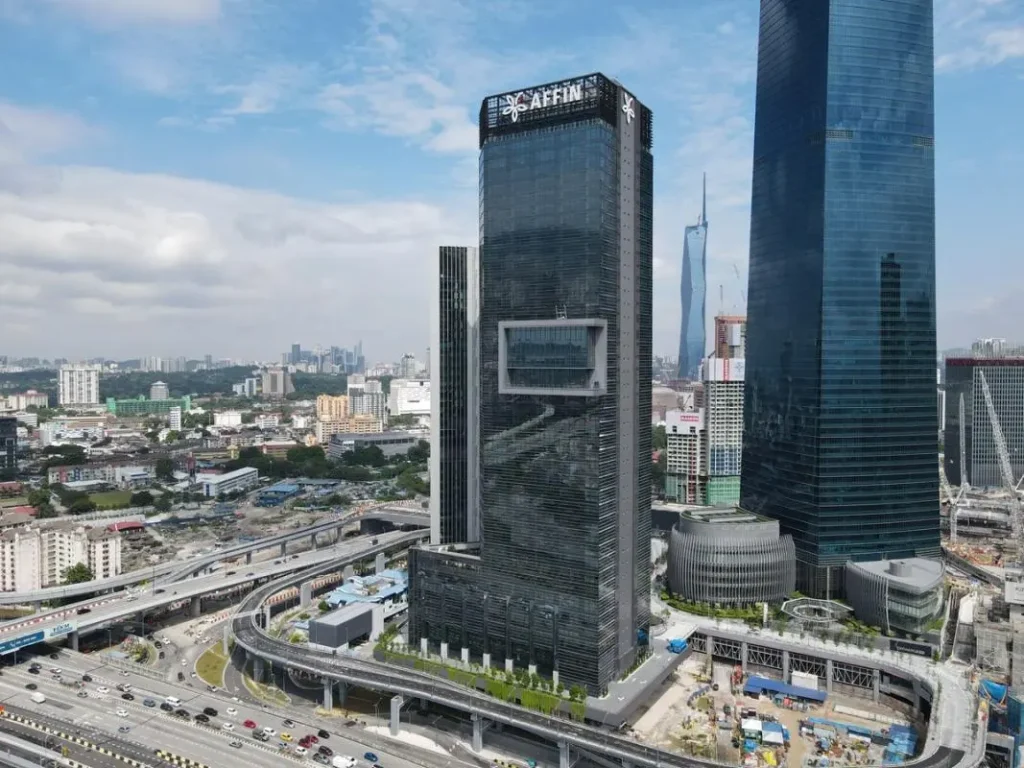
Bank Negara Malaysia (BNM) has approved Affin Bank Bhd’s proposed acquisition of 100% equity interest in Pheim Asset Management Sdn Bhd for RM50 million in cash, according to a bourse filing. The approval, granted via a letter dated April 2, is subject to conditions including post-completion reviews of certain operational processes and an independent external assessment prior to system integration. As at June 30, 2025, Pheim Asset Management managed approximately RM876 million in assets under management (AUM). For the financial year ended Dec 31, 2024, the company recorded profit after tax of RM1.58 million, net assets of RM25.61 million, and RM21.60 million in cash and fixed deposits. Affin Bank has previously indicated plans to scale up its AUM rapidly following the acquisition, with a long-term target of RM6 billion. The bank is expected to tap funding from sources including the Sarawak Sovereign Wealth Future Fund, external investment managers, and high-net-worth clients from its premium and private banking segments. It may also deploy treasury funds into fixed income strategies managed under the platform. The RM50 million purchase price implies a price-to-AUM ratio of 5.7%, higher than the 3.08% valuation seen when Affin sold Affin Hwang Asset Management to CVC Capital Partners in 2022. The deal also reflects a price-to-book multiple of two times and a price-earnings ratio of about 30 times. Affin exited the asset management business in July 2022 after disposing of its 63% stake in Affin Hwang Asset Management for RM1.42 billion. Analysts estimate that every RM1 billion in AUM could generate around RM2 million to RM2.5 million in fee income, highlighting the potential earnings contribution from the acquisition. Shares in Affin Bank closed one sen lower at RM2.45, giving the bank a market capitalisation of RM6.21 billion. The stock has declined 6.8% over the past year.

Scroll to Top

Subscribe
FREE Newsletter