Author name: admin

Investment & Market Trends

Genting Malaysia’s US Unit Offloads Assets For RM2.2b To Cut Losses

PETALING JAYA, Genting Malaysia Bhd’s (GENM) loss-making US subsidiary, Empire Resorts Inc (ERI), is divesting its non-casino assets in New York state for US$525 million (RM2.2 billion) in a move to clear its debt and acquire new land. GENM said the proposed deal will “deliver long-term strategic and financial benefits” as it allows ERI to fully redeem its US$300 million (RM1.3 billion) bond maturing in November 2026, leaving the unit debt-free for the first time in over two decades of losses. Genting Malaysia’s US$41 million (RM173 million) buyout of Empire Resorts raised eyebrows among some investors and analysts.  “The proposal underlines GENM’s commitment to strengthening its competitive position in New York’s gaming market and the wider northeastern US region,” the group said in a Bursa Malaysia filing. The restructuring is expected to lower financing costs, increase ERI’s asset base, and provide RM42.1 million in additional cash. Under the deal, ERI will sell the 332-room Resorts World Catskills, the 99-room Alder Hotel, the 18-hole Monster golf course, the 2,500-seat RWC Epicenter, and several restaurants to the Sullivan County Resort Facilities Local Development Corp (SCRFLDC). Proceeds will also fund the RM848 million purchase of 1,554.6 acres of land from US-listed real estate investment trust EPR Properties. This includes 420 acres housing Resorts World Catskills and 1,134.6 acres of vacant land earmarked for future development. ERI will lease back the land from SCRFLDC until 2066 and continue managing the assets under a 20-year agreement, with two automatic five-year renewals. Final terms for the sale, lease, and management deals are still being negotiated. This restructuring follows GENM’s controversial US$41 million (RM173 million) acquisition of the remaining 51% stake in ERI from Kien Huat Realty III Ltd, the Lim family’s private vehicle. The deal, announced three months ago, also involved GENM taking over a US$39.7 million (RM167 million) debt ERI owed Kien Huat. The transaction drew criticism from analysts as “expensive and potentially profit-dilutive,” raising concerns over related party dealings. Bursa Malaysia had also queried GENM extensively on the deal. According to GENM’s 2024 annual report, deputy chairman and CEO Tan Sri Lim Kok Thay, 73, and his son, deputy CEO Datuk Lim Keong Hui, 40, hold a deemed interest of 49.35% in GENM through family stakes. GENM’s shares gained three sen, or 1.5%, to close at RM2.02 today, giving the group a market capitalization of RM12 billion. However, the stock remains down 10.2% year-to-date.
News

Singapore’s iFAST Wins Initial Approval For Malaysian E-Money Venture

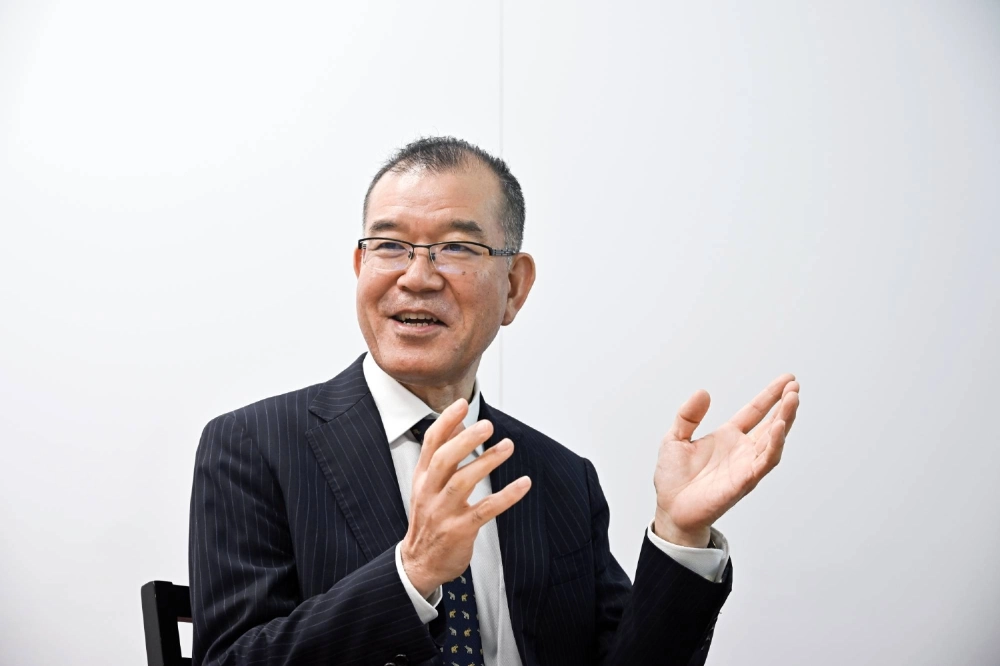
KUALA LUMPUR, Singapore-based iFAST Corporation Ltd has secured provisional approval from Bank Negara Malaysia to operate as an electronic money issuer. The approval, granted to its subsidiary iFAST Pay Malaysia Sdn Bhd, will allow the group to hold a money services business licence. iFAST said its initial focus will be on expanding its multi-currency e-wallet, prepaid cards, and cross-border payment offerings. The company also plans to deepen the integration of its digital payment services with its wealth management platform. “Our goal has always been to build a virtuous cycle of investing, earning and now spending, all within one powerful application,” said Lim Chung Chun, chief executive officer and chairman of iFAST Corp. Listed on the Singapore Exchange, iFAST is a digital banking and wealth management platform with more than RM10 billion in assets under administration in Malaysia, and over S$27 billion globally as at June 2025. Dennis Tan, chief executive of iFAST Malaysia, said the new offerings will support instant payments for daily spending and international travel, targeting frequent travellers and expatriates. “We are looking to roll out these solutions over the next year,” he added.

Investment & Market Trends

Rakuten Bank Pauses JGB Buying On Rate Hike Outlook

TOKYO, Rakuten Bank Ltd is likely to refrain from actively purchasing Japanese government bonds (JGBs) until the Bank of Japan (BOJ) delivers further interest rate hikes, reflecting cautious sentiment over policy uncertainty. The online lender, part of e-commerce giant Rakuten Group, has seen deposits nearly triple in five years to ¥11.7 trillion (US$79 billion) as more customers turn to its digital services. While still small compared with Japan’s megabanks, the growing cash pool is prompting the bank to seek new investments. For now, JGBs remain unattractive due to market volatility. Rakuten Bank avoided fresh JGB purchases in the first half of 2025, holding ¥617 billion worth of bonds to maturity as of June. “We won’t pursue aggressive JGB buying until we see at least one or two more rate hikes,” CEO Tomotaka Torin said. “Our priority is running operations that can withstand rising yields.” Japanese bonds have been under pressure as the BOJ gradually shifts from negative rates, pushing yields higher—especially on longer maturities. Analysts increasingly expect another BOJ hike by April, with swaps pricing in a 25-basis-point increase. Torin added that the bank is taking a similar approach to mortgages, avoiding ultra-low-rate loans while yields climb. “Once margins normalize after rates rise, that will be the time to accelerate lending,” he said. Rakuten Bank’s loan book, including mortgages and credit card financing, stood at ¥4.76 trillion in June, up 12% year-on-year. Financial services, including Rakuten Bank, are becoming a key profit driver for Rakuten Group, contributing more than half of group EBITDA.

News

Kronologi Acquires Quantum Storage HK For RM45m To Enter EDM Market

KUALA LUMPUR, Kronologi Asia Bhd has announced plans to acquire Quantum Storage (Hong Kong) Ltd for RM45 million, strengthening its presence in the enterprise data management (EDM) market, particularly in Hong Kong and Taiwan. According to its Bursa Malaysia filing, the deal will be settled through the issuance of up to 40.8 million new shares at 98 sen each, along with a cash payment of up to RM5 million. Kronologi said the purchase price was arrived at on a willing buyer-willing seller basis after arm’s-length negotiations, with payments to be made in stages. The valuation represents a price-earnings multiple of 8.85 times, based on a profit warranty of US$1.2 million (RM5.07 million) for the financial year ending Dec 31, 2017 (FY17). The profit warranty was deemed reasonable, supported by Quantum Storage (HK)’s unaudited net profit of US$580,000 for the first half of FY17 and the company’s future growth prospects within the enlarged Kronologi group. Following the acquisition, Law Chee Yii, who owns 100% equity in Quantum Storage (HK) and was previously a non-substantial shareholder of Kronologi, will emerge with a 12.1% stake in the group. The RM5 million cash portion of the deal will be funded through proceeds raised from Kronologi’s private placement of new shares completed on Aug 25. Kronologi currently operates in Southeast Asia and India. The inclusion of Quantum Storage (HK) will extend its footprint to Hong Kong, Taiwan, and Greater China, regions seen as offering strong growth opportunities amid rising digitalisation and technology adoption. On Monday, Kronologi’s share price slipped 1.02% to 97 sen, valuing the company at RM288.5 million. Year-to-date, the stock has surged 212.9%, and at current levels, it trades at a price-earnings ratio of 23.8 times.

Property

Cognex Opens New Office In Indonesia To Support Local Manufacturers

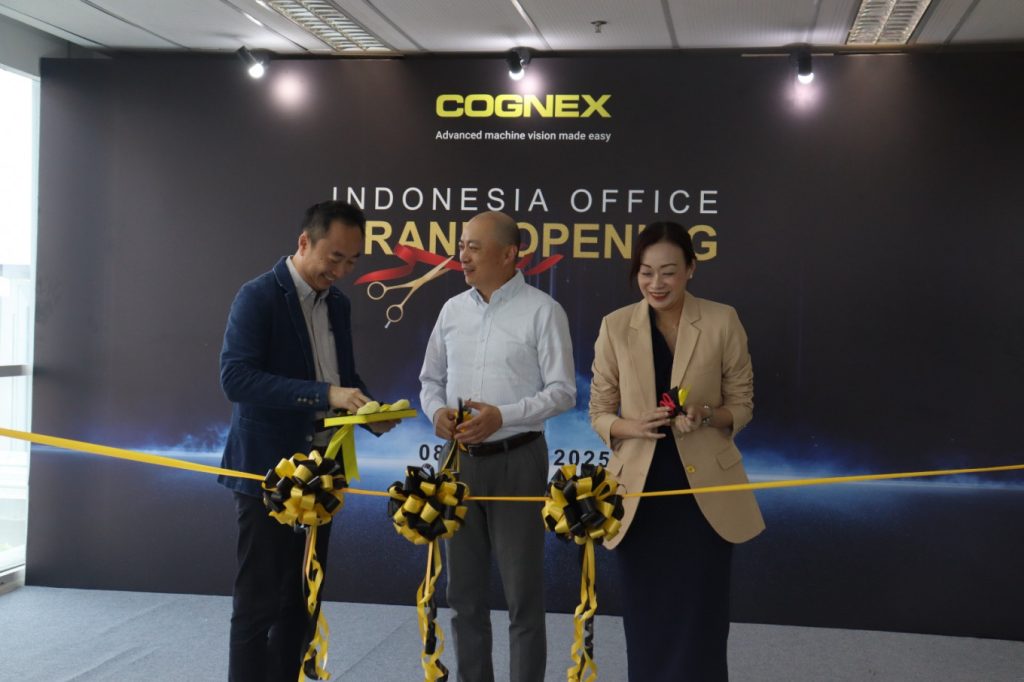
JAKARTA, Industrial machine vision company Cognex Corporation has opened a new representative office in Bekasi, West Java, to strengthen its presence in Indonesia and get closer to manufacturing customers across the Greater Jakarta Area and beyond. “The opening of this new office marks our commitment to building long-term relationships with manufacturing customers in Indonesia,” said Michael Zhu, Cognex’s Vice President of Sales for Asia, in a press statement. “We want to be on the ground with our customers — listening, understanding, and delivering solutions that make industrial transformation easier and more sustainable.” The new office is located at M Gold Tower in Bekasi, chosen for its proximity to major industrial hubs on Java Island. Bekasi is home to several large industrial estates, including Jababeka Industrial Estate, MM2100 Industrial Town, Greenland International Industrial Center (GIIC), and East Jakarta Industrial Park (EJIP). These areas are key centers for industries such as food and beverage, automotive, electronics, logistics, and pharmaceuticals — all of which increasingly demand advanced automation and machine vision solutions. Cognex’s Bekasi office features a local sales and engineering support team, as well as a technology demo room where customers can receive hands-on training, technical consultations, and test real-world applications of Cognex’s solutions. “With a local team in place, we can respond to customer needs faster and help manufacturers accelerate their move toward more automated and efficient production systems,” said Chong Siong Chuang, Cognex’s Area Sales Manager for ASEAN South. “We see tremendous potential for Indonesia to build a more connected and globally competitive manufacturing sector.” Indonesia remains a key growth market for Cognex, supported by the government’s push for manufacturing transformation and the sector’s significant role in the economy. Manufacturing currently contributes over 16 percent of Indonesia’s GDP and employs more than 19 million people. While the sector is still facing headwinds, it is showing signs of recovery. According to S&P Global’s latest report, Indonesia’s Manufacturing Purchasing Managers’ Index (PMI) rose to 49.2 in July, up from 46.9 in June. Although still below the 50-point mark that separates expansion from contraction, the improvement signals a gradual rebound amid challenges such as weak demand and concerns over U.S. tariffs.

Investment & Market Trends

Maxis And CelcomDigi Pump In RM116.7mil Each Into DNB

KUALA LUMPUR, CelcomDigi Bhd, Maxis Bhd and YTL Power International Bhd have each provided additional shareholder advances of RM116.67 million to Digital Nasional Bhd (DNB) to fund the state-owned 5G wholesaler’s operations and working capital needs, as Malaysia transitions to a dual 5G network model. The fresh capital injection follows U Mobile Sdn Bhd’s exit from DNB’s shareholder line-up, with its 100,000 shares redistributed among CelcomDigi, Maxis, YTL Power and the Minister of Finance Inc (MOF Inc). U Mobile has been tasked with building the country’s second 5G network. According to bourse filings, the latest advances bring CelcomDigi’s, Maxis’s and YTL Power’s total investments in DNB to RM350.03 million each, comprising earlier contributions of RM233.23 million plus the new RM116.7 million tranche. Each company now holds a 19.44% stake in DNB, while MOF Inc remains the largest shareholder with a 41.67% interest and RM750.3 million in combined equity and advances, including a RM250.2 million government loan. Under the shareholder agreement, every ringgit of advance carries the same rights as an ordinary share, including voting privileges. The advances are interest-free and only repayable by mutual agreement, though they may also be treated as prepayments under access agreements with DNB. Risks Ahead for Dual 5G RolloutCelcomDigi cautioned that the entry of U Mobile as a second network operator could affect DNB’s revenue if telcos divert traffic to the new provider. DNB may also require more funding to sustain rollout momentum and maintain service quality, it added. To mitigate risks, DNB has set up a steering committee with regular reporting to shareholders. Both CelcomDigi and Maxis noted that the latest advances will not materially impact their earnings, net assets or gearing. On Friday, CelcomDigi’s shares closed seven sen or 1.82% lower at RM3.77, valuing the group at RM44.23 billion. Maxis eased three sen or 0.85% to RM3.48, giving it a market cap of RM27.27 billion, while YTL Power slipped two sen or 0.47% to RM4.20, with a market value of RM36.18 billion.

Lifestyle

GoFood Expands Pojok Belajar To 24 Cities

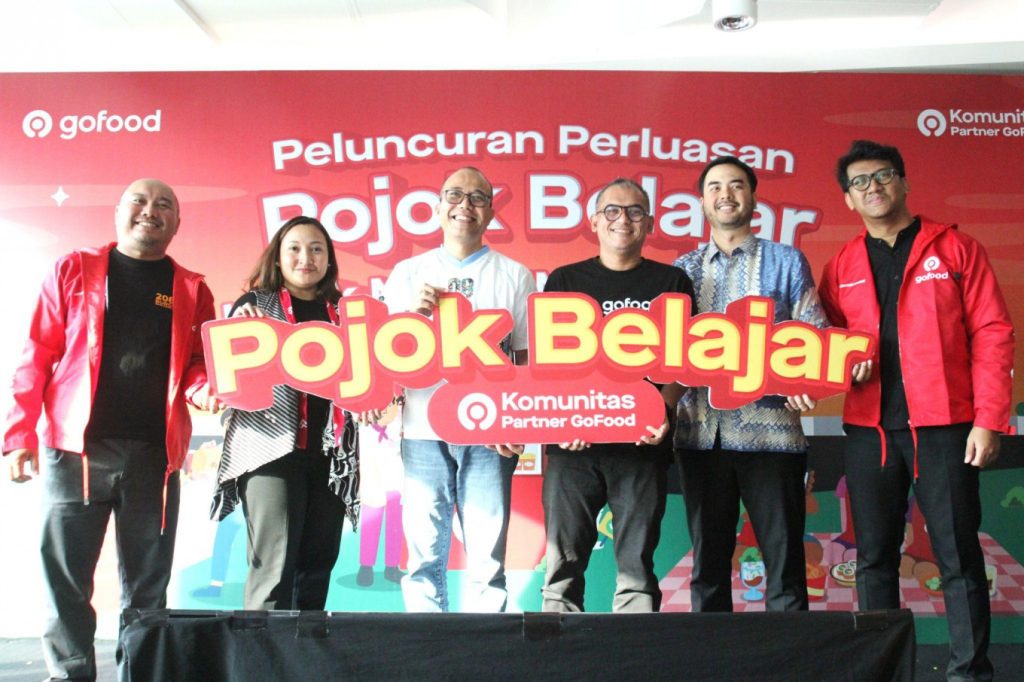
From neighborhood coffee stalls to bustling lunchtime eateries, micro, small, and medium enterprises (MSMEs) form the very foundation of Indonesia’s economy. These businesses are everywhere, shaping daily life while driving national growth. According to the Ministry of MSMEs, they account for a staggering 99 percent of all enterprises in the country, contribute 61 percent to Indonesia’s gross domestic product (GDP), and provide jobs for 97 percent of the workforce as of 2023. Recognizing this immense role, GoFood, Gojek’s on-demand food delivery platform, has long been a trusted partner of MSMEs. Beyond providing a digital marketplace, GoFood actively supports entrepreneurs through initiatives that help them grow stronger, more competitive, and more sustainable. One of its flagship programs is Pojok Belajar (Learning Corner), launched in August 2024. Pojok Belajar is more than just a training program — it is a practical education and mentoring hub designed for GoFood Merchant Partners who are part of the GoFood Partner Community (KOMPAG), one of Indonesia’s largest culinary MSME networks, with over 212,000 members across 104 cities. Through this initiative, MSMEs gain access to hands-on knowledge about running and scaling a culinary business, ranging from branding and digital marketing strategies to daily financial management. The program delivers intensive monthly learning sessions in major cities nationwide, helping entrepreneurs sharpen their skills and adapt to the evolving food and beverage industry. In conjunction with National MSMEs Day, GoFood has officially expanded the reach of Pojok Belajar — growing from its initial presence in 8 cities to 24 cities across Indonesia. To support this expansion, GoFood has also deployed 40 accomplished MSME mentors across the regions. These mentors are carefully selected from successful business owners who bring proven track records, deep expertise, and a collaborative spirit. This ensures that merchants not only learn from theory but also gain insights from real-world business experience. The expansion also reflects the rising enthusiasm of MSME entrepreneurs eager to learn, share, and grow within a supportive community. GoFood has therefore strengthened both the scale and quality of Pojok Belajar. Sessions now offer more diverse perspectives, tailored mentoring, and actionable strategies that merchants can directly apply to their businesses. According to Dani Oktobianto, Vice President of Sales at Gojek, Pojok Belajar has evolved beyond its original role as an educational program. “It has now become a collaborative space where merchants exchange ideas, share tips, and discover best practices that strengthen their businesses,” he said. Through this expansion, GoFood reaffirms its commitment to empowering MSMEs, ensuring that the businesses which power Indonesia’s economy continue to thrive in an increasingly digital and competitive marketplace.

ESG

Johor Plantations Issues RM200m Green Sukuk To Fund Sustainable Projects

KUALA LUMPUR, Johor Plantations Group Bhd (JPG) has successfully issued its first Sustainability Sukuk Wakalah–Islamic Medium-Term Notes (IMTN), raising RM200 million under its Series 2 programme. The 10-year sukuk, maturing on Aug 15, 2035, carries a periodic distribution rate of 3.70% per annum. JPG said the issuance was oversubscribed by 4.93 times during the bookbuilding process, reflecting strong investor demand and confidence in the group’s sustainability efforts and operational performance. Proceeds will fund Shariah-compliant capital expenditure for JPG’s Integrated Sustainable Palm Oil Complex (ISPOC), recognised as an eligible green project under its sustainability framework. Maybank Investment Bank Bhd acted as principal adviser and sustainability structuring adviser. CIMB Investment Bank Bhd and Maybank Investment Bank Bhd were joint lead arrangers, while Affin Hwang Investment Bank, AmInvestment Bank, Bank Islam, CIMB Investment Bank and Maybank Investment Bank served as joint lead managers.

Investment & Market Trends

Prabowo Promotes $1 Trillion Danantara Fund To Drive Job Growth

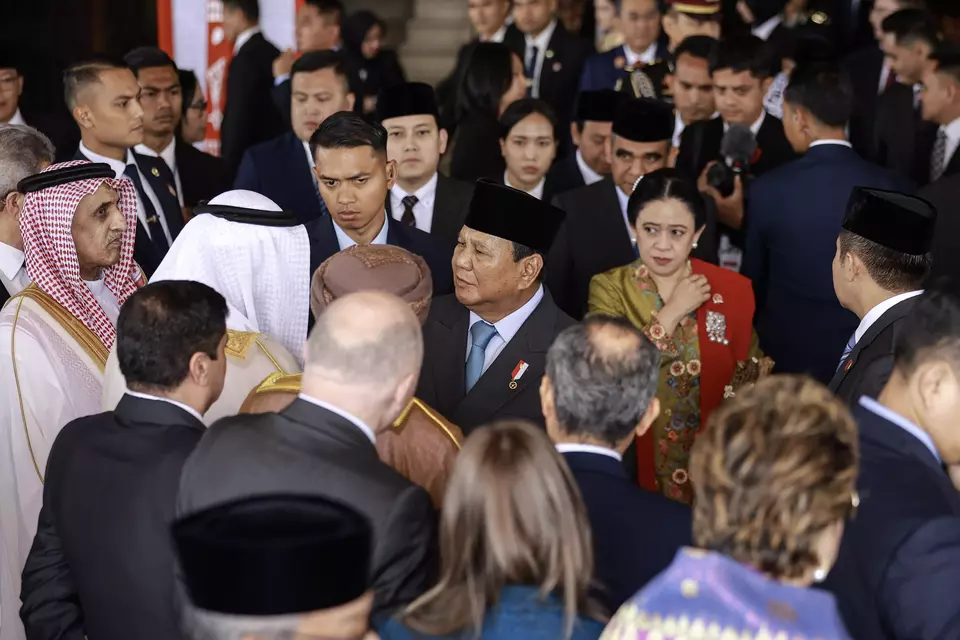
JAKARTA, President Prabowo Subianto said Indonesia’s new sovereign wealth fund, Danantara, will be a major engine for job creation and economic growth, managing assets of over $1 trillion. In his first state address to parliament since taking office in October, Prabowo said Danantara will drive industrialization of natural resources and strategic sectors, creating millions of “quality jobs,” particularly in downstream industries. He added that processing minerals and mining products will boost export value and strengthen the economy, noting unemployment is now at its lowest since the 1998 Asian financial crisis. President Prabowo Subianto greets his guests after delivering his annual state address at the People’s Consultative Assembly in Jakarta, Friday, Aug. 15, 2025.  As part of wider efforts, the government has launched 80,000 Merah Putih Cooperatives to support rural communities, farmers, and fishermen. These cooperatives supply subsidized essentials like rice, cooking oil, and fertilizer, while creating new jobs across villages. In the first half of 2025, investment rose 13.6% year-on-year to Rp 942 trillion ($58.3 billion), generating 1.2 million jobs. The economy grew 5.12% in Q2 2025, and Prabowo said growth is set to accelerate despite global challenges. He also claimed his administration had saved Rp 300 trillion ($18.6 billion) in state funds by cutting wasteful spending, redirecting resources toward more productive uses.

Investment & Market Trends

Gamuda’s Job Win Forecasts For FY2026 And FY2027 Increased To RM22b, RM27b By Kenanga IB

KUALA LUMPUR, Kenanga Investment Bank Bhd (Kenanga IB) has raised its job win forecasts for Gamuda Bhd to RM22 billion in FY2026 and RM27 billion in FY2027, up from RM20 billion and RM25 billion previously. The increase was largely attributed to additional projects in Australia. In a research note, the bank maintained its FY2025 job win estimate at RM17 billion. It projected Gamuda’s construction revenue to hold steady at RM15 billion in FY2026 before climbing to RM22 billion in FY2027, compared to its earlier forecast of RM18 billion. Kenanga IB said there are no changes to earnings forecasts for FY2025 and FY2026. However, it revised its FY2027 earnings forecast upward to RM1.95 billion from RM1.69 billion. The investment bank highlighted that data centres remain the main driver of Malaysia’s tender activity, with five to seven project results expected soon. The outcome of Pearl Computing’s data centre in Springhill is anticipated in 2026, with Gamuda expected to secure at least half of the upcoming contracts. Other potential wins include the Ulu Padas water supply project, the Penang Light Rail Transit Package 3, and the Kerian water treatment and distribution infrastructure, which is likely to be awarded in the first half of 2026. Gamuda is also seen as a strong contender for another project in Taiwan. Kenanga IB believes these developments will help Gamuda achieve its target outstanding order book of RM40 billion to RM45 billion by end-2025. In addition, Gamuda expects more renewable energy and transmission projects in Australia, in line with the country’s push to reach 82% renewable generation by 2030. “Gamuda’s diversification and earnings visibility give us confidence in its growth trajectory,” the bank said, maintaining its ‘outperform’ call on the stock with a higher target price of RM6.10.

Scroll to Top

Subscribe
FREE Newsletter